The MacGuffin is a screenwriting technique that was first widely used by Alfred Hitchcock. We are talking about an object (artifact) or person that serves as the plot of the plot and its driving force, but does not play a fundamental role. The main thing is that the action is somehow built around them. For example, in Hitchcock's thriller The Birds, the MacGuffin is, in fact, birds. In the thriller Psycho, this is Norman Bates' mother. And so on... 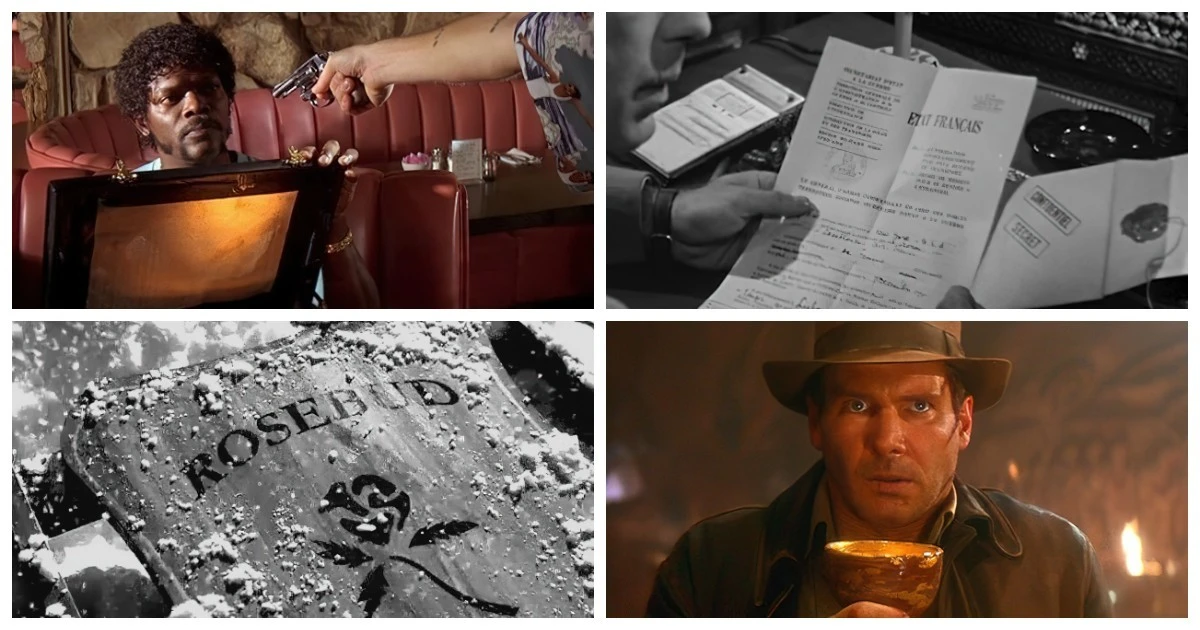
Hitchcock wasn't the only one to use MacGuffins. Over time, this film technique has become one of the most popular in screenwriting. Here are some prime examples of MacGuffins from movies you know very well.
1. Doug in the movie "The Hangover" 
Many people may forget this while watching the movie, but the main characters get into all this trouble because they are trying to find Doug. He's the reason they came to Vegas in the first place. Doug is getting married, and his friends decide to celebrate with a good old-fashioned bachelor party. It's possible that not all viewers even remember Doug exists because he's only shown at the very beginning and only a few minutes at the end. But the whole plot is built around his search.
2. Blueprints for the Death Star in Star Wars 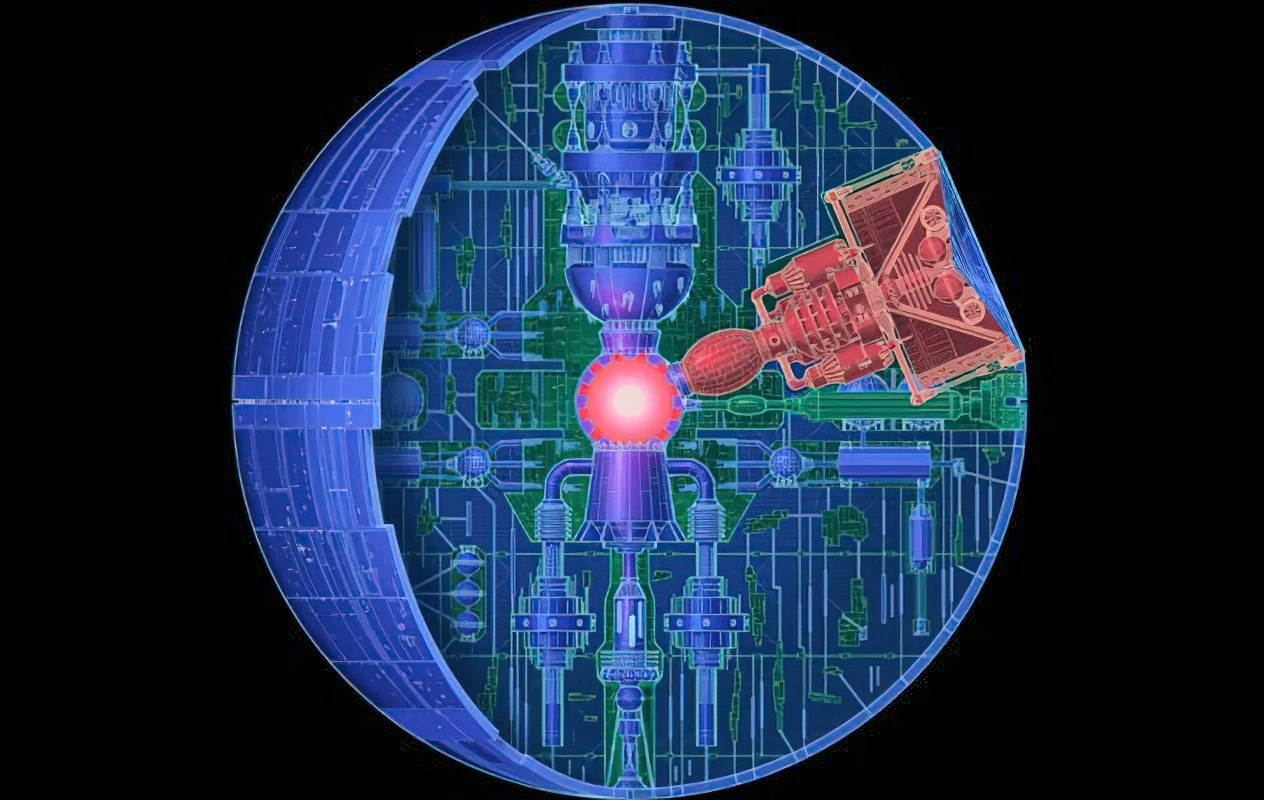
We were finally given the backstory of how the Rebels obtained the technical blueprints for the Death Star - in Rogue One. And these blueprints definitely serve as a MacGuffin here. But in the original Star Wars, they were generally the main element that moved the story forward. After the Tantive IV is boarded and the blueprints are found to be missing from the main computer, the Empire stops at nothing to find them. Imperial stormtroopers follow the droids R2-D2 and C-3PO carrying the blueprints to Tatooine and kill Luke Skywalker's aunt and uncle. We then meet Han and Chewie as the Death Star plans travel through space and finally reach the Rebels, who are now able to study them closely and find their weak point. Why the blueprints are definitely a MacGuffin: if Darth Vader had found them on the ship in the first scene, there would have been no plot. He would simply destroy the Alliance in one fell swoop.
3. Marcellus Wallace's suitcase in Pulp Fiction 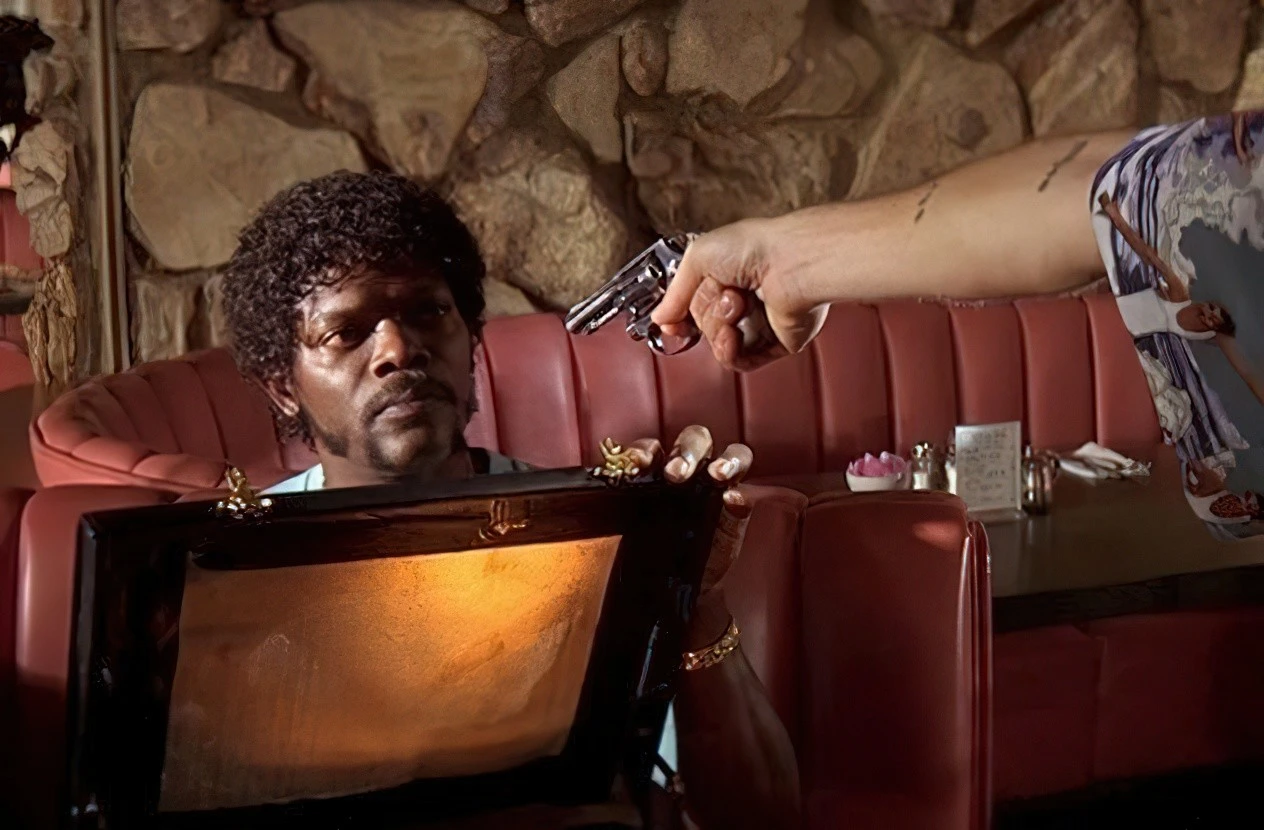
That's the thing about MacGuffins: you don't always need to know what they are. Just like, for example, you don’t need to know what’s in the suitcase that the main characters carry with them in Pulp Fiction. What's inside is not of fundamental importance. All we need to know as viewers is that it's something important. Fan theories suggest everything: that there are diamonds stolen in Reservoir Dogs, or the Oscar that Quentin Tarantino hoped to win, or the soul of Marcellus Wallace. Tarantino himself admitted that he does not know what is inside the suitcase. It's just a classic MacGuffin for setting up conflict.
4. The Genesis Device in Star Trek 2 and Star Trek 3
From Star Trek II: The Wrath of Khan to Star Trek III: The Search for Spock, it would seem that the main plot driver is Khan's hatred of Kirk and Kirk's hatred of the Klingons. But in fact this is a Genesis device. Although it was designed to create life (terraform planets), the Genesis device was seen by those outside of Starfleet as the ultimate weapon, capable of destroying entire planets and ending their life... at least the life already on them was present. Thanks to the Genesis device, Kirk meets his son. Later, when the device helps keep Kirk alive, he is sought out by the Klingons, who end up killing Kirk's son out of spite. When Spock's body ends up on the Genesis planet, he is revived using that very device... By far, Genesis is one of the most interesting MacGuffins on this list.
5. Private Ryan in Saving Private Ryan 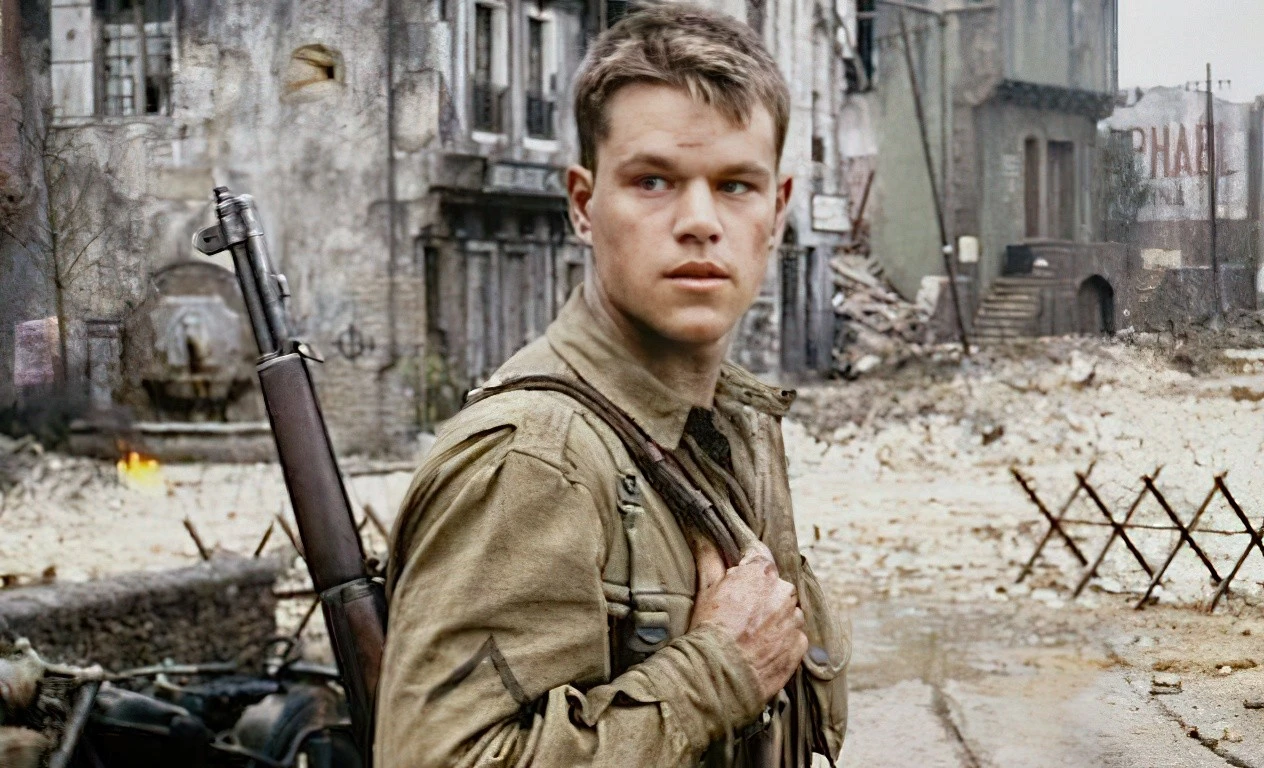
There are many examples of people being used as MacGuffins, but few have played as important a role as Private James Francis Ryan. The focus of Saving Private Ryan is not the Nazis or Operation Overlord, but rather the mission that Tom Hanks and his group of Rangers undertake to save an ordinary private from almost certain death. To be fair, Ryan plays quite an important role in the story. But his actions (when he is found) become just another step in the plot process, that is, the same MacGuffin. When he refuses to leave his unit and follow his rescuers to safety, many of them are killed.
6. The One Ring in The Lord of the Rings 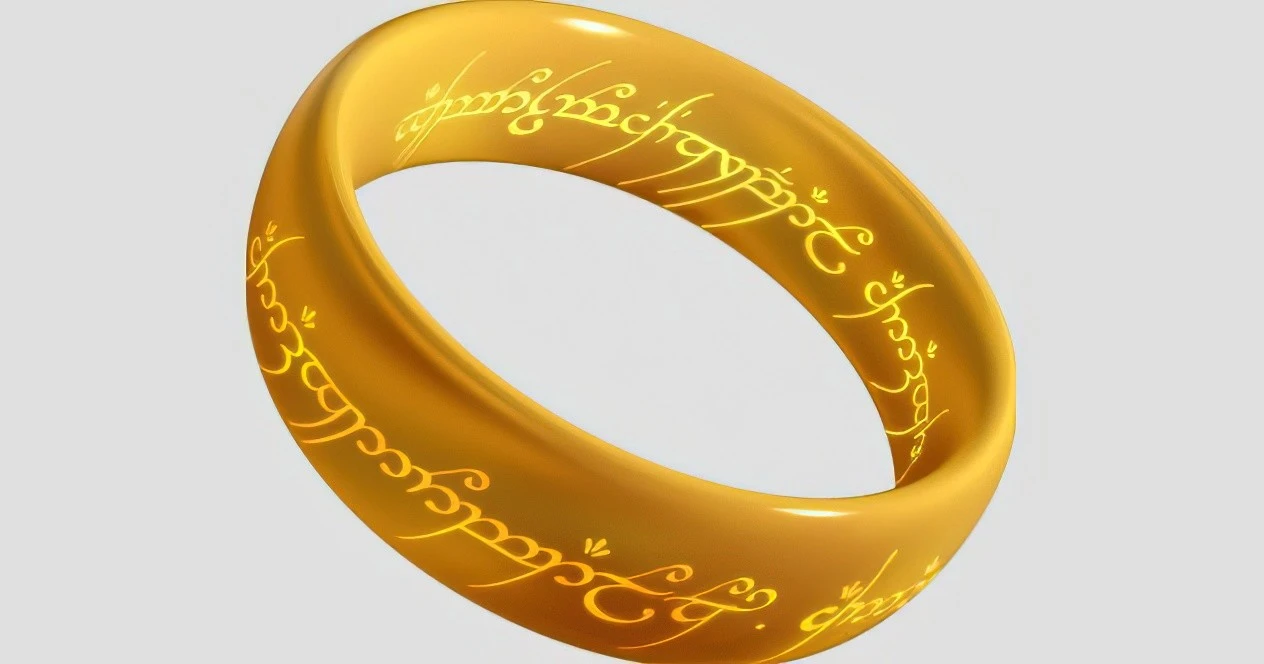
When it comes to a powerful artifact that serves as a MacGuffin, we have the One Ring. That's it, you don't have to look any further. Not only is this the ring that Sauron is determined to get back throughout the series (both the movie trilogy and all the books), but it is also incredibly powerful in its own right. We learn that it is not just the most powerful ring, but the ring that binds all the other rings together. The Fellowship of the Ring embarks on an epic quest to return this powerful artifact to Mount Doom, where it can be destroyed. This quest is just the beginning of an adventure that intertwines the lives of all the inhabitants of Middle-earth. By the way, in The Hobbit the MacGuffin is the treasure on which the dragon Smaug rests, or more precisely, the legendary Arkenstone stone.
7. The Holy Grail in Indiana Jones and the Last Crusade 
Here one could take as an example anything from the Ark of the Covenant to those ridiculous crystal skulls, because the artifact and treasure of any Indiana Jones film is a MacGuffin by definition. Let's take the Holy Grail, simply because it's the first one that comes to mind. It is specifically stated as the goal to which all strive. We learn that Indiana's father was looking for him. Then we learn that Adolf Hitler and the Nazis are looking for him. Finally, Indiana Jones himself is looking for him. And he finds it! But that doesn’t matter anymore—what matters is that the cup served its purpose and was the engine of the adventure story.
8. Falcon figurine in the film “The Maltese Falcon” 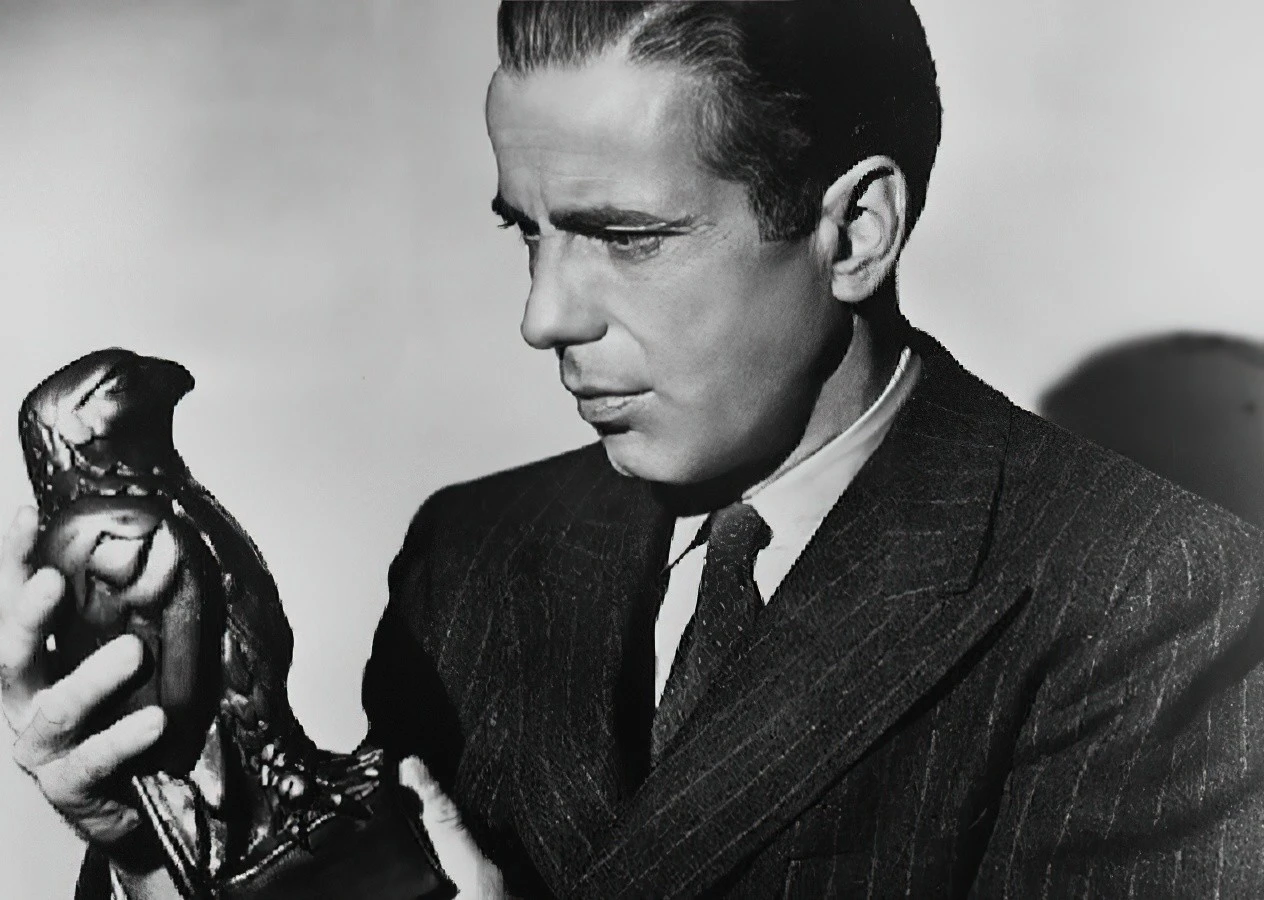
There are some great MacGuffins in the classic films made around the time Hitchcock coined the term "MacGuffin", and The Maltese Falcon is probably one of the most famous. In the film, it is the item that everyone wants to have, and it drives the actions of all the characters. It's not just the Falcon itself that's a MacGuffin. The search for him also drives the plot. When Gutman and Cairo find the figurine and find out that it is a fake, they are not upset or even angry. They feel giddy at the thought that they can continue searching. It is the search - the pursuit of the Falcon around the world - that gives their lives meaning. The idea that they can continue down this path gives the characters great pleasure. The implied value is what makes it the perfect MacGuffin, much like the briefcase in Pulp Fiction.
9. Letters of transit in Casablanca 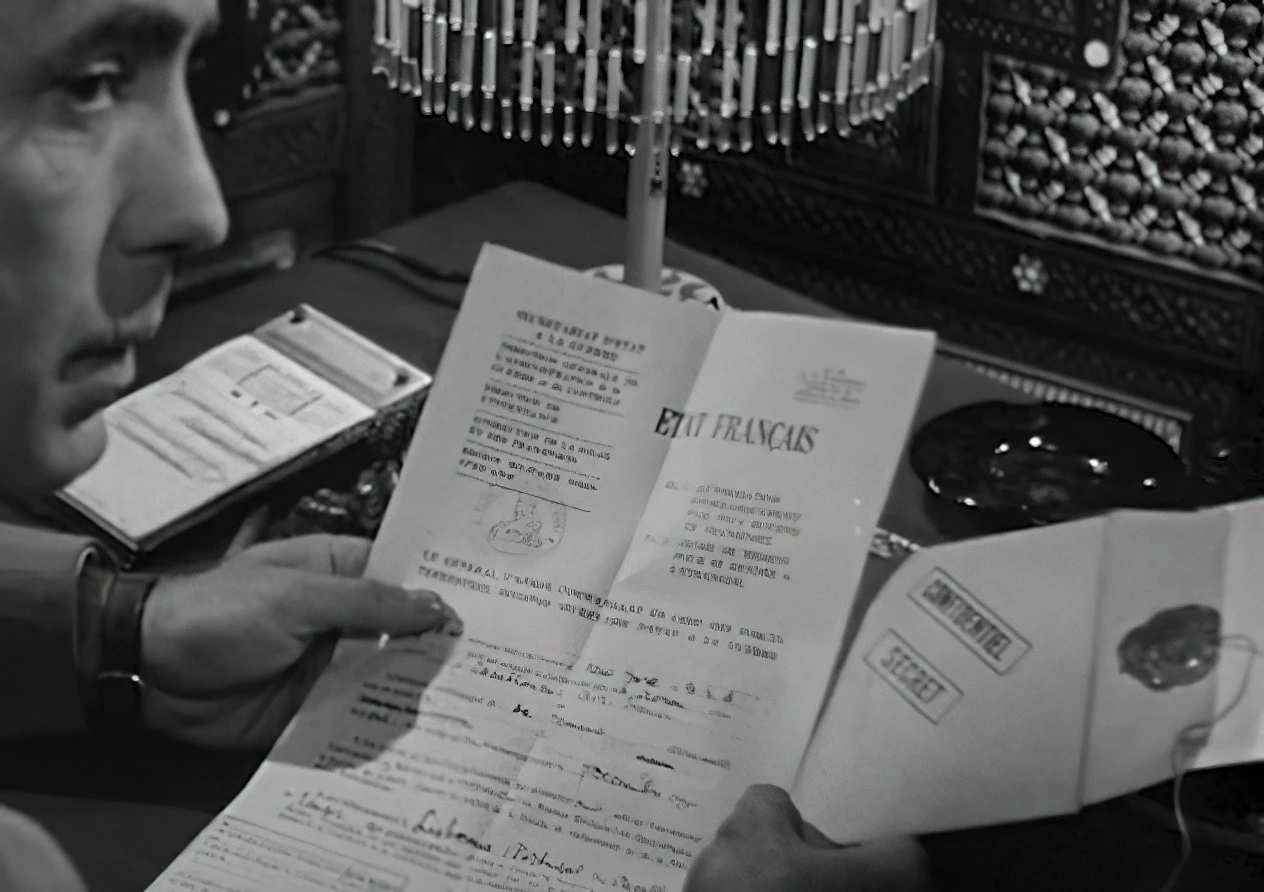
The film “Casablanca” is not just one of the masterpieces of cinema classics, but also one of the very first examples of a MacGuffin that audiences don’t even pay attention to. Everything that happens on screen is dedicated to the romance between Rick Blaine (Humphrey Bogart) and Ilsa Lund (Ingrid Bergman). This is what the audience's attention is drawn to. But for the heroes of the film, everything revolves around transit letters! Throughout the entire story, Rick is driven by the desire to keep his ex-lover safe and protected. He eventually forces her to board a plane after obtaining letters of transit that allow them to escape Nazi-occupied Morocco. To receive the letters, two German couriers had to be killed, so great importance is attached to them. But despite the seriousness of the situation, viewers are more captivated by the love of Rick and Elsa than by the MacGuffin. This is what makes it completely special.
10. "Rosebud" in Citizen Kane 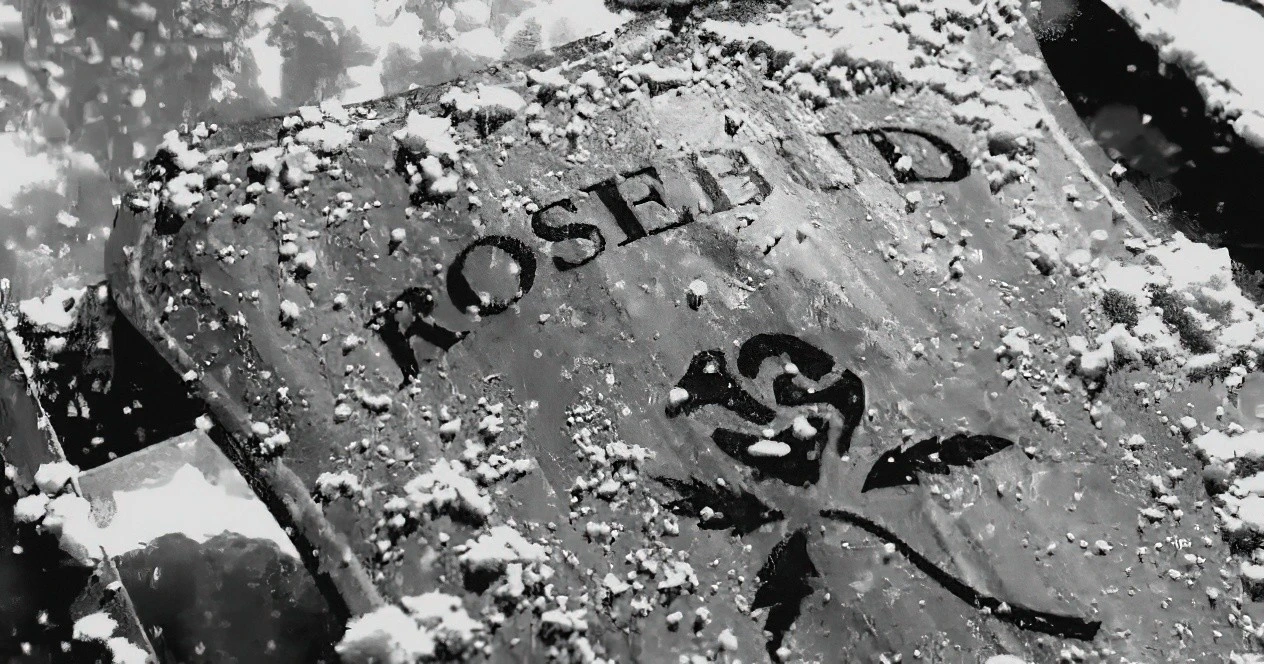
The film Citizen Kane begins with the death of Charles Foster Kane. He holds a glass ball with a snowy landscape in his hand and at the moment of death he says the word rosebud (“rosebud”), and then the ball falls to the floor. What did this rich man and tycoon have in mind before he died? What kind of rosebud? The meaning of his dying words is the MacGuffin, a mystery that journalist Jerry Thompson tries to unravel throughout the film. It’s just that he never succeeds. Only the audience in the very last scene learns what a “rosebud” really is. This is the brand name of the sled that eight-year-old Kane was riding on the day he was taken from his mother's home in Colorado. A symbol of carefree childhood, something most cherished and lost forever.
0 comments