The language of birds, or the Secrets of communication of birds (7 photos + 3 videos)
Incredible in itself, it is true: birds have an amazing ability to communicate with each other and in much more diverse ways of communicating than we can imagine. 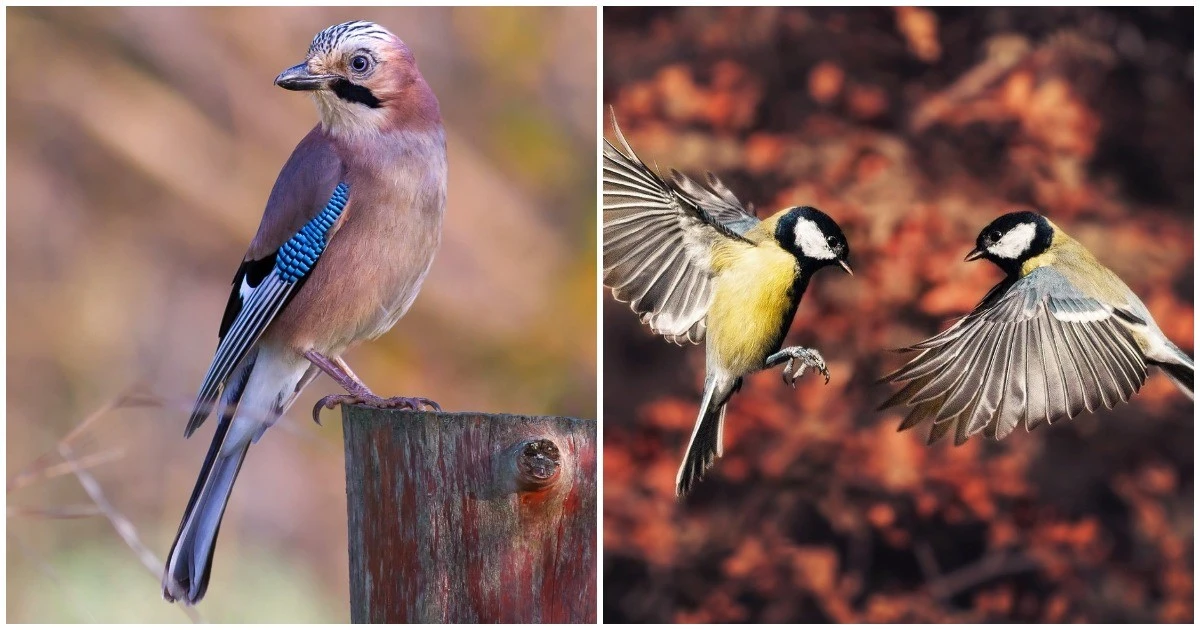
They not only convey messages with their voices, but also use gestures and postures. The interesting thing is that the same pose can have different meanings depending on the context. For example, during mating games it serves to attract females, and at other times it can warn potential rivals that the nest is already occupied. 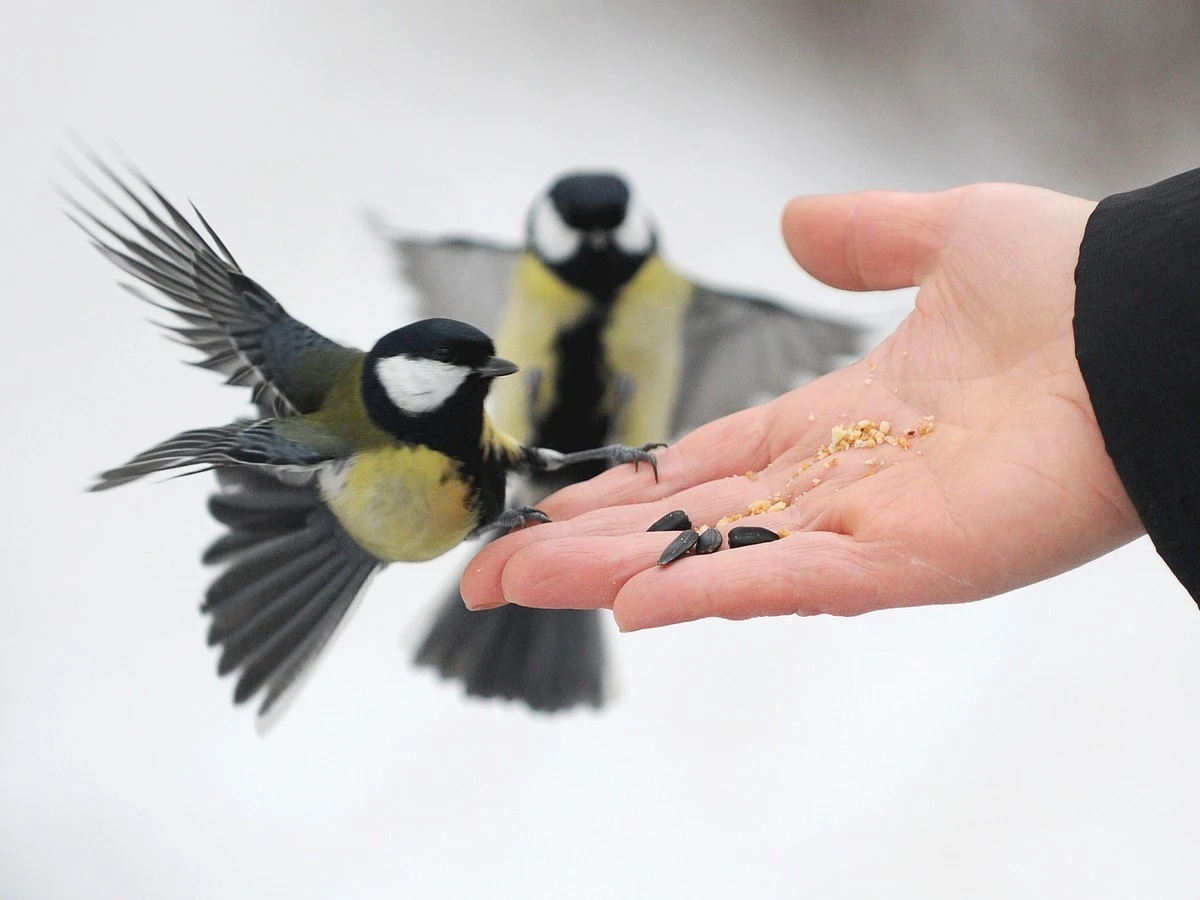
At the moment, scientists know more than a hundred signals used by birds. Some of them are universal, similar to human gestures that can be understood without translation. However, other signals are intended for intraspecific communication, and this is where the real interest lies. Moreover, interesting observations have been made regarding pets that can speak human language.
Here are some interesting examples of bird communication.
Universal language 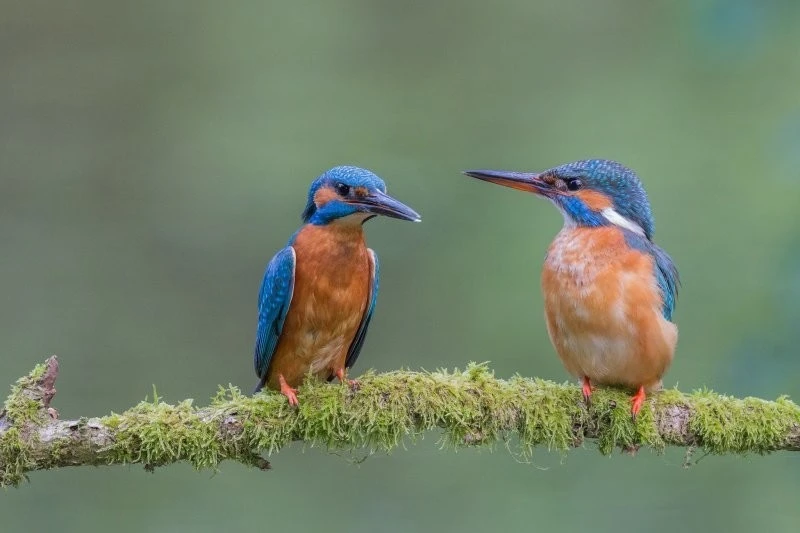
The simplest and most basic elements of bird language are understandable not only to other birds, but also to other animals, including humans. For example, the alarm calls of a magpie, jay, blackbird and other birds warn of possible danger. These sounds are perceived not only by birds of the same species, but also by other forest inhabitants. 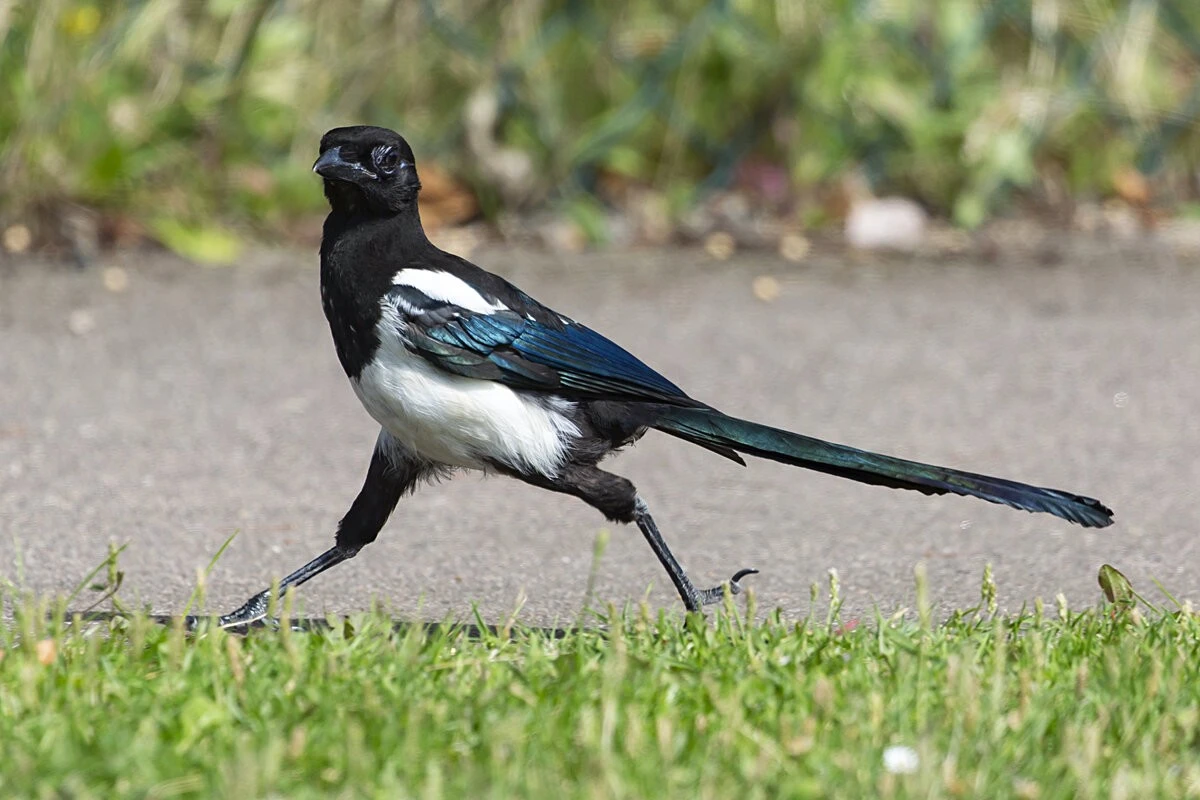
If you often walk through the woods, you've probably noticed that when a magpie suddenly takes flight with its characteristic crash, other birds become silent for a while and assess whether you pose a threat. Then they either continue their chirping or move away from the dangerous place. Birds also respond to the calls of birds of prey. This is well known to ornithologists, and therefore recordings of these calls are used at airfields to scare away birds. Some farmers also use these sounds to protect their fields. 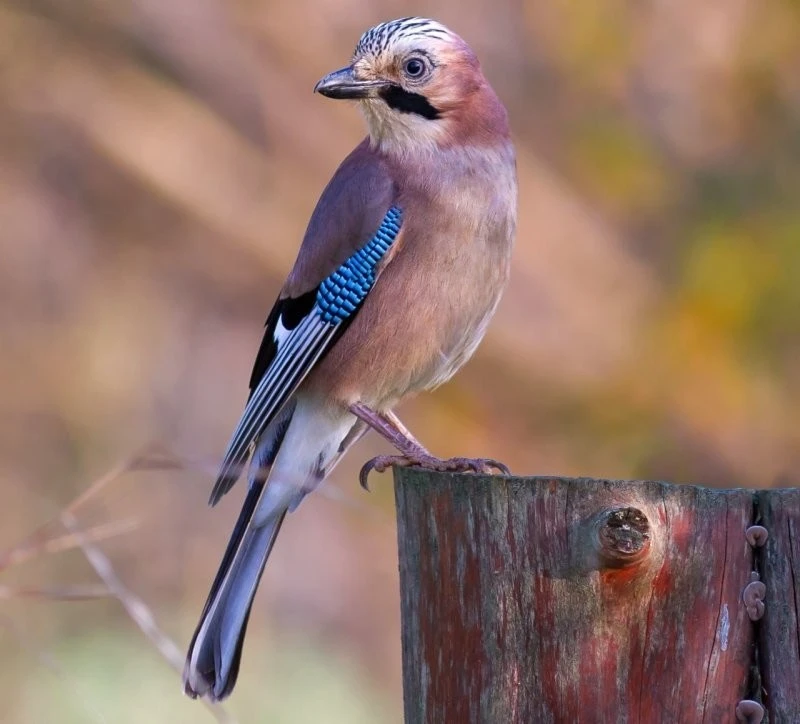
In addition, birds may use a variety of threatening postures to scare away potential enemies. Obviously, such signals should be clear to everyone. Some birds can live in mixed flocks, for example, jackdaws can live within a flock of crows. Flocks of tits often include other small birds. This indicates that birds are able to exchange information with other species at a level sufficient for living together in a flock.
Conversations between relatives 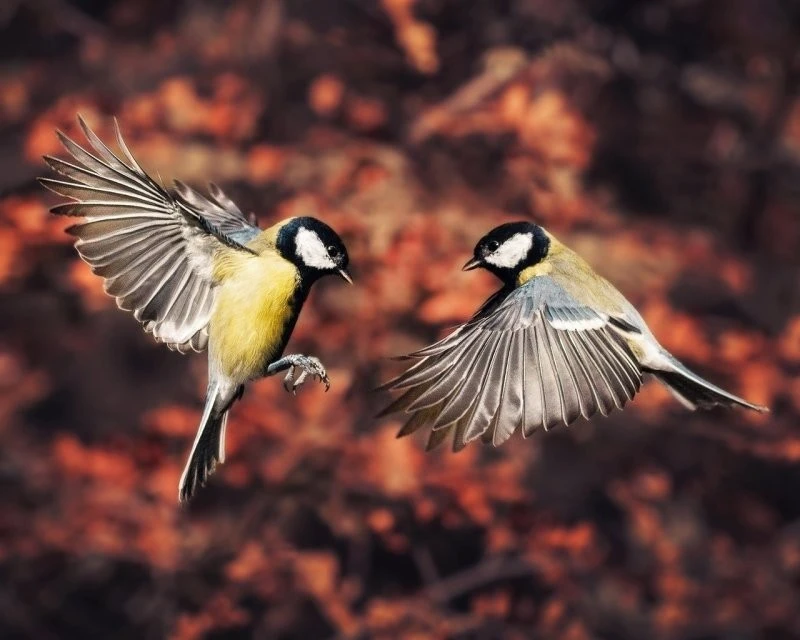
With general signals, everything is quite simple and clear. Everything here is at the level of instincts. But what is especially interesting is the communication of birds of the same species with each other. When living together, birds require more signals to interact. This is necessary for cohabitation, breeding and migration.
Interesting fact: birds that lead a flock lifestyle are easier to tame. Their communication skills contribute to this process. In addition, birds within a flock distinguish between other individuals. Males of some species attract females with their singing. To us, the singing of two such birds may sound the same, but the female definitely chooses the male with the more attractive singing. The need to sing is inherent in the bird at the level of instinct, and it performs songs in its own style. Moreover, the bird can hone its singing by learning from more experienced relatives. Songbird breeders use this ability to train their pets by placing them near experienced singers or playing audio recordings.
Talkers and their art of communication 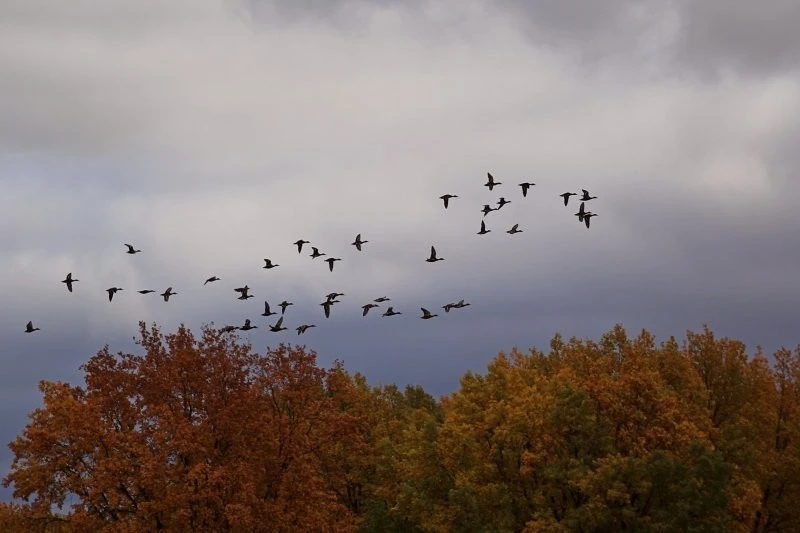
Talkers are the real geniuses of the bird world. They not only have high intelligence, not inferior to the great apes, but also communicate intensively within the pack. They are not limited to simple sounds and gestures. They are able to give gifts to each other or attract the attention of a potential interlocutor with interesting objects, like small children.
It is known that talkers can remember the faces of people who have harmed them. Having met such a person, the bird will begin to scream at him and even attack. But the most interesting thing is that the talker is able to tell his pack that this person is dangerous. And after that the whole flock will show aggression towards him. Thus, birds are able to accurately describe the source of the threat to their relatives.
Conversations with a person
What about birds communicating with humans in human language? Parrots, starlings, crows, mynahs can perfectly repeat human speech. But do they understand the meaning of what they say?
Of course, in most cases, bird imitators simply repeat sounds without realizing their meaning.
Parrots, who are familiar with phrases like “Kesha wants to eat,” often say them when they are hungry. Some individuals have their own phrases that they pronounce depending on their mood - they say them when they are angry, offended or happy. Yes, the parrot does not understand the meaning of what is said, and its phrases may sound unnatural in the context of a normal conversation. For example, a joyful parrot may exclaim “Guard!” But for a parrot, this is a certain acoustic signal in human language, with the help of which it expresses a certain emotion. In other contexts he does not use this phrase. And what is this if not communication?
And another funny feature of parrots is that they have a peculiar sense of humor. People often talk about how their pets learned to imitate the sound of a doorbell or telephone and were amused by the owner's reaction. Interestingly, sometimes a bird can make an imitating sound just like that, for no apparent reason. But there are situations when these “pranks” have a specific purpose: the bird “rings the doorbell” and watches the owner’s reaction. The man comes out, but there is no one outside the door. He returns, and the bird repeats everything all over again. If the pet is doing this for the first time, and the owner does not yet know about his new trick, he may have to run a little. This means the bird is consciously engaging in its antics and perhaps giggling to itself.