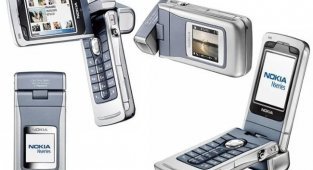
6 push-button phones of the 2000s that everyone dreamed of (7 photos)
Today, push-button phones seem like dinosaurs among modern smartphones, and their technical characteristics are nothing but laughable. Many companies that produced advanced models such as Nokia or Motorola in the 2000s left the market or lost their leadership to other players. 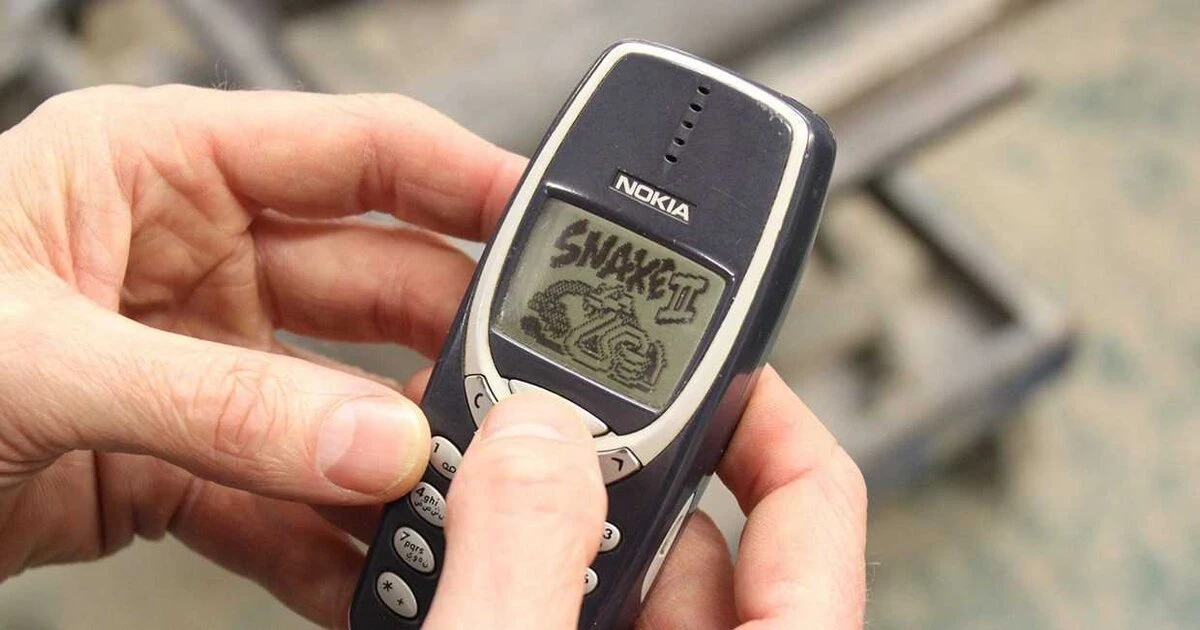
Which mobile phones make us nostalgic for the liberal 2000s?
But at the turn of the 21st century, everyone dreamed of having such a mobile phone, and many models received cult status thanks to their outstanding design and technology at that time. They installed the first 8-bit beeper melodies for calls, and later polyphonic melodies, and whiled away the hours playing snake, Tetris and other simple arcade games. SIM cards were huge compared to today's nano- and mini-formats, and to top up our balance, we bought scratch payment cards at the stalls.
The functionality of mobile phones has been constantly improved and has gone from a simple dialer to more or less entertainment technology with color screens, polyphony and audio and video playback. The end of the era of feature phones was marked by the release of the Apple iPhone in May 2007 with revolutionary smartphone features at that time such as a large touch screen, the ability to listen to music and play video, an attractive design and an intuitive operating system.
1. Nokia 3310 (2000) 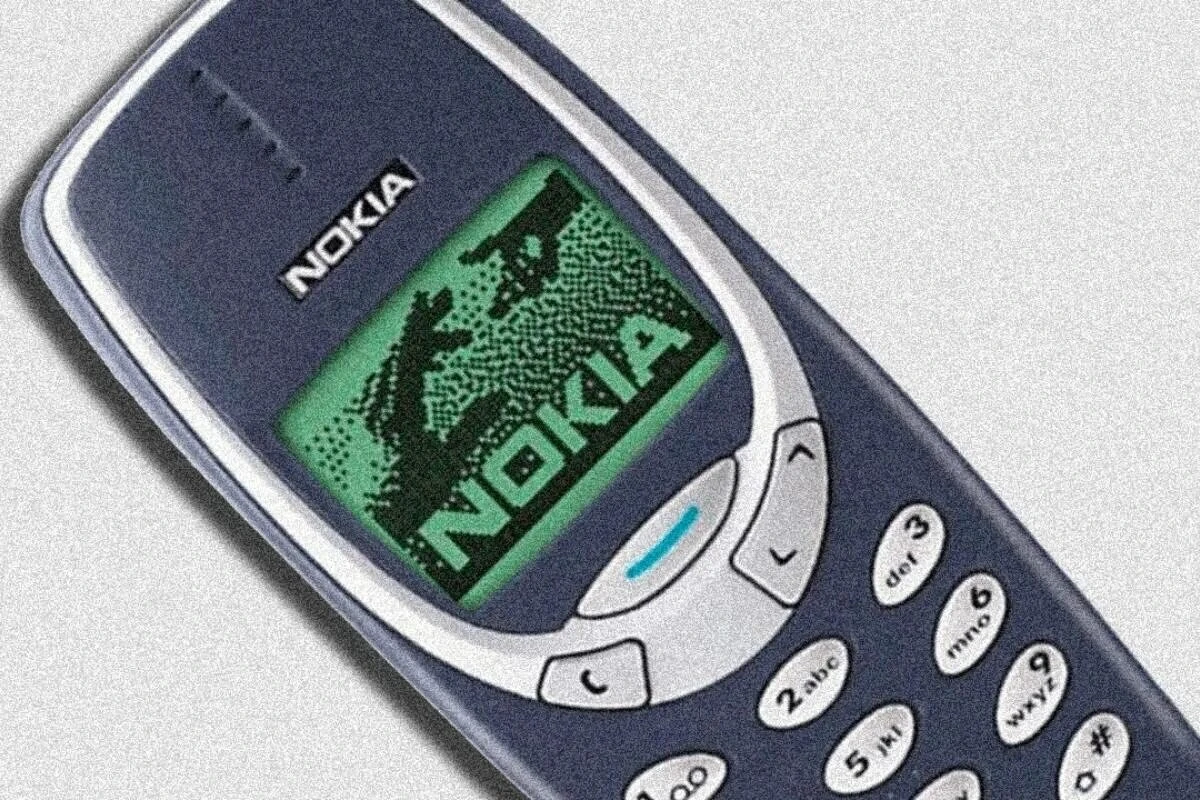
The cult phone with a monochrome display of 84x48 pixels from the Finnish Nokia, which at that time was considered the flagship of the entire mobile device market, became one of the first models with an antenna hidden inside the case. In the early 2000s, the $190 model had an ideal price/quality ratio for the middle segment, and at the same time an “indestructible” body. The most popular color was dark blue.
In total, Nokia sold more than 100 million of these handsets. The model was discontinued in 2005, but given its strong fan base, an updated version of the legendary phone was released in 2017 for fans of the timeless classic.
2. Sony Ericsson T68i (2002) 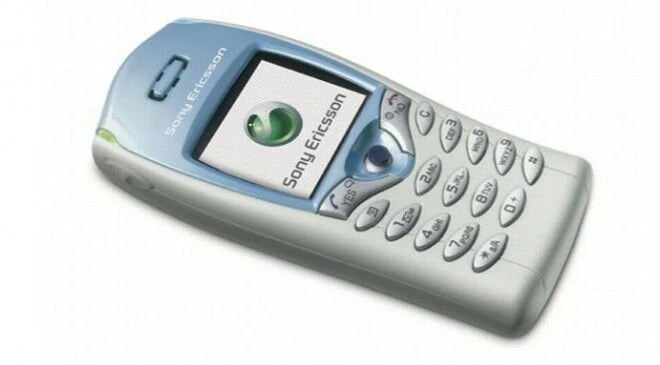
Few people now remember the Swedish Ericsson, which had a concern with Sony in the 2000s. Together, they managed to create one of the first compact mobile phones with a color screen of 256 colors with a resolution of 101x80 pixels, as well as support for MMS and Blutooth and a joystick instead of arrows.
It was not possible to find information on the network about the retail price of this gadget. Can anyone remember?
3. Siemens C65 (2004) 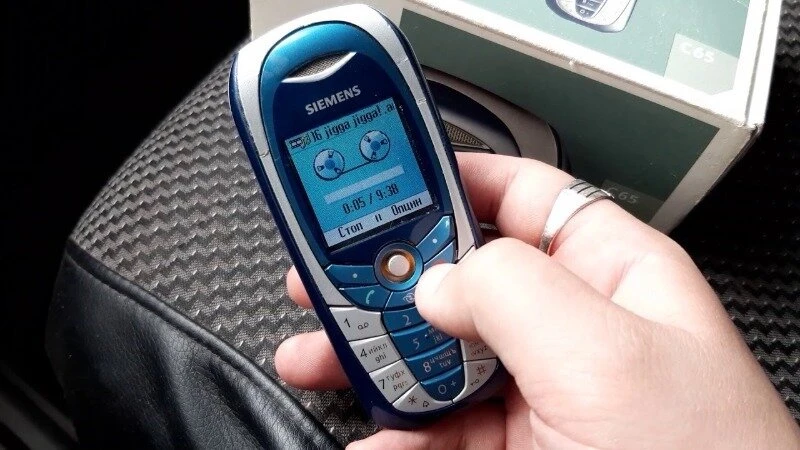
A middle-class device with a 130x130 color display and an infrared port through which data could be transmitted in polyphony, it became a truly popular model in the mid-2000s, especially popular among schoolchildren. The device also had a modest 0.1 megapixel camera. The price was about $200.
It’s interesting that the phone was popularly nicknamed “remnant” due to its characteristic oval shape.
4. Ericsson T28s (1999) 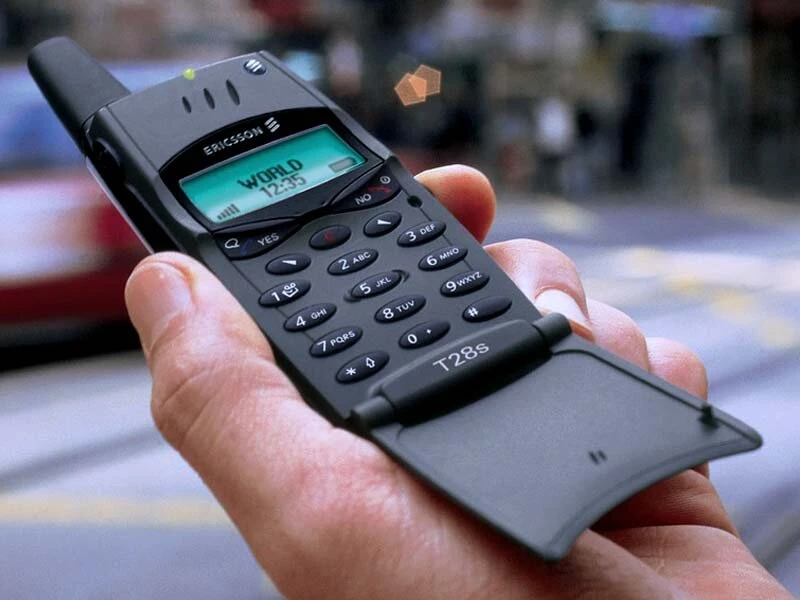
The compact handset weighing only 83 grams with a folding flip panel covering the keyboard and a protruding antenna was initially bought mainly by businessmen because of the price of $400, but a year and a half after the release, prices dropped and it became available to everyone. The screen was black and white three-line with a resolution of 33x101 pixels.
The device was produced in three colors, the most popular of which was dark blue.
5. Samsung C100 (2003) 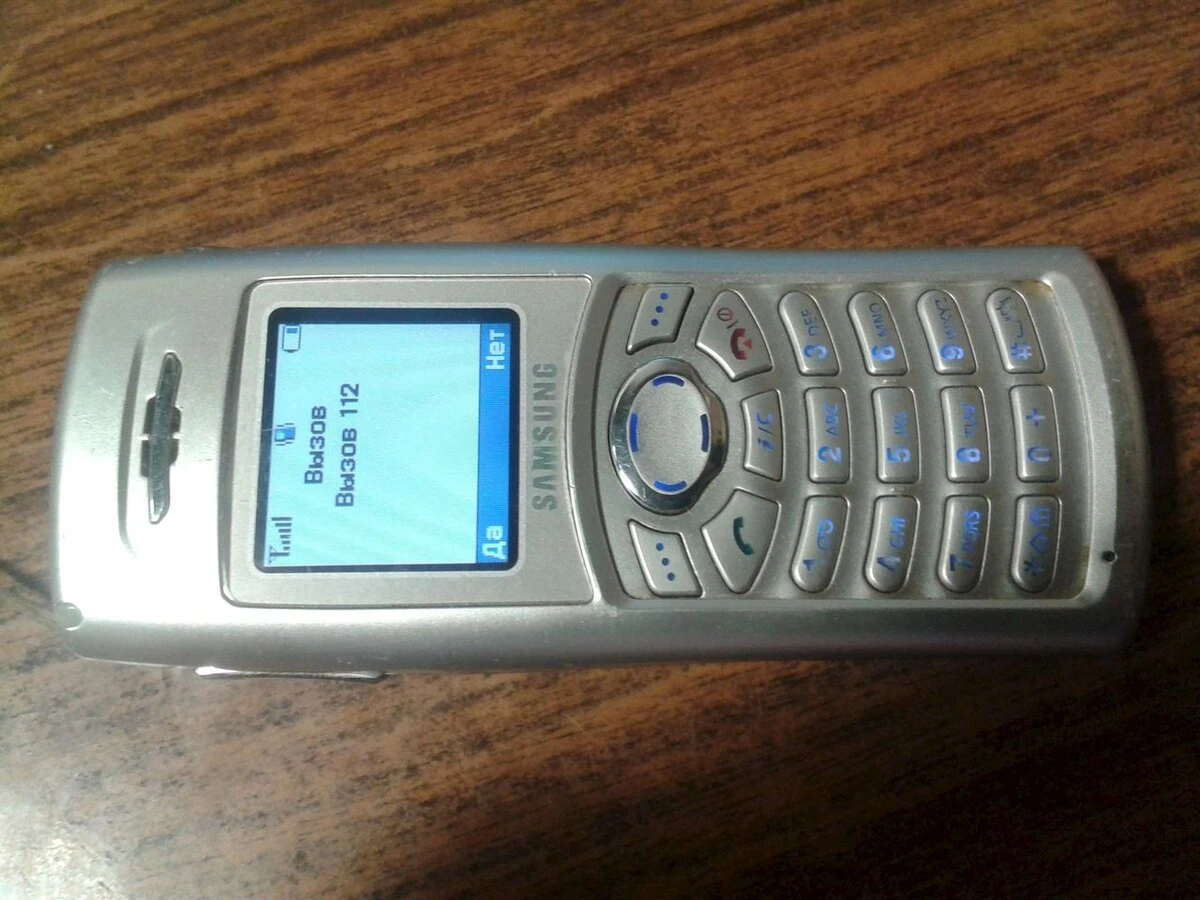
The popular mid-segment model with a thin body, a bright color screen and 4-voice polyphony has made Samsung a significant player in the mobile phone market. The price of the device, $150, was very attractive considering its fairly advanced hardware.
6. Motorola RAZR V3 (2004) 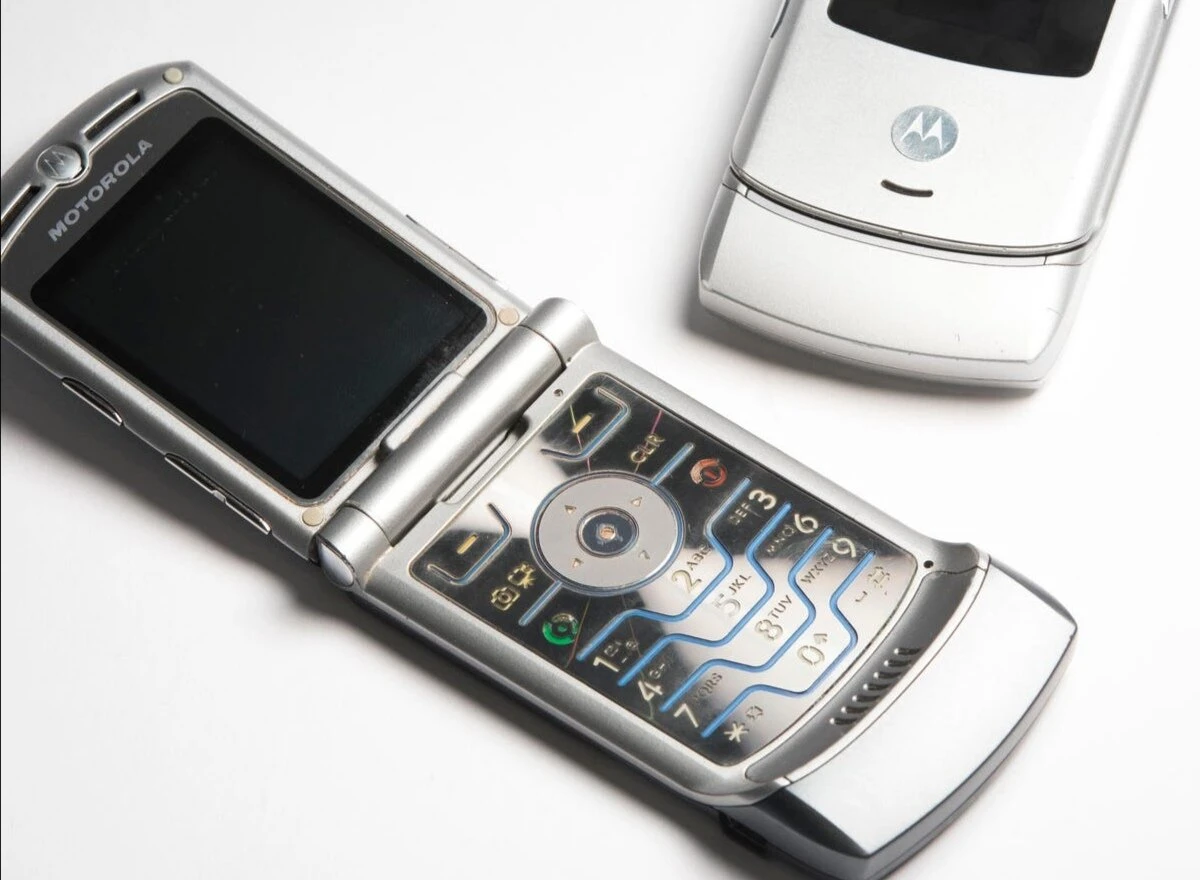
Everyone dreams of having such a fashionable flagship clamshell priced at about $700 with a stylish design, a 176x220 pixel color display and a thin metal body. Additionally, the device also had a smaller external display. The device had a 0.3 megapixel camera, GPRS and Blutooth.
Production of the model, including modernized versions, was completed in 2009.