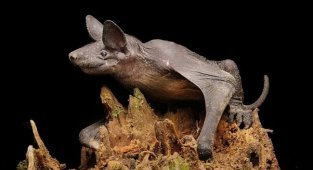
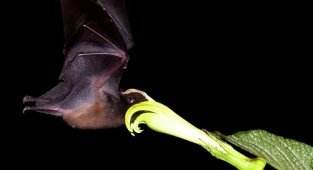
Late Leatherman: The Bat Makes Babies Like No Other Mammal in the World (6 Photos)
In appearance, the Late Kozhan is an unremarkable bat that lives in caves and stone buildings. She lives her normal bat life until it comes to breeding. 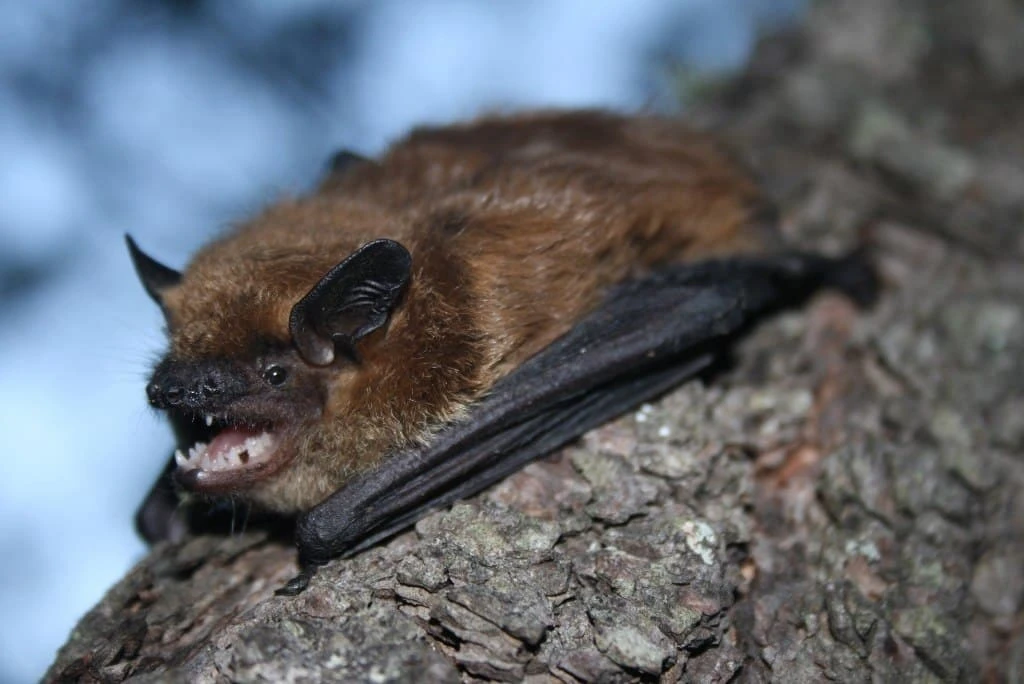
The fact is that nature endowed the males of the late leatherback with a very large copulatory organ. Well, by chiropteran standards: 16 millimeters of pure courage! But the females are deprived of size - their womb length is only 2 millimeters. And how, tell me, with such a difference, indulge in love? It’s not safe at all, so the only available reproduction strategy for this species is the “immaculate conception.” That is, mating without penetration. 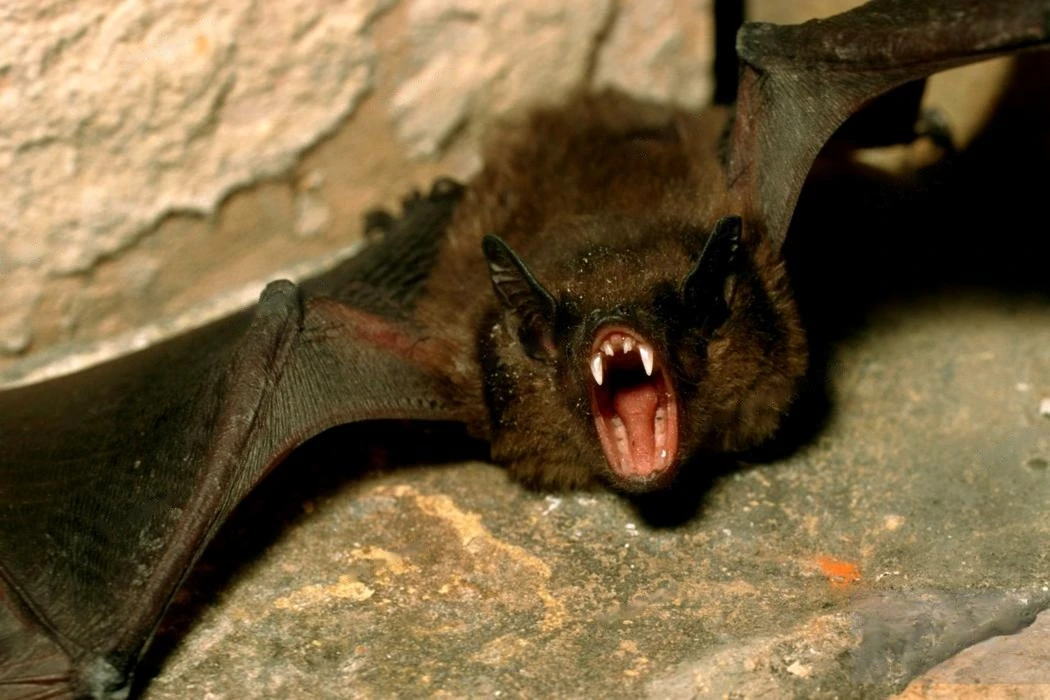
This is normal practice for birds. Birds, most often, do not even have a specific organ - everything comes out and enters through the cloaca. But this is the first time such a practice has occurred among mammals. Even more interesting is that the technique of later kozhans differs significantly from that of birds. 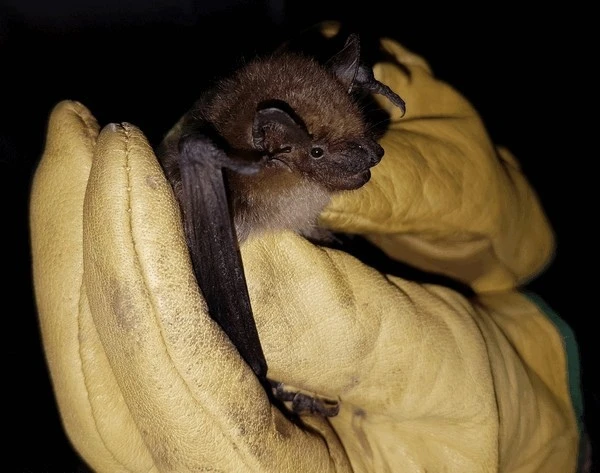
The chiropteran Don Juan uses his male dignity as a hand. The male pushes aside the female's tail membrane, but does not penetrate her. Instead, it grips to it using a suction cup on the end. Having attached himself to his beloved with his whole body, he fulfills the noble mission of procreation. 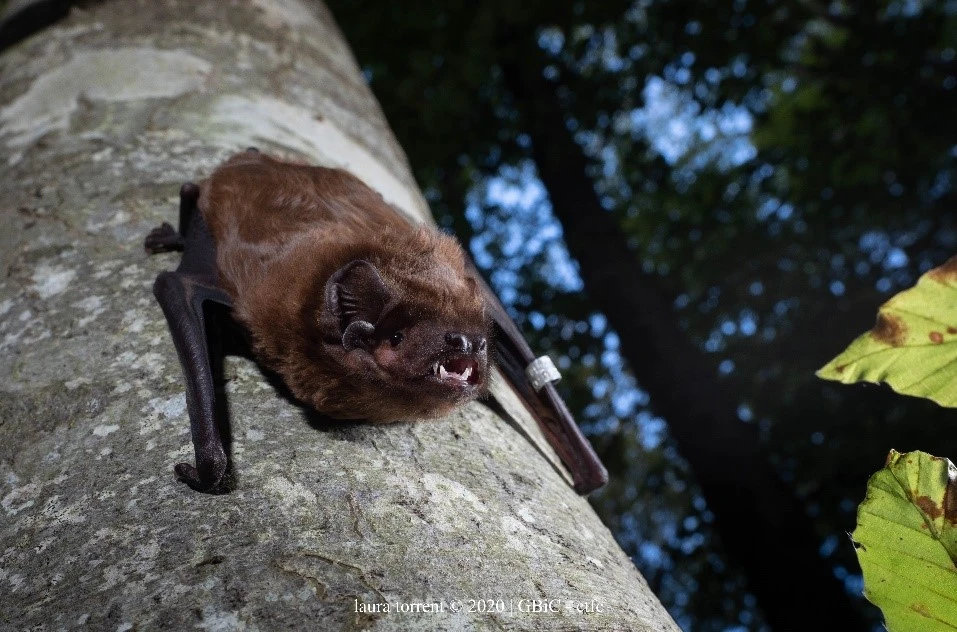
Naturally, with such features, the love process in mice is not fast. Most often, the entire story lasts about an hour. However, 12-hour love sessions were also recorded. After 2 months, the female gives birth to one or two mice. They grow up quickly: within a few weeks they are old enough to leave their mother. 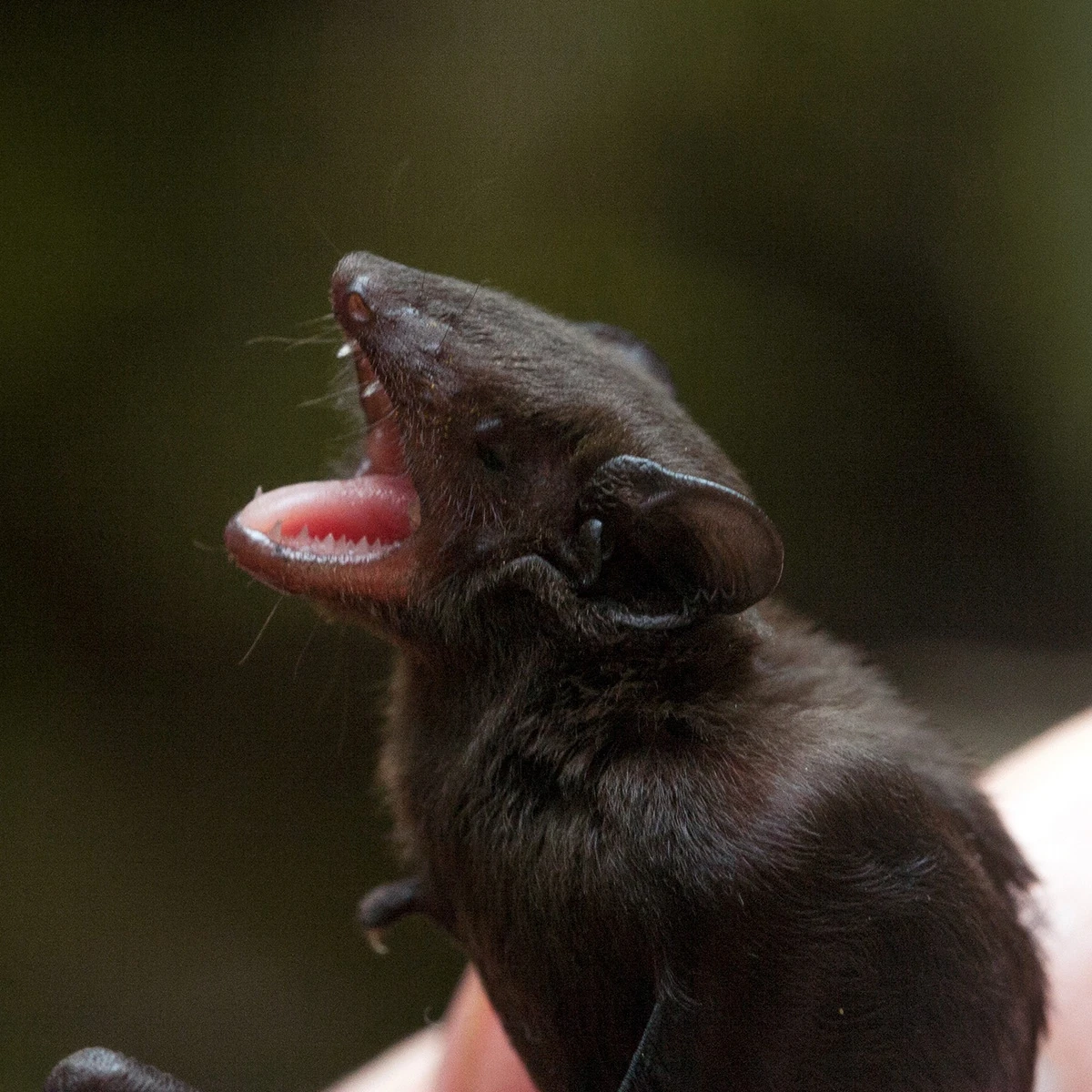
If the mouse turns out to be a boy, he will fly out of his native nest in search of bachelor company. If a girl mouse is born, she will remain in the colony in which she was born. In winter, a crowd of girlfriends and boyfriends settle down for the winter. True, bats have a sensitive winter sleep - any loud or warm movement can wake up a mouse and force it to look for a new place to sleep. In Belarus, on average, during one winter, the kozha can change about 5 wintering places. 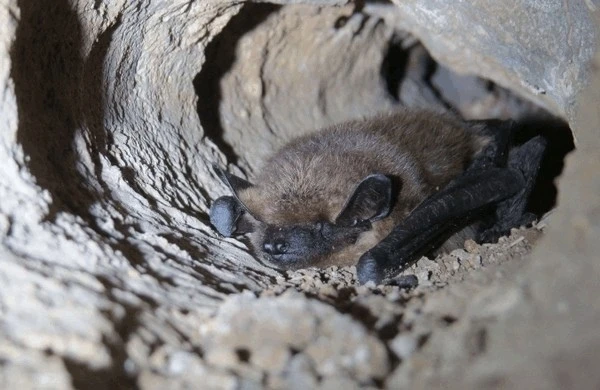
Now, in many habitats of the leatherback, a slight decline in numbers is being recorded. Obvious reasons for this trend include pollution of habitats and constant winter awakenings. But from the unobvious - gray rats. Unexpectedly, leathermen often have to fight with them for their lives. Rodents often leave mice trophies in the form of holey wings, which is not particularly conducive to good flight.