The mole cricket is one of the most dangerous and cunning enemies in the garden. This large underground insect, resistant to many poisons, can cause enormous damage to an area. 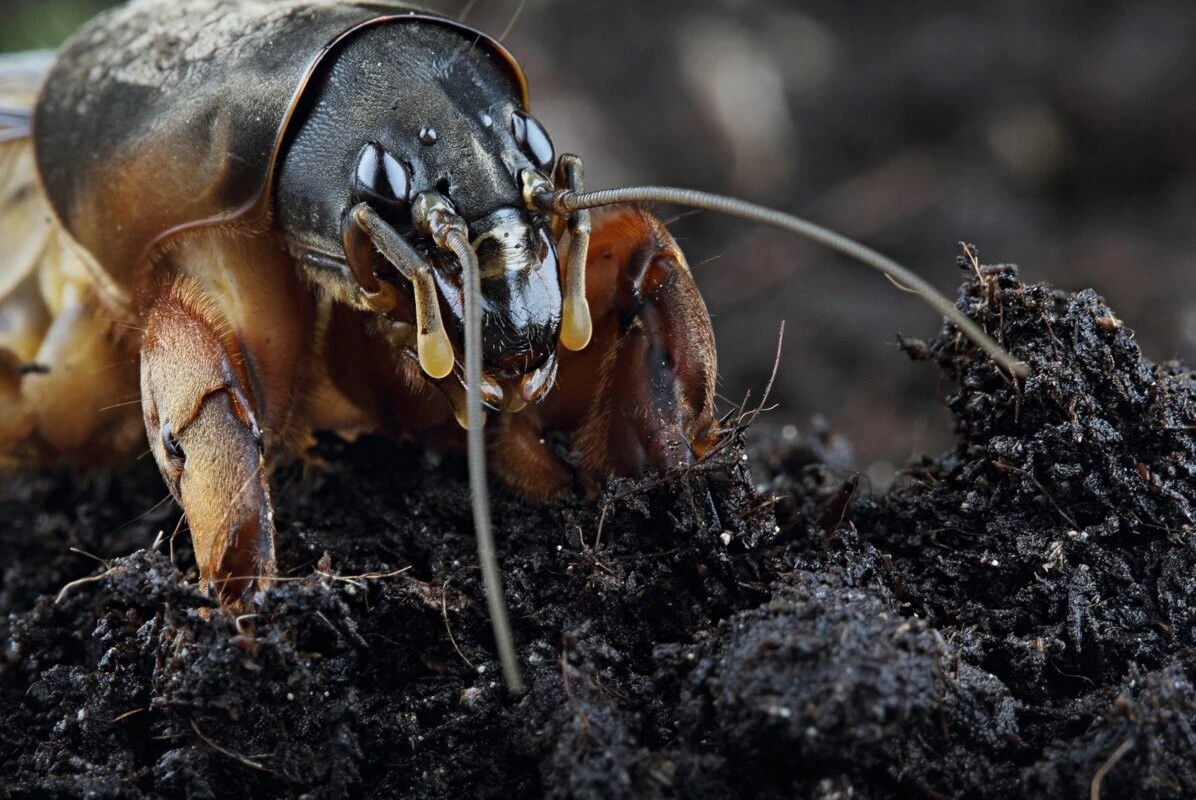
What dangers do exotic lands frighten! The beauty of palm trees, bright flowers and the Cote d'Azur is overshadowed by creepy crawling reptiles, the mere sight of which makes you want to run away somewhere far to the North. If you thought that your dacha or garden is far enough from the tropics, then bad news for you. It is there that a mole cricket may well crawl out to meet you. Or fly out...
At first glance, it is not clear: who does this creature even belong to? A massive body armored with chitin, powerful mandibles, shovel-like paws, small wings and rather large dimensions - up to 5 cm. If you meet one of these while weeding the beds, your soul will sink to your feet. 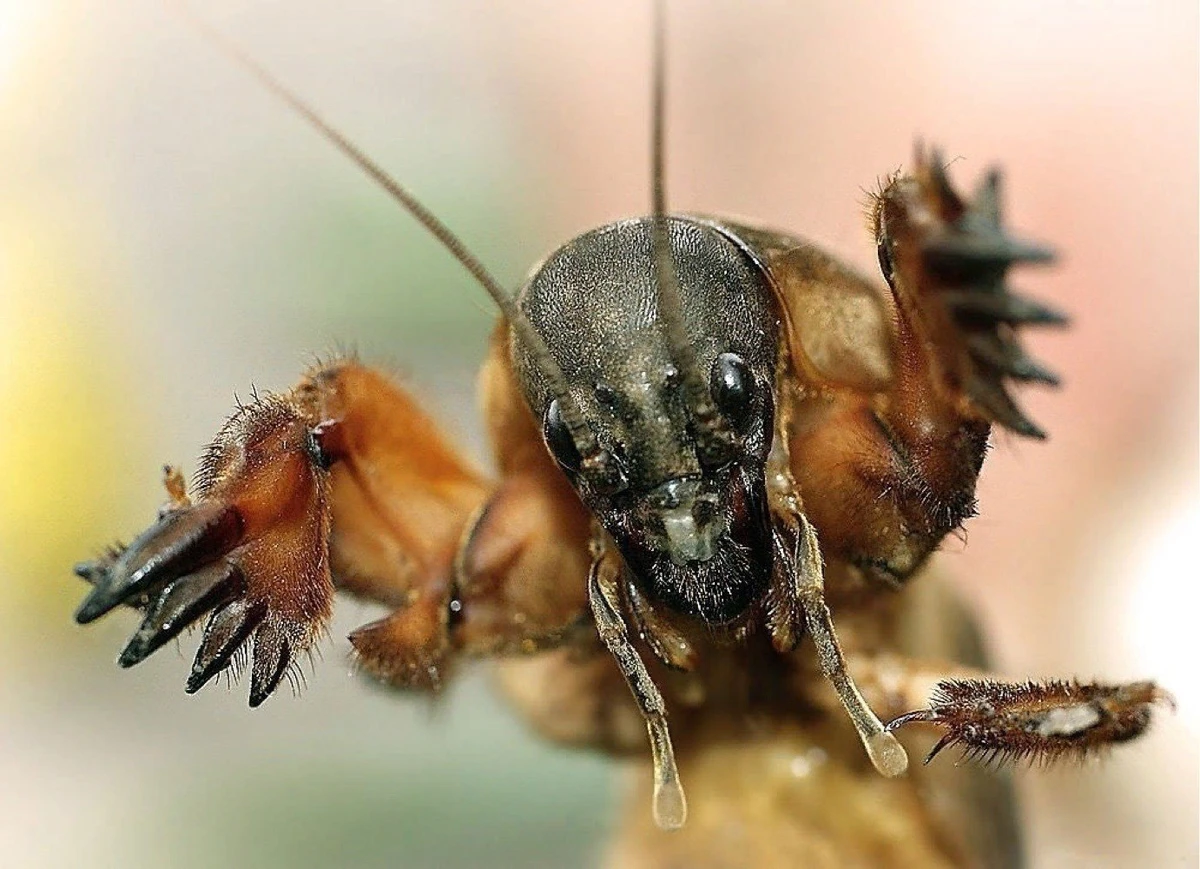
Notice how the mole cricket's paws are similar to the paws of a mole. Due to the underground lifestyle, both the animal and the insect have developed the same adaptations. This kind of evolution is called convergent.
There are two news: good and bad. The mole cricket is not dangerous for people: if you did not die from fright, the mole cricket will not be able to harm you. It will not bite a person, it does not have a poisonous sting, and there are no toxins in its saliva. It’s another matter if you have landings. 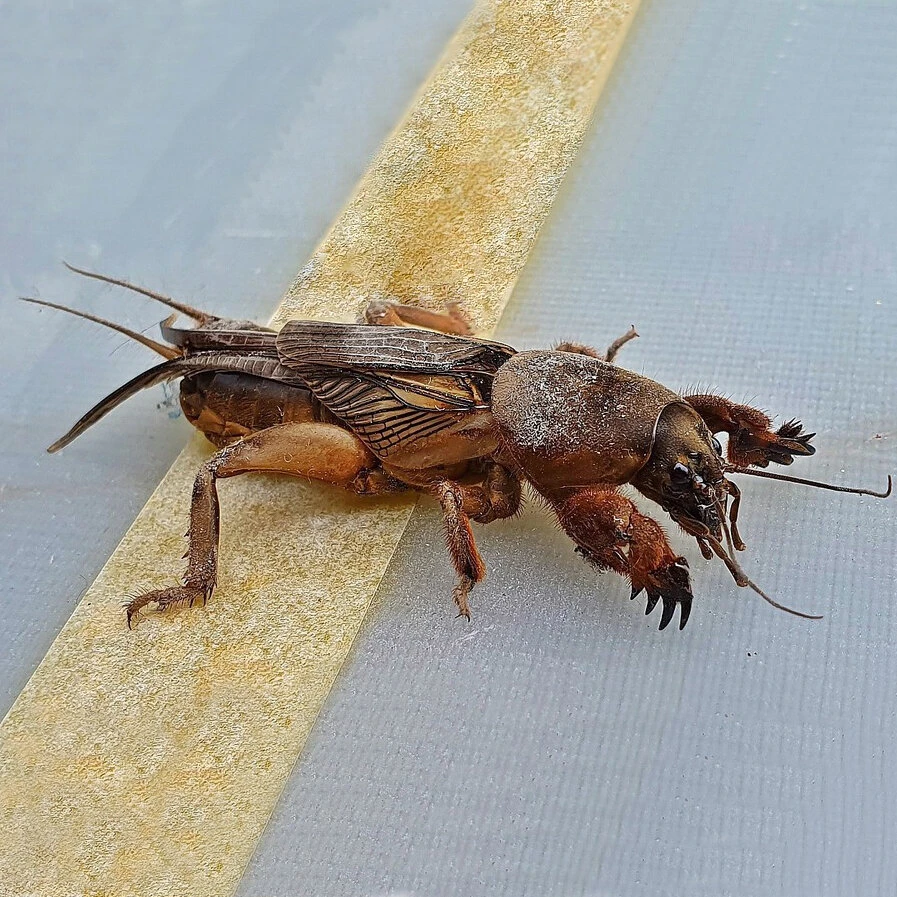
I came to give you a compliment. Your garden is not only very beautiful, but also very tasty!
The mole cricket does not complain of appetite. She eats carrots, beets, potatoes, and various types of cereals. But she has a special weakness for cabbage, for which she received her second name - cabbage. 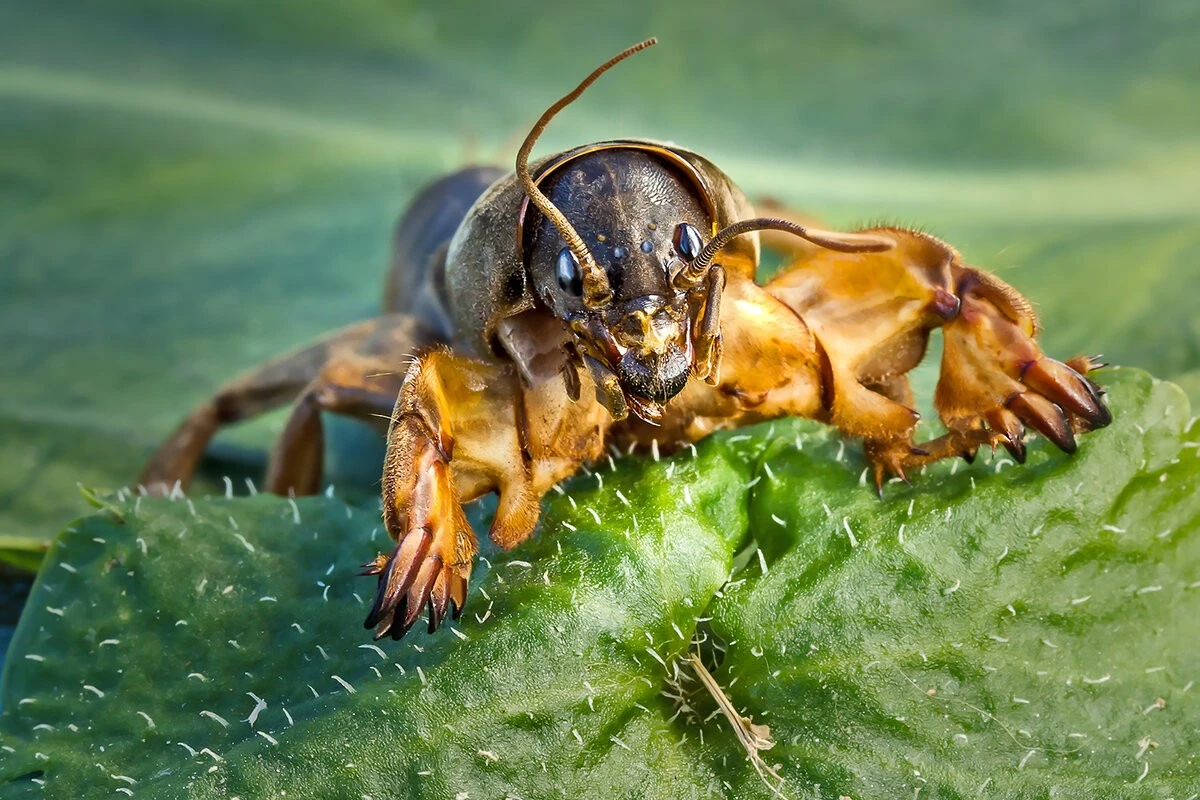
It can devour almost any part of the plant, but the roots are especially affected. The fact is that the mole cricket is a rather shy creature; it does not like to show off its unearthly beauty to the world, and its relationship with birds is strained. Therefore, she spends a fair part of her life underground. Its name, translated from Latin, even means “mole-cricket” because of the way it digs underground passages. 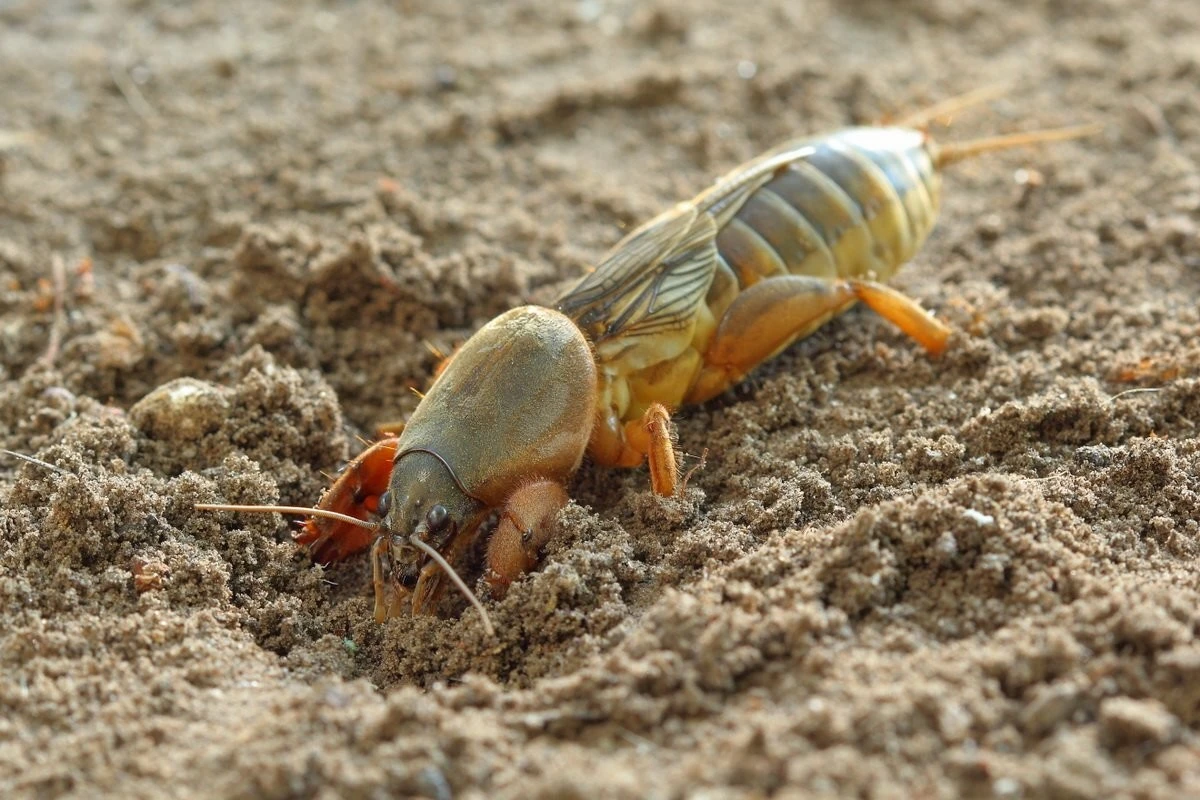
Bears can also “sing.” They use their passages as an acoustic system to distribute sounds. Thus, it is likely that males attract females.
If there are few mole crickets, then they will not cause serious harm to the farm. For the time being. The problems will begin when they take care of their offspring. Mole crickets breed from May to the first half of June. The larvae are only slightly less interested in plants and their roots than their parents. 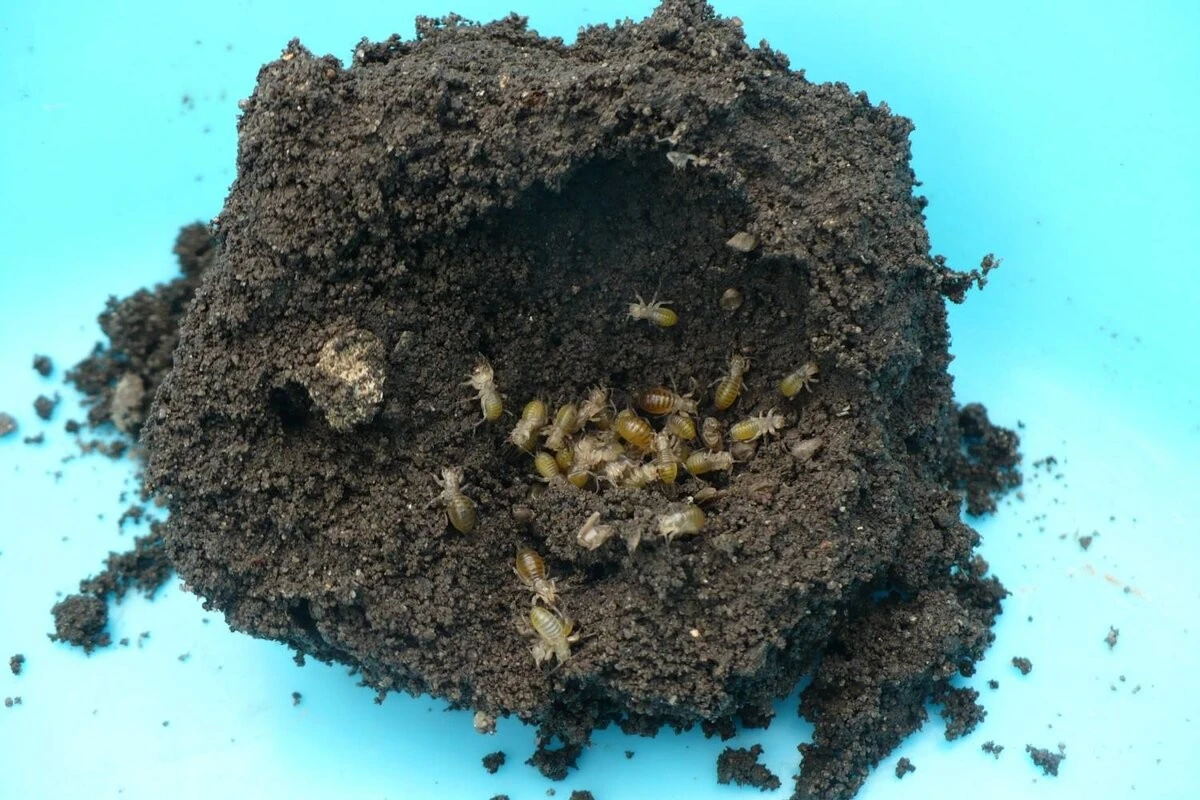
Since mole crickets are a species with incomplete metamorphosis, their babies look like adults, but smaller and lighter. As they grow, they will go through many molts to become like their parents.
To cope with such a scourge, people come up with all sorts of things. Someone furnishes the beds with bowls of water: moisture-loving mole crickets willingly climb into them, but cannot get out. Some people plant garlic along with cabbage, carrots and beets, while others douse the crops with chemicals. But nature itself tells you how to deal with pests. 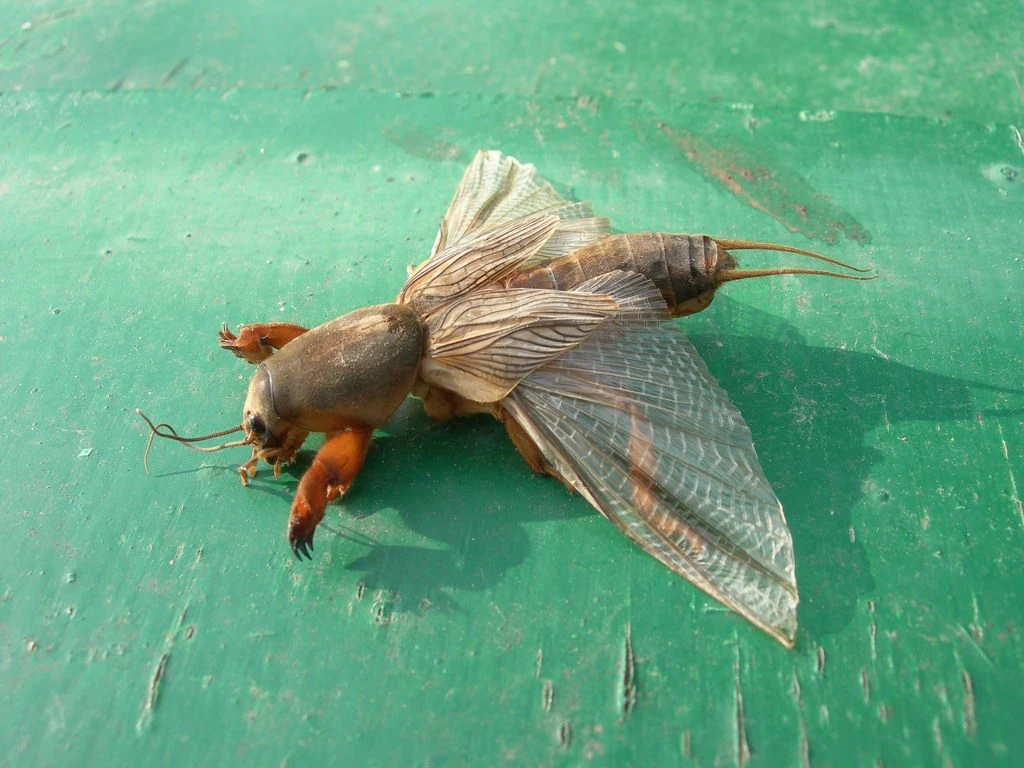
The bear has wings, but, thank the gods, she rarely uses them. The insect flies out only in warm, humid weather and when the need is very great.
The fact is that, being caring and responsible parents, bears love to surround their offspring with warmth, that is, with manure. And luring them into a bag with this very fertilizer is not so difficult. And then it’s a matter of fantasy. Some packages with such interesting contents are slightly frozen, and then laid out in small lumps on the beds. The benefit is threefold: the insects are removed, the plants are fertilized, and the birds, who will not miss theirs, are fed. 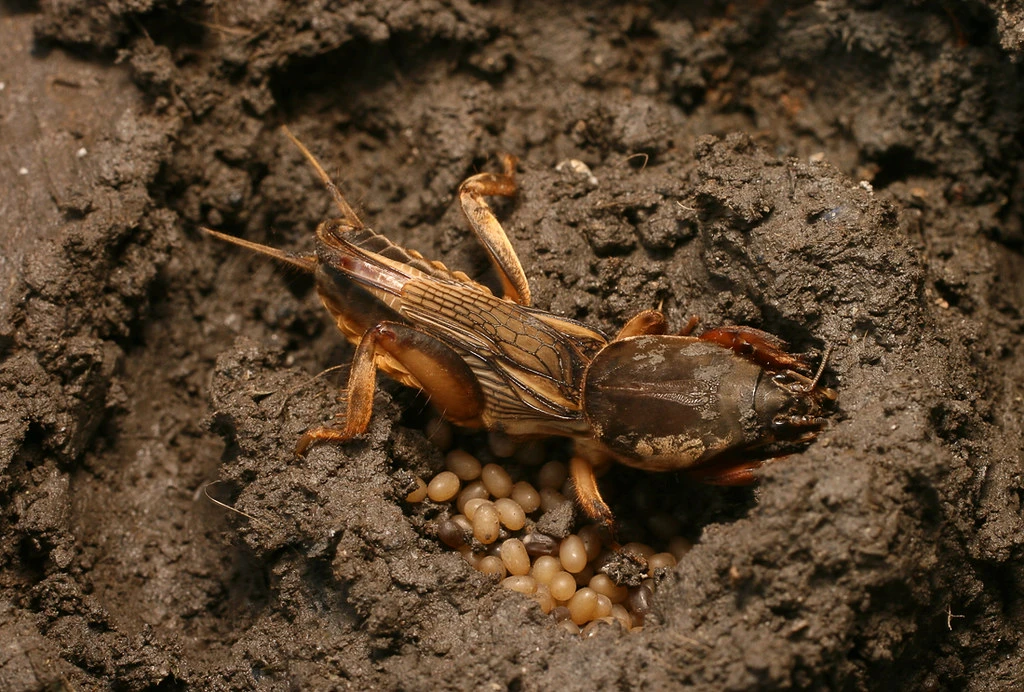
To be fair, it must be said that mole crickets can also be useful. Along with a side dish of cabbage, the insect kills other garden pests - animal food makes up about 40% of the diet. In addition, the mole cricket, traveling underground, makes passages and thereby contributes to soil aeration.
0 comments