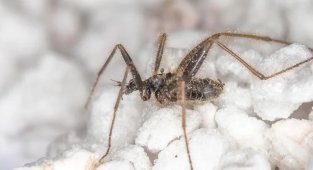
What insects spend the winter in our apartments and houses? (6 photos)
We all know that arthropods are not adapted to winter. Only a very small number of species have found ways to turn the cold to their advantage. For others, the arrival of frost is a devastating apocalypse. Bugs and spiders run far away so as not to freeze alive. For example, in human dwellings. 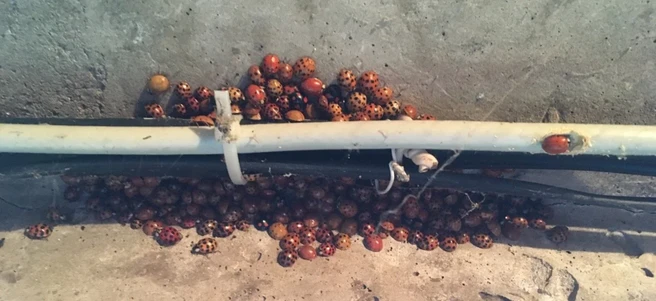
Invited guests for this article: ladybugs. Their wintering may also be associated with humans. During the winter, insects can get into window frames, heating pipes and cracks in houses. And it is potentially dangerous for them. If it gets too warm, the insects will wake up and will no longer be able to sleep.
Houses and apartments are always warm, there is food and potential prey. But that doesn't mean it's easy to survive here. Every year, street spiders become convinced of this. Fleeing from the cold, they escape into our homes and discover that they are already inhabited by house spiders. These types of spiders have adapted remarkably well to dry air and irregular food supply. They will not give up their feeding places without a fight. None of the invaders will survive until spring. 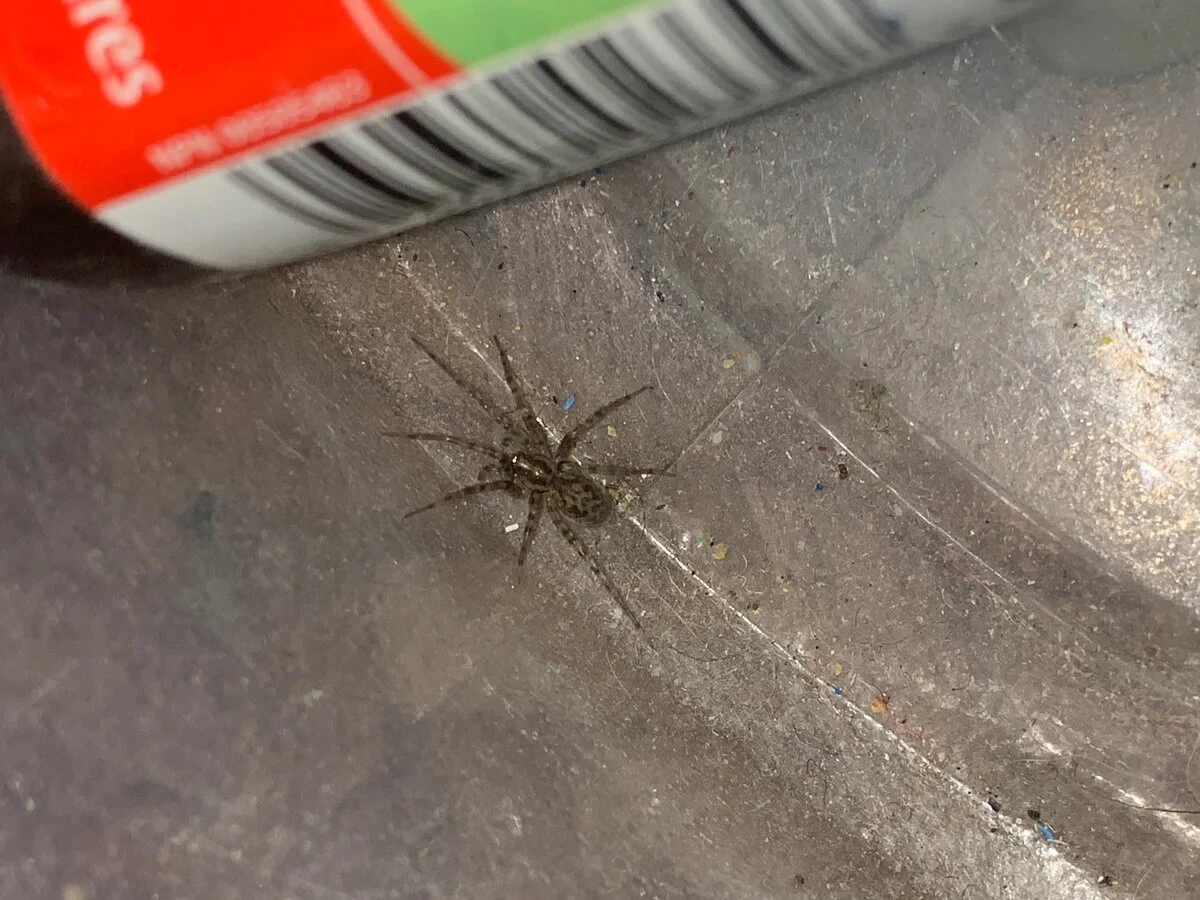
This is the most common of the house spiders - the house spider. It is not dangerous for humans even theoretically.
However, other aliens have much better chances. Corn ground beetles enter our homes both on their own and together with the gifts of the fields. Nocturnal insects do not attract attention and feed on crumbs from the master's table. Therefore, they have a chance not only to survive until spring, but also to create small stable populations. True, if they get their hands on the grain reserves, there will be trouble. They will definitely be discovered and driven out into the cold. 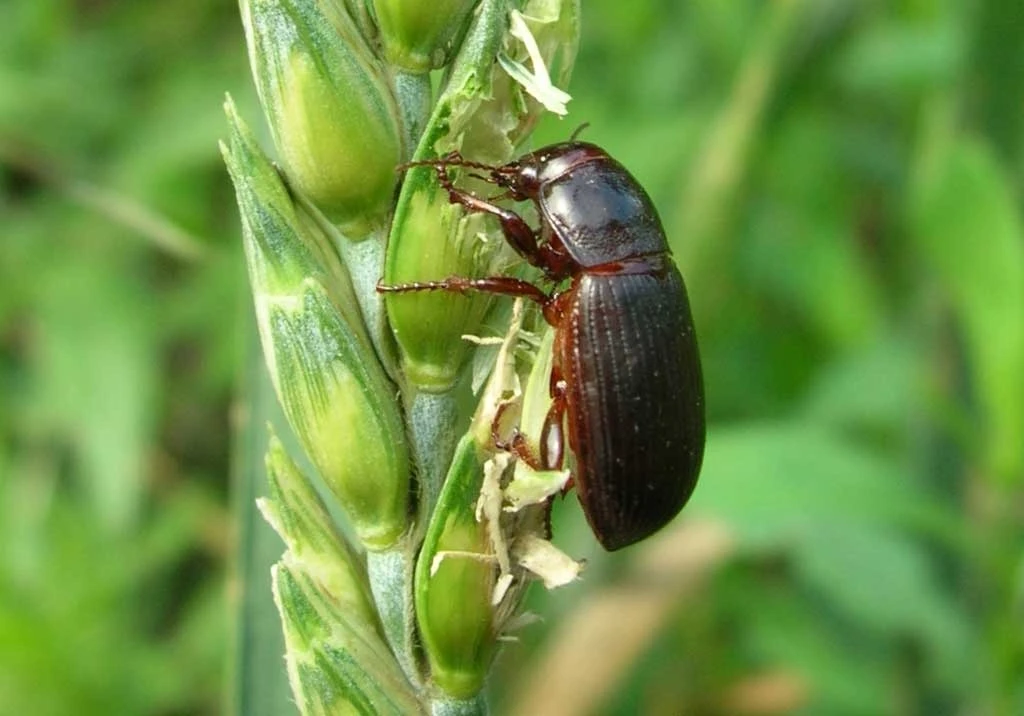
Wow, how big it is now! And then I’ll go visit people and eat there too.
But house crickets are much more careful. With our help, insects left North Africa and settled throughout Eurasia and North America. In summer, crickets live outdoors - they need warm soil to reproduce. But in winter they climb into warm houses. There they feed on crumbs, rotting remains and even other invertebrate inhabitants. Have you heard stories about how in the old days crickets creaked behind the stove all winter? Did you delight the villagers with your singing? These are our heroes. 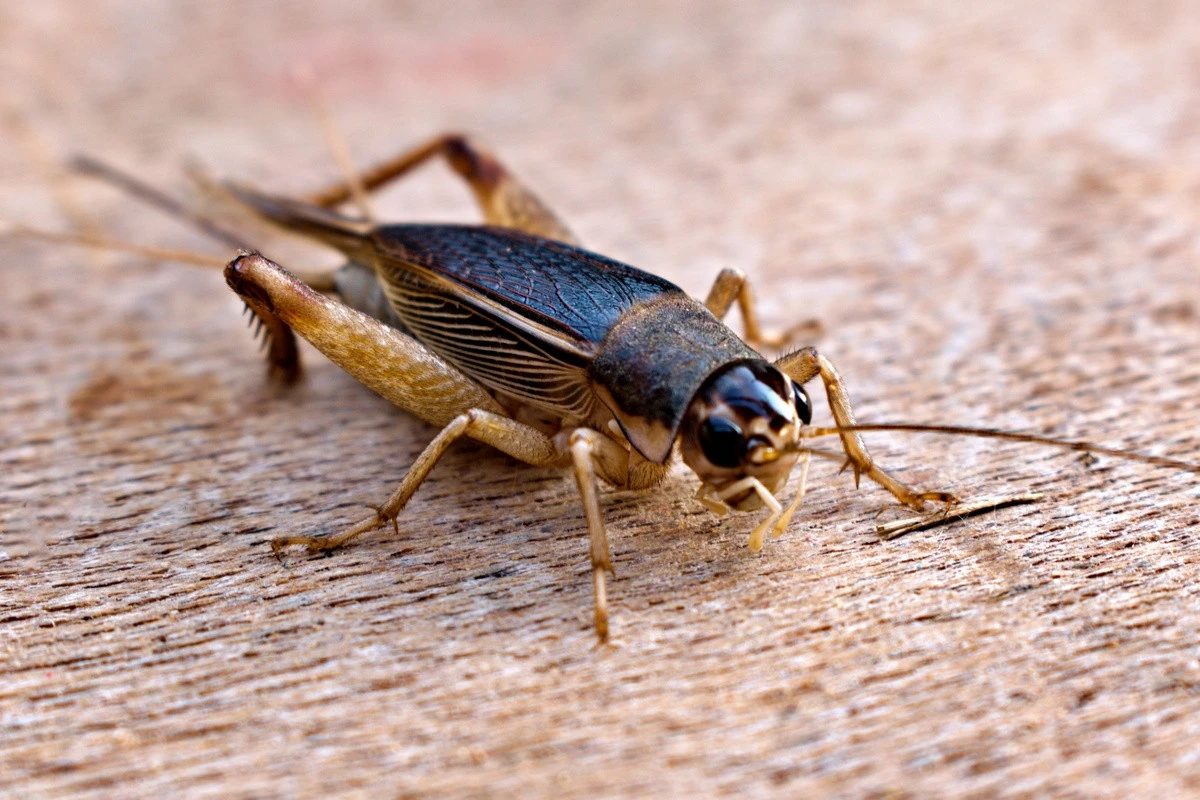
Because house crickets thrive on a diet of human food, they are easy and convenient to raise as pet food.
And if crickets smell of something kind and cozy, then basement mosquitoes are ruthless and cruel. As soon as multi-storey buildings with water pipes appeared, they were immediately inhabited by populations of blood-sucking insects. Mosquitoes escaped the frost into basements and found a harsh but habitable habitat there. 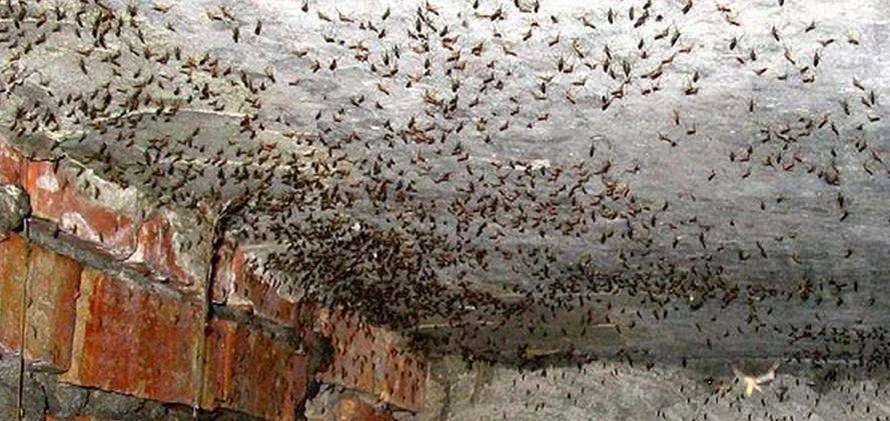
Sometimes even too suitable.
Basement mosquitoes breed in small puddles. Their larvae live on bacteria and fungi that live there, and after metamorphosis, they use ventilation to get to people and their blood. However, this is not necessary. A female can lay eggs without blood, but the offspring will simply be smaller and weaker. 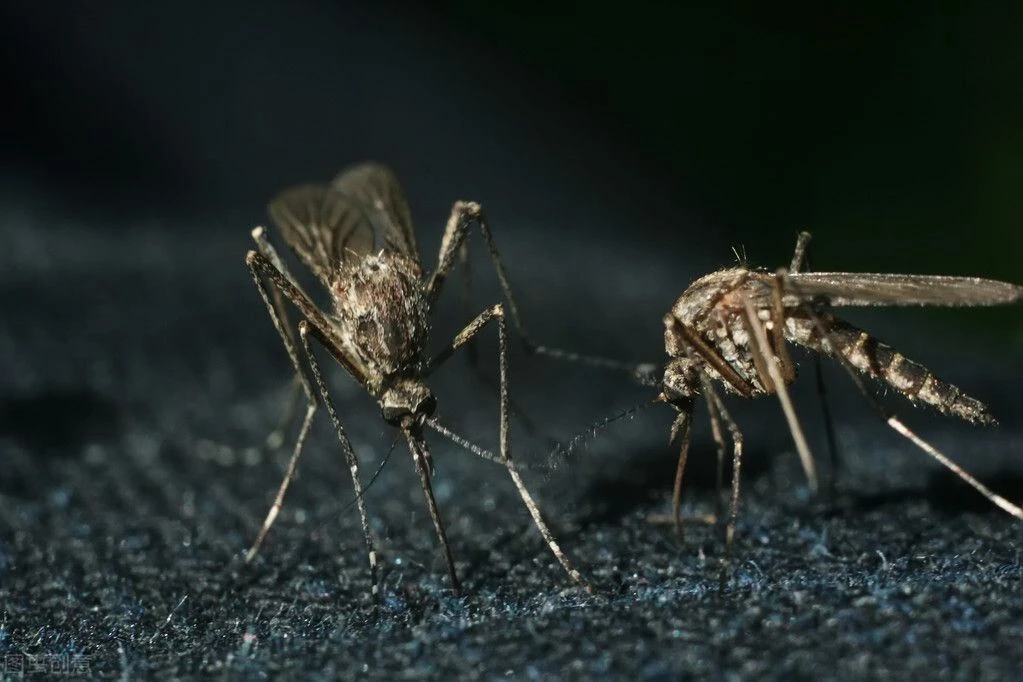
Mosquitoes have infested not only basements, but also metro lines. They live there all year round, and the habits of the locals are very different from the habits of the “landers”.
Yes, it is difficult to survive the winter in human dwellings. But not impossible. And this once again confirms that life adapts to new circumstances with enviable tenacity!