10 stunning ancient monuments that not everyone knows (12 photos + 6 videos)
Ancient monuments are structures or buildings built in ancient times, usually for religious, cultural or political purposes. These structures are of great historical and cultural significance as they provide insight into the civilizations that created them and the architectural achievements of their time. 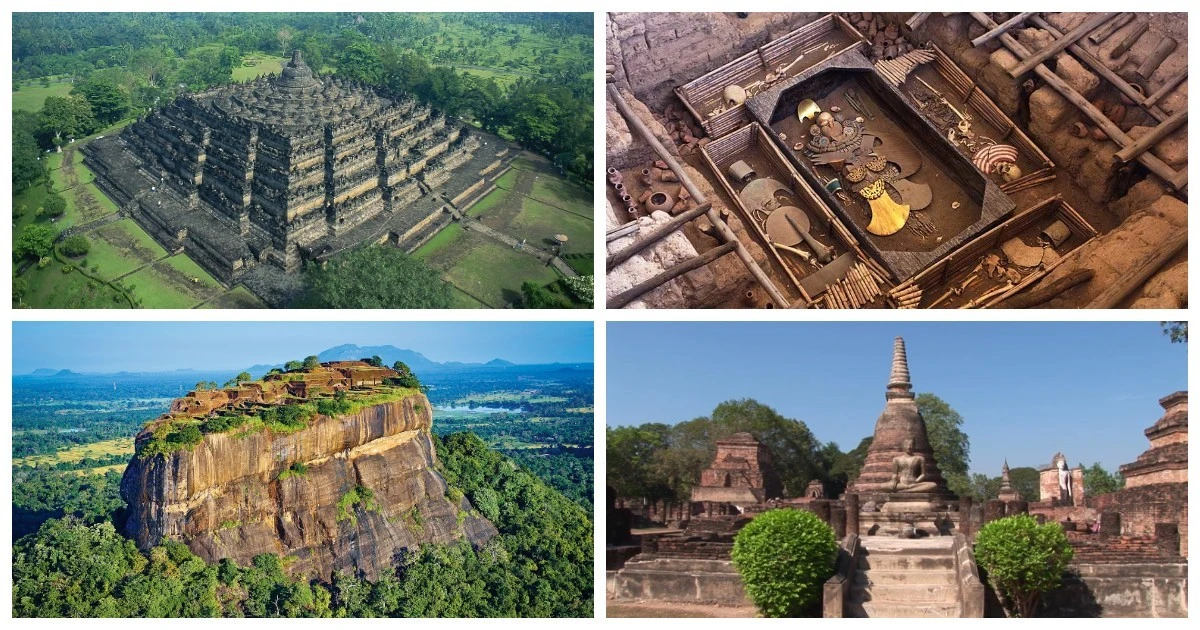
From towering pyramids to intricate temples, these monuments have stood the test of time and continue to inspire wonder and admiration. They connect us to the past and help us understand the cultures and civilizations that preceded our own. They demonstrate the incredible feats of ancient engineers and builders, architects and artists.
1. Borobudur Temple, Indonesia 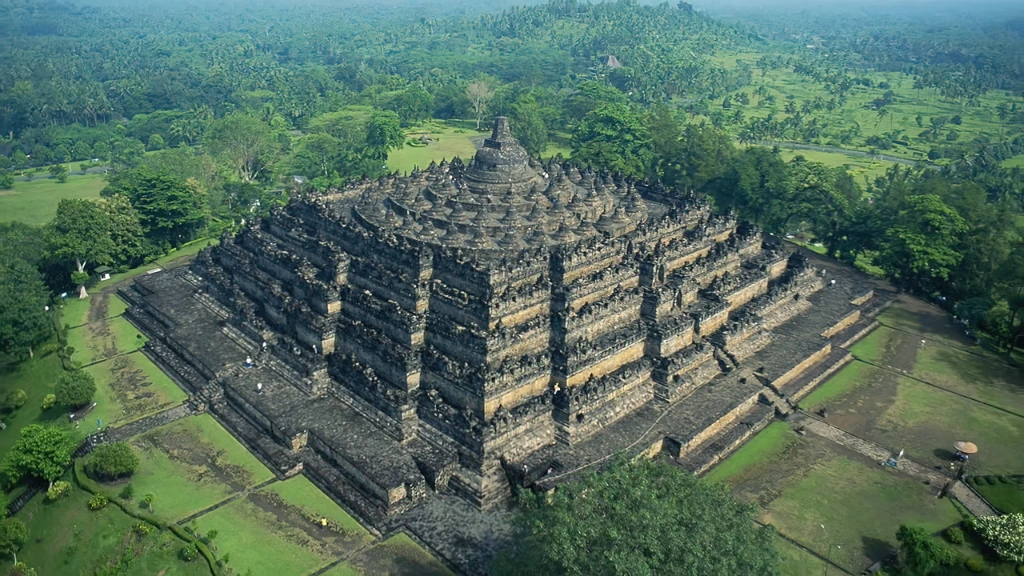
The Buddhist temple complex of Borobudur is located on the island of Java in Indonesia. It was built in the 9th century during the reign of the Shailendra dynasty. It is a massive structure with nine stacked platforms - six square and three round - with a central dome on top. The temple is considered one of the greatest Buddhist monuments in the world. It contains more than 2,600 relief panels and 504 Buddha statues. The relief panels depict scenes from the life of Buddha and stories from Jataka tales. These reliefs illustrate moral lessons for followers of Buddhism. The temple's carvings and attention to detail make it an outstanding example of Mahayana Buddhist architecture.
2. Ajanta Cave Temples, India
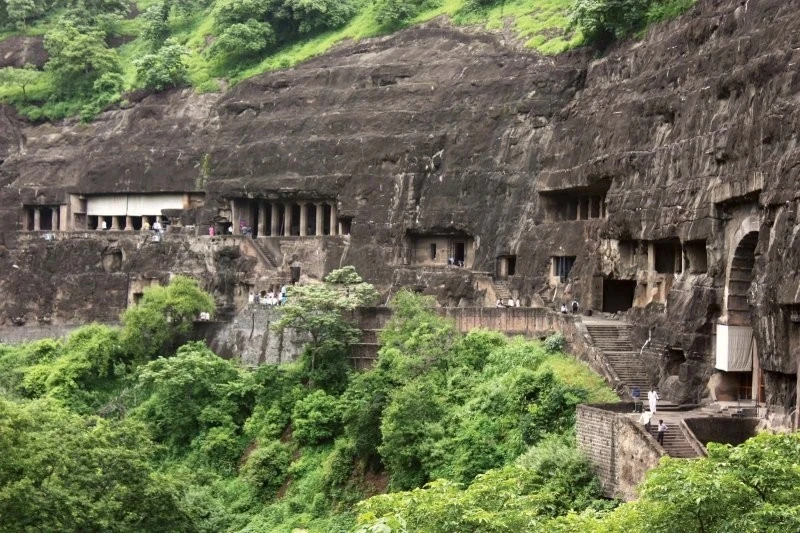
The Ajanta Caves are some of the most exquisite examples of ancient Indian rock-cut architecture. They were built between the 2nd century BC and the 6th century AD. The caves are located in the Indian state of Maharashtra. They served as a place for meditation for Buddhist monks and were abandoned after the decline of Buddhism in India. The Ajanta Caves were rediscovered in the 19th century and were designated a UNESCO World Heritage Site in 1983. They are known for their intricate sculptures and wall paintings depicting the life and teachings of the Buddha. The caves were dug into a horseshoe-shaped rock along the Wagora River.
3. Gobekli Tepe Temple Complex, Türkiye
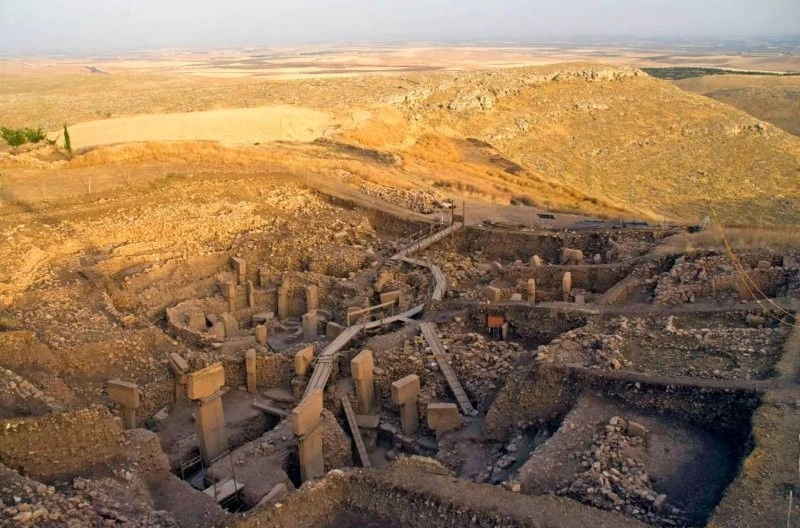
Göbekli Tepe is a stunning archaeological site located in southeastern Turkey. It dates back to the 10th millennium BC, making it the oldest major megalithic structure in the world. The site was first discovered in 1963, but serious excavations began only in the 1990s. Göbekli Tepe was built by a prehistoric civilization, before the advent of agriculture, which challenges our understanding of human history and the development of civilization. Göbekli Tepe consists of a series of large stone structures that are circular in shape. These structures were built using massive T-shaped pillars. The pillars themselves are decorated with intricate carvings of animals and symbols that have yet to be fully deciphered. Some of the pillars reach a height of 5.5 meters. The intricate decoration and monumental nature of the buildings challenge our assumptions about the abilities of ancient people and suggest a more complex and multifaceted development of civilization.
4. Walled City of Sigiriya, Sri Lanka
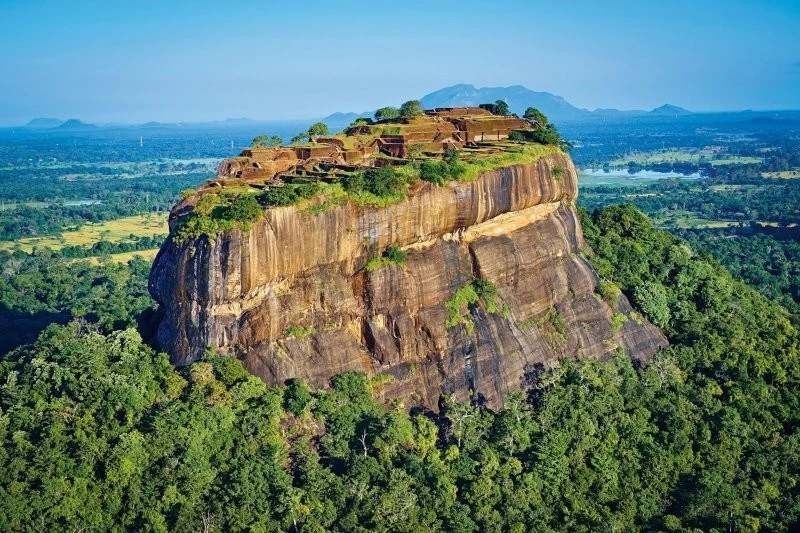
Sigiriya is an ancient rock fortress located in the northern Matale region of Sri Lanka. It was built by King Kashyapa I in the 5th century AD as a royal residence. Later there was a Buddhist monastery here until the 14th century. The history of Sigiriya is marked by intrigue and drama, as King Kashyapa I seized the throne from his father and killed his own brother to secure his position. Today, Sigiriya ranks among the most impressive ancient monuments in the world. The rocky plateau rises almost 200 meters above the surrounding plains. To get to the top you will have to overcome many stairs and the Lion Gate, but it is worth it: a lot of amazing things await you at the top. What were once magnificent gardens, pools, fountains, amazing wall paintings and much more.
5. Persepolis (Persepolis), Iran
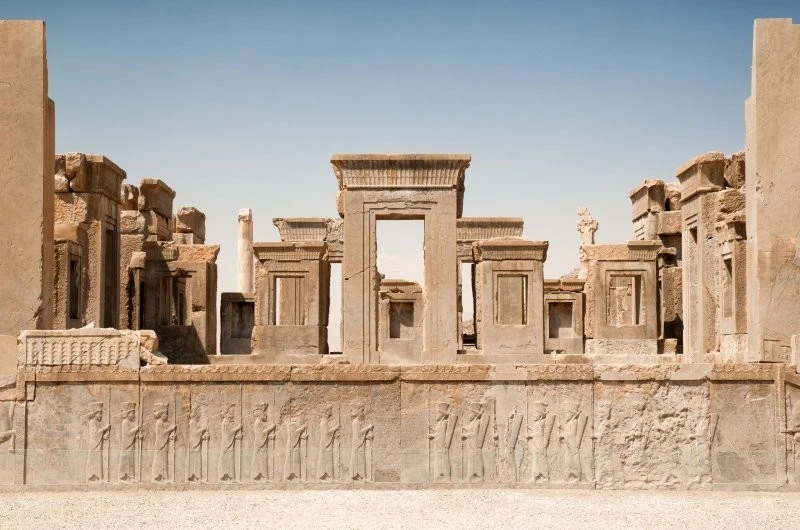
Persepolis is an ancient monument located in Iran. It served as the capital of the Persian Empire during the Achaemenid dynasty from 550 to 330 BC. The construction of Persepolis was started by Darius I in 518 BC. e. and lasted approximately 150 years. The city played a central role in political, cultural and ceremonial activities, and it witnessed important historical events such as the receipt of tribute from subject peoples. The monument displays impressive architecture and design incorporating various artistic styles from throughout the Persian Empire. Notable buildings in the area include the Apadana Palace, the Throne Hall and the Tachara Palace. Persepolis is famous for its extensive reliefs and sculptures depicting important historical events and figures. Its historical and cultural significance lies in the fact that it represents the power and influence of the Persian Empire even today.
6. Tiwanaku, Bolivia
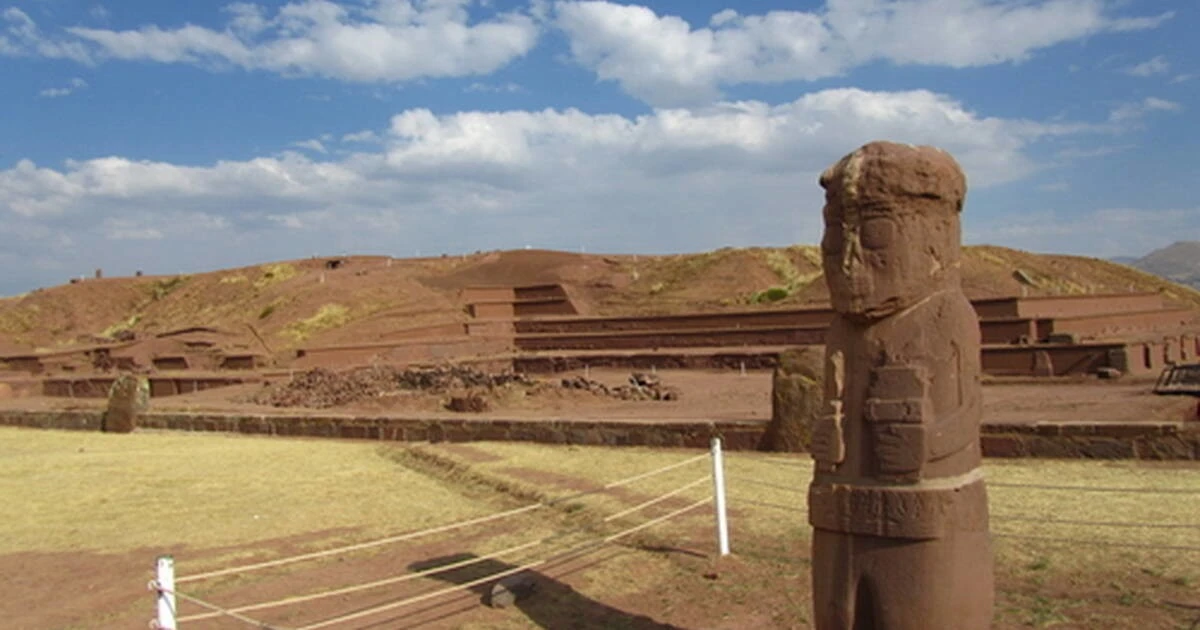
Tiwanaku was a large pre-Columbian Andean civilization located near the southern shore of Lake Titicaca in Bolivia. The city is believed to have been built around 400 BC. e. It reached its peak between 500 and 900 AD, serving as a significant cultural and religious center for the Andean people. The Tiwanaku culture was known for its remarkable architecture, engineering and art. Tiwanaku is one of the most important archaeological sites in South America. It contains several monumental stone structures: the Akapana Pyramid, the Kalasasaya Temple and the Pumapunku complex.
7. Nan Madol, Federated States of Micronesia
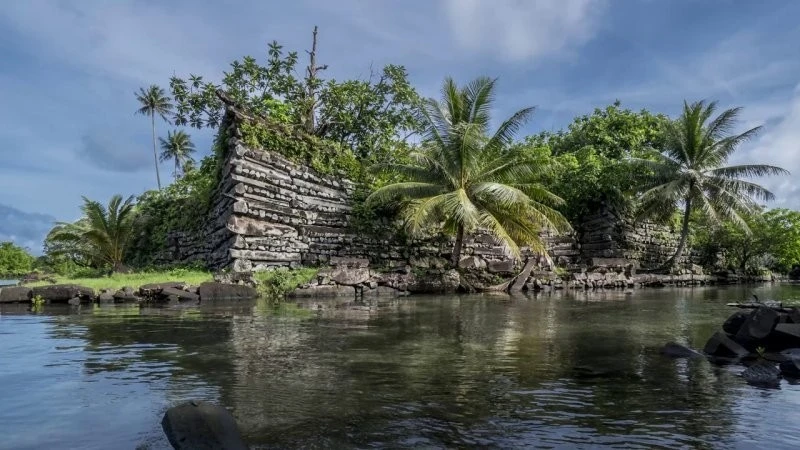
Nan Madol is a complex of stone structures located on a small archipelago southeast of the island of Pohnpei in Micronesia. Nan Madol consists of more than a hundred artificial islets made of basalt monoliths and coral blocks, connected by a system of canals. The monument is considered a masterpiece of ancient engineering. The methods used to build Nan Madol and transport the massive stones from quarries many kilometers away remain a mystery to this day. At least 750,000 tons of black basalt were used to create the structures.
Nan Madol served as the political and religious center of the ruling Sadler dynasty, which controlled the region. It is an important example of ancient architecture and engineering.
8. Chavin de Huantar, Peru
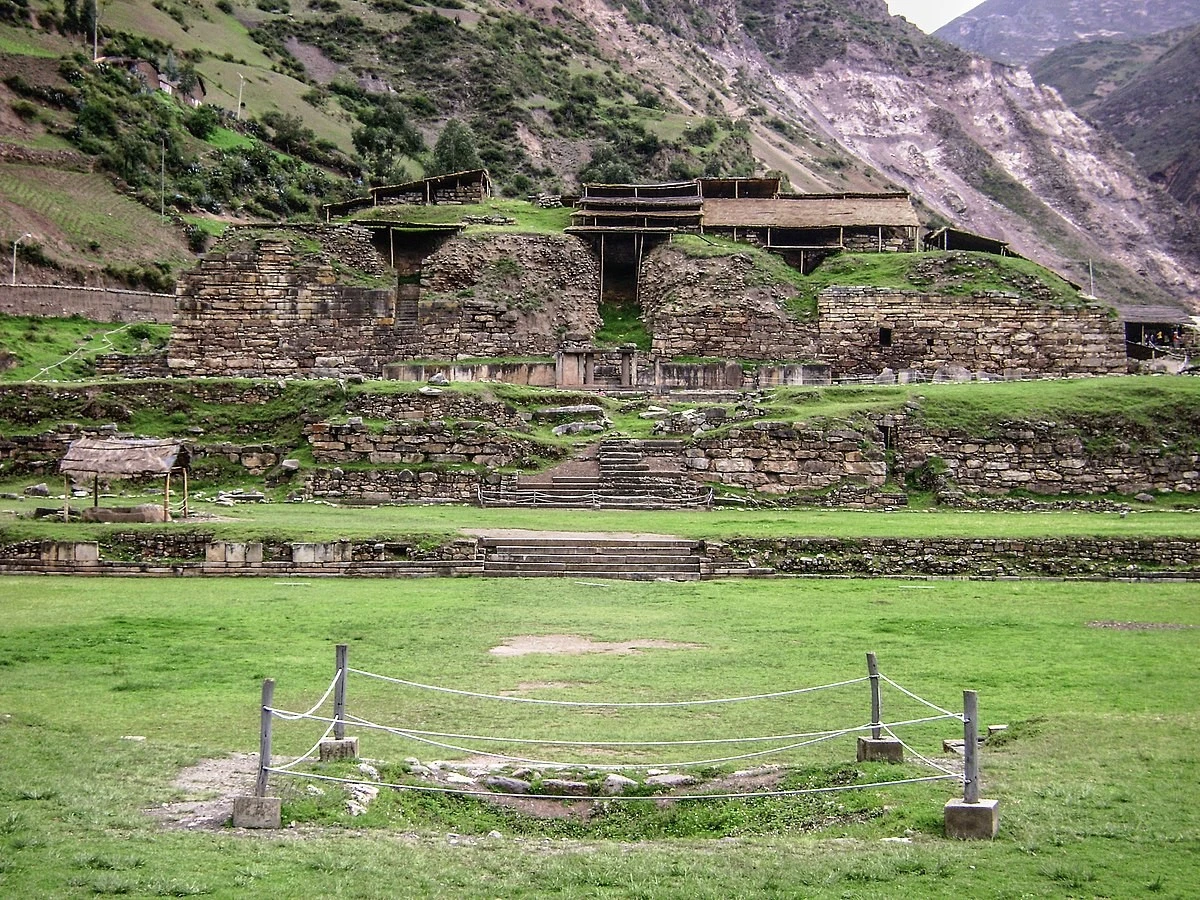
Chavín de Huantar is an ancient monument located in the highlands of Peru. It was built by the Chavín civilization, which flourished in the region since 900 BC. e. to 200 BC e. Chavín de Huantar served as a major religious and political center of the Chavín culture and is considered the capital of civilization. The site was rediscovered in the early 20th century and has since been recognized as one of the most important archaeological sites in South America. Chavín de Huantar is known for its impressive architectural features, including underground chambers, carved stone sculptures, and intricate passageways. The site is also notable for its art, which includes intricate stone carvings and ceramic artifacts. It provides valuable information about the religious and cultural practices of the Chavín civilization, which had a profound influence on the subsequent development of Andean cultures.
9. Sukhothai Historical Park, Thailand
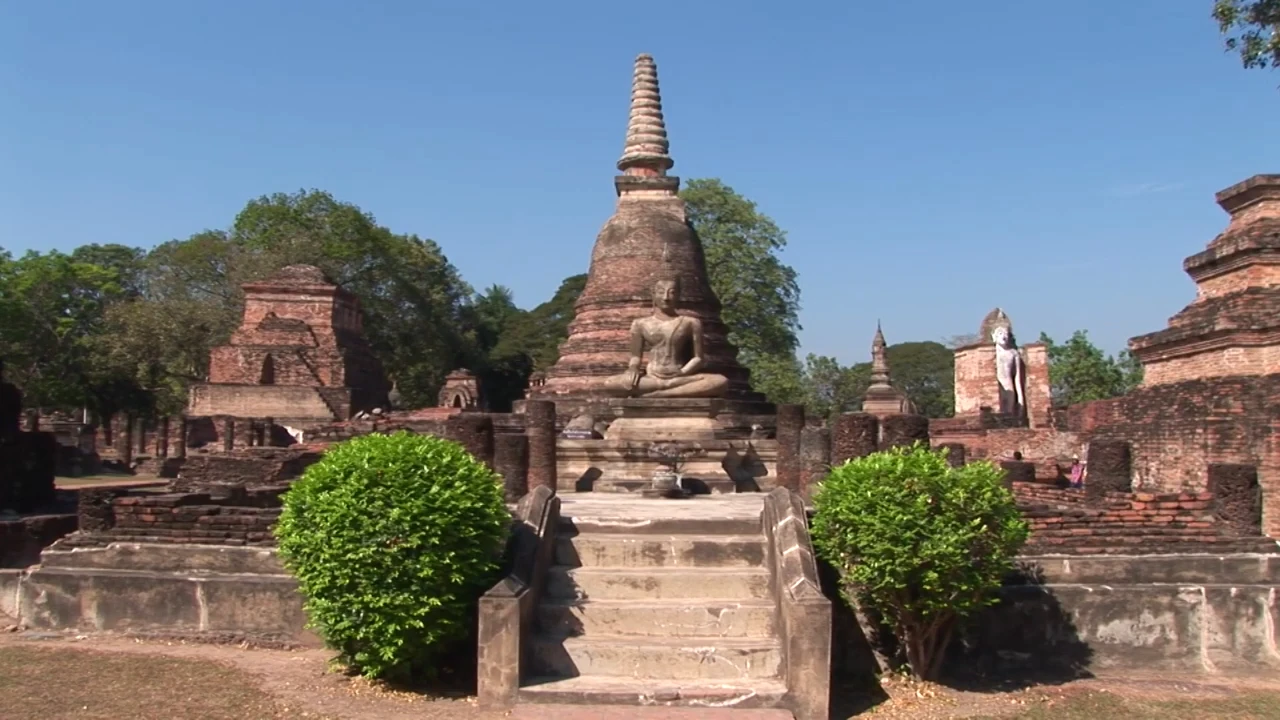
The historical city of Sukhothai is a historical monument with many temples in the northern part of Thailand, the capital of the medieval kingdom of the same name in the 13th-14th centuries. Founded in the 13th century, the Kingdom of Sukhothai was a major political and cultural center of Southeast Asia. The park consists of the ruins of the ancient capital and several nearby temples and monuments. Sukhothai Historical Park is known for its stunning architecture and intricate stone carvings, reflecting a unique artistic style. The park contains more than 193 ruins of temples, royal palaces and other structures that have been beautifully restored and preserved. These structures are known for their distinctive lotus bud-shaped stupas and intricate stone reliefs depicting scenes from the life of Buddha.
10. Museum of the Royal Tombs of Sipan, Peru
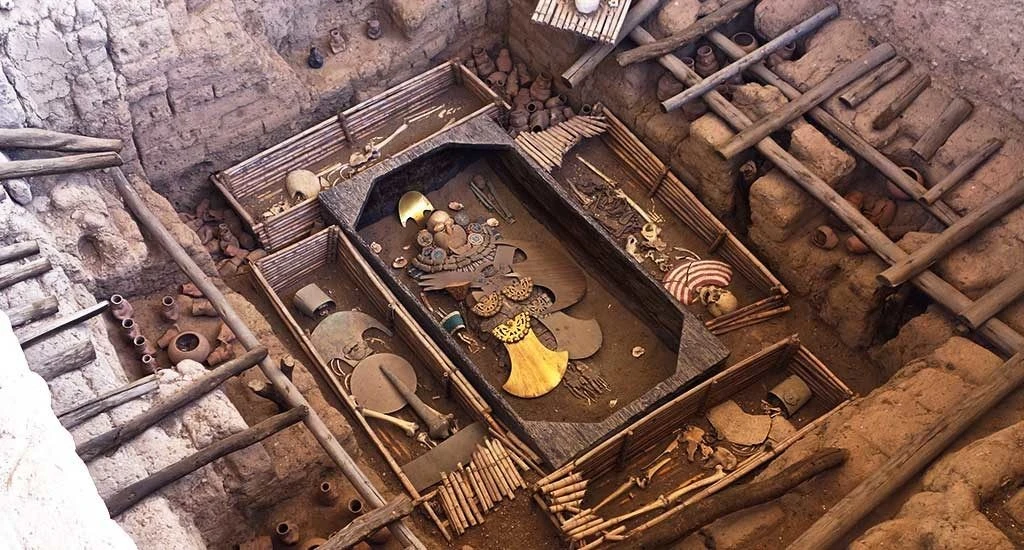
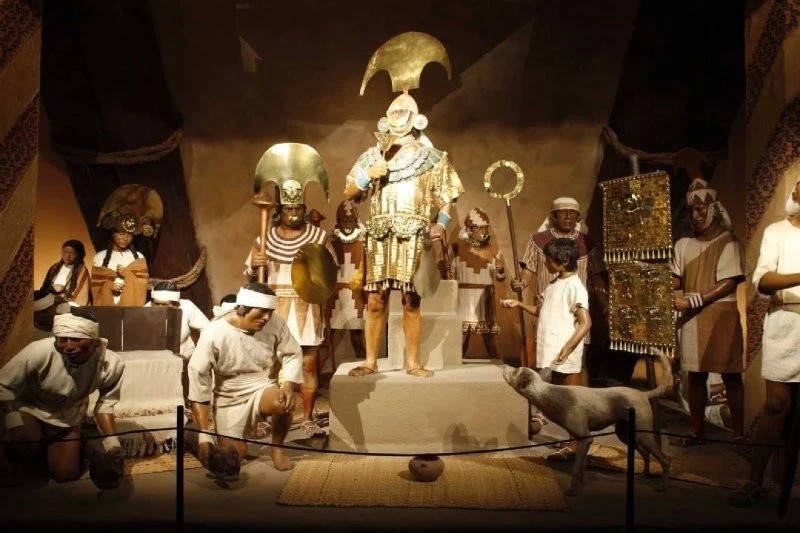
The Royal Tombs of Sipan, located in northern Peru, were discovered in 1987 by Peruvian archaeologist Walter Alva. The tombs belong to the Moche civilization, which existed between 100 BC. e. and 800 AD e. The discovery of the Royal Tombs of Sipan is considered one of the most significant archaeological finds of the 20th century. The tombs consist of several chambers richly decorated with gold and silver artifacts, including jewelry, crowns, and ceremonial objects. The main tomb contains the remains of Lord Sipan, surrounded by offerings such as pottery and textiles. The tombs also contain a magnificent necklace consisting of beads over 7 centimeters in diameter, depicting a spider with markings on its body resembling a human face and a warrior's helmet, highlighting the connection between war and sacred power. The tombs were found almost completely intact. The museum opened in 2022. It is designed to resemble the ancient Moche tombs.