It’s clear what’s happening to the old Olympic venues (24 photos)
The Olympic Games are a symbol of global unity and sport. Every time the International Olympic Committee announces the search for a country to host the next Games, the whole world tries to grab the opportunity. Updating the infrastructure leads to the emergence of extravagant sports facilities, but, alas, after the end of the Games, many of them are abandoned. We remember the outstanding Olympic venues of past years and see what they look like today. 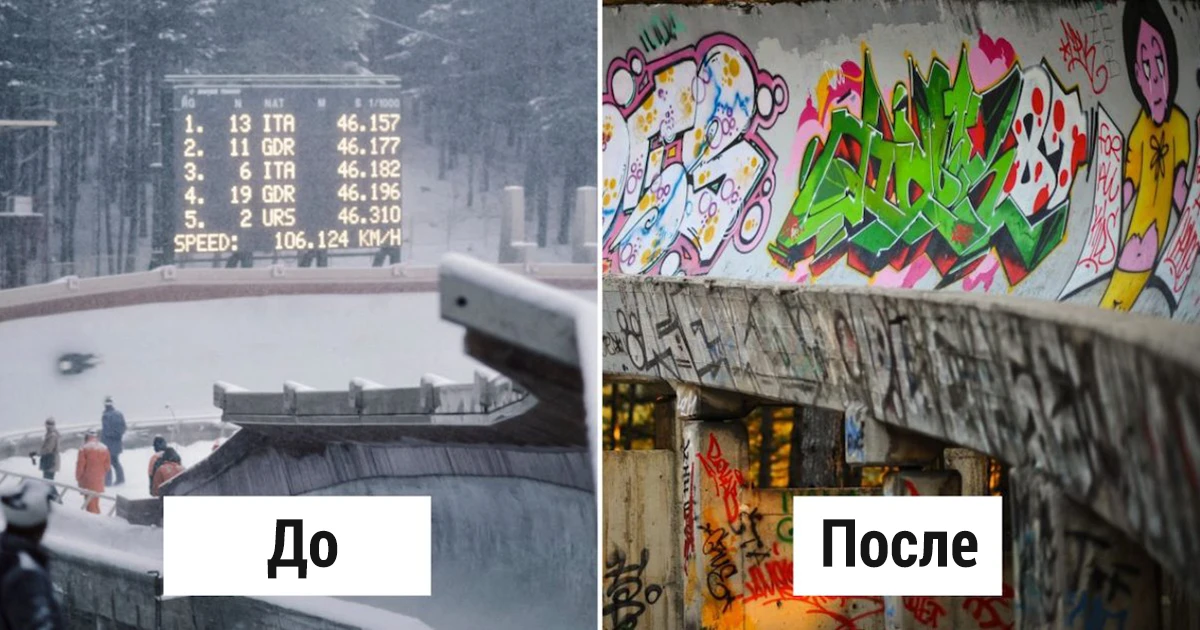
1936 Summer Olympics
The most controversial Olympic Games took place in Berlin during the Third Reich. Hitler had won the honor of hosting the Games from the former Weimar Republic, and Propaganda Minister Joseph Goebbels saw them as an ideal opportunity to change the rest of the world's opinion of the Nazis. 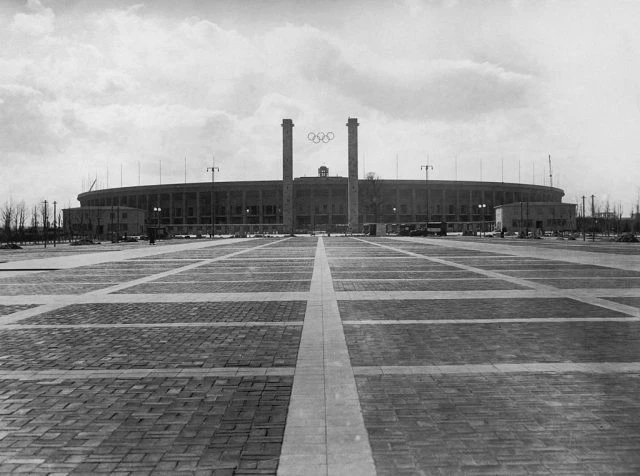
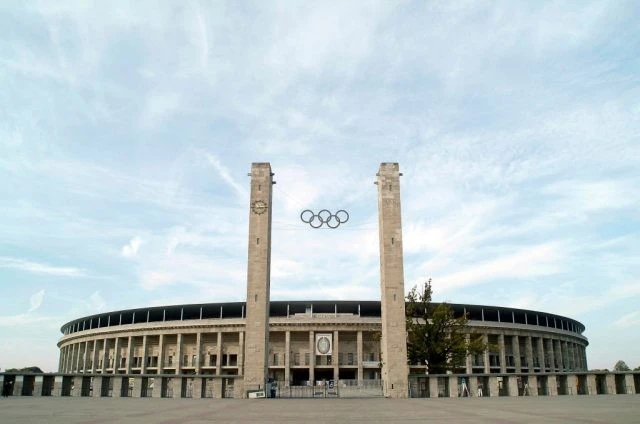
Berlin Stadium, 2005.
It was at the 1936 Olympics that the Olympic torch relay was introduced, and this year the Games were broadcast on television for the first time. Then Jesse Owens won four medals in the long jump and sprint, making him the most decorated athlete.
Due to racial and religious hostility in Germany, there were calls for a boycott of the Olympics. The Nazis tried to quell the conflict by "cleaning up" for visits by politicians, businessmen and Olympic organizers, and any signs of racial strife in Berlin were eliminated for the duration of the Games. 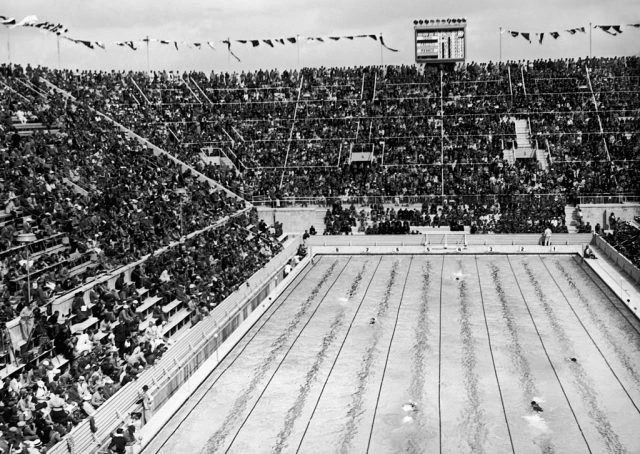
Swimming pool at the Berlin stadium, 1936. 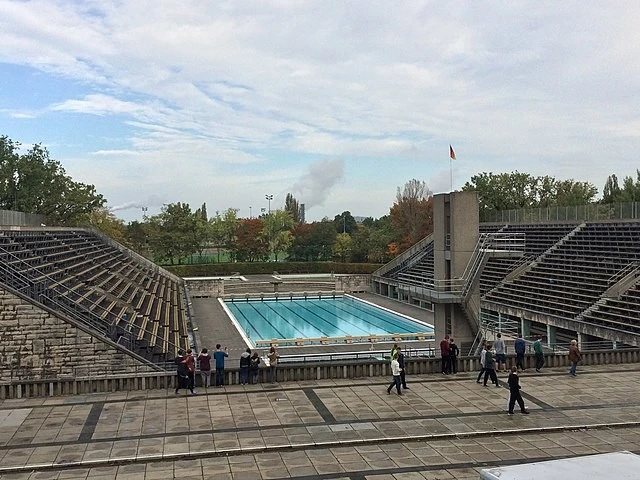
Swimming pool at the Berlin stadium, 2014.
Despite the general outrage, the Games took place in Berlin. To surpass the 1932 Los Angeles Olympics, Hitler built a 100,000-seat track and field stadium, as well as six gymnasiums and other smaller arenas. The Olympic Village, located in Elstal, included one- and two-story dormitories, a swimming pool, a gym and a large dining hall. 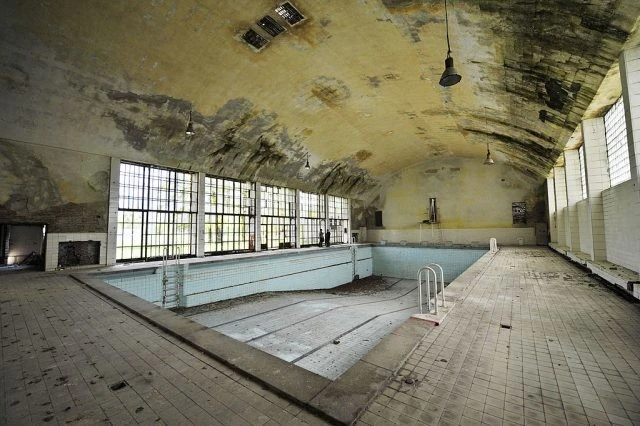
Swimming pool in the Olympic Village in Elstal, 2008
During World War II, most of the facilities were repurposed and later occupied by the Soviet Union. Currently they are mostly abandoned.
1984 Winter Olympics
The 1984 Winter Olympics in Sarajevo were the first to be held in a socialist state. The Soviet Union won the most medals, but ended up in second place as East Germany (GDR) won more gold. 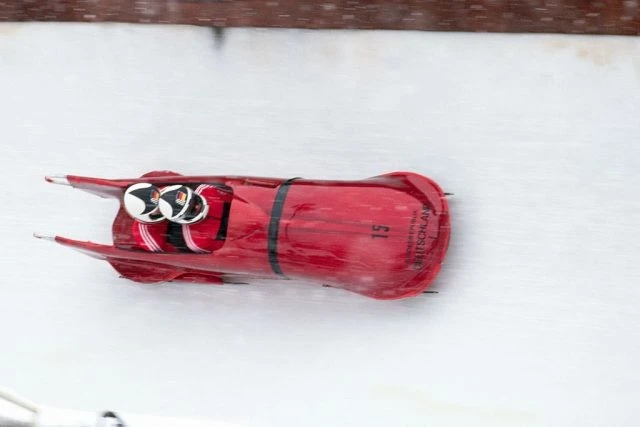
West Germany bobsleigh team, 1984 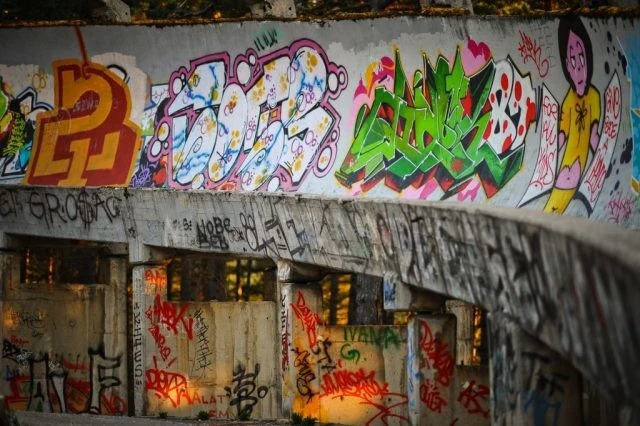
Bobsleigh track in Sarajevo, 2017
The Olympic Games became an opportunity to revitalize the city and make it more attractive to tourists, so the organizers began building modern sports facilities, including a new ski complex and bobsleigh track. When the Games came to an end, the bobsleigh and luge tracks were used quite often until the outbreak of the Bosnian War in 1992. 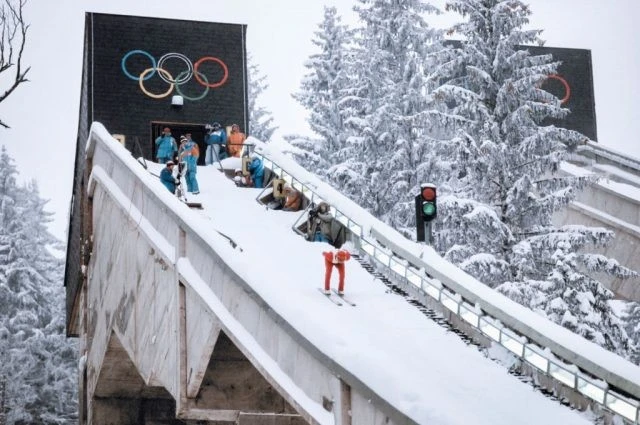
Olympic ski jumping ramp, 1984 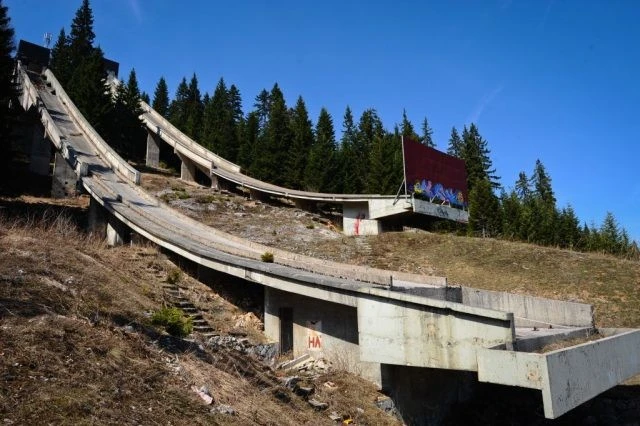
Olympic ski jumping ramp, 2017
The former Olympic venues were heavily damaged during the conflict. Billboards featuring the Games' mascot were riddled with bullets, and part of the men's ski complex on Mt. Bjelašnica became a Serbian military target. The once thriving bobsleigh track was converted into an artillery position for Serbian partisans. 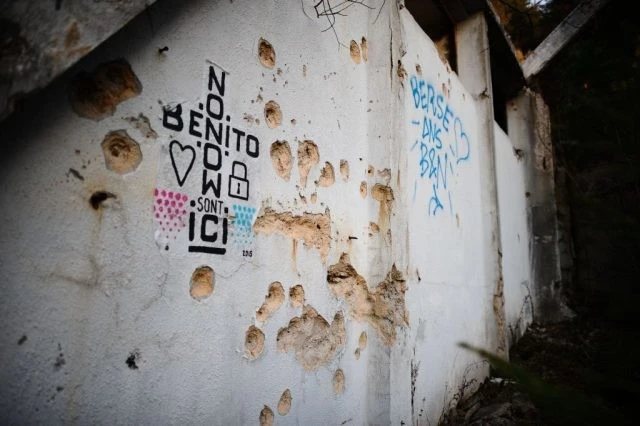
Bullet holes in the wall of the Olympic venue, 2017. 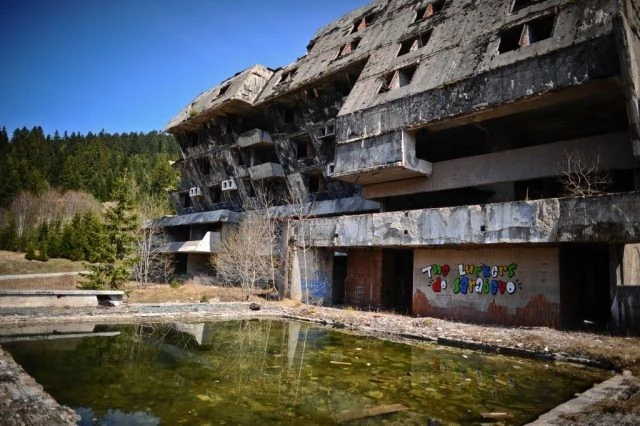
Dilapidated Olympic venue, 2017
Since then, measures have been taken to restore the structures. The International Olympic Committee restored the city's Koševo stadium after the Bosnian War, and in 2014 volunteers, the National Bobsleigh Federation and the International Luge Federation began rebuilding other facilities.
1996 Summer Olympics
At the 1996 Summer Olympics in Atlanta, considered one of the most extravagant Olympic Games in history, the United States came out on top with 101 medals, 44 of which were gold. The Games were a triumph for female athletes, especially the US women's basketball team; a softball and women's soccer tournament were also added this year. 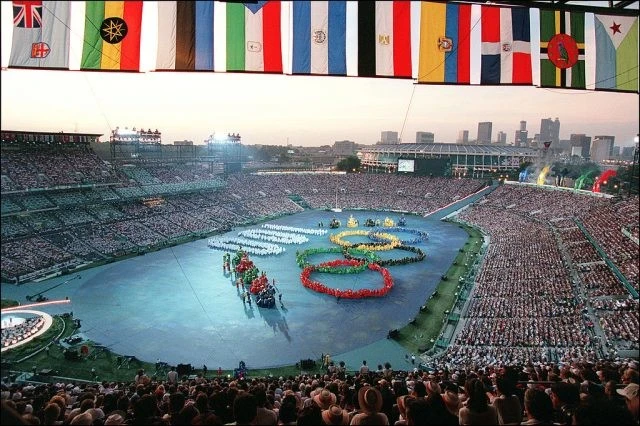
Centennial Olympic Stadium, 1996 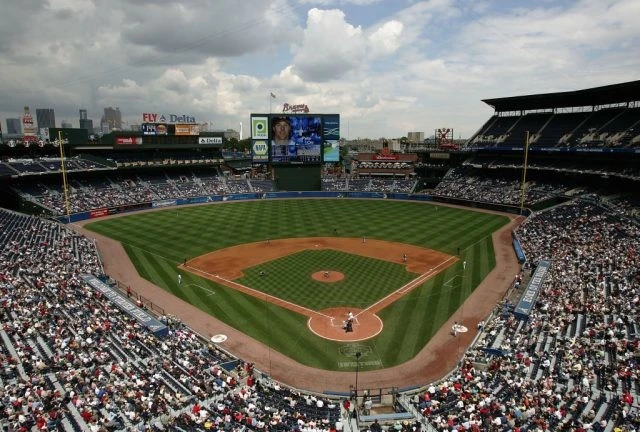
Former Storletia Olympic Stadium, now Turner Field, 2005.
The Games began on the 100th anniversary of the first modern Olympic Games, when boxer Muhammad Ali lit the cauldron over the Centenary Olympic Stadium. However, the Games were marred by a homemade bomb explosion at Centenary Olympic Park, which left one person dead and more than 100 injured. 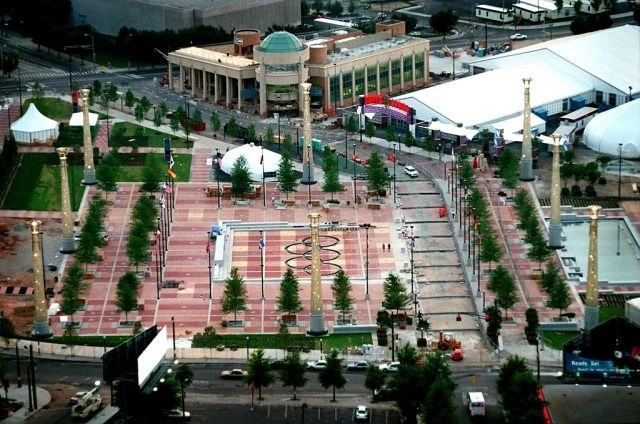
Centennial Olympic Park, 1996 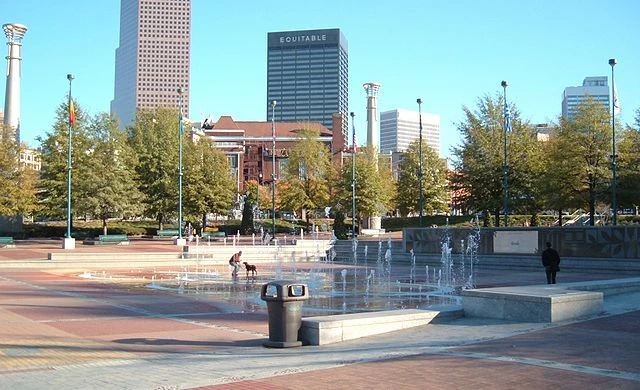
Centennial Olympic Park, 2005
The Olympics took place in 29 venues, some of which were built before the 1960s as college venues. Many were used after the end of the Games.
The mid-rise residence halls in the Olympic Village became the first housing for Georgia State University students and are now used by Georgia Tech. And Centennial Olympic Stadium served as the home of the Atlanta Braves baseball team from 1997 to 2016.
2004 Summer Olympics
In 2004, the Olympic Games returned to their homeland, Greece. For the first time since 1996, representatives from all countries on the National Olympic Committee attended the event, and Greece had the opportunity to change the country's international image. 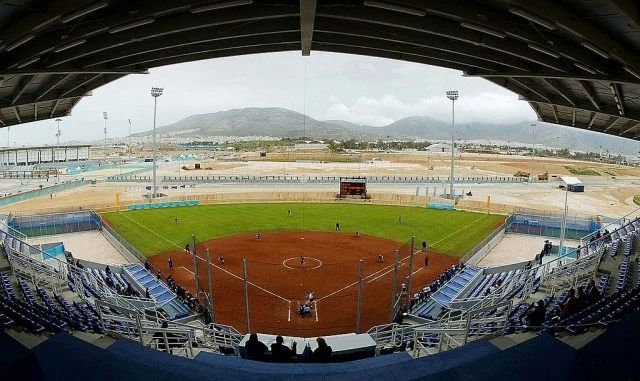
Olympic softball field, 2004 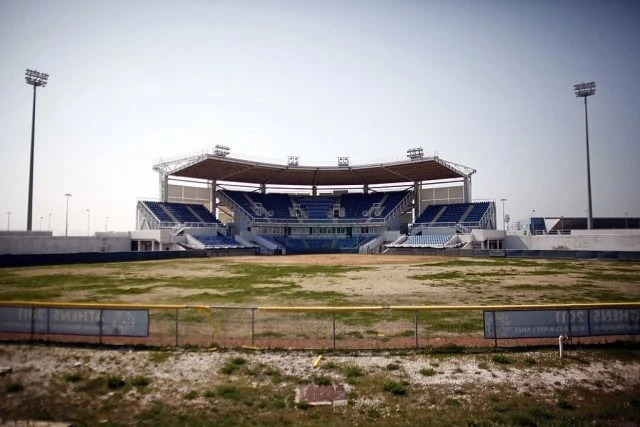
Olympic softball field, 2012
To prepare for the games, the country built new infrastructure, including an airport, metro and ring road. There were fears that the Games would have to be postponed as construction was proceeding relatively slowly. Some buildings were completed just a few months before the scheduled start of the Games. 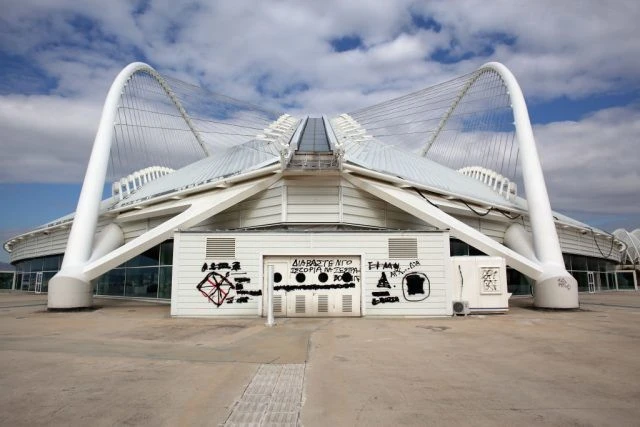
Olympic Velodrome in Athens, 2012 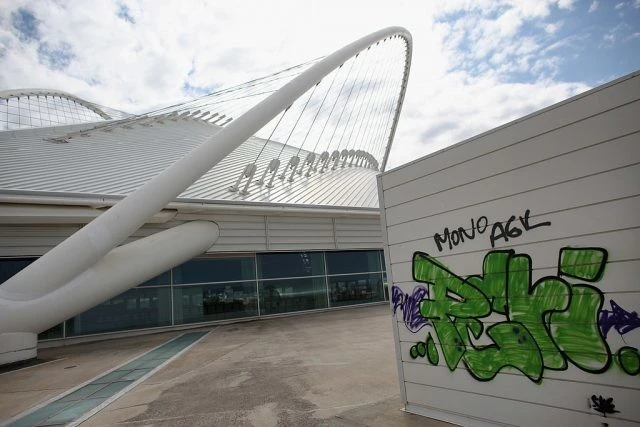
Olympic Velodrome in Athens, 2012
More than a dozen fields are now empty, including a softball field and a canoe and kayak course. Those that are still in use typically host non-sports events such as weddings and conferences. Some argue that the Games caused Greece's 2010-18 debt crisis, but many believe there is insufficient evidence for this.
2008 Summer Olympics
The 2008 Summer Olympics in Beijing were China's first experience hosting the Games. The Games were seen as an opportunity to refresh the country's image, and the government spent huge sums on new venues and transport systems. The most iconic of these are the Beijing National Stadium, nicknamed the "Bird's Nest" for its unique design, and the Beijing Olympic Park ("Olympic Green"). 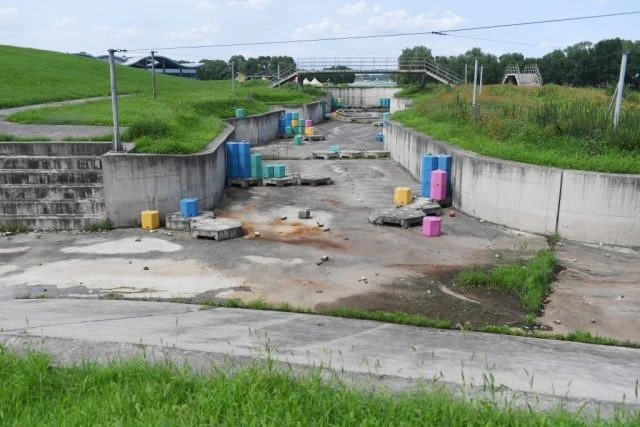
Route for the rafting competition at the 2008 Summer Olympics, 2018. 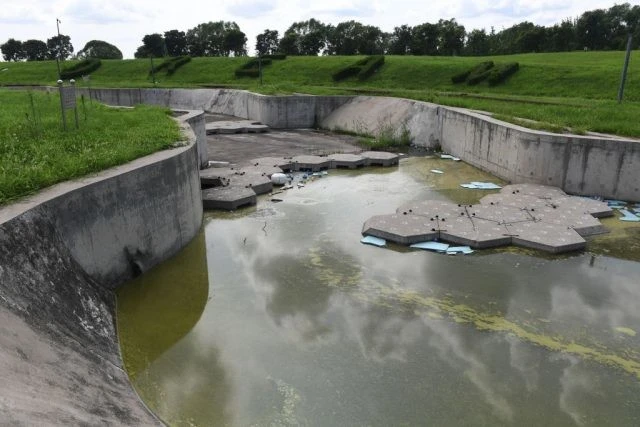
Route for the rafting competition at the 2008 Summer Olympics, 2018.
In the run-up to the Games, there were calls for a boycott of the event due to human rights abuses in China and possible health consequences from Beijing's poor air quality. Authorities have tried to reduce these concerns, going so far as to instruct local media to cover less political issues. 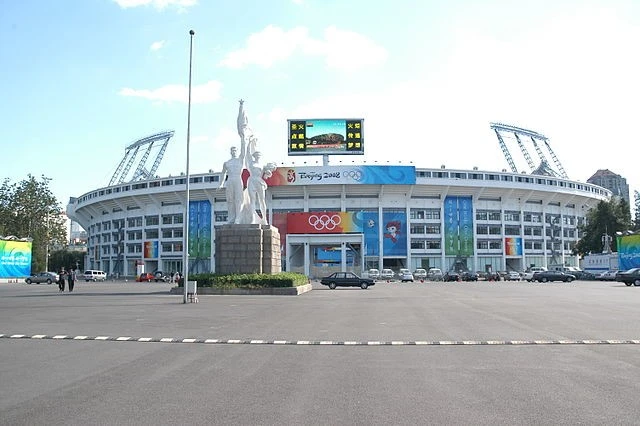
Workers' Stadium, 2008 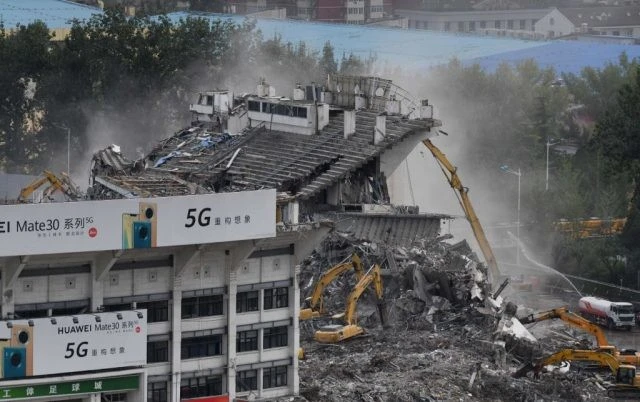
Demolition of Workers' Stadium, 2020
China won the most gold medals at these Games, but the United States topped the leaderboard. Top athletes included American swimmer Michael Phelps, who won eight gold medals, and Jamaican sprinter Usain Bolt, who set numerous world records.