Many years ago, ordinary mortals could not even dream of visiting the residences of rulers. Today, many of them are accessible to tourists. Below we talk about four royal residences from around the world that are worth seeing with your own eyes. 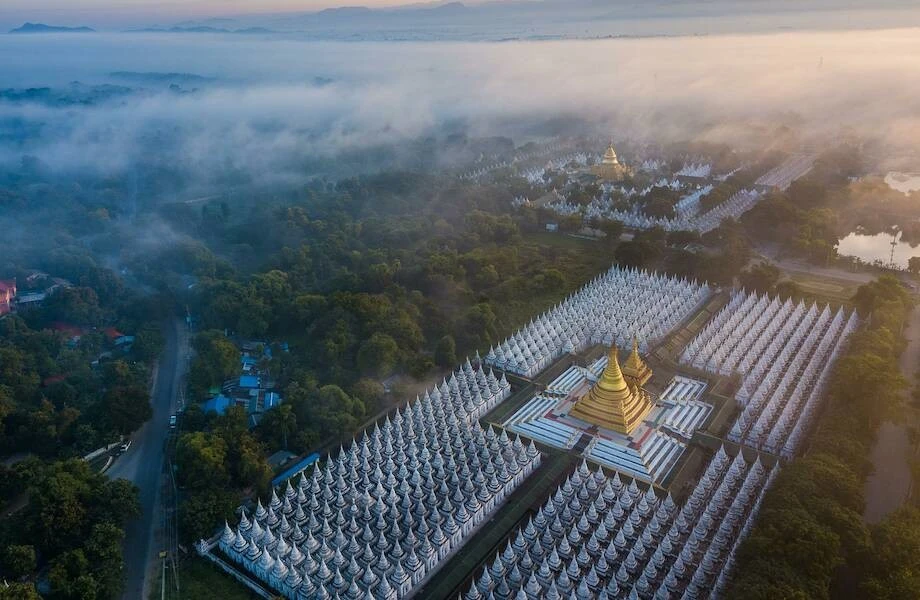
Mandalay
In Myanmar, buildings dating back to the family of the last Burmese rulers have survived to this day. The palace, unique due to its architecture, was erected in the late 50s of the 19th century. The complex consisted of many buildings, all of them were created in the same style and were surrounded by a wall and a moat. At the time when the country was colonized by the British, the palace was considered a symbol of the independence of the former state.
During World War II, most of the buildings were damaged. Then only the mint and the watchtower survived. To date, the remaining buildings of the complex have been restored. 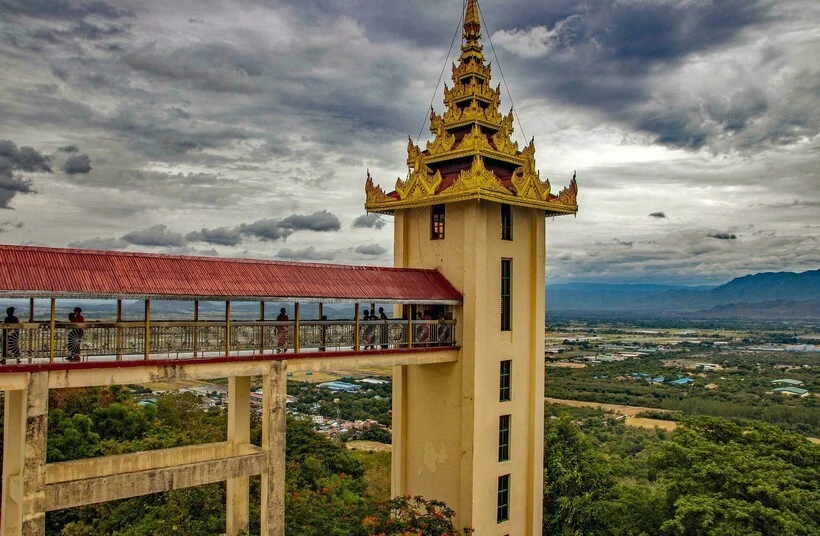
Al Alam
This palace is still in use today as the residence of the Omani Sultan. However, the ruler himself does not live in it; official events are most often held in the building.
The building has a special ornate style. In appearance it seems quite modern, which often surprises tourists, since it was built more than 200 years ago. True, there are still restrictions for visitors: you won’t be able to go inside. However, you can view the building from the outside without interference. 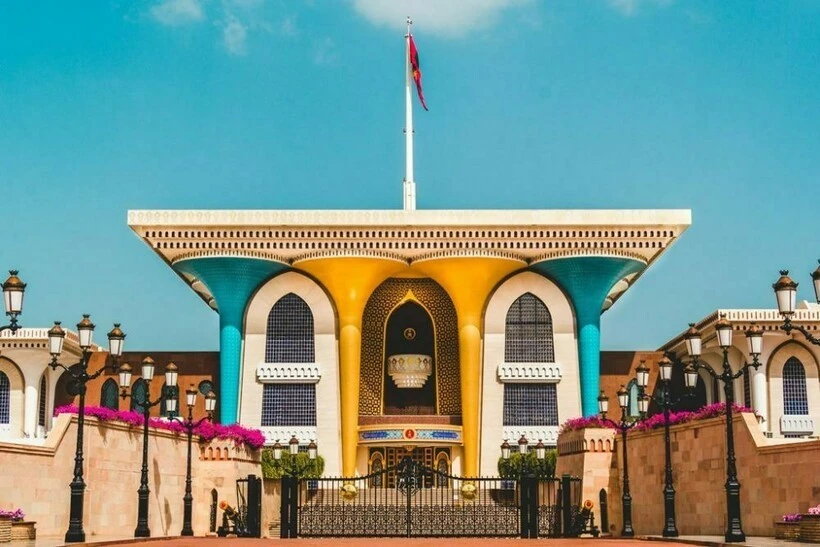
Hawa Mahal
This interesting structure in India is not a palace at all, but a five-story wing of a large palace complex. It was built in Jaipur around the end of the 18th century. From the outside, the building impresses with its interesting shape: it is made of pink sandstone and decorated with lace patterns. Among visitors, the structure is known as the Palace of the Winds. This is because the building has 953 windows, where the wind easily penetrates. Even at high temperatures it is not hot there due to the wind flow. It is also interesting that there are absolutely no stairs inside the buildings. Instead, gentle transitions were built in. 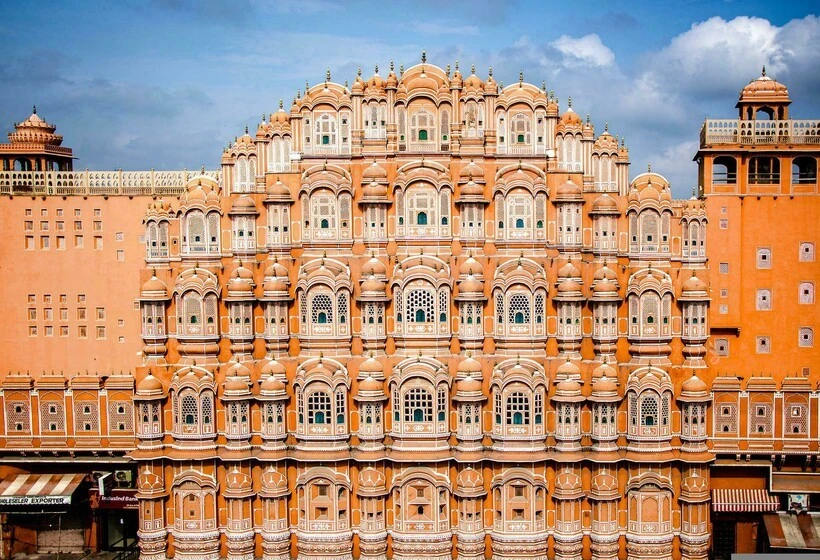
Gugun
This Chinese residence was home to 24 rulers for more than 500 years. The complex is impressive in scale: there are 980 buildings on its territory. Many of them are closed to tourists, but there is still something to see there. Visitors are invited to see not only the chambers, but also the clothes and dishes surrounded by which the Chinese emperors lived. 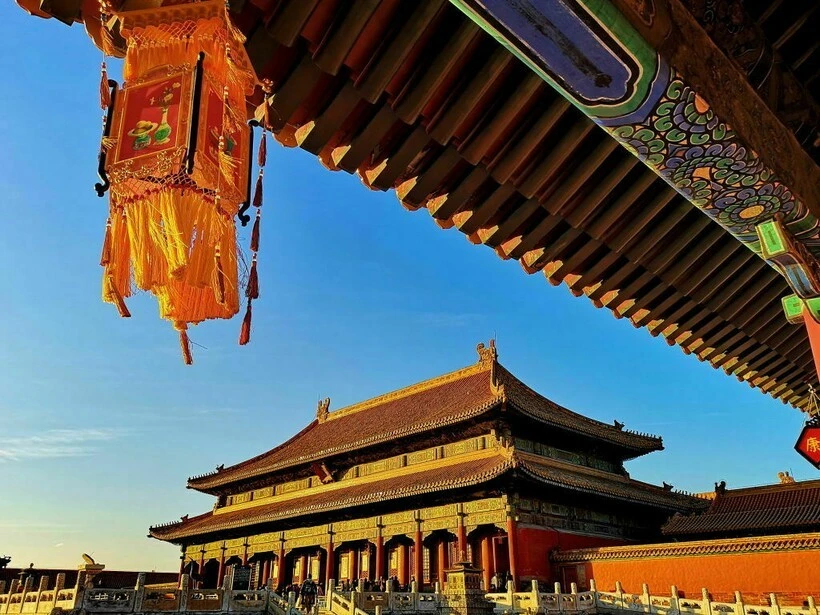
0 comments