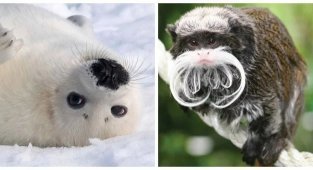
The word “mother” is associated with all the kindest, gentlest and most touching things that exist in our world. 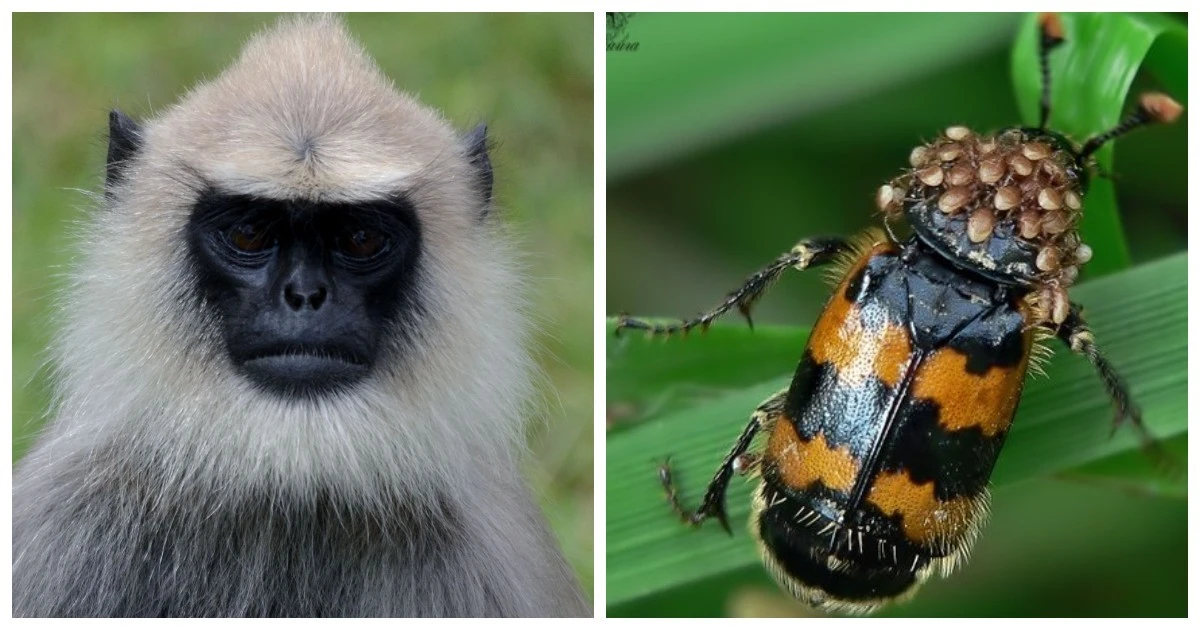
But there are a number of exceptions in living nature that only confirm the rules.
Queen 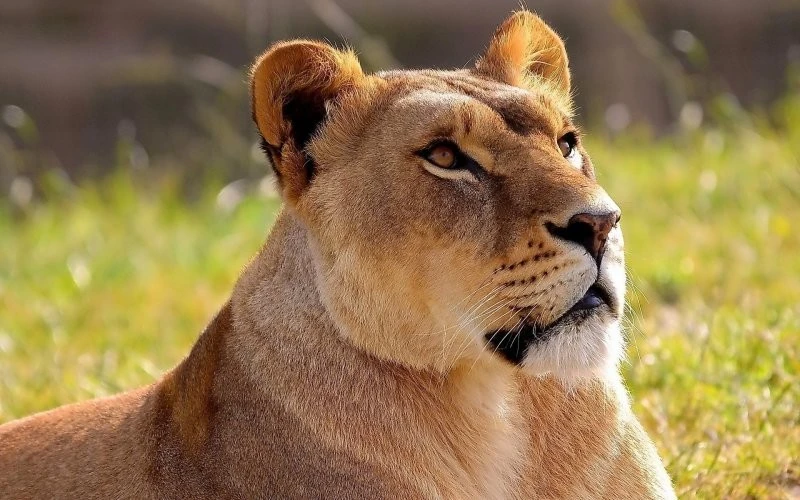
Of course, lionesses, like other cats, take care of their offspring. But if the leader changes in the pride, lion cubs that are not yet two years old may be sacrificed. The new alpha gets rid of the offspring of his predecessor, seeing them as competitors, and the lioness takes a passive position and does not prevent the killing of her cubs.
Fluffy 
After the first birth, many rodents deal with their offspring. This is due to pathologies of the cubs. But cute, touching hamsters are so shocked by motherhood that they kill their own babies, seeing them as a threat to themselves. But sacrifices in the name of preserving the species can also be made if there are too many hamsters, and the animal objectively cannot feed them all due to lack of milk.
Envious 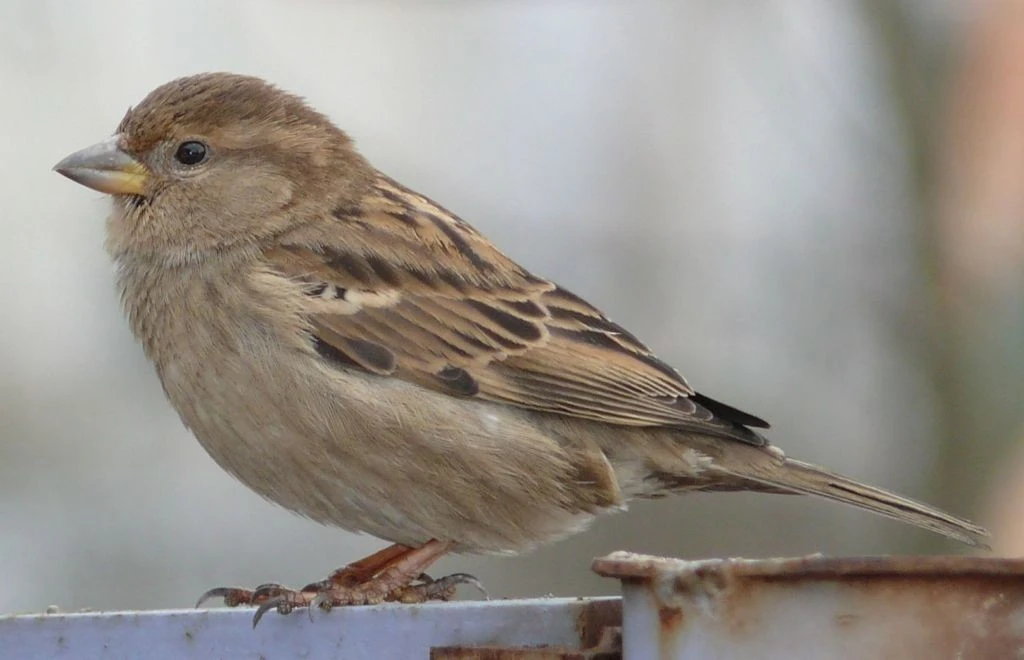
If the cuckoo insidiously throws its eggs into other people's nests, forcing other birds to raise foundlings instead of their own chicks, then this modest, ubiquitous bird is capable of going even further. A female sparrow can identify the nests of competitors in the area and deal with the chicks so that the sparrow’s attention is focused exclusively on her and her offspring. More food means more chances of survival.
Destroyer 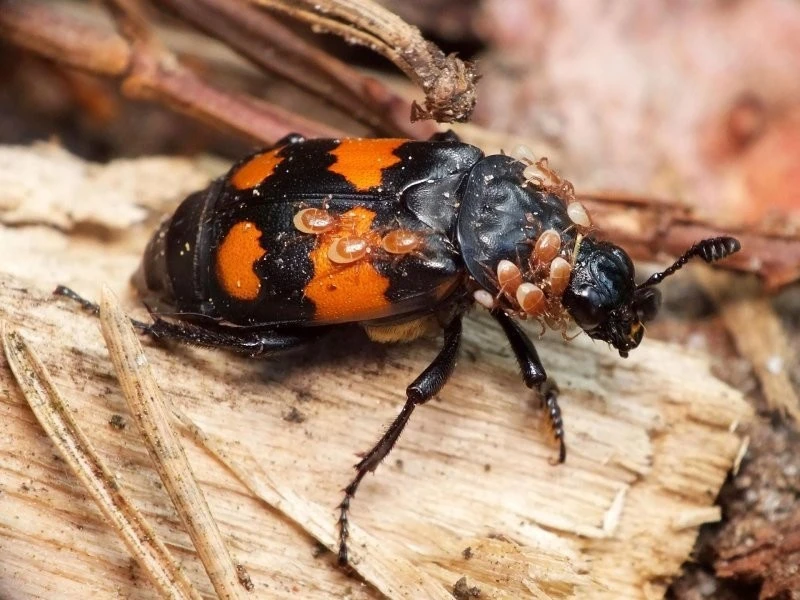
To lay larvae, the female burying beetle uses the carcasses of dead rodents, most often mice. The insect absorbs organic matter and regurgitates a substance convenient for feeding the offspring. But if there are a lot of larvae, then the mother, for the purpose of rationalization, eats the last ones, which did not get the “puree,” without hesitation, and eats it herself.
Eared cuties 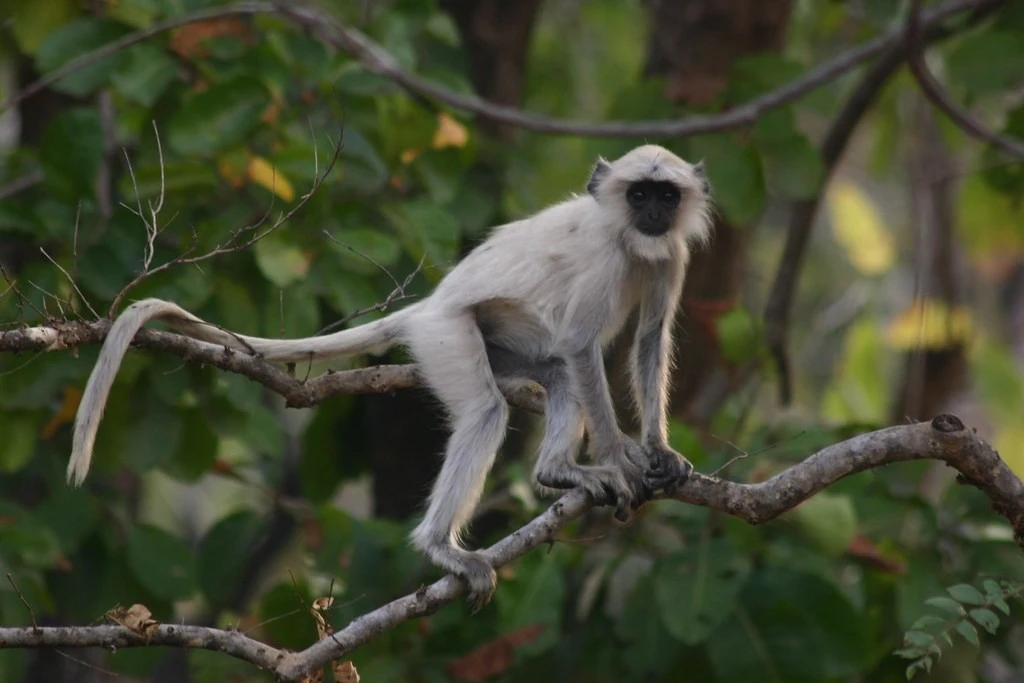
Tonkoboli or langurs, the inhabitants of India, practice the destruction of their offspring. Male monkeys can scratch, bite or even kill their babies. But the females do not interfere with this due to their desire to mate with the new leader. It sounds terrible, but this is the way of life in flocks of langurs.
Black Lightning 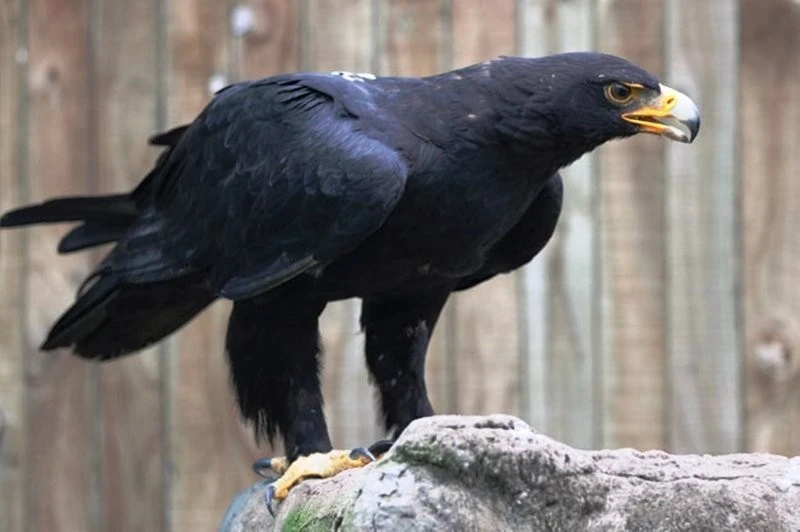
The female African black eagle usually lays a pair of eggs. But the reality is that only one should remain alive - the stronger chick. When the chicks emerge, they almost immediately begin to fight, competing for resources and fighting for dominance. The mother looks at the confrontation, which most often ends in the death of one of the eaglets, completely calmly.
Huntress 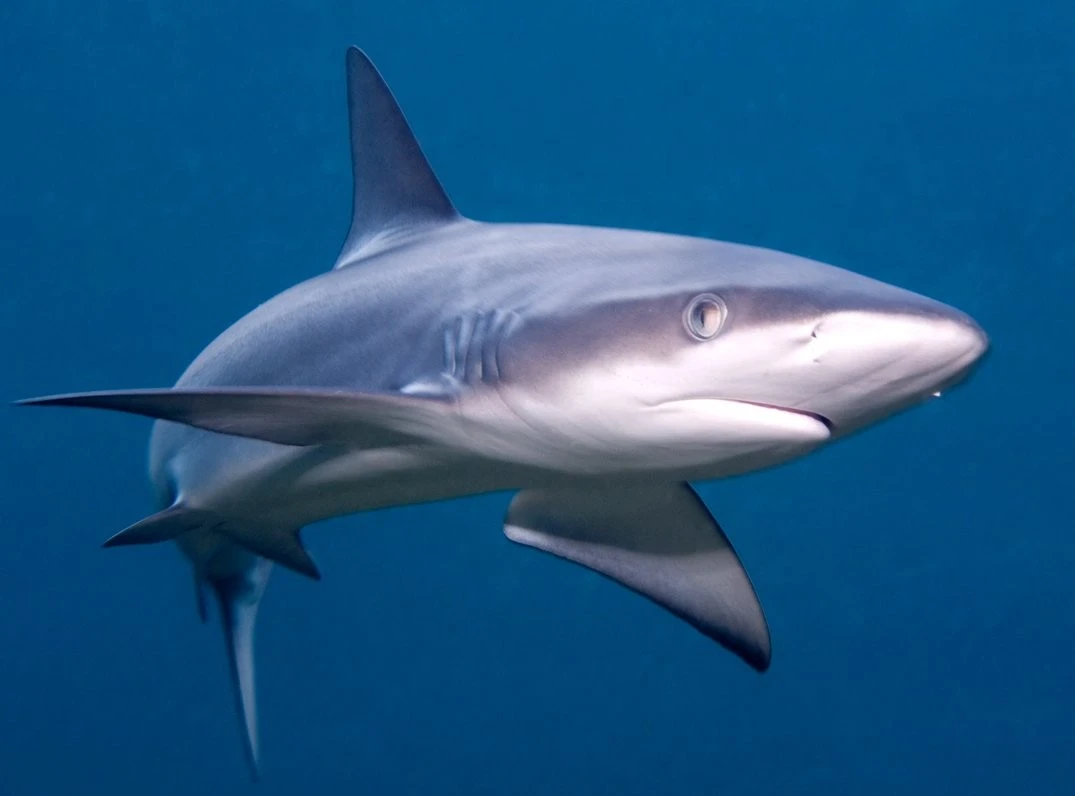
The Galapagos shark is viviparous. And at intervals of approximately every two years, it gives birth to a dozen or even more sharks. She gives birth to them in shallow water and immediately swims away, showing neither interest nor care for the offspring. This behavior is due to the need to preserve the species. The fact is that at great depths, babies can be quickly eaten. And with a high degree of probability, the newly-made mother herself will become a hunter.
Vampire 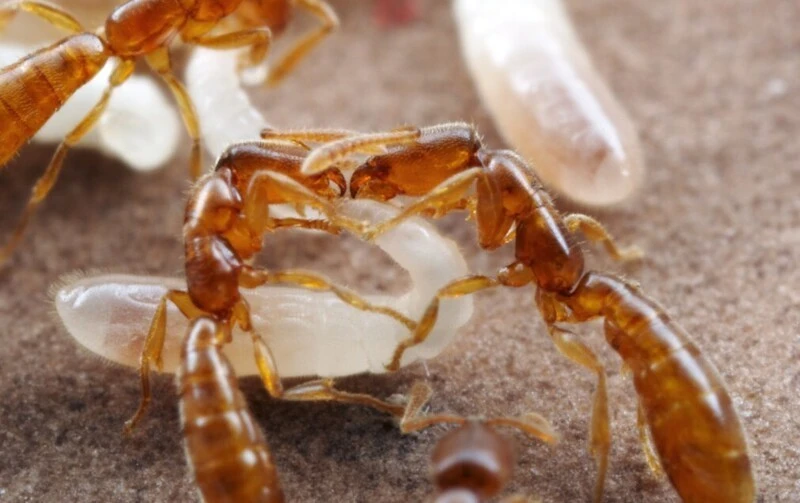
Madagascar ants Adetomyrma venatrix practice a non-standard way of feeding. The fact is that nature provided them with a specific physiological feature. The connection between the thorax and abdomen is too narrow and does not allow insects to feed on solid food, only liquid. And Queen Adetomirma, together with her working subjects, feeds on the hemolymph of the larvae, gnawing through the skin and assimilating important proteins. This method of feeding is called “non-destructive cannibalism”, since most of the larvae, which cannot but rejoice, manage to survive after such execution.
0 comments