Sea lampreys: who are they from a biological point of view? (11 photos)
Sea lampreys are true aquatic vampires. These animals, reminiscent of monsters from horror films, attach themselves to the body of victims and suck the blood out of them. 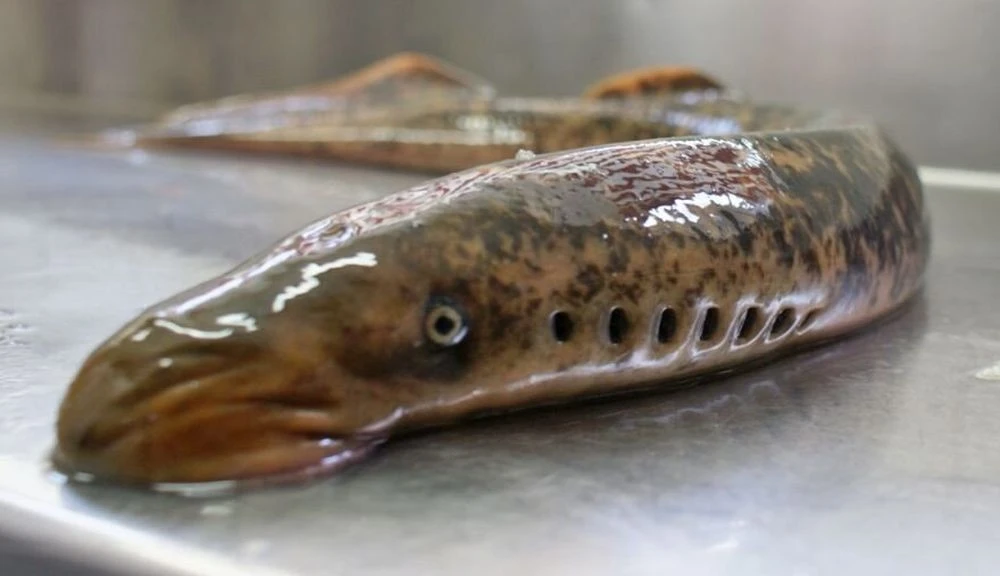
If you look at a lamprey for a long time, then... yes, it may look at you, but that’s not the point. If you look at these scary people for a long time, you can suddenly understand how life began, why dinosaurs became extinct and how people turned out. No, the lamprey does not have hallucinogenic mucus, from which you learn the secrets of existence. It’s just that during its history it has gone through an evolution of 450 million years, survived 4 mass extinctions and acquired a whole set of unusual things! 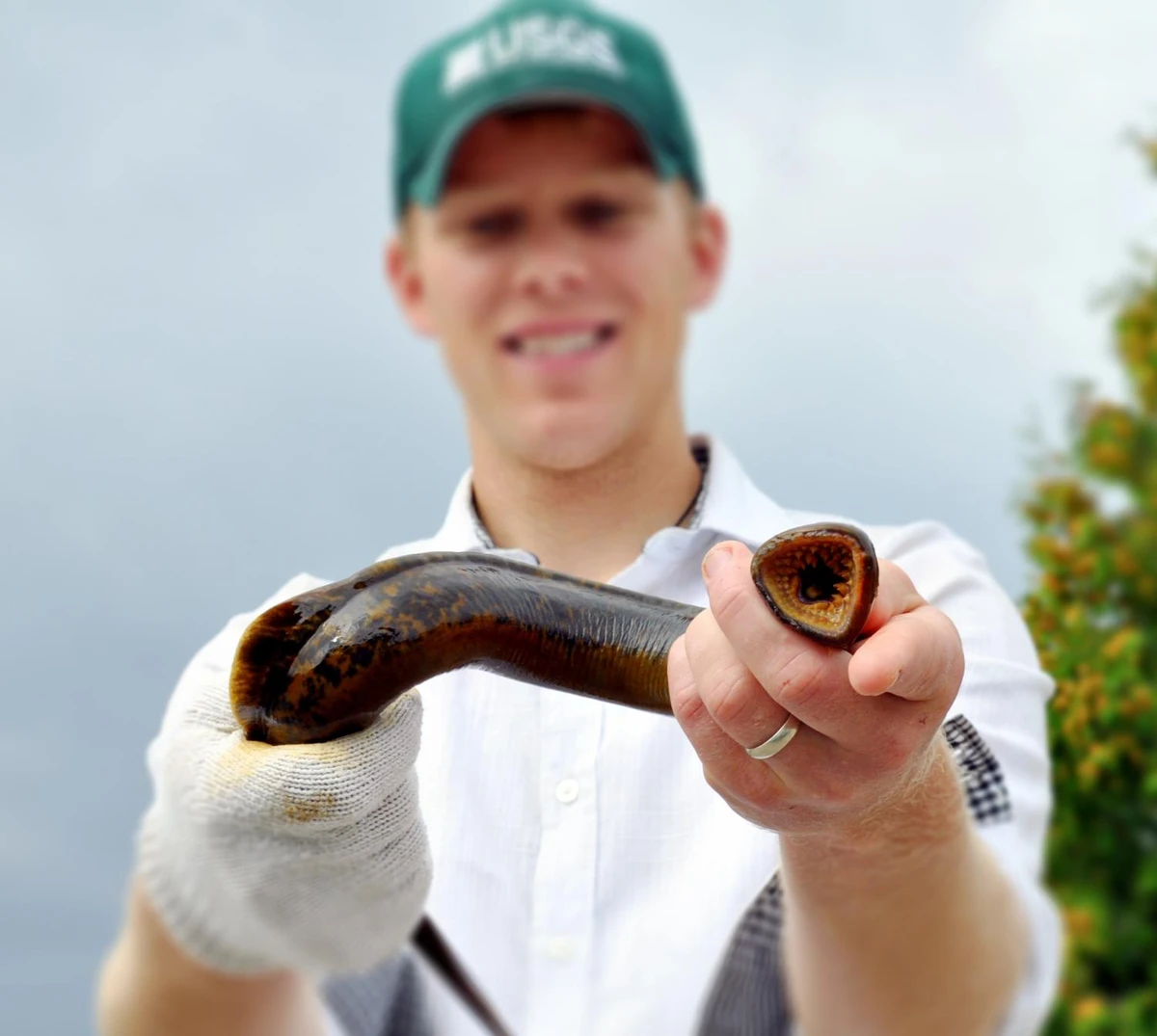
The sea lamprey is one of 40 living species of lamprey. A long eel-like body, a toothy suction cup mouth, eyes placed on the sides, looking crazy at the surrounding reality. It’s scary to imagine how battered the poor fish was that evolution turned it into THIS. There is only one “but”. Lampreys are not fish! This is a separate branch of the evolution of living beings! 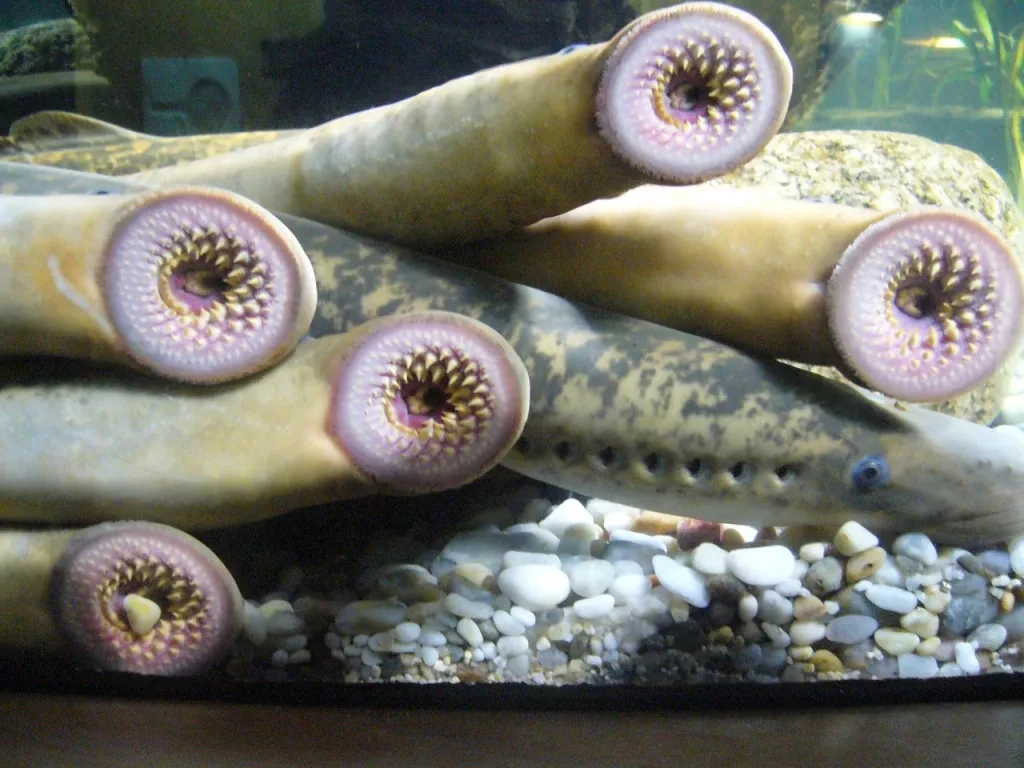
About half a billion years ago, the very first representatives of the fauna with a backbone inside were divided into two groups - gnathostomes and jawless ones. From the first came absolutely all modern and extinct species of vertebrates - fish, amphibians, dinosaurs, and even you and me. Well, the second ones, which are jawless, in the muzzle the faces of lampreys and hagfishes have remained practically unchanged to this day. Just think, when they first appeared, trees did not yet grow on Earth! 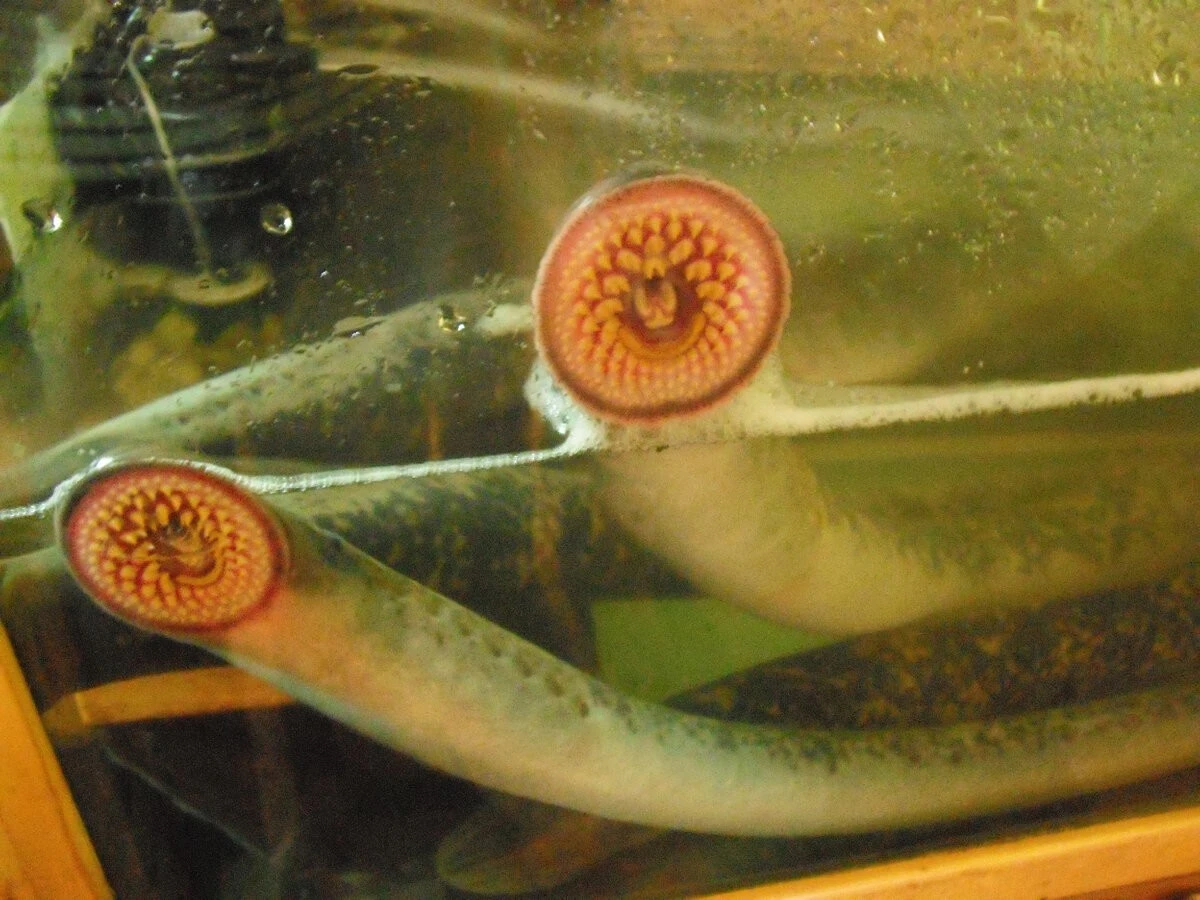
What is the reason for their phenomenal vitality? And why haven't they changed at all? The fact is that lampreys did not need global changes and a complex path of evolution. They turned out perfect from the start! Ideal parasites! 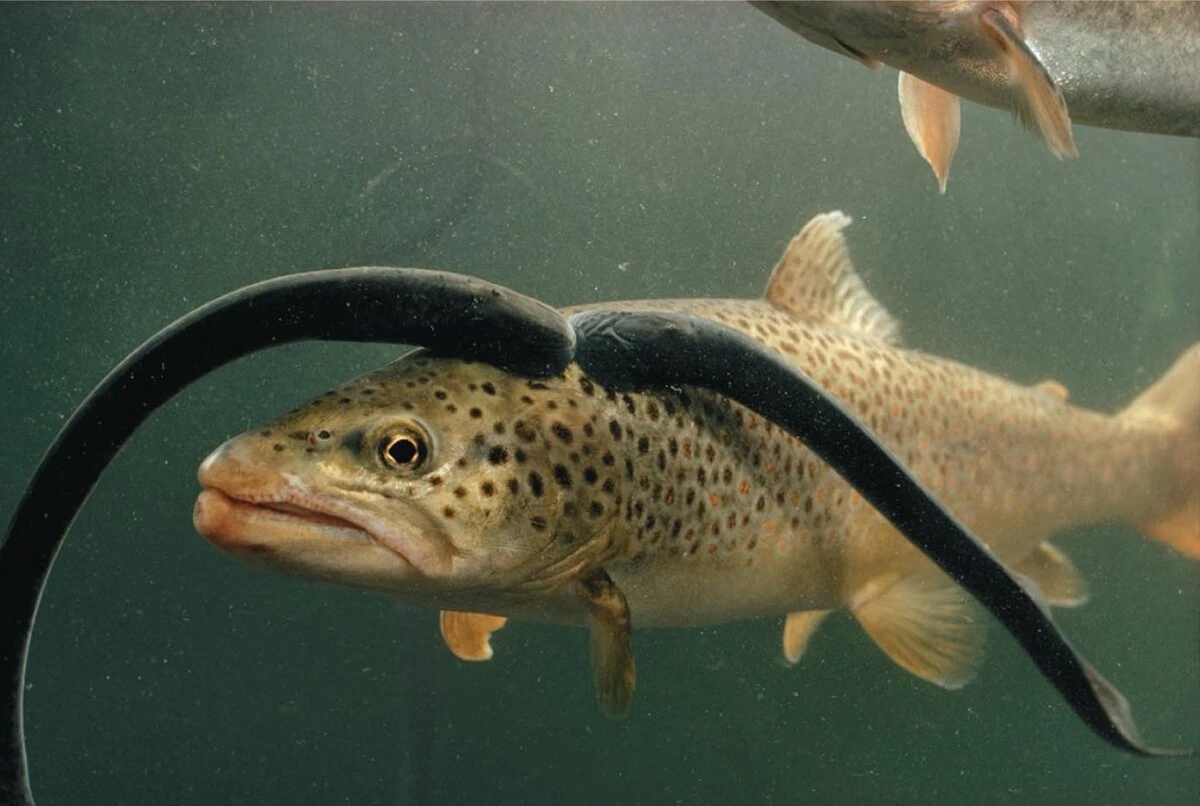
Lampreys have no hunting skills, no armor or spines. But he has an amazing mouth and very sharp teeth. Having grabbed the side of a fish, seal or whale, the lamprey firmly adheres to the owner thanks to the fold-cartilaginous system on the face. Next, the sharp teeth make a hole in the barrel, which the lamprey carefully moistens with saliva containing special substances. Because of them, the wound does not heal, and the toothy one can enjoy all the internal fluids of the victim as much as it likes. As long as there is something floating in the water, these comrades will never die of hunger. 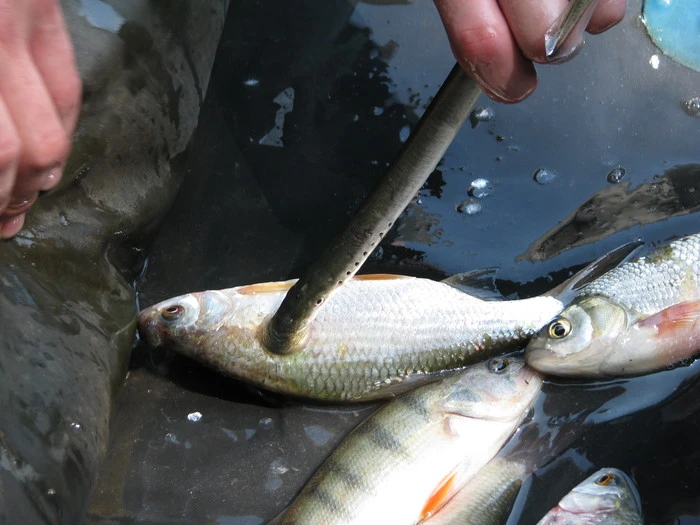
This method of nutrition does not require a complex digestive tract or a special navigation system. Lampreys are guided by the chemicals of the prey. Perhaps they can detect electrical impulses and see things with their little eyes. But they don’t need more for their lifestyle! 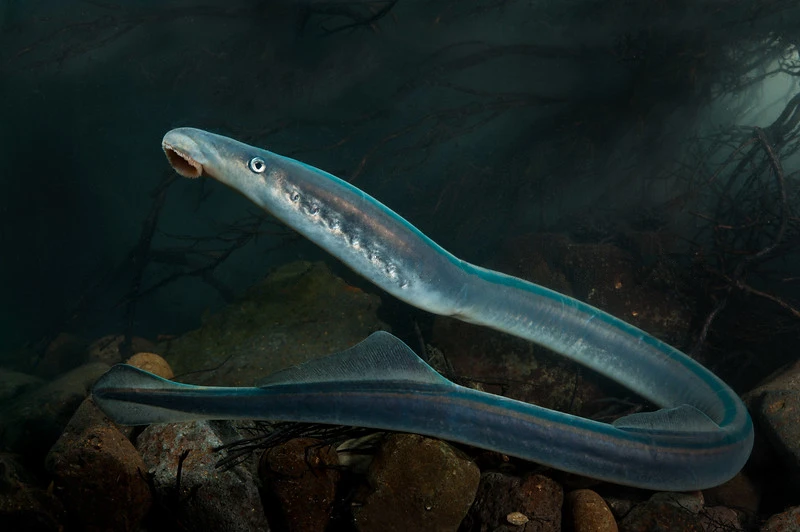
The second reason for success is an established reproduction system. In theory, with sea lampreys, everything looks like this: the animals first accumulate fat, then give up everything, stop eating, leave the ocean and swim to the rivers. Rising upstream, the animals make holes in the sand and lay eggs, after which both females and males die. 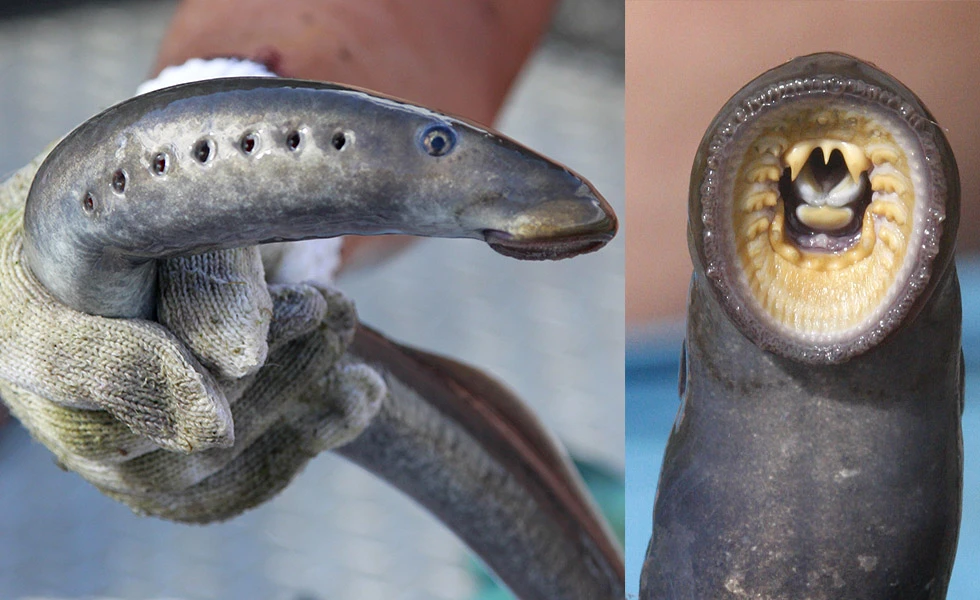
A little later, sandworm larvae hatch from the fertilized eggs. They are blind and harmless. The baby burrows into the ground and greedily eats all the floating organic matter. Having gained strength, sand miners undergo metamorphosis and turn into adults, after which they return back to the ocean. The whole process takes several years. 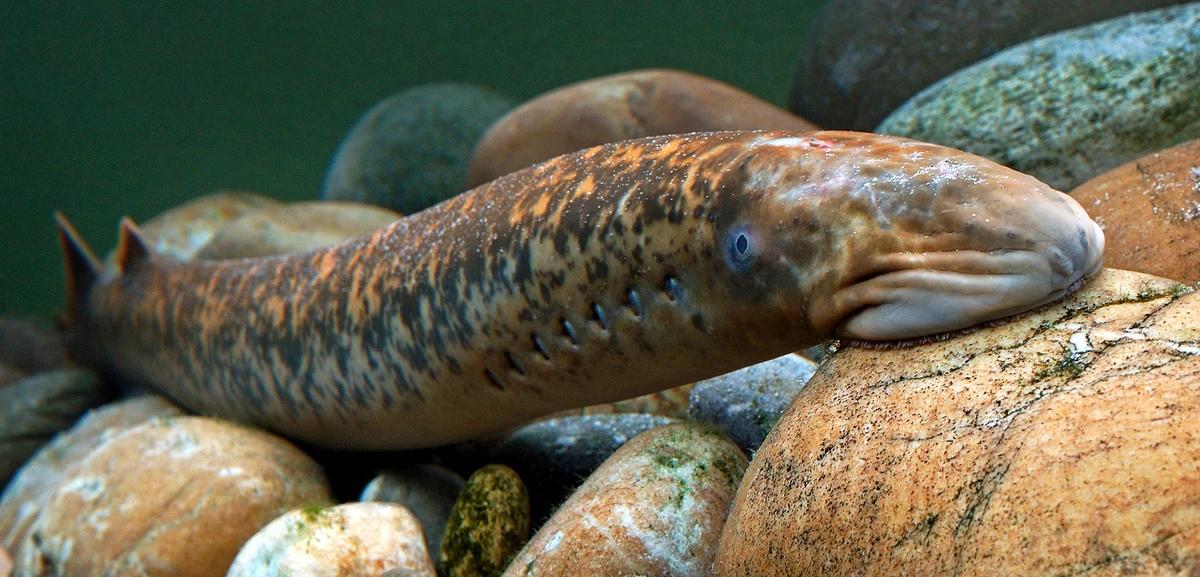
And everything seems to be clear. If only scientists, as always, had not dug a little deeper. It turns out that sea lampreys can control the sex ratio of their offspring! The hungrier and worse the life of the sandmoths, the more males there will be among the adults. In newly hatched babies, the reproductive gonads have not yet been formed, and, as it turns out, their development is influenced by the quality of life of the gerbils themselves. 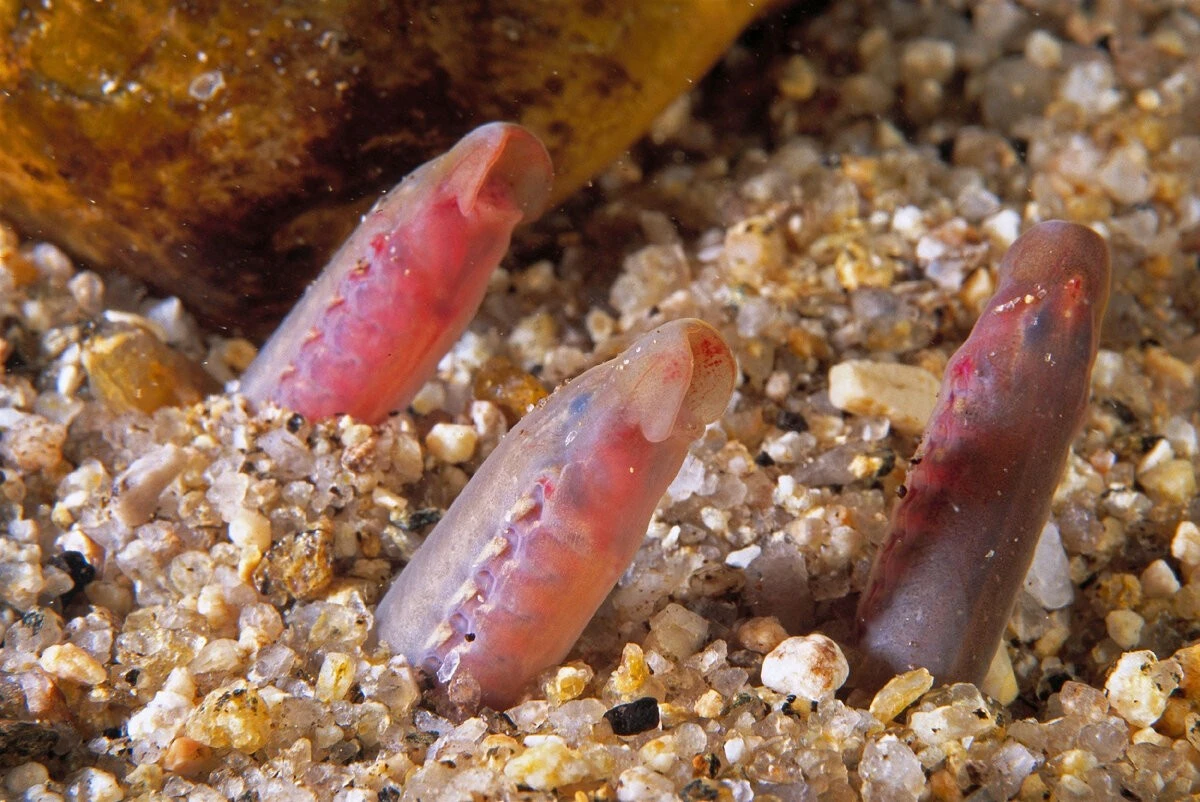
Those same toothless sand miners. So far toothless...
Thanks to this mechanism, an excellent self-regulating population is obtained: in bad years, males hatch from the eggs, since they are better able to withstand hunger. To reach adulthood, they will, logically, need to accumulate nutrients longer and remain in their “baby” form longer. And there, after a year, new lampreys will come to spawn again and again. Perhaps, then there will be more food, and the population will be able to afford the production of more females. So, over the course of life, the difference between individuals of several years becomes equal, and the population of larvae remains extremely tenacious. 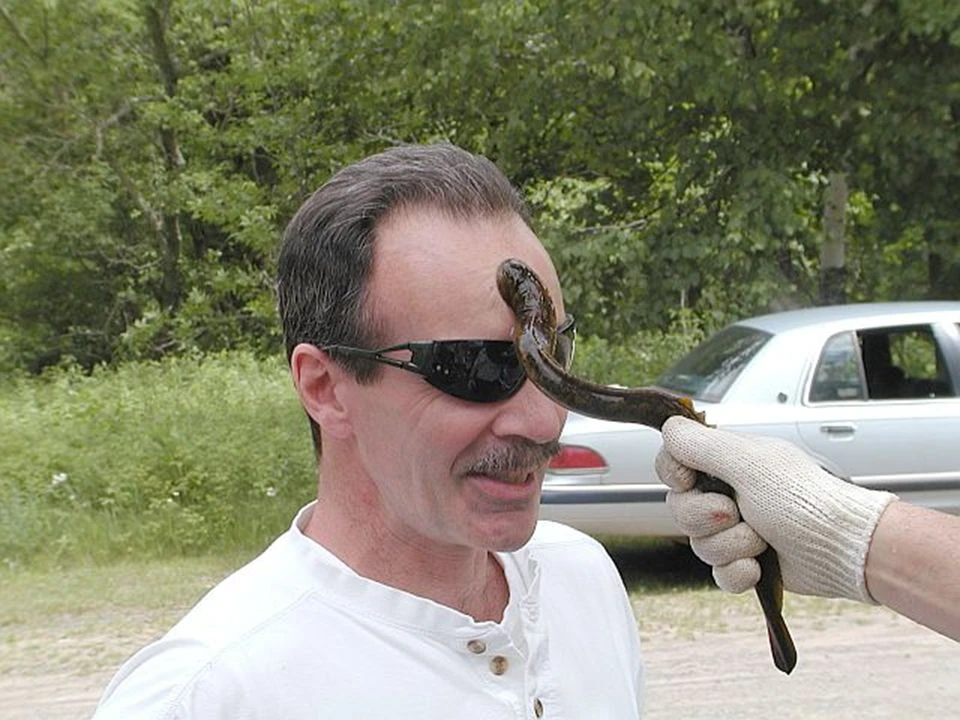
By the way, the lamprey can also attach itself to people. But, unlike aquatic inhabitants, we have hands and developed intelligence to quickly get rid of the parasite.
Today, the lamprey population is not threatened. During spawning, they are caught by many animals, birds and even people, but the guys have been preparing for all sorts of tricks for 450 million years - what do they care about us, two-legged people!