Spanish slug: preparing the way for an environmental disaster (8 photos)
Mighty bears, cunning wolves and ruthless crocodiles are dangerous. But people have more serious opponents. For example, Spanish slugs. These humble brown-orange mollusks are rapidly and persistently expanding their influence on the planet. Why did they turn out to be such serious enemies that scientists called them “one of the most dangerous invertebrates on the planet”? 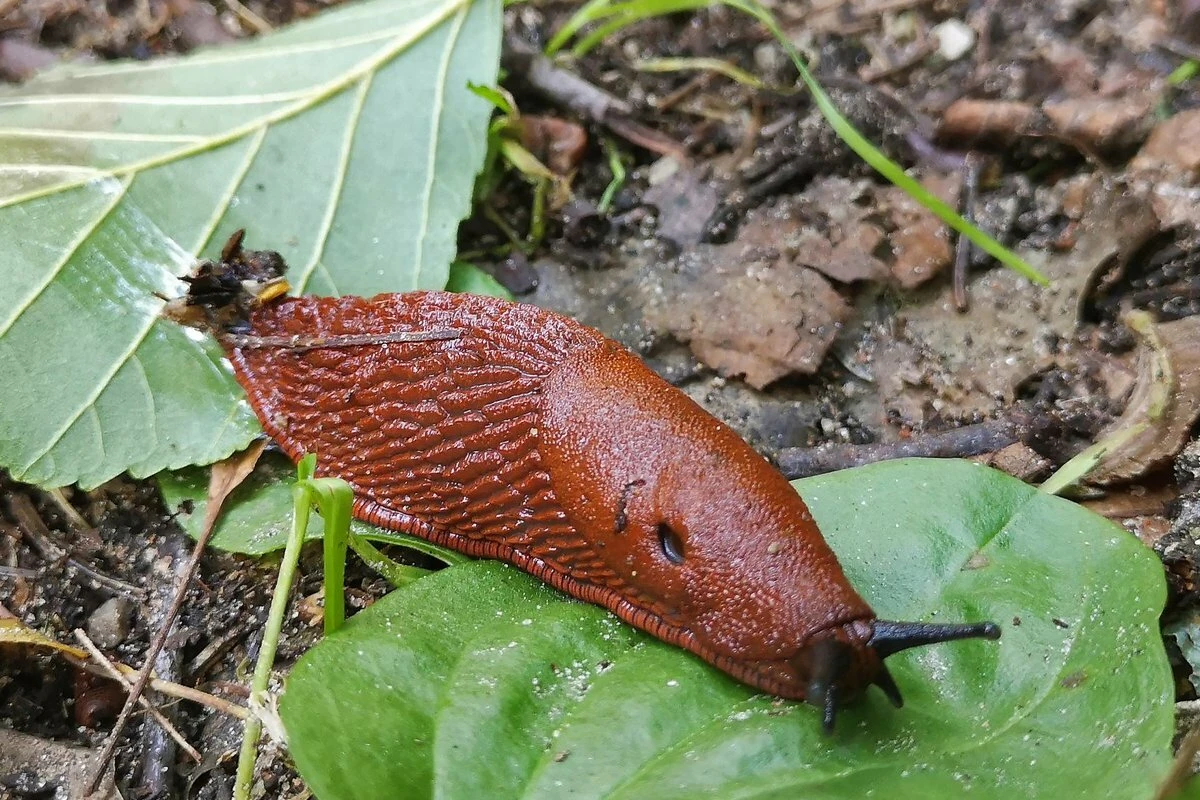
Yes, that's right, we're talking about this thing with a hole in the right side.
Because we don't know how to defeat them. Don't get me wrong, winning a battle with them is not difficult. In the end, these are ordinary slugs, albeit very large ones - from 6 to 14 centimeters. They dry out easily, are vulnerable to salt and acid, and have no protection from physical damage. They can be destroyed in dozens of different ways. Therefore, it is possible to clear a garden or park of the presence of these yellow sniffles in a couple of days. But this will be only a small tactical success against the backdrop of a strategic defeat. 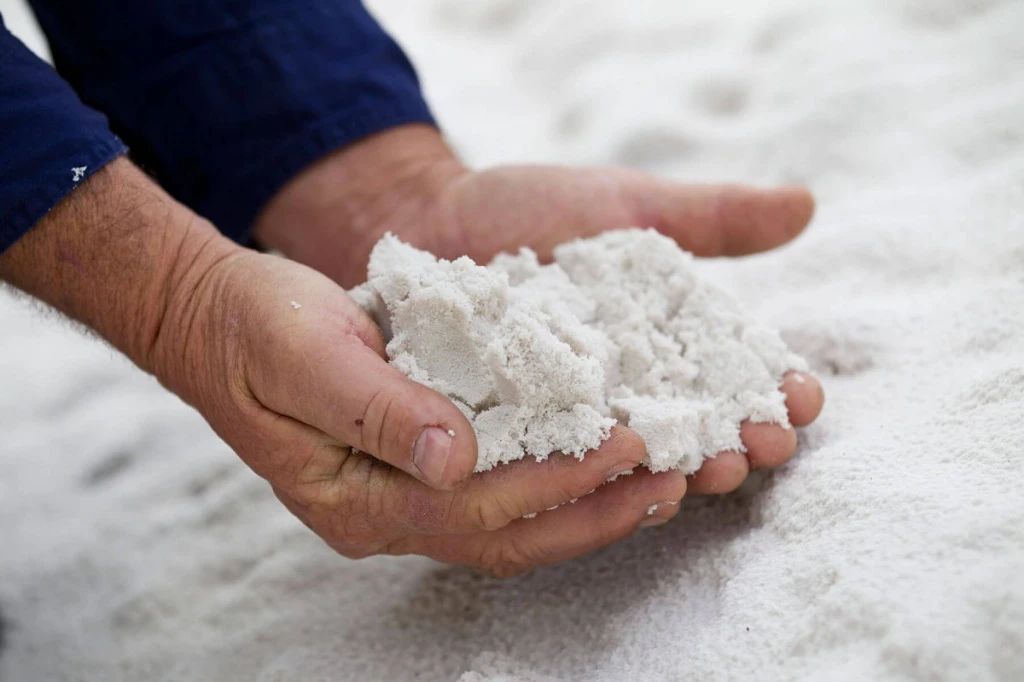
Dolomite flour is one of the effective ways to protect against slugs. It literally dries out the gastropods crawling across it.
80 years ago, Spanish slugs lived exclusively in Portugal. 70 years ago they were discovered in Scotland. 30 years ago they entered Eastern Europe. In 2019, 3 colonies of slugs appeared in the Moscow region. And last summer they spread to all specially protected natural areas of Moscow. 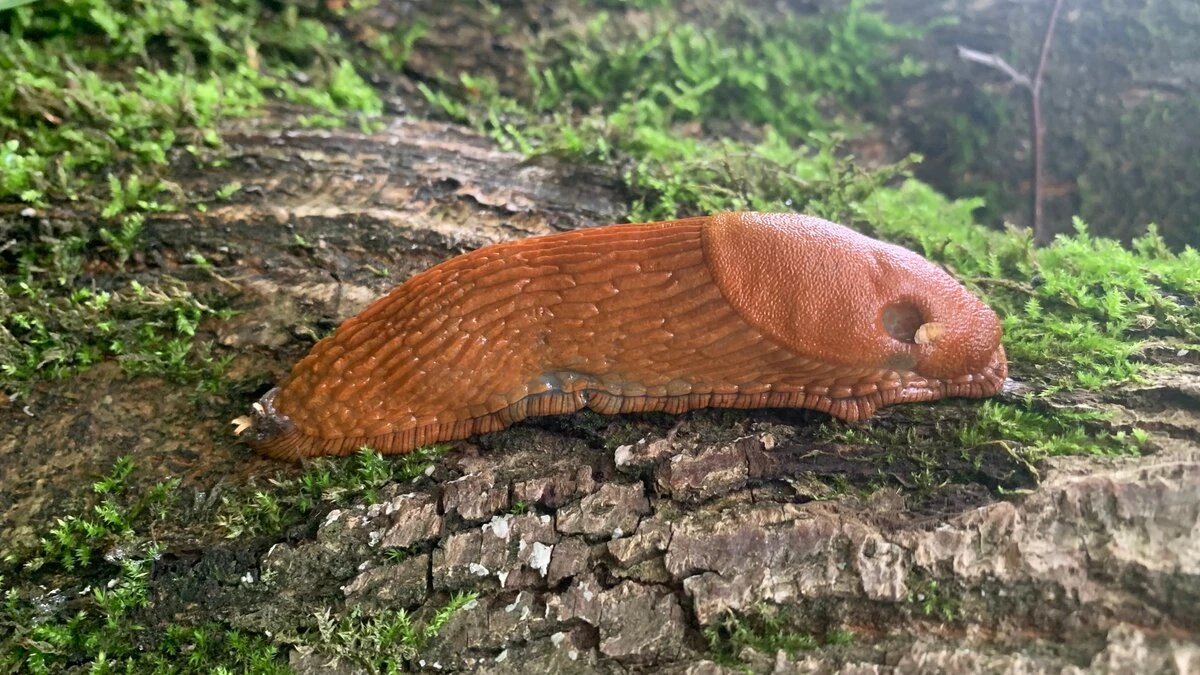
Spanish slug living on Elk Island. The photo was taken on August 14.
Humanity has two allies in the fight against invading species: climate and native animals. But they are disappointingly ineffective against the Spanish creeping soufflé. Unlike many other southern species, the life cycle of slugs is strictly tied to the summer months, so they have time to grow and lay eggs before the first cold weather. Moreover, they hide the masonry extremely reliably: they bury it in the ground at a depth of 20 centimeters, hide it under the bark of trees or in other crevices. In such conditions, they still have a chance to survive even our winters. 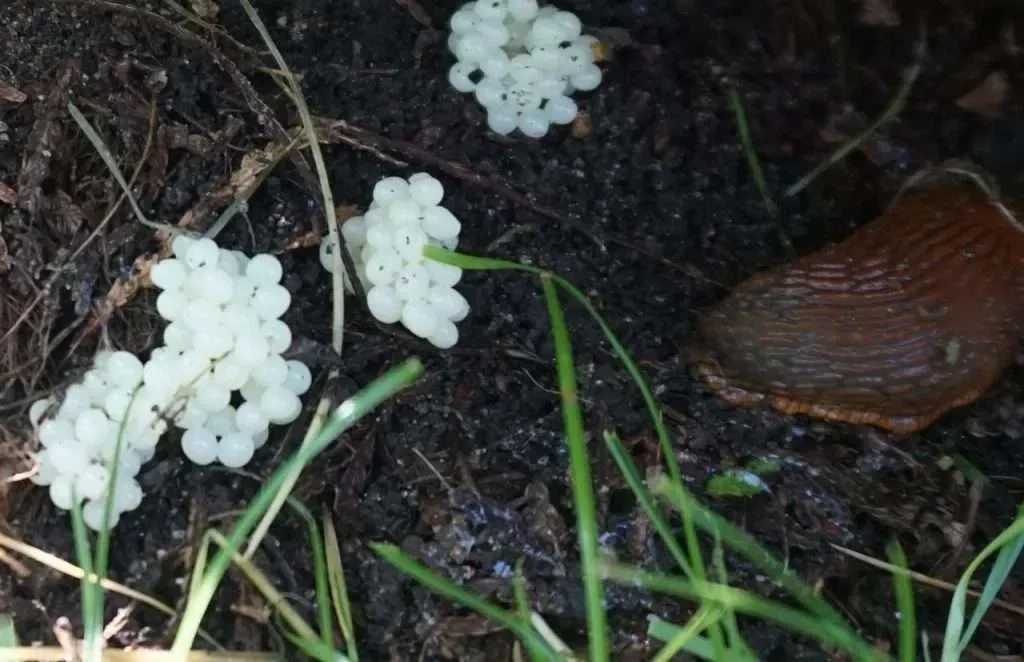
The bad news: it's not a sugary jelly bean. Very bad news: these are Spanish slug eggs.
Predators don't help either. Slugs have many enemies. All amphibians, most reptiles, large insects and small mammals feed on them. But the Spanish gastropod covered itself with non-poisonous, but very bitter mucus, which local species are not able to feed on. Therefore, slug-eaters avoid intruders. And instead, they hunt local species of shellfish, which reduces the number of competitors of the foreigner. 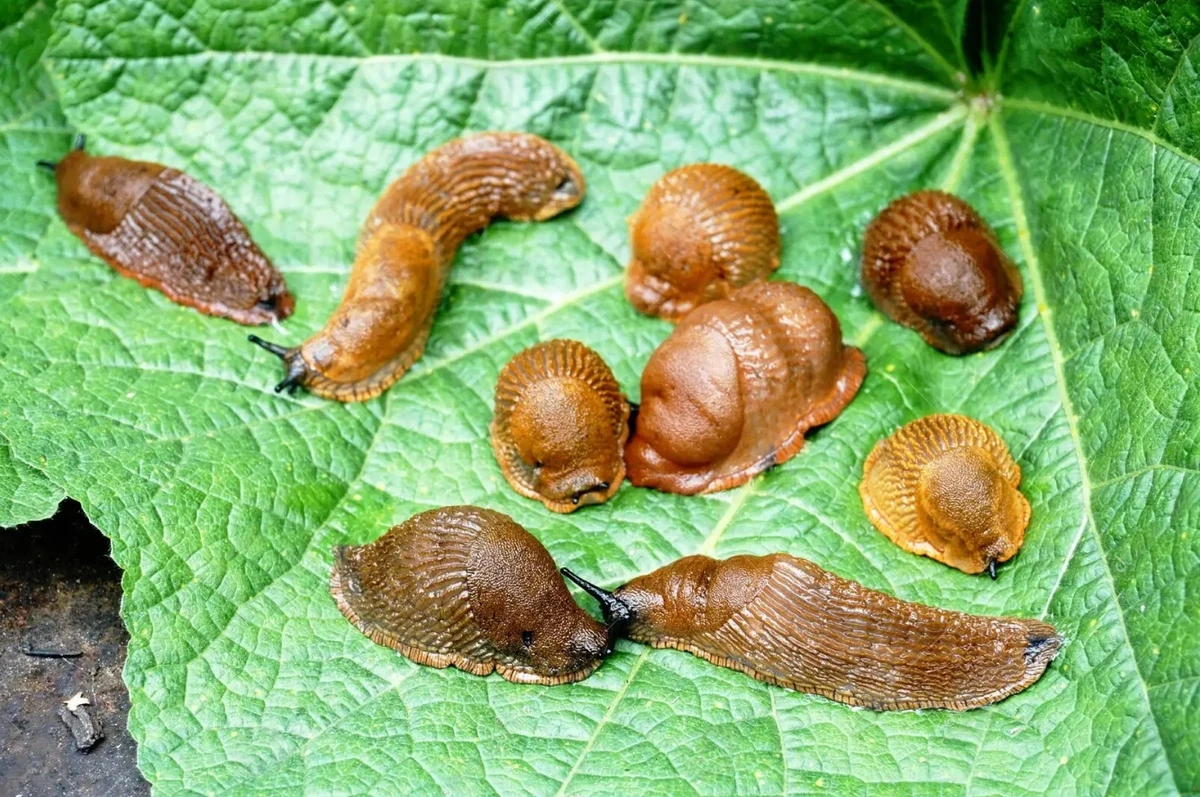
Well, yes, we are sitting here. And what will you do to us?
And these invertebrates are ready to suffer catastrophic losses. After all, they will be justified, even if only one animal survives. Spanish slugs are hermaphrodites that are capable of fertilizing not only each other, but also themselves. Therefore, even the only survivor can lay up to 400 eggs, which will hatch early next summer. 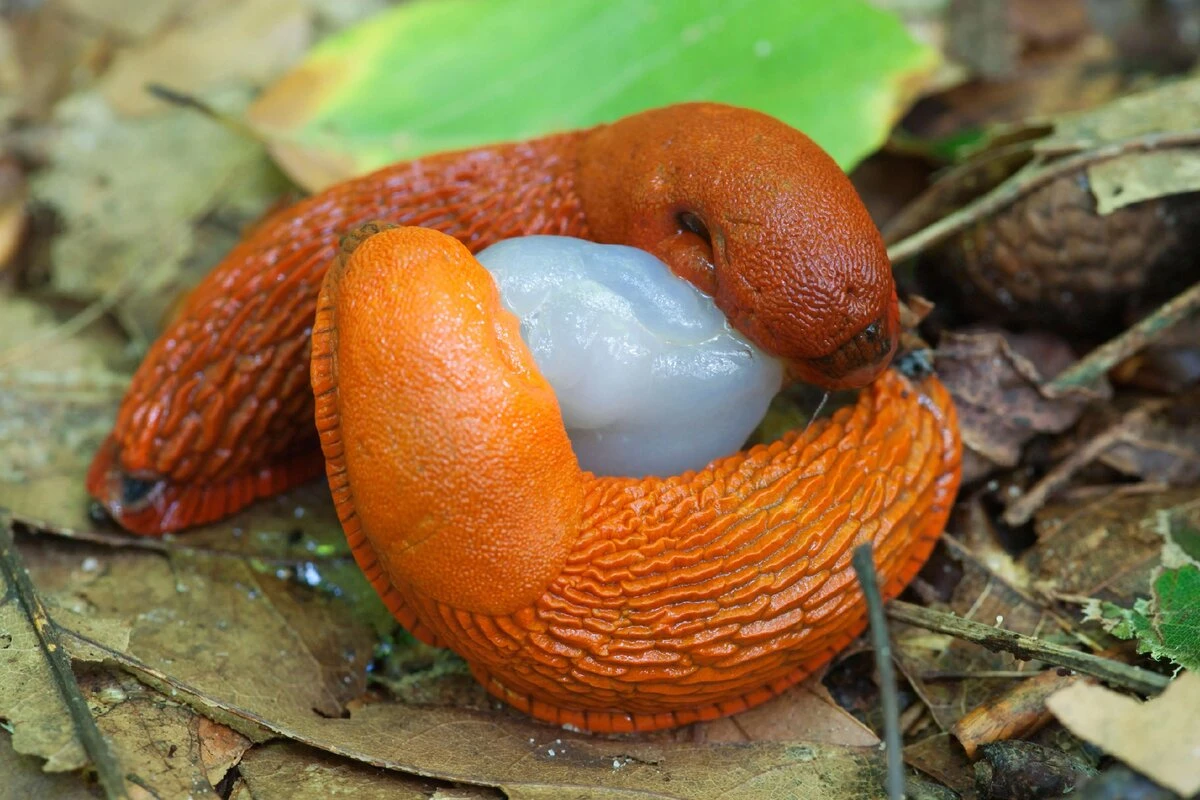
Yes, they are capable of fertilizing themselves, but if possible, they prefer more standard methods of reproduction.
And they will eat everything. Each species of normal slug specializes in a particular genus or family of plants. On those species whose tissues it can digest best. This does not apply to Spanish shellfish. They can even digest food that seems poisonous to their relatives. 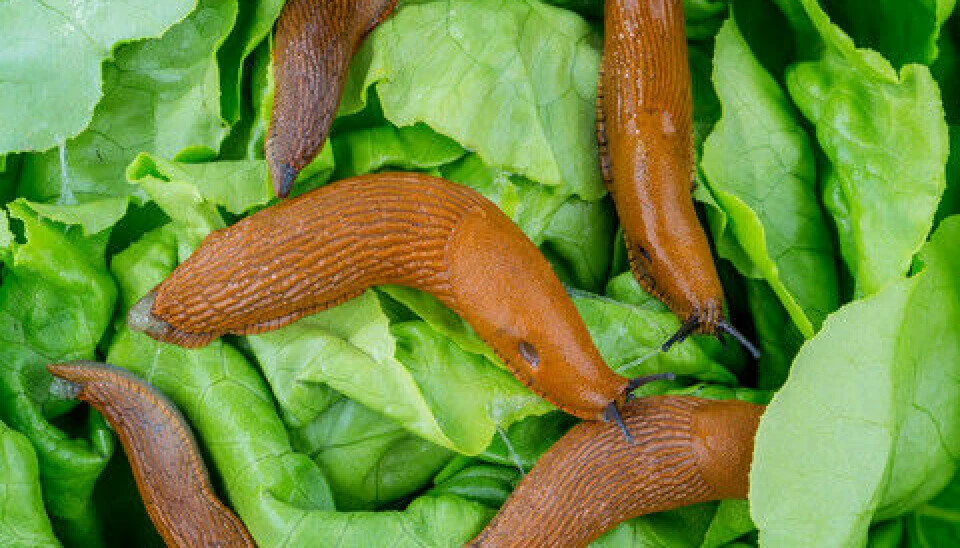
Let's not wish them bon appetit.
But they don’t stop at just plants. People who keep snails and slugs at home know that feeding is very important for them. To get more fats and proteins, Spanish slugs willingly eat carrion and engage in cannibalism. The latter also helps the cause of slug intervention. By eating the weakest representatives of their species, they inhibit the spread of disease and keep the gene pool in shape. 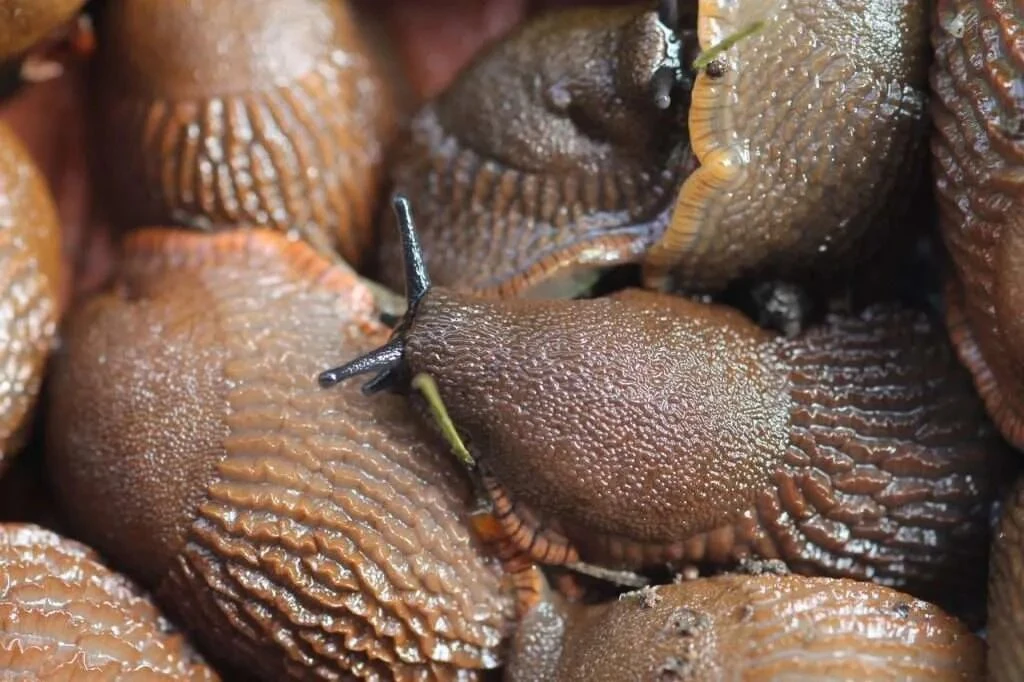
We will defeat you people!
Also, by eating all sorts of crap, mollusks become carriers of parasites and pathogenic microorganisms. Therefore, touching these comrades with bare hands is highly not recommended - who knows what (or who) the gastropod had for lunch?
All of the above turns weak, almost defenseless slugs into a force that humanity cannot stop, despite all its organization and technological superiority.