The cost of fruit in Japan is considered high by most foreigners. There is a logical explanation for this 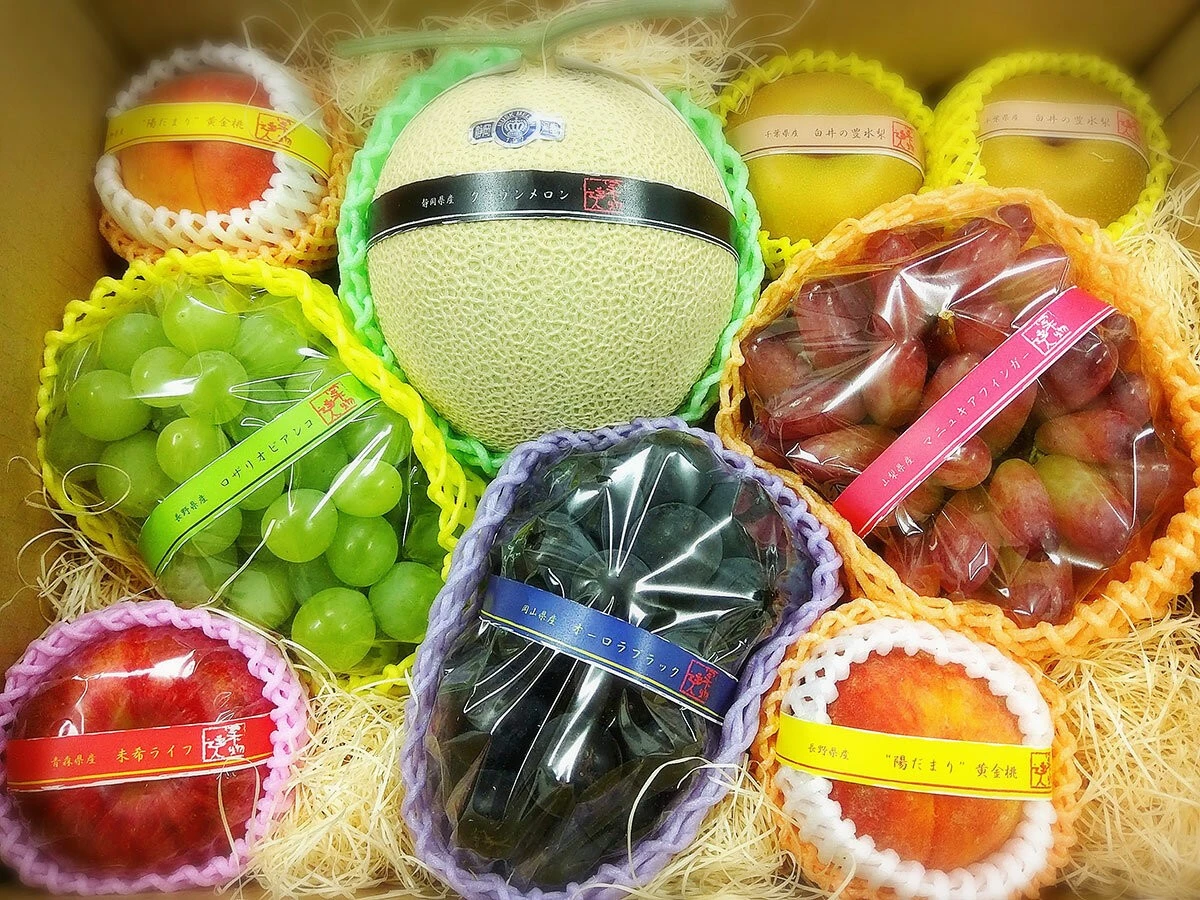
The word “fruit” itself appeared in Japan relatively recently. In the Edo era (1603-1868), the juicy fruits of trees that could be eaten were called mizugashi or “water desserts” and were classified as sweet foods. This was especially true for fragrant, juicy peaches, grapes, pears, persimmons and tangerines. The latter, by the way, were brought to Japan from China more than 400 years ago. Tangerines turned out to be much sweeter and tastier than other citrus fruits that grew in Japan at that time, so they quickly fell in love with the local population. 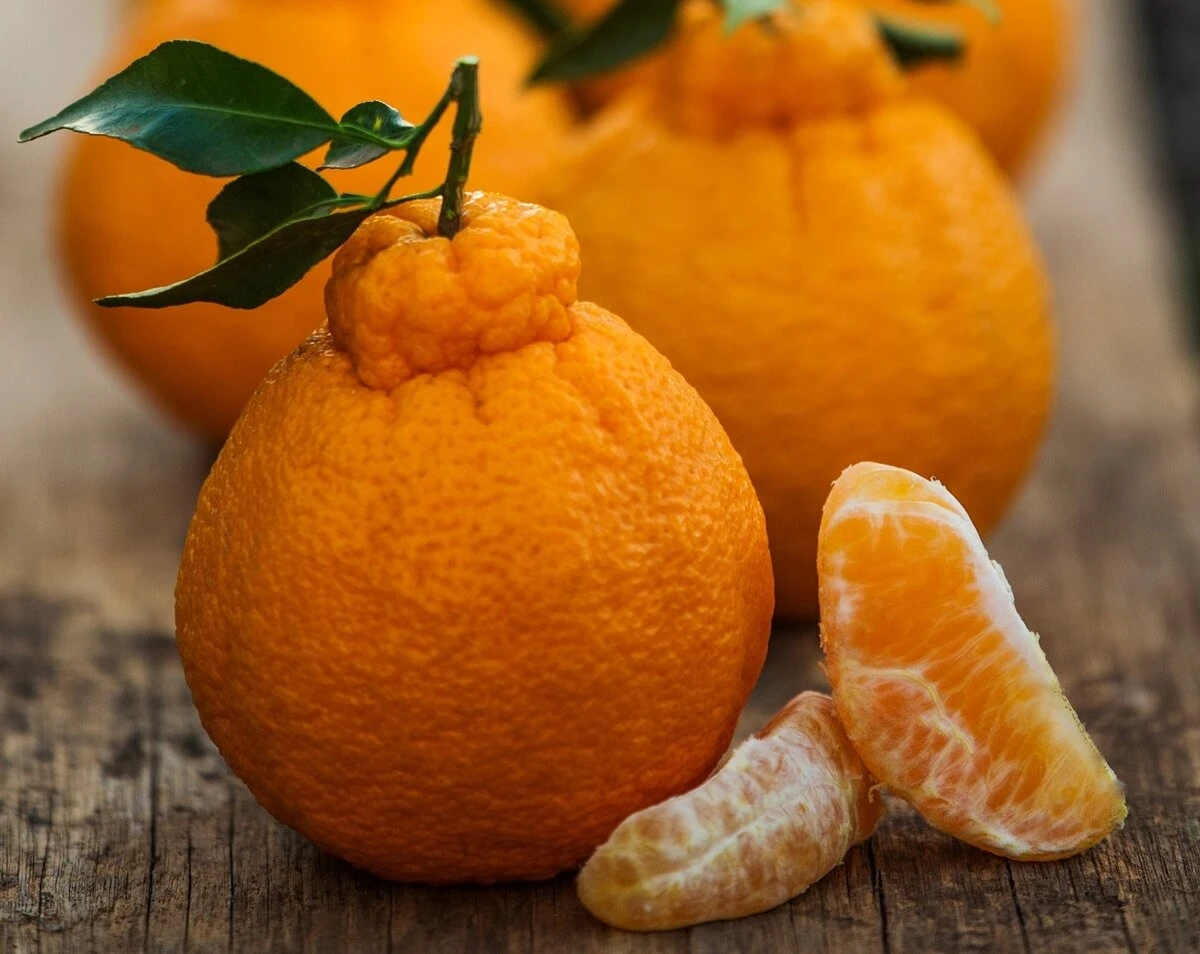
Japanese mandarin
But the fruit received its current name a little later. Over time, the Japanese dubbed them "kudamono", where "ku" meant "tree", "yes" played the role of the possessive case indicator, and "mono" meant "object". In a rough literal translation, the word "kudamono" meant "tree thing." 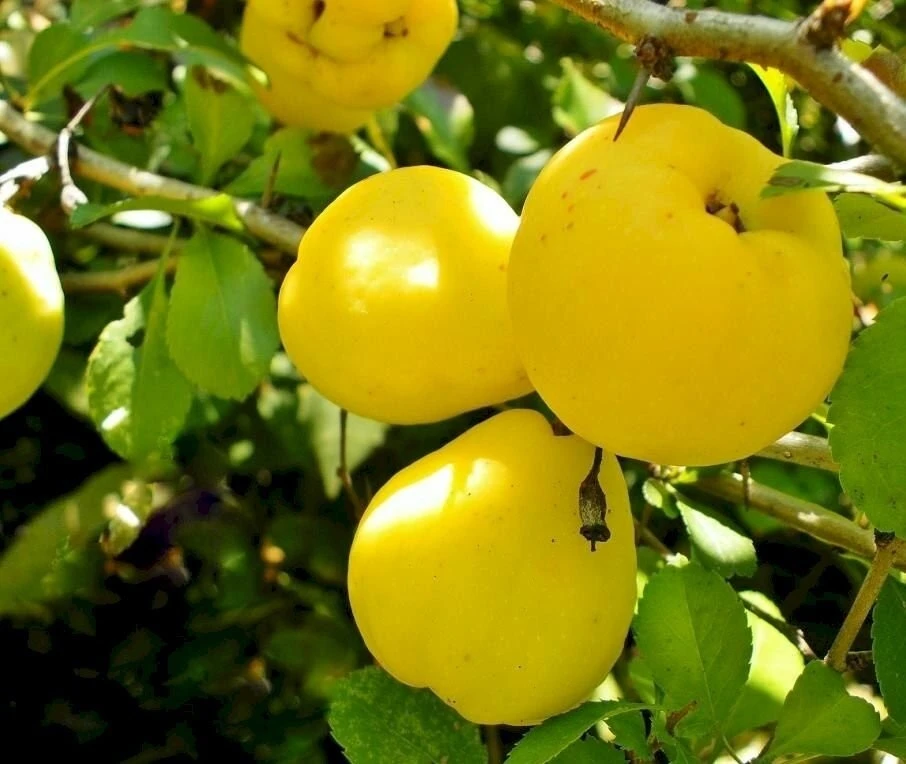
Japanese quince
Having appreciated the taste of fruits, wealthy Japanese at some point came to the conclusion that fruits, like sweets, may not be present on the tables of every mortal. And only wealthy citizens can treat themselves to this treat, and even then in very small quantities. Thus, fruits from the category of “tree things” turned into a real delicacy that was not ashamed to present as a gift. By the way, the tradition of giving fruits originated in the 14th century, when the shogun’s subordinates presented him with melons or tangerines as a sign of respect and devotion. 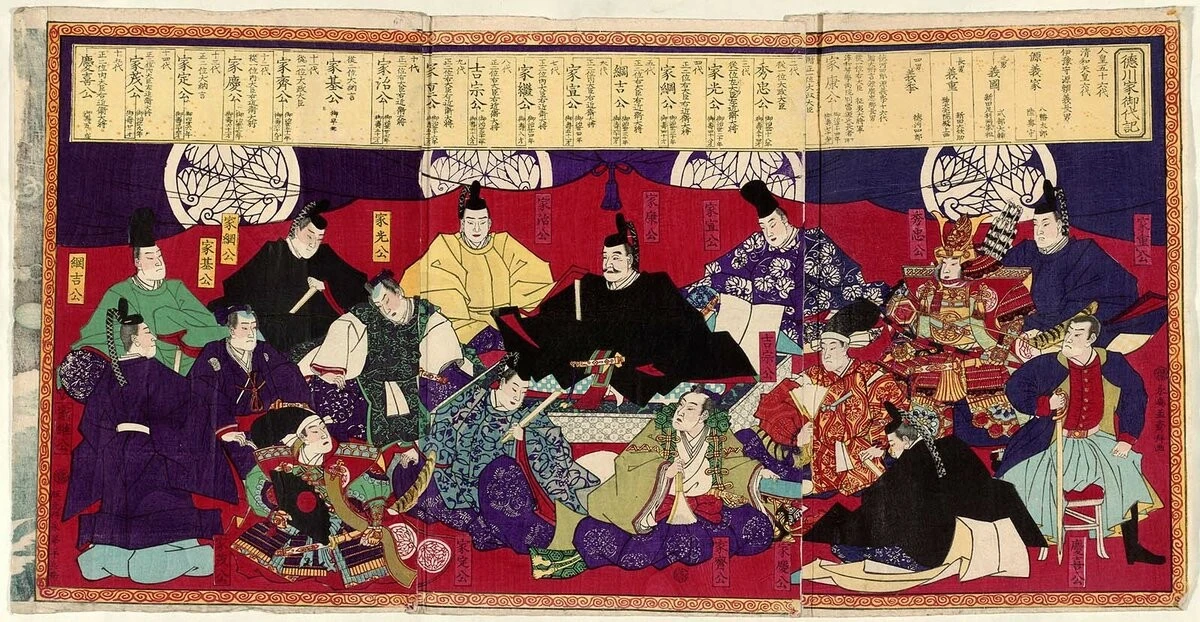
Offerings to the Shogun
It should be noted that over time, the value of fruits, if not increased, then remained at the same level. The thing is that 80% of the entire territory of Japan is covered with mountains, and, for obvious reasons, such areas were not at all suitable for growing fruit. In addition, priority was always given to rice, and later to wheat, and more or less suitable land went to fruits and berries on a residual basis. 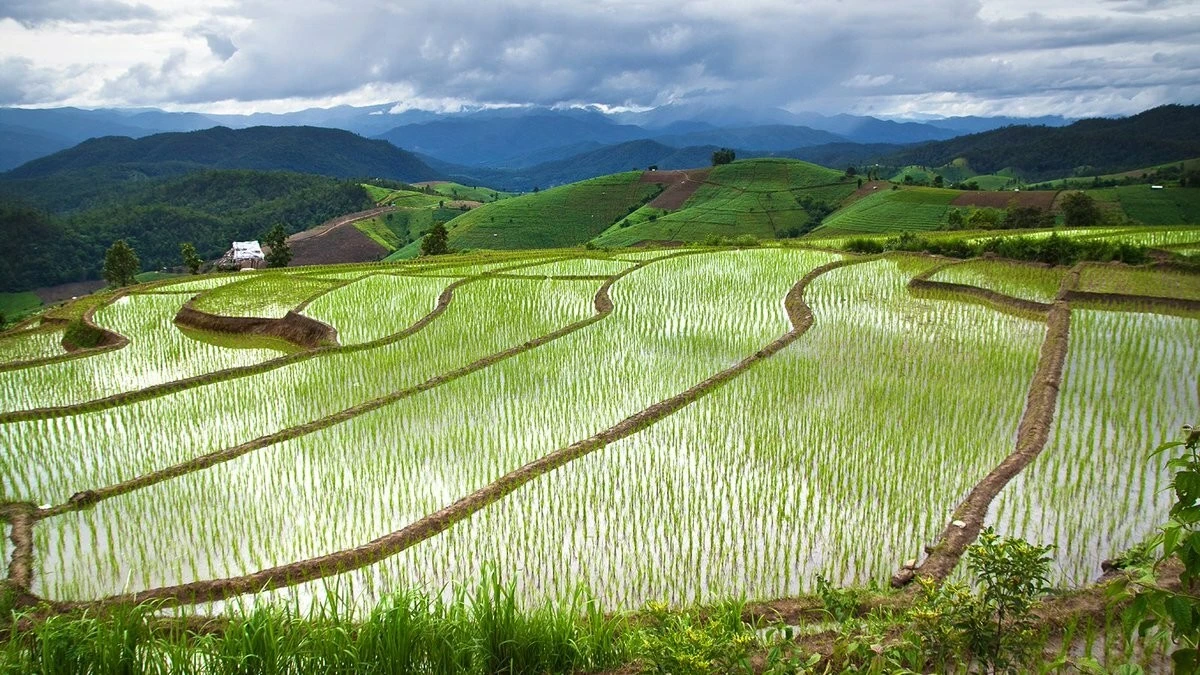
Rice plantation
Today in Japan the situation with fruits has changed little. They still cost a lot of money, but they look completely different. Japanese fruits are comparable to a work of art! In addition, they are much tastier than in other countries of the world. How is this possible? Probably the reason is that Japanese private farmers, and they are the ones who mostly grow fruits, focus on quality rather than quantity. Growing fruit is a labor-intensive, slow process that requires the farmer to have an almost individual approach to each plant. And it's not a joke! 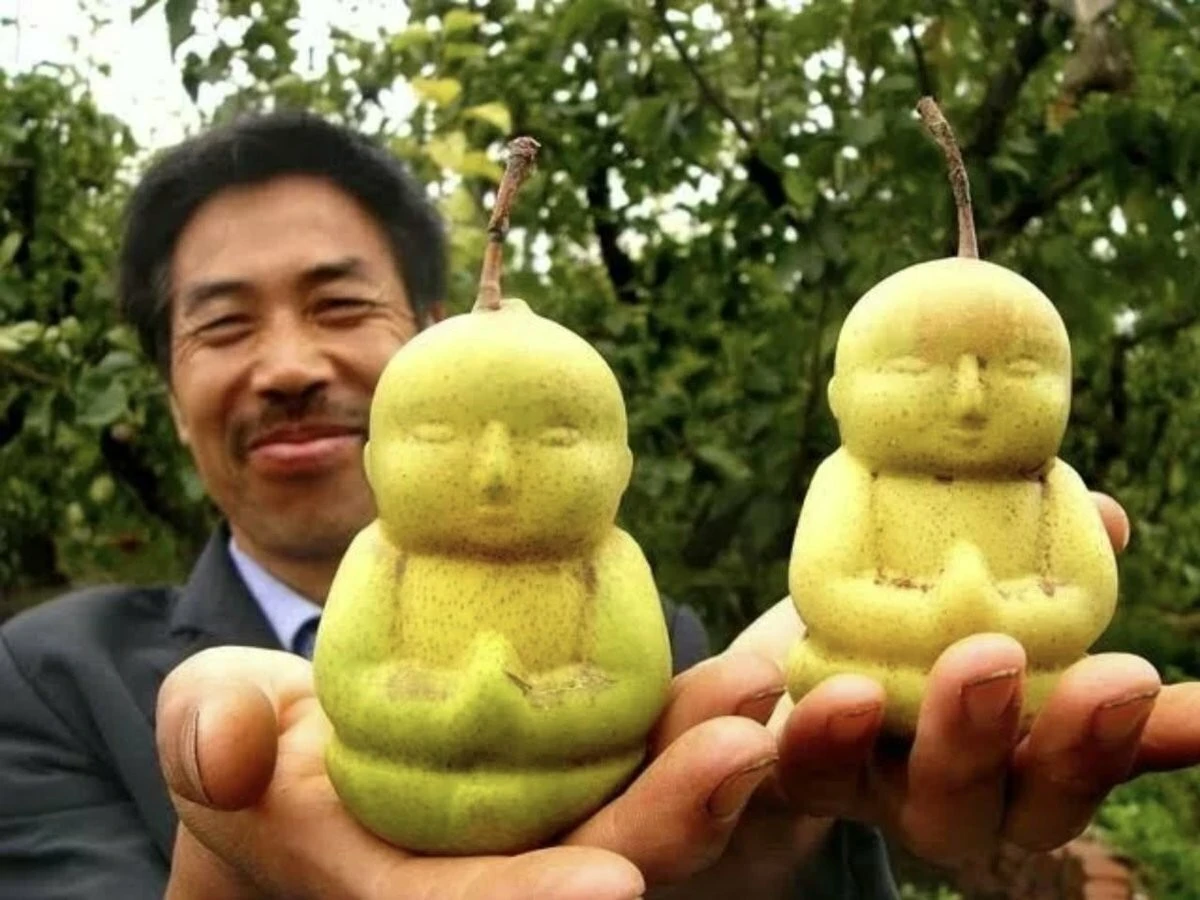
A clear proof of this is the white strawberry hatsukoi no kaori (“smell of first love”). The white color of these strawberries is achieved by the fact that they are grown in complete darkness. The red pigment on the berries is activated by exposure to sunlight - this is what happens in nature. And since hatsukoi no kaori, roughly speaking, does not see sunlight, its berries remain white. 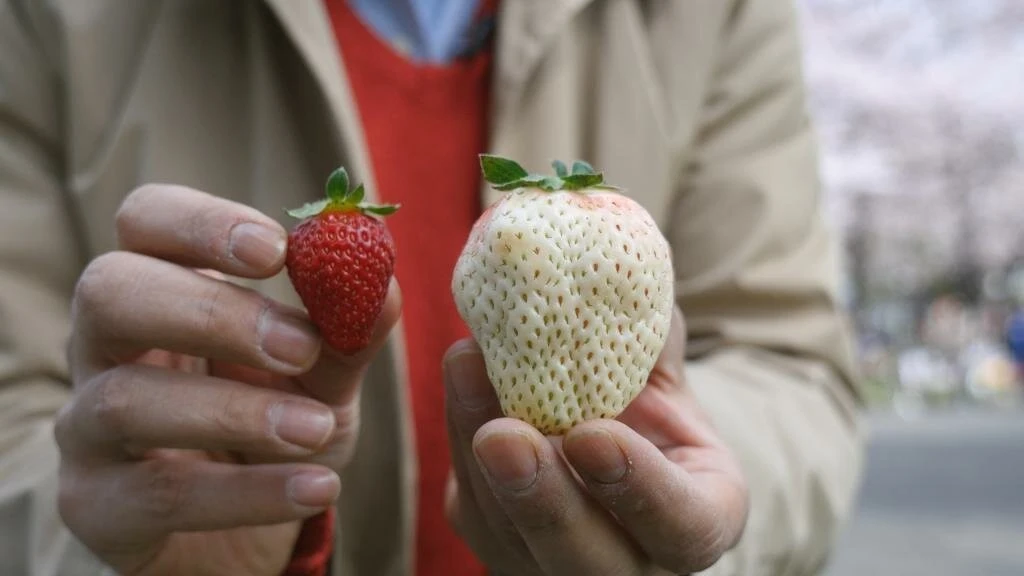
White strawberry
Another significant example is cantaloupe, which is grown in greenhouses in Shizuoka Prefecture. The uniqueness of the process of growing these melons is that a certain temperature is always maintained in the greenhouses, and special cardboard covers called “hats” are put on the fruits themselves. This is done so that the melon has an even color, without “tanned” barrels. 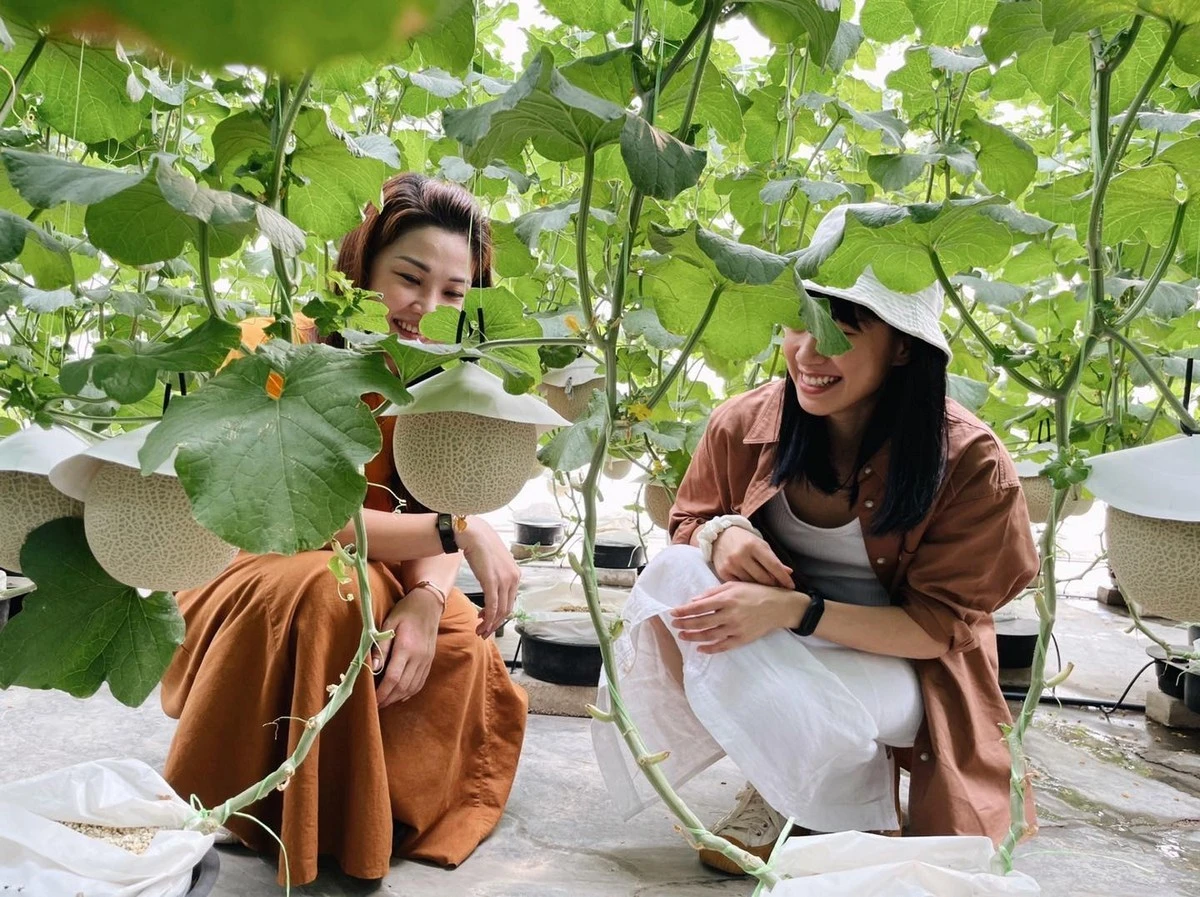
Similar fruits, perhaps a little simpler and not as beautiful, are sold at farmers' markets and can be purchased for a relatively low price. If you search well. However, their regular price in stores is really impressive! 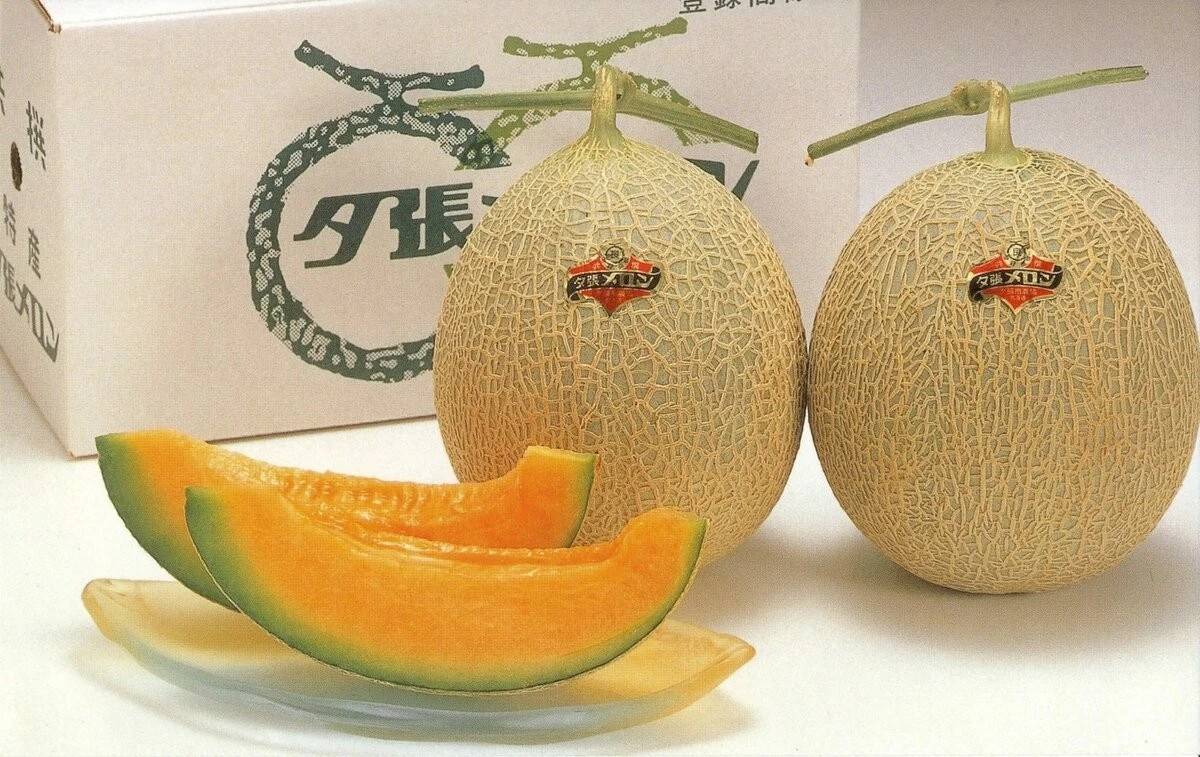
The average price of not the best and not the most beautiful melon is about 3,000 yen, but a perfectly grown, without the slightest flaw, sweet and aromatic melon from Shizuoka will cost 40,000 yen. Or here, giant selected Seto grapes - 12,960 yen per bunch. Not bad, right?! 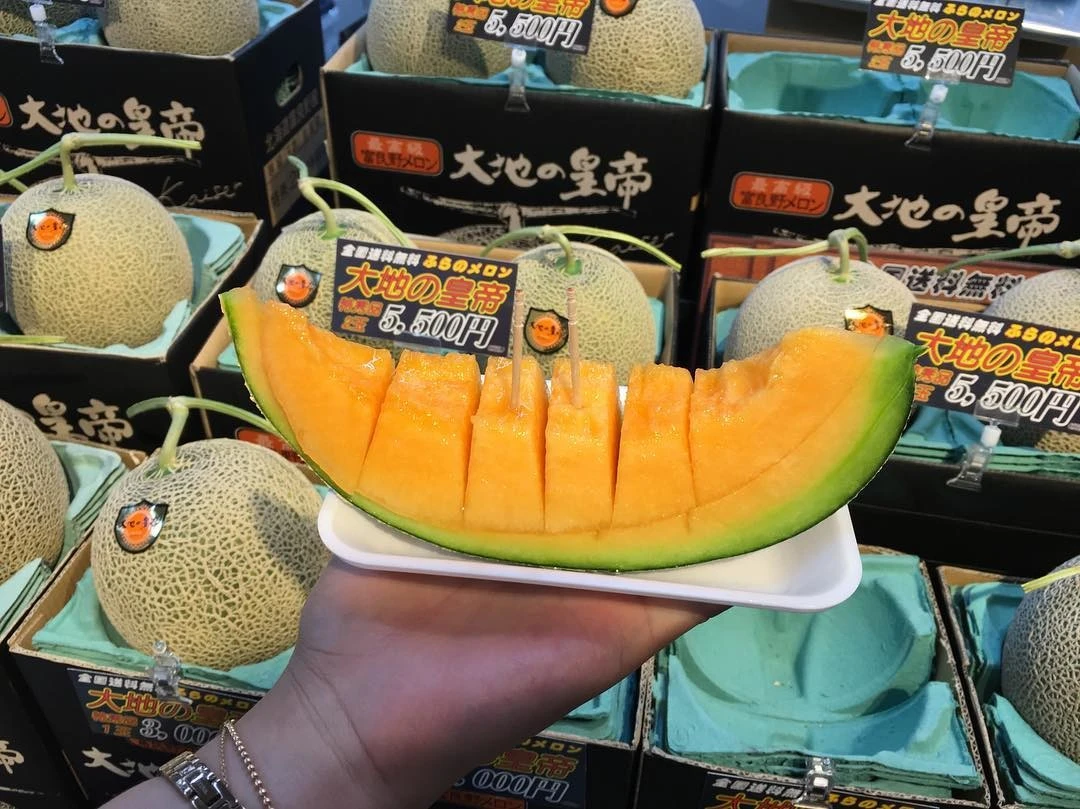
But in fact, the reason for the high cost of berries and fruits in Japan lies not only in the individual and extremely careful growing process. Seasonality plays an important role here. It is clear that there is a change of seasons, this is inevitable, and each season has its own group of vegetables, fruits and berries. However, in Japan, close attention is not only paid to the change of seasons - the entire market in the country adapts to a specific time of year and offers only the range of goods that will be relevant in a certain season. 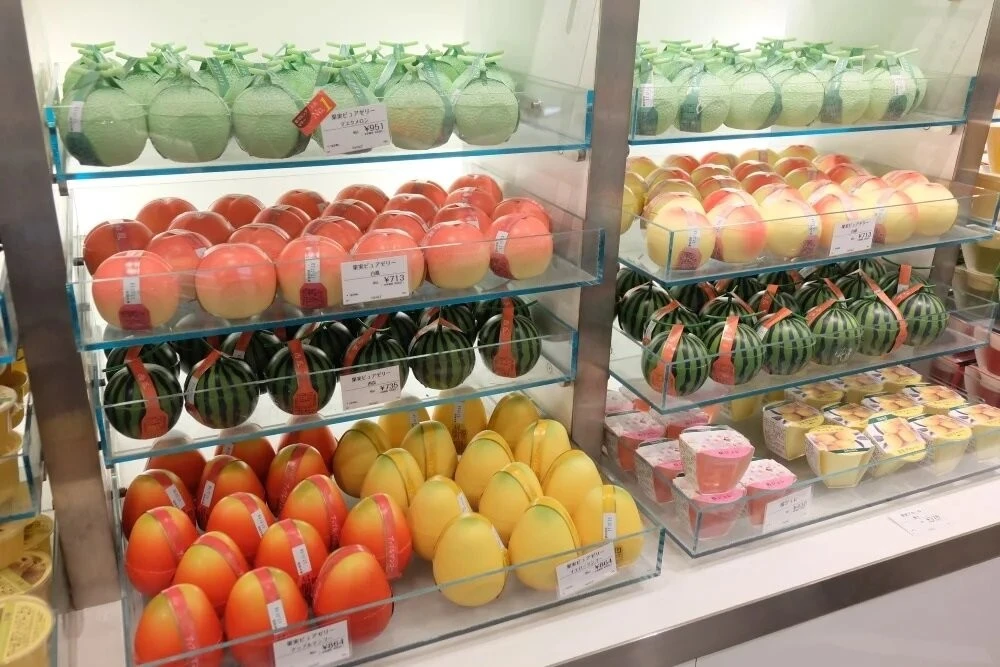
Japanese fruits and berries
Moreover, it is limited. A striking example is the sweet baked potato flavored Frappuccino, popular in Japan. So, this drink can be bought for one month, and that’s it. And many other products, fruits, vegetables, berries, may even appear on sale for only one season, and then disappear from the shelves for a long time. 
Sweet Baked Potato Frappuccino
For example, strawberries, in addition to white ones, ripen in Japan from December to May, and only at this time can scarlet berries be found in the store. Typically, the more expensive the strawberry, the larger it is and the richer its flavor. During the season, 20 berries will cost the average citizen 6,500 yen. Also, some farms, for a fee, usually not exceeding 1,500 yen, allow you to feast on strawberries without measure for half an hour. True, you cannot remove the berries from the farm territory. 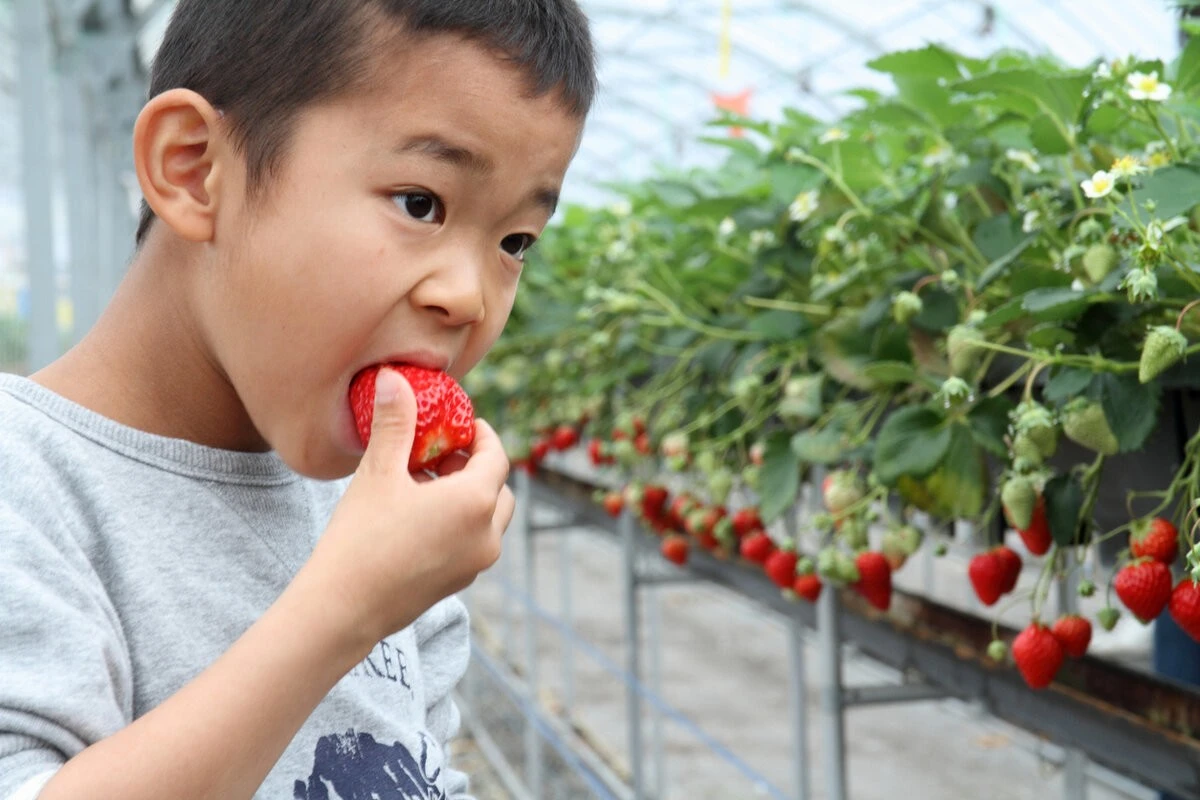
Japanese strawberry
Or here - cherries. The fruiting period of cherry trees is shorter than that of strawberries - only three months - from May to July. And this berry is more demanding in terms of care, so the price tag for it can be very varied. In the markets, accordingly, it is lower, but the berries there are more modest, and in the stores they are higher, but the quality is appropriate. By the way, on cherry farms, as well as on strawberry farms, it is possible to eat plenty of cherries for a certain fee. By the way, Japanese cherries are not much different from ours: there are bright red berries, and there are also yellowish-white ones. 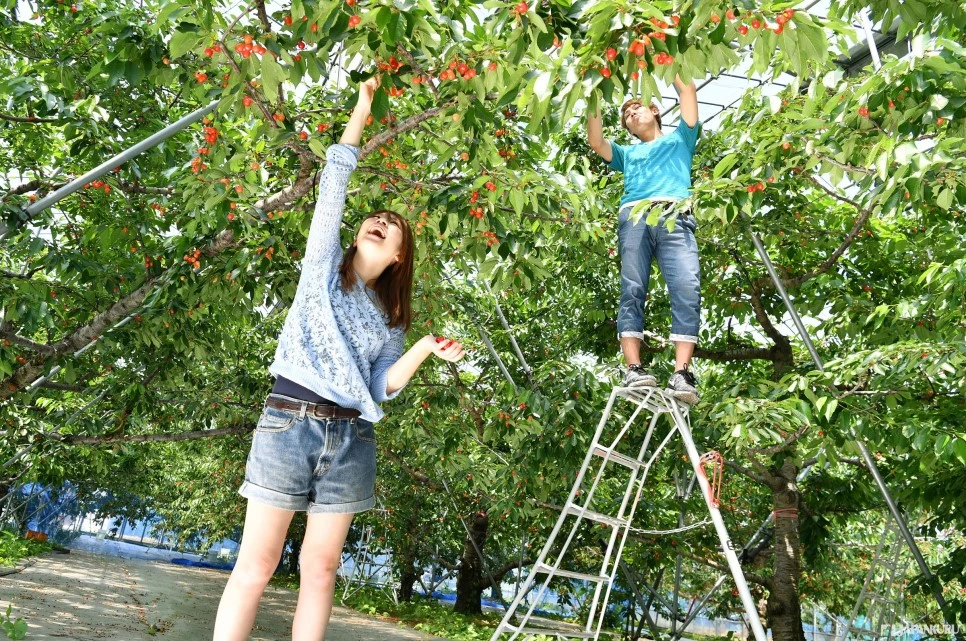
Japanese cherry
But what berries arouse genuine interest are watermelons. In Japan, watermelons are grown in all shapes and sizes: square, triangular, heart-shaped. But round watermelons, familiar to the whole world, in Japan are considered bad manners and something... old-fashioned, or something. How much more fun is it to eat a cube-shaped watermelon the size of a coconut!? By the way, despite the bizarre shapes, watermelons in Japan are not too expensive, and one such unusual specimen can be purchased for 2000-3000 yen. 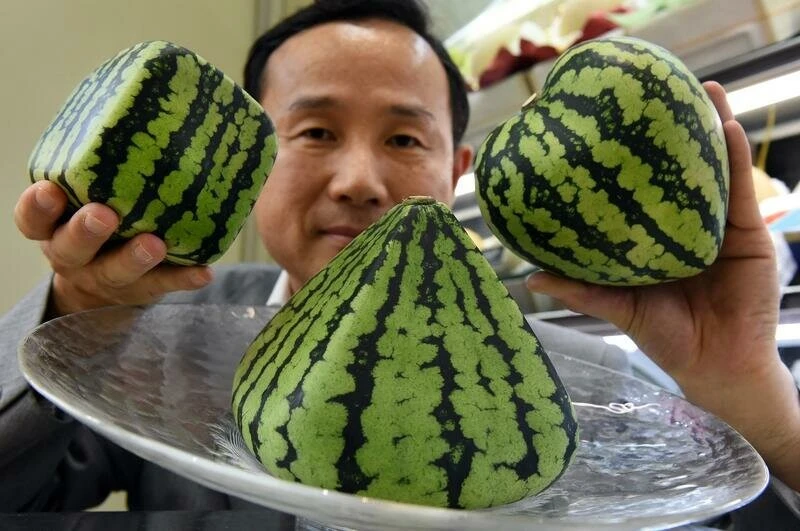
Japanese watermelons
Rumor has it that the Japanese are obsessed with peaches. Moreover, not so much on fresh fruits, but on dishes and products in which peach is present. The ripening period for peaches is from June to September, but the Japanese are ready to enjoy the taste of this fruit even out of season. Cakes, ice cream, candies and even peach-flavored Coca-Cola - you can find everything in Japan! In addition, residents of the land of the rising sun are very fond of shampoos and shower gels with peach aroma. 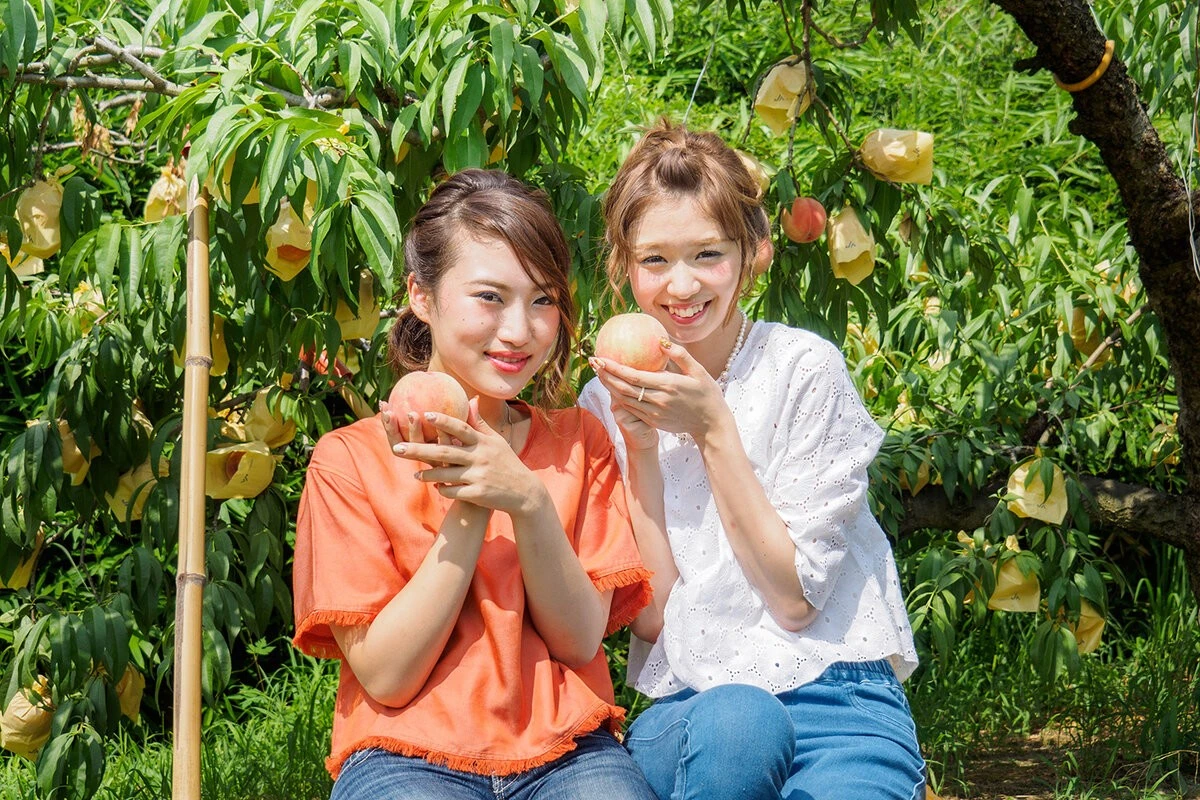
Japanese peaches
During the season, peaches are sold in large quantities in stores and markets, and you can also eat them to your heart's content at peach farms, similar to strawberries and cherries. 
Peach "Coca-Cola"
Grape. Despite the fact that the ripening period for this beloved berry is from July to December, it is recommended to pick it from August to September. It is believed that it is at this time that it tastes best. 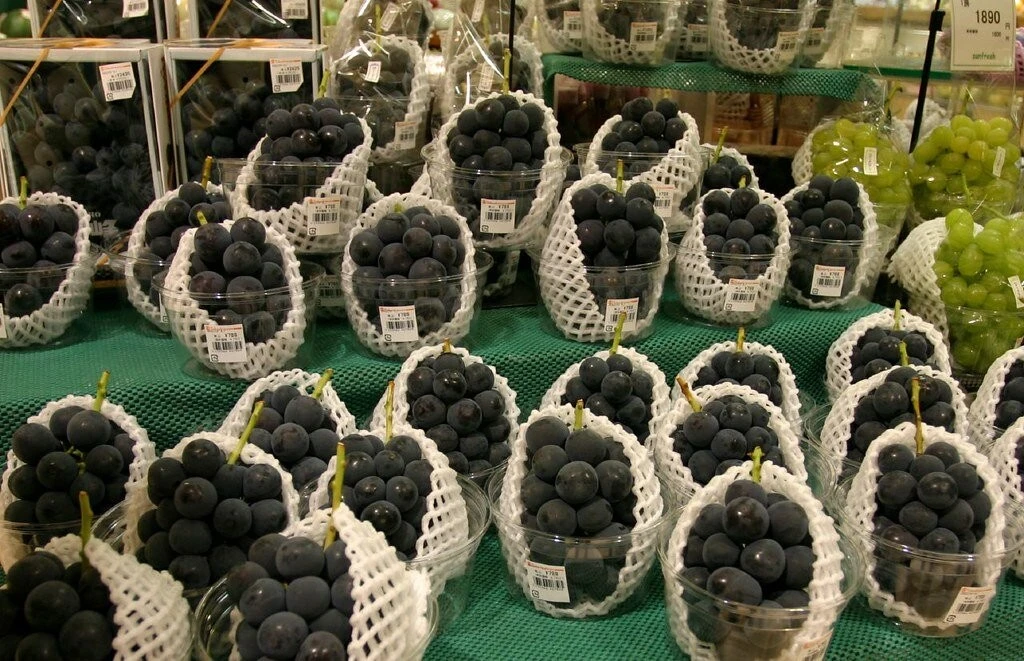
Kehoe grapes
There are many varieties of grapes growing in Japan, but only two have gained worldwide fame - the Kehoe grape and the Shane Muscat grape. The first variety, Kehoe, is characterized by very large, heavy berries, dark purple or almost black in color, juicy, with a pronounced taste. The Shane Muscat variety, on the contrary, has small, light green berries, but also very sweet and juicy. 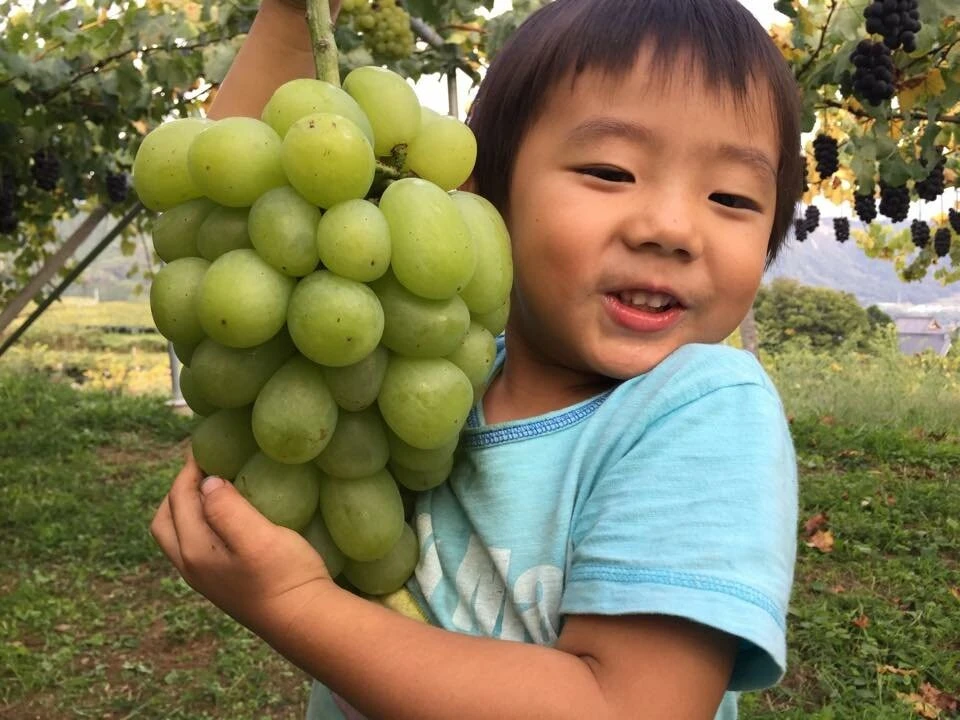
Shane Muscat grapes
Persimmon is also considered one of the favorite fruits of the Japanese. Of course, in addition to its taste, persimmons are also very useful. It contains vitamins A and C, as well as fiber. Japanese persimmons are somewhat different from those sold in markets. It is juicier, sweeter and crunchier. 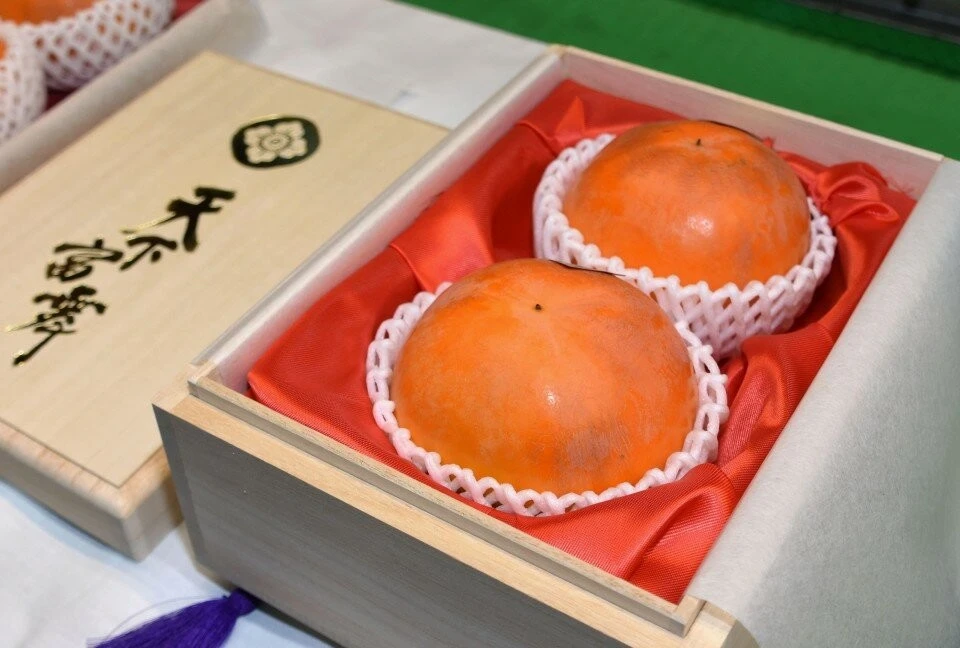
Japanese persimmon
In addition, the Japanese are very fond of dried persimmons. The resulting product is called hoshigaki and is considered a delicacy in Japan, usually served on the New Year's table. And, by the way, persimmon is a very affordable fruit: a kilogram will cost only 200-300 yen. 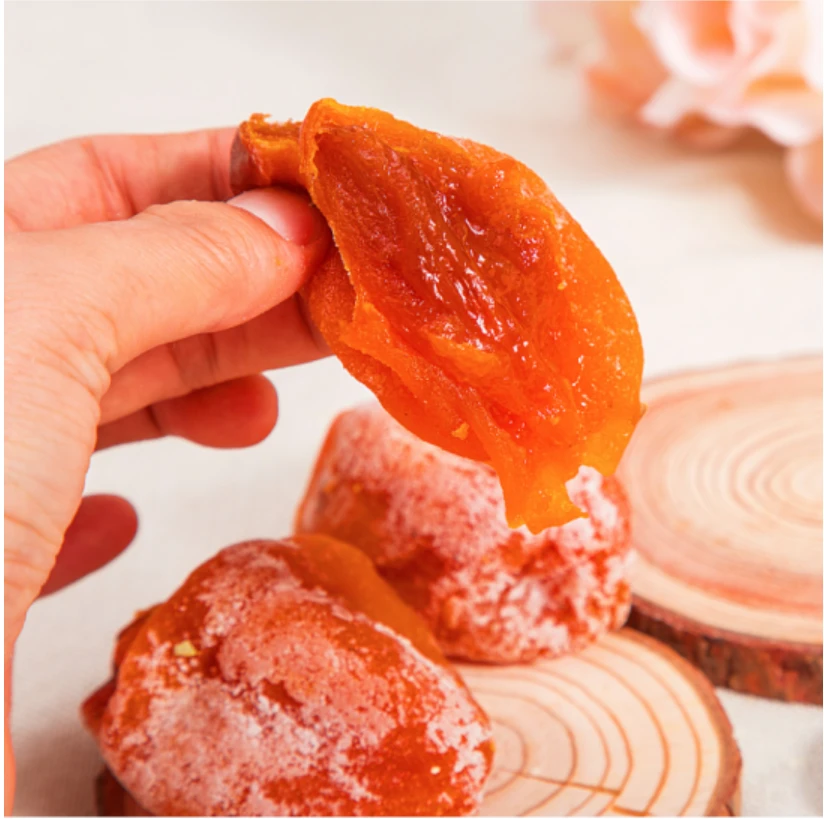
Hoshigaki
Despite the fact that there is no shortage in Japan (its own farms work well, imports are established), fruits are still considered a delicacy that not many people can afford. Not to mention eating fruit every day. Even fruit juice is not very common in Japan. Typically, fruits serve as decoration (they are used to decorate desserts) or as a gift. 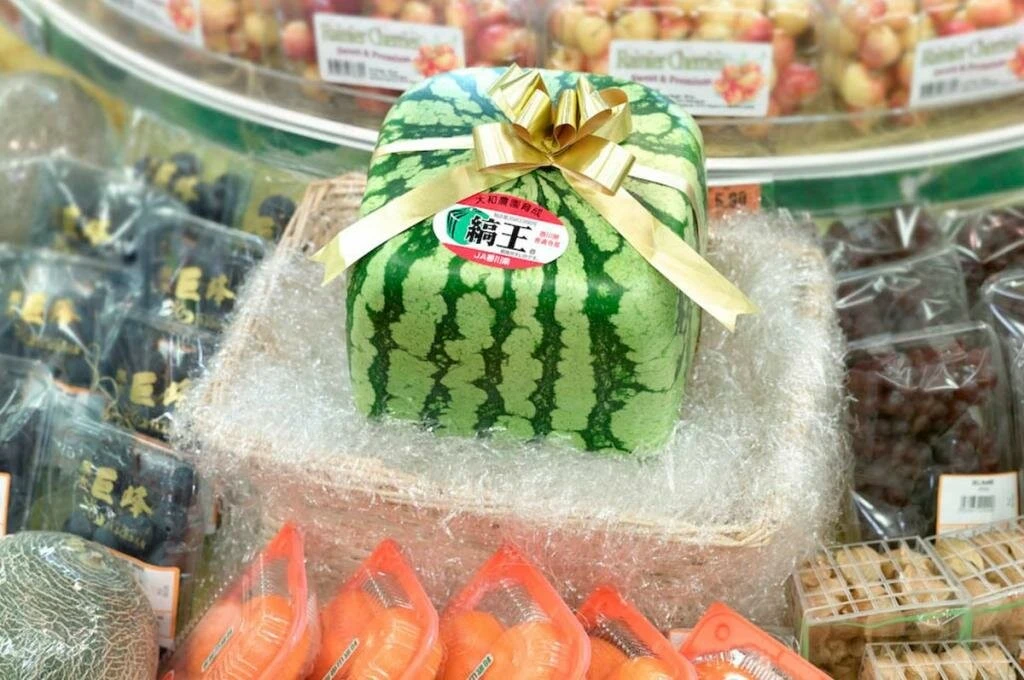
Gift fruits
And I'm not kidding. Melon or watermelon are considered very valuable gifts in Japan, and receiving them is worth a lot. That is why fruits in stores are often sold individually, in individual packaging, and berries are packaged in boxes of 10 pieces each. 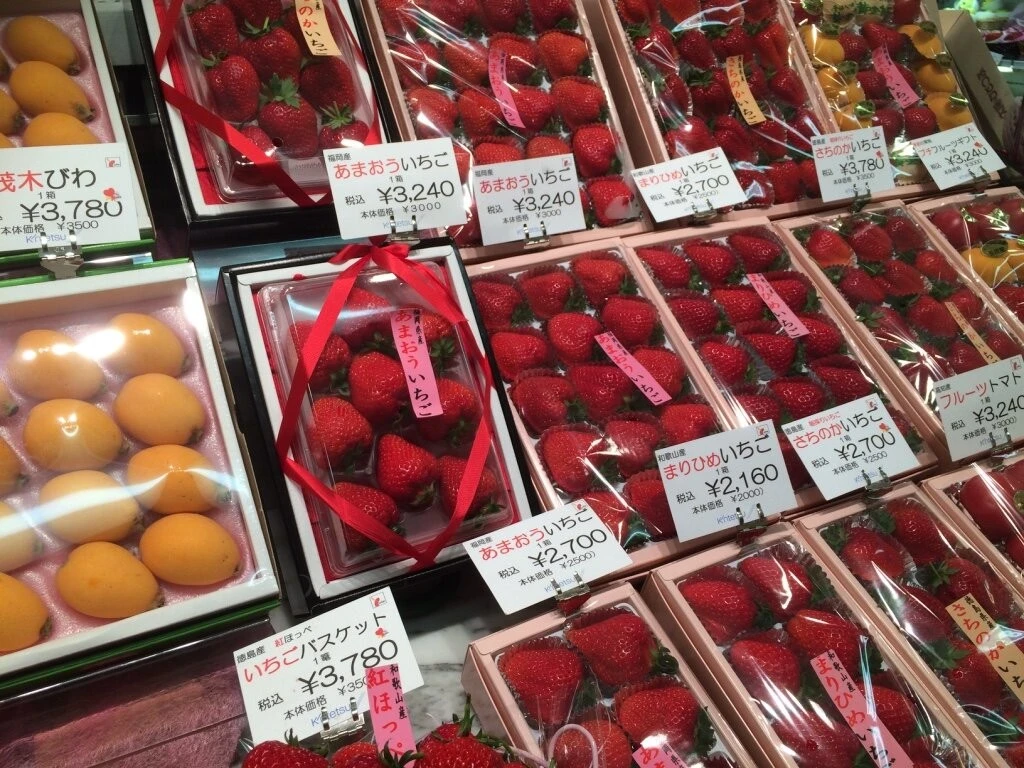
Gift berries
According to sociological studies conducted in Japan, the average daily consumption of fruits in the country is about 144 grams per person, while the average daily consumption in the world is 200 grams. Italians eat 400 grams of fruits and berries a day, and the French, British, and Americans eat 300 grams. So the Japanese really don't eat a lot of fruit. 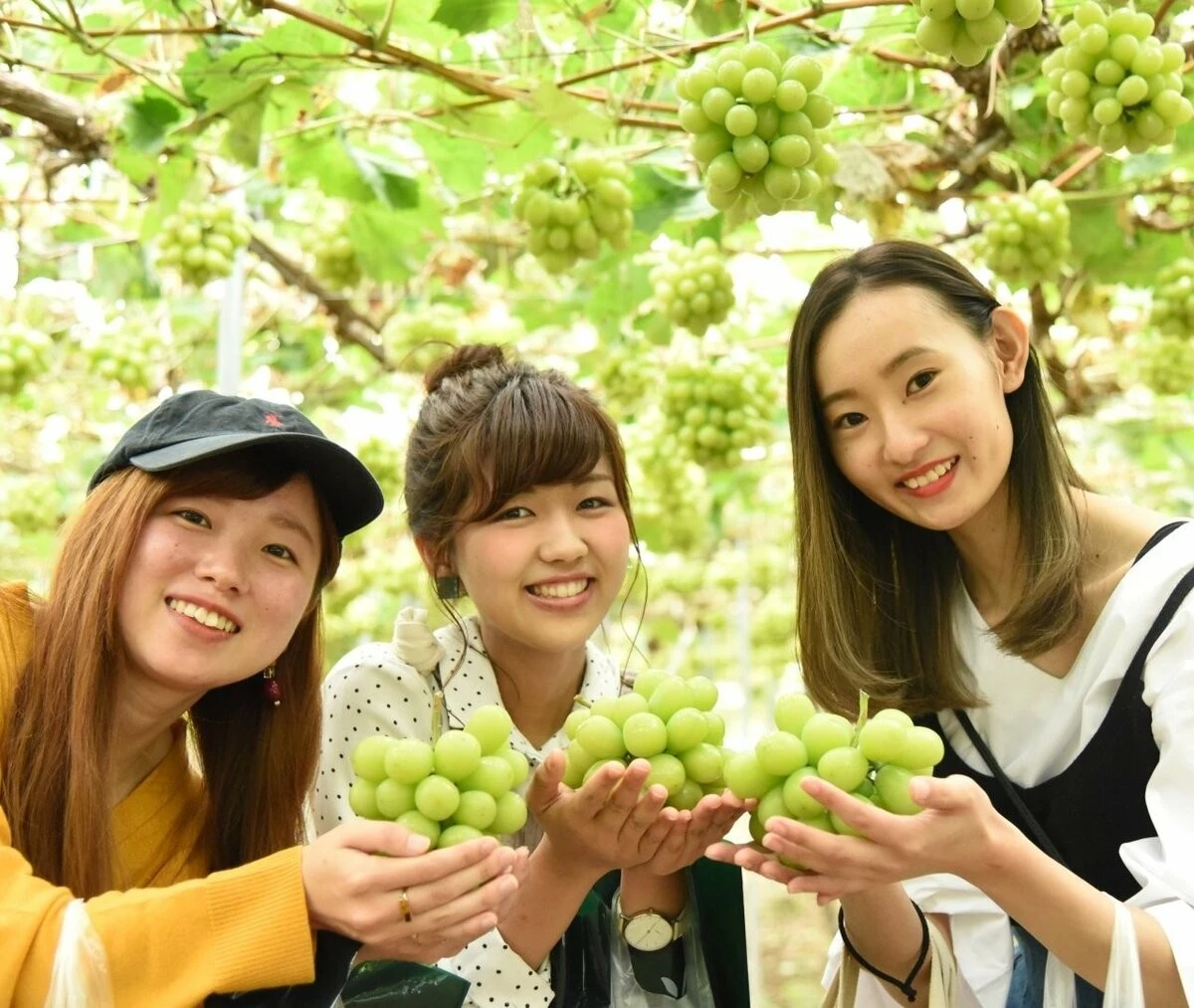
But, frankly speaking, they do not suffer too much from this. They replenish their vitamin reserves from seafood and vegetables. And the famous Japanese longevity has not yet been canceled. So, it's probably not about the fruit, but about the lifestyle... 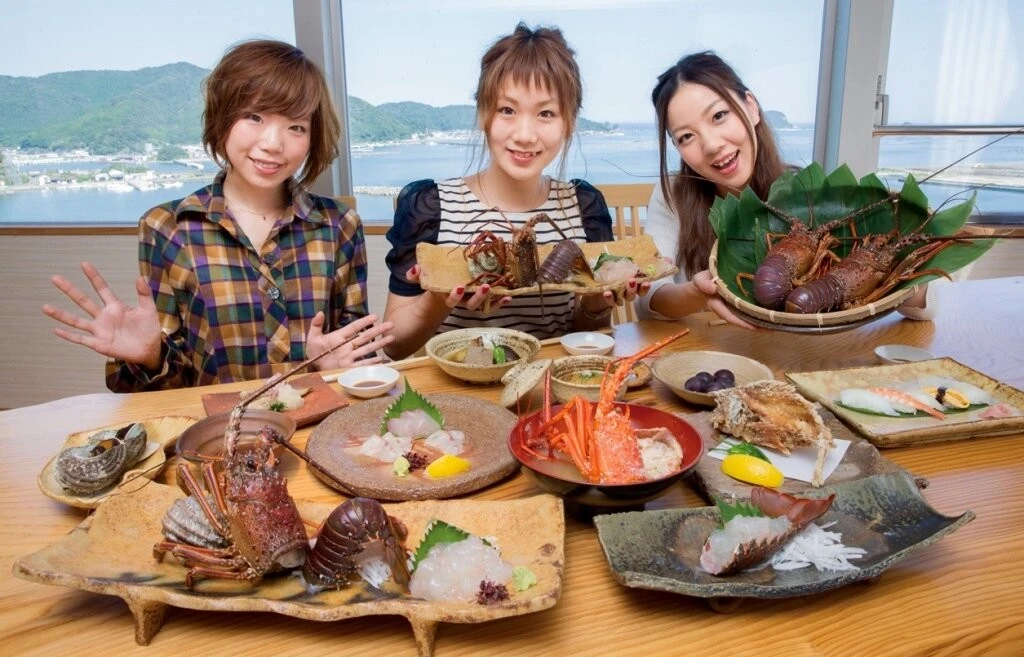
0 comments