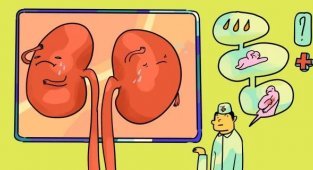
The connection between exercise and headache attacks (2 photos)
Many people have experienced headaches after exercise. And the causes of headaches in each case can be individual, due to both the natural state of the body and pathologies.
Causes of headaches after exercise 
Training is stressful for the body, especially at the initial stage. In the process, the body uses all resources to solve this problem, as a result of which brain nutrition deteriorates and blood vessels narrow. Once completed, everything usually returns to normal.
But if a person does not take into account the body’s limiting capabilities and continues to increase the load despite the symptoms, then, against the background of overtraining, symptoms such as dizziness, nausea, weakness, excessive sweating, sleep problems, muscle pain and headaches may develop.
Causes of headaches after sports and physical activity 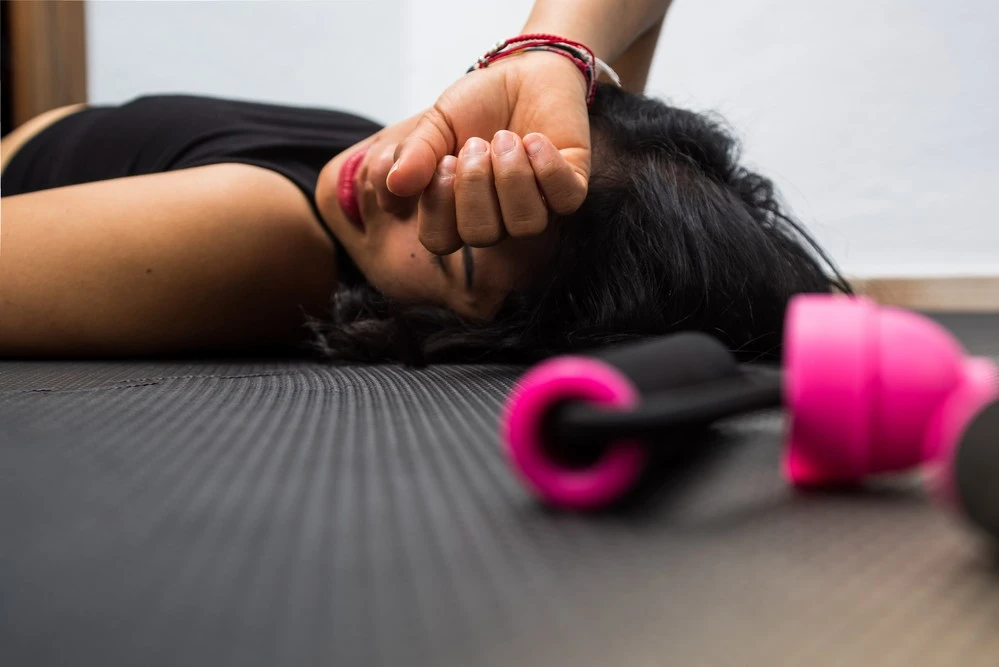
1. Pressure surges. The body, when trying to normalize it, can significantly and sharply lower blood pressure. Possible results include dizziness, pain, and even fainting.
2. Hypoxia. Increased load also means more oxygen consumed. The brain is one of the last to receive it, which provokes pain.
3. Problems with blood flow. Repeated repetition of the same movements causes a rush of blood to a certain muscle group. Accordingly, other organs and systems experience a deficiency in it, which leads to pain.
4. Water imbalance. During repeated approaches, intense sweating occurs. Dehydration can cause not only one-time short-term pain, but also provoke persistent pain.
5. Lower blood sugar. This is due to intense exercise, during which the consumption of sugar will be significantly higher compared to the ability of the body to break down glycogen.
6. Failure to comply with recommendations for performing exercises.
To relieve pain, you can take an analgesic, a vasoconstrictor, or a caffeine-based drug. To avoid a recurrence of the attack, it is important to monitor exercise technique, nutrition, and avoid dehydration. If preventive measures are ineffective, then you should consult a doctor who will identify the exact cause and select a suitable remedy for relief and give recommendations to avoid recurrence of headache attacks in the future.