It's namako sea cucumber season in Japan. It is sold whole and cut into sauce in all fish departments of supermarkets. The Japanese love namako and eat it mostly raw. 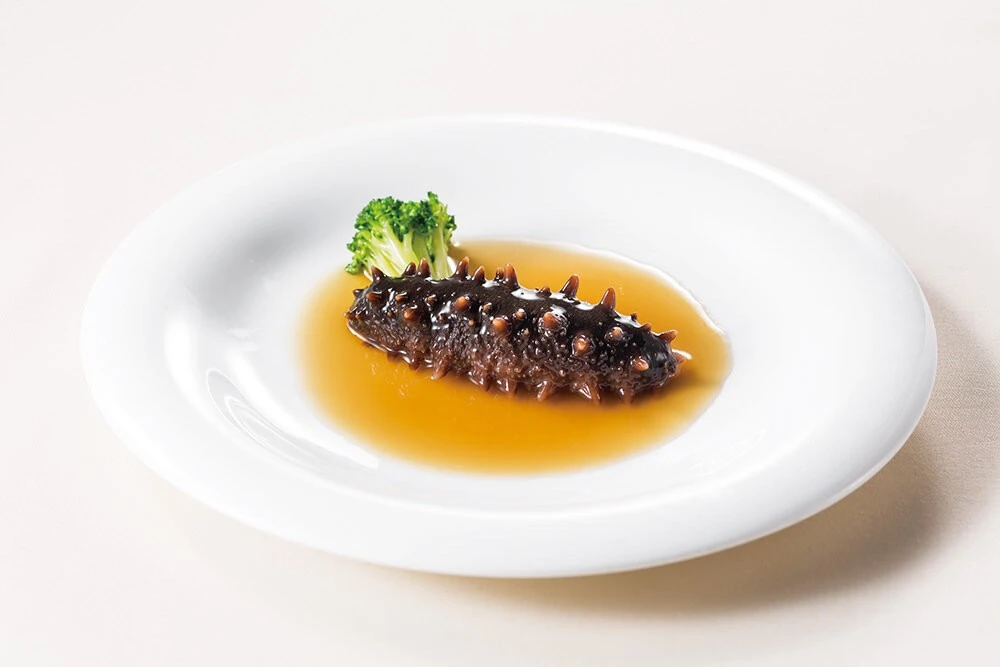
But for me, this is probably one of the few Japanese seafood dishes that I can’t bring myself to eat. Outwardly, Namako remind me of huge caterpillars, and the taste seems unpleasant (it tastes like fish oil). My husband Taro, on the contrary, loves this dish, devouring it, wailing: “How delicious it is! How delicious!” 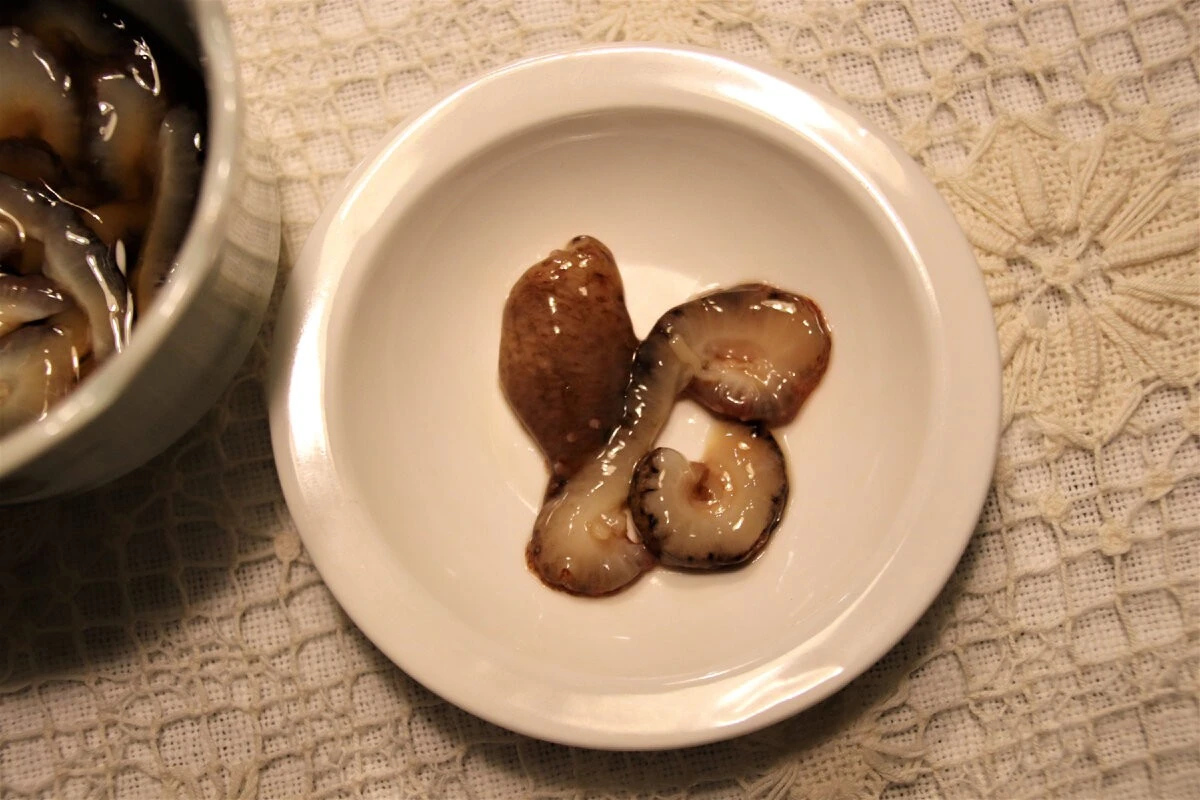
Namako
This marine life is known as: holothuria, sea cucumber, sea cucumber, sea cucumber, sea capsule (group of echinoderms, class of sea cucumbers Holothuroidea).
There are about 1,500 species in the world, and in Japan there are about 200, of which 30 are edible.
I remember how during the Soviet era, stores sold Far Eastern canned food “Cucumaria with vegetables in tomato sauce.” They said that this same “cucumaria” was very useful - “sea ginseng”. 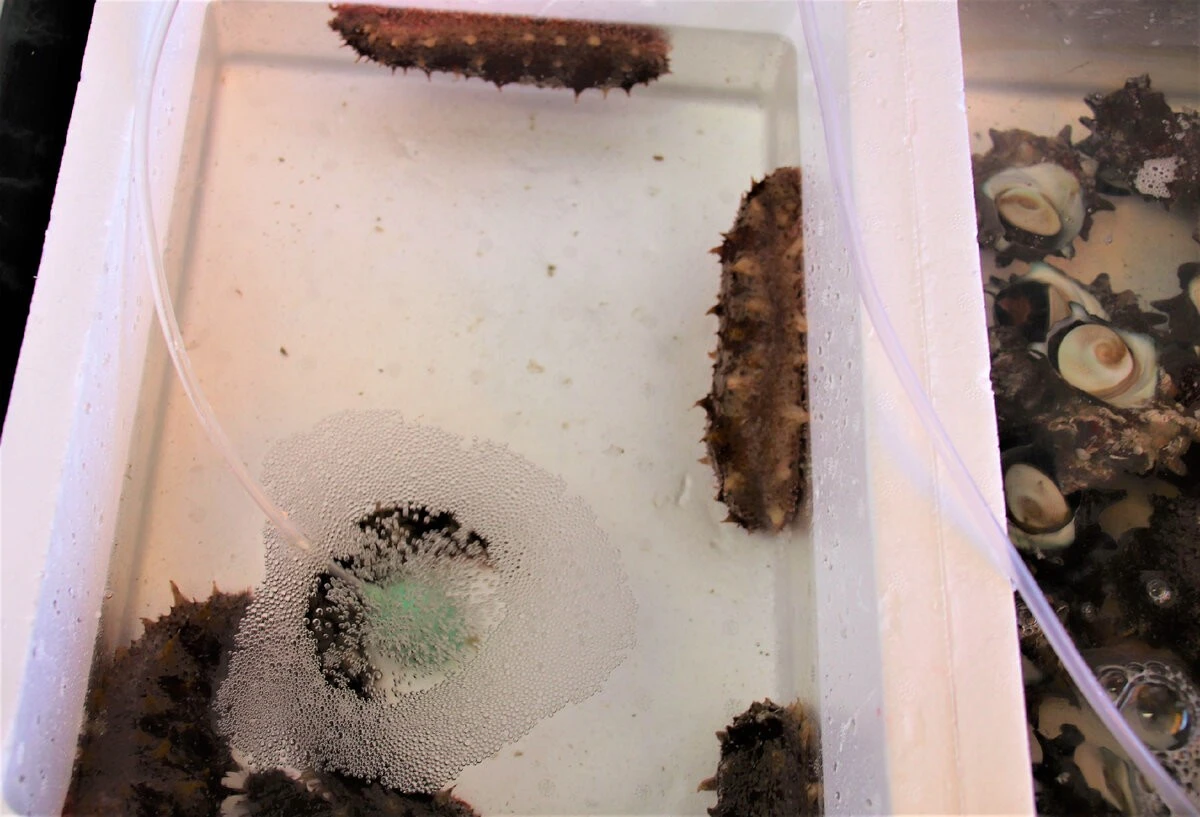
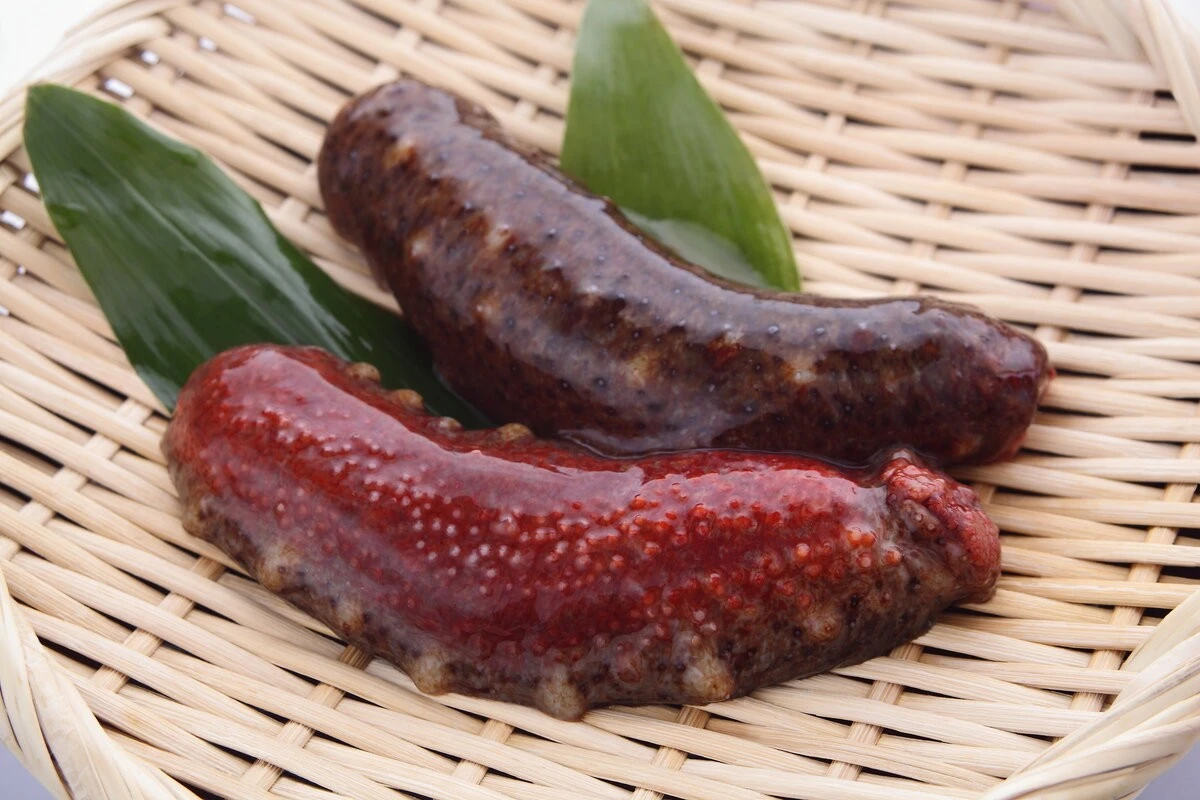
Red namako in the store. Fukuoka
What is a namako?
Namako is an invertebrate animal reaching several tens of cm in length. The largest species - Kurenaiooikari-namako ("Red Big Anchor") grows up to 5 m! Most sea cucumbers eaten in Japan are of this species.
The lifespan of a Namako is 5-10 years. In fact, it is a sedentary animal that slowly crawls along the seabed, eating detritus (dead organic matter, small, undecomposed particles of plant and animal organisms). 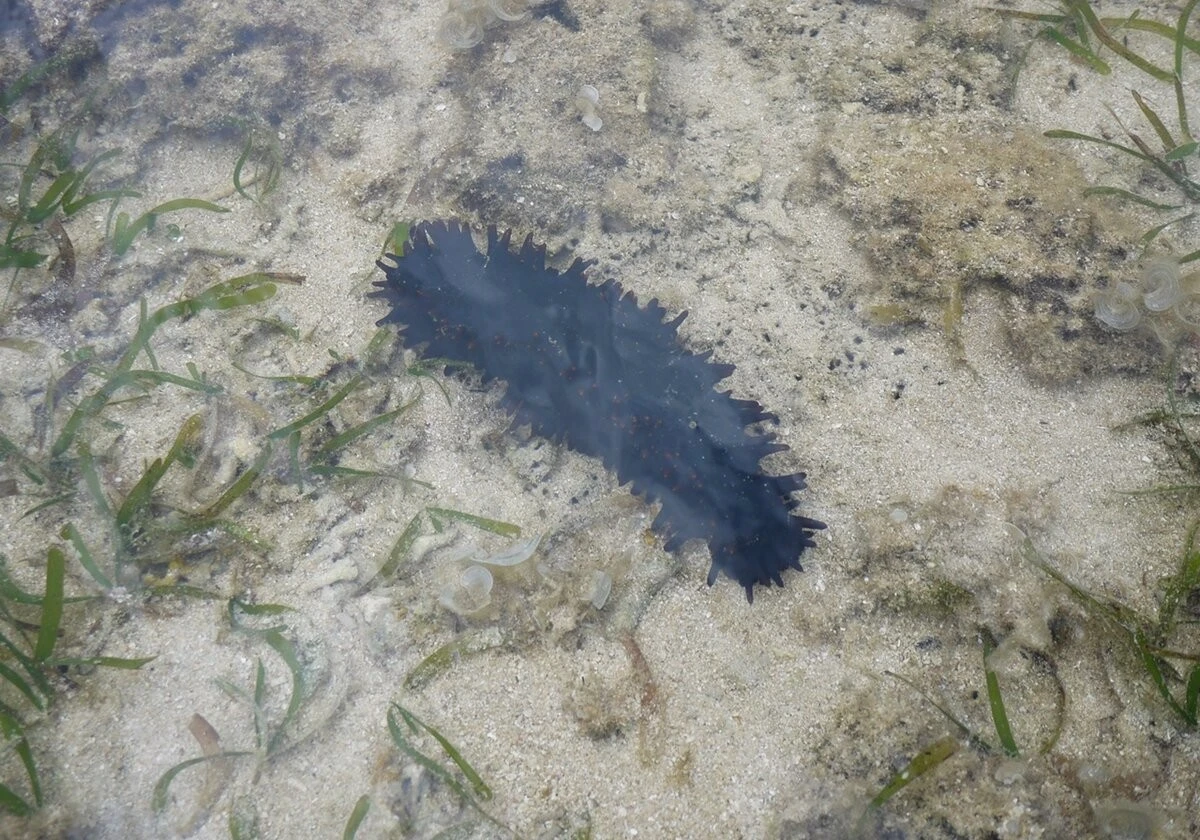
Namako underwater (Okinawa Islands)
Namako has a special property - when attacked by enemies, it throws out its entrails. In tropical species, this is a white thread-like tissue (Cuvier's organs), similar to noodles.
It is safe for sea cucumbers - the animal has a strong regenerative ability, and
Namako look very unpleasant, more like caterpillars than cucumbers. At the front end they have a mouth, and at the back end a fish can live; in some species this place is armed with 5 teeth, called “anal”. 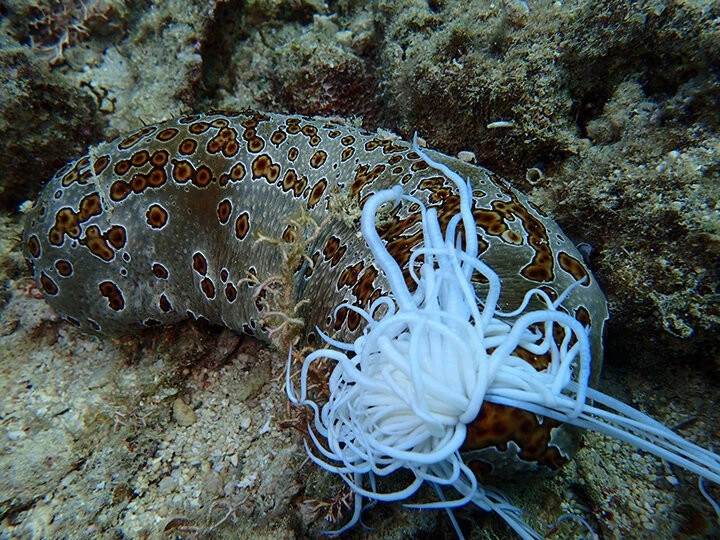
White thread-like fabric. Ishigaki Island
It is believed that not all edible namako are tasty and healthy; the most popular of them are divided into 3 types according to color: red, blue and black. “Ao” (blue) has the lowest price; here (on Kyushu) the supermarkets mainly sell red ones. In winter, the Japanese often eat them thinly sliced and seasoned with sauce. Many people, by the way, say that they like the crunchy texture more than the taste. 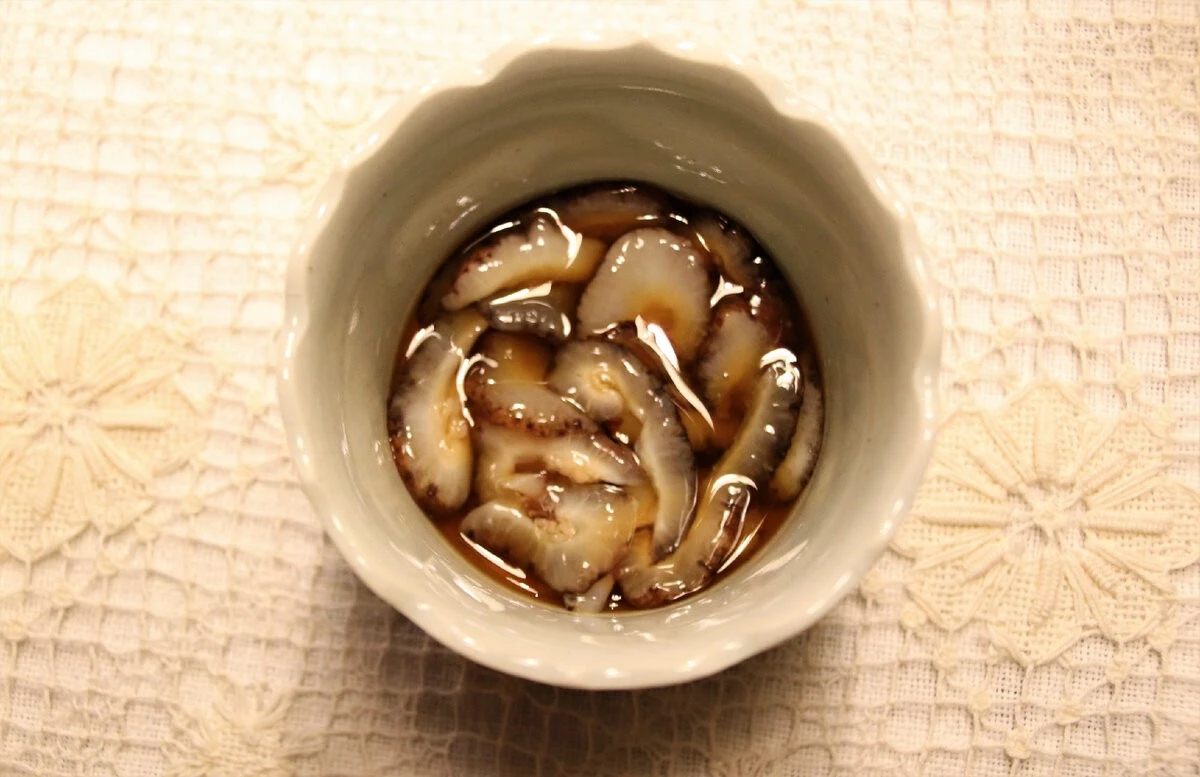
Namako with sauce
Raw internal organs are used to prepare the dish "konowata" - one of the 3 special Japanese delicacies along with sea urchin roe and karasumi (salted mullet roe). 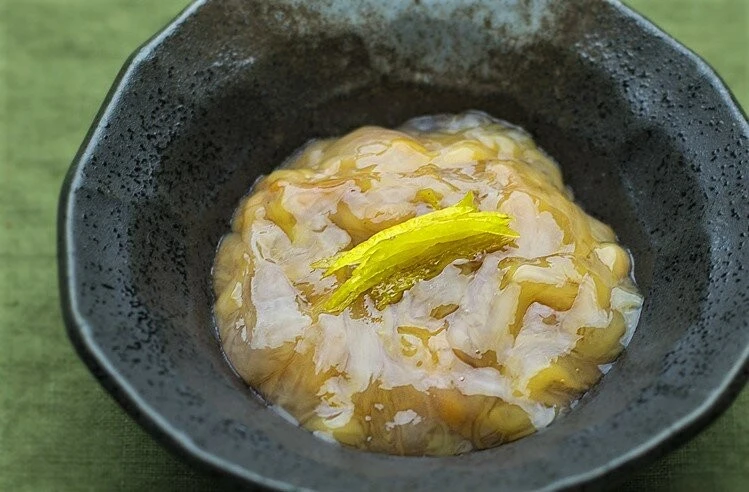
Konowata - Japanese delicacy
The Japanese have been eating sea cucumbers for more than 1,000 years; there is a description in Engishiki, a book about laws and customs dated 905. Even then, the Japanese believed that namako effectively cleanses the body of parasites, has a healing effect on the liver, removes phlegm, etc.
Sea cucumber was popular as a nutritious and tonic, as well as a cure for skin conditions.
Since ancient times, Namako has also been known in Chinese medicine (due to its tonic effect, the Chinese called it “haishen” - “sea ginseng”/ “sea carrot (root)” - 海の人参 - 御種人参). 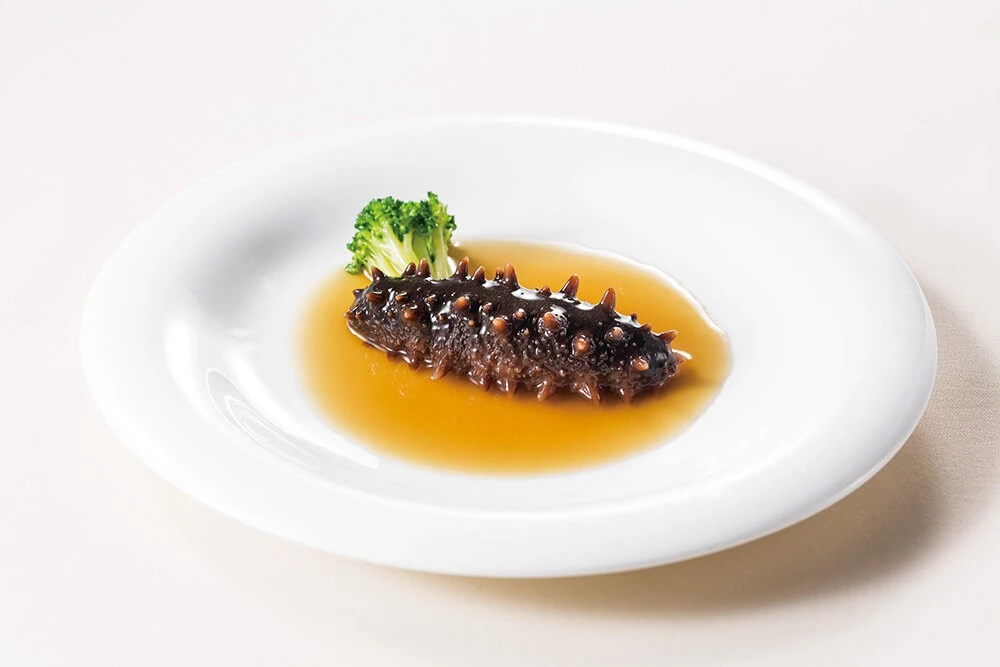
The main medicinal substances of ginseng are saponins, they are also found in sea cucumbers.
Holothurin and saponin contained in namako have a strong effect against mold, fungi, lichen and are included in medicinal products and special soaps.
(A doctor's consultation is required.) 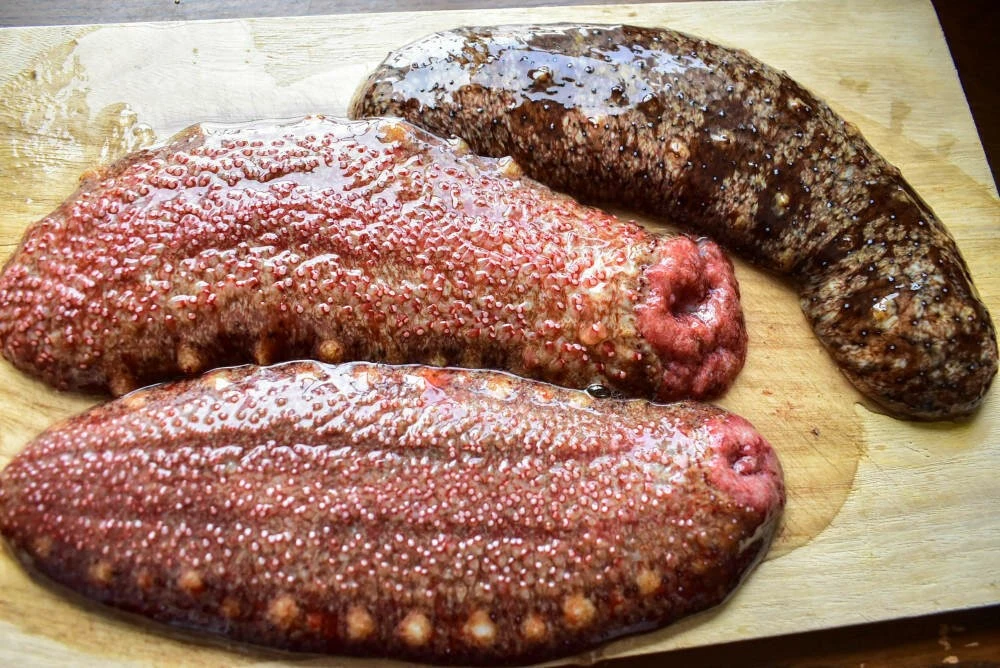
The relationship between the Japanese and the sea cucumber is long-standing, but not very warm - a description of these creatures is in the oldest book "Kojiki" - the first written monument of Japan, compiled in 712, it says that Amenuzume (goddess of the dawn) collected all the fish and asked: " Will you serve Ninigi, the grandson of the sun goddess Amaterasu (great-grandfather of the first emperor)? The fish agreed, but Namako remained silent. For which the angry goddess cut his mouth with a kogatana (small katana). 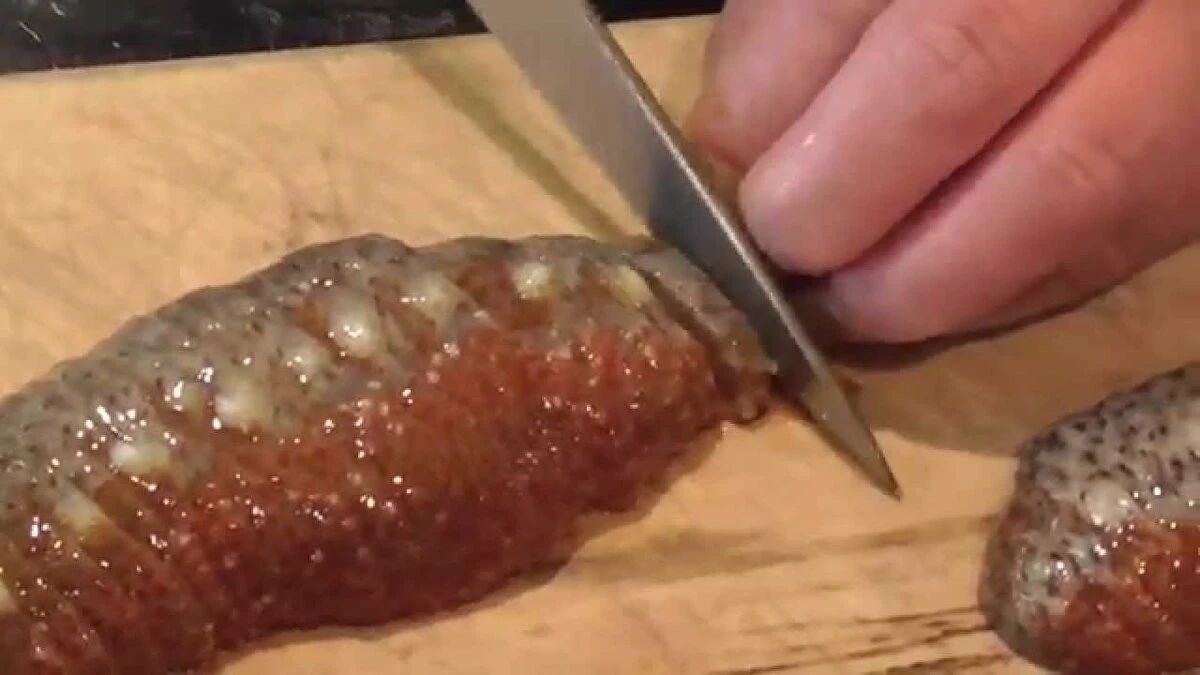
At that time, there already existed the hieroglyphs - 海鼠, denoting namako, by the way, translated as “sea mouse” (apparently due to the similarity).
Namako is often found in Japanese poetry (haiku), his image is the personification of the winter season.
There are proverbs that mention sea cucumbers, for example, when they want to talk about some difficulties, they say: It is as difficult as “grabbing namako with varnish sticks” (塗り箸でナマコをはさむ - “nuribashi de namako o hasamu”). They say that the ugly will never turn into the beautiful: ナマコの化けたよう - “namako no baketa you.” 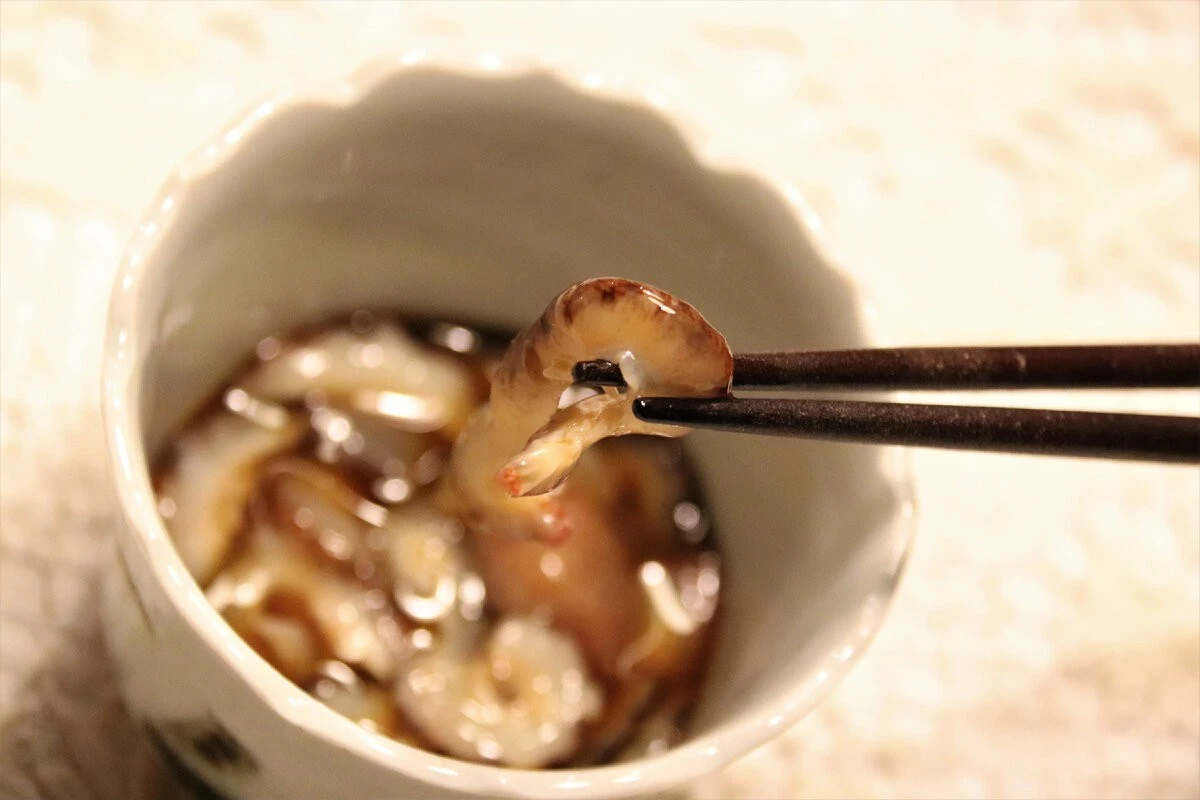
It's not easy to grab a namako with chopsticks
Well, a little about how sea cucumbers are harvested.
The main fishing methods are small trawl nets and small-scale fishing by divers and fishermen. Catches are especially high in Hokkaido, Aomori and Yamaguchi.
Fresh sea cucumber goes to store shelves and restaurants, dried sea cucumber is exported to Hong Kong, China and other countries. 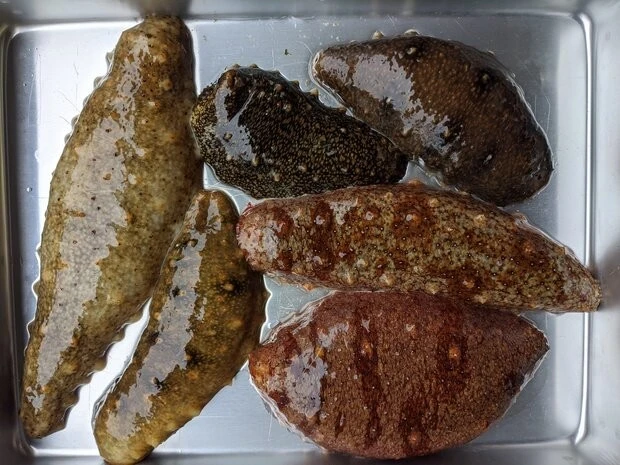
Namako has been known to be mined in Japan since ancient times, and the process was described in ancient chronicles dating back to 733.
During the Edo period (1603-1868), sea cucumber became a major export to China, during which time the shogunate placed great importance on its harvest as a means of acquiring foreign exchange and prohibited the sale of namako in local markets, forcing fishermen to increase their catch year after year. 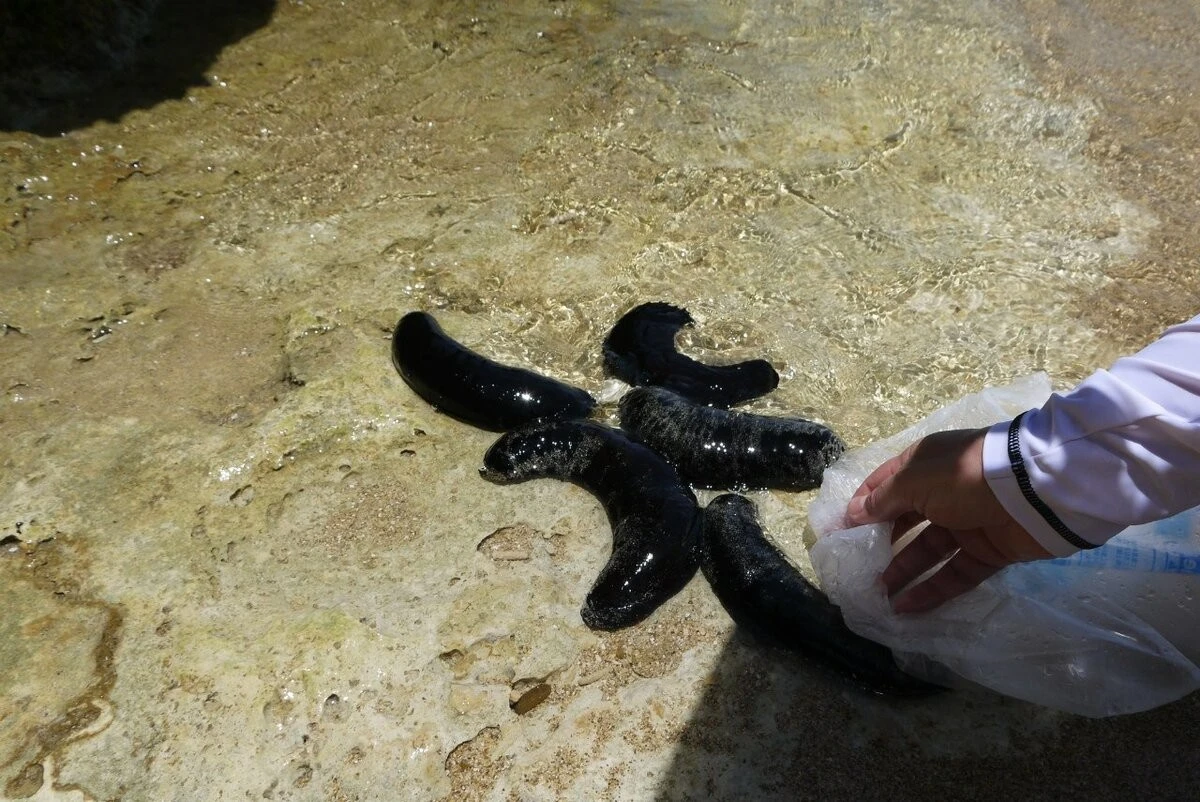
Namako, illegal fishing on Ishigaki Island
Attempts to cultivate sea cucumbers began during the Meiji period (1868-1912), when artificial reefs were created in various places.
It is known that sea cucumbers are caught in Florida, Costa Rica, Ecuador, India, and they say that almost all of them are exported to China.
In the 21st century, with the increase in wealthy people in the Middle Kingdom, the demand for sea cucumber as a luxury product has increased. 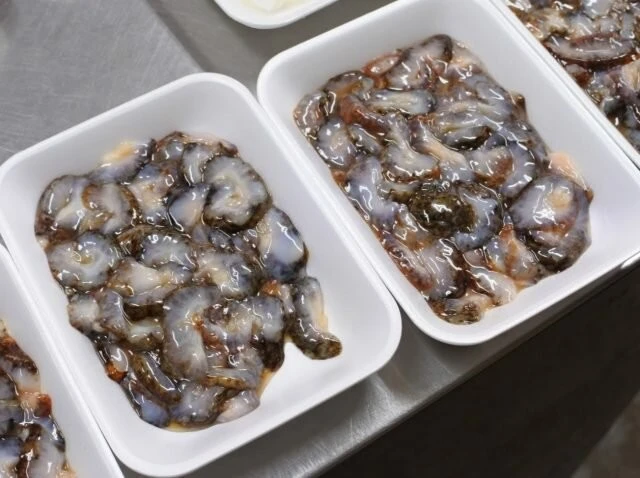
Namako contains proteins, fats, vitamin B12, riboflavin, thiamine, phosphorus, calcium, magnesium, iron, copper, iodine, manganese
In recent years, black namako for Chinese cuisine is often sold at very high prices, called "Umi no diamond" (sea diamond).
Of course, poaching is rampant - this is a big problem both for fishermen who make a living from the “cucumber fishery” and for the sea cucumbers themselves. 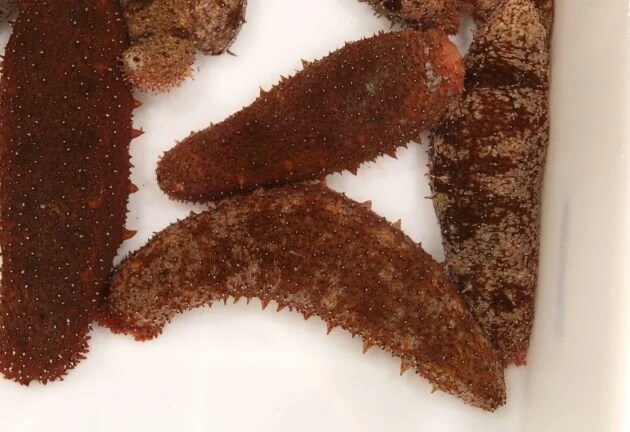
Namako in the store
In addition, namako in Japan became a source of funds for the enrichment of the yakuza. Currently, coast guards often patrol problem areas, but there are no effective ways to combat poaching; for example, it is said that 50% of Hokkaido's catch is poached. In 2018, 50 gang members were arrested there for illegal namako fishing.
This is what it is, namako - a sea cucumber.
Have you ever tried it? Did you like it?
0 comments