The director destroying the planet: all about the work of Roland Emmerich (13 photos)
Not everyone knows the name of director Roland Emmerich, although his works are probably familiar to many. After all, it was he who rightly received the nickname master disaster for his love of destroying human civilization in a variety of ways. What iconic works were included in his collection? 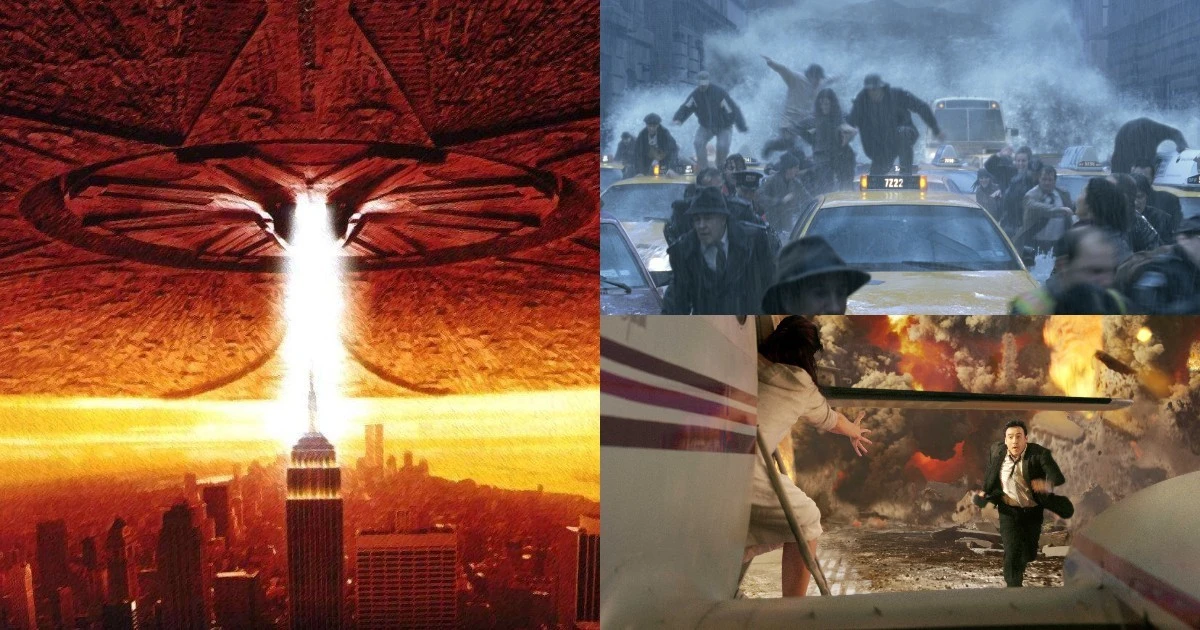
And where has the creator of some of the best disaster films gone today?
Emmirich began his journey into cinema at the age of 29, because for a long time he could not decide on his calling. However, in 1977, which became a real breakthrough for science fiction, he nevertheless formed his life goal. 
After all, it was in this year that Spielberg and Lucas began to shine. The American director of German origin wanted to become an alternative to them for Germany, and therefore, already at student age, he shot a feature film called “The Principle of Noah’s Ark.” 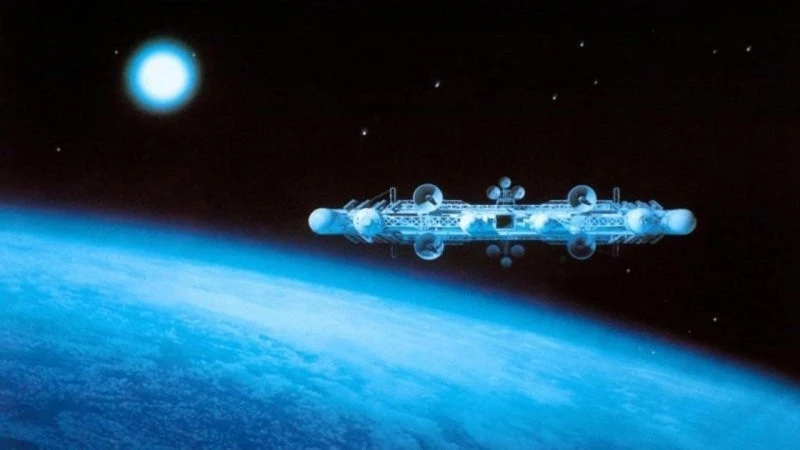
No destruction, flooding or other disasters are shown here, but it is precisely because of them that the conflict aboard the space station is being built. According to the plot of the film, countries tried and abandoned weapons of mass destruction, but created orbital ships capable of controlling the weather. True, the peace did not last long, because everyone wanted to control them and send natural disasters on each other. 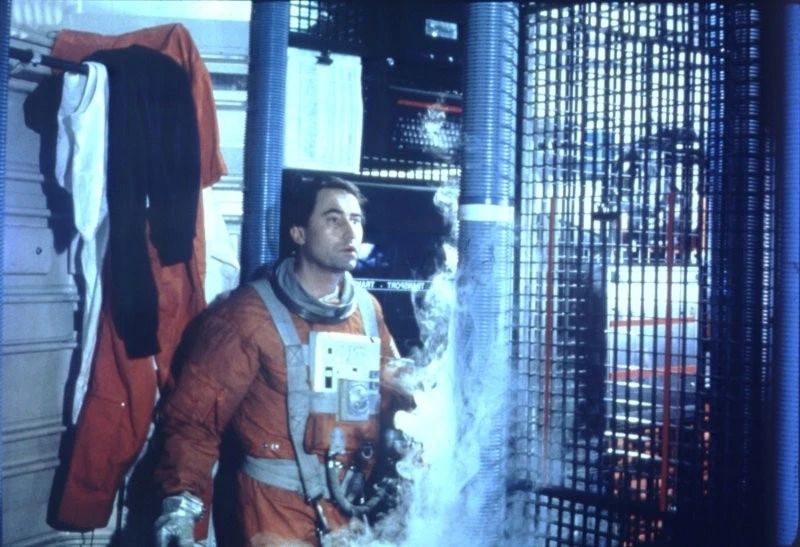
Considering that this was made by a student without big budgets, it is worthy of praise that he managed to not only get to the Berlin Film Festival, but also open it.
After this, a very crumpled period began in Emmirich’s career. His films looked more and more like typical American youth films, until he was offered to work on several science fiction projects. The first was "Universal Soldier", which opened the way to militants. The second is Stargate, which became the starting point for parascience. 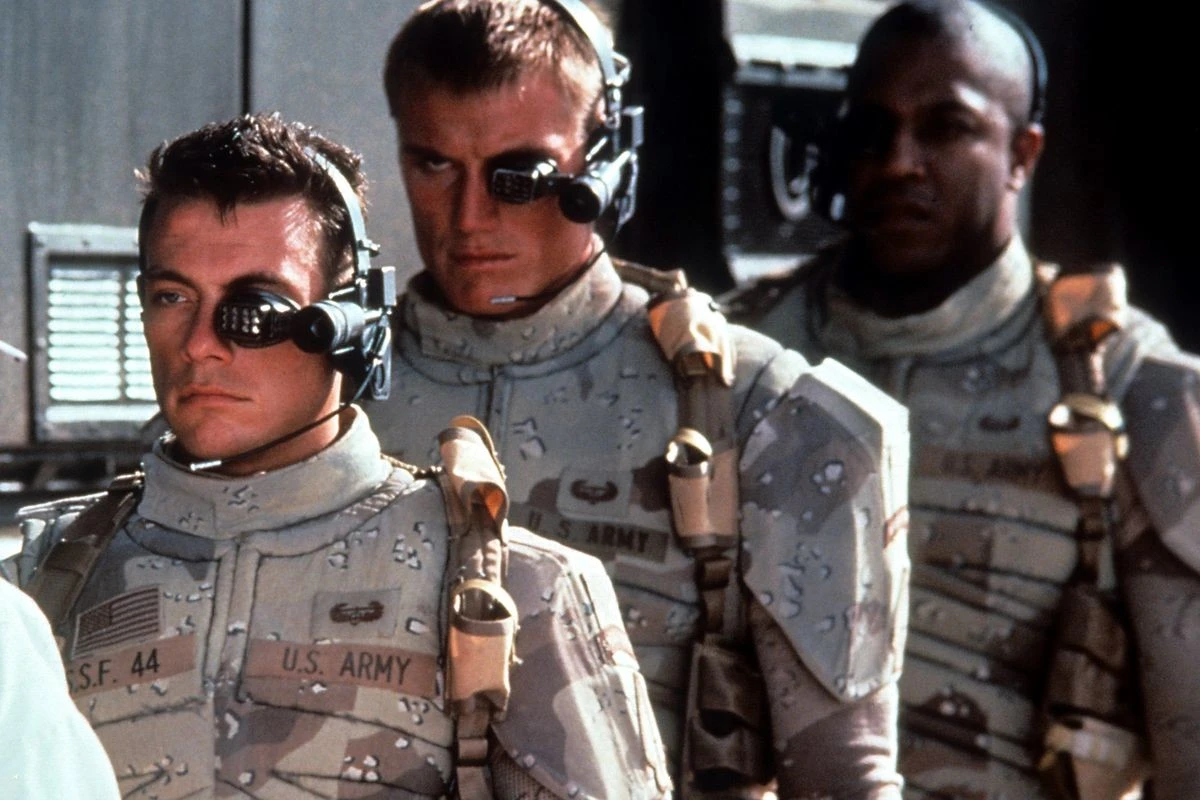
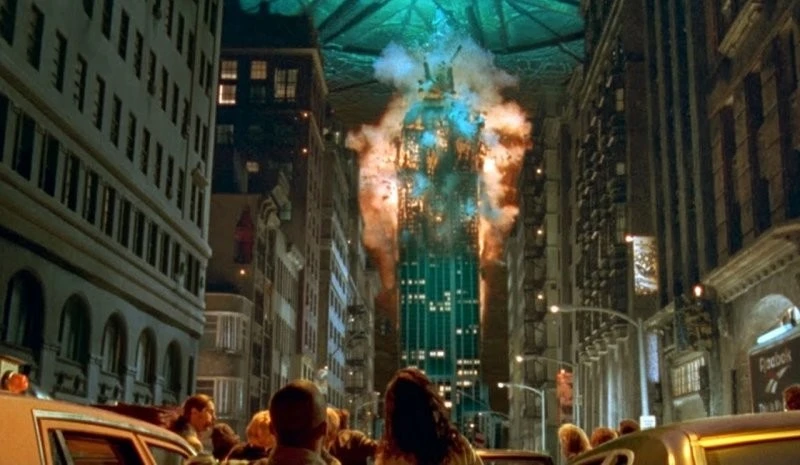
It was at the junction of these films that Emmirich created “Independence Day,” the script for which was written in 2 months. The studios immediately saw success in it, but luck smiled on Fox, which invested $75 million in the project. The result was phenomenal and was estimated at almost 1 billion. 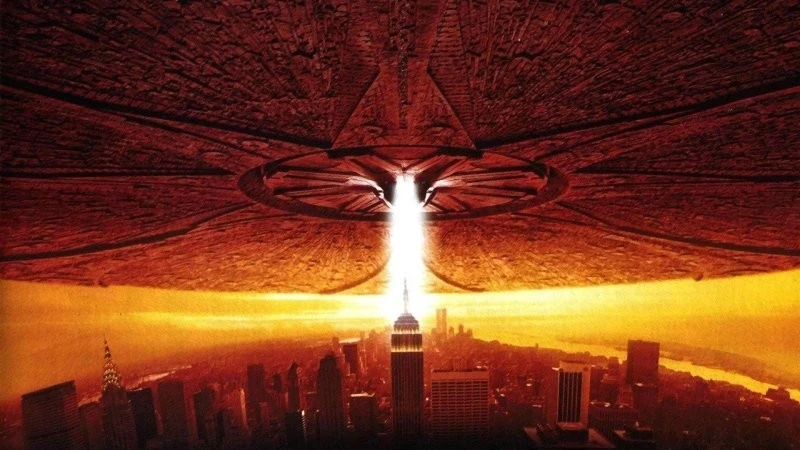
Against the backdrop of such success, TriStar Pictures approached Emmirich, who wanted to create an American version of Godzilla. True, the monster has changed a lot, turning from a huge giant into a nimble dinosaur from Spielberg’s “Jurassic Park.” 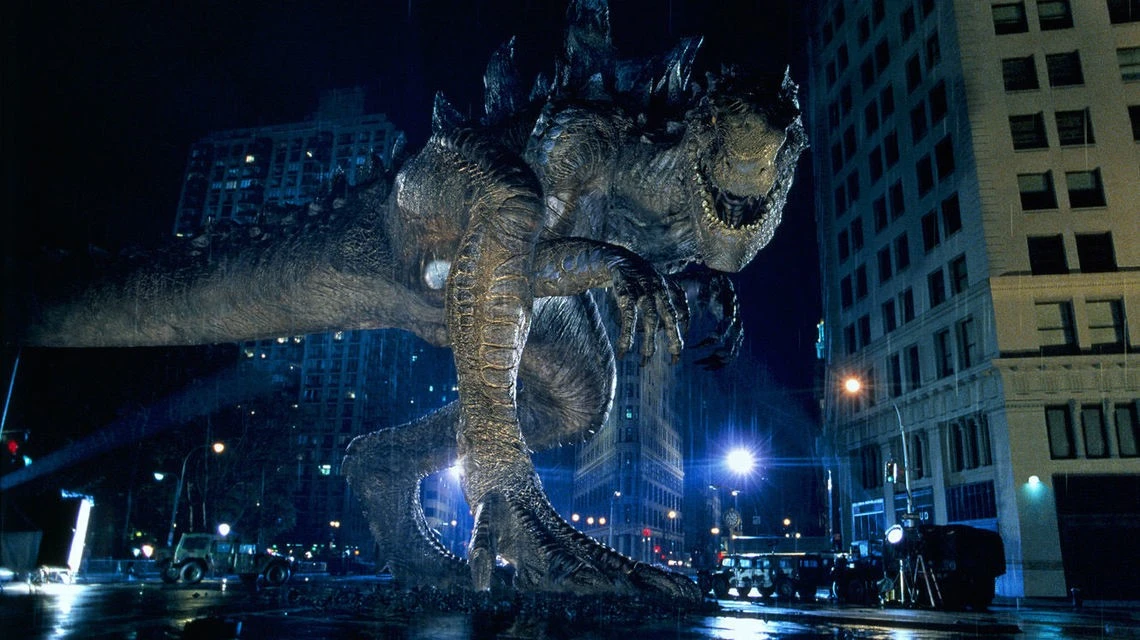
It would seem that the director put a budget of 130 million to work, showing spectacular destruction, but the viewer did not show the same love for his film. This was especially true for fans of Japanese classics, who were shocked by such an unsuccessful remake. Because of this, the studio even had to cancel work on two sequels, until Godzilla was remembered again in 2014.
During the break, the director filmed The Patriot with Mel Gibson and Heath Ledger, but soon he came across a book about a superstorm that could drive the planet into an ice age. This is exactly how the film “The Day After Tomorrow” was released, which failed to repeat the success of “Independence Day”, but became one of the best disaster films. 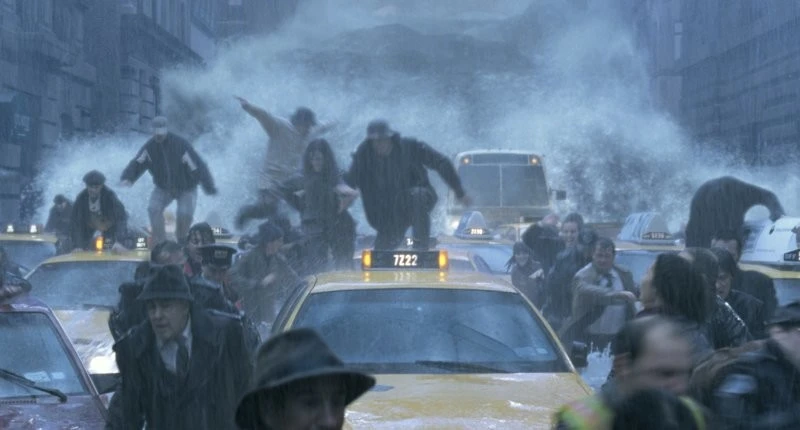
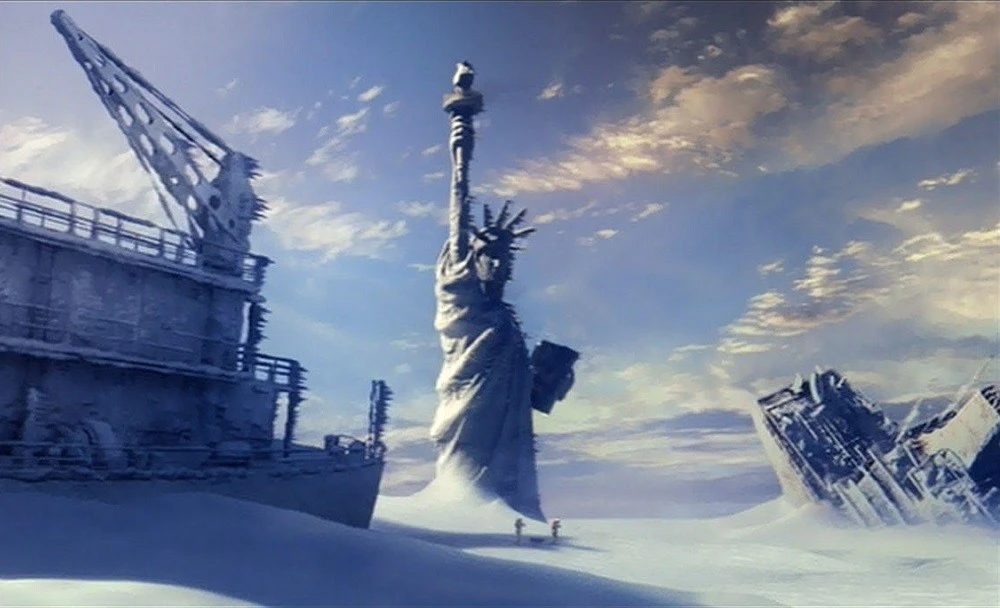
And in 2009, Emmirich showed everything he was capable of in this genre, releasing the film “2012”. After all, it was then that the world was talking about the Mayan calendar and the impending apocalypse. And he has never shown such a destruction of the planet according to a pseudoscientific theory. 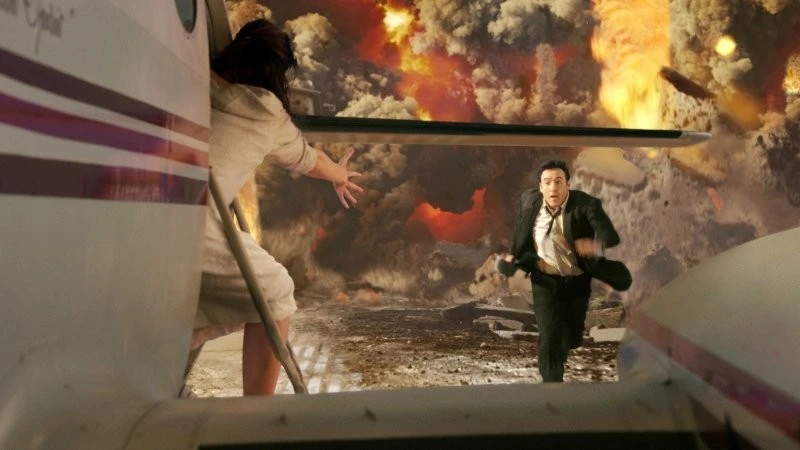
This director’s project turned out to be the largest not only in his career, but in the genre. However, it had no other merits, because the movie was filled with typical Emmirich clichés with very mediocre characters. The film was saved from failure only by a timely theme. If he had removed this tape now, the result could have been different. 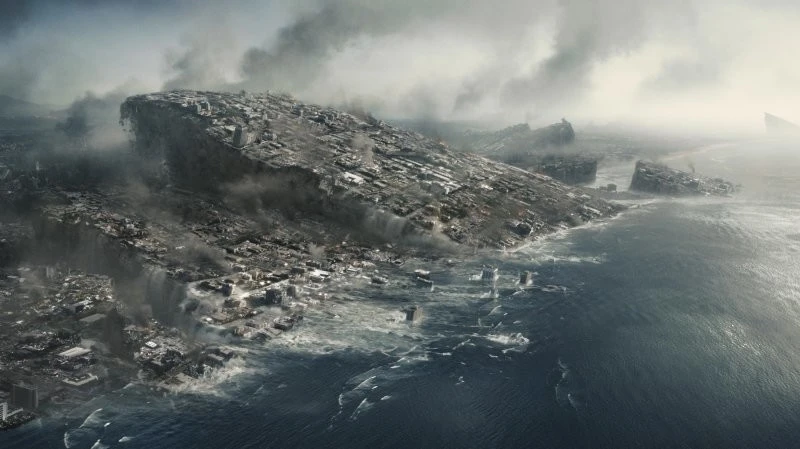
Afterwards, the director continued to destroy the planet in other films, for example, in “White House Down.” Later, the unsuccessful sequel "Independence Day" was released, but Emmirich did not give up, releasing another disaster "Moonfall" earlier this year. His journey probably won’t end there, because he clearly hasn’t run out of ideas on how to destroy the Earth. 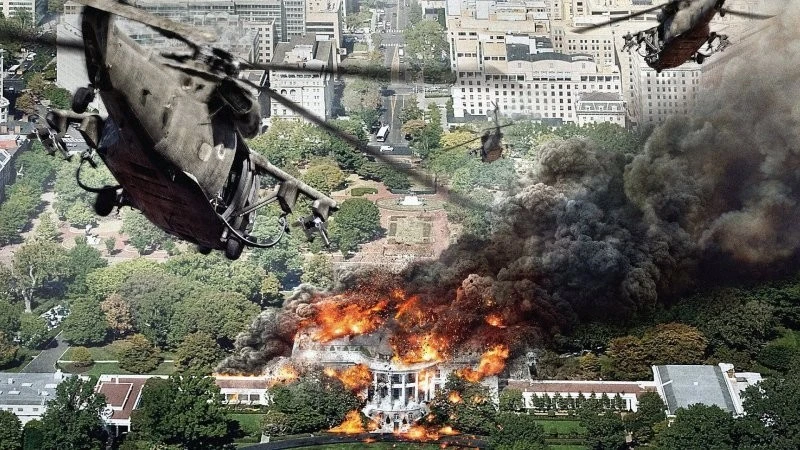
Which works of this director did you like best?