The best random discoveries (16 photos + 1 video)
Dozens of things and goods that we use every day appeared thanks to a simple accident. In this collection, I tried to collect many examples of mistakes and accidents that, to a greater or lesser extent, influenced the life of mankind. And here are the best random discoveries.
1. Corn flakes 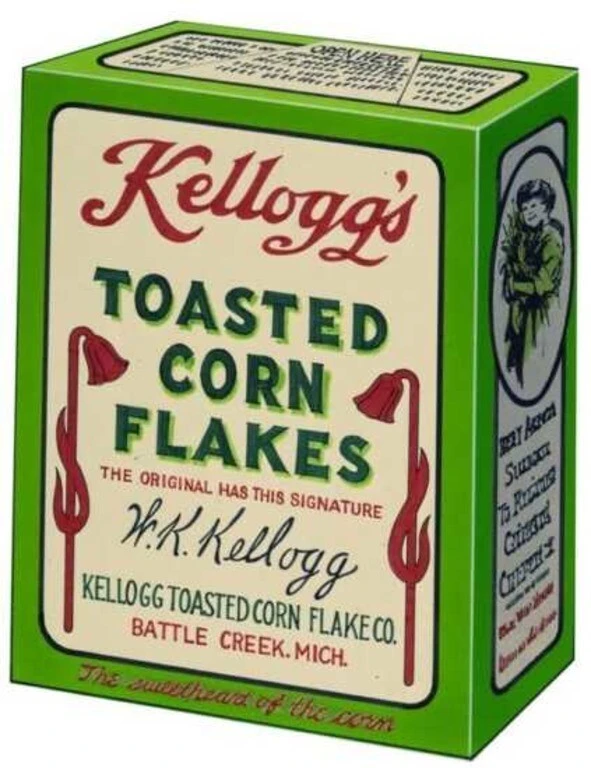
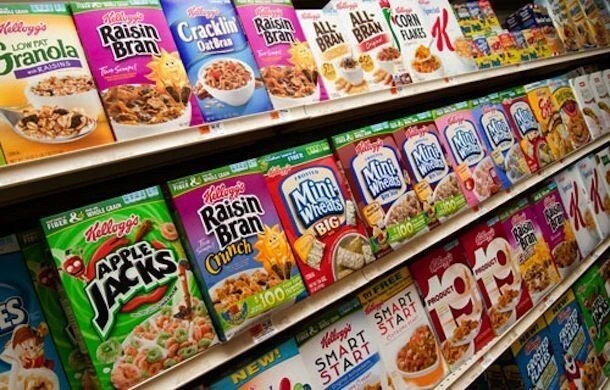
The history of corn flakes dates back to the 19th century. The owners of the Battle Creek sanatorium in Michigan (USA), Dr. Kellogg and his brother Will Keith Kellogg were preparing some kind of dish from cornmeal, but they urgently needed to leave for urgent boarding business.
When they returned, they discovered that the cornmeal, which was strictly accounted for, had slightly spoiled. But they still decided to make dough from flour, but the dough curdled, resulting in flakes and lumps. Out of desperation, the brothers fried the flakes and found that some of them became fluffy and some had a nice crunchy consistency.
The cereal was subsequently introduced to Dr. Kellogg's patients as a new meal, and served with milk and marshmallows, it was very popular.
By adding sugar to the cereal, Will Keith Kellogg made the taste more palatable to a wider audience.
In 1894, the original corn flakes were patented by American physician John Harvey Kellogg. In 1906, the Kellogs began mass producing a new type of food and founded their own company.
2. Chocolate chip cookies. Cookies 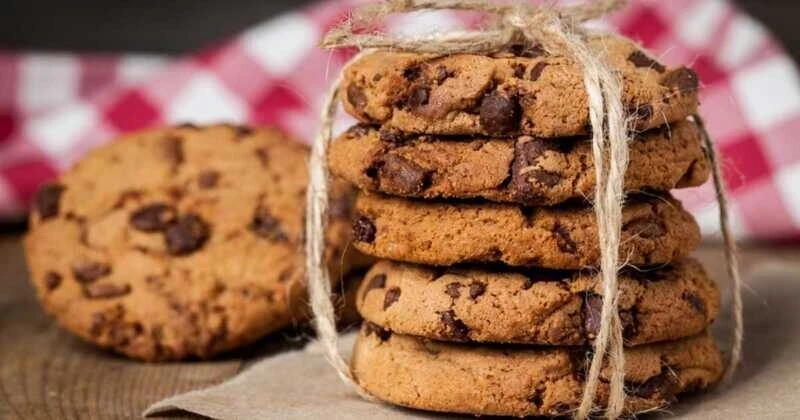
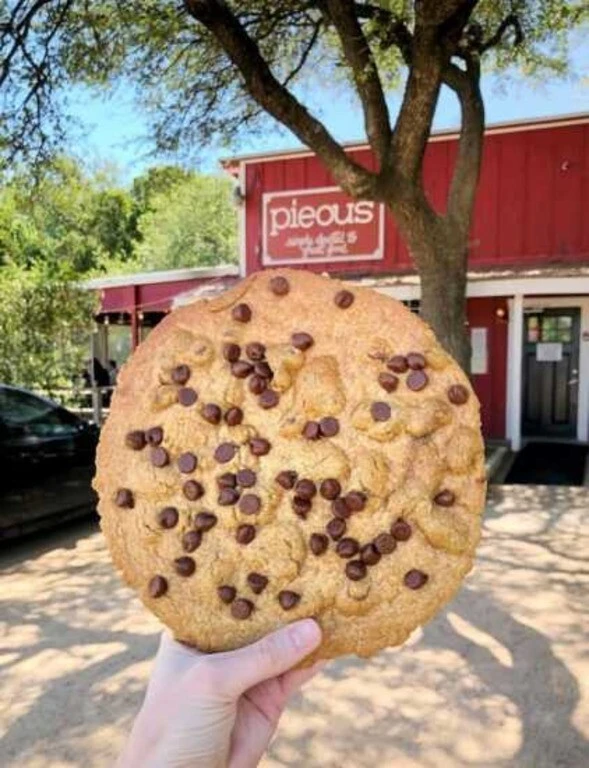
In the early 18th century, Americans began using the word "cookie" to describe a small, sweet, flat or slightly raised confectionery baked at Christmas.
It was invented in 1930 by Ruth Wakefield, the owner of the Tool House Hotel, located near the town of Whitman, Massachusetts. Ruth was famous for her sugar cookies, which were given to guests of the restaurant as gifts. The sugar cookie dough was mixed in a mixer. And somehow the vibration of the mixer caused a pack of Nestle chocolate half-spheres on the shelf to tip over into the dough, and the mixer mixed everything. And so as not to throw away the dough, she decided to bake cookies, which immediately became popular.
3. Sticky notes 

Adhesive papers appeared as a result of an unsuccessful experiment to enhance the durability of glue.
In 1968, a 3M research laboratory employee tried to improve the quality of adhesive tape. He received a dense glue that was not absorbed into the surfaces being glued and was completely useless for the production of adhesive tape. The researcher did not know how to use the new type of glue.
Four years later, a colleague who sang in a church choir in his free time became annoyed that the bookmarks in the book of hymns kept falling out. Then he remembered about glue that could secure paper bookmarks without damaging the pages of the book. Post-it Notes were first released in 1980.
4. Rubber 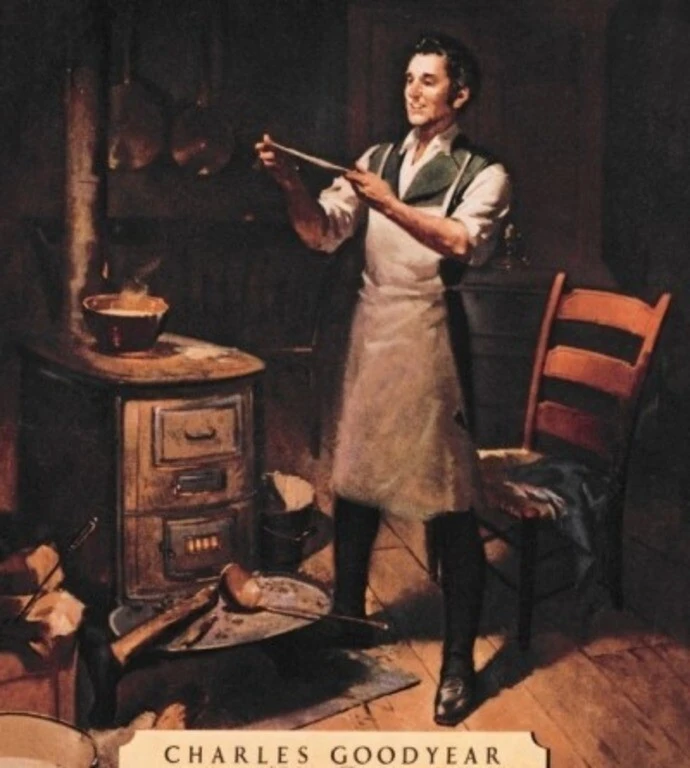

In the 19th century, the use of natural rubber was limited due to its properties. In the heat it became sticky, gave off an unpleasant odor, and at low temperatures it could easily crack and was too hard. All attempts by chemists of that time to change its properties ended in failure. The young American inventor Charles Nelson Goodyear was able to do this. Goodyear tried to combine everything he could with rubber. He mixed it with sulfur. But this did not bring the desired results. It turned out that everything depended on the temperature of the process. One day, during experiments, a mixture of rubber and sulfur accidentally fell onto a hot stove. And what Charles dreamed of happened.
As a result of strong heating of this mixture, a material was formed that we now know as ordinary rubber. It lacked all the negative properties that rubber had. Rubber acquired new useful qualities, thanks to which it later found wide application in industry. And the process of producing rubber is now known to everyone as rubber vulcanization. This happened in 1839. Subsequently, Charles Goodyear devoted 5 years of hard work to find the optimal ratio between rubber and sulfur. And only on June 15, 1844, patent No. 3633 appeared. But the inventor could not receive income from it, since he did not have enough money to formalize it legally. And the name of the inventor was immortalized in the name of the Company that still produces automobile tires - Goodyear Tire & Rubber.
5. Supermarket trolley 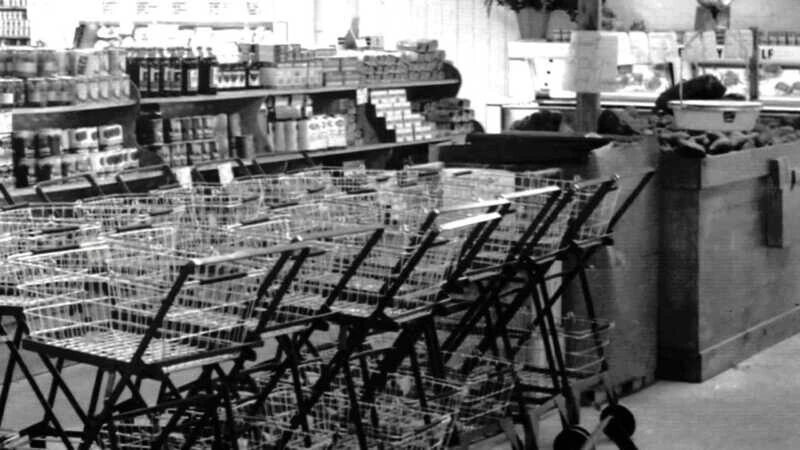

Merchant Sylvan Goldman invented the first shopping cart in 1936. Goldman owned a large grocery store in Oklahoma City and noticed that customers were refusing to buy certain items because they were too heavy to carry.
The discovery was accidental: Goldman noticed how one customer put a heavy bag on top of a toy car that her son was pushing.
A year later, Goldman introduced his innovative shopping cart in his own supermarket on June 4, 1937. With the help of a mechanic named Fred Young, Sylvan built the first cart, using a simple wooden folding chair as the basis for the design. The businessman used a metal frame, added wheels and two wire baskets. Another mechanic, Arthur Costid, helped set up mass production by creating an assembly line that formed and welded the wire. The patent was received on April 9, 1940.
The invention did not immediately find a response from the buyer. Men thought that carrying a cart would make them look ridiculous and feminine, while women associated the cart with a baby stroller. Then Goldman resorted to a trick. Several specially hired men and women walked around the supermarket all day long with know-how and demonstrated the convenience of the invention. They told other customers how to use the new product, and soon the cart became very popular, turning Silvan into a multimillionaire.
6. Microwave 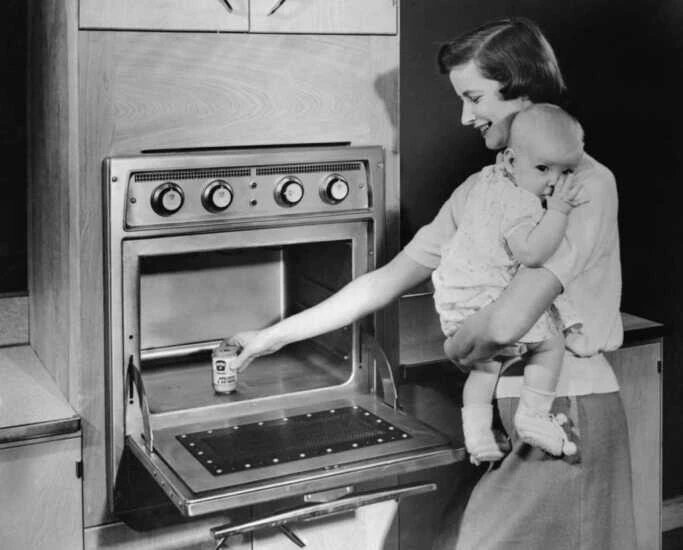

The famous researcher Percy Spencer, who received more than 120 patents for inventions, an employee of one of the largest companies in the global military-industrial complex, Raytheon, accidentally became the creator of the microwave oven.
In 1945, shortly before the end of World War II, he conducted research aimed at improving the quality of radar. At the moment of the experiment, Spencer walked in front of the working emitter and discovered that the candy bar in his pocket had melted.
After a series of experiments, the first microwave oven was created, which weighed about 400 kg. It was supposed to be used in restaurants, airplanes and ships - where food needed to be quickly reheated.
7. Superglue 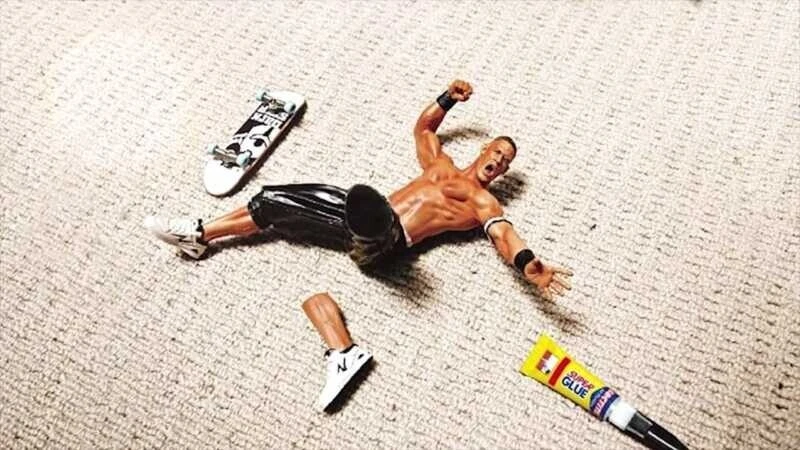
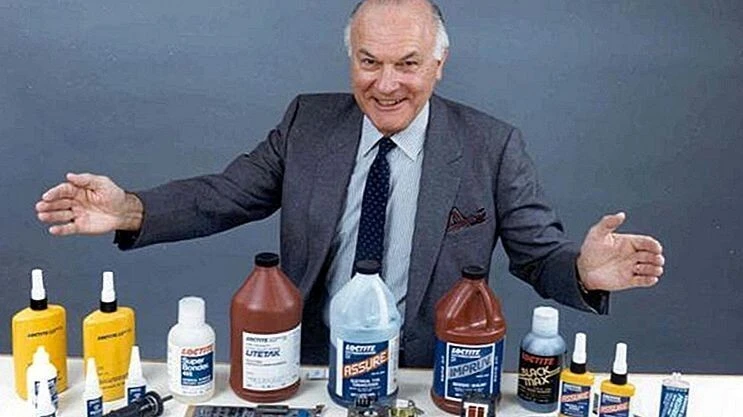
When American chemist Harry Coover created what would later be called “superglue” in 1942, he was actually experimenting with new materials for sights in military weapons. However, the substance was rejected due to excessive stickiness.
In 1951, American researchers, while searching for a heat-resistant coating for fighter cabins, accidentally discovered the ability of cyanoacrylate to firmly glue various surfaces. In 1955, the development was patented and went on sale in 1959.
For a long time, superglue was present in various American talk shows, where its more and more amazing properties were revealed.
Cyanoacrylate glue could stick to any surface, even if it had not been properly cleaned first. The main problem with this glue is not to firmly glue the parts together, but to separate them later.
8. Vaseline 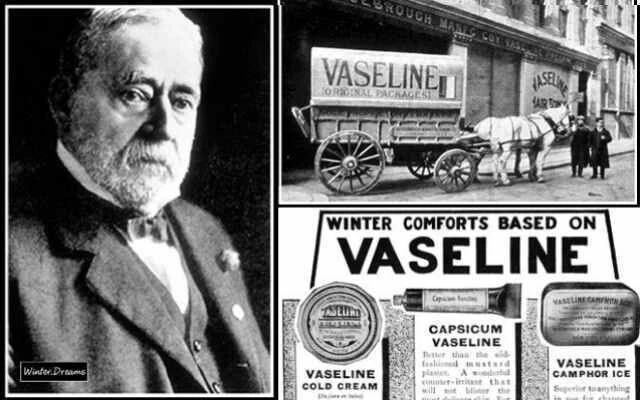
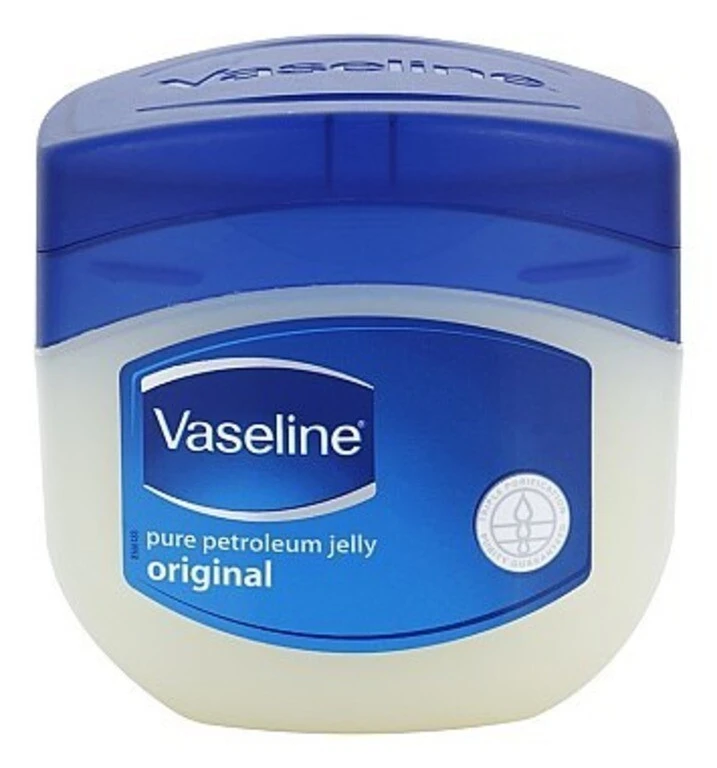
The name "Vaseline" was patented in the United States as a trademark and trademark in 1878. The well-known cosmetic and medicinal product was invented and patented by the English chemist Robert Chesbrough, who emigrated to America. The oil workers “helped” the scientist with this invention.
When the oil boom began in 1859, Chesbrough, talking with oil workers, became interested in sticky oil - a paraffin-like mass that, during oil production, stuck to drilling rigs and clogged pumps. He noticed that workers constantly use this mass for burns and cuts as a means of successfully healing wounds.
The scientist began experimenting with the mass and managed to isolate useful ingredients from it. He used the resulting substance to smear his numerous burns and scars received during the experiments.
The effect was amazing. The wounds healed quite quickly.
Subsequently, Chesbrough continued to improve the amazing wound-healing ability of this substance and, trying it on himself and others, observed the result.