Scientists from the Novosibirsk Institute of Cytology and Genetics (ICiG) and the Magadan Institute of Biological Problems of the North (IBPS) have discovered the mechanism of amphibian resistance to low temperatures and low oxygen levels in tissues. 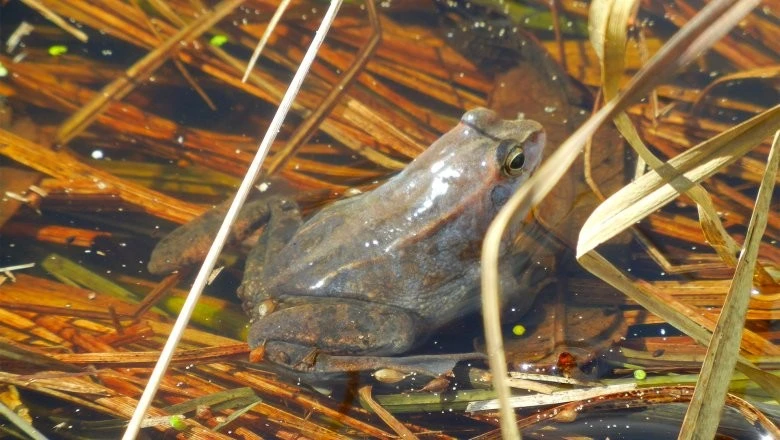
The Siberian frog survives in water with an almost complete absence of oxygen for up to six months and retains the ability to move, while the sharp-faced frog and salamander remain on land in the upper layers of the soil and, when frozen, experience severe hypoxia due to the cessation of blood circulation, scientists said.
Biologists studied the metabolome (the totality of small molecules in the body) of these amphibians and found that by autumn, animals accumulate glycogen in the liver - a polysaccharide, which breaks down into glucose and glycerol in winter. They provide energy to the body's cells before freezing, and then act as antifreeze.
“In a state of hypoxia/freezing in frogs and salamanders, scientists discovered ethanol (that is, ethanol alcohol - Ed.), which had never previously been observed in such quantities in terrestrial vertebrates. Also interesting was the discovery of 2,3-butanediol, a molecule that is often found in metabolomic studies of vertebrates, but its function remains unknown,” the report says. 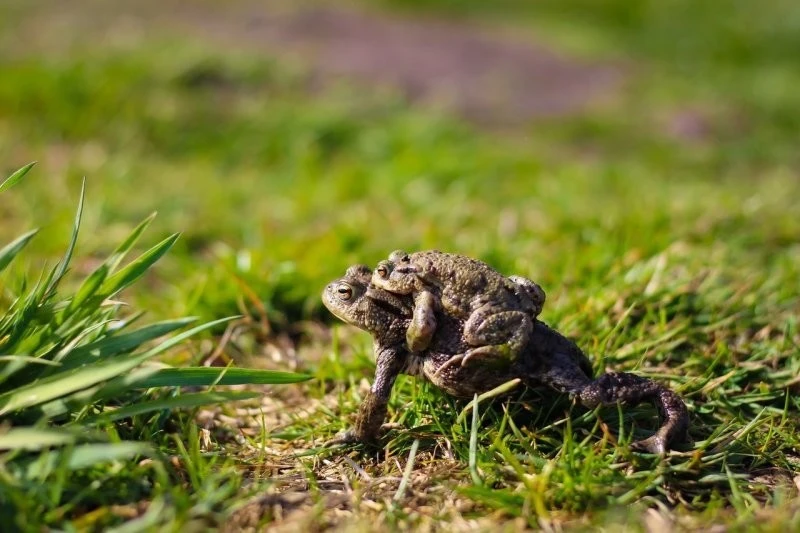
What else is known:
In addition, glycerol was found in all species, which acts as a protection in many frost-resistant animals. However, its role in the body of the Siberian frog is unclear, because it is the frog that does not tolerate freezing and winters in non-freezing reservoirs.
0 comments