If you happen to hear a quiet, malicious neighing at night while in the Philippines, you should absolutely not go out into the street and try to examine its source. It's better to hide under the covers and pray that the creepy tikbalang gallops past. 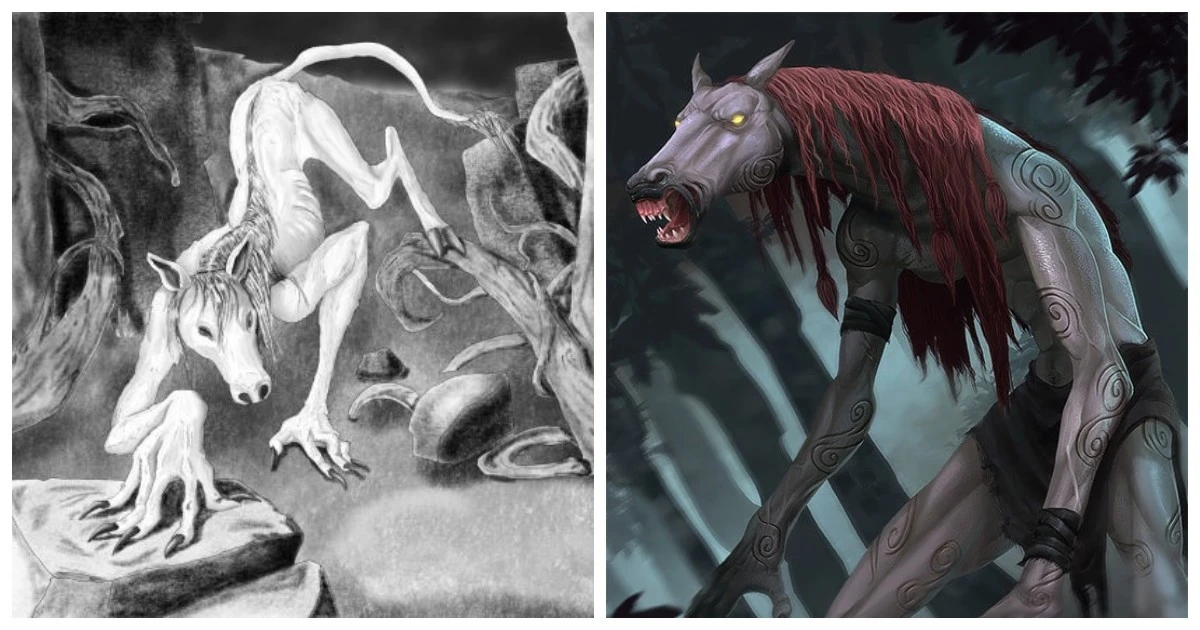
Tikbalang has many names. This creature, which has entered into Philippine folklore, is also known as tigbalang, tigbalan, tikbalan, tigbolan and in its simplest form, “living horse”. It is believed to roam the forests and mountains of the Philippines, hiding from people. 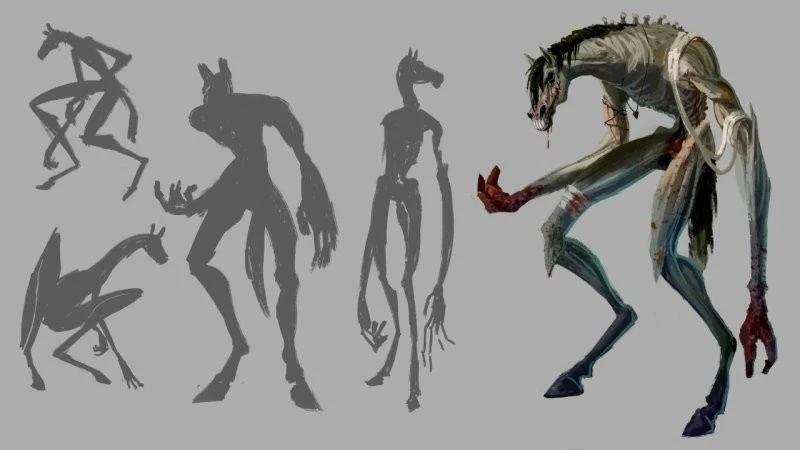
He is described as a humanoid creature, tall and bony, with the head of a horse and hooves. Supposedly, he has disproportionately long limbs. Moreover, they were so long that when he squatted, his knees were higher than his head. In rural areas people still whisper about tikbalang and scare children with it. But where did he come from, and why is he still remembered?
Origin of tikbalang 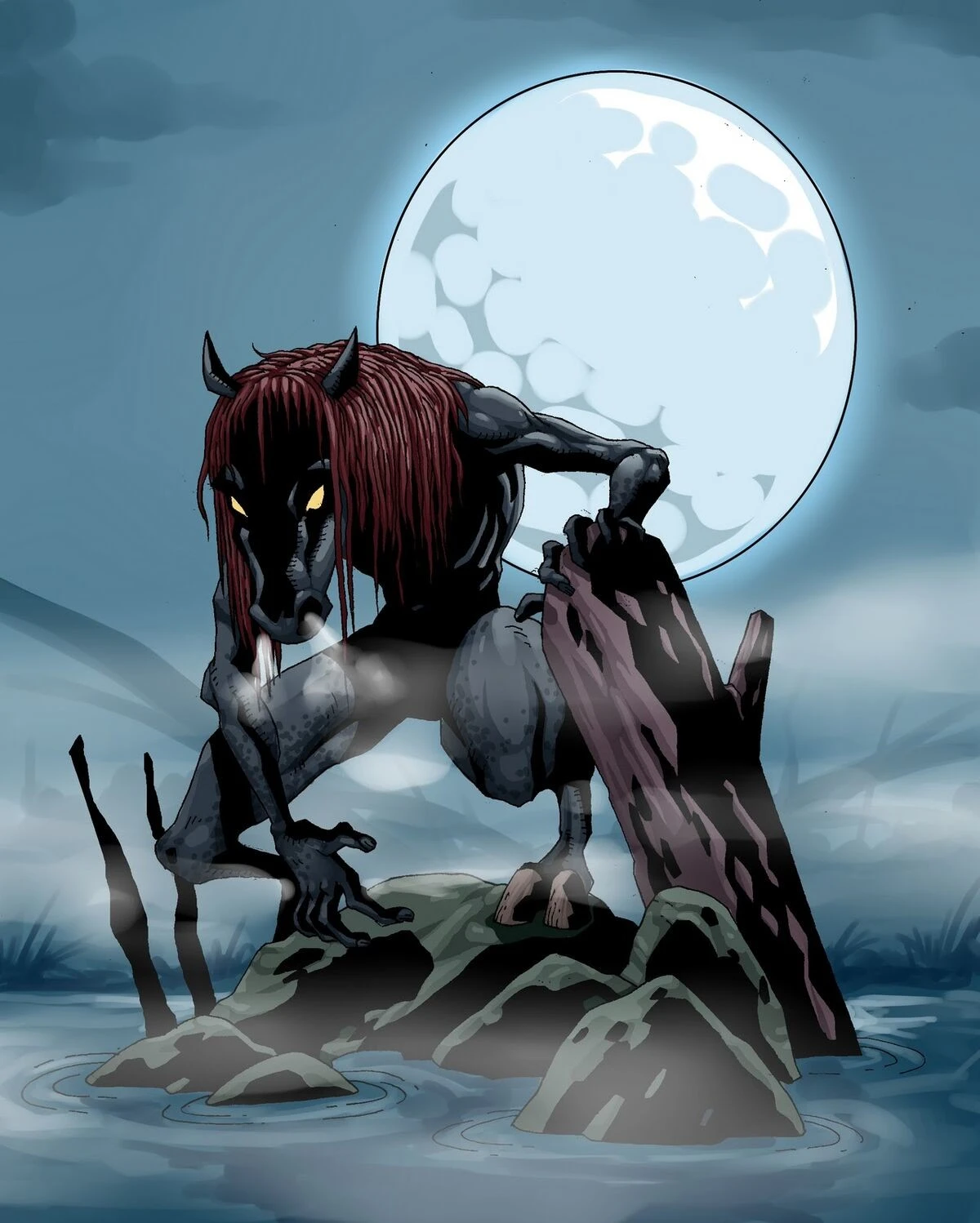
Tikbalanga can be traced back to Hinduism back to 4,000 years ago. This helps explain how it came to be.
The ancient peoples of the Philippines believed in the magic of the animal world. They also believed that the world was conscious. It moves over stones, mountains, sea, sun and trees. The moon itself was believed to have a hidden power that was a spirit or idol. She controlled many aspects of human life and could be either good or bad.
Some of the earliest written records that exist today date back to the 16th century, when the Philippines was occupied by the Spanish. 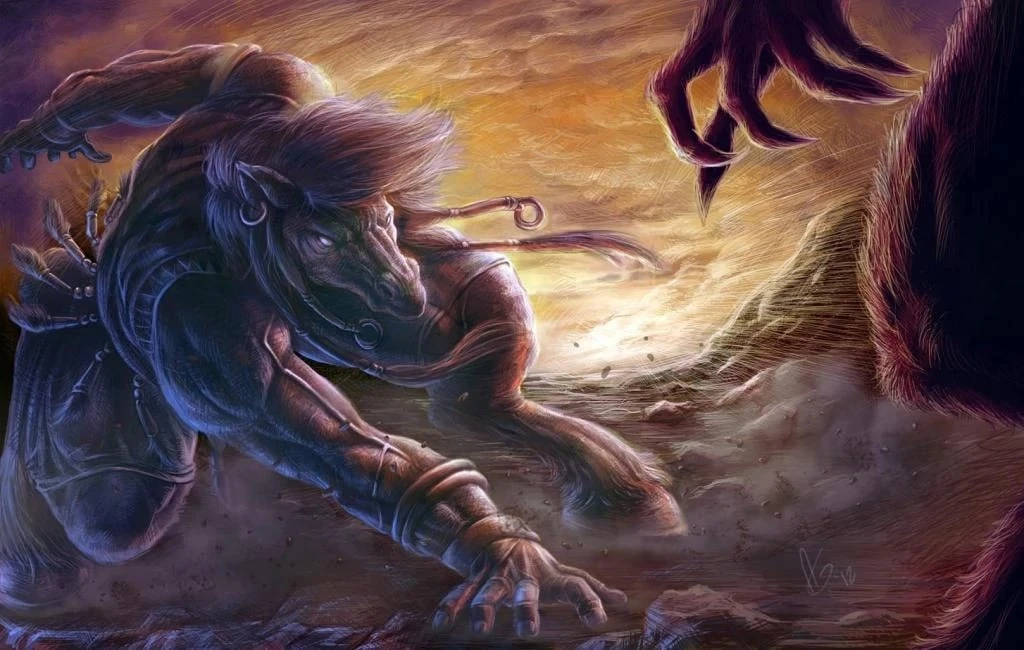
Father Juan de Plasencia documented that tikbalang was a long-standing indigenous belief. He described the situation as follows:
They greatly fear and revere the Tigbalang or Bibit. It's a ghost, goblin or devil. Because he knows the cowardice of these Indians, he often appears before them in the mountains. Sometimes in the form of an old man, sometimes in the form of a horse, sometimes in the form of a monster. Therefore, the Indians, in horror, make various treaties with him and exchange their valuables for various items such as hair, grass, stones and other things in order to fulfill their desires and get rid of all dangers.
Tikbalang and Hinduism 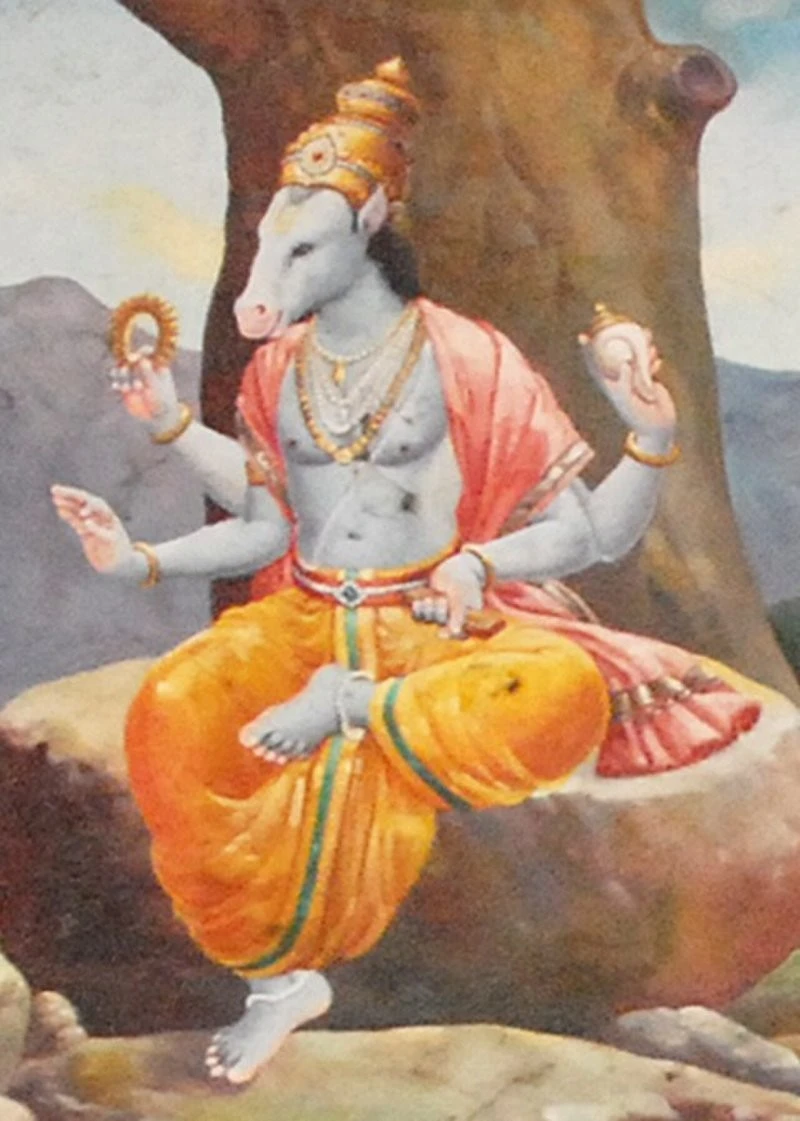
Hayagriva
Hinduism spread from India throughout Southeast Asia around 200 AD. Indian cultural influence spread throughout the region due to the development of trade and travel.
But there is nothing even close to this in the Hindu pantheon. There is a possibility that tikbalang originated from the Hindu god Hayagriva. Hayagriva was the horse-headed incarnation of the god Vishnu. It has been worshiped since about 2000 BC, so tikbalang is really very ancient.
People began to connect Hinduism and tikbalanga around 1860, when a statue dating back to the 10th century was discovered in Cambodia. It was a statue depicting the Vadavamuki demons - a more radical version of Vishnu.
The idea of Tikbalang as a horse-like creature appeared only in the 16th century. This is because there were no horses in the Philippines before the arrival of the Spaniards. The earliest mentions and stories of tikbalang do not mention a horse or a specific animal. Instead, they are often called forest ghosts or wildlife phantoms.
Superstitions 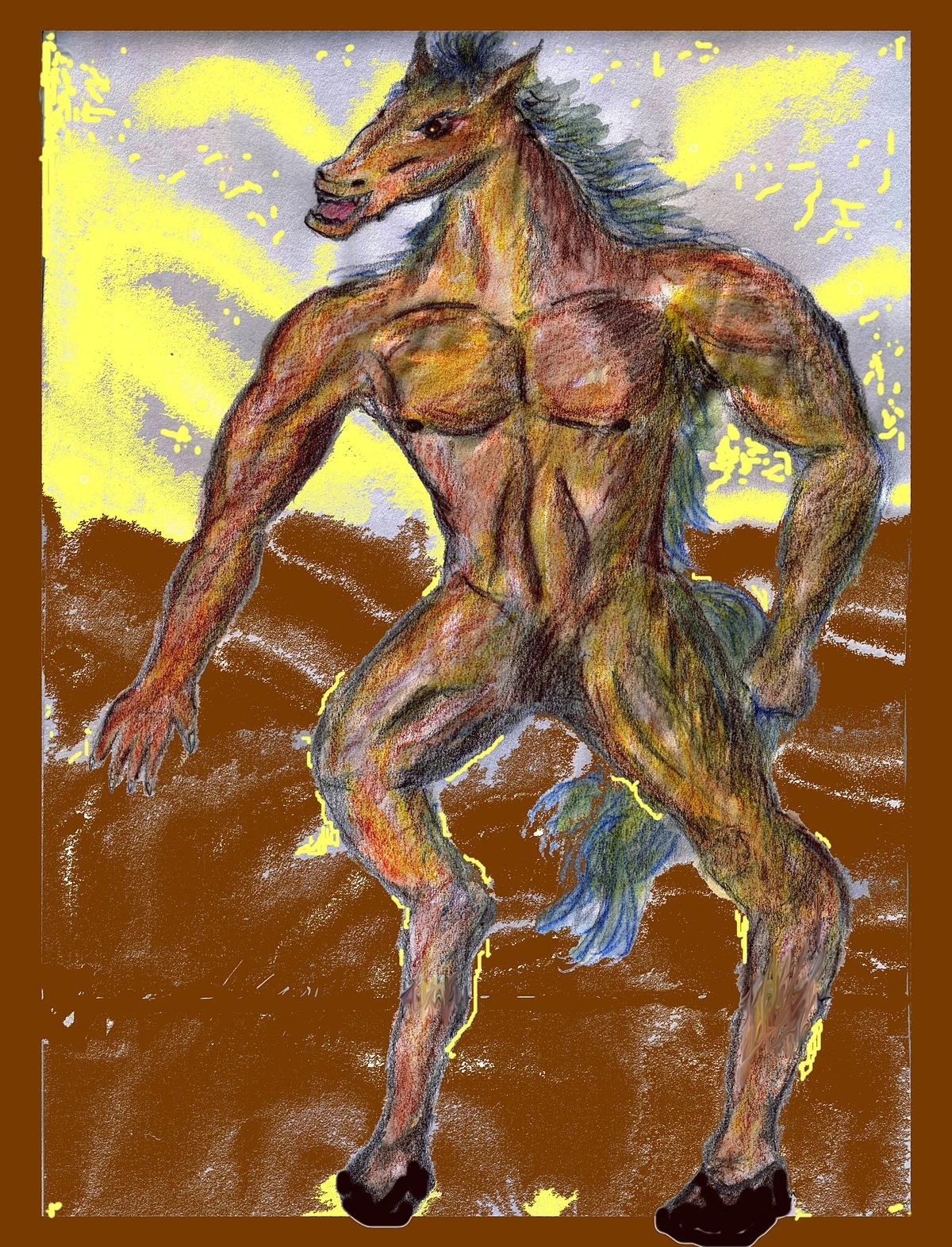
Tikbalangs are associated with frightening travelers and leading them astray in order to deceive and confuse them. To stop them, it is believed that you need to put your shirt on inside out (as is the case with our goblin). Then they won't be able to deceive you.
Or you can ask permission to pass through the forest, because such spirits love respectful treatment. Some regulations advise travelers to be quiet when passing through forests or mountains so as not to disturb tikbalangs.
In some legends, tikbalangs are evil monsters, in others they are guardians of the natural kingdom. Supposedly, he can be found at the foot of a large tree, guarding the forest and keeping an eye on those who would try to cause harm on its territory. 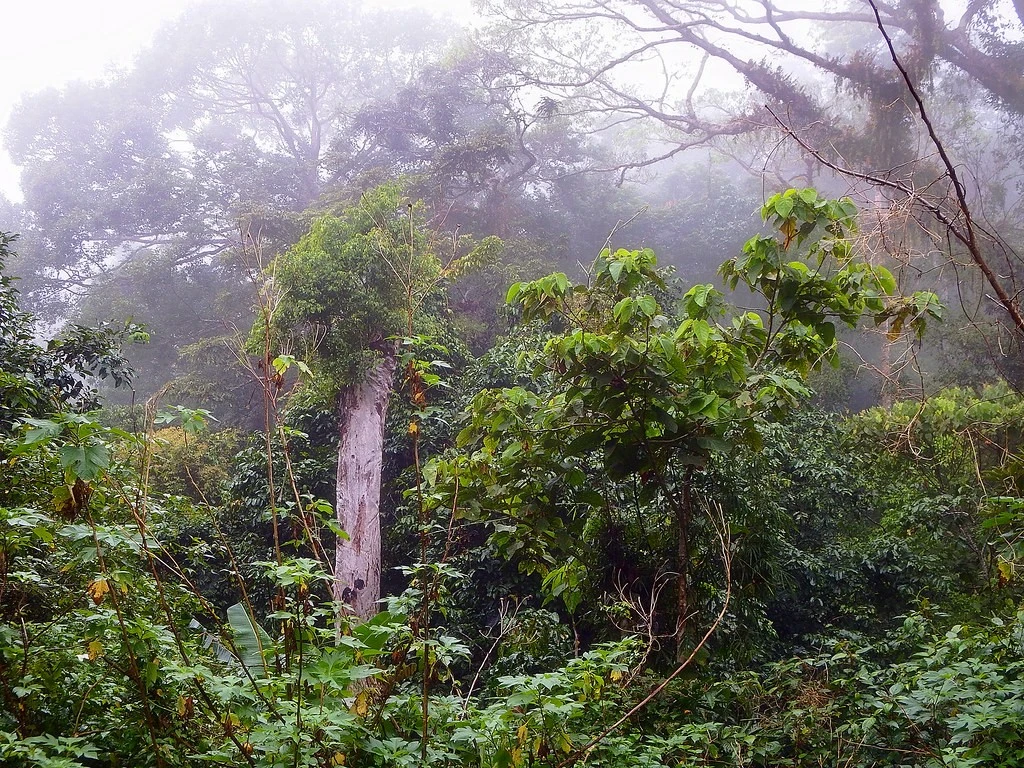
Nature of the Philippines
Tikbalang is usually associated with dark and sparsely populated areas covered in bushes and trees. Their habitat is often near or under bridges, in bamboo thickets or banana groves. Tikbalangs are believed to have the ability to transform into humans or become invisible, which helps them lead travelers astray. However, there is also a legend that claims that these animals can be tamed.
The tikbalang's mane is sharp and consists of thorns. There are three especially important, key ones - sharp and thick. If a person can take possession of one of these spikes, they can use it as an artifact to control the tikbalang.
To get these spikes, a person had to jump on a tikbalang and hold on until the beast got tired. Legend also claims that if you look at the tikbalang's mane, you can see three golden hairs. If you tear them out, they will serve you until death.
An attempt at a rational explanation 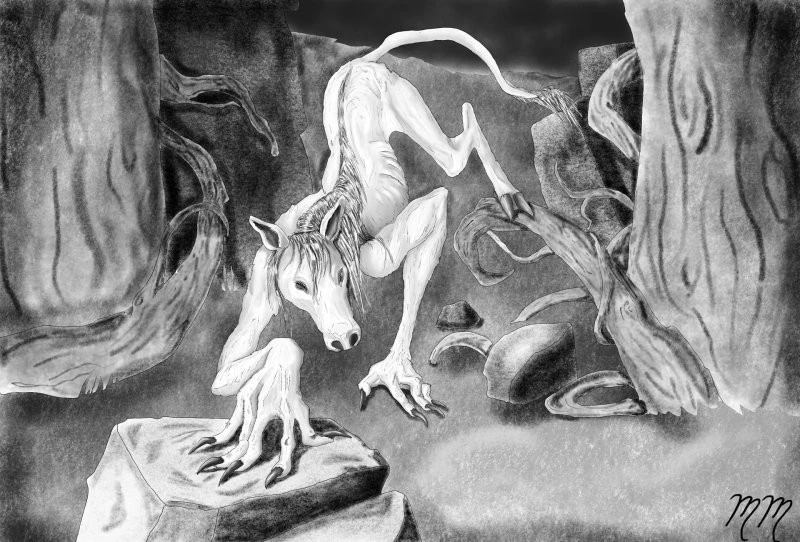
There is a version (and it looks the most plausible) that legends about tikbalangs appeared in those days when people found skeletons of strange creatures in the ground. They belonged to an extinct ancestor of horses called Hyracotherium. 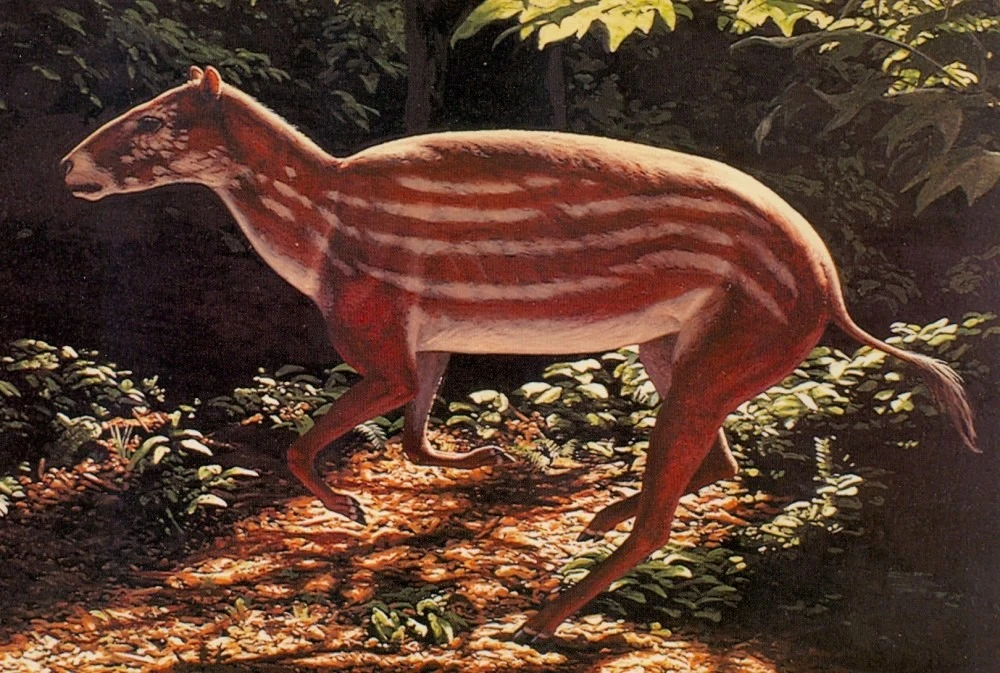
Hyracotherium eohippus - ancestor of the horse
Externally, the skeleton was significantly different from the remains of horses and did not correspond to any of the known species. Accordingly, someone brightly came up with the idea of composing a fairy tale about half-humans, half-horses. That's how it all turned out.
Hyracotherium lived about 50 million years ago. Instead of hooves, they still had long fingers, which had just begun their long path of evolution, during which they transformed into familiar hooves. 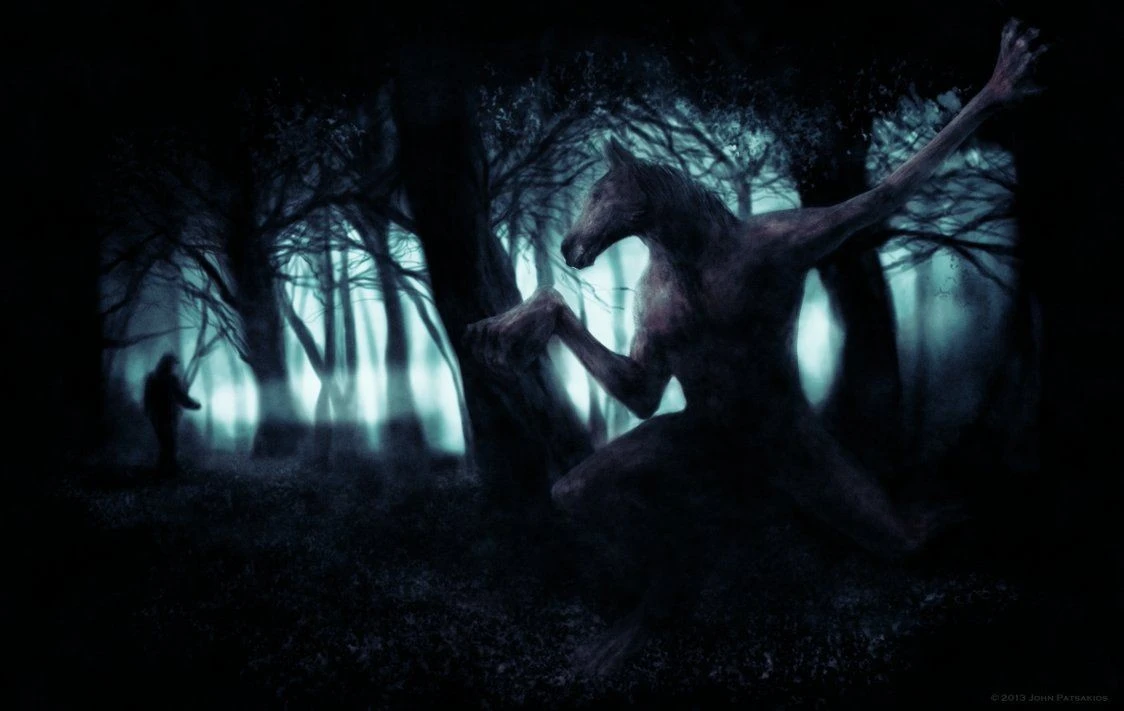
Tikbalang is still present in folk culture today, and many villagers still sincerely believe in this strange creature. Since some areas of the Philippines remain unexplored and uninhabited, who can insist that there is no tikbalang protecting the forests from human encroachment?
0 comments