Fish have several good reasons for migrating. This is feeding, wintering and the desire to reproduce. 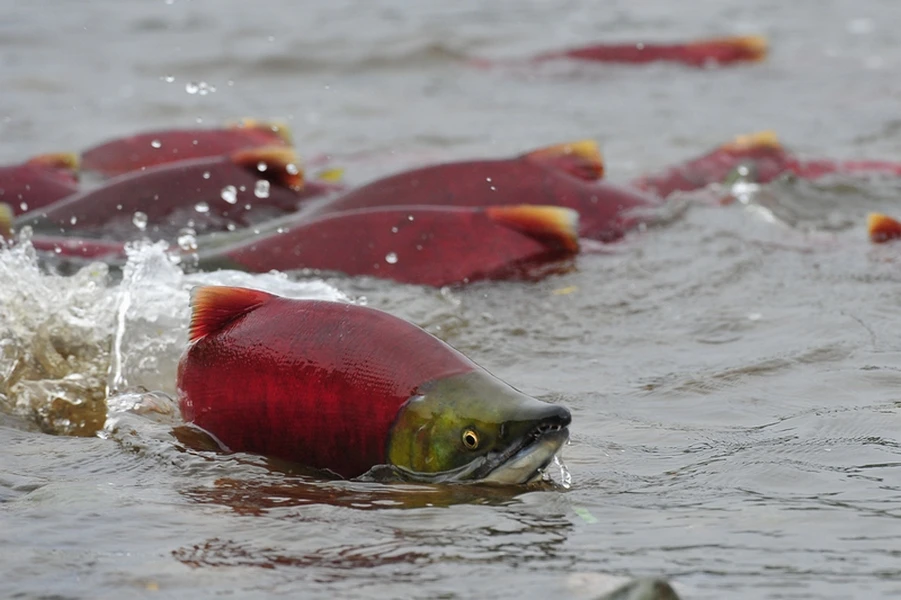
In the first case, scaly creatures tend to move to areas with an abundance of food. In the second, on the contrary, they swim away to places where there is little food, few enemies, and in general they can lie on the bottom and spend a minimum of energy. Well, in the latter case, the fish choose regions where their babies can feed themselves and protect their fins from attacks.
Most migrating fish swim from rivers to seas or vice versa. Such fish are called migratory. They are either incredibly desperate creatures, willing to go against the tide for weeks, rising higher and higher into the rivers, or sloths who simply give in to the currents and slide into the ocean, enjoying the rest and scenery in the process. Typical representatives of hard workers are salmon, and typical representatives of lazy people are eels. 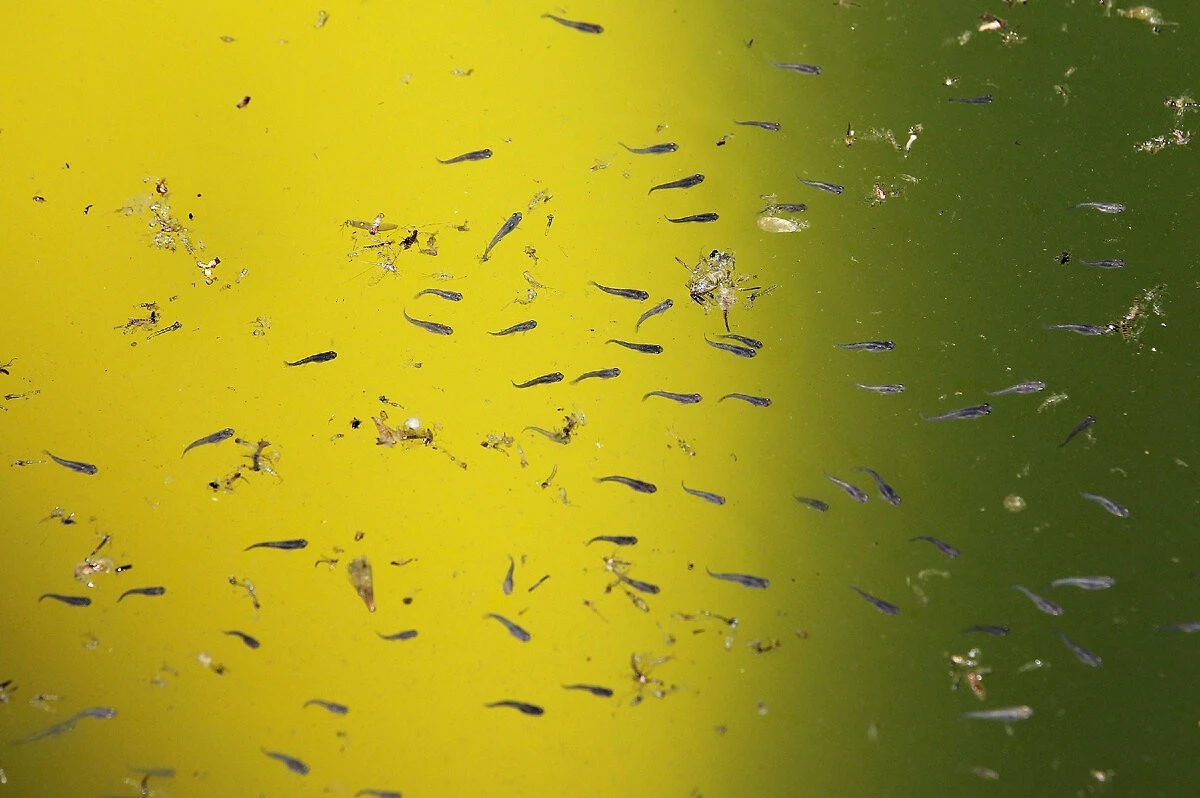
But this is not the only migration option. Fish also migrate in the oceans. They can do this not only from north to south, but also from depth to surface. This is called vertical migration and is common in open waters. 
Most often, vertical migration of fish occurs due to the vertical migration of plankton, which gets closer to the surface with the onset of darkness.
But none of the migration methods would be possible without finely tuned tools. Hidden inside every normally functioning fish is a biological clock that marks the approximate time of the start of migration. When it comes, animals begin to eat and sleep less, but move more. 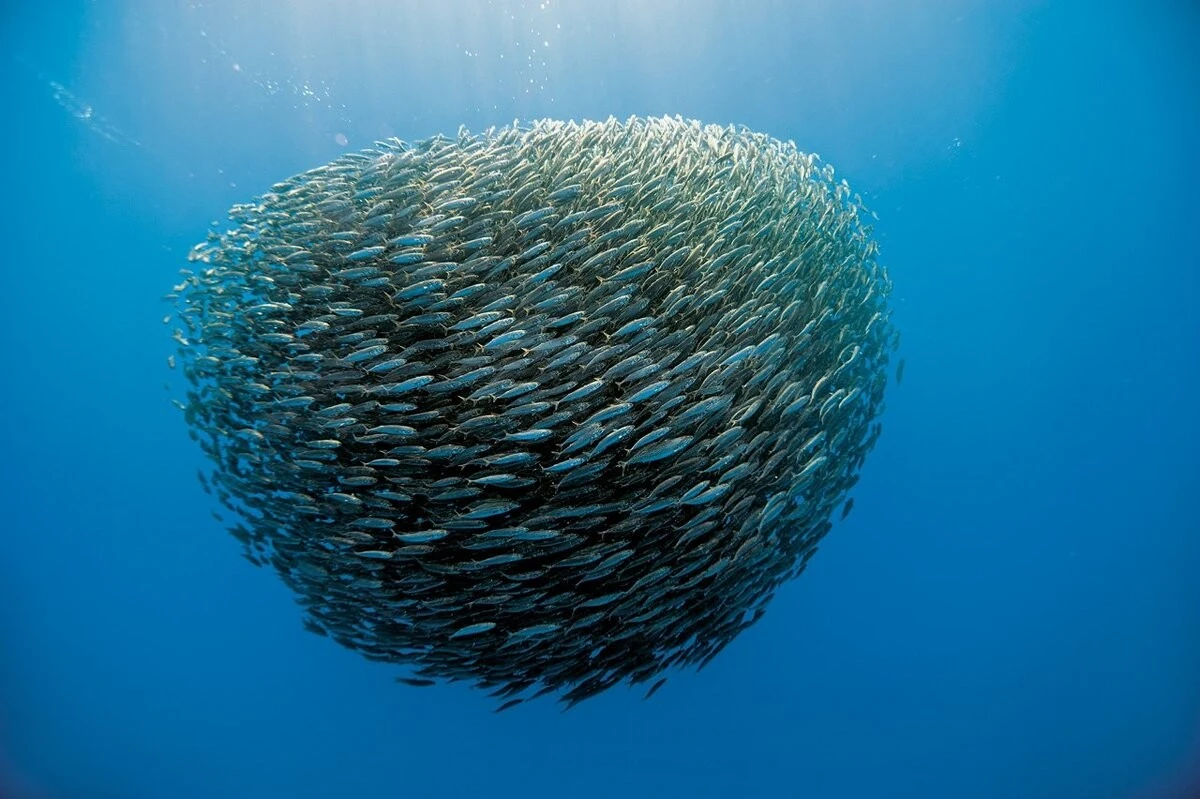
When a fish does go swimming, it is guided primarily by currents and sense of smell. With the first, everything is clear: if a fish moves into lakes or seas, then it needs to go with the flow. And if it rises to the upper reaches, then it’s against it. But the sense of smell is more interesting. The aquatic environment is much better suited for the spread of odors than the air. In rivers they can spread over tens of kilometers, because the smell has nowhere to escape. If the fish remembers the correct scent, it will always reach the end point of migration. 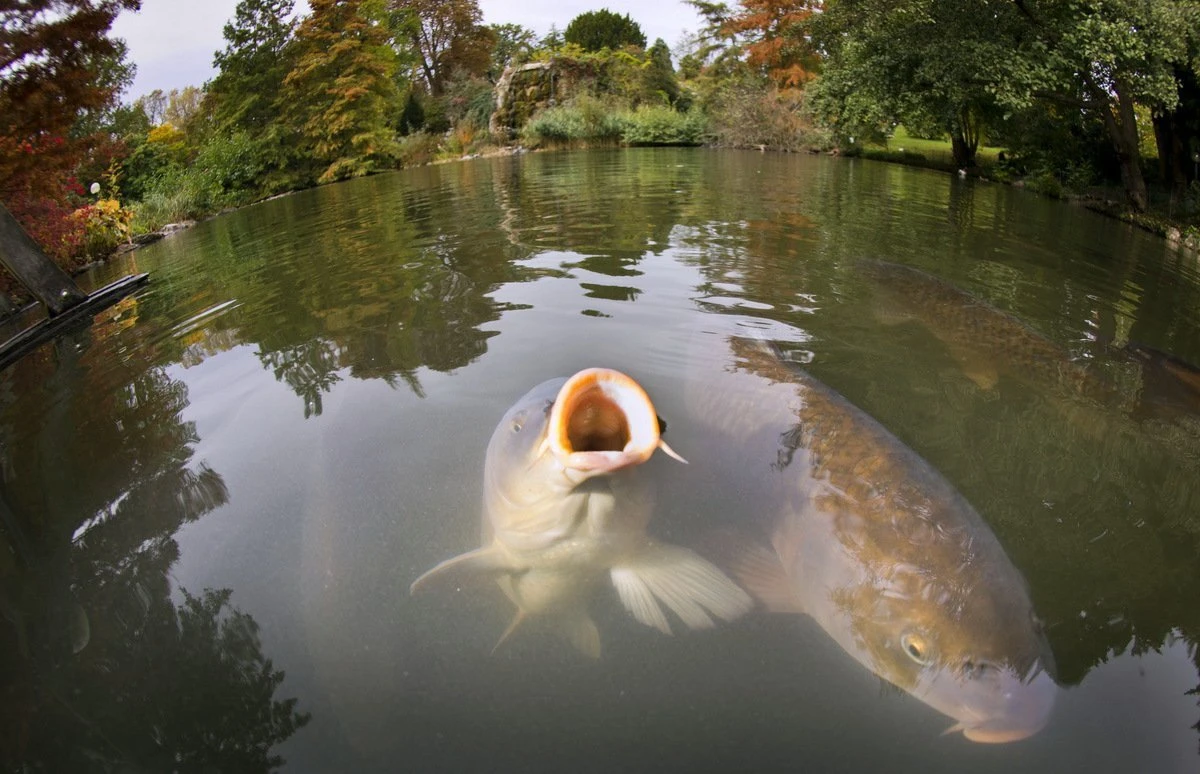
But this is in rivers, and in the middle of the ocean many currents are fickle, and smells quickly dissolve in the abundance of water. When navigating the sea, fish love to rely on land. The bottom and shore topography are excellent landmarks that make it easy to get to rivers or coastal regions. Well, if you have to go on a journey directly across the ocean, then the Sun and magnetic fields come to the aid of the fish. In this they are practically no different from birds. 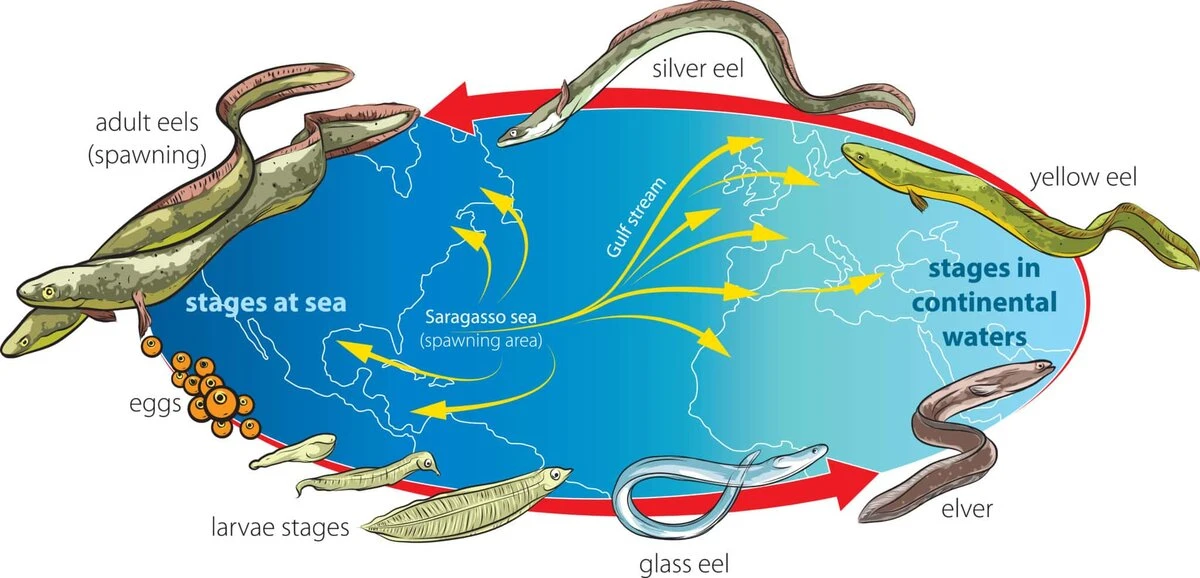
Migration map of European and American eels in the Sargasso Sea. If European eels get there on their own, the larvae are carried back by the Gulf Stream.
Thanks to all the high-tech filling, fish are able to migrate over vast distances. Amazonian catfish travel 11 thousand kilometers every year, and European eels swim all the way to the Sargasso Sea, located off the coast of North America. 8 thousand kilometers, by the way!
0 comments