What a bigot you are: 5 annoying misconceptions about seals (6 photos)
Few other inhabitants of the seas have as many myths as about these amazing creatures. 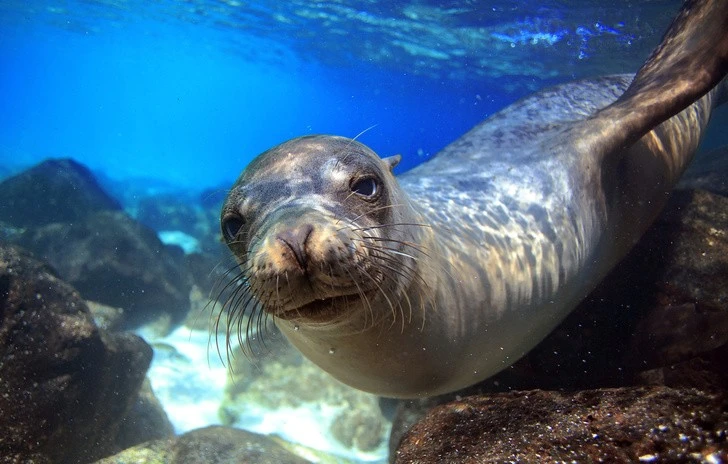
Found in seas and oceans around the world, these mammals primarily prefer cold waters. Laura Beloivan, director of the rehabilitation center for marine mammals “Seal” (Primorye), talks about the peculiarities of their anatomy, nutrition and habits.
Misconception #1. Seals and seals are different animals 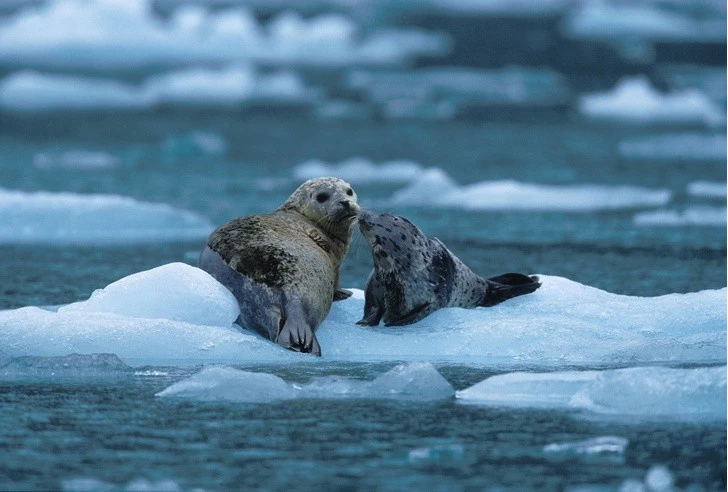
Larga - motley seal, also known as spotted seal
The word “nerpa” is part of the synonymous name for many species of true seals. For example, the mottled seal is a spotted seal, or larga; ringed seal - the same as the ringed seal, or akiba; and the Ladoga seal is a stable phrase to designate a subspecies of the ringed seal that lives in Ladoga. Just like that, without a definition, the noun “nerpa” is not a term.
Misconception No. 2. All seals are clumsy hulks 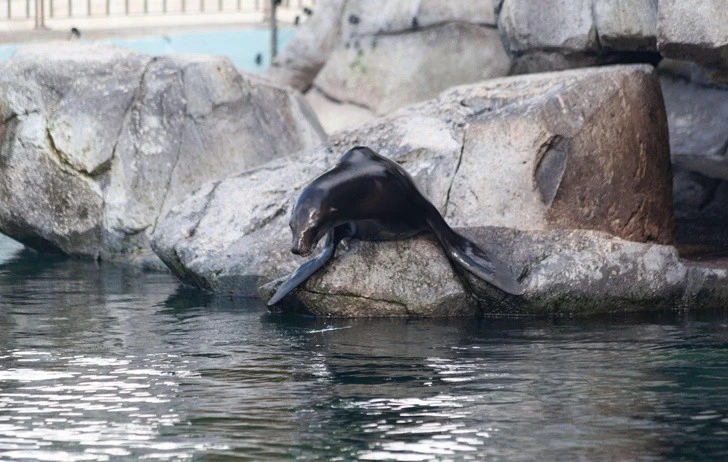
Common seal off the coast of Norway
No, the seal is strong and very fast. Of course, in the water he is much more dexterous, because it was for long swims and deep dives that his mother gave birth to him so streamlined: even his penis is hidden in a special inner pocket under the skin. But even on land, the seal is capable of showing miracles of dexterity: contraction of the longitudinal muscles invisible to the eye - and the animal that was just lying at the edge is already in the water, no one even had time to photograph it. If an adult seal does not run away from you into the water, this does not mean that it is lazy or awkward, but that, from its point of view, you are not so dangerous that it will stop lying quietly because of you.
Misconception #3. They may leave humanity without fish because they eat too much of it. 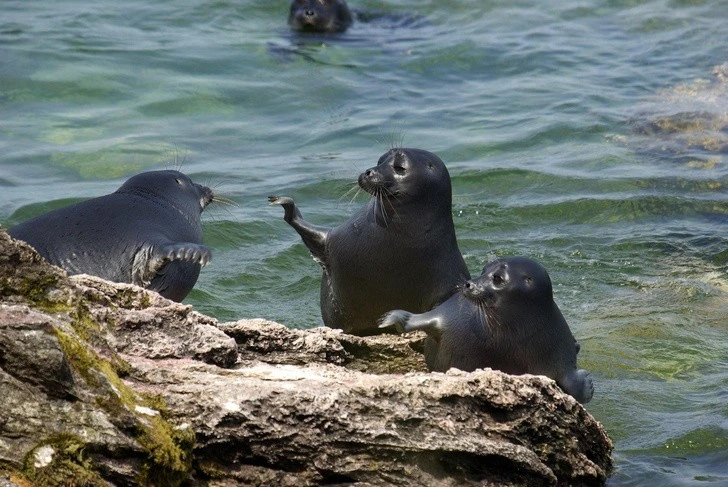
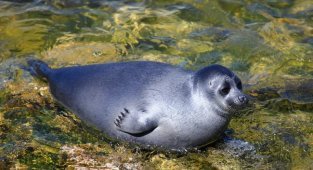
Baikal seals are figuring out who will bask on these warm stones
All pinnipeds taken together are not capable of causing as much damage to fisheries resources as a small fleet of trawlers operating for just one season in a limited fishing zone. And the Baikal seal (aka the Baikal seal) is completely slandered: as it turned out, this endemic prefers to feed not on the valuable omul, but on the non-commercial deep-sea fish golomyanka, which does not rise to the surface of the water closer than 100 meters.
Misconception #4. Seals don't have a tail 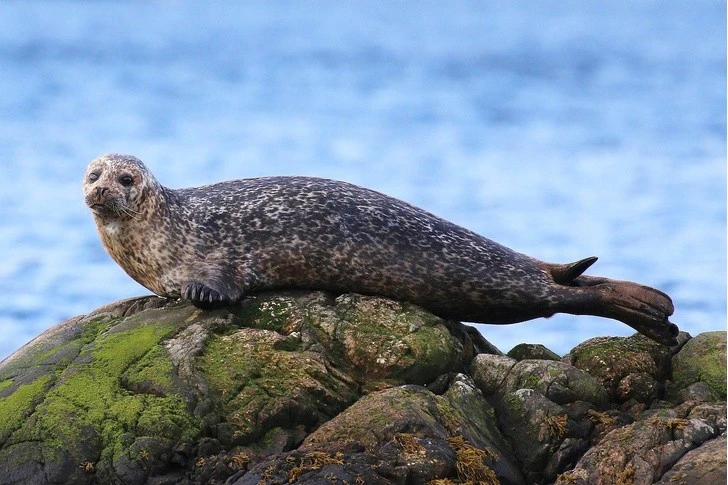
And here is the seal's tail! This harbor seal was photographed in the west of Scotland
It seems that no one at all knows about the seal’s tail except biologists who specialize in marine mammals. Meanwhile, the seal has a tail, it is very cute and very useful: the animal uses it in the water as an additional means of vertical taxiing.
Misconception #5. On land, a seal can die from drying out 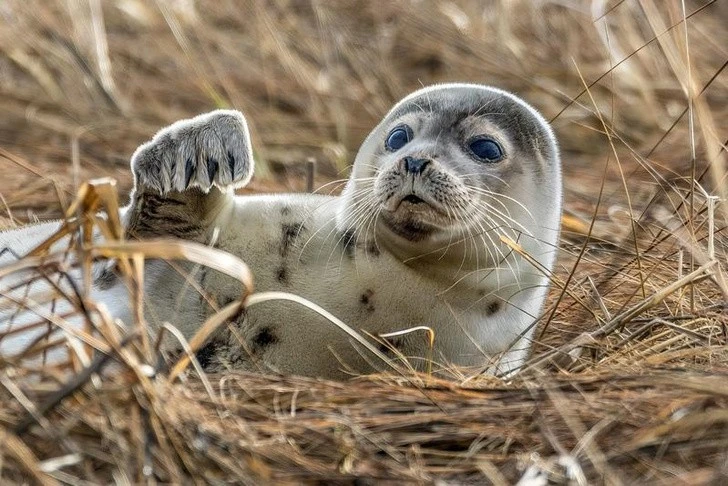
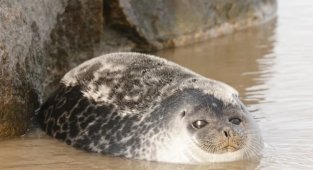
Caspian seal (Caspian seal) resting on the shore
Most people don't know that the seal lies on the shore not because it feels bad, but because it feels good. A seal on land is a seal on vacation, relaxed and calm. An exceptional case is the breeding season, when there is concentrated, busy mating, showdowns, feeding of the cubs, bustle and sleep with half an eye. Probably, after a month and a half of such an intense “vacation”, you really want to go further from the coast, at least two hundred miles.