There are animals in the world with blue, green, purple and even colorless blood! Today you will find out which creatures have it. 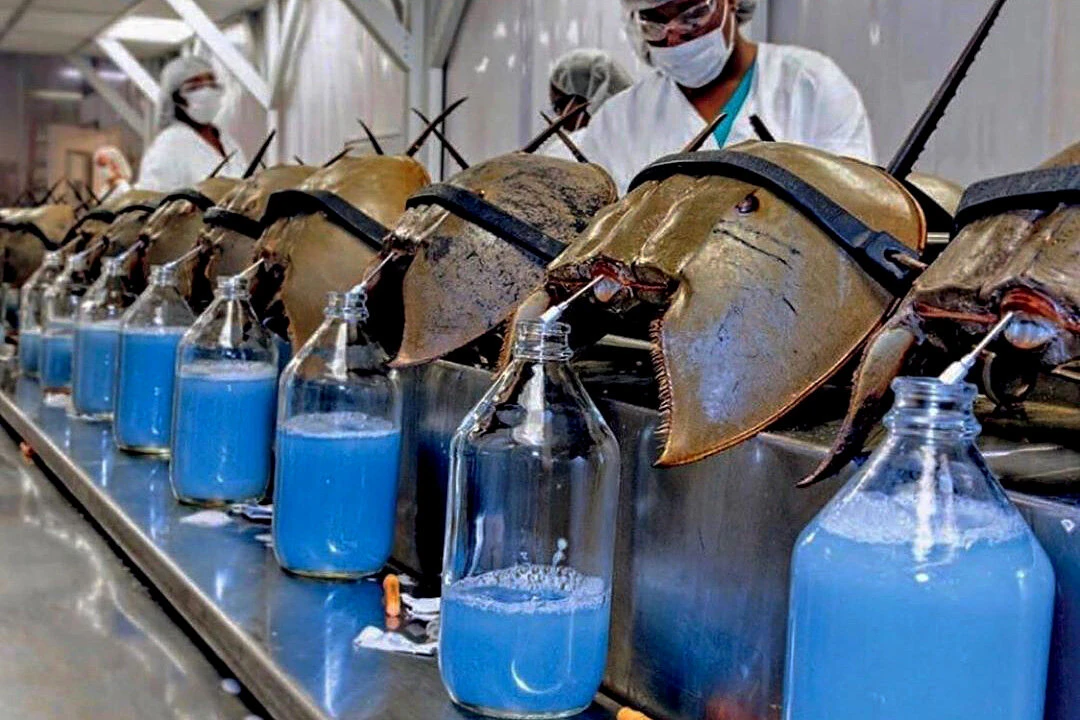
And these are horseshoe crabs. Their blue blood is highly prized. But not because of the color, but because of the useful components that are used in medicine.
To understand why blood can have different shades, you must first find out: why does blood have to be any color at all? And why is it red here? The thing is that blood is not just a homogeneous substance or colored water, it is a complex liquid mobile connective tissue. It consists of a yellowish-transparent liquid part and formed elements - the same red blood cells, leukocytes and platelets from biology lessons.
Red blood cells are responsible for the familiar red color of blood. There are more of them in the blood than all other elements, since red blood cells perform a huge amount of complex work: they deliver atmospheric oxygen to all organs and tissues of the body and remove carbon dioxide from it. They help us breathe, to put it simply. But why red? It's all about hemoglobin. It contains iron atoms. They give us the color red! When exposed to oxygen, iron oxidizes and turns our internal fluids purple. 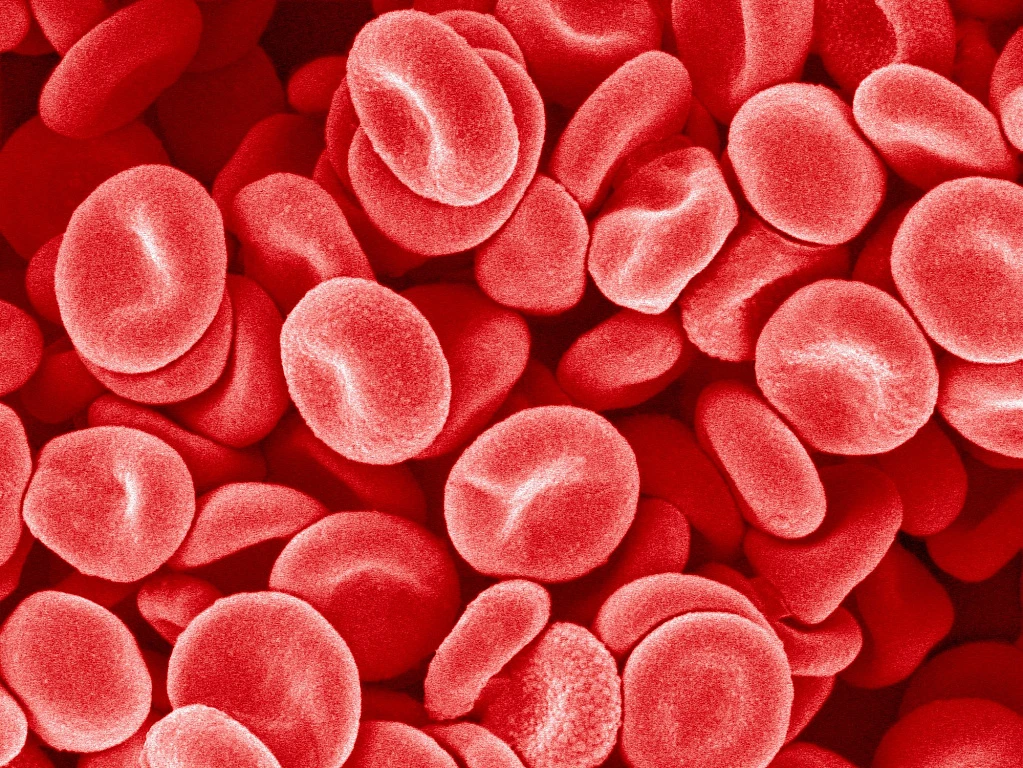
Now let's talk about why blood can be a different color. For example, blue blood can be found in octopuses, some crayfish, spiders and mollusks. It is colored blue by hemocyanin, an analogue of hemoglobin with two differences. First, instead of iron it contains copper, which, in turn, becomes blue or bluish under the influence of O². Secondly, it is not part of red blood cells, but simply floats in the blood, or more correctly hemolymph, which is the name of the liquid in the vessels of many invertebrates. 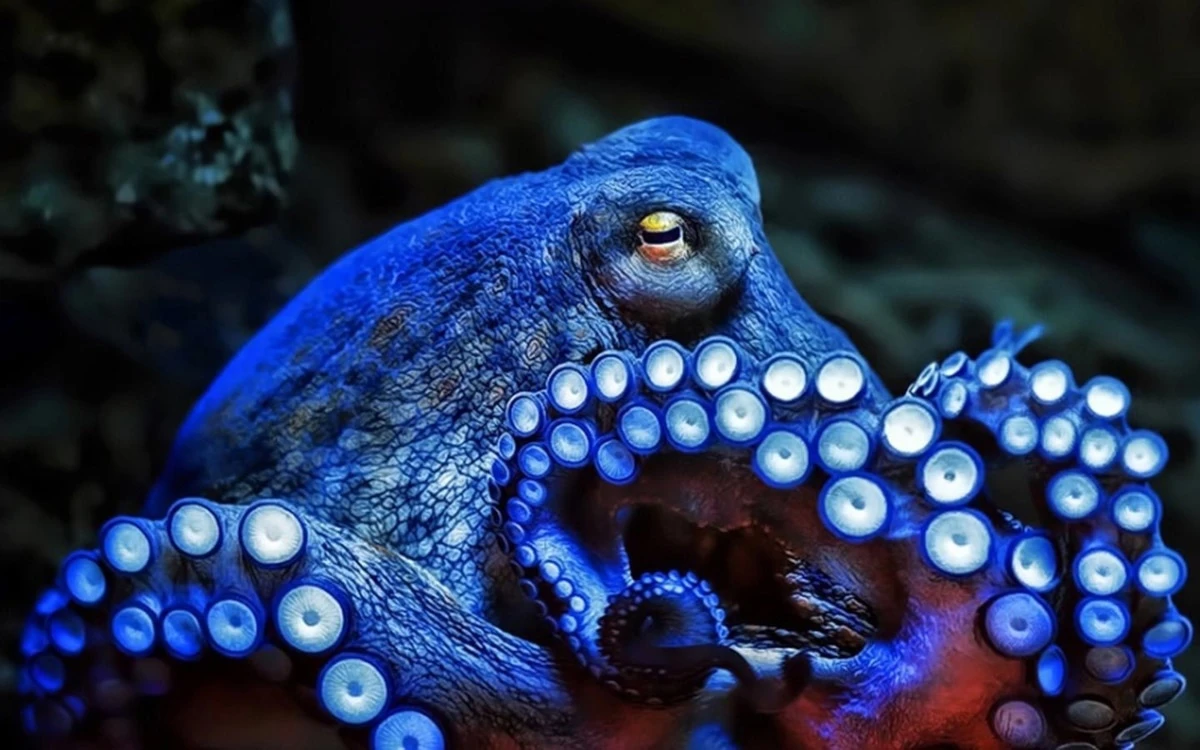
But crocodile icefish have clear blood! This is because they have no red blood cells, no hemoglobin, no hemocyanin - nothing! Oxygen is absorbed into the fish’s body directly from the water. Fortunately, in the northern waters where these creatures live, the concentration of O² in the water is much higher, so ice fish do not experience oxygen starvation. 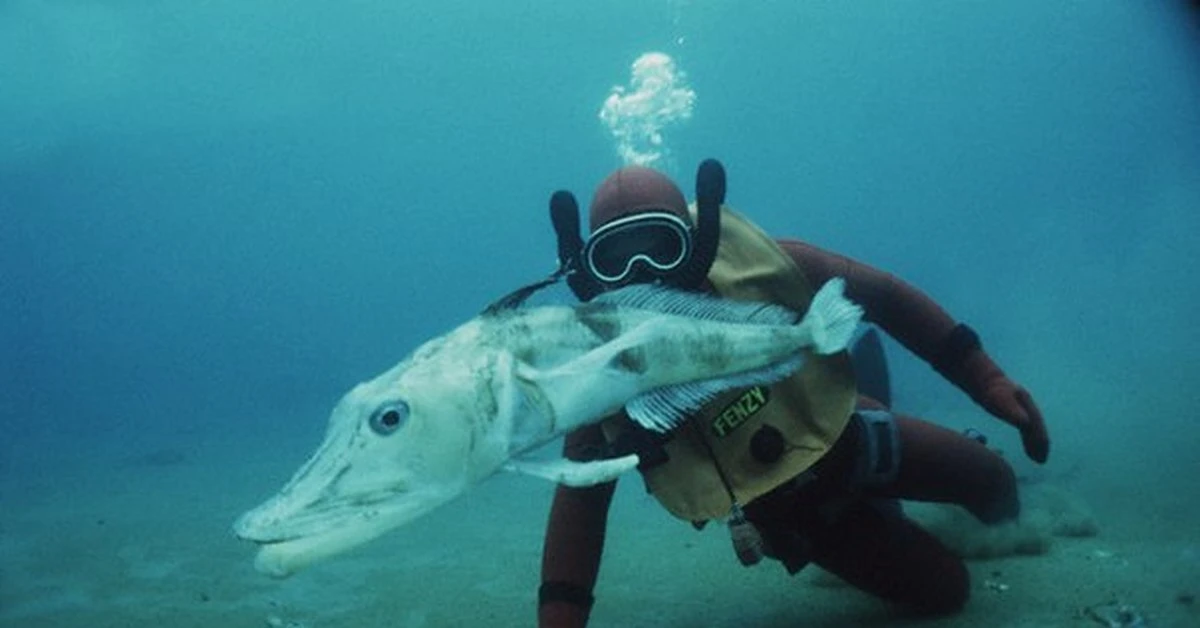
Due to the fact that the internal fluids of the fish have no color, the animal appears almost completely transparent!
The purple and pink color of blood comes from the protein hemerythrin. By analogy with hemoglobin and hemocyanin, it can interact with oxygen. And just like hemoglobin, it contains iron. However, the composition of the hemerythrin molecule is such that when actively interacting with O², it reflects not red, but violet waves of the spectrum. And the blood, accordingly, looks purple. And when the protein gives oxygen to tissues and organs, it turns pink. These are the miracles of biology that occur inside brachiopods, annelids and some other organisms. 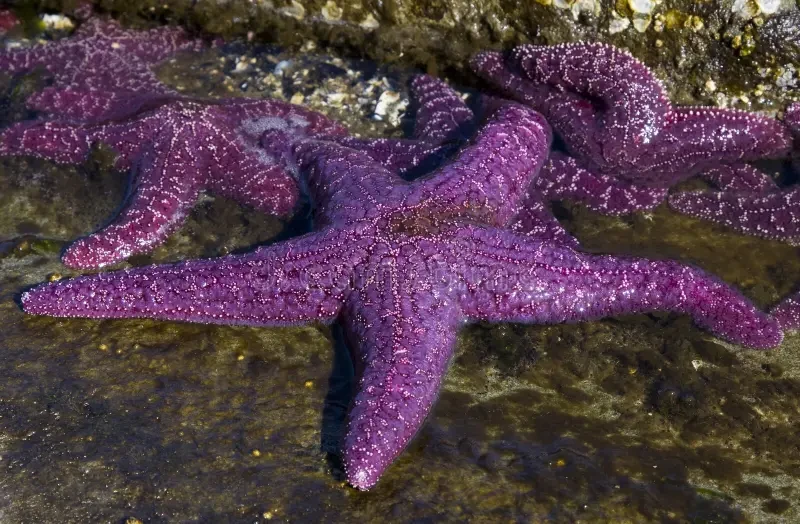
The most interesting thing is the green color of blood. It has nothing to do with breathing functions. It is caused by the bile pigment - biliverdin. Actually, this is not the safest compound, and usually organisms try to get rid of it as quickly as possible. However, green-blooded skinks decided to do something different and exceeded the lethal concentration of biliverdin in the blood by about 40 times! 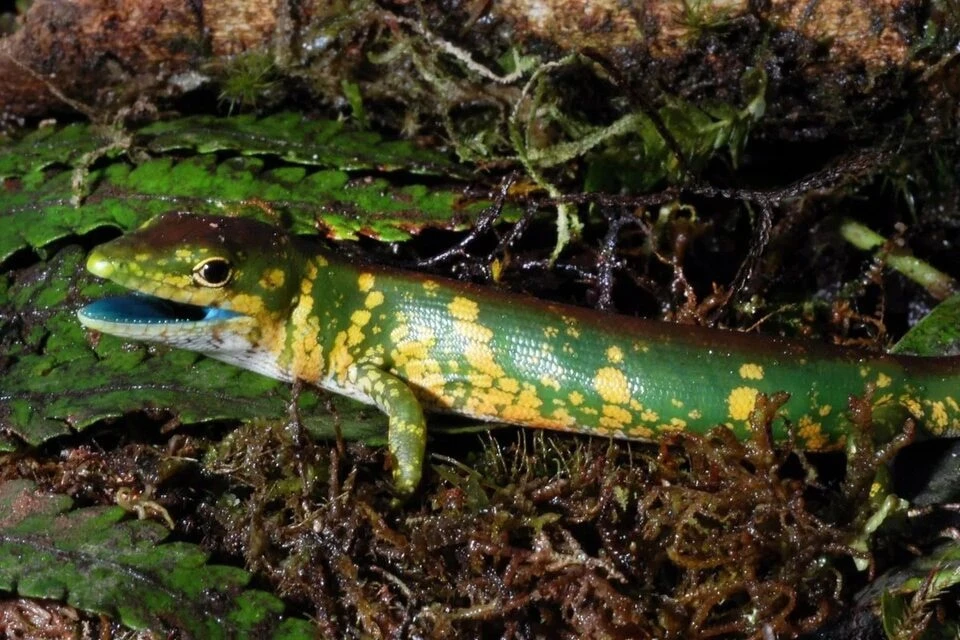
Take a closer look, his tongue is even green!
Because of this, the blood, muscles, internal organs, and even the lizards themselves turned green. Scientists suggest that this helps the reptiles protect themselves from predators and malaria. Their blood becomes toxic, causing the infection to simply die.
0 comments