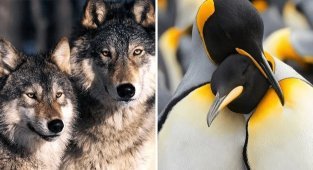
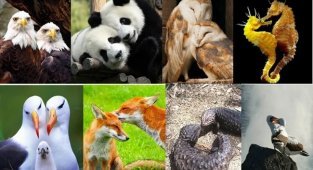
Birds are capable of “divorce” due to promiscuity or long separation (4 photos)
Romances on the side and long separations lead to separations not only among people, but also among birds. Approximately 90% of bird species choose one partner for several mating seasons. But it happens that even monogamous birds leave their first love and find new ones. Ornithologists call this behavior “divorce.” 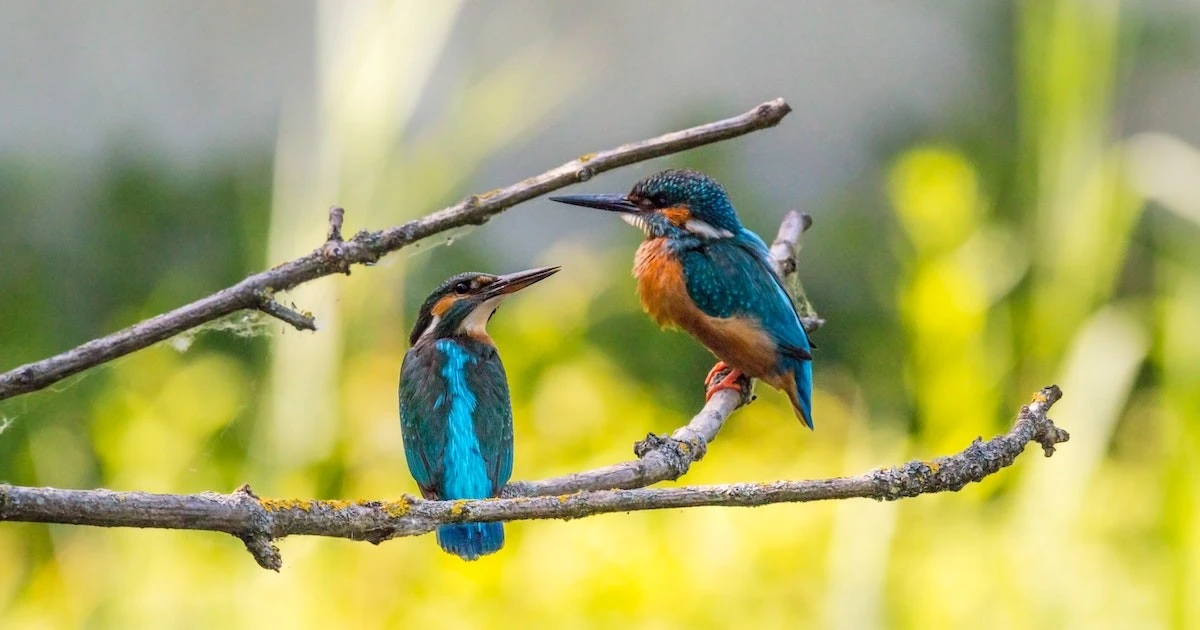
Researchers from Germany and China have identified two key reasons for this bird behavior: male promiscuity and long-distance migration. 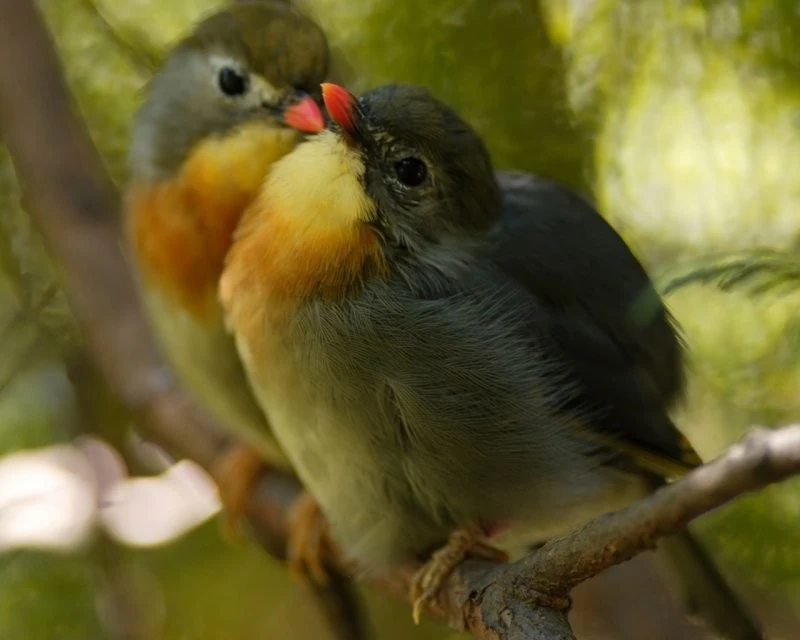
“For example, in plovers, swallows, martins, orioles and blackbirds, male separations and infidelity are much more common than in petrels, albatrosses, geese and swans,” the study authors write in the journal Proceedings of the Royal Society B.
"When a male is promiscuous, it is perceived as a breach of commitment because his attention and resources are divided among several females. He becomes less attractive as a mate and therefore more likely to 'divorce' in the next mating season," explains Dr. Zitan Song is from the Max Planck Institute for Animal Behavior, Germany. 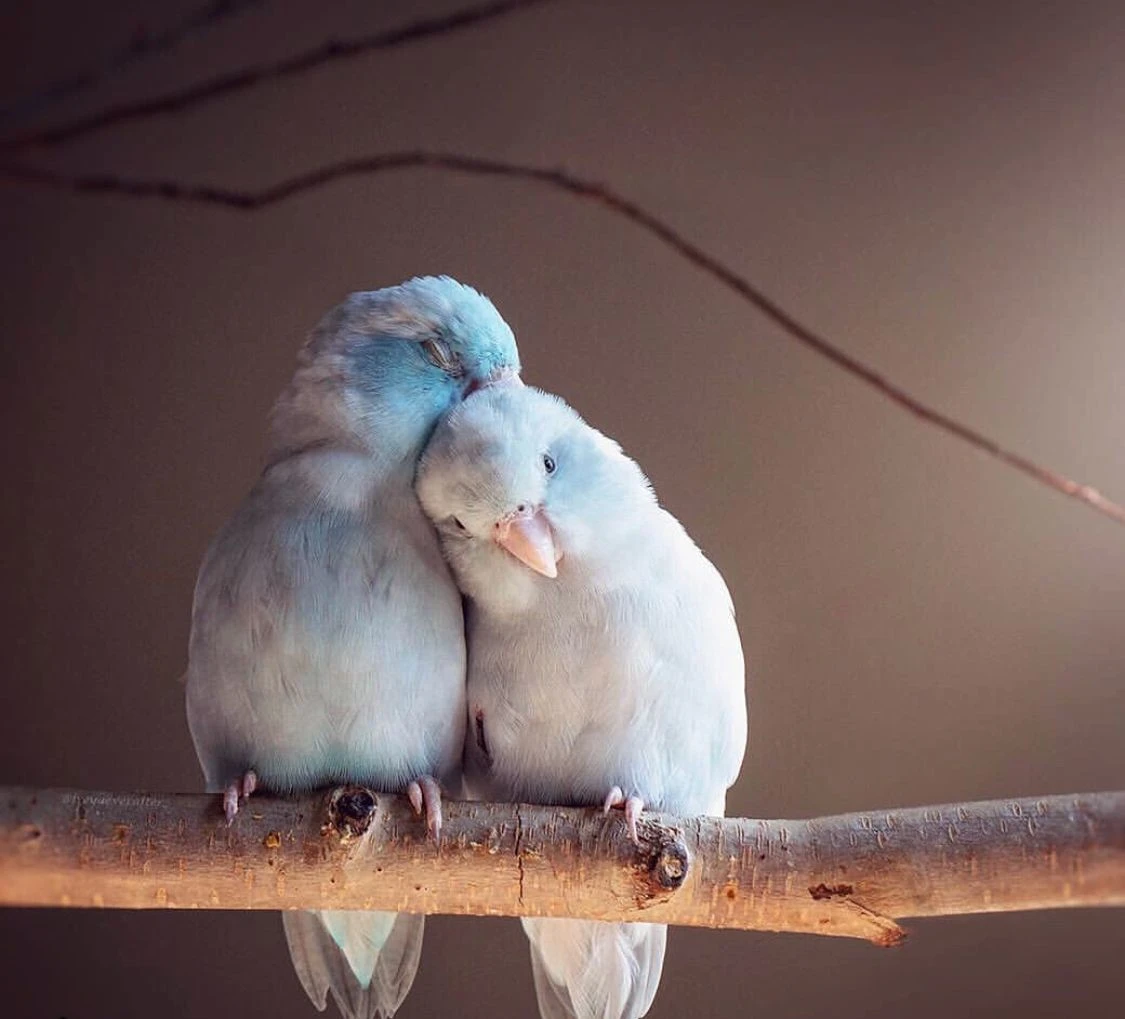
However, Song suggested that female polygamy does not lead to the same consequences, since uncertainty about the paternity of the offspring leads to increased male participation in parental care. 
Migration also has a negative impact. During flights, couples may arrive at their destination asynchronously, with the first arrival pairing with another partner, resulting in a “divorce.” The team noted that longer migrations shorten the period for reproduction.
Mortality rates and migration distances are associated with male promiscuity. The results obtained suggest that “divorce” may be not just a way of adaptation of an individual or a reaction to environmental factors, but also simultaneously influence both factors.