Why clouds are dangerous and how pilots avoid them (9 photos)
You are flying near the window, admiring the fluffy clouds like cotton wool... 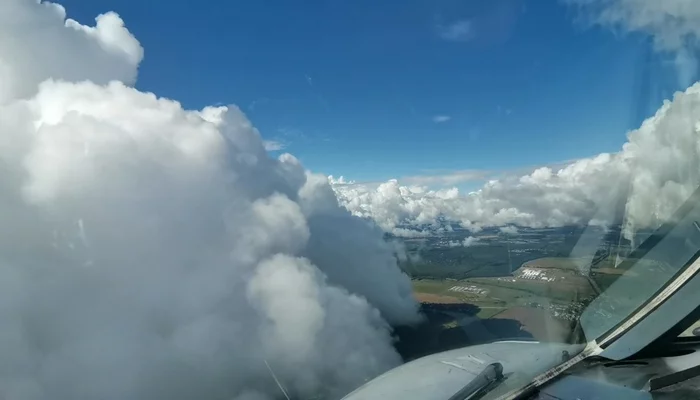
The pilots in the cockpit look at the same clouds, at the radar screen, again at the clouds, at each other: “Well, fuck it, let’s get out of harm’s way!”
We will talk about thunderclouds, their danger to aircraft and how pilots fly around thunderstorms. 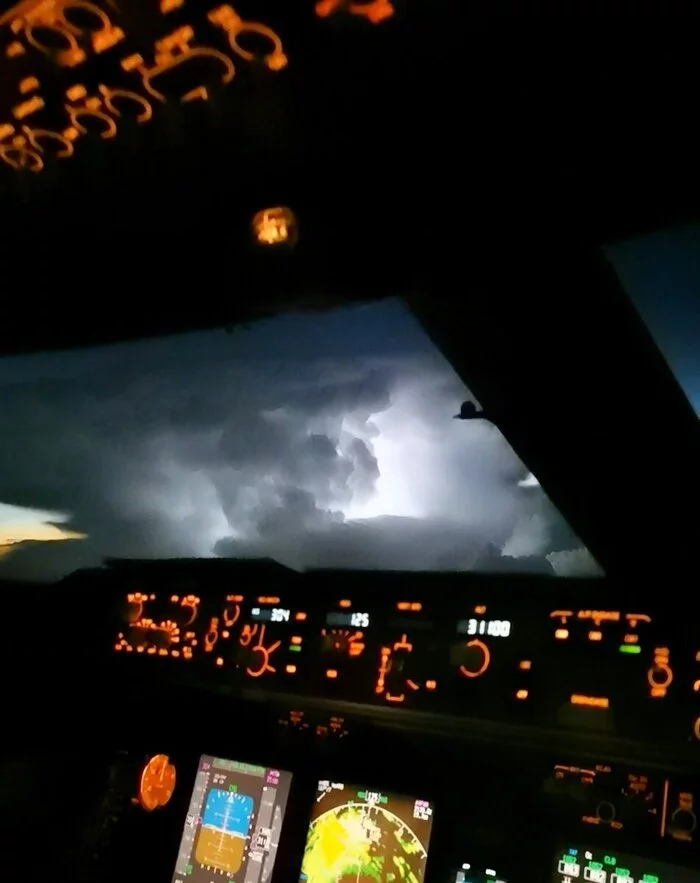
Cumulonimbus clouds
This is the most dangerous species for aviation
Volumetric clouds of powerful vertical development, look like a tower or mountain. The highest point can reach a height of 20 km.
Why cumulonimbus clouds can be dangerous
Severe turbulence
Passengers may be injured, and maximum overload values for the aircraft may be exceeded.
hail 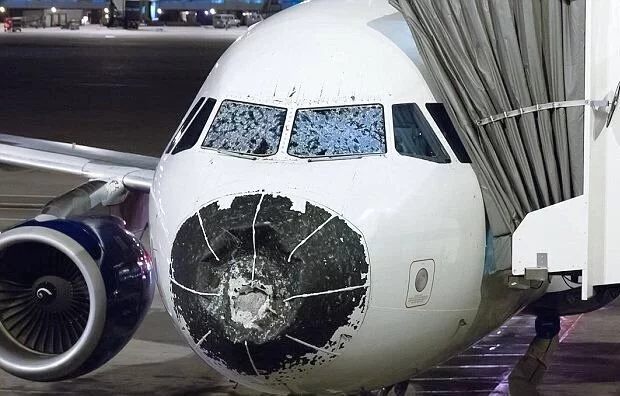
Hail damages cabin trim, windshields, and engines. There were cases of stopping all engines.
Icing 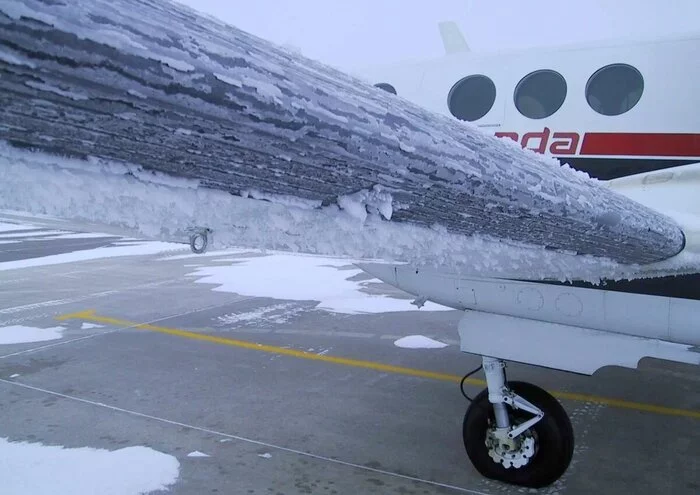
Ice builds up on the leading edge of the wing, stabilizer, and fin. Sharply reduces lift and creates drag. Reduces the critical angle of attack. That is, the plane can enter a stall at a higher speed. Ice adheres to engine blades and then breaks off, which can cause engine failure or damage.
Powerful updraft 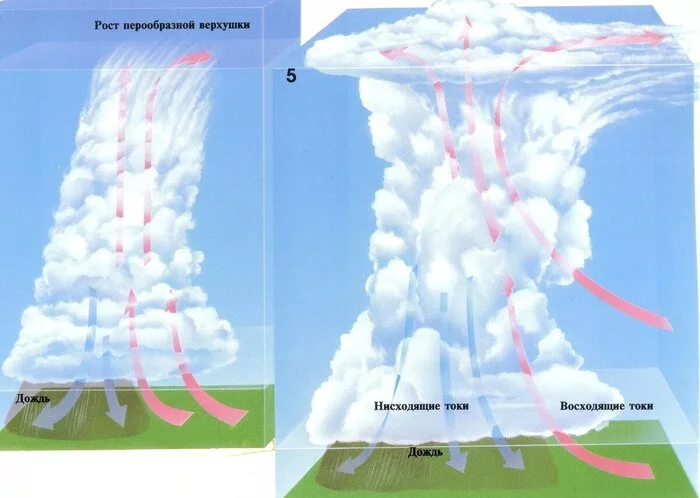
The plane can be thrown to an exorbitant height, the speed can drop below the minimum.
Lightning strike or electrification 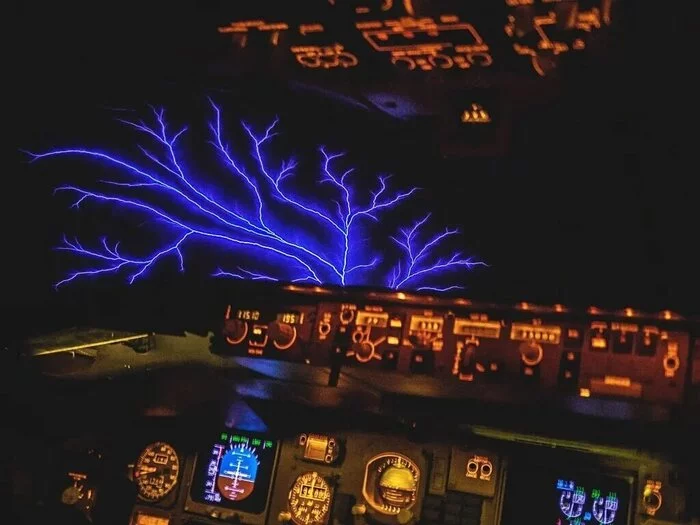
The equipment may fail. A lightning strike can cause engine failure. Interference in radio communication with the dispatcher.
How a pilot sees a thunderstorm
Let me explain that a thunderstorm can be hidden in clouds. And a fluffy-looking cloud can carry crazy energy.
Dangerous areas are shown on the display using a locator. 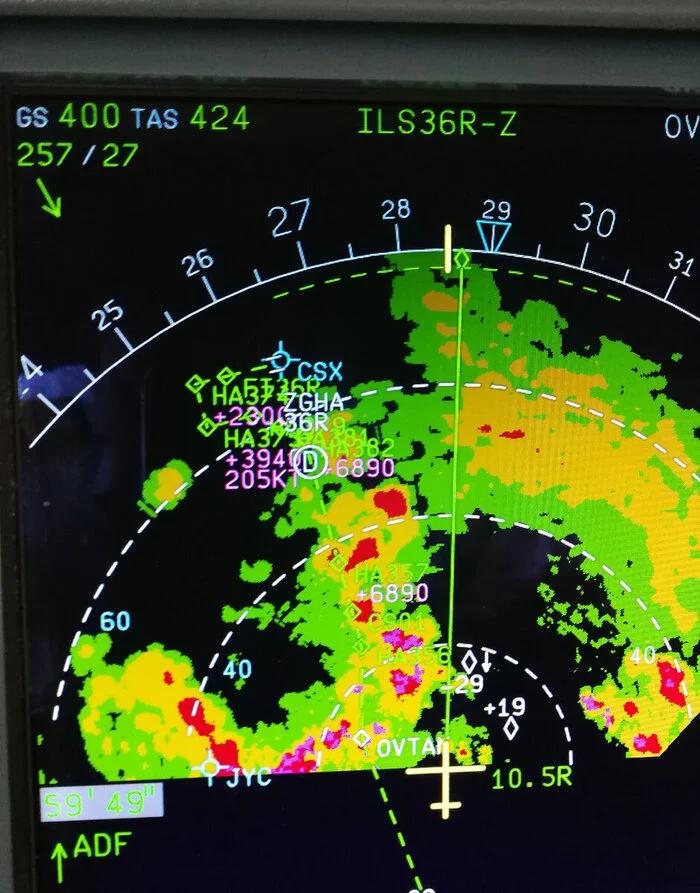
The locator works on the same principle as the traffic police radar.
The radio signal is sent in front of the aircraft, reflected by water droplets and returned back.
Red and purple zones are the most dangerous. It is not advisable to enter the yellow ones. Green...will do.
During the day, you can determine dangerous cloudiness visually by looking out the window.
The dispatcher can also warn about a thunderstorm on the route. 
Rules for avoiding thunderstorms
According to flight rules, a thunderstorm must be avoided at a distance of at least 15 km. It is possible to walk between the outbreaks with a distance of at least 50 km between them. At least 500m from the top of the clouds.
On August 22, 2006, the Tu-154 operated Anapa-Petersburg flights. 28 minutes after takeoff, the plane was caught in a thunderstorm. The captain decided to go around it from above, but the thunderstorm turned out to be higher than he expected. The updraft threw the plane 13 km, it lost speed and fell into a tailspin. The plane crashed near Donetsk. 170 people died. 
In practice, no one avoids thunderstorms at such distances. The operating manuals for foreign aircraft say “Pass at a safe distance.” What is a safe distance is decided by the crew. Sometimes figures are given, but they are more modest than the requirements of the Russian Federation.
In fact, this is what happens:
-Serega, how are we going to get around?
-Well...there's a breeze on the left, let's go around to the left for a couple of miles and it's fine.
-Go ahead, ask the dispatcher parallel to the highway on the left for 2 miles.
I'm not a fan of avoiding thunderstorms from above, even if there is a decent headroom above the clouds.
In 2011, when I flew as a co-pilot on Airbus, we flew from Novosibirsk to Sochi. Right in the middle of the route there was a menace at our height. We were already at the maximum flight level, but the captain decided to rise even higher and get around.
We started chatting, the speed was dancing. It was good enough to be smart enough to immediately descend and turn to the side. Everything worked out fine. But the fear of avoiding thunderstorms from above remained with me all my life.