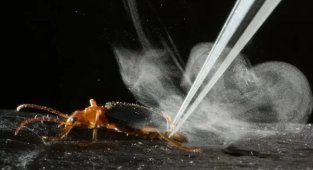
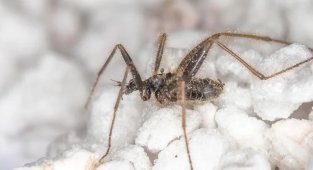
Pederus: This poisonous beetle could have been the cause of the Egyptian execution! After all, the toxin acts with a huge delay (8 photos)
Many vulnerable invertebrates, in the process of evolution, have learned to defend themselves by accumulating poison in the tissues of the body. In most cases, animals receive chemicals from food and simply skillfully store them in their bodies to be used further for their intended purpose. But the buggers did something more interesting! These cunning bugs made an agreement with bacteria, and single-celled organisms became their personal toxin dealers! 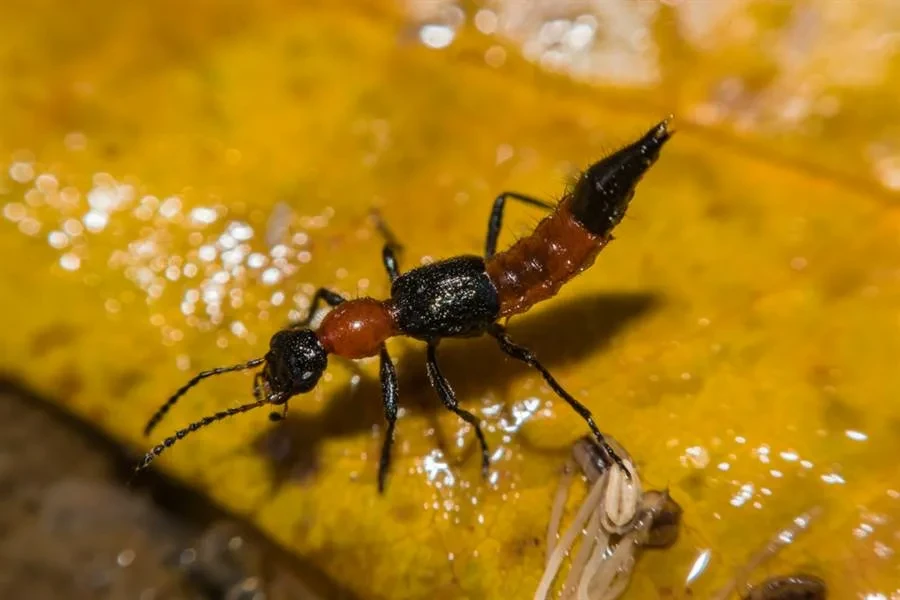
Pederus is a whole genus of insects. It includes more than 600 species of beetles that live all over the world and literally under every hummock. Depending on the species, bugs can be found in soil, droppings, on plants and flowers, in the nests of birds and insects, mammal burrows, in your home... In general, bugs are quite harmless and even useful - some of them process organic residues, others eat harmful insects. If not for one “but” - poison! 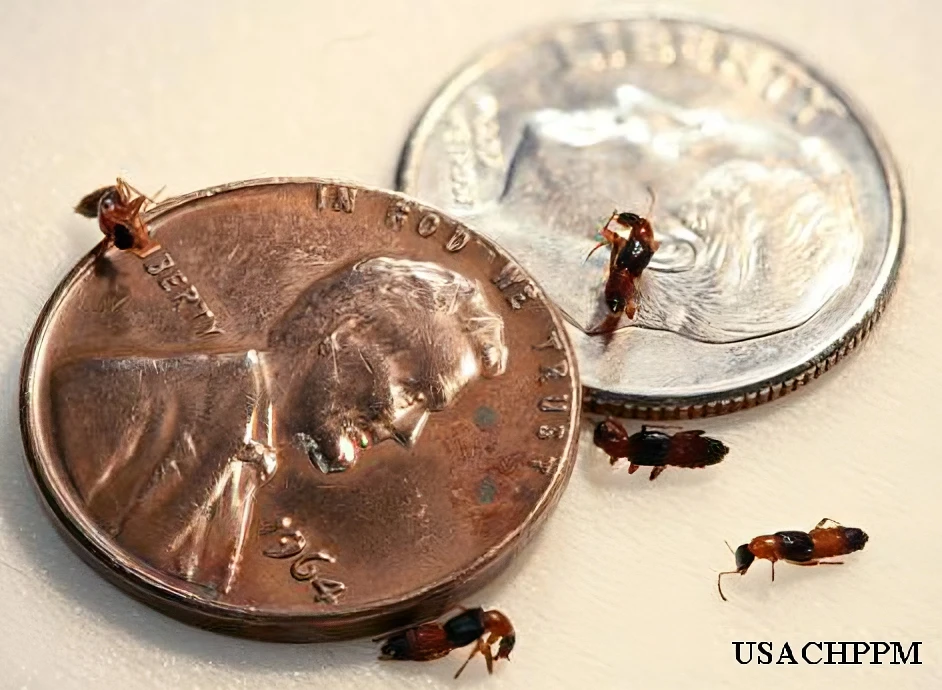
By themselves, pederuses are not capable of synthesizing toxins; this function in their body is performed by special bacteria. This strange symbiosis of insects and single-celled organisms occurred as a result of horizontal gene transfer. Its essence lies in the fact that one organism receives hereditary information not directly from its parents, but from a completely different creature, and sometimes from a completely different species. 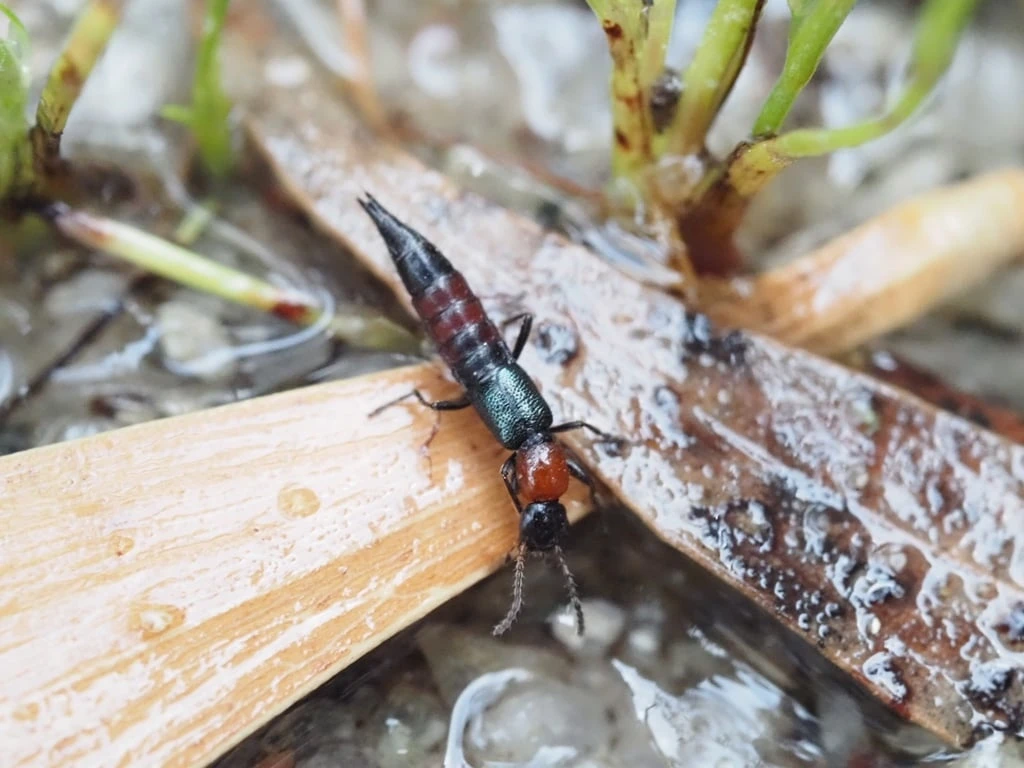
This happened this time too. Once upon a time, bacteria got into the distant ancestor of the pederuses. It’s an everyday matter: usually foreign microorganisms are destroyed and eliminated. But this time something went wrong: the bacterium not only remained in the body, but also borrowed part of the beetles' DNA. As a result, a mutation occurred, thanks to which single-celled organisms acquired a new ability - to produce the poison pederin. So they live in the body of pederuses, producing a toxin. 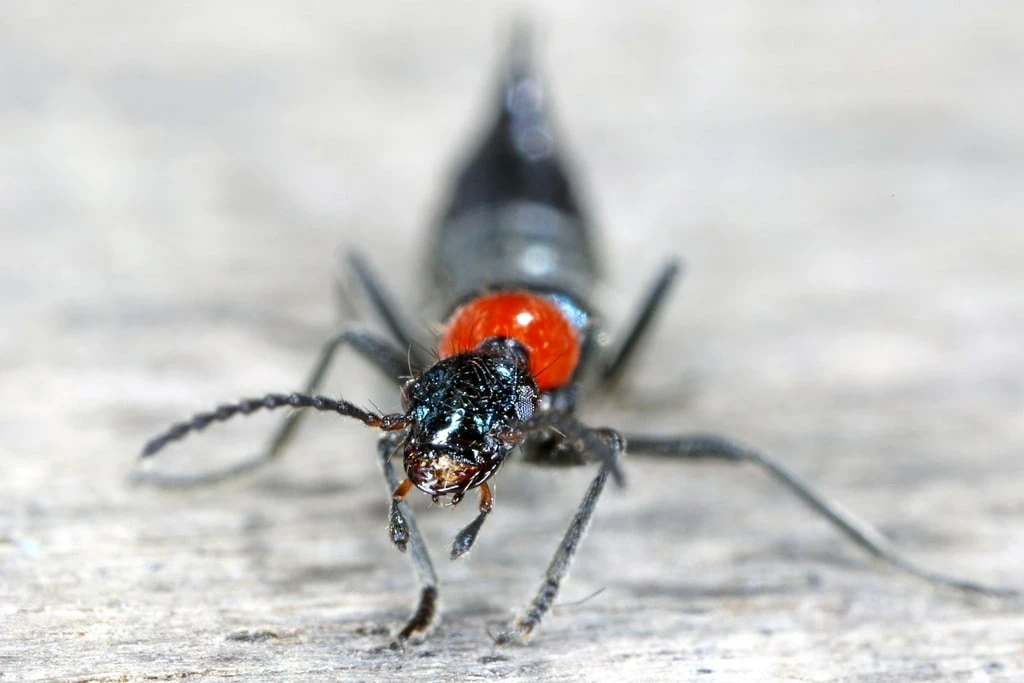
Who first initiated such mutually beneficial relationships - beetles or bacteria - remains a mystery. Actually, like the very personality of single-celled organisms. They have already merged so much with the organism of pederuses that scientists have not yet been able to grow a single colony of these bacteria outside the body of the beetles in order to study their individual qualities. 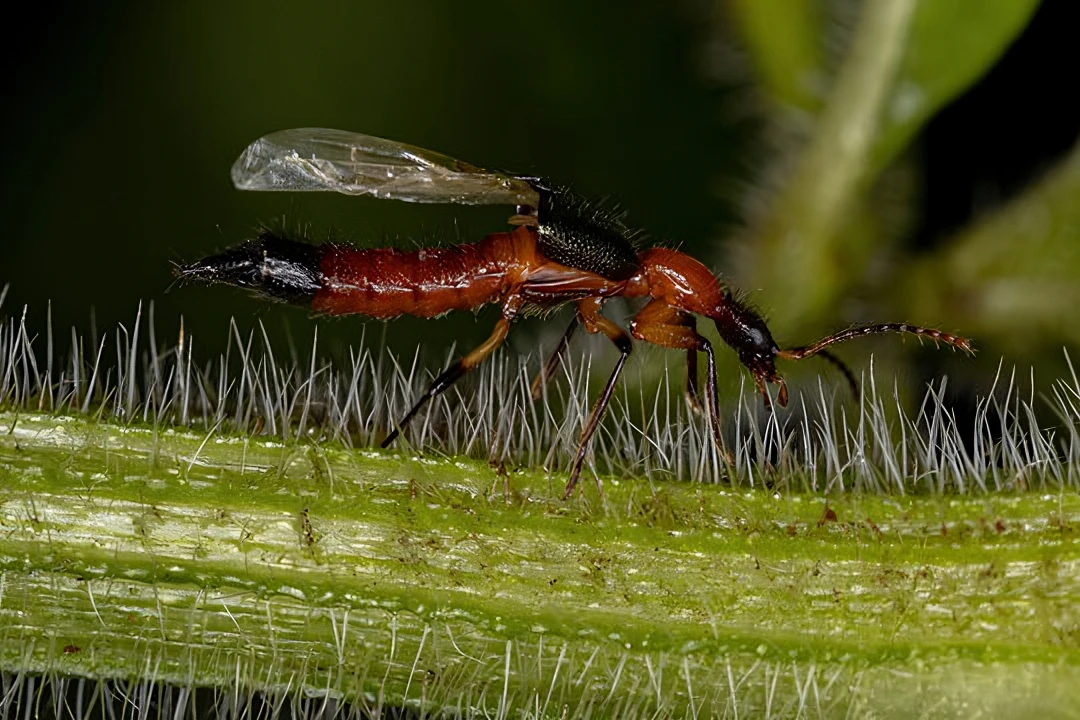
The substance goes directly into the beetles' hemolymph (analogous to our blood), but does not cause them any harm. But among predators, pederin once and for all discourages the desire to have breakfast with insects. The poisonous hemolymph of beetles easily seeps through the outer chitinous covers of insects: just touch it and it already hurts. 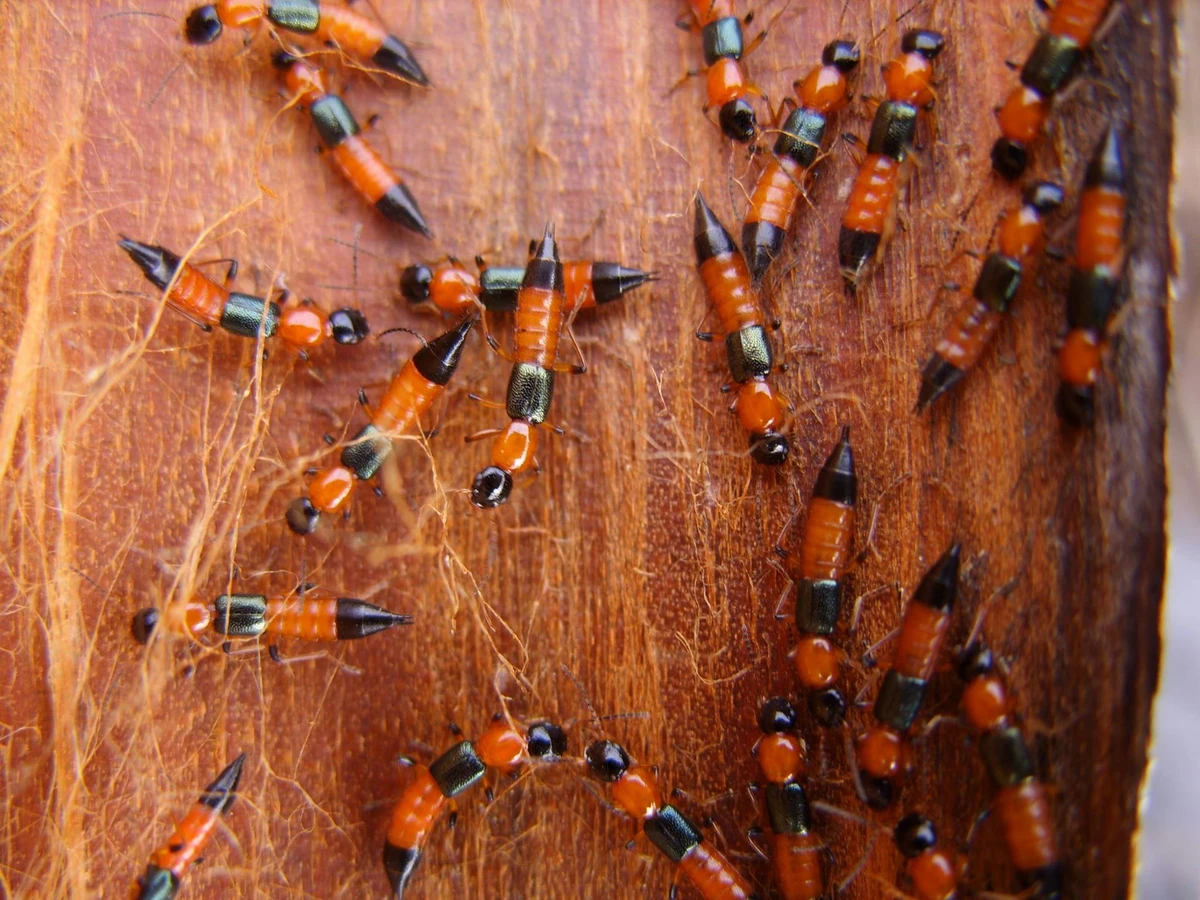
The venom of beetles affects people with a short delay, so until recently people did not associate the appearance of blisters with small beetles. But it’s enough just to awkwardly brush off or crush the pederus for the poison to get on the skin. 12-36 hours after the first contact with the poison, signs of pederus dermatitis appear: irritation, rash and blisters - not fatal, of course, but it heals in about 2 weeks.
Human carelessness has been associated with a number of cases around the world where outbreaks of an unknown epidemic turned out to be an overgrowth of the population of toxic insects. One day, an entire Aboriginal community in Australia had to be evacuated because almost all of the people were infected with pederus dermatitis. 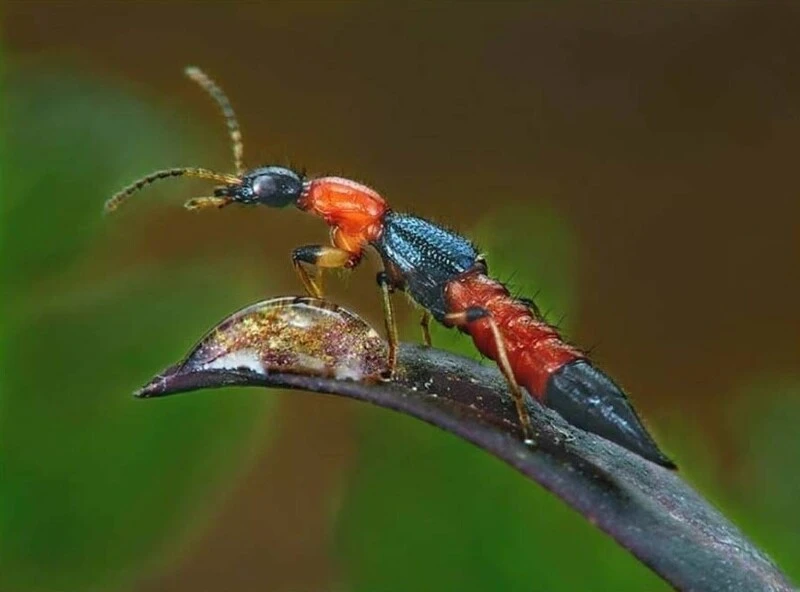
But the most famous case of a massive beetle attack was described in... the Bible! Like the sixth punishment of ulcers and boils. There is a hypothesis that previous “Egyptian executions”, such as the mass death of livestock, contributed to the appearance of a huge amount of carrion and the proliferation of various insects - the favorite prey of pederuses. This situation led to a sharp increase in the population of poisonous beetles, with which the Egyptians came into contact. 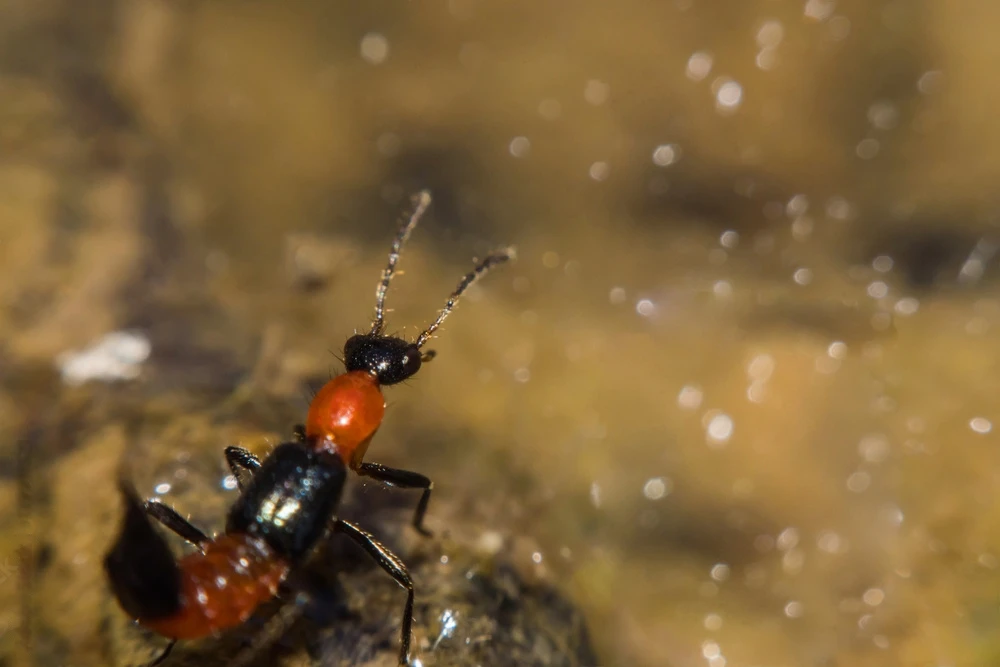
Today, after a detailed study of the insects, scientists made an unexpected statement. It turns out that some components of pederus venom can slow down the growth of cancerous tumors! Experiments on mice bring great hope: perhaps in the near future, poisonous bugs will not be an execution, but a salvation for millions!