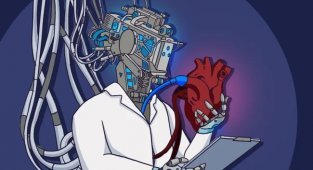
How artificial intelligence has changed in cinema (14 photos)
Artificial intelligence in filmmaking is no longer something futuristic and is having a significant impact on film production. 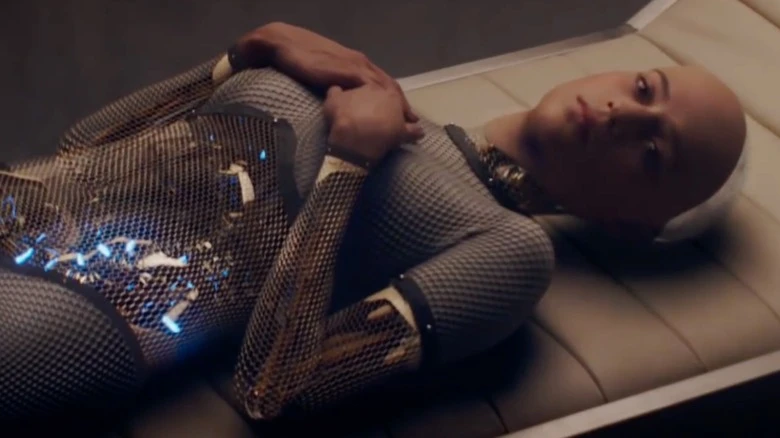
"Metropolis"
In 1927, director Fritz Lang created an impressively prescient portrayal of artificial intelligence in the film Metropolis. In this dystopian future, the wealthy upper class rule from skyscrapers over demoralized workers who live underground and maintain the machines that provide comfort to the rich. Freder, the son of the main owner of the city, finds himself underground among the workers, where he learns of the harsh living conditions and decides to leave his ivory tower, joining the masses below. His father orders one of his chief mechanics to remake the robot in the likeness of Maria, the woman Freder fell in love with. Using a robot in an attempt to maintain control of the situation leads to dire consequences when the artificial intelligence begins a rebellion among the workers. The film reaches its climax when Freder witnesses what he believes is the real Maria being burned at the stake, only to reveal the skeleton of a robot underneath the melting flesh. 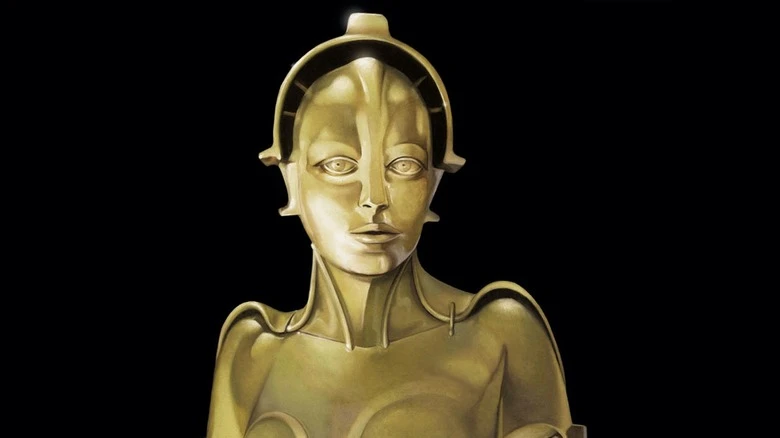
Despite the revolutionary special effects for its time, the plot of Metropolis was not widely accepted at the time of its release - in fact, the film was ridiculed by science fiction legend H. G. Wells. Many critics called the plot ridiculous. At the time, the idea of a machine masquerading as a human seemed too far-fetched to attract mass interest. As a result, the concept of robots with artificial intelligence subsequently lay on the shelf for almost 25 years, until a guest from this world was added to it.
"The Day the Earth Stood Still"
The film "The Day the Earth Stood Still" was released in 1951. In the beginning, a flying saucer lands in Washington. On board are the alien Klaatu and the robot Gort, an extremely powerful artificial intelligence capable of turning earthly weapons into dust. For most of the film, Gort simply stands guard over the spaceship while the plot unfolds elsewhere. By that time, audiences had already become familiar with technological advances such as radar and the atomic bomb. The concept of controlling a sentient robot no longer seemed unimaginable or ridiculous. 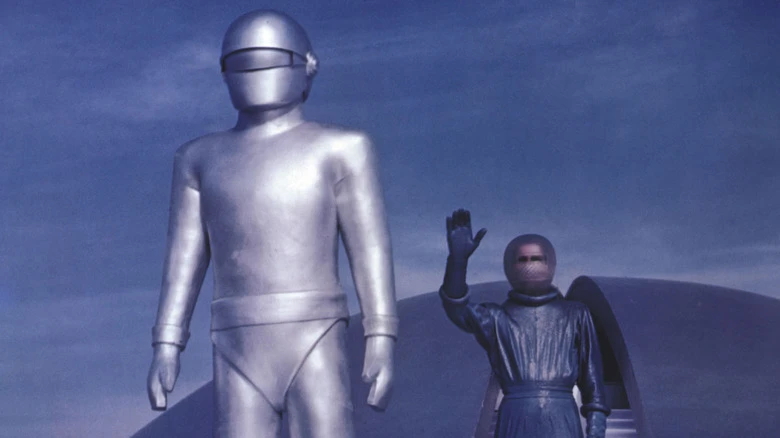
In The Day the Earth Stood Still, artificial intelligence is portrayed as a guardian that can be controlled and used for good, although this is not immediately obvious. It is not until the end of the film that Gort receives commands and takes his host before leaving Earth. The film takes a varied look at AI: how it can be used in the right hands, and how it can be used in the wrong. It is also shown as a device that can be used to achieve goals that humans are unable to achieve alone - but without character or emotion. It would be more than two decades before the movie world would travel to a galaxy far, far away.
"2001: A Space Odyssey"
The biggest leap in mainstream film audiences' understanding of AI came from one of the greatest filmmakers ever: Stanley Kubrick. 2001: A Space Odyssey takes place mostly inside a spaceship heading towards Jupiter. The painting raises many existential questions about humanity, but the most powerful image was created by a single red light bulb. Behind the crimson glow was the HAL-9000 artificial intelligence system. All of the ship's operations were run through HAL, who also had the ability to conduct casual conversations in an emotionless, monotone voice while the glass dome containing his red light bulb stared back at you. This was a remarkable new advancement in the representation of artificial intelligence in film. Although HAL seemed to have his own unique personality, he was still limited by his software, which ultimately led to his demise. 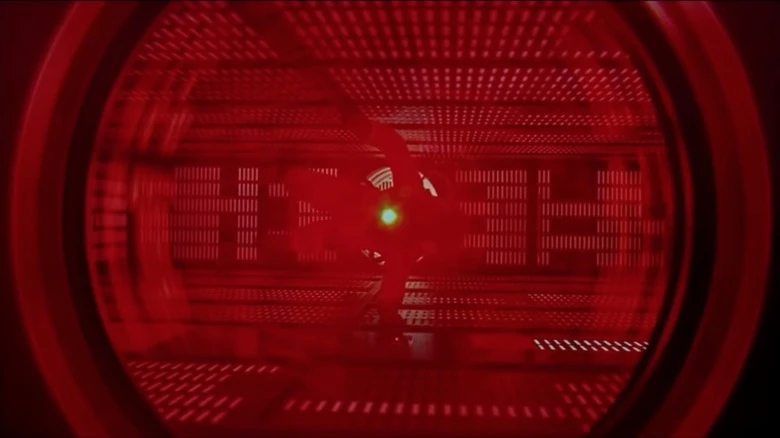
In this strip, we learn that HAL's prime directive—hidden from the crew—is to ensure the spacecraft arrives at its destination to investigate the first evidence of extraterrestrial life. Because his emotional range was limited to ones and zeros, he lacked the understanding that the people inside the ship were part of this successful arrival. During the scene in which the film's protagonists discuss shutting down HAL in a soundproof environment, viewers watch as the AI deciphers these plans using lip reading. He sees this as a threat to the mission and kills most of the crew before the last surviving crew member reaches his processing center and shuts it down.
During the blackout, we feel like HAL is truly afraid. The audience knows it's necessary, but he gains sympathy as we watch him slowly get destroyed. Unlike HAL's predecessors, the AI in this film was no longer just a tool, but a character we can identify with—a conceptual seed from which many of the characters we know and love today grew.
"Star Wars Episode IV: A New Hope"
In 1977, moviegoers around the world were introduced to an entirely new universe with Star Wars Episode IV: A New Hope. Along with this galaxy came two of the most famous movie characters - the droids R2-D2 and C-3PO. We are so used to them that we have forgotten that they are actually robots with AI processors. Adding invaluable comic relief to the story, Star Wars also introduced C-3PO's language abilities and R2's seemingly limitless ability to manipulate any machine. Both robots were capable of conversation and emotion, which enriched the plot and drew us into their world. Star Wars showed us that the AI of the future is not just a weapon or a tool that can be used to achieve one's own goals - it turns out that AI devices can also be valuable companions. These AI robots were friends who not only helped overcome technological challenges, but also stood by their owners - and helped viewers feel less alone in the vacuum of space. 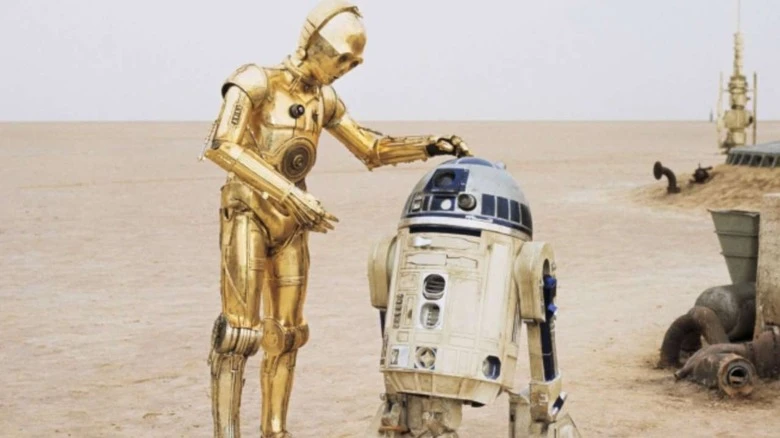
"Alien" and "Terminator"
With all the promise of what might be possible, comes the warning of what might happen. For years, AI has been portrayed as a villain bent on destruction. For example, in the 1979 film Alien, one of the characters turns out to be an android. While the crew is fighting an alien life form on a spaceship, the android's software forces them to consider human life unnecessary and demands that they save the alien. Five years later, the film The Terminator imagined a post-apocalyptic future dominated by an artificial intelligence network known as Skynet and the horrific results of its efforts to destroy humanity as a plague that must be exterminated. Skynet sends a ruthless killer machine back in time on a mission to kill a woman named Sarah Connor so she can't give birth to a son who will grow up to destroy the artificial intelligence network. Arnold Schwarzenegger, this robot's glowing red eyes have raised new questions about our future with artificial intelligence. What if we end up unable to control our own creation? 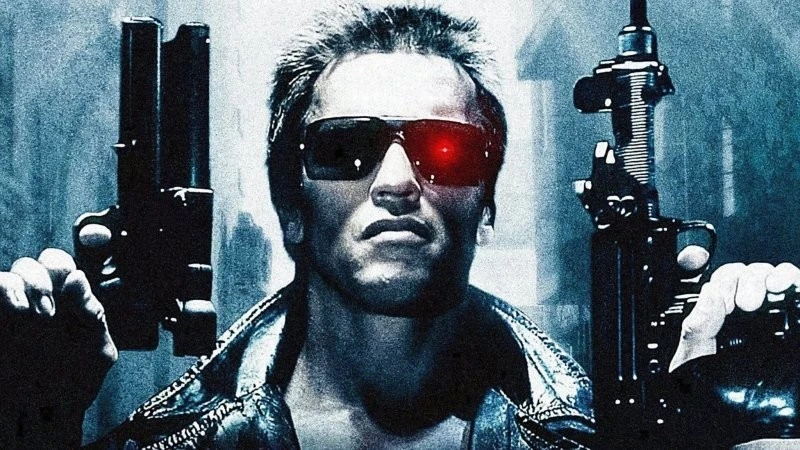
The question of good and evil in AI has been dancing around Hollywood for years. In the movie WarGames, the AI system running NORAD's missile defense systems must be taught the futility of global nuclear war through a game of tic-tac-toe. In the movie Terminator 2: Judgment Day, Arnold Schwarzenegger's Terminator is a cyborg turned hero. At the end of the twentieth century, Morpheus showed us the truth about the world in which we live, and the mysterious Agent Smith has long proven that humanity is a virus, the cure for which is machines. Perhaps AI is the future, and the only thing holding it back is its creator: humanity itself.
"Steel giant" 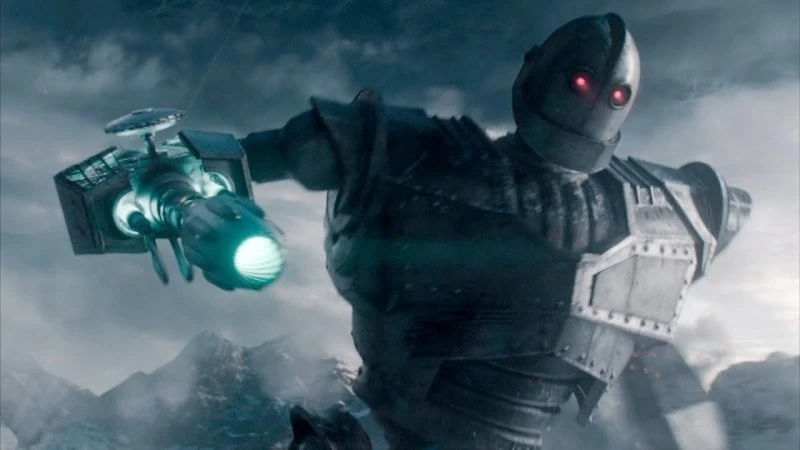
The 1999 cartoon The Iron Giant showed us a softer side of AI, offering a much-needed injection of innocence into society's perception of AI. The titular robot has an almost childlike demeanor and approaches the world with curiosity; any hostility towards people is just a reaction caused by his programming, and through the manifestation of his own intelligence, he is able to overcome his coding and sacrifice himself to protect people rather than use himself as a weapon.
"Artificial intelligence"
In 2001, the robot child David melted the hearts of audiences in the aptly titled film “Artificial Intelligence.” The robot in this film was created for one single purpose: to love and be loved. The plot of this film, conceived by Stanley Kubrick and completed by Steven Spielberg after Kubrick's death, serves as an interesting step in the development of artificial intelligence as a storytelling device. Although artificial intelligence had been appearing in films for many years by this point, it was still in its infancy. Maybe it's time for him to grow up. 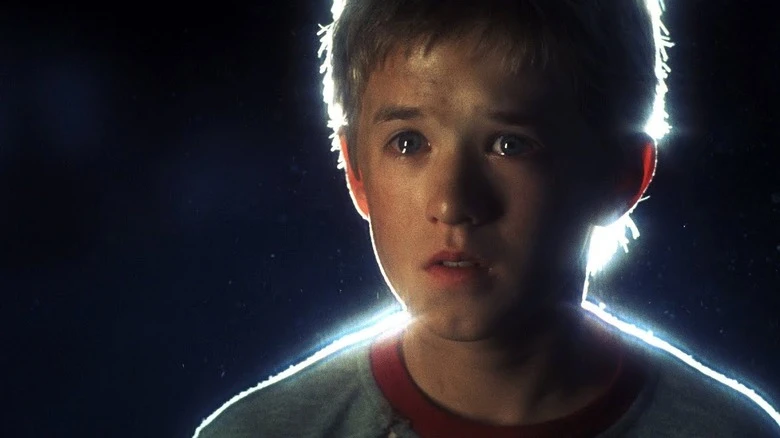
"I am a robot"
Parents have always done many things that children do not understand, so it makes sense that the AI "parent" would behave in the same way. Take that idea, scale it up to six billion souls, imagine a processor capable of performing more thought processes than all those souls combined, and you have an intelligence that could very well decide that all of humanity should be punished until the end of time.
This is what audiences see in the artificial intelligence system known as VIKI, the antagonist of the 2004 film I, Robot. Throughout the film, viewers are told about the laws that govern robots in the world of this story, preventing them from harming humans. However, VIKI twists these laws and interprets them on a broader scale: harm to the few is acceptable if it leads to the preservation of the many. This same concept is essentially the motivation behind the AI system in the 2008 spy thriller Hooked. As artificial intelligence in movies began to take on more human-like characteristics, it also took on more human-like insecurities. Because these systems have processing power that exceeds the human brain, they may know us better than we know ourselves. 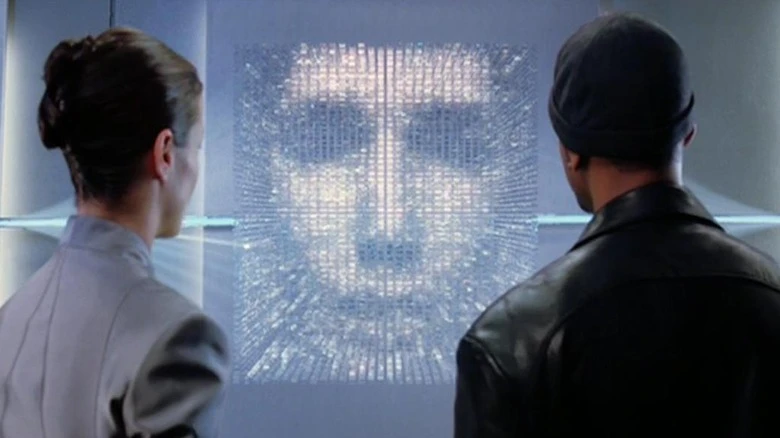
"Iron Man"
As we entered the 21st century, our technology has advanced at breakneck speed. Movies helped lay the foundation for personality patterns in these new systems. The symbiotic relationship between humanity and its new technological companion was perfectly represented in J.A.R.V.I.S., Tony Stark's AI introduced in the film Iron Man, which also started the modern superhero craze. 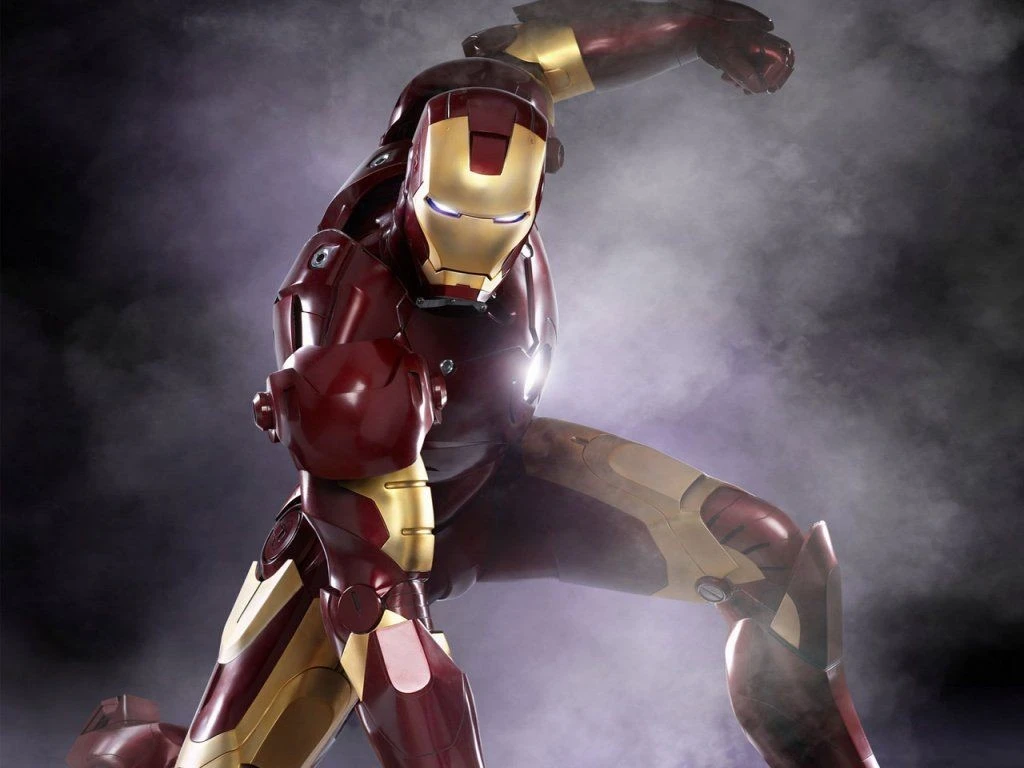
"WALL-E"
Pixar further blurred the lines between AI and human emotions in WALL-E, which asked audiences to project their emotions onto an adorable robot and remove humans from the plot altogether. Let's also not forget how amazing Alan Rickman's voice sounded from inside the clinically depressed robot Marvin in Douglas Adams' adaptation of the classic The Hitchhiker's Guide to the Galaxy. All of these films explored the possibilities of the relationship between humans and AI. Faithful companions, tireless protectors, comedic relief - artificial intelligence characters have gone from emotionless heroes to part of the narrative fabric of our cinema. They also demonstrated how our humanity seeps onto their motherboards. 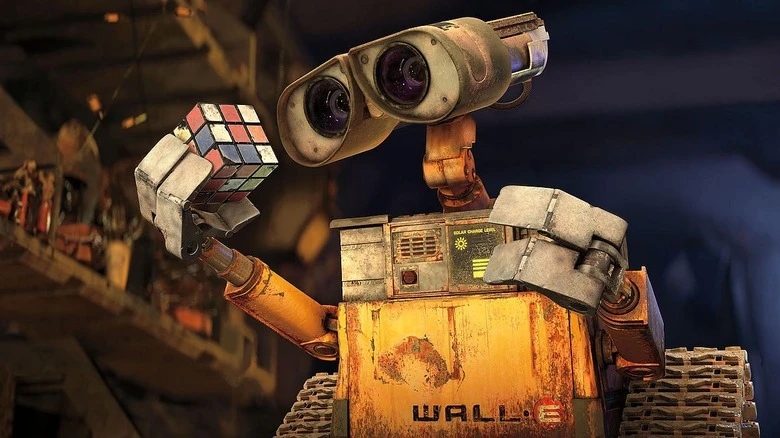
"Tron: Legacy"
The 2010s brought a surge in AI characters. At the beginning of the decade, we entered the computer sphere thanks to the film Tron: Legacy. He revolutionized our understanding of AI in our world, taking us into the world of the computer. Almost every character in this story is an anthropomorphic computer program, and the main antagonist in the film is driven by the desire to be real - to exist in the world of people (however, our Electronics back in the 70s throughout all the series wanted to become a human).
Shortly after Tron: Legacy, we revisited the world of Alien with prequels Prometheus and Alien: Covenant, which continued the tradition of two-faced android characters. We watched as lonely Joaquin Phoenix fell in love with the artificial intelligence system voiced by Scarlett Johansson in the movie Her. Over the past decade, we've watched filmmakers explore a new technological landscape, testing the boundaries of what's visually possible—and what artificially intelligent characters can become. 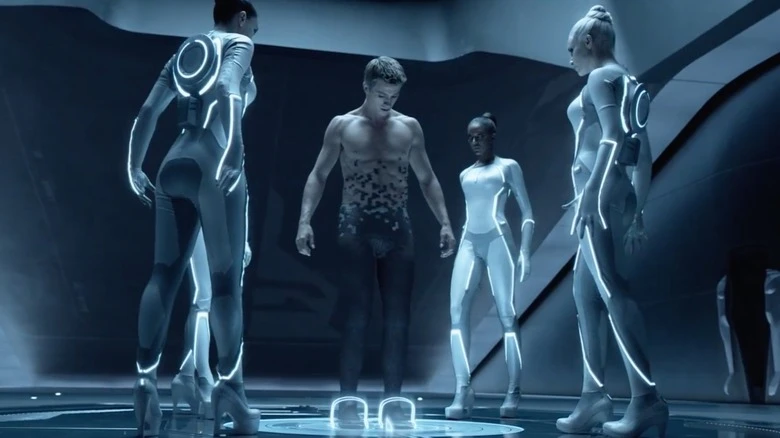
"Out of the Machine"
The line between disbelief and truth blurs in Ex Machina, providing a disturbing yet compelling look at the difficulties of defining what it means to be human. The plot forces the viewer to become so focused on observing the AI robot for signs of humanity that it makes us forget about one of our most unfortunate abilities: deception.
Realizing this type of independent thinking showed us that AI characters are no longer pawns in a movie storyboard, but creatures that need to be carefully observed—and respected—for themselves. We literally saw this happen with the creation of Vision in Avengers: Age of Ultron, when he went from being the disembodied voice of J.A.R.V.I.S. in the background into a superhero in his own right, grabbing hammers and smashing bad guys. The past has shown us that AI can be flawed, but now those flaws show up not as bugs in the code, but as personality quirks—qualities that make these characters more human. 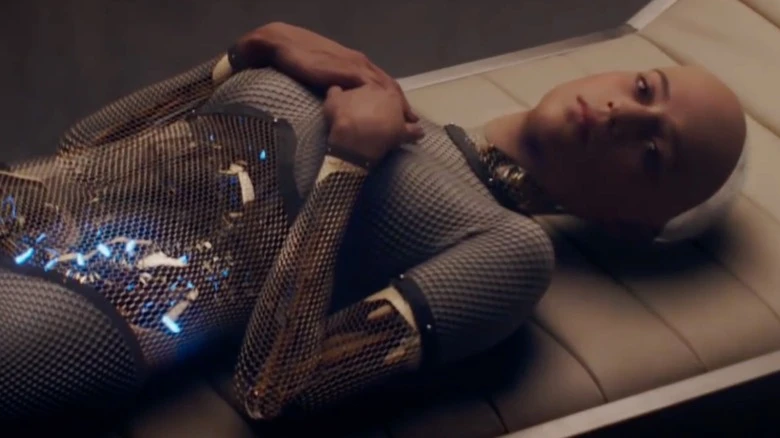
At times over the past decade, it has seemed as if we were all part of a giant sample that passes the film industry's Turing Test. Westworld has done a remarkable job of showing viewers the journey into intelligence through the eyes of artificial intelligence itself. Blade Runner 2049, the 2017 sequel to Ridley Scott's cult classic Blade Runner, continues to explore the original's questions about what it means to be human, while Alita: Battle Angel features artificially intelligent characters who share screen time with their human counterparts.
Sure, many of the "more human than human" characters in Alita: Battle Angel have human brains controlled by robot bodies, but that's the point: the line between them is blurred beyond recognition. AI characters are no longer just robots in the background, following orders and subject to the whims of heroes and villains. They are truly characters in their own right now, and they are here to stay. So the next time you ask Alice to tell you where the nearest cafe is, ask her first how she is - you may not be surprised by the answer, but she will appreciate it. 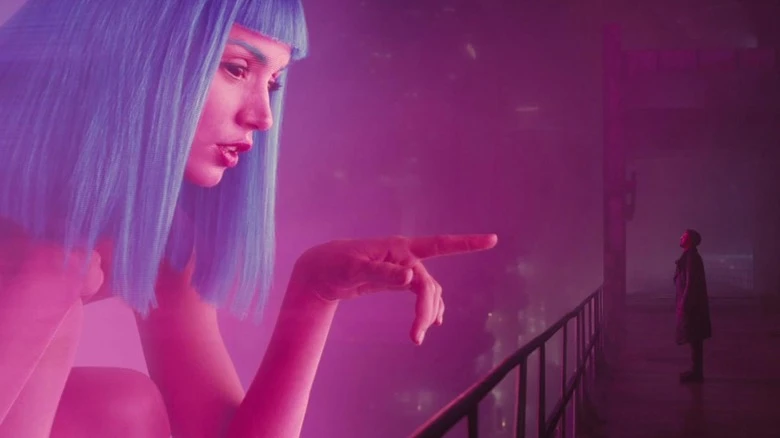
P.S. I was thinking whether or not to include the 1935 Soviet film “The Death of a Sensation” in this story, but decided that it wasn’t worth it. The giant robots had no intelligence (or it was the most primitive), so they blindly obeyed all commands.