The tragedy that recently occurred in Turkey shocked the whole world. Large casualties, destruction of buildings - few expected such a situation. 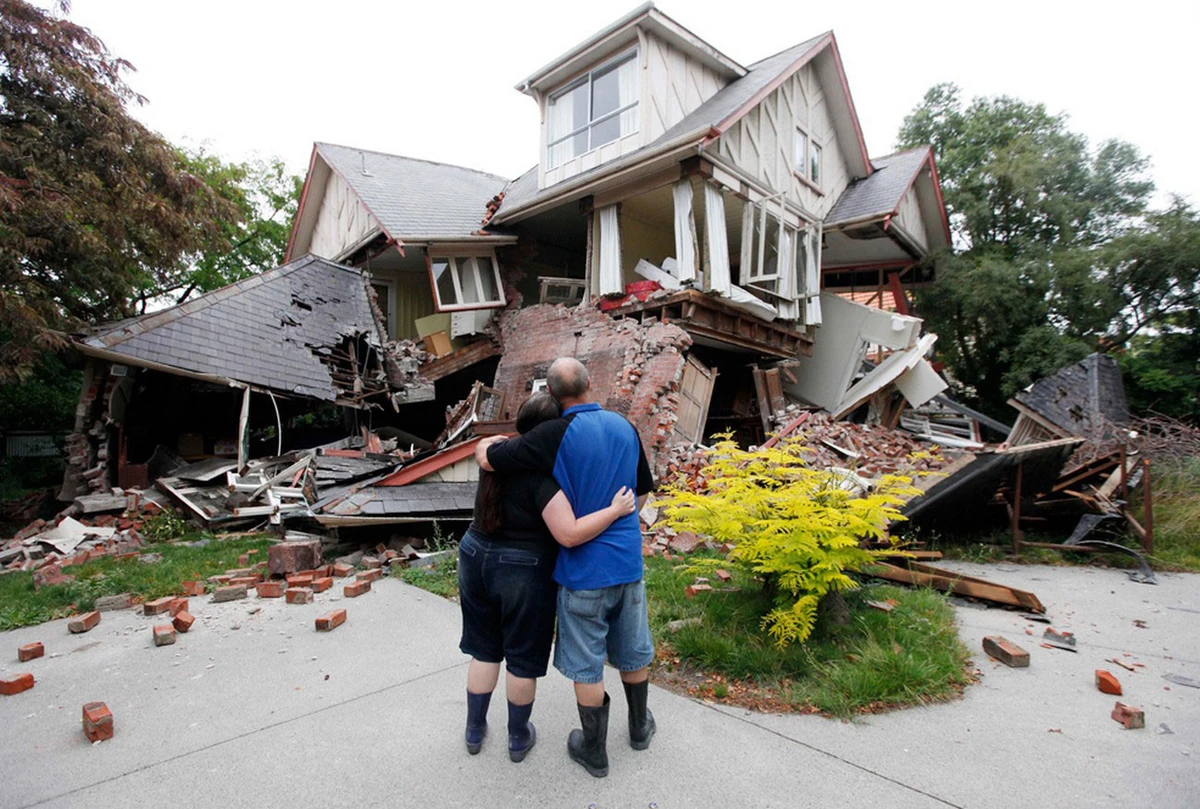
However, the Turkish earthquake did not even make it into the top 10 in terms of destruction. First on the sad list is the earthquake in China that occurred in 1556. Then 830 thousand people died. The disaster covered densely populated areas with a diameter of more than 500 km. And the earthquake repeated several times within six months.
When you see news headlines about terrible earthquakes, the thought often arises in your head: “Couldn’t scientists have predicted this so that people had time to evacuate?”
In this material we will tell you whether it is possible to predict an earthquake and how accurate this forecast will be.
Is it even possible to predict an earthquake? 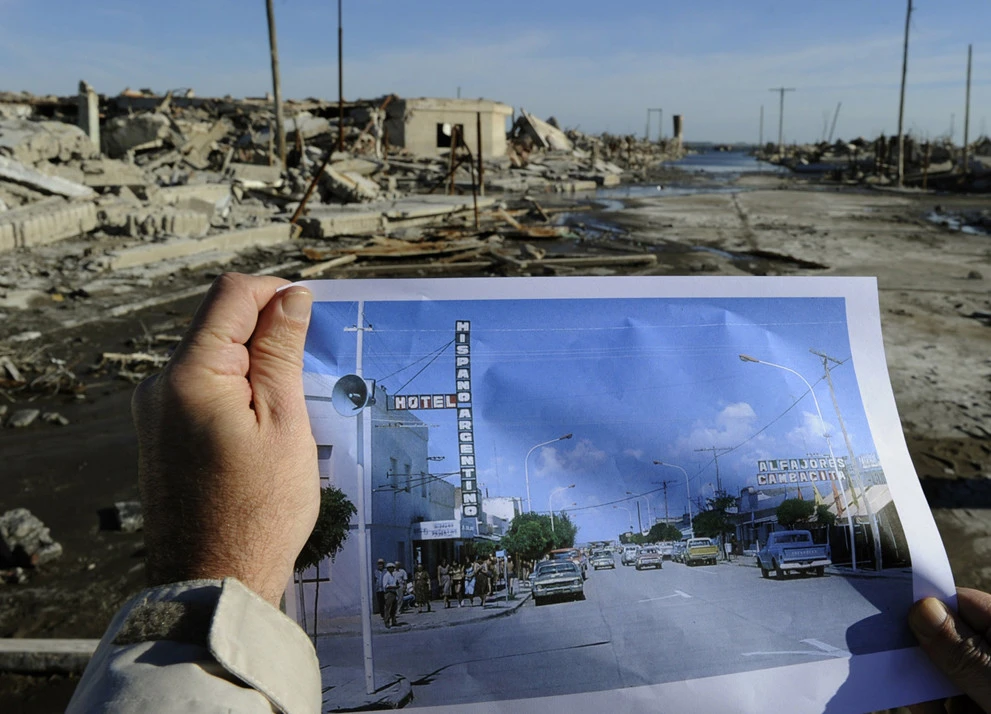
Predictions are improving as our theoretical understanding of earthquakes grows and geological models are tested against observations. Long-term forecasts (years and decades) are now much more reliable than short- and medium-term forecasts (days and months).
Scientists can obtain additional, although less precise, information by digging trenches to study the geological record for ruptures from earthquakes in ancient history.
People often pay attention to the so-called harbingers of earthquakes. The “harbingers” are often a series of small earthquakes. This is the most effective signal people use to predict disaster.
The groundwater level is also changing and the amount of radon in the water is increasing. And, a classic symptom is unusual animal behavior. Dogs are the most sensitive to earthquakes.
However, very often the signal is false. Unfortunately, the vast majority of these precursors occur without a subsequent earthquake.
But, nevertheless, such a forecast once saved the lives of tens of thousands of Chinese. 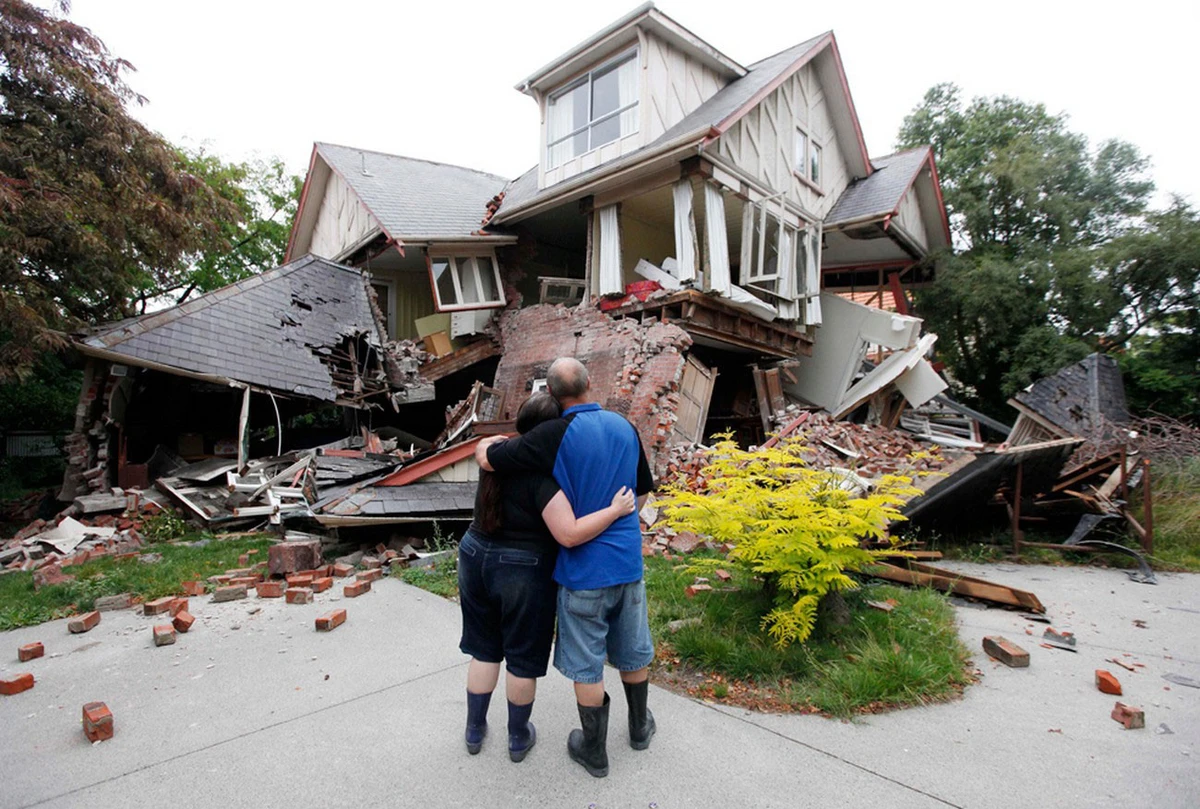
In 1969, a strong earthquake of magnitude 7.5 was predicted in China within 24 hours. We noticed the strange behavior of animals in the zoo. After another six years, seismologists predicted another catastrophe, noticing a series of light earthquakes. Then many people, having learned about the forecast, went outside to sleep. And they saved their lives, as a terrible earthquake destroyed their houses. In total, about 1 million people were saved.
But these positive episodes are a drop in the bucket. Usually disasters come unexpectedly.
Why is it so difficult to predict an earthquake?
Most earthquakes occur at depths between 8 and 48 kilometers. A person does not dive that far. The only example is the Kola superdeep well, when Soviet geologists were able to drill up to 12.3 km. But this is an exception. Man, as a rule, knows how to study only the surface layers of the earth's crust. Even if an earthquake is imminent due to accumulated deformation in a certain group of locked rocks, it is currently impossible to obtain data for this assessment. Alas, it is much easier for humanity to explore even space - using the same spectral analysis and telescopes - than what is in the bowels of our planet.
The underground structures located along faults are not the same. And to predict, you need to conduct quantitative analysis. And we need comparable values. It is impossible to do this with underground structures.
It is impossible to calculate all underground forces. There are many of them; this is an overly complex mathematical model with a maximum of unknowns. Small earthquakes constantly occur in the same rocks, which can then lead to a much larger earthquake. In other words, knowing that destruction is inevitable in one place, you cannot say anything about how far this earthquake will spread to neighboring layers.
Large earthquakes are cascading events in which failure in one location produces enough force to cause destruction in many other equally fragile locations. 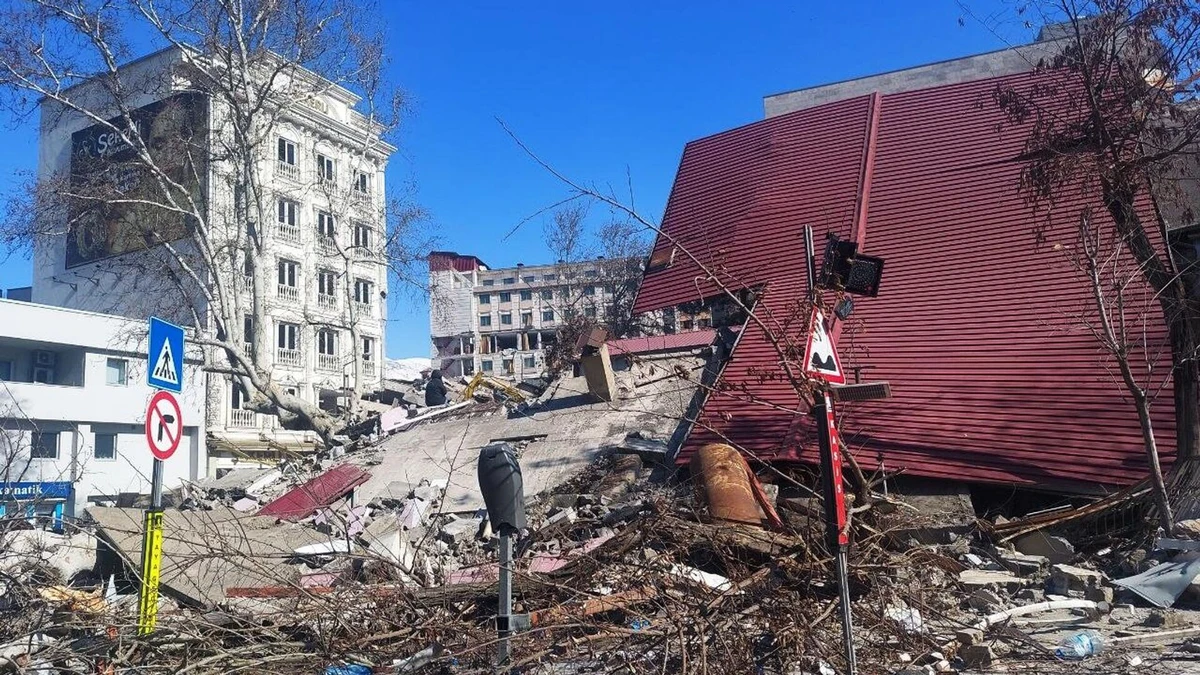
Predicting this event requires accurate data on local conditions over several hundred miles along the length of the fault.
As you can see, unfortunately, predicting earthquakes with the same accuracy as is done with the weather is not yet available to humanity.
Moreover, there are also “aftershocks” (energy release and voltage redistribution. Energy accumulates somewhere else, and new shocks occur), which, for example, in the case of Turkey, can continue for another year and a half.
0 comments