Since the early 1980s, the Japanese automobile market has experienced incredible growth. Automakers produced millions of cars, literally stuffed with technology and a wide variety of “tricks”. I will talk about some of them in this article. 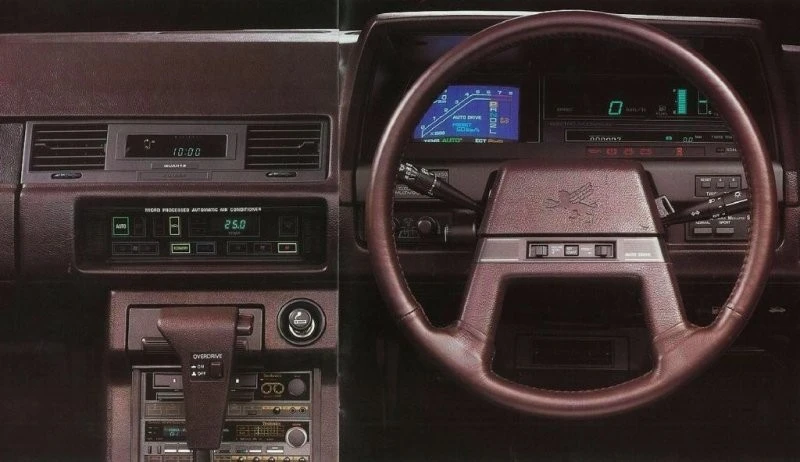
Fully controlled chassis 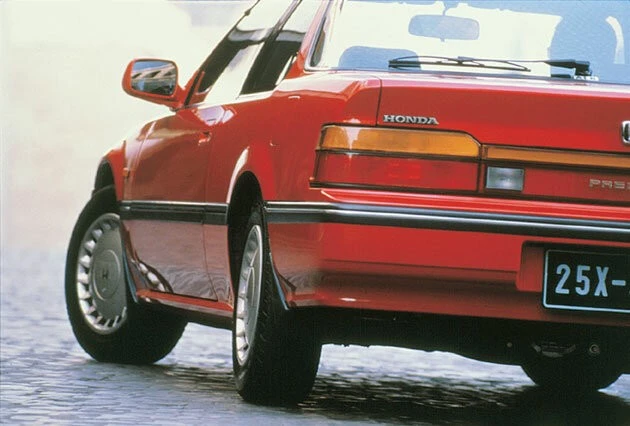
Full steering (4WS) uses all four wheels to steer the vehicle rather than the usual two. For the first time, 4WS on Japanese cars began to be serially installed on the Honda Prelude in 1987. The car set a new standard for handling. According to the measurements of the American magazine Road&Track, the modest Prelude passed the auto slalom at a speed of 105 km/h, 1 km/h more than the sporty Chevrolet Corvette C4! 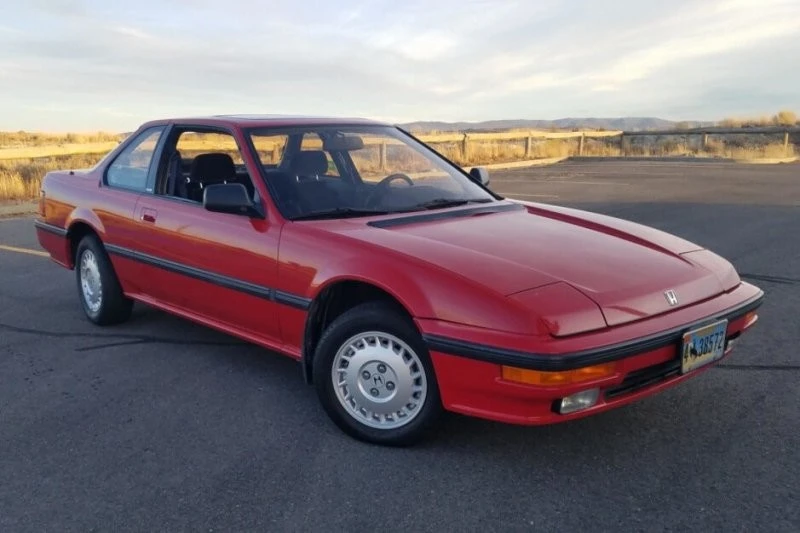
Active aerodynamics 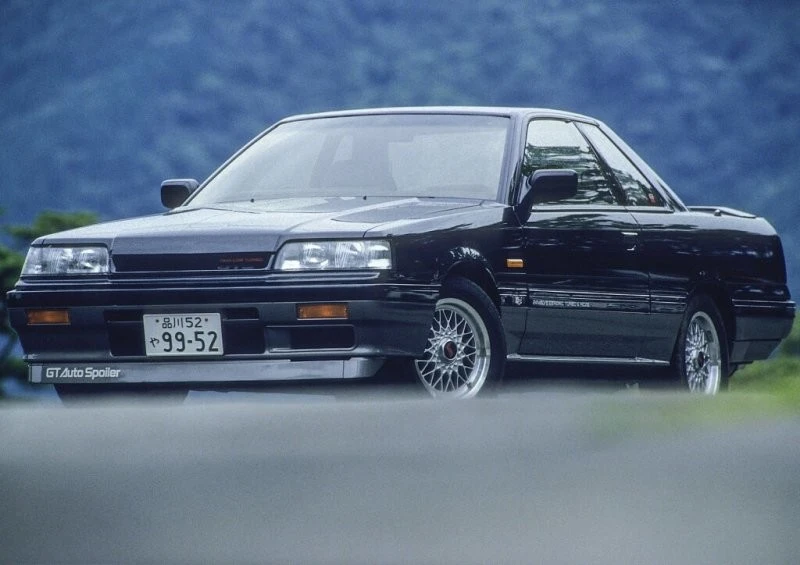
Before the advent of the Nissan Skyline R31, active aerodynamics were the province of expensive sports cars.
An active front spoiler appeared as a factory option on the GTS in 1985. It was located under the bumper and automatically (or manually) extended at speeds above 60 km/h, thereby cutting off the air flow to the bottom of the car, creating a vacuum underneath. It's hard to say how effectively the GT Auto Spoiler worked, but it looked very impressive.
On-board computer with color screen and TV 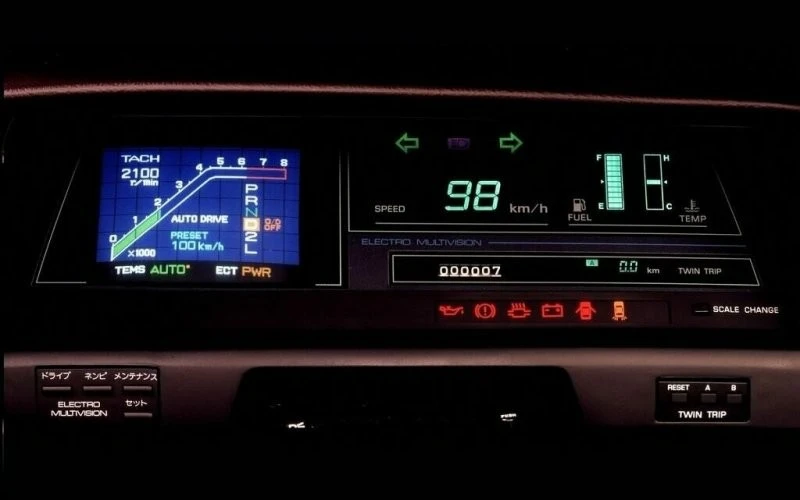
Nowadays, an on-board computer with a diagnostic function would not surprise anyone, but for the mid-1980s, such systems were new.
In 1985, Toyota introduced the Electro Multivision system as an option for the luxury Toyota Soarer coupe. It included a computer unit, a 6-inch color CRT monitor, a TV tuner and a wired remote control. 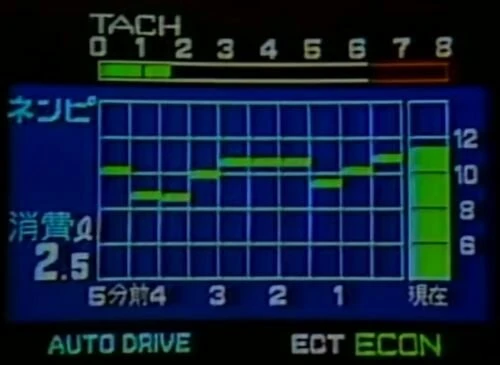
Depending on the mode, the screen mounted in the dashboard displayed current technical information - engine speed, gasoline consumption, suspension mode, etc. In addition, the driver could diagnose the car, check the service interval, and watch TV while parked. 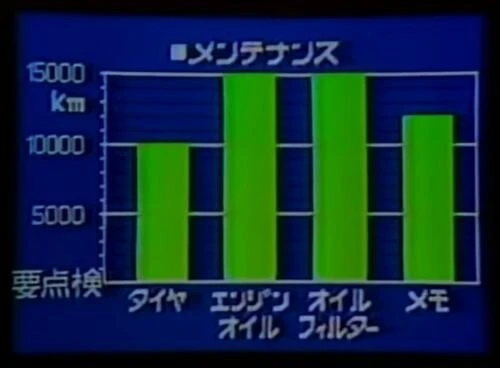
Retractable hardtop 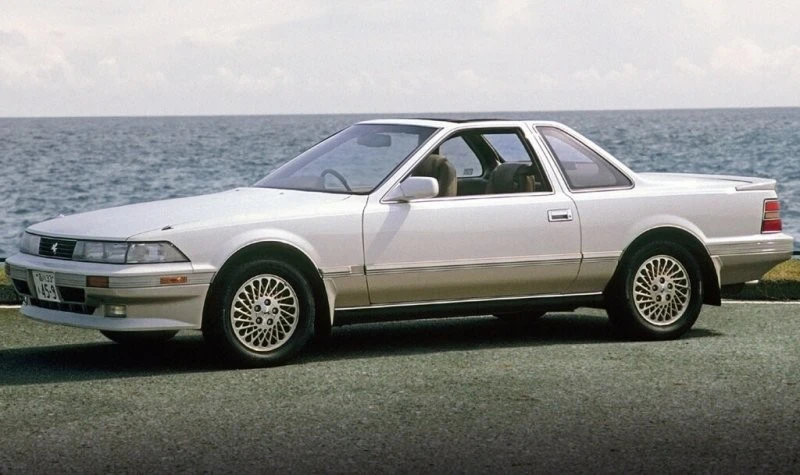
In general, in terms of technology, the Toyota Soarer was one of the most advanced Japanese cars of that time. The second-generation car boasted an electronically controlled suspension, a wide range of turbo engines and an upgraded Electro Multivision system with a color touch screen and an electronic digital panel. 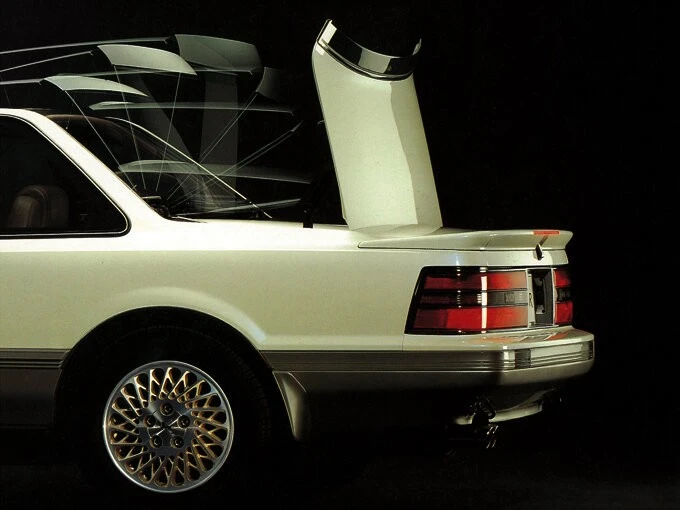
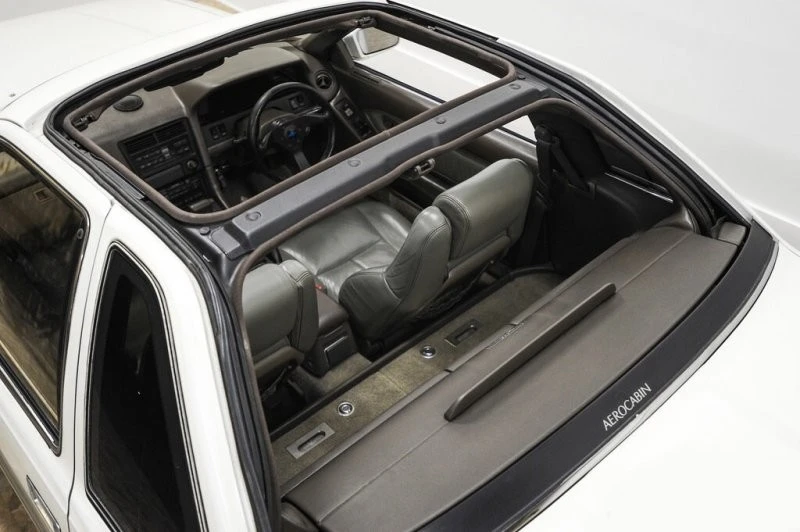
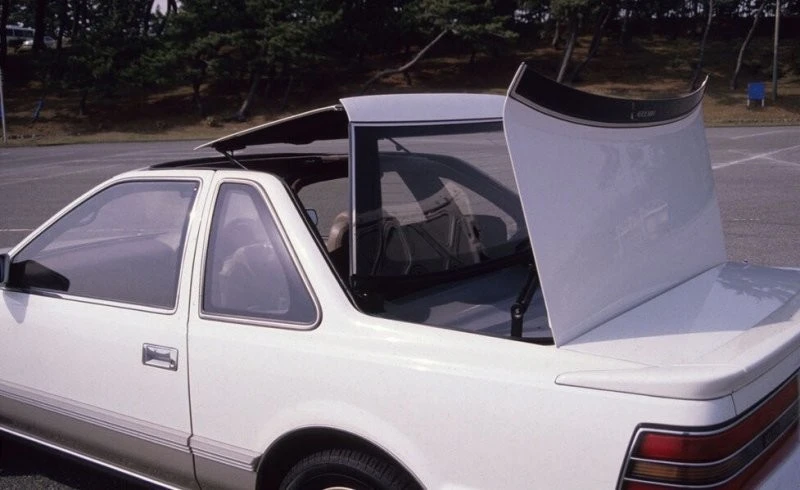
But the Toyota team prepared the main thing at the end of the production cycle. In 1989, they released the rare Toyota Soarer Aerocabin with a folding hardtop. 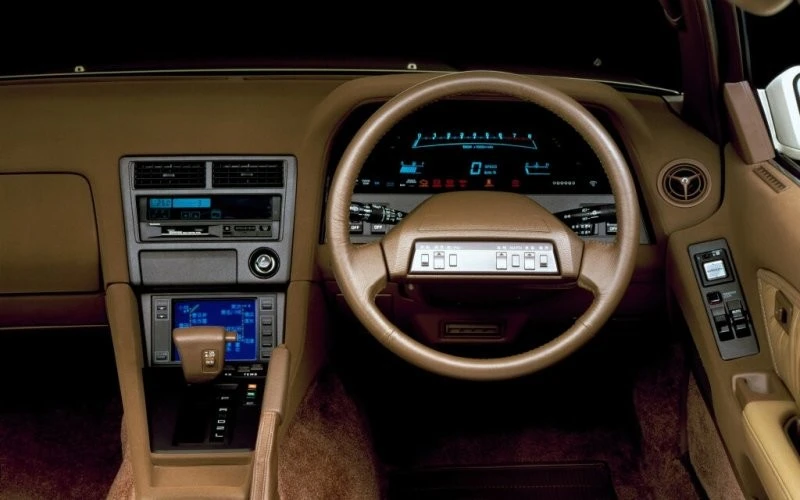
Sports kei cars 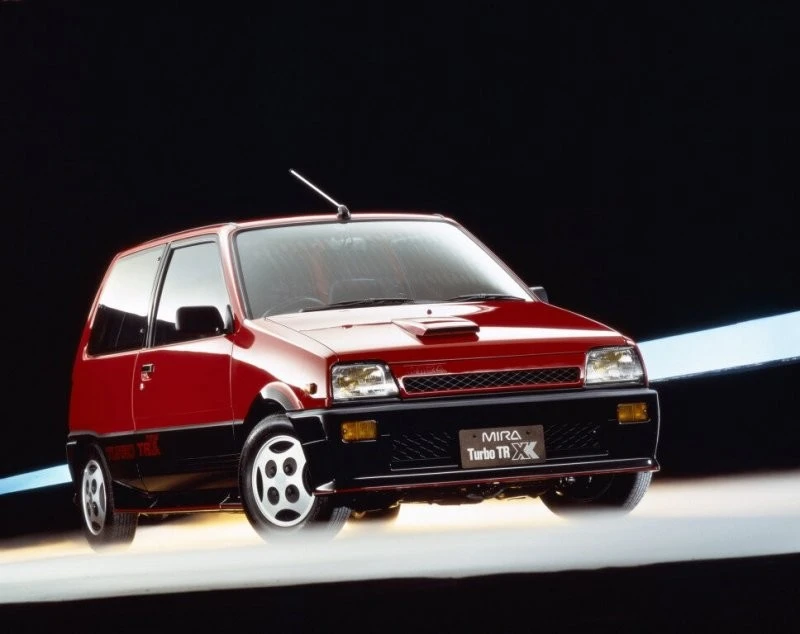
These cars were a Japanese “trick” in themselves! Well, who else would have thought of building turbocharged minicars?
The first sign was the Daihatsu Mira Turbo TR-XX released in 1985. The kei car was equipped with a 3-cylinder 6-valve turbo engine producing 52 hp. At the time of its release it was the most powerful kei car in the world. However, not for long at all. Two years later, the main competitor, Suzuki, prepared a formidable response. 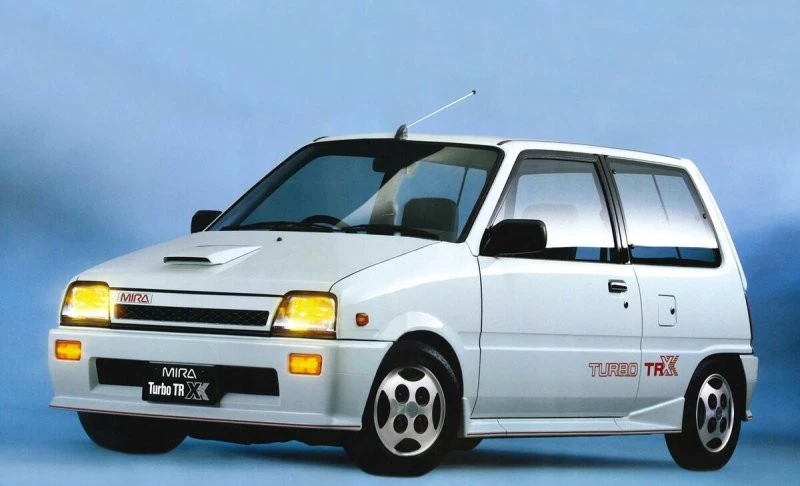
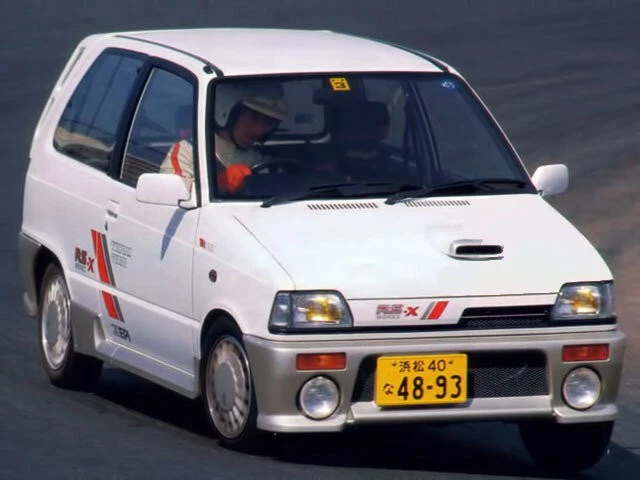
The new Suzuki Alto Works RS-R was equipped with a 3-cylinder twin-shaft(!) 12-valve turbocharged engine producing 64 hp. In addition, the RS-R boasted an all-wheel drive transmission and a well-tuned suspension. The car easily accelerated to 155 km/h, and accelerated from 0-100 km/h in just 10 seconds! 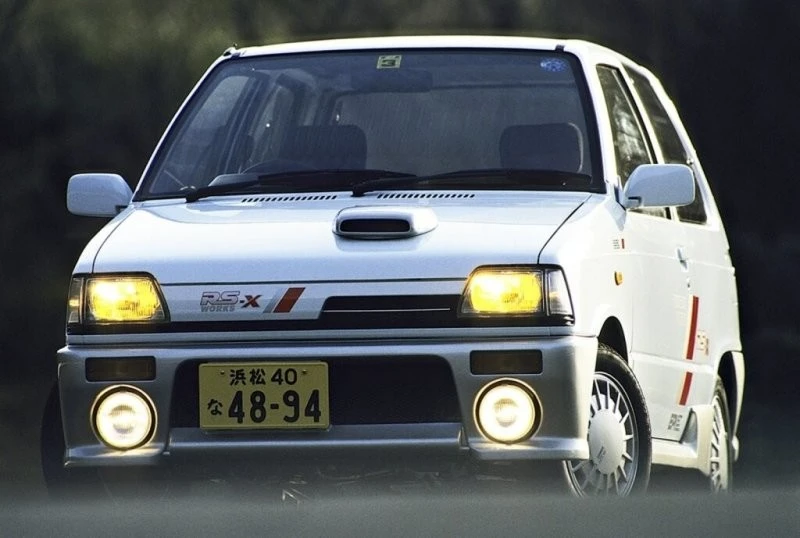
Unconventional equipment 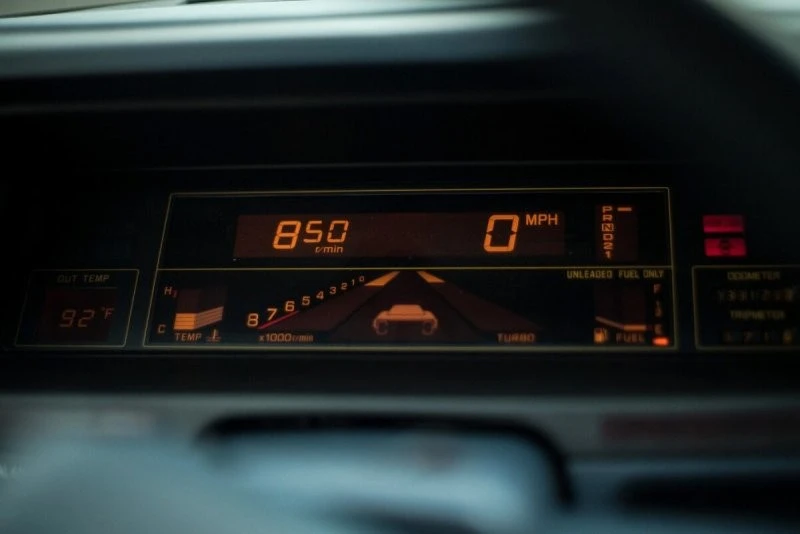
Everyone knows that Japanese cars of that era had very rich equipment, but not everyone knows how unconventional some of these comfortable options were, so to speak.
The 80s saw the boom of digital dashboards. Each of the automakers tried to come up with something original, but Subaru went the furthest in the XT model, installing a dashboard with a 3D effect.
Unconventional equipment 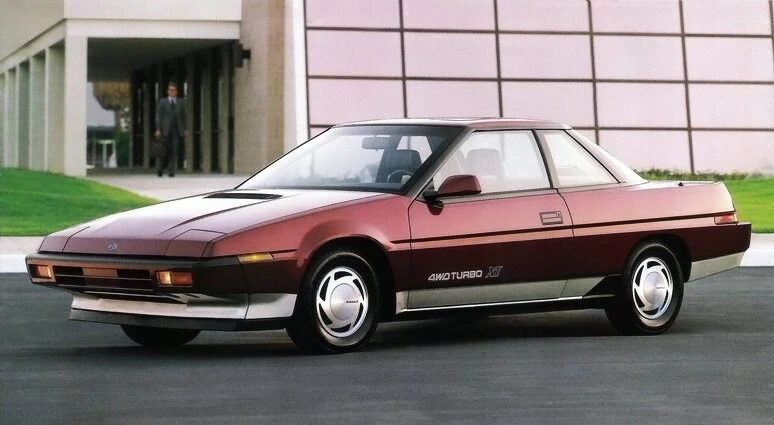
On some cars, in addition to the windshield, windshield wipers or simply “wipers” were installed on the rear windows. The solution is generally useful, especially on station wagons. But in 1988, the Japanese decided to go even further, and offered windshield wipers for side windows as an option for Toyota Mark II, Cresta and Chaser models. Why they were needed there is completely unclear, given that the aerodynamics of these cars were not bad, and the side windows were practically not dirty. By the way, the competing Cima and Leopard models from Nissan were no less surprising with their “wipers” on the mirrors. 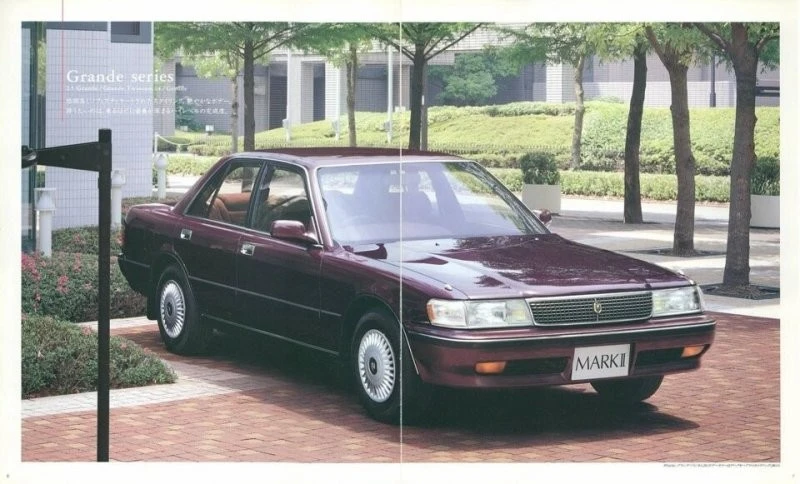
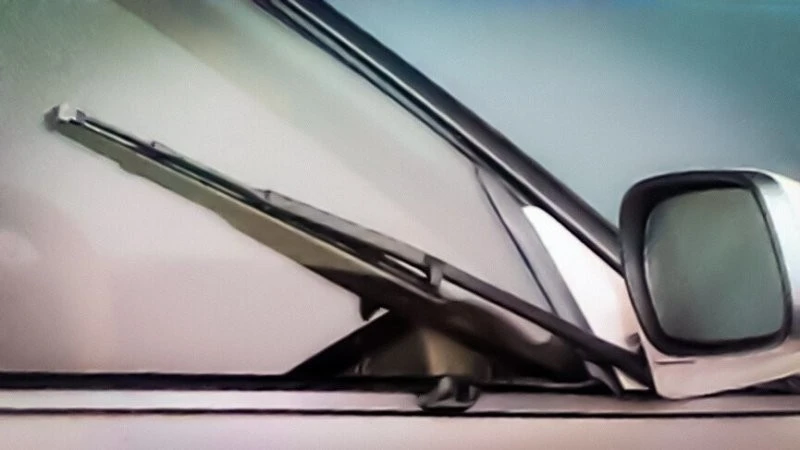
In general, the list could take quite a long time. Just remember ultrasonic mirror cleaners, air ionizers, Auto-Swing deflectors and many other small things. However, after the explosion of the “soap bubble” and the collapse of the Japanese economy, most of the “bells and whistles” listed in the article disappeared from Japanese cars. Perhaps forever. 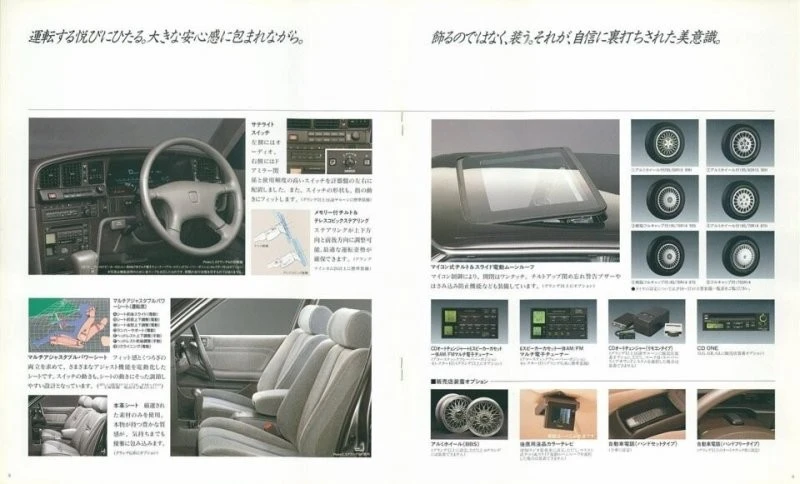
0 comments