17 films based on real events: how much of them is true and how much is fiction (18 photos + 15 videos)
Audiences love movies based on true events, but sometimes it's hard to know what's actually based on fact and what's added to the plot for dramatic purposes. Here are 17 such films, ranked by degree of historical accuracy - from least accurate to most accurate and allowing only some artistic freedom. 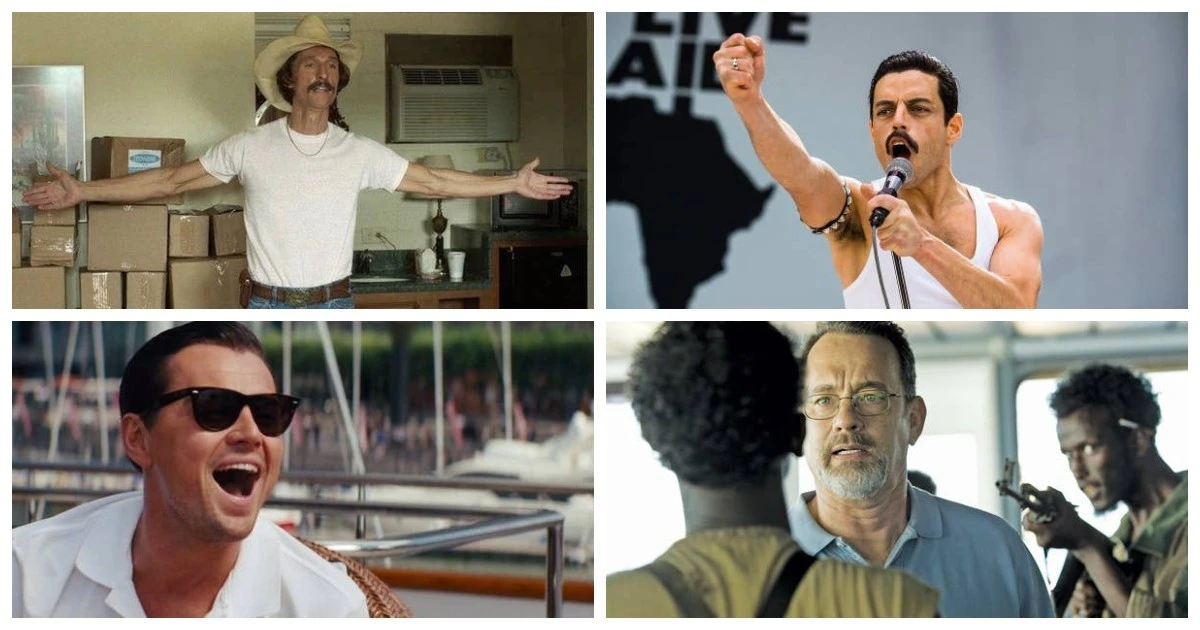
1. "The Imitation Game" 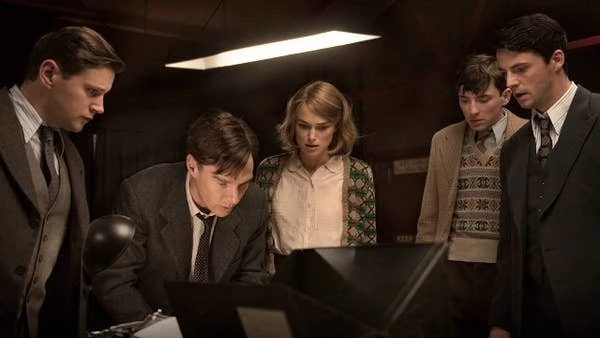
Accuracy: 42.3%
Truth: Alan Turing was indeed a cryptographer at Bletchley Park during the war. He also created the Turing machine and ushered in the era of computer science. After the war, he was arrested for homosexuality (a posthumous royal pardon was only granted in 2013).
Fiction: To be honest, making an incredibly mathematical and technical story interesting and engaging for a wide audience while still being completely accurate was nearly impossible. So much of the film's plot was made up - including the story about the spy at Bletchley. In fact, no one knew there was a spy there until 1951.
This didn't happen in reality
2. "Hacksaw Ridge"
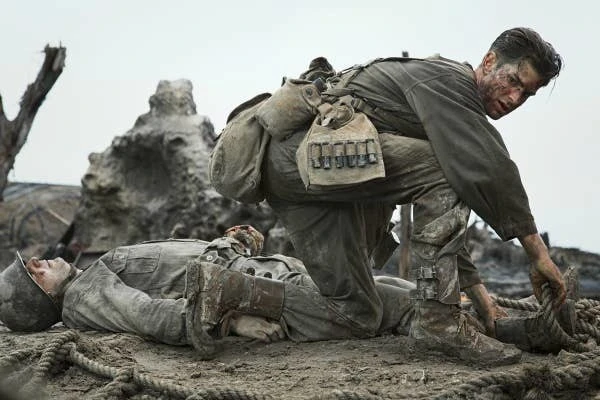
Accuracy: 52.7%
Truth: Much of what happens in the film's depiction of war actually happened—but with the timeline shortened and the battles merged.
Fiction : Much of what we see before the war is either fabricated or distorted for narrative purposes, as is the case with Doss's reasons for pacifism.
It was
3. "Sniper"
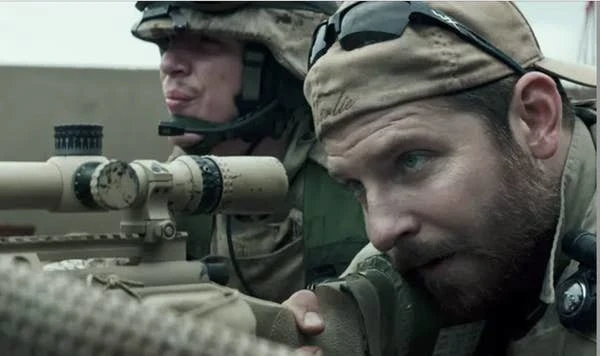
Accuracy: 56.9%
Truth: Many of the events in the film actually happened, but Kyle's involvement in them was largely exaggerated. The famous scene used in the trailer actually happened - when Kyle must decide whether to shoot a child to save the convoy - but in reality there was no child, it was a woman.
Fiction: Firstly, the film was adapted from Kyle's memoirs, some of which were disputed in one way or another. Also largely fictionalized is the character of his nemesis, the sniper Mustafa, and his battle to the death. The film also portrays American soldiers as righteous in many ways, and Kyle is shown to be a victim of war, even though he says his main regret is not being able to kill more "bad guys" and save more Marines.
It happened, but not as shown in the film
4. "Lion"

Accuracy: 61.4%
Truth: Saroo's incredible story is told almost exactly as it happened. From how he got lost while boarding a train and ended up in Kolkata, to how he was adopted in Australia and ultimately his journey back.
Invention: The whole love interest plot seems to have been made up for dramatic purposes. In addition, most of the events in Calcutta and his five-year search are tailored to the script, so the authenticity suffers from scene to scene.
This didn't really happen
And this was
5. "Dallas Buyers Club"
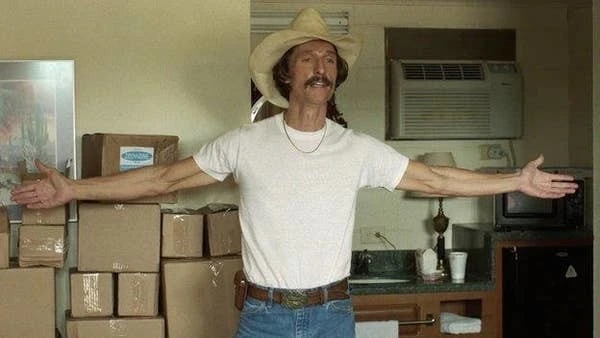
Accuracy: 61.4%
Truth: Much of the script was written based on Ron's personal journals, so what happens to him, his infection with the virus and the creation of the buyers' club, is what Ron himself described.
Fiction: The idea that he was a virulent homophobe is obviously not true. A close friend of the real Ron Woodroof said that Ron was fine with gay people and definitely felt comfortable around them. It also appears that Jared Leto's character Rayon was created for the film.
It was
6. "Philomena"
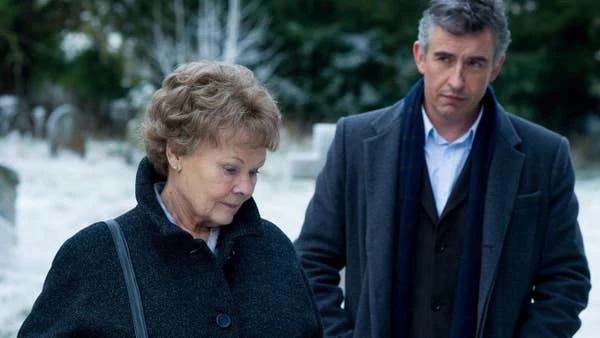
Accuracy: 70.9%
Truth: Almost everything that happened to Philomena, including working as a laundress in a convent and the traumatic events that happened to her as a child.
Fiction: For dramatic purposes, Sixsmith's centrality to the main plot was over-exaggerated; liberties were also taken regarding what Philomena did and did not know about her lost son. Also, perhaps, the colors in the image of Sister Hildegard - apparently intended to personify all the actions of the Catholic Church - are too condensed.
This didn't happen in reality
Martin went to America, but Philomena did not accompany him.
7. "Hidden Figures"
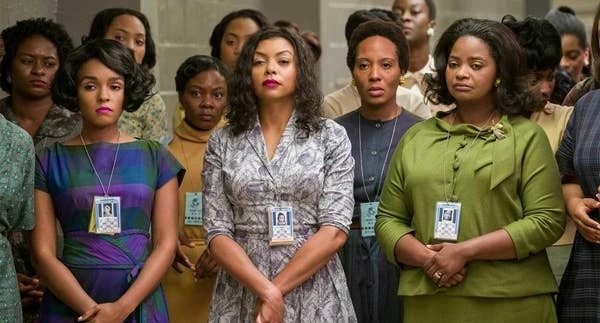
Accuracy: 74%
Truth: The core narrative of Hidden Figures stayed true to the actual events that took place during the space race, and the three main characters Taraji P. Henson, Octavia Spencer and Janelle Monáe carefully studied the women they portrayed on screen.
Fiction: The closeness of Katherine G. Johnson, Dorothy Vaughn, and Mary Jackson was somewhat exaggerated, and as you might expect, there were many more people involved in these events and the timeline was somewhat confusing. But overall a very accurate film.
It was
8. “The King Speaks!”
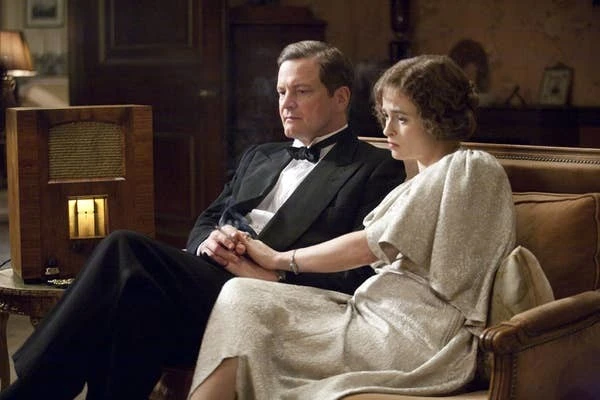
Accuracy: 74.4%
Truth: Much of this film is an accurate depiction of events and Bertie's friendship with Lionel. From George's impatience with his son's stutter to Bertie's reluctance to be king, many of the details depicted are correct.
Fiction: Although the film shows him offering his support to Bertie, Churchill did not participate in the speech at all, and did not attend the speech to congratulate Bertie. Additionally, Bertie in real life happily opened up to Lionel in their first session, in contrast to his reserved behavior in the film.
It was real
9. "Spotlight"
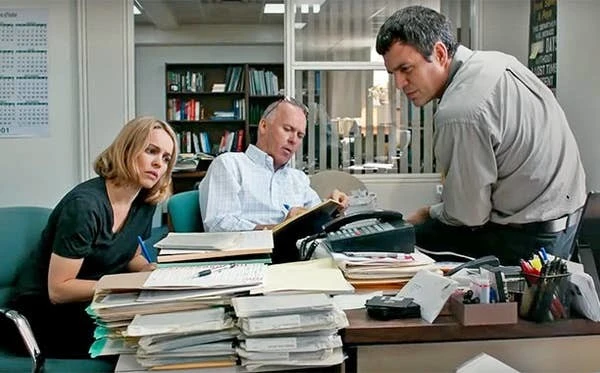
Accuracy: 76%
Truth: Naturally, given such serious source material, the authors were required to stick to the facts, which they did. Additionally, since the characters were journalists who needed to check facts, all the revelations and cover-ups discovered by the Globe Spotlight team were accurate.
Fiction: The film showed the Baron as an outsider, but in reality people loved and respected him. There were also fictional composite characters that represented groups of different people. One of them was Sullivan, who represented six lawyers consulted by the Spotlight team. The other was Conley, who represented various people involved in the church's cover-up.
It was
10. "Social Network"
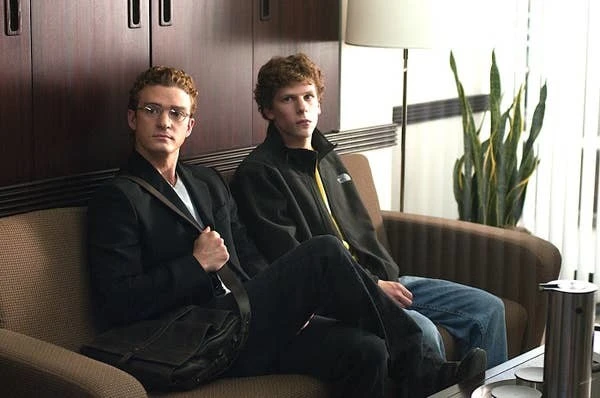
Accuracy: 76.1%
Truth: Many of the factual details in this film were accurate; including brothers seeking legal counsel, sending a deposition to Zuckerberg, and even the Phoenix Club placement tests and "CEO... Bitch" business cards.
Fiction: Zuckerberg's defenders refuted his portrayal as "snide and sarcastic to the point of cruelty" - maybe it was just a self-fulfilling prophecy...? People close to him at the time also reject the story that he chased girls, saying that he had a steady girlfriend during the period shown in the film.
It was
11. "Bohemian Rhapsody"
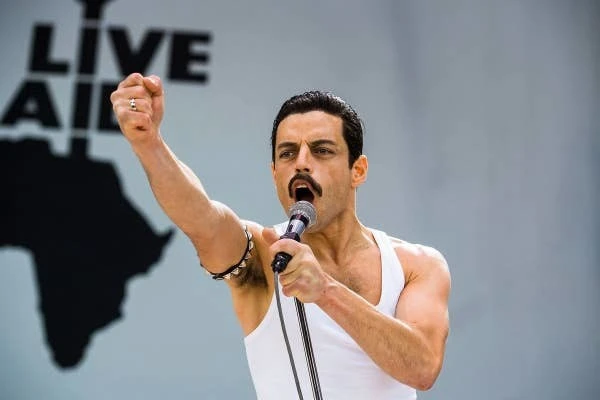
Accuracy: 79.9%
Truth: Almost everything that happened in the film actually happened in real life, just not exactly in that order... However, from scene to scene, the details depicted in the film are largely true to real life.
Fiction: The main stumbling blocks were the chronology and the omission of various events that were crucial to the group's history - but this is to be expected, since it is difficult to cram so many years into one film. For example, the formation of the band is shown to be too simplistic, and that Freddie didn't know he was HIV positive until Live-Aid, and John Deacon was actually the fourth bass player they tried out.
It was real
Freddie told the group that he was HIV positive in a very similar way. He said he would keep going and would not stop until he died.
12. "The Wolf of Wall Street"
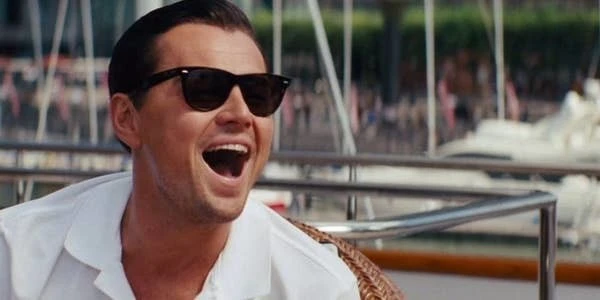
Accuracy: 80%
Truth: The film stays true to its source material; even quirky details such as swallowing a goldfish, a scene with the main character on drugs, smuggling money to Switzerland and sinking a yacht. Porush (Jonah Hill's character) actually married his cousin. Margot Robbie even met with Nadine (Belfort's ex-wife) to emphasize her thick Brooklyn accent.
Fiction: The film is based on the autobiography of notorious conman Jordan Belfort, so it can't be trusted 100 percent to begin with. Well, some details were changed for the sake of greater artistry - for example, the arrest of Belfort during the filming of a commercial.
13. "Captain Phillips"
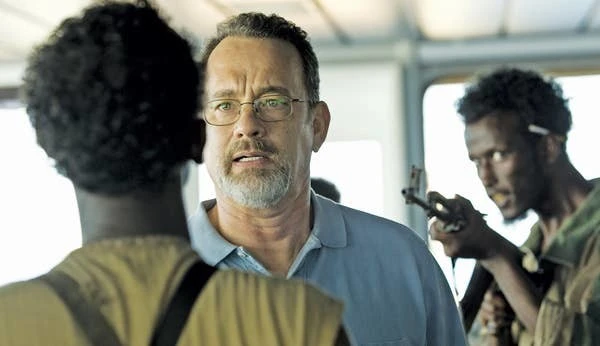
Accuracy: 81.4%
Truth: What is depicted in the film is largely consistent with Phillips' personal account of what happened. Almost the entire ending happened as it was shown: he broke down and the SEALs ended up gunning down all the pirates and Phillips was covered in blood.
Fiction: Less was known about pirates, so the filmmakers had to use their imagination. Additionally, the "relationship" between Muse and Phillips was somewhat exaggerated. Apparently, the movie portrayed Phillips as more of a "team player" than he was in real life.
It was real
14. "Race"
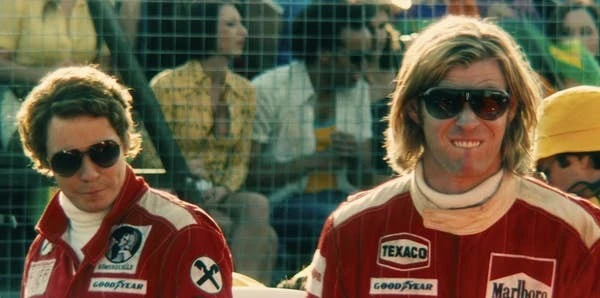
Accuracy: 82.9%
Truth: This biopic of James Hunt and Niki Lauda was incredibly accurate, as the story was widely reported and televised at the time. Even small details like Hunt drilling holes in the visor to allow condensation to escape in Japan. Lauda's recovery and the severity of his injuries were also well portrayed - he actually watched the races from his hospital bed, and doctors attributed his recovery to his incredible willpower.
Fiction: The film focuses on the rivalry between the two drivers, but according to Hunt's son, they were actually much closer than the film showed. Growing up at the same time in the racing scene, they may have even lived in the same apartment at one point during their Formula 3 careers. Several other moments were dramatized for the sake of the narrative, such as Hunt and Lauda's meeting at Crystal Palace in 1970 and the entire hitchhiking scene.
It was real
15. "Bridge of Spies"
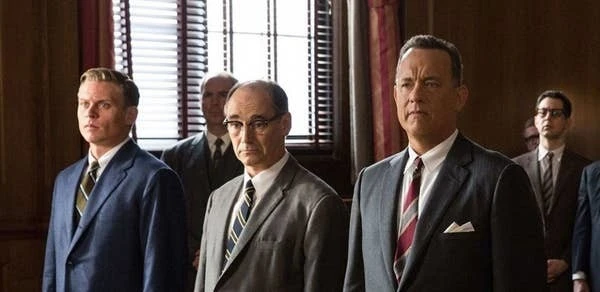
Accuracy: 88.8%
Truth: The film is as close to reality as possible - all the court decisions, appeals and what happens to Powers are true. Reliable facts even include a cold that Donovan suffered during his stay in frosty Berlin, apparently because he forgot to turn on the heating...
Fiction: Even though Donovan was verbally attacked, received intimidating and abusive emails, and had to change his phone, he was not physically attacked and he and his family were not shot, unlike what happens in the film.
16. "Short Game"
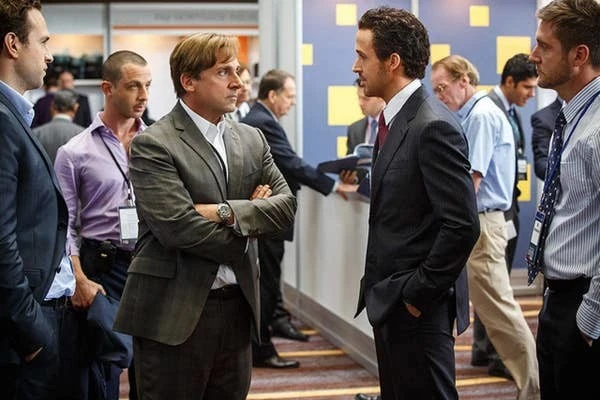
Accuracy: 91.4%
Truth: Almost everything shown in the film is completely true - which makes it even more impressive that a film about synthetic CDOs (collateralized debt obligations), AAA bonds and the stock market could be so interesting. With the exception of a few details, the film largely shows everything as it happened in real life.
Fiction: At the family's request, changes were made to the personal history of Steve Carell's character, Baum. Also, the scene with the stripper when Mark finds out she owns six properties didn't happen, but surprisingly, almost every other scene was included in the film.
It was real
17. "Selma"
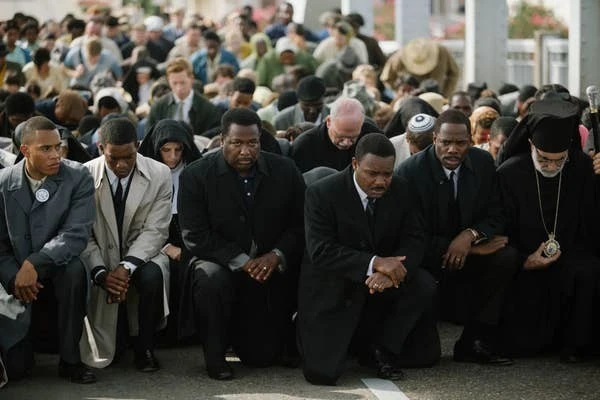
Accuracy: 100%
Truth: The filmmakers took great care in retelling these events and included as many people as possible, hence the unusually large cast. The important historical scenes were carefully done and therefore had an incredible impact.
Fiction: Some commentators claim the film misrepresents Johnson, and some (Johnson's former aide) say he and King worked more together. But it appears that the film's portrayal is actually closer to the truth.