10 secret buildings and attractions around the world (11 photos + 5 videos)
Even the most avid travelers have a habit of visiting the same places over and over again—a favorite city in a favorite country, a favorite restaurant on a favorite street, and a favorite Eiffel Tower in a favorite Paris. Meanwhile, there are places in the world that have been kept secret for decades, or even centuries, and still remain virtually unexplored. This kind of trip, you see, would be much more interesting! 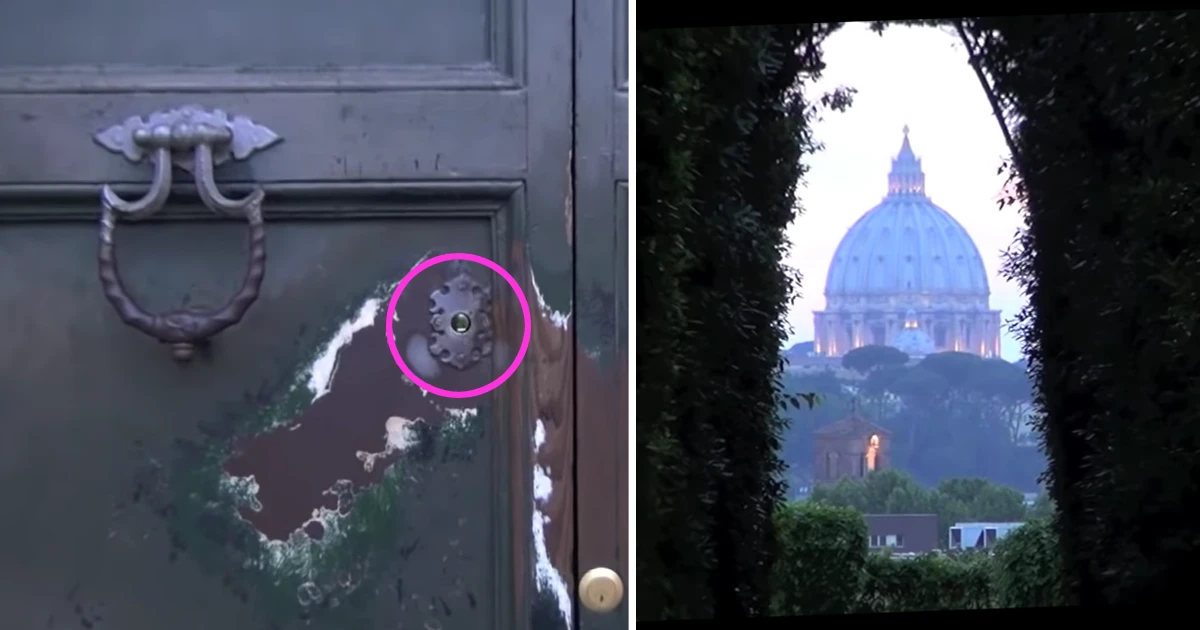
1. The secret passage of Passetto del Biscione - Rome, Italy 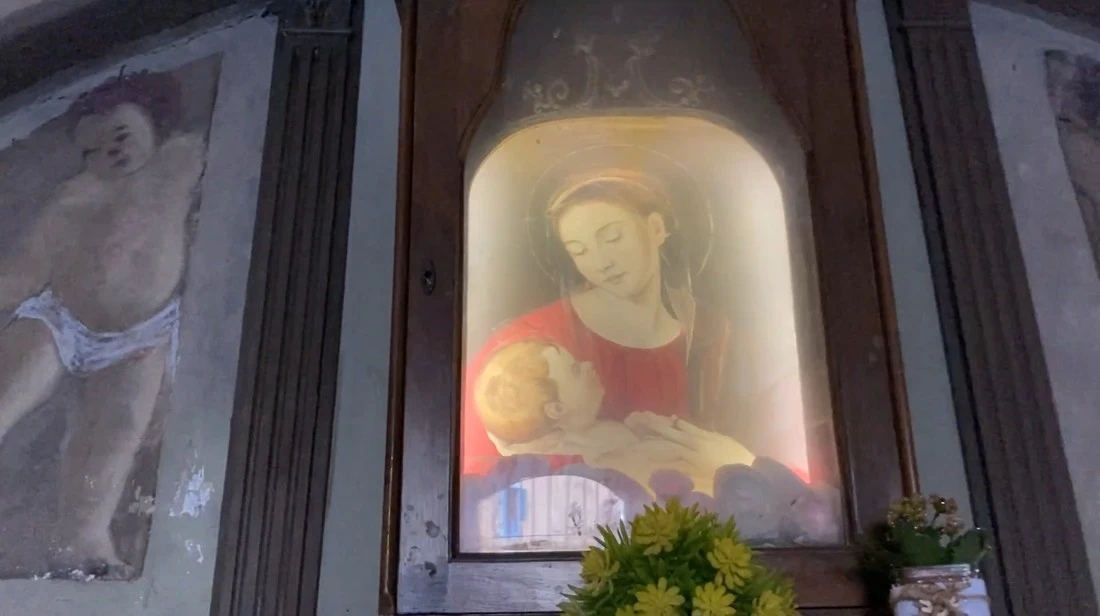
When exploring Campo de' Fiori in Rome, you would most likely pass by a hidden passage that connects Piazza del Biscione to Via di Grotta Pinta. Passetto del Biscione (literally translated as “snake passage”) is a small secret passage with an amazing history. It is believed that it was named after the symbol of the Orsini family - the eel. The passage is notable primarily for the fact that in 1796 it allegedly became the site of a divine miracle. In the aisle is a portrait of the Madonna that reportedly came to life and began moving its eyes in the late 18th century. Naturally, this miracle attracted devout Christians from all over the city, but due to the secret location of the passages, few people had a chance to witness this miracle. The passage remained abandoned for decades, but in 2016 it was finally restored to its former beauty. The image of the Madonna still attracts visitors expecting a miracle to this day.
2. Aventine Keyhole - Rome, Italy
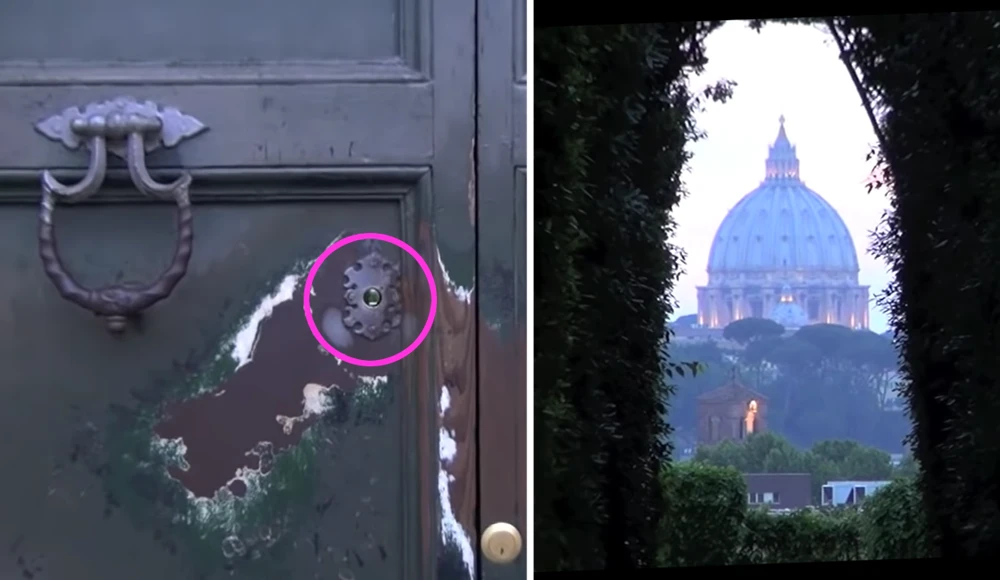
In the beautiful city of Rome, at the end of an ordinary residential street, there is an unremarkable green door that is very easy to walk past without even giving it a second glance. However, this is no ordinary door - the keyhole in it opens up an ideal, albeit tiny, view of three states at once, as well as St. Peter's Cathedral, located ideally in the center. Looking through this keyhole, you will immediately see Italy, the Order of Malta and the Vatican, while the view is framed by beautiful green gardens. It is unknown whether this fortunate prospect was carefully planned, or whether it was simply an accident. The door itself leads to the Magistral Villa, the second most important residence of the Order of Malta. This property belonged to the Knights Templar in the early 12th century and then passed to the Knights of Malta in the 15th century. The beautiful building that stands here today is an 18th century church called Santa Maria del Priorato, the work of the famous engraver and architect Giovanni Battista Piranesi. The architectural design of the church is inspired by ships and the sea, as the Aventine Hill itself is often compared to the shape of a ship.
3. Secret staircase at Penshaw Monument - Houghton-le-Spring, England
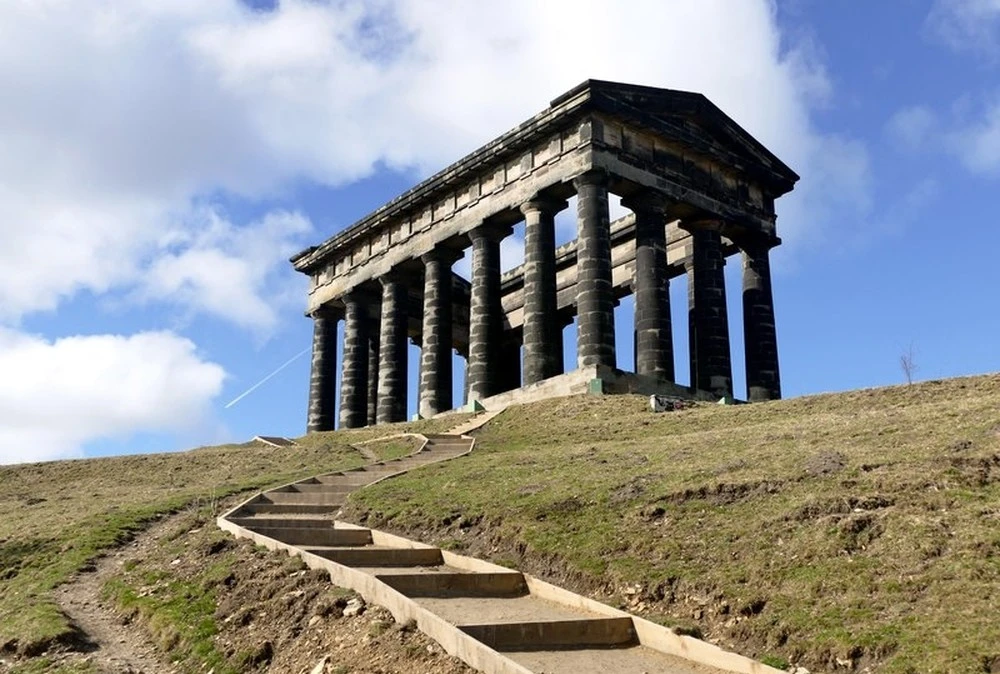
The Penshaw Monument, erected in 1844, is located on top of Penshaw Hill in Tyne and Wear, England, and is a truly breathtaking sight. This 21.3 meter high replica of a Greek temple was built in honor of the 1st Earl of Durham, John George Lambton. But the most interesting thing is that this 200-year-old “temple” has a secret - a secret spiral staircase is hidden inside one of the columns. Unfortunately, in the 1920s, a teenager fell from it to his death, after which the stairs were closed for safety reasons. It remained closed for 90 years, except for a short period in the mid-1960s when vandals broke the lock. However, in 2011, when the responsibility for caring for the monument passed to the National Trust, the staircase was reopened. True, only on certain days, and a fee is charged for climbing it.
4. Traboules Lyon, France
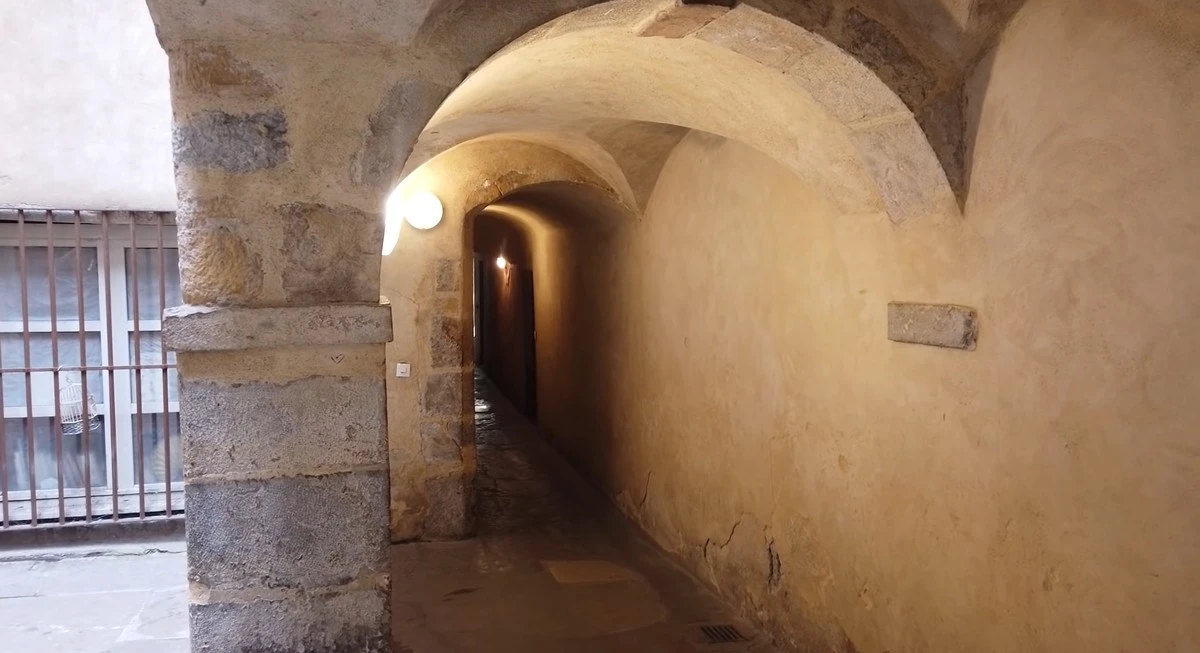
Secret pedestrian passages snaking between the buildings and alleys of the French city of Leon once allowed silk weavers to quickly and safely move their goods to and from markets. These passages, or traboules, are now partially open to public use. The word traboules comes from a corruption of the Latin "trans-ambulare", meaning "to pass through". The earliest passages date back to the 4th century and were built to allow people direct access to the city's fresh water supplies. It is believed that there are about 400 traboules in the city, but only a few of them are open to the public - these are marked with a special seal. Private passages are behind locked gates and doors.
5. Secret Bunker - Airdrie, Scotland
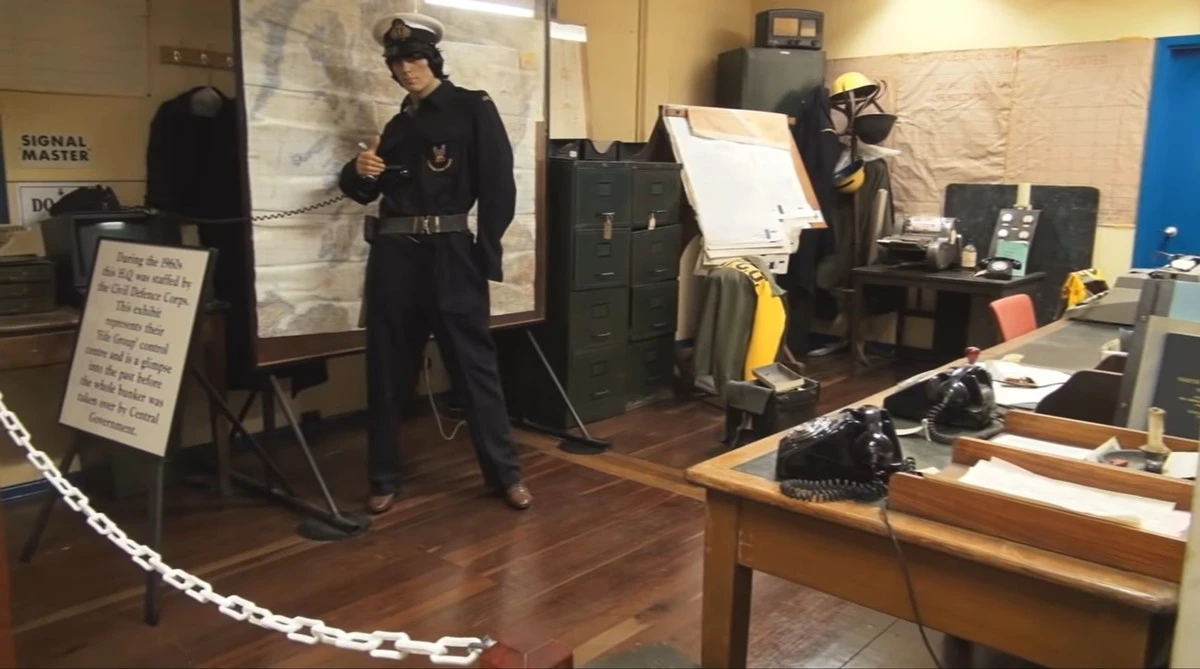
When passing by a quaint little house in Scotland, most people don't realize that there is a tunnel underneath that leads to a huge secret bunker. The 2,230 square meter bunker remained secret for more than 40 years. It is located 33 meters underground and consists of two levels, each the size of a football field. It was planned that in the event of a nuclear war, the Scottish government would rule the country from here. It is also part of the ROTOR system, a huge project to upgrade the UK's radar coverage after the Second World War. Now obsolete as a government shelter, the bunker is a museum full of Cold War artifacts, although most have been reconstructed, and not entirely accurately.
6. Art Deco Secret Tunnel Beneath the New Yorker Hotel - Manhattan, New York
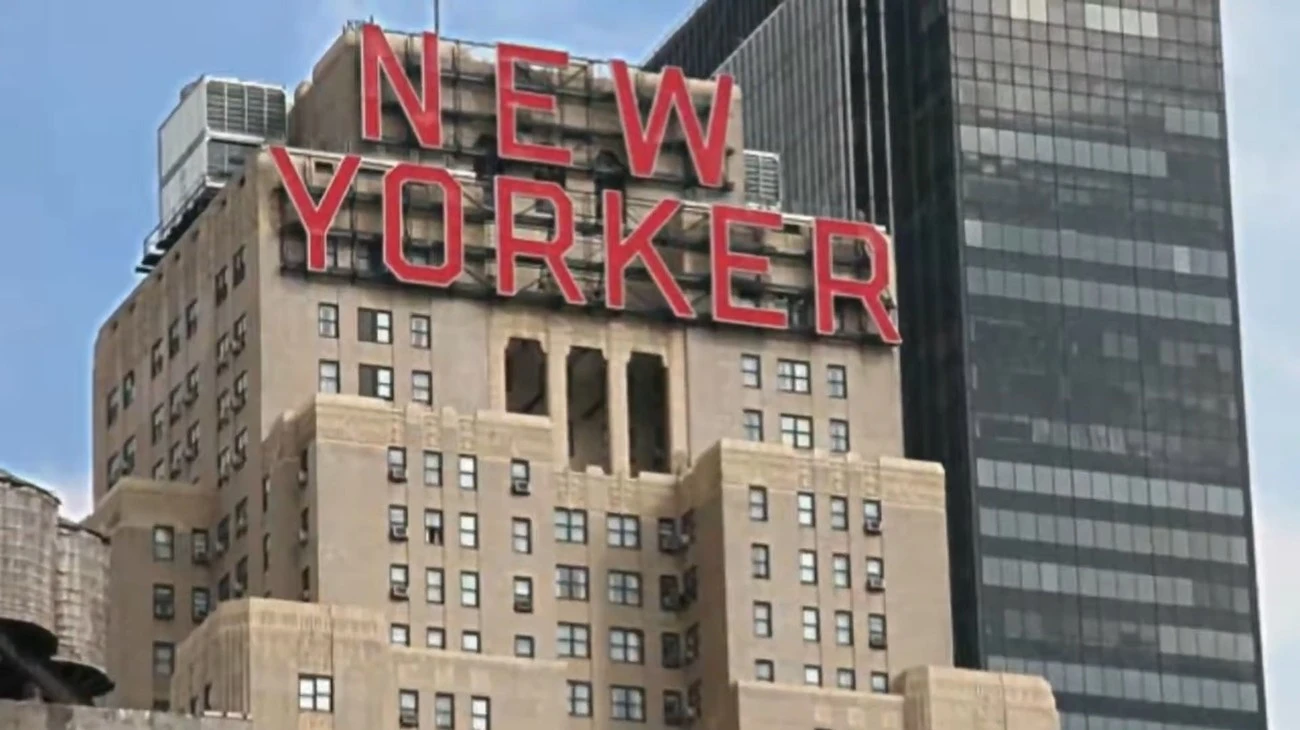
The iconic New Yorker Hotel, with its striking red sign, is full of secrets, including a mesmerizing Art Deco tunnel. The walk behind the locked door is full of old hotel chairs, rugs, hardware and art deco tiles. As you move through the tunnel, you will walk under West 34th Street in a zig-zag line. At the far end of the tunnel there is a copper door that leads to the New York City Subway's E Route platform. The hotel's archives include a 1930s brochure advertising the tunnel, saying it was "incredibly convenient". It also says that the tunnel is one of the hotel's best amenities, as it connects to Penn Station and even extends to the Empire State Building. Although the tunnel is not open to the general public, it can be visited with a guide.
7. Drakelow Tunnels - Cookley, England
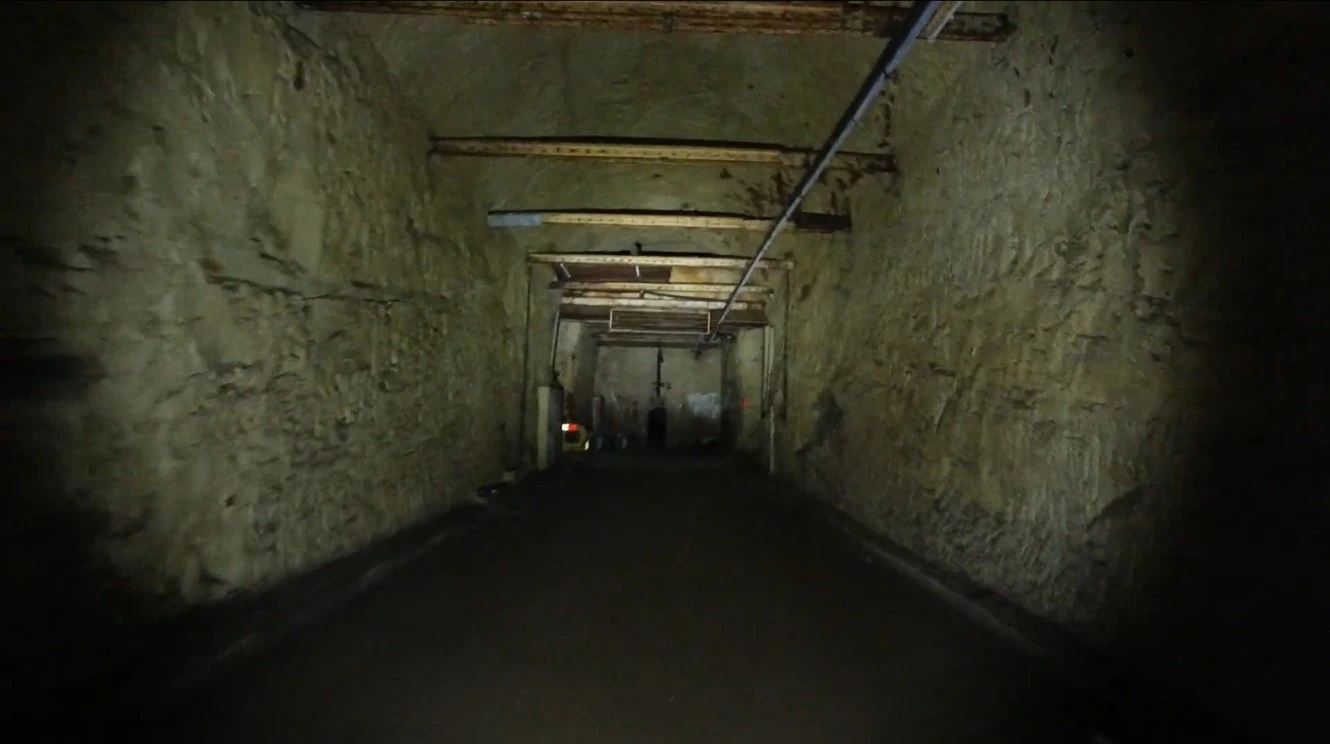
Tourists strolling through Kingsford Country Park in North Kidderminster, England, have little idea that a secret, or rather “top secret” military complex is hiding right under their feet. These tunnels, located near Birmingham, have quite an interesting history. Dug in the early 1940s, they were first used to create a "shadow factory" for car manufacturer Rover. The shadow factory was a production method that emerged in the 1930s in Great Britain. The method allowed both technology and knowledge to cross-move between industries, where specialists could replace each other. The tunnels reached 5.6 km in length and were used throughout the Second World War until the 1950s. But by 1961, the British government had turned some of the tunnels into secret headquarters for a "shadow government." This was during the Cold War era, and the tunnels were planned to be used to control the country if something went wrong at the top. The Drakelow Tunnels remained a secret until their decommissioning in 1993. The tunnels and equipment were sold to a private buyer. Since then, the Drakelow Tunnels Preservation Trust has worked hard to restore the underground complex with a view to opening a Cold War museum in the future. Although this massive project is still under development, some of the tunnels are open to the public.
8. Whispering Gallery of the Loggia dei Mercanti - Milan, Italy
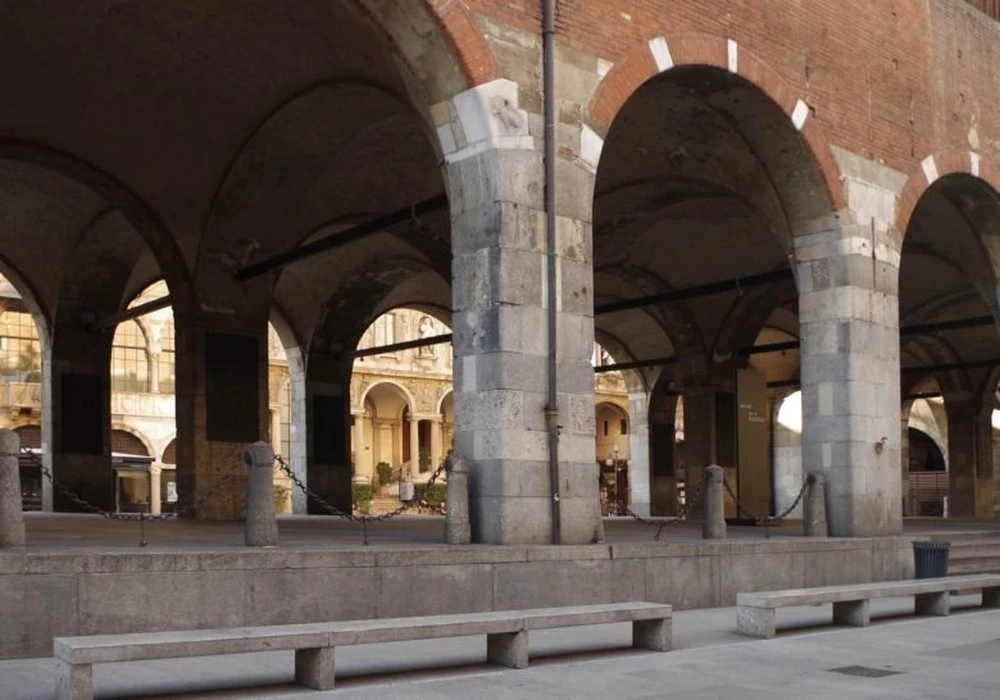
Beneath the Palazzo della Ragione is a place known as the Loggia dei Mercanti. However, this is an unusual structure - it is actually a hidden communication system. If you whisper something to these columns, through the arches the words will reach a person who has taken a certain position on the opposite side. The Loggia dei Mercanti is a whispering gallery - an amazing acoustic anomaly that appears under arches and domed buildings and allows even the quietest sounds to travel long distances. Legends of the Whispering Gallery have been passed down from generation to generation, including how merchants from the Renaissance and Middle Ages used this secret communication system to obtain secret information. Other legends are more romantic and describe how lovers in a forbidden relationship used the Loggia to whisper words of love to each other.
9. Newgate Prison Cells - London, England
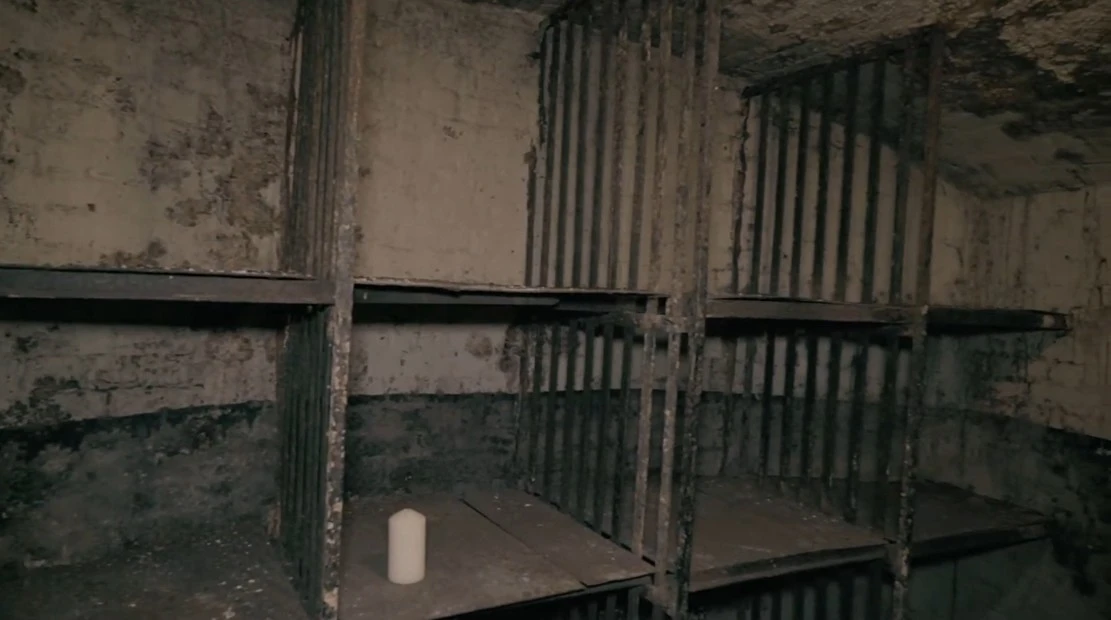
The prison was built at the end of the 12th century by order of King Henry II. Situated near St Paul's Cathedral, it served as an unwelcome haven for London's most dangerous criminals for over 700 years until it was closed and demolished in 1904. Today, the site of the once feared prison houses London's main central criminal court, commonly known as the Old Bailey. In appearance, there is nothing reminiscent of the old prison here except a small plaque on the wall of the Court, but the remains of the Eastern Wall can be found on a residential street, Amen Court. The last remnants of the old Newgate prison cells are said to lie deep beneath the local Viaduct Tavern. Dark and creepy, the tiny cells offer an insight into what it was like to live in London's worst prison centuries ago. There are rumors that these tunnels were connected by a tunnel to the main prison, but it is unknown whether this is true or just a local legend. If you want to take a look at these cameras, just chat with one of the bartenders!
10. Secret Beach - Marietas Islands, Mexico
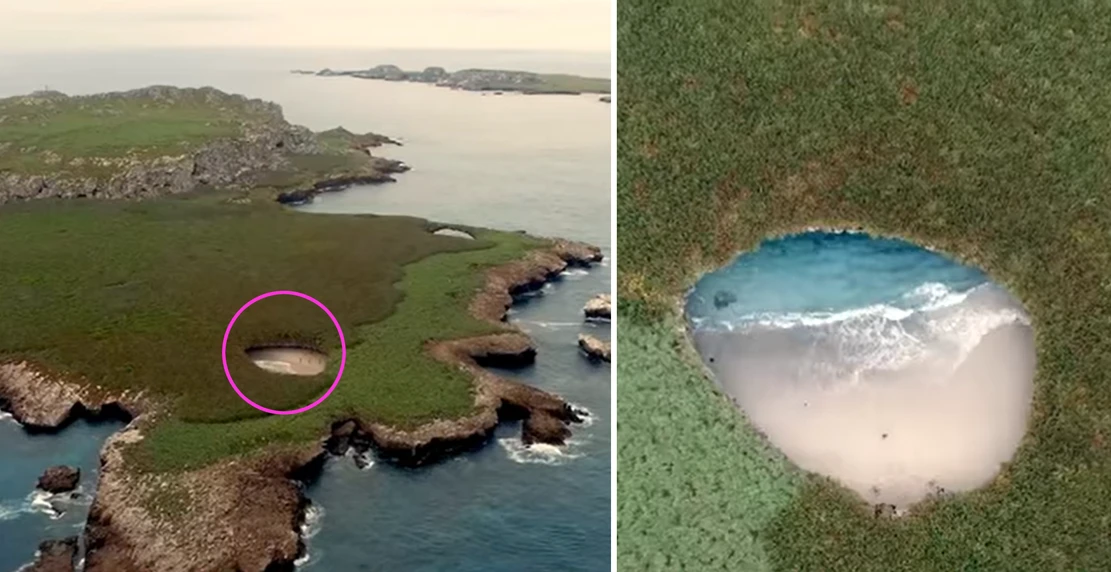
Hidden away on a large island of lush green vegetation is Playa del Amor, a beach bathed in golden sunshine and sparkling blue waters. Playa del Amor, or "The Secret Beach", is part of the Marieta Islands, an uninhabited group of islands formed by underwater volcanic eruptions. Located about 35 kilometers west of the Mexican city of Puerto Vallarta, Hidden Beach looks like the set of a science fiction movie. With its white sands and turquoise waters, this location is ideal for a romantic getaway. The beach is completely cut off from the outside world and can only be reached through a water tunnel less than two meters high that connects it to the Pacific Ocean.