Why did the Scots suddenly start wearing skirts from the 16th century? (2 photos)
The Kilt is a unique Gaelic heritage that the Scots truly honor and respect. 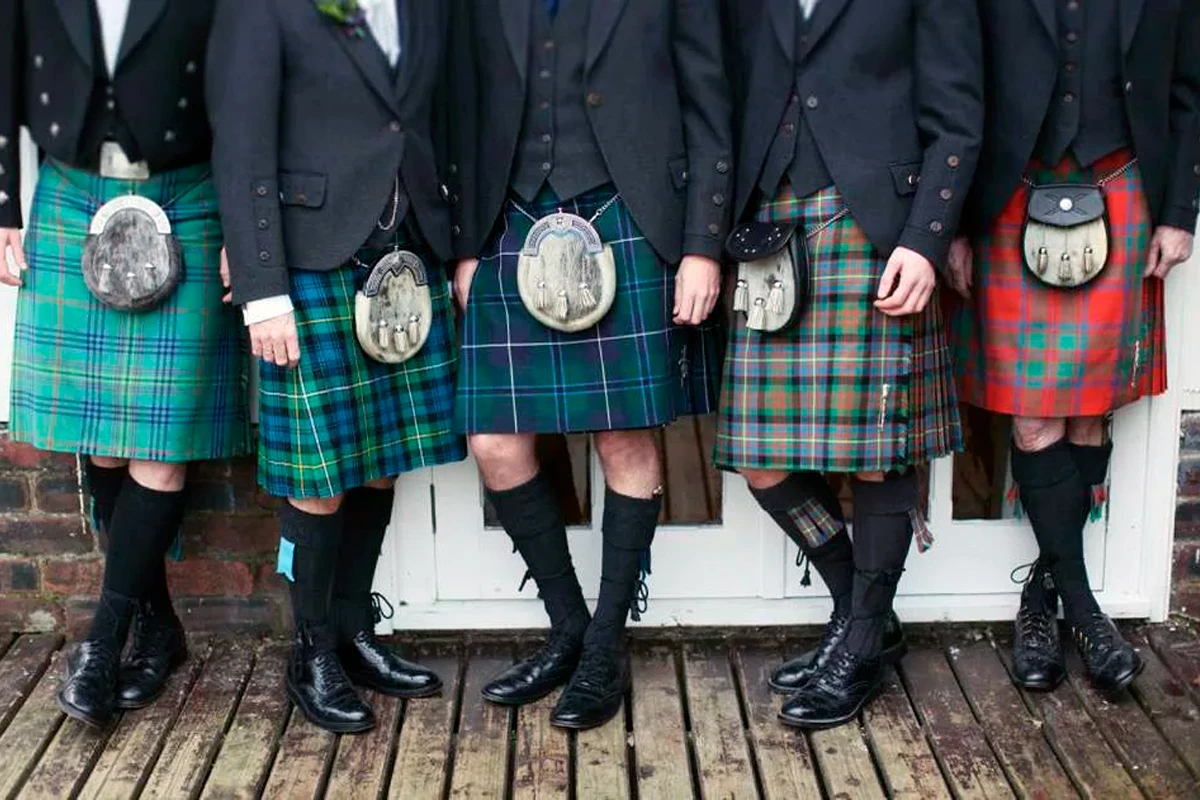
Modern Scottish men are incredibly proud of this traditional type of clothing, which has given rise to a huge number of sensitive questions and puns. It is usually called a “kilt”, and not at all a “skirt”, as many initially thought.
But for what exactly? And why did they gain such dramatic and massive popularity among the male population of Scotland? Is it just the brightness and quality of these clothes, or is there something completely different involved?
Gaelic heritage
At first, not all Scots wore kilts, but only highlanders, in other words, the inhabitants of the Scottish mountains. They were made from a special fabric - wool tartan, and multi-colored patterns were created using twill weaving threads. The kilt itself was a thick piece of fabric with a belt that was wrapped around the hips.
Such clothes were considered very comfortable. Firstly, it retained heat perfectly even in the rainy climate of Scotland. Secondly, it did not hinder movement, which in mountainous areas meant a great advantage. And thirdly, the kilt was easy to dry and could be used as a blanket on cool evenings.
The size of the kilt was constantly changing. From a bulky piece of fabric, it turned into a convenient piece of fabric - the so-called small kilt.
But how, when and why did kilts appear in Scotland?
Initially, in Scotland itself, the kilt was considered generally barbaric clothing, worn exclusively by mountain savages. The inhabitants of the plains condemned and despised this form of clothing. The mountaineers did not see anything reprehensible in this - it is convenient for the mountainous terrain, does not hinder movement, also retains heat and protects from rain and wind. 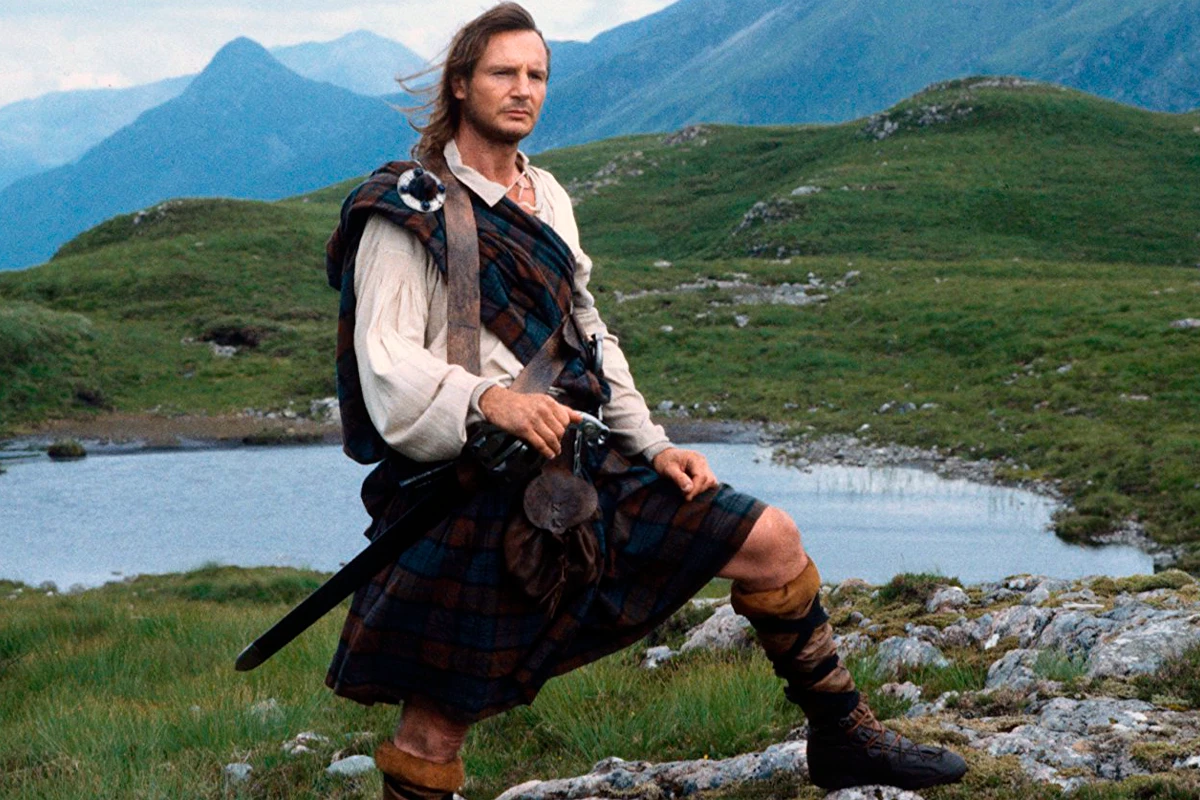
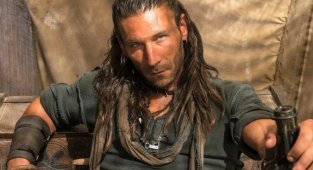
Still from the film "Rob Roy" (1995)
And this attitude changed only in 1745, thanks to the uprising of the Jacobite highlanders. The latter decided to show originality and use kilts as an analogue of the flag. The patterns and colors of the tartan were supposed to help the Highlanders identify the Highland Scots as belonging to specific clans. And this was done with the aim of creating a successful and great military force to seize the British throne.
The failure of the "45th Rising", as the Jacobite military called themselves, led to a major and brutal crackdown on all tartan lovers. In 1747, a law was even passed outlawing the traditional clothing of the highlanders. This honor remained only with the officers and soldiers of Scotland.
But this ban did not last long. Just a few decades later, kilts became a symbol of patriotism, struggle and respected Scottish traditions. So to speak, a certain sign of the national identity of the Scottish people.
Checkered status
Each Scottish clan had its own personal, unique fabric design. This is the intersection of stripes that could differ in some ways: color, slope or width. Everyone had their own tartan color, and using someone else's design was considered a serious offense. Even special people monitored this.
Also, by the number of flowers, one could determine the status and place of birth of a stranger. If the kilt has no more than two colors, the owner of this tartan is probably an ordinary farmer or servant. But if the number of flowers reaches 6-7, then the owner was a military commander or leader.
Originality of colors
Nowadays, there are more than 6 thousand original tartan designs. Not that there are such a huge number of Scottish clans now. The point is different - in addition to clan and family colors, the Scots began to come up with special kilt designs for special occasions: jubilees, hunting, weddings, mourning, and so on.