Deep lakes are found on all continents. The border zone of Argentina and Chile is especially rich in such reservoirs; given the area of the countries, they will be among the leaders. As for the origin of deep-sea lakes, there is complete diversity: glacial, volcanic, tectonic. The picture is approximately the same for temperature conditions. 
But reservoirs with great depths often have differences from shallow ones. Some have atypical mineral composition or inhabitants that cannot be found anywhere else. Richness in fish is typical for most representatives of the list, although there are exceptions. The tourism industry is also not developed everywhere, but the potential is there and visible to the naked eye.
Tanganyika
It is the longest freshwater lake, with an area of 32,900 km². Located in Central Africa, it belongs to four countries at once. A hot climate affects changes in water levels at different times of the year. When the inflowing rivers partially dry up, the lake follows suit. There are special environmental problems in the north of the lake, since waste from enterprises was dumped here, and fishing was put on stream.
Depth – 1470 meters. 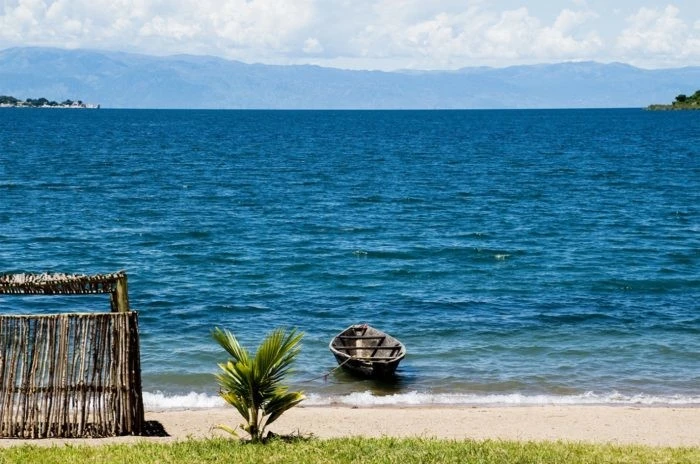
East
The location features - the lake is located in Antarctica - could not but affect the characteristics. There is no larger (15,790 km²) subglacial lake in the world. At the same time, the water is heated to +10°C due to geothermal sources. A research station with the same name is based in the immediate vicinity. The study of microorganisms living in these waters has not yet been completed.
Depth – 1200 meters. 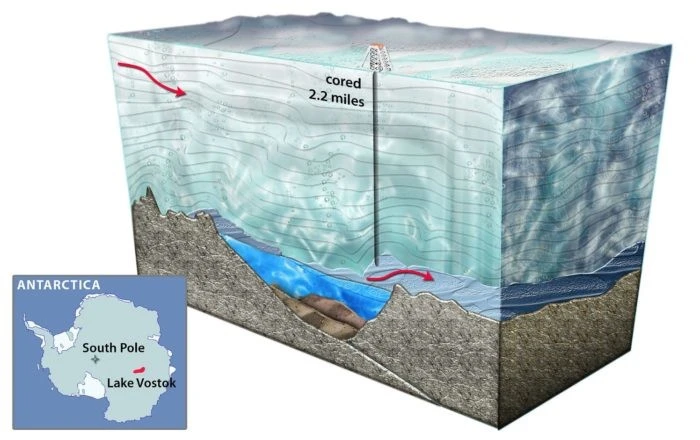
San Martin
Located in South America, the lake has an area of 1058 km². Particularly noteworthy is the shape of the reservoir: it is divided into widely spread uneven branches. The specificity of the name is connected with this: those parts of the shoots that belong to Chile have a different name among the locals - O'Higgins. The lake is fed by small rivers flowing into it, as well as by the larger Mayer.
Depth – 836 meters. 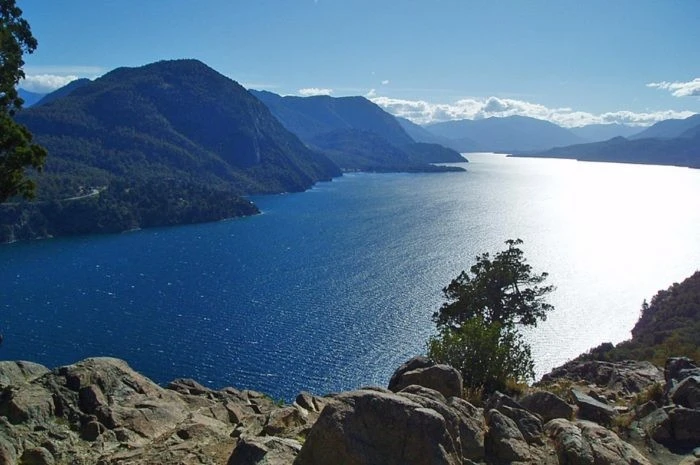
Nyasa
Also called Malawi, it covers an area of 29,600 km². It belongs to three East African countries, which makes it difficult to agree on environmental protection for the territory. It is elongated in shape and has virtually no sharp bends. Used for fishing, but the coastal zone is sparsely populated. The area is picturesque, as there are different types of relief, many species of rare plants and fauna.
Depth – 706 meters. 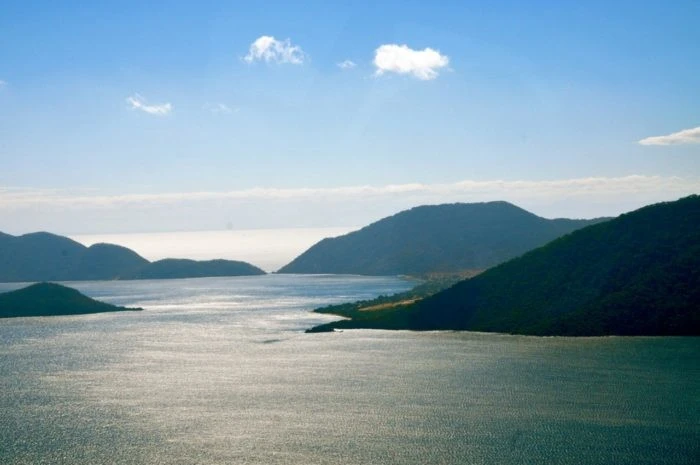
Issyk-Kul
It is located in Kyrgyzstan and has an area of 6236 km². It is drainless and fed by 80 tributaries. 4 picturesque bays are used for fishing, tourism and as ports. Travelers are largely attracted by the combination of climate types: mountain and sea. There are camping areas as well as full resort areas. The beach season is short, from mid-June to the end of August.
Depth – 702 meters. 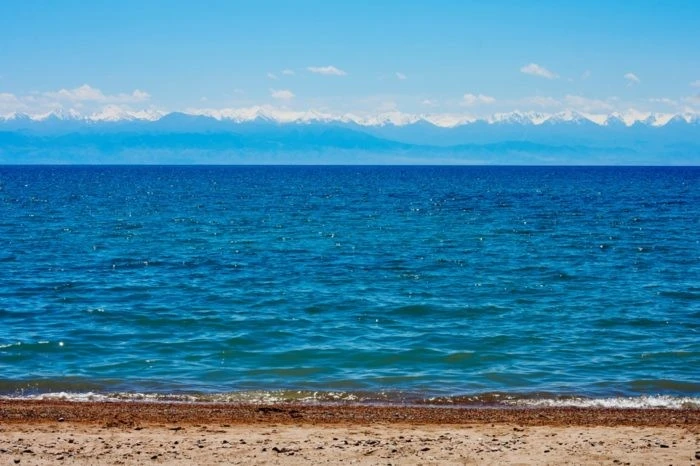
Great Slave
The peculiarity of the Canadian lake, which has an area of 28,568 km², is the ice crust that covers the surface for 8 months. The thickness of the cover allows the reservoir to be used as a full-fledged road for trucks in winter. The vegetation on the opposite coasts varies: in the west there are dense forests, and in the east there is tundra. There are mines in the area and the search for diamonds is underway.
Depth – 614 meters. 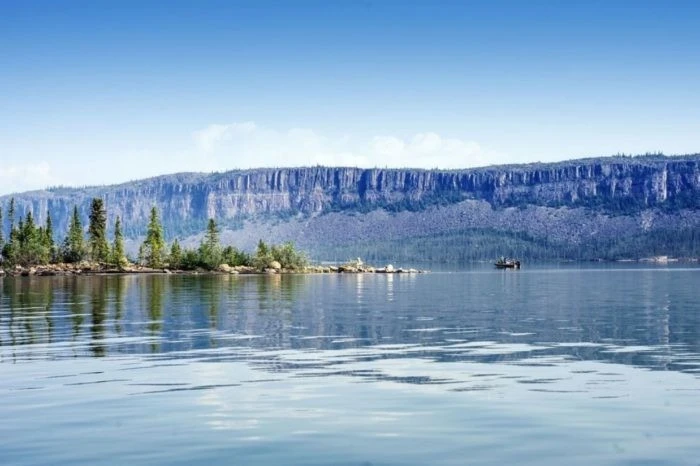
Crater
It is located in the USA on the territory of the national park of the same name. The area is 53.2 km², the shape is round, to which the reservoir owes its volcanic origin. A local landmark is the “Old Man of the Lake” - a log that has been floating in a vertical position in the lake for a hundred years. Its preservation is ensured by low temperatures. Hydrothermal activity continues, so eruptions are still possible.
Depth – 594 meters. 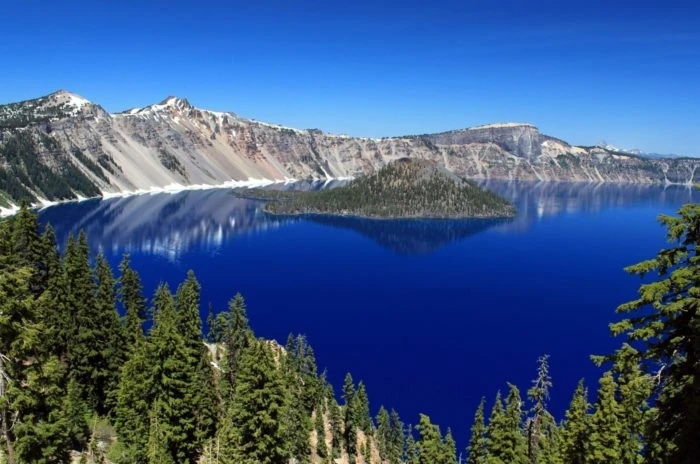
Matana
The Indonesian lake has an area of 164.1 km² and is of tectonic origin. Its shores are rich in nickel ore deposits. This caused a number of contradictions: the reservoir is an important source of drinking water for the region, and mining led to pollution. The composition of water at depth is unique: the oxygen content tends to zero, but iron compounds prevail over other elements.
Depth – 590 meters. 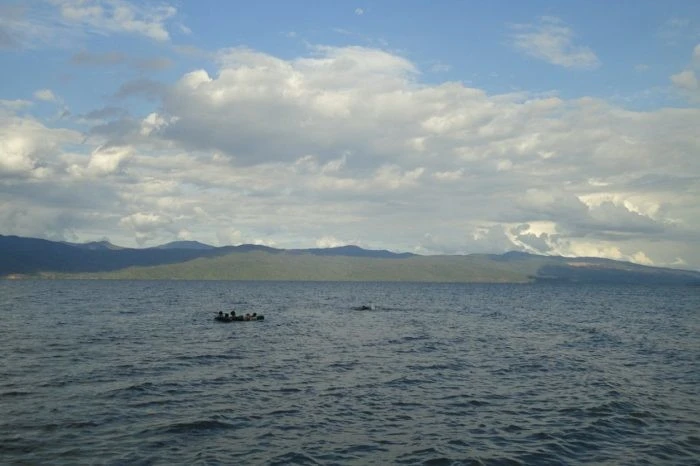
Buenos Aires
Located on the border of Argentina and Chile. It covers an area of 1850 km² and is of glacial origin. At the end of the 19th century, the channel of one of the tributaries was artificially changed, which affected the water level in the lake, albeit slightly. The western and eastern parts of the reservoir are very different in appearance and vegetation. One of the attractions is the marble grottoes.
Depth – 586 meters. 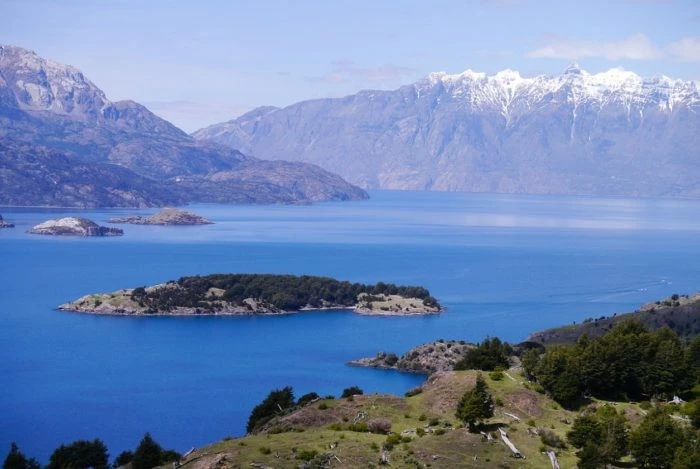
Hornindalsvatnet
Norwegian lake with an area of 50.42 km². There is a contradiction between official data regarding depth and those indicators obtained when laying cable along the bottom of a reservoir. The telephone company announced that the lowest point of the lake is 612 meters from its surface. In mid-summer, a massive marathon is held along the coast. It is considered the cleanest of the lakes in Scandinavia.
Depth – 514 meters. 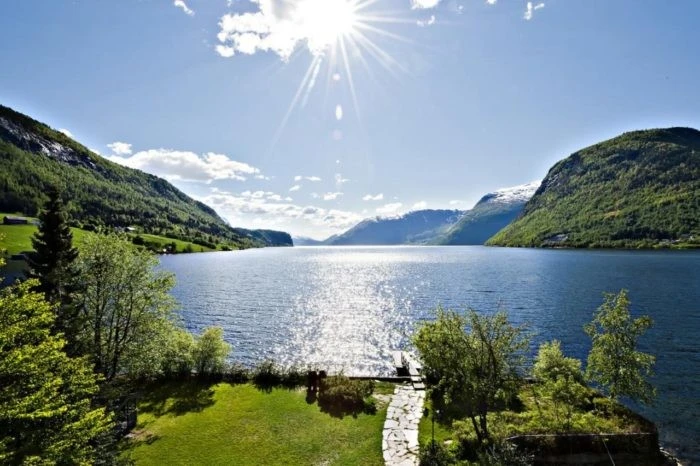
Quesnel
Located in Canada, it is of glacial origin and has an area of 266 km². The shape is oblong, there are three clearly defined sleeves. Researchers have measured that the lake's water is completely renewed within 10 years. A popular tourist destination: some come for the scenic views, others for fishing, for example, for rainbow trout. Small piers have been built along the banks, and water transport runs regularly.
Depth – 506 meters. 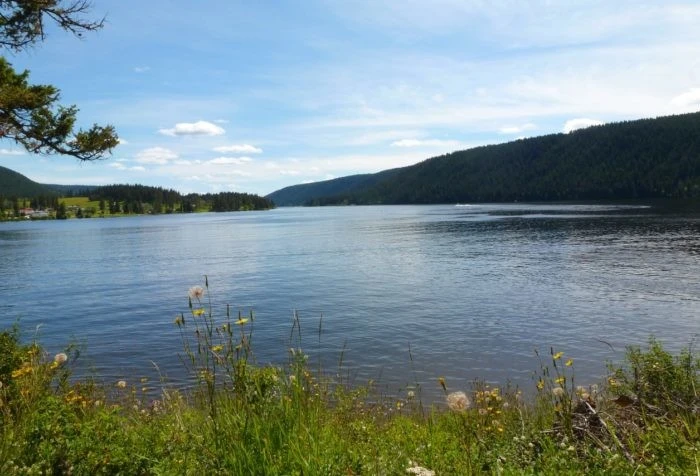
Sarezskoe
It is located on the territory of Tajikistan and covers an area of 80 km². Formed due to the blocking of the bed and basin of the mountain river Bartang by rubble. The water level fluctuates. In theory, it is dangerous for populated areas downstream, since it can bring down huge volumes of water on them if natural barriers break through. There are many types of flowering plants on the banks, but there are few fish in the reservoir.
Depth – 505 meters. 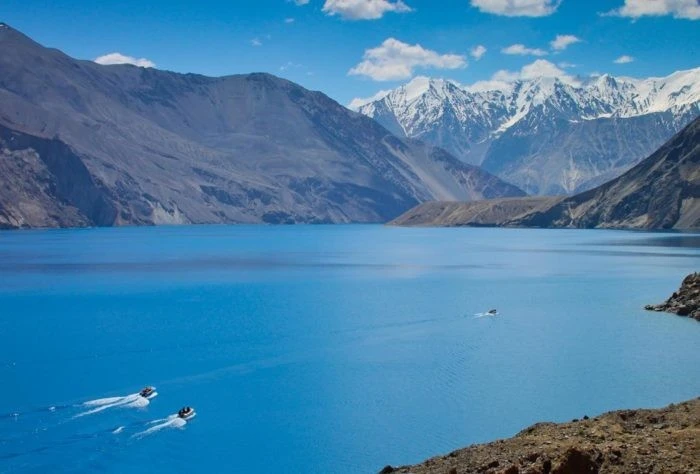
Toba
Formed in the caldera of the volcano of the same name. It belongs to Indonesia and has an area of 1103 km². The tourism industry relies on travelers' interest in the ethnic culture of the area, especially the Batak people. Another popular destination among foreigners is ecotourism. The influx of guests occurs once a year: in May, when the weather becomes warmest, and for Chinese New Year in February.
Depth – 505 meters. 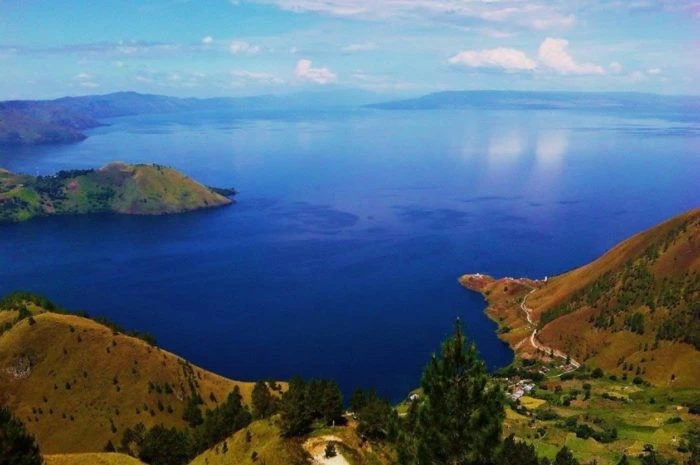
Tacho
Located in the USA, it is one of the popular holiday destinations, especially for domestic tourism. Area – 495 km², coastline – 114 km. There is one island - Fannett. It is small in size, but rises above the water due to its mountain-like shape and is clearly visible from many points. There are dense forests around, and on the coast itself there are few settlements, although they are aimed, among other things, at visitors.
Depth – 501 meters. 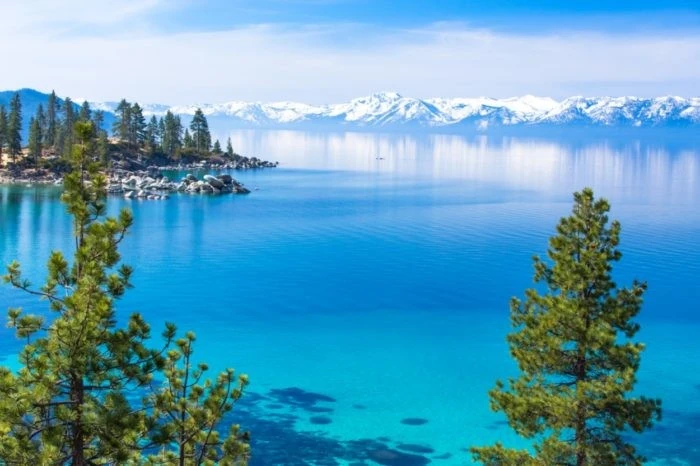
Lago Argentino (500 m)
The area of the Argentine freshwater lake is 1415 km². The largest in the country, put on maps in the 80s of the 18th century. Belongs to the territory of the national park. Nutrition comes from the melting of glaciers and rivers carrying melt water to the lake. Tourists come here for the fishing and also for the unusual species not found anywhere else in South America.
Depth – 500 meters. 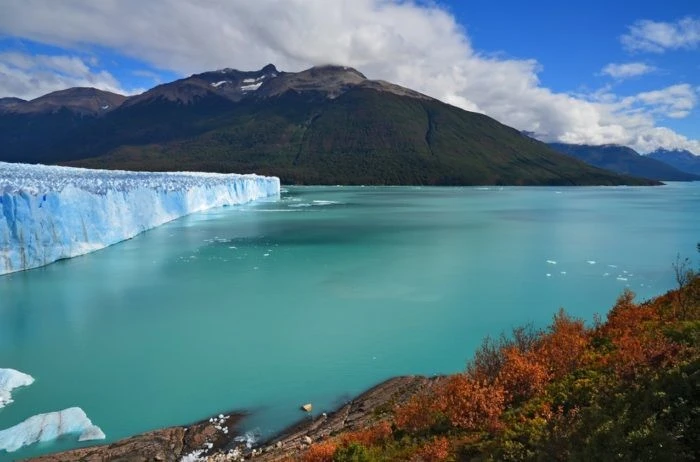
Kivu
It is located in Central Africa and belongs to two countries at once. Belongs to the list of Great African Lakes. Connected to Lake Tanganyika via the Ruzizi River. Area – 2700 km². The most famous story related to the reservoir occurred in 1948. A volcano nearby became active for a long time, and the water in Kivu began to boil, and all the fish were cooked.
Depth – 480 meters. 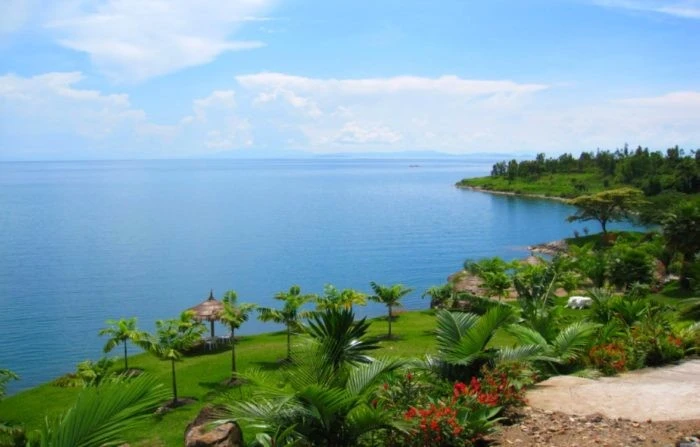
Salsvannet
There are discrepancies about the depth of this Norwegian lake. Perhaps official sources understate it somewhat. Area – 44.77 km². At depth there is practically no oxygen in the water. In addition, the salinity there is higher, which also affects the density of the water. The reasons for such deviations from the norm may be hidden both in the origin of the reservoir and in as yet undiscovered factors. Research continues to this day.
Depth – 464 meters. 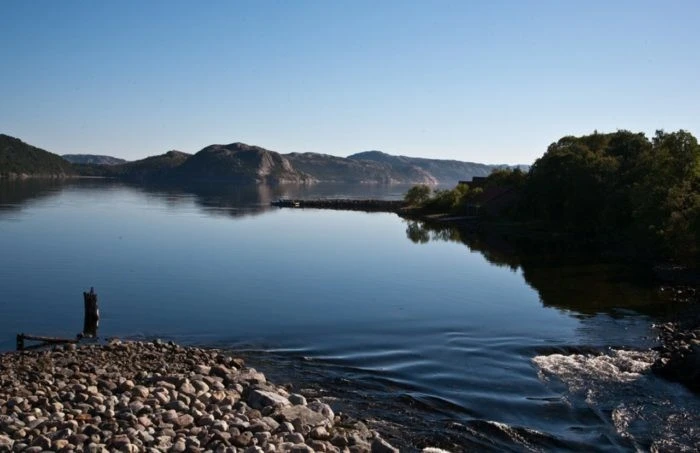
Nahuel Huapi
The name is translated from the local dialect as “Jaguar Island”. It belongs to the territory of Argentina and covers an area of 530 km². The shape is elongated, there are branch sleeves. The largest of the lakes in the local national park. Tourism is widely developed. There are many hotels in cities on the coast. Visitors are attracted by ethnic groups, history, and environmental features. There are several types of tourism programs.
Depth – 464 meters. 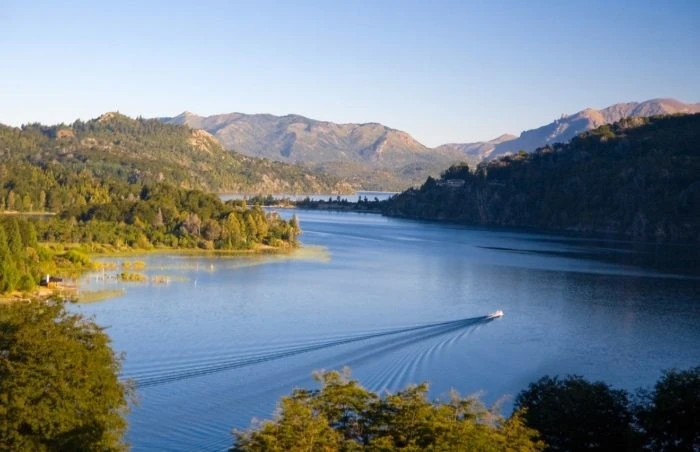
Hauroko
Located in New Zealand, the southernmost in the country, it belongs to the national park. Area – 63 km². The shape is very curved and resembles the letter “S”. There are many camping spots nearby, but no hotels or shops. There is no mass tourism, although the lake is often used as a transit point for long journeys.
Depth – 462 meters. 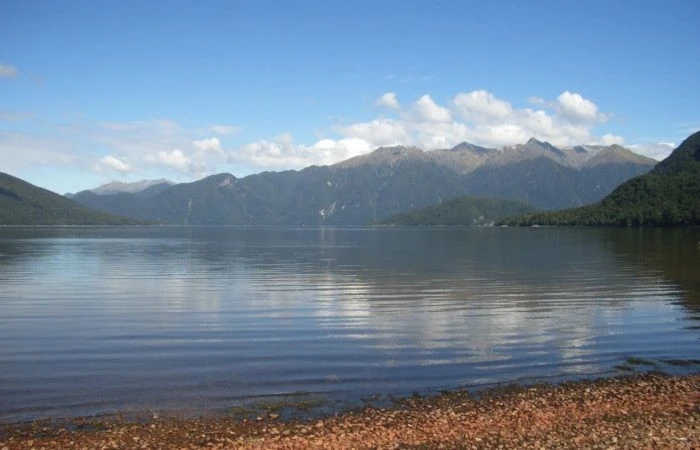
Pueyrredon
Has another name - Cochrane. It belongs to the territory of Chile and Argentina and has an area of 270 km². Nearby are the southern Andes, the reservoir is fed by a glacier. The shores are predominantly high, mountainous or hilly. There are small areas of land on the surface of the water, but they are too small to be called islands. The vegetation is often low, there is a lot of fish, although there is no constant fishing.
Depth – 460 meters. 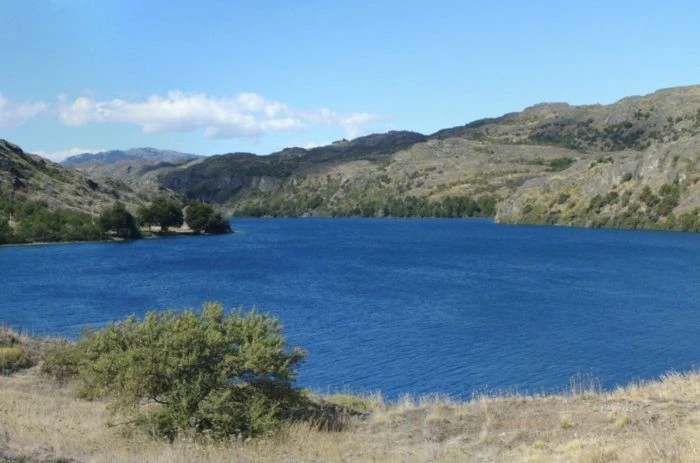
Tinsho
It is located in Norway and has an area of 51.43 km². The reservoir was used by the Nazis during the occupation of the country. Local waters with an atypical composition were to be used for nuclear research. Already in the 90s, one of their sunken ferries was discovered. In addition, previously unknown fish species were found. The study of the lake’s features continues to this day.
Depth – 460 meters. 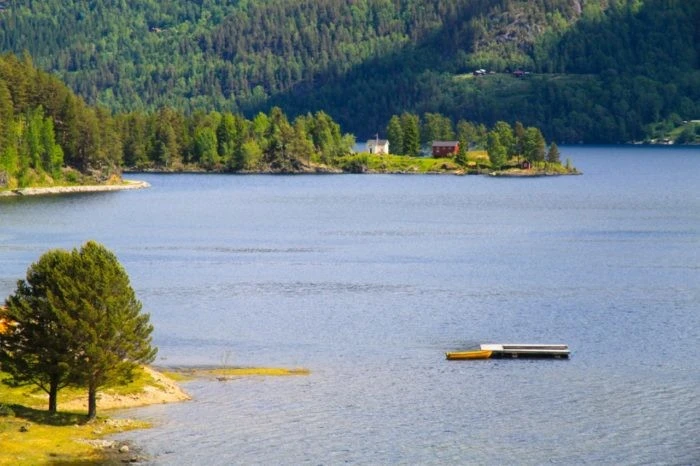
Adams Lake
It is located in Canada and belongs to the glacial type of formation. Area – approximately 137 km². The lake is elongated and narrow. The curves of the coastline are quite smooth and consistently narrow at the extreme points. Popular as an object of domestic tourism: local residents come here to fish. The main commercial fish species is rainbow trout.
Depth – 457 meters. 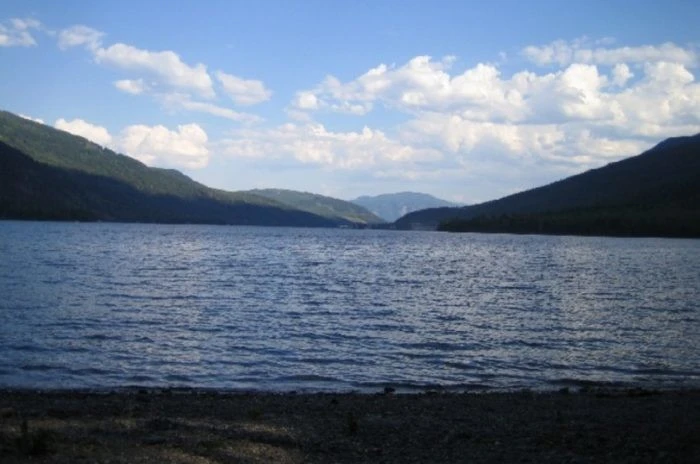
Chelan
Located in the United States, its name is translated from the Indian language as “deep water.” Area – 135 km², the largest in Washington state. The river of the same name flows out and Sthekin flows in. Belongs to the North Cascades National Park. A boarding house has been built on the coast, open all year round. There are several settlements, including a city of the same name in the southeast.
Depth – 453 meters. 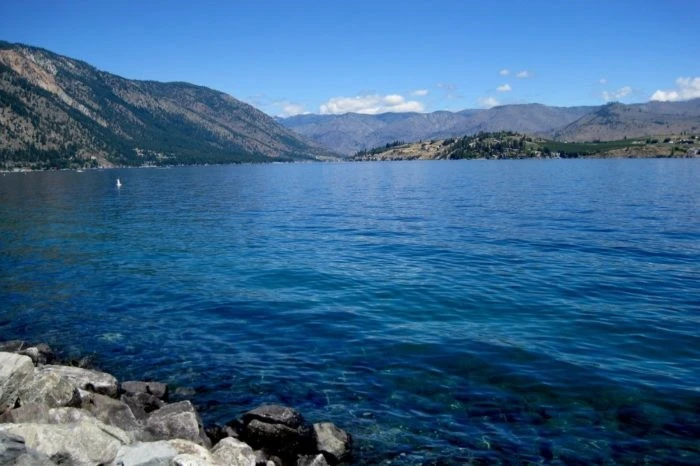
Wang
The endorheic Turkish lake with salt water is located on an area of 3574 km². It is the largest soda lake in the world. The name can be translated as “inhabited place.” It is surrounded by several mountain systems, which affects the climate and air saturation. There are several islands in the reservoir. Some have preserved Armenian landmarks: monasteries, churches, etc.
Depth – 451 meters. 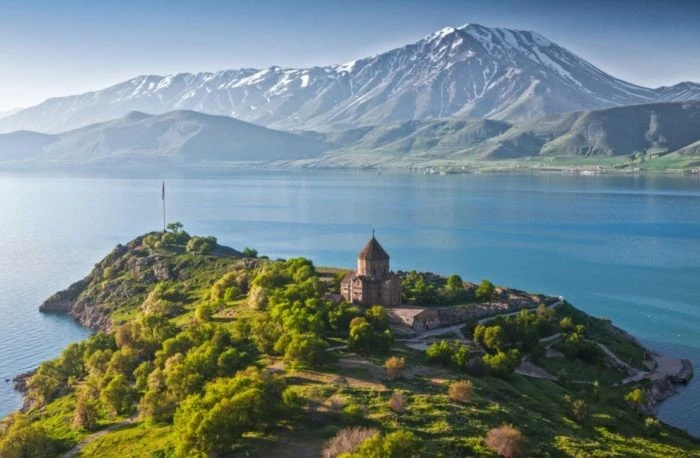
Poso
The Indonesian lake has an area of 323.2 km². The lake attracts tourists with its nature. Particularly noteworthy are the species of shrimp and snails that live here. Also, local coastal settlements are ready to offer guests a lot of interesting experiences: national flavor coexists with developed infrastructure and services. There are sandy beaches and hotels to suit almost every budget.
Depth – 450 meters. 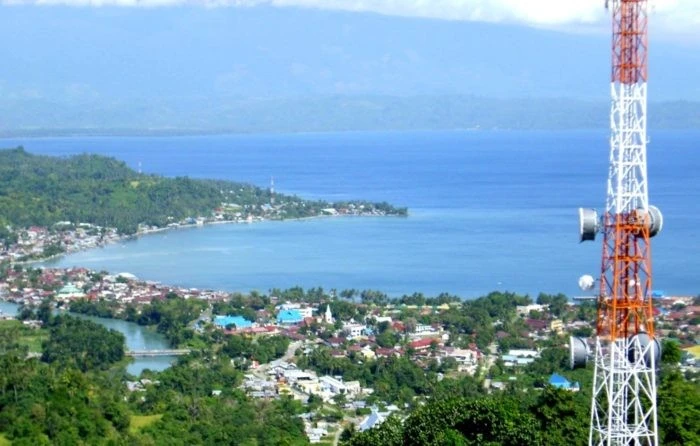
Fagnano
Belongs to the possessions of Chile and Argentina. It bears the name of a Catholic missionary who visited these regions at the end of the 19th century. The largest (593 km²) of the lakes of Tierra del Fuego. It is the source of the Asopardo River. It is part of the national park on the Argentine side. Traveling along the coastal area in jeeps is popular among tourists. Local operators offer this service to everyone.
Depth – 449 meters. 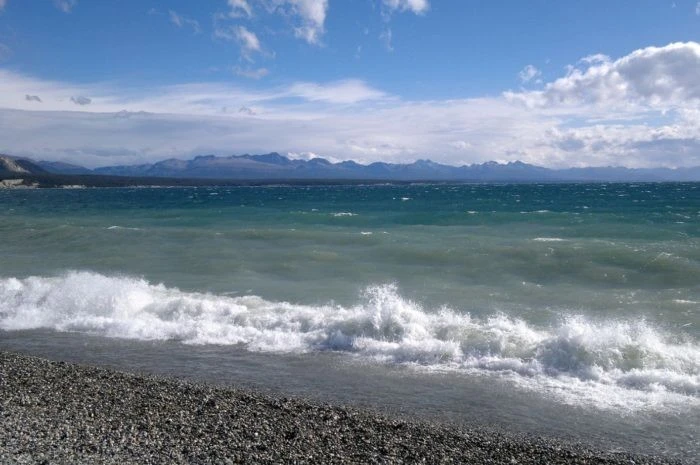
Big Bear
Location - Arctic Circle, belongs to Canada and covers an area of 31,153 km². There is a uranium deposit, but it is abandoned due to the unprofitability of mining. The lake is navigable, but only for a small part of the year, since most of the time the surface of the reservoir is covered with a crust of ice. There is only one settlement on the shore, which once served as a fort.
Depth – 446 meters. 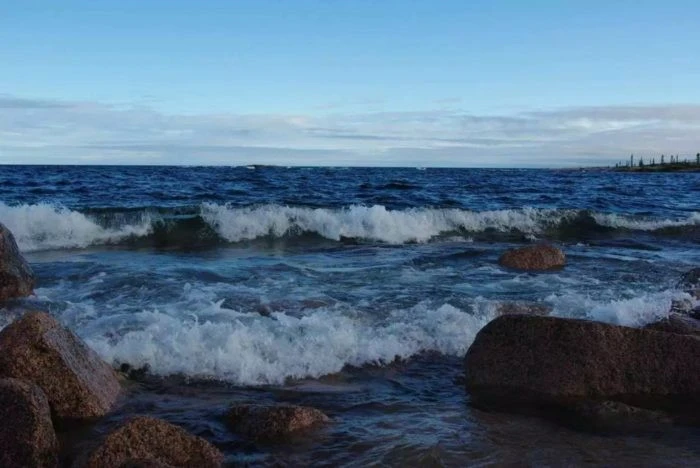
Manapouri
Belongs to the territory of the New Zealand National Park. Area – 142 km², glacial origin. The name translates as “lake of sad heart.” Locals have several other names for it, including: Roto-au and Moturau. There are more than 30 islands in the water area of the reservoir; they are mostly covered with forest. Europeans brought red deer here more than a hundred years ago.
Depth - 444 meters. 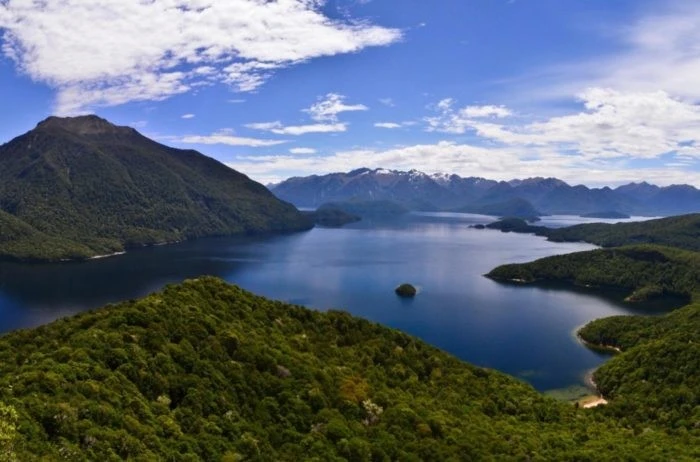
0 comments