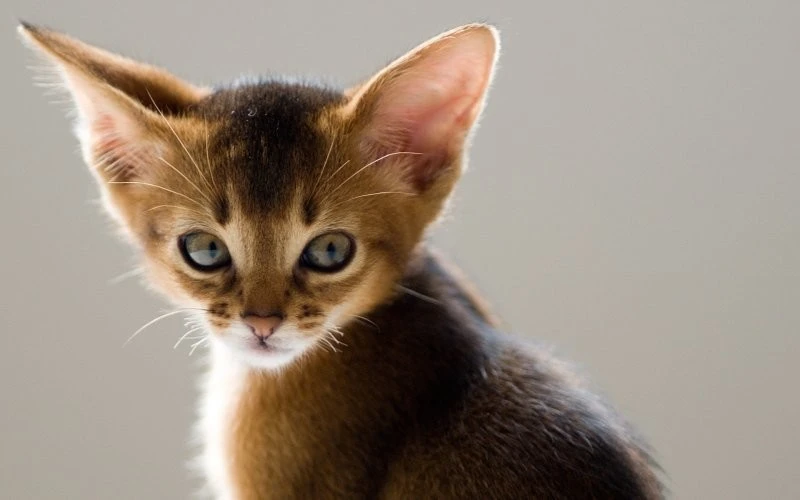
Why did nature provide cats with pockets on their ears? (6 photos)
Any cat owner knows that his pet has small folds of skin on his ears, the shape of which resembles a pocket. Why is this physiological feature called Henry's pocket needed? 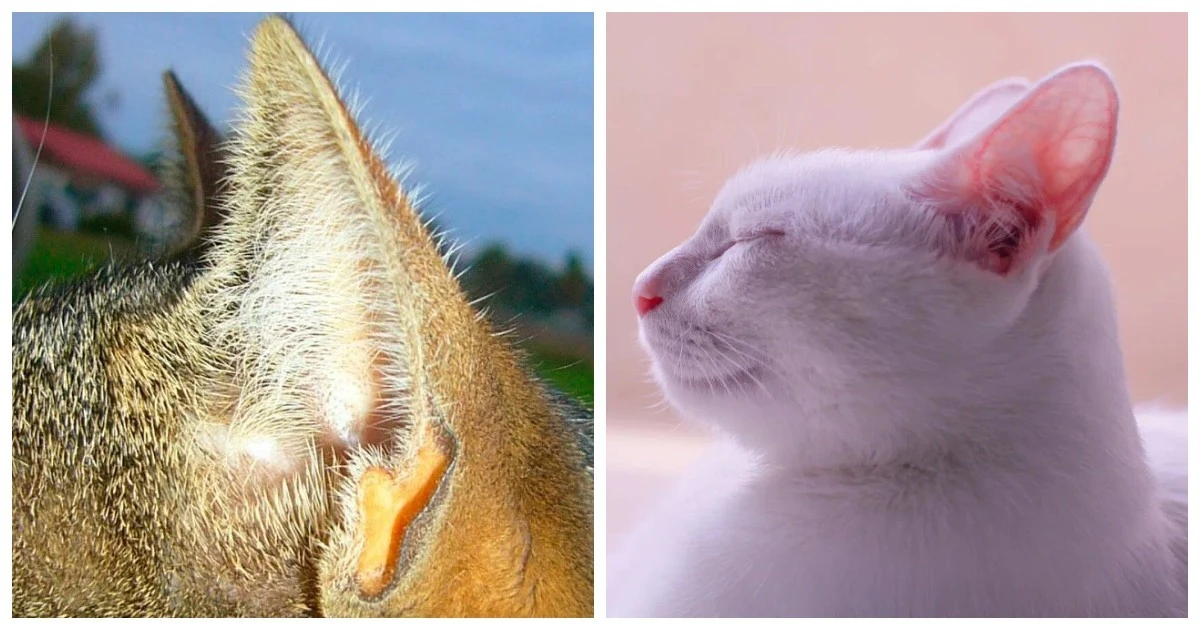
It is also the marginal sac of skin, located in the back of the outer ear of animals.
Evolutionary error? 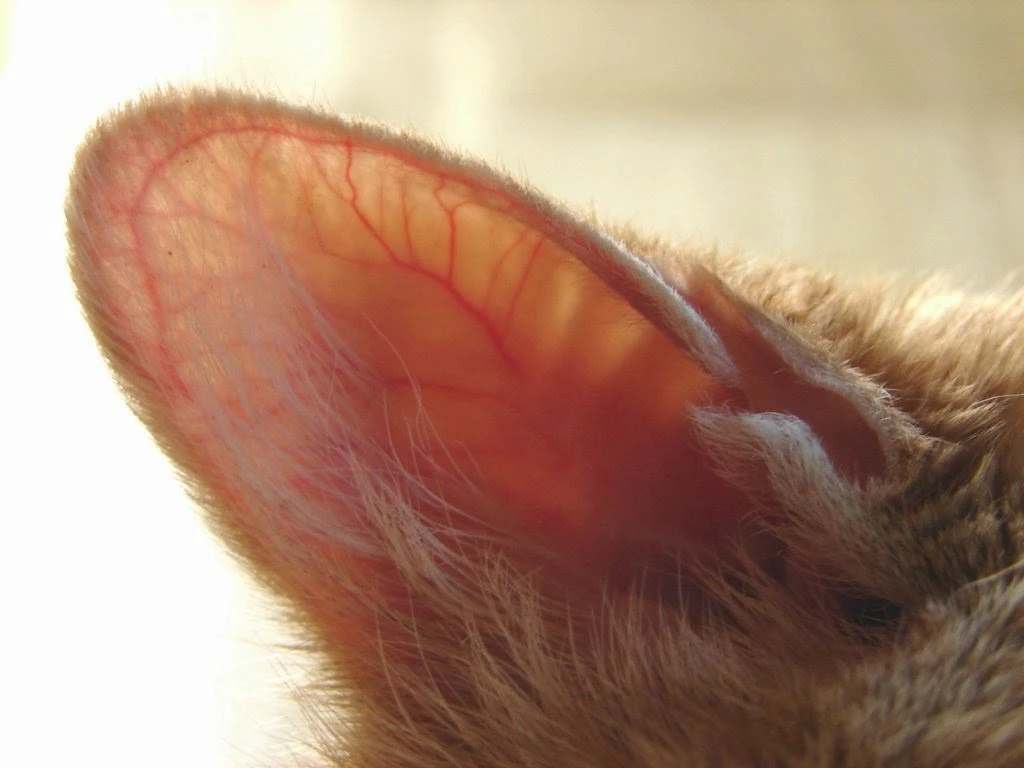
Henry's pocket
Nature has endowed cats with such acute hearing that they are able to detect the source of sound with an accuracy of up to 5 degrees. And they can even roughly imagine the size of the objects making these sounds. The ears move and turn easily - this is the nature of predators, although many of them no longer need to hunt. 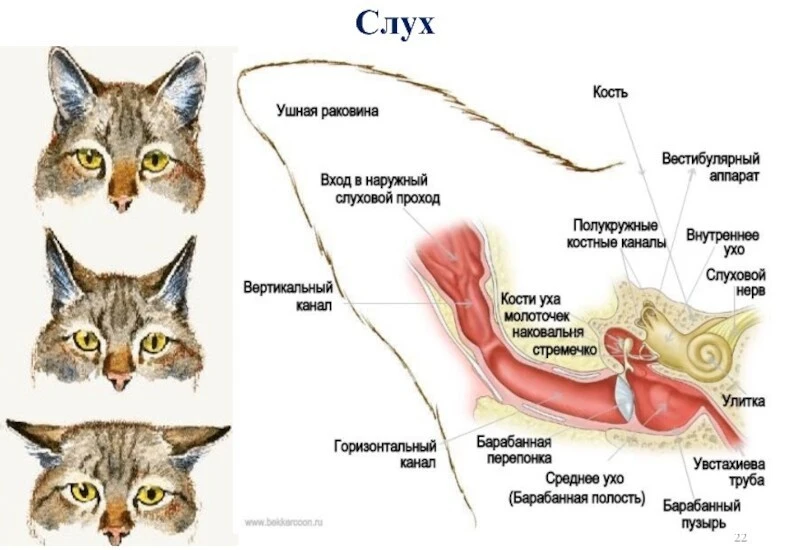
Cat care consists of three parts:
external - actually, the auricle, which captures sounds and directs sound waves further;
medium – small bones that redirect vibrations even further;
internal, capturing sound.
Functions of Henry's Pocket: Basic Theories 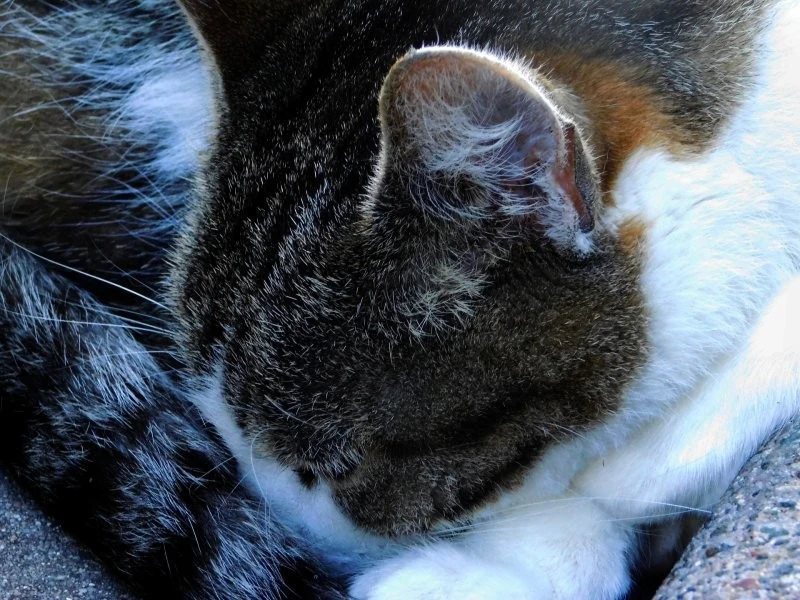
Scientists believe that the folds could have appeared due to one of the following reasons:
Helps pinpoint the location of the sound source. In nature, this helps to track prey and not turn into it yourself, falling into the attention of a larger predator.
Sound amplification when the hearing organ is tilted. That is, when the animal’s ears are at an angle, Henry’s pocket amplifies the sound and allows the cat to more accurately determine the coordinates of its source.
Provides additional flexibility. Another layer of skin allows you to move your ears in different directions painlessly and without discomfort. And attentive owners even read the signals, understanding by movements what the pet is feeling - alertness, joy, anger, fear and other emotions. 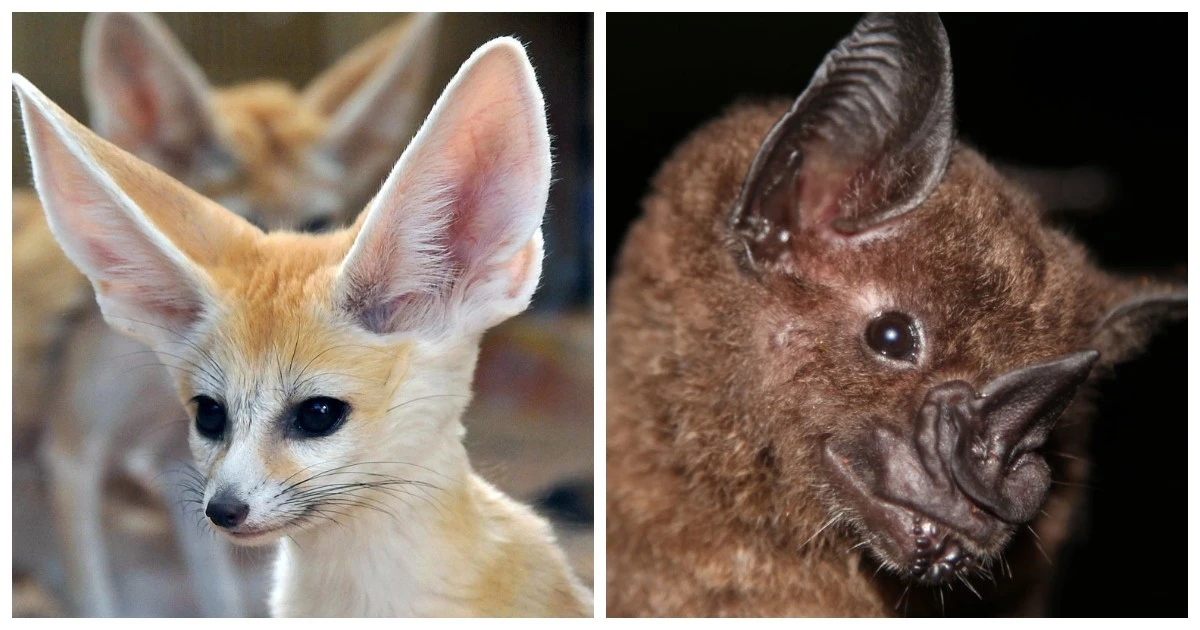
In addition to cats, some dog breeds have Henry pockets. Nature has also endowed weasels, bats and foxes with this option. All of these animals have truly acute hearing. And the presence of Henry's pocket suggests the existence of some kind of common ancient ancestor.