Cuisine is one of the few things that unites North and South Korea. But while these countries generally share a common culinary heritage, South Korean cuisine is much more diverse due to its influences from other countries. 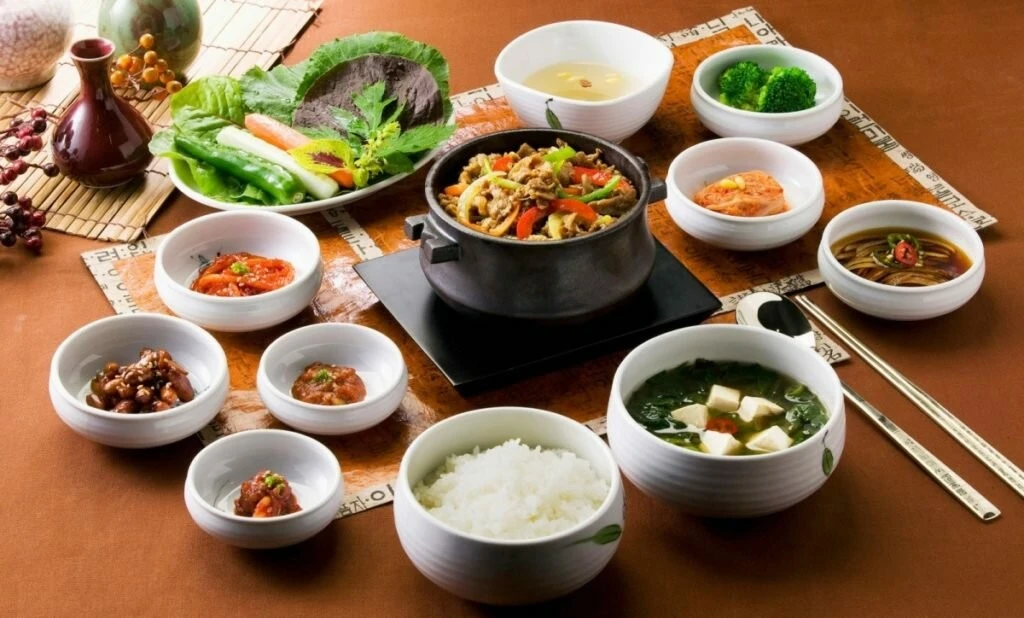
But North Korean cuisine is one of the most underrated in the world due to its isolation. Many travelers who have visited North Korea claim that the food here is fresher, untouched by the influence of other cultures, and therefore truly authentic. 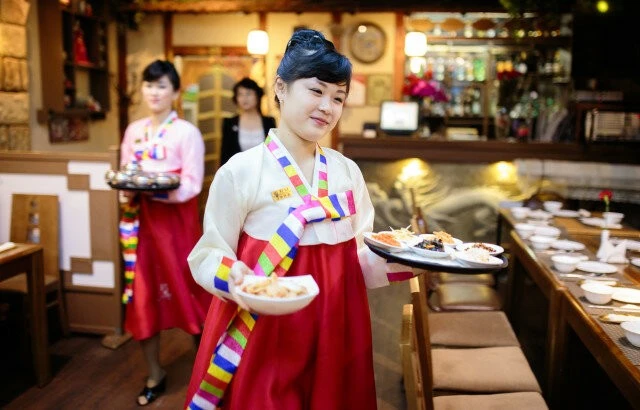
Today I propose to go on a short culinary journey and find out what the inhabitants of the most closed country in the world like to enjoy most. 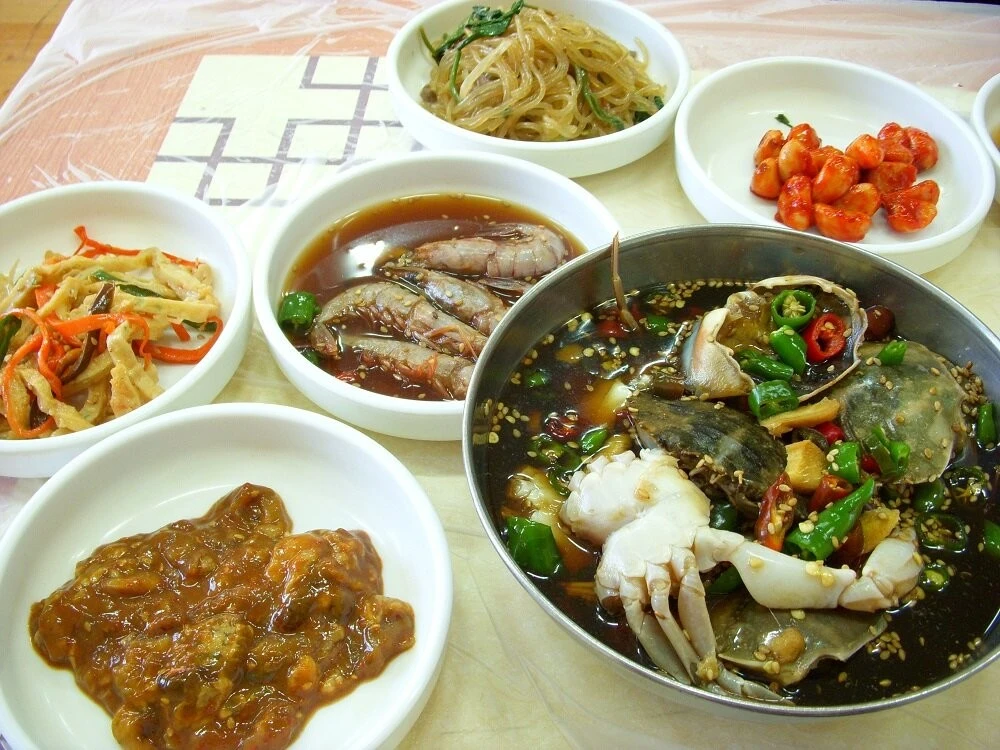
Let's start with the Pyongyang onban. As the name suggests, this dish is a kind of calling card of Pyongyang, the capital of North Korea. It consists of fluffy rice topped with boiled and shredded chicken, slices of soaked dried mushrooms, chopped onions and garlic. The whole thing is doused in a warm, flavorful broth and topped with chopped eggs and a green bean pancake. 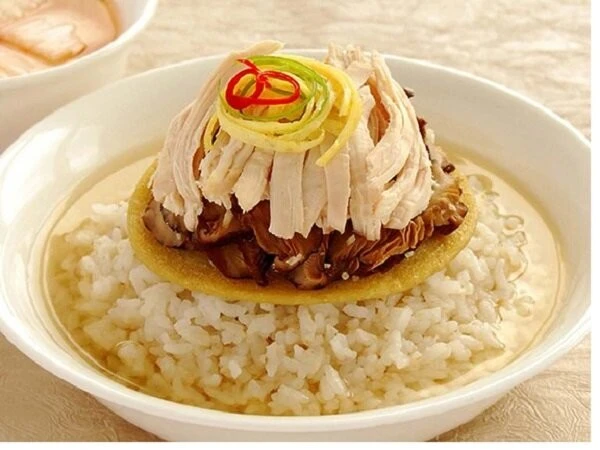
The origin story of this popular dish in North Korea says that it was invented completely by accident. The woman collected all the food left in the refrigerator into one plate and took it to her husband in prison. This simple but extremely tasty dish is now a must at North Korean dinner parties and official celebrations. 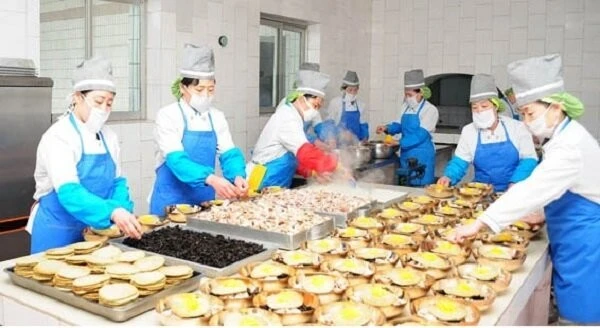
Next on our menu is shellfish barbecue. This dish is quite popular on the west coast of North Korea and consists of only two ingredients. For its preparation, fresh shellfish caught by local fishermen and... gasoline are used. The shellfish are placed on a large flat concrete slab and then gasoline is sprayed over them and set on fire. 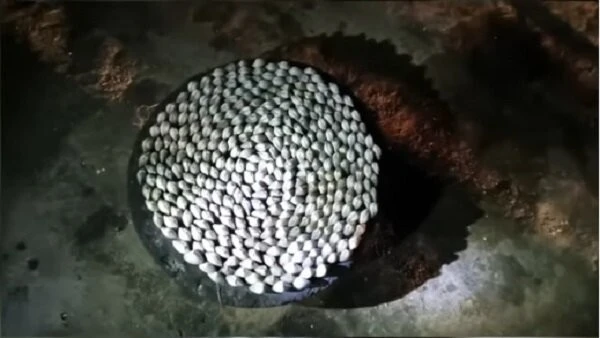
I must say, this whole thing looks extremely impressive, and according to many tourists, ready-made shellfish can compete in their great taste even with French seafood dishes. Locals usually cook about a hundred shellfish at a time on a similar improvised grill, and as an addition they serve the most popular Korean alcoholic drink, Soju, to, so to speak, wash away harmful bacteria, and at the same time the remaining gasoline. 
Another item on the North Korean diet is oxtail jellied meat. Due to the low level of the economy, North Koreans eat meat infrequently, to put it mildly, and most citizens only have access to it during public holidays. The average Korean can afford chicken and pork, but only a couple of times a year. 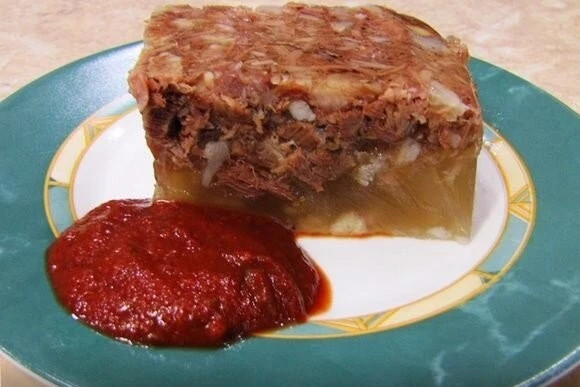
But the consumption of beef in North Korea is generally unacceptable - only a person with above-average income is allowed to eat it in limited quantities. Therefore, I won’t even talk about such traditional Korean beef dishes as bulgogi or the local type of barbecue. Moreover, they are mainly served to tourists, and this is a little off topic. 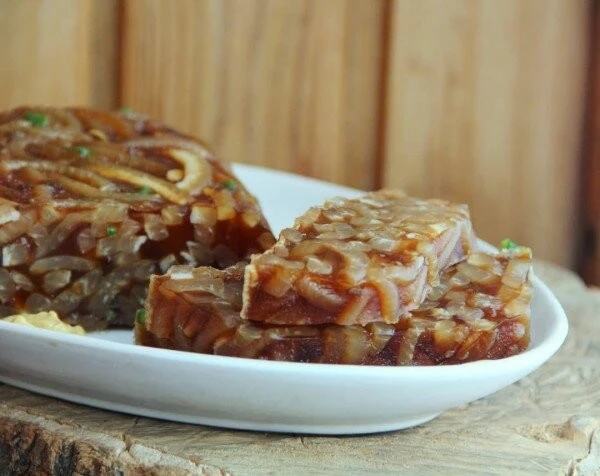
But local residents are left with only various trimmings, the cheapest parts of the bull’s carcass: for example, the tail or shank. But even from these seemingly completely inconspicuous parts, ordinary Koreans have learned to prepare amazing dishes, the most favorite of which is jellied meat. 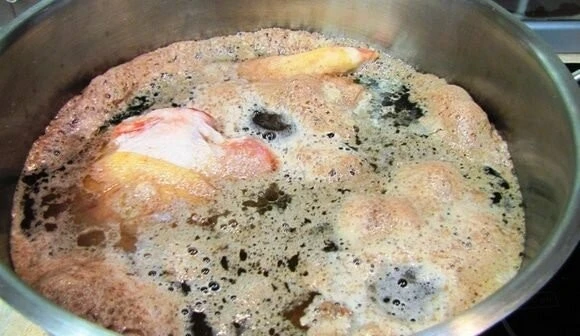
The oxtail is first boiled in water for several hours until completely cooked, then the meat is separated from the bones, cut into pieces and mixed with various vegetables and seasonings. Finally, the resulting mixture is poured with strained broth, rich in natural gelatin, and cooled. This dish is one of the most favorite of almost every North Korean citizen. 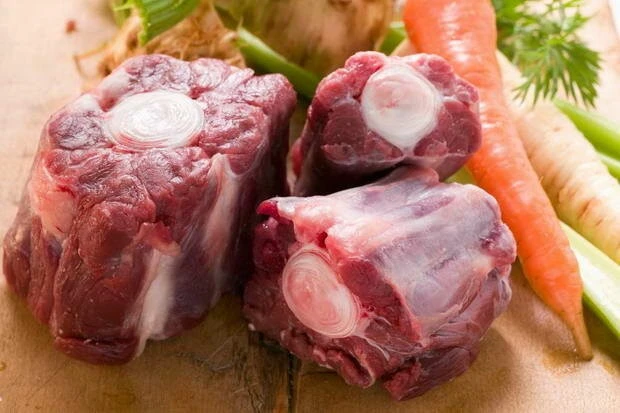
We continue to learn the basics of North Korean cuisine, and next up are bindatteok and mandukuk. No, no, these are not comic book or cartoon characters, but very real dishes. Bindetteok is a savory mung bean pancake, but in addition to beans, it can also include the ubiquitous kimchi, vegetables, rice, minced pork and other ingredients. 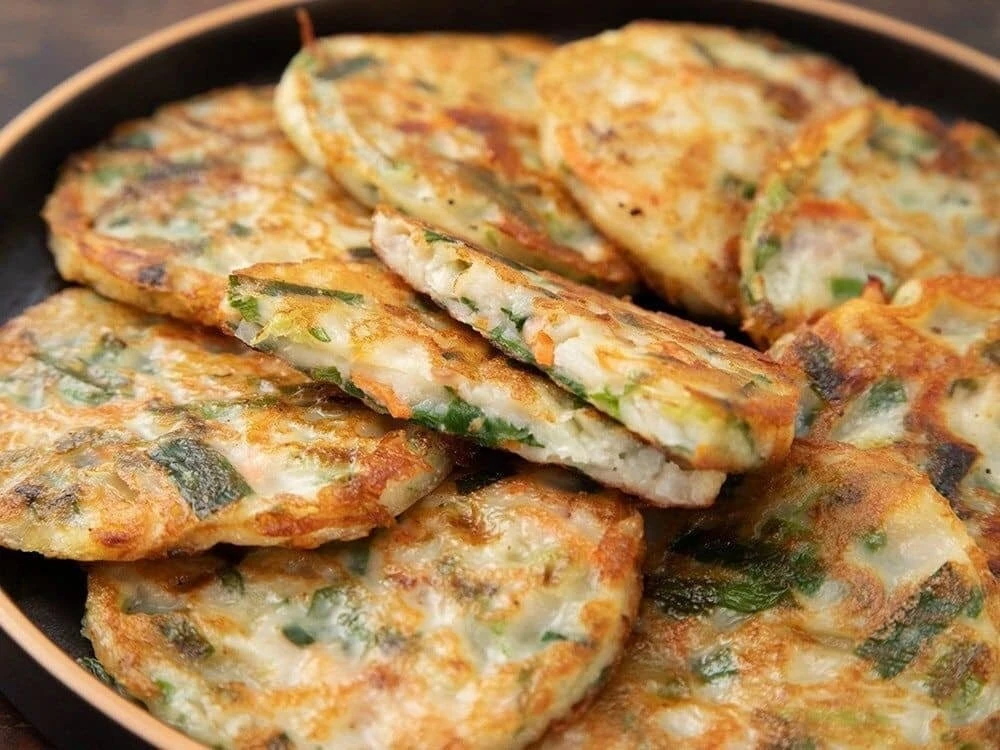
Bindetteok, freshly fried, is best eaten hot while it retains its crispy texture. This favorite delicacy among many Koreans is served morning, noon and evening with plenty of spicy dipping sauces. 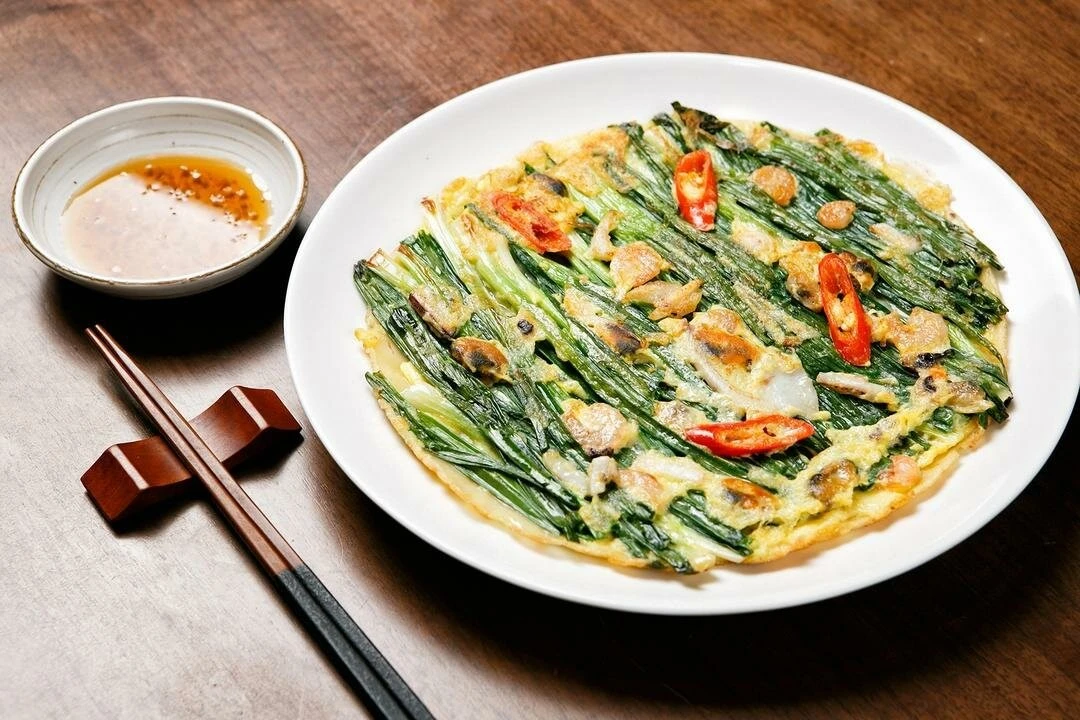
Mandukuk is a traditional Korean soup, the main highlight of which is the local dumplings called mandu. Depending on the region and the income of a particular person, the filling for mandu can include both various vegetables and meat: for example, chicken or pork. 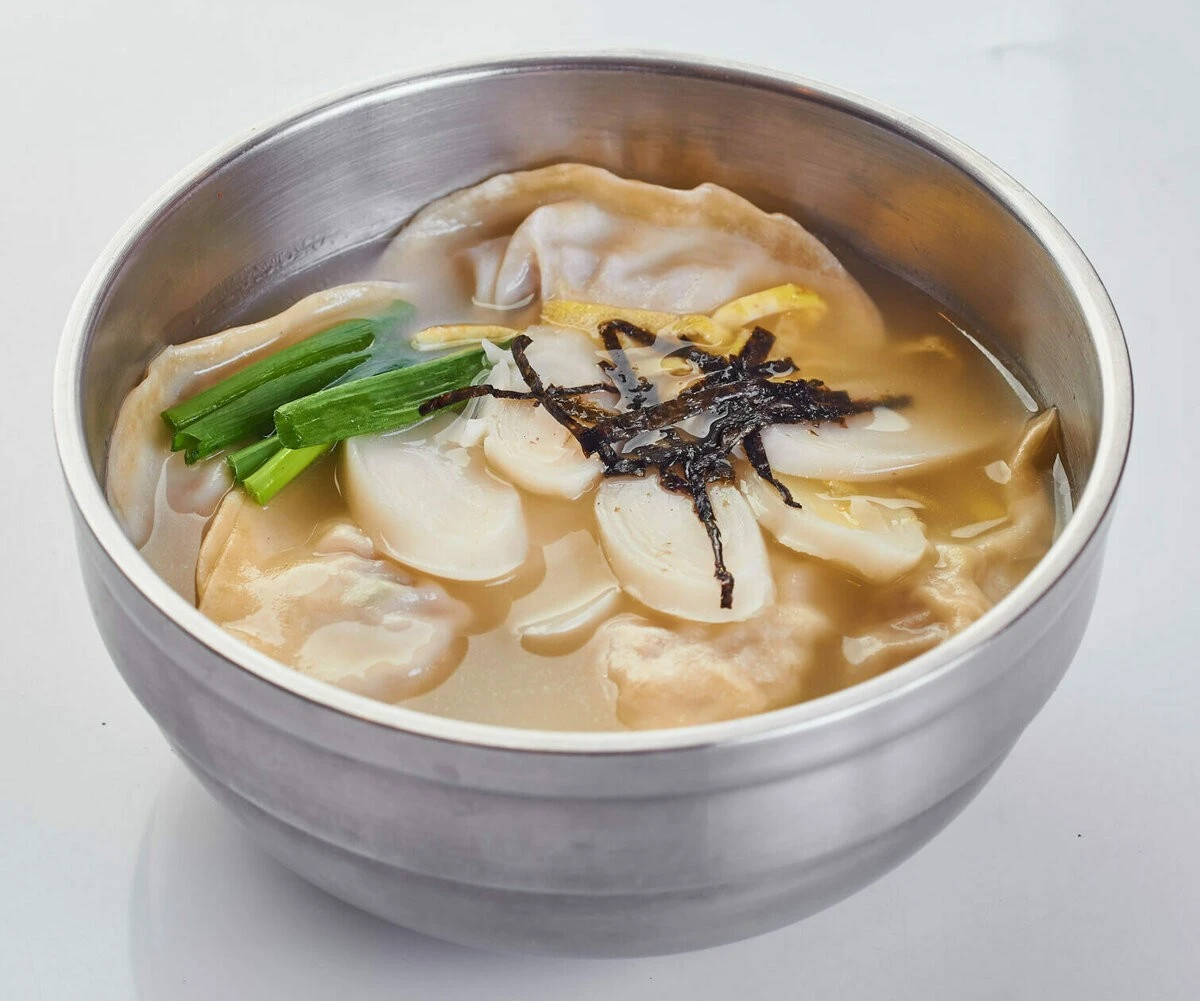
We eat next - sweet meat soup, which is also called... dog soup. This dish has perhaps the most notorious reputation, and I think you know why. The main ingredient of the soup is the meat of a special breed of dog. According to historical data, this dish originated on the territory of modern North Korea. 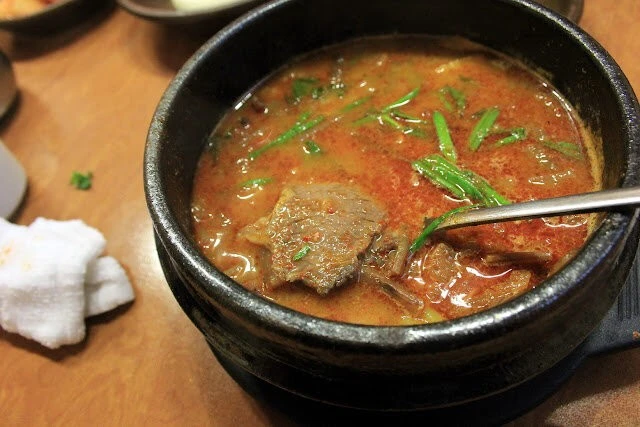
In both countries, dog meat soup has a lot of names. However, in North Korea it's called gaejanguk, and it doesn't come cheap. Therefore, most local residents can afford this dish no more than 1-2 times a year. In addition, dog meat was never an everyday food - it was a seasonal or medicinal food. 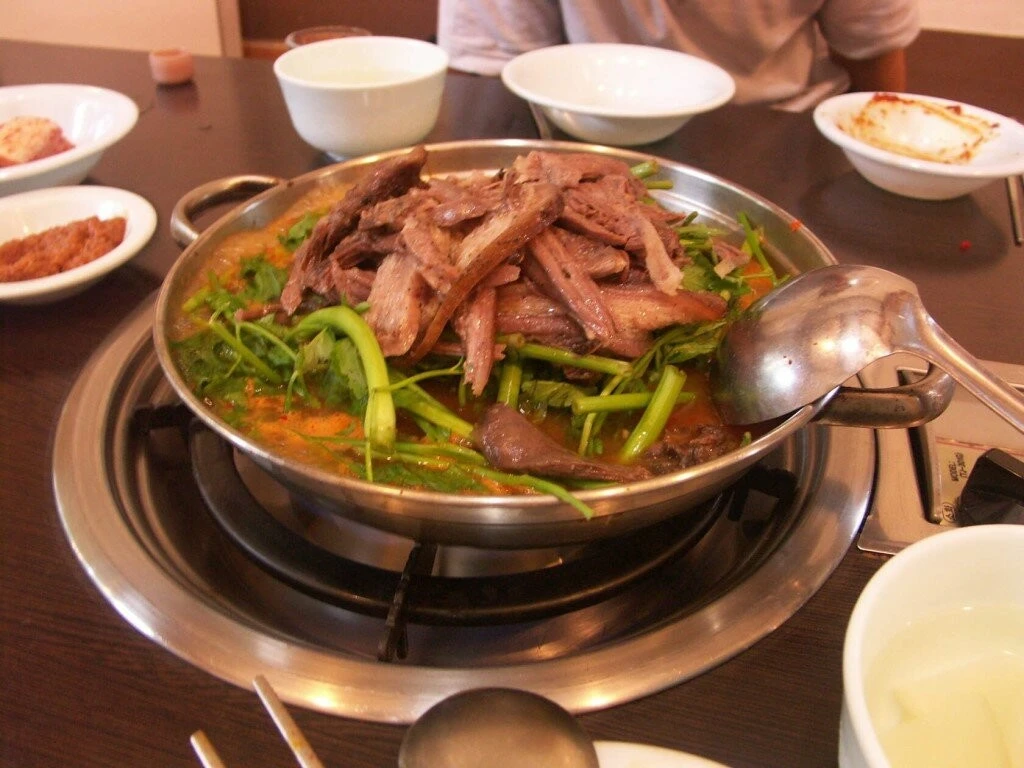
However, dog soup can be called an "endangered dish" as most young Koreans are strongly against it. However, among gourmets from all over the world, the most common question remains: “What does this soup taste like?” If we ignore the spicy and even complex spiciness, we can say that the taste of the meat is very similar to lamb. 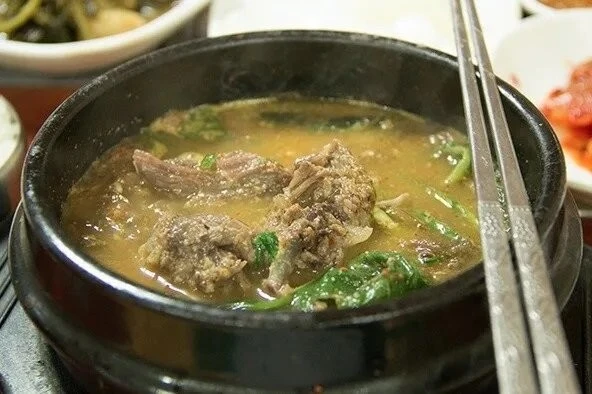
Well, what would a North Korean menu be without kimchi? In the DPRK it is served with every meal. Kimchi is a famous Korean snack, although Koreans themselves equate it to a separate dish. 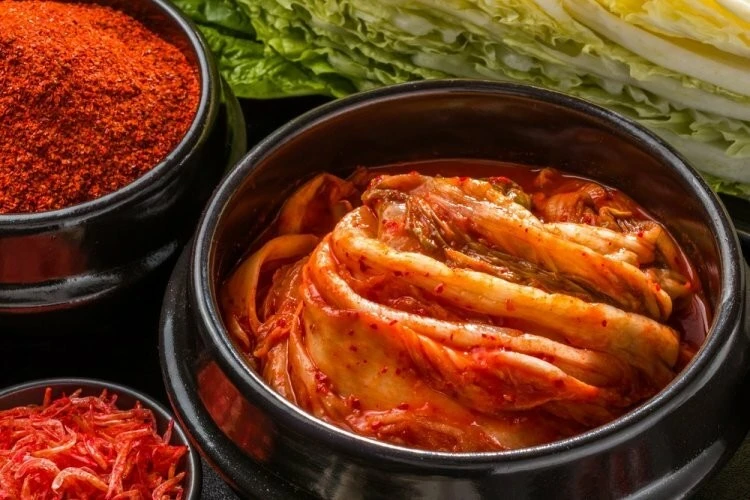
It is based on fermented vegetables, as well as additional flavoring and aromatic components such as garlic, ginger, fish sauce and chili pepper. There are hundreds of kimchi recipes based on various vegetables and additional ingredients that vary depending on region and season. However, the most popular type is Chinese cabbage kimchi. 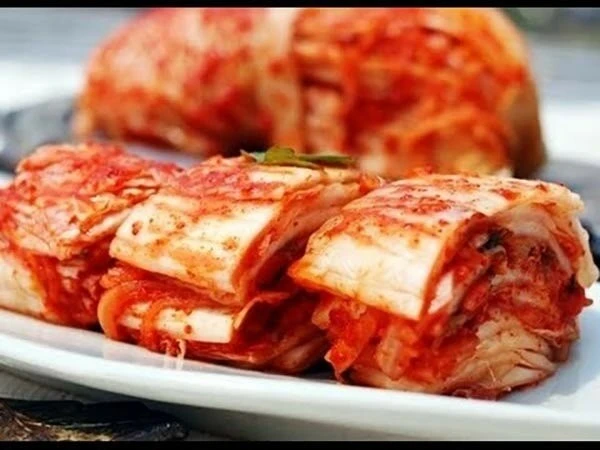
Kimchi is truly a universal dish, as it is served as a side dish, snack and as an ingredient in many national and traditional Korean dishes. To understand how important this dish is to Korean cuisine, you only need to know that UNESCO has included kimchi making on the list of the Intangible Cultural Heritage of Humanity. 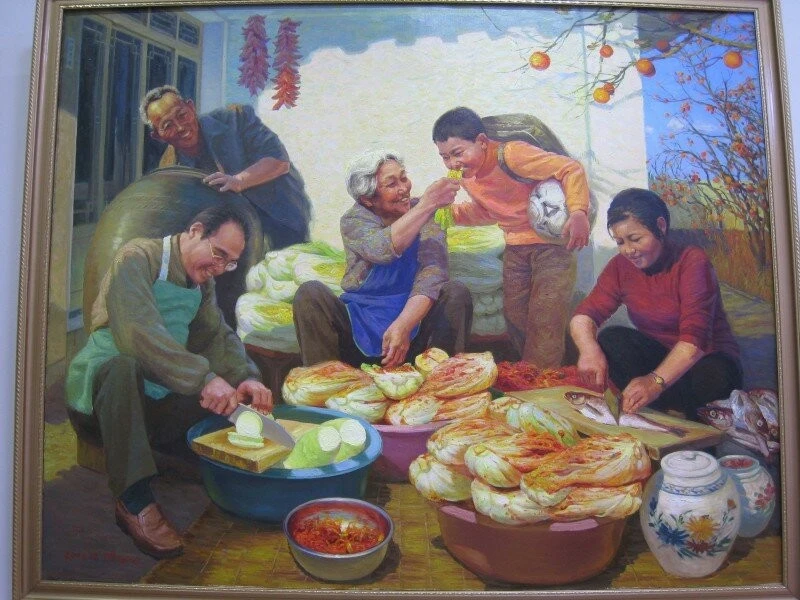
From kimchi we move on to bibimbap. For countries in East and Southeast Asia, rice is a staple food, but not for North Korea. In the DPRK, rice is a real delicacy, which is also limited for the common citizen. Bibimbap is an iconic Korean dish that is known all over the world. But if in South Korea bibimbap is a common, everyday dish, then in North Korea it is a real celebration of the belly of the average resident of the country. 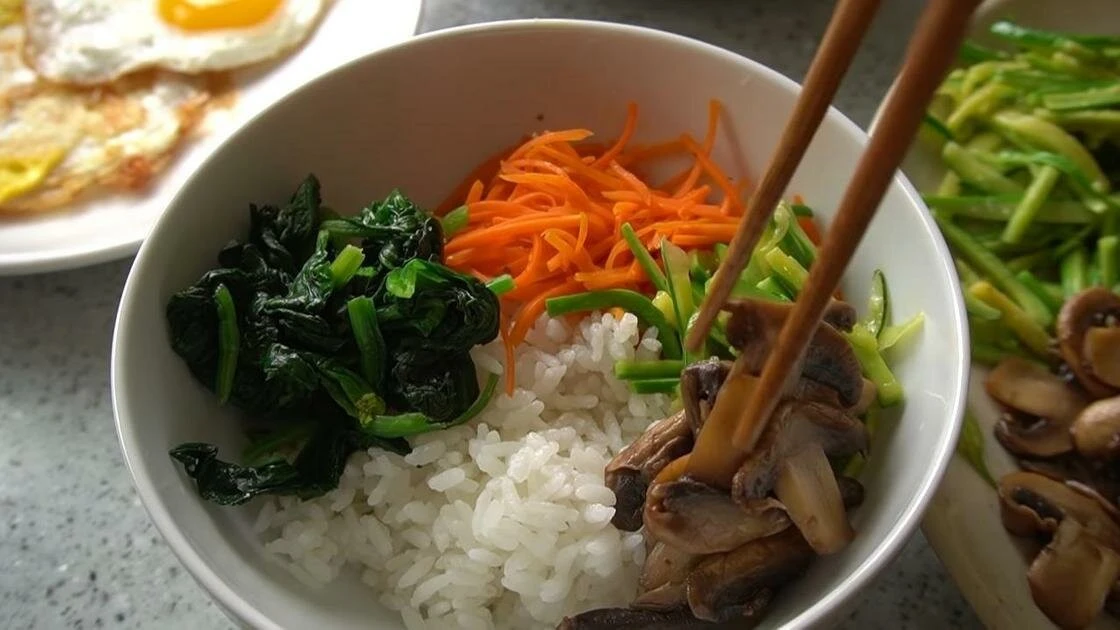
Bibimbap consists of steamed rice topped with various types of julienned vegetables and the famous Korean spicy gochujang paste. Sometimes thinly sliced pieces of chicken or pork are added to the dish as meat filling. The whole dish is served in an attractive presentation, and all ingredients are thoroughly mixed before consumption. 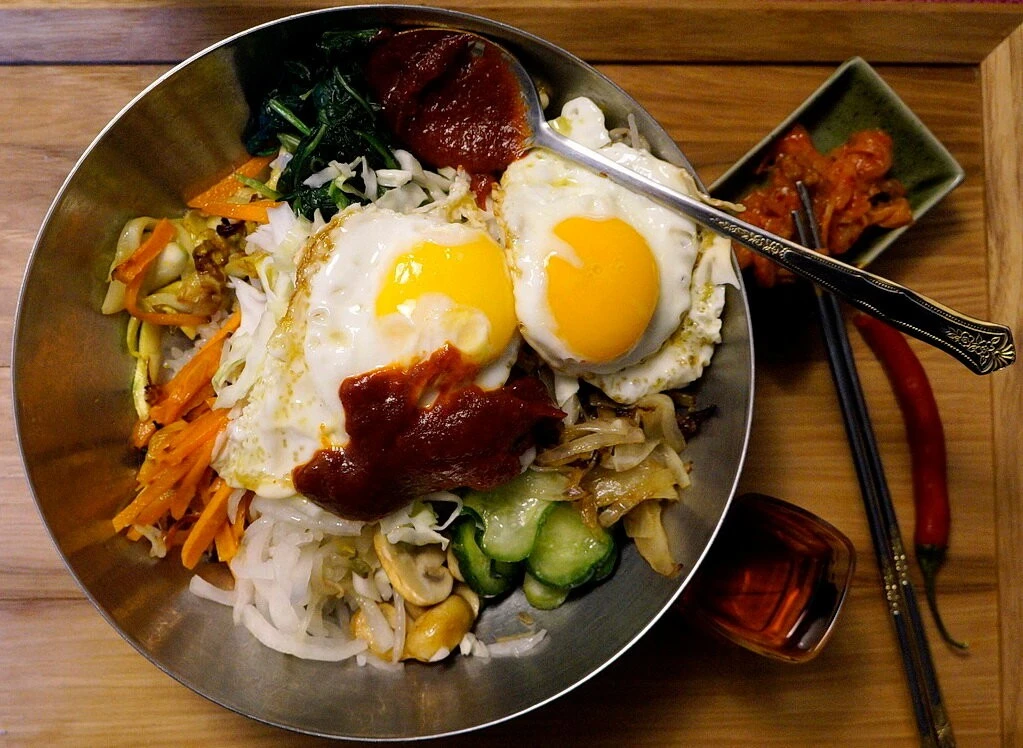
Another very specific, but well-known dish on the North Korean menu is Sundae sausage. It is essentially a traditional blood sausage consisting of rice, pork blood, fermented soybean paste and kimchi. Some regional varieties may even consist of seafood - squid or fish. 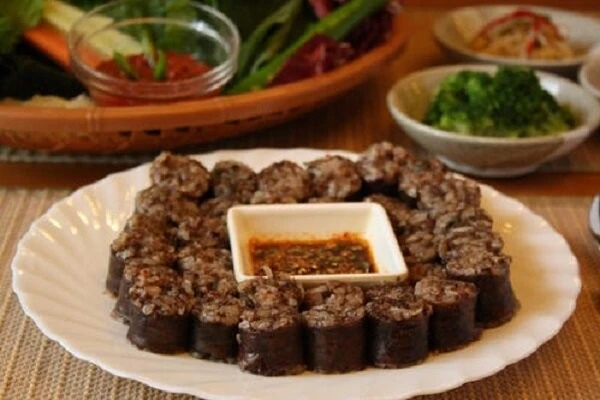
Korean blood sausage is traditionally steamed and eaten as an independent dish. It also often becomes an additional ingredient to many other Korean dishes. Sundae sausage is one of the most popular types of street food in North Korea. 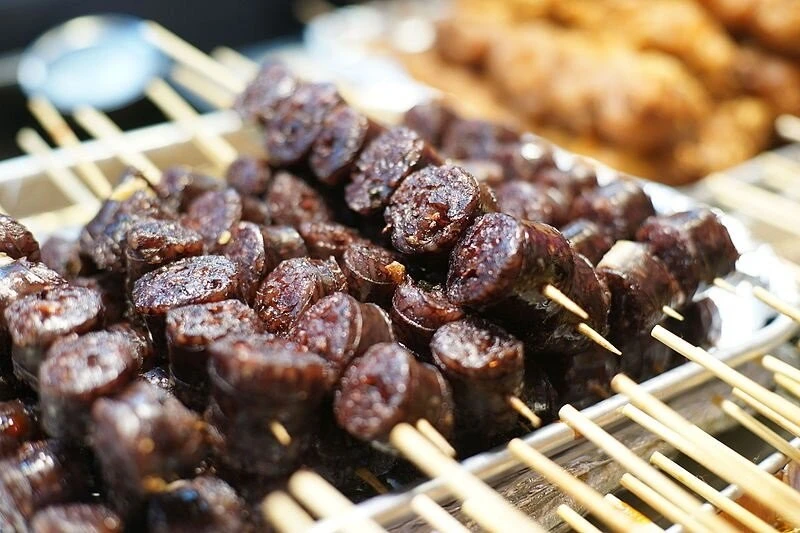
And again the hottest thing is gray mullet soup. It would be a serious mistake to talk about traditional North Korean dishes without mentioning a very special mullet soup known as sungyeguk. This traditional North Korean mouth-watering dish consists of pieces of flathead gray mullet that are simmered in water generously seasoned with black pepper and soy sauce. 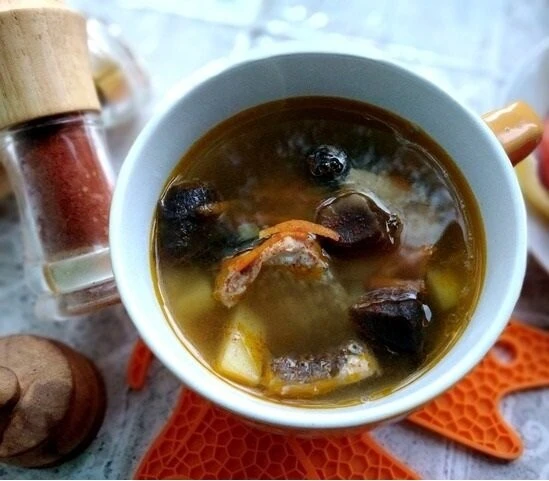
During cooking, garlic and ginger are added to the dish, and the soup is served in separate bowls, previously garnished with green onions or cilantro, as well as other additions. Soup plays such a significant role in North Korean culture that the question “How do you like gray mullet soup?” is a kind of greeting for a person who has just returned from Pyongyang. 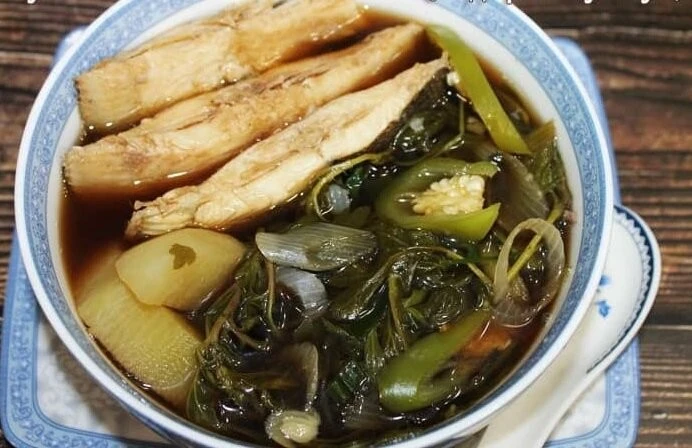
Another North Korean dish I can't help but talk about is called renmen or Korean cold noodles. In South Korea, by the way, they also love it, but it is called a little differently - naengmyeon. The dish is a popular delicacy from the category of gukso dishes (aka kuksi), that is, special Korean dishes based on noodles - in most cases buckwheat. Renmen is served in two varieties: as a soup based on buckwheat noodles in a refreshing, cool broth, or cold noodles without broth, but seasoned with spicy Korean paste. 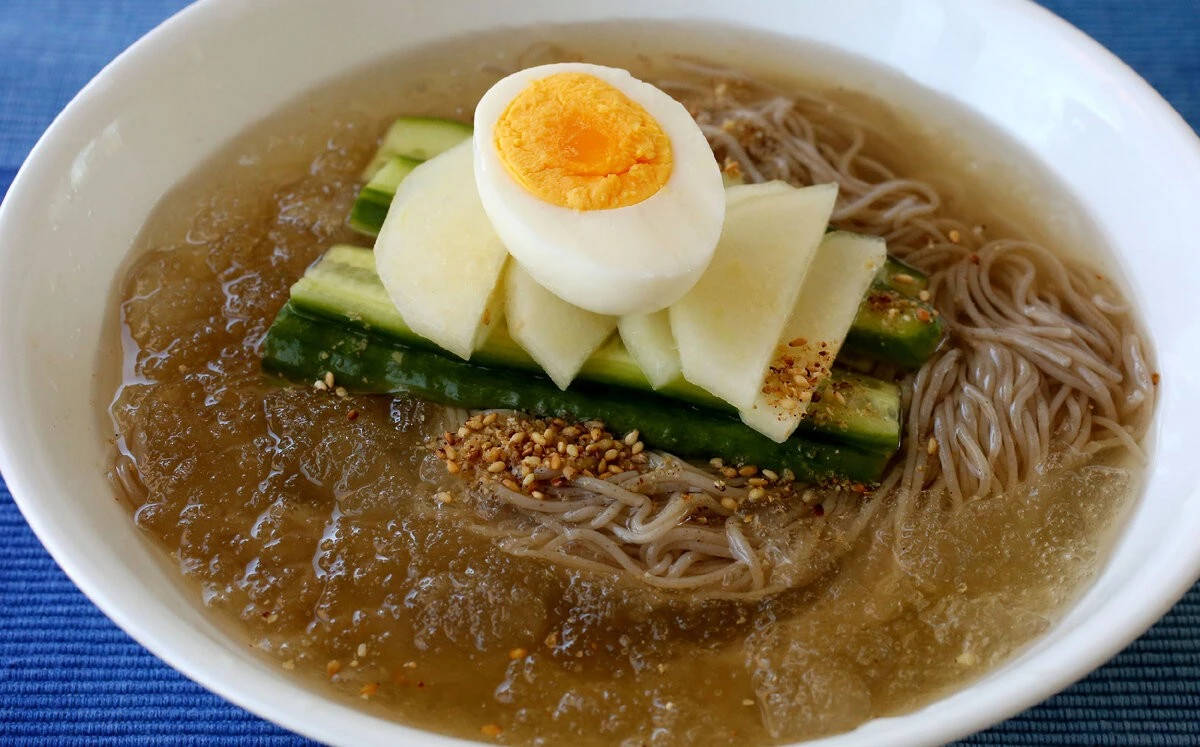
Both options, in addition to noodles, can include pieces of cucumber, pickled daikon, Korean pear, egg and even meat - pork or chicken. To add some piquancy to the dish, mustard sauce and vinegar are added to it. Renmen is great for the summer months, although it can of course be eaten all year round. 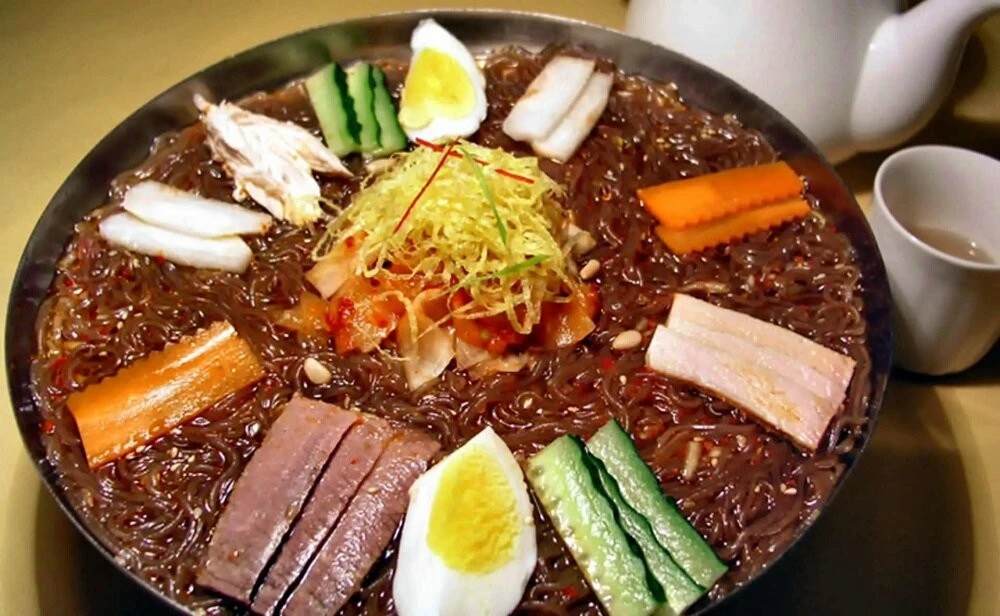
It is adored by both provincial residents of the country and a few foreign tourists. Renmen is not just a wonderful dish that makes many gourmets salivate at the thought of it. Renmyeon is a cultural gastronomic bridge between two neighboring countries - South and North Korea. 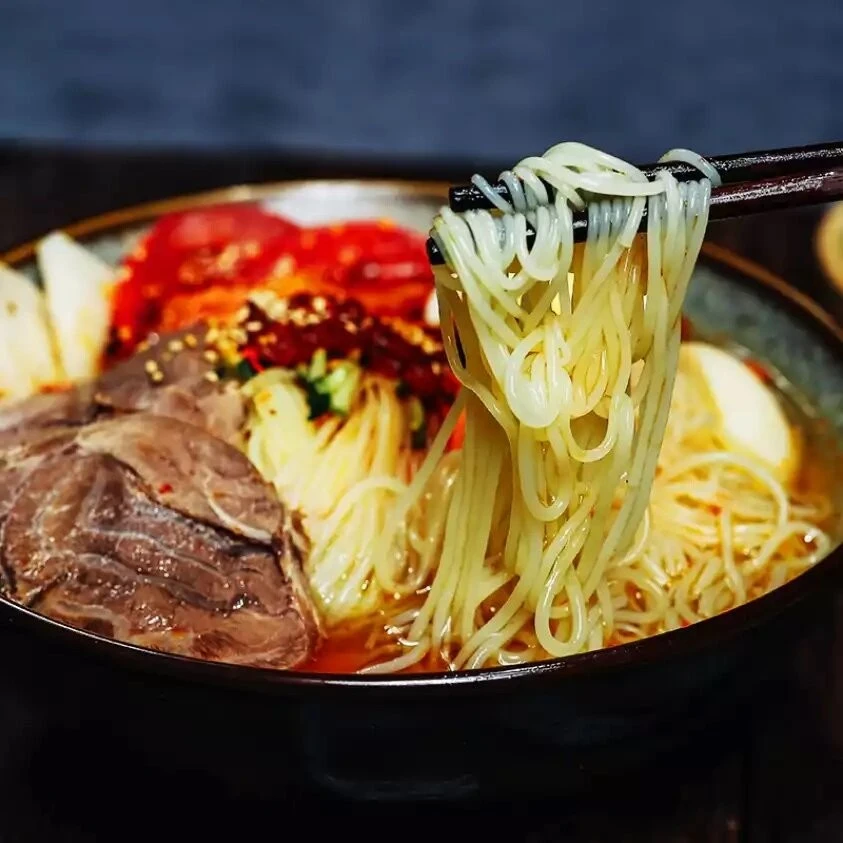
0 comments