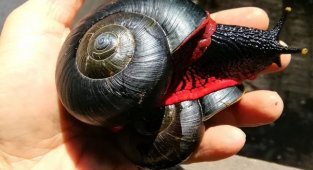
Unique snails that hang in clusters in the caves of Cuba (5 photos)
Sometimes I find it difficult to write. It seems as if inspiration has taken a day off, leaving me alone. It looks like a cool animal - a living stalactite snail - but something is wrong. There is not a deep river of thoughts and images in your head, but a sun-dried desert. Well, how can I write about Cuban callonia? 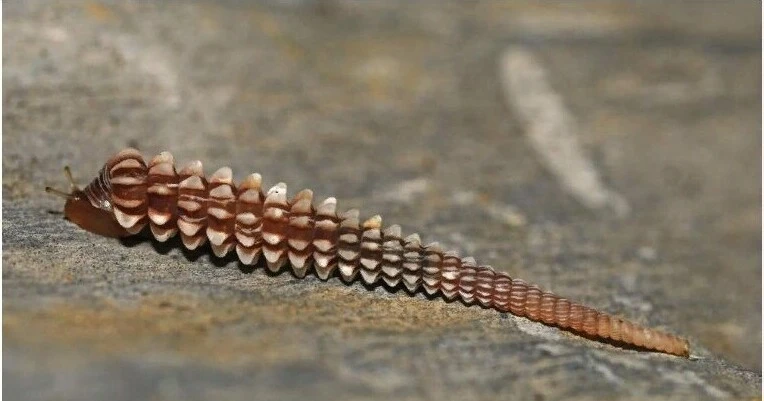
Yes, that tiny jelly bean on the left is a snail.
First I decided to use the classic approach. I planned to tell you that Callonia is a genus of 5 species that are found only in western Cuba. Moreover, in a place that is not the most typical for life - in local karst caves. But I didn’t like this option; I couldn’t connect it with the rest of the information I collected. 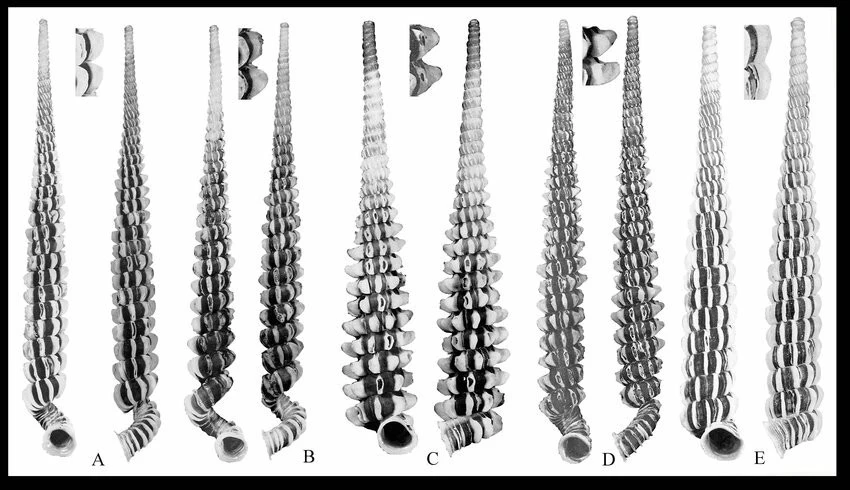
Here they are, from left to right.
Then I came in from the other side. In the second version of the text, I added mystery. Like, nothing is known about these mollusks; they are very rare and unusual. And he almost didn’t bend his heart. Foreign Internet sources gave me only two sources of information: articles from 1857 and 2017.
Only they are not that rare. On one square meter of the cave ceiling there are several dozen calloniums. You won’t find such a crowd of snails in your grandmother’s garden. The reason for their lack of knowledge is poverty. Cuba cannot support a large staff of scientists; it has more important things to do. After thinking a little, I discarded this option. 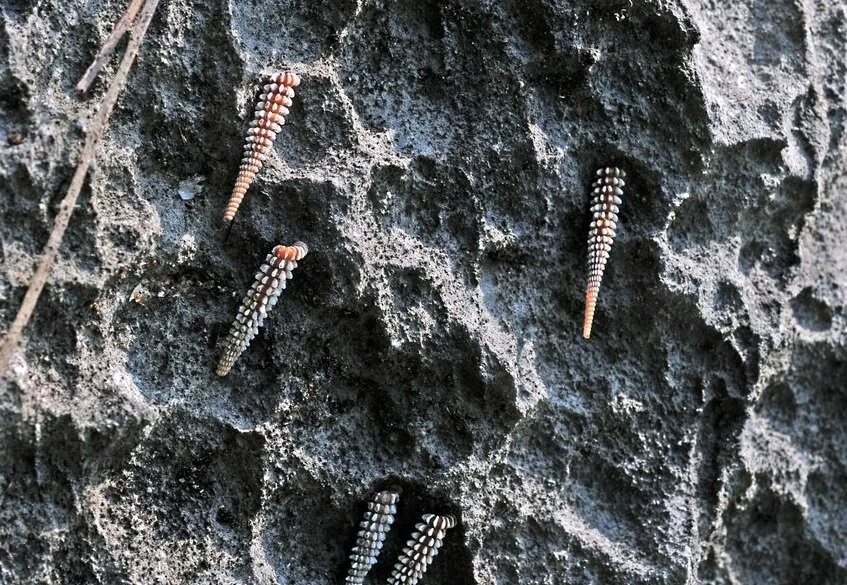
Stalactites are amazing!
But the third attempt to write the text looked much more promising; I focused on the appearance. It's no joke, the animal is only 2-2.5 centimeters long, and it manages to file down a conical shell with 37 turns! This is a world record, by the way. And the shell itself is not simple; it has 2 rows of hollow ribs. Growing such a miracle of bioengineering is not easy, especially if you eat only cave moss. Its snails cut it off using the radula - a chitinous plate with many small teeth. 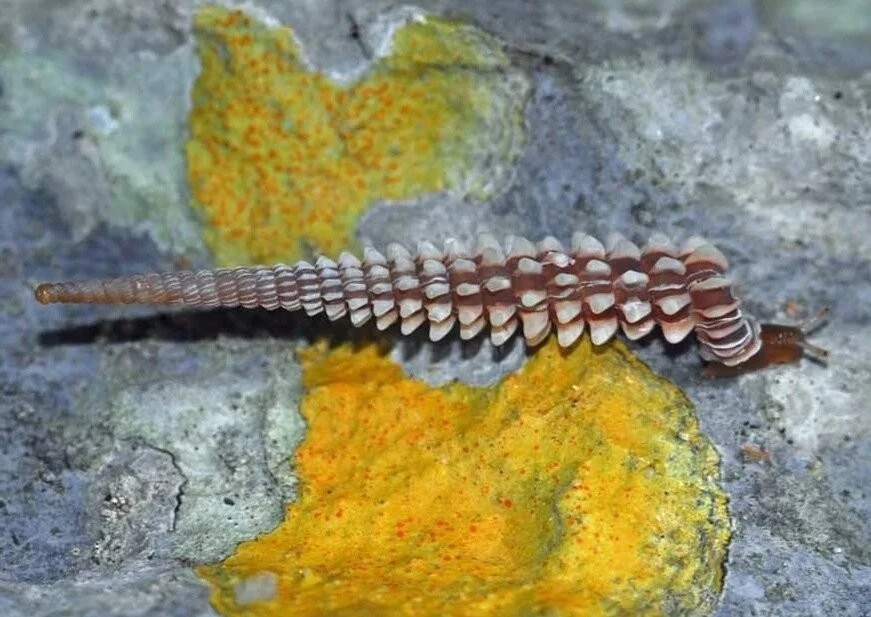
Bro, you drove past the moss, turn around.
But then I reached a dead end. I wanted to mention that no one understands why they need such a complex sink. It is large (in relative terms), inconvenient and does not really protect you from predators. Large animals will easily chew the mollusk along with the shell, and small animals will bite the muscular but defenseless leg. Only this paragraph looked alien and out of place in any part of the article. 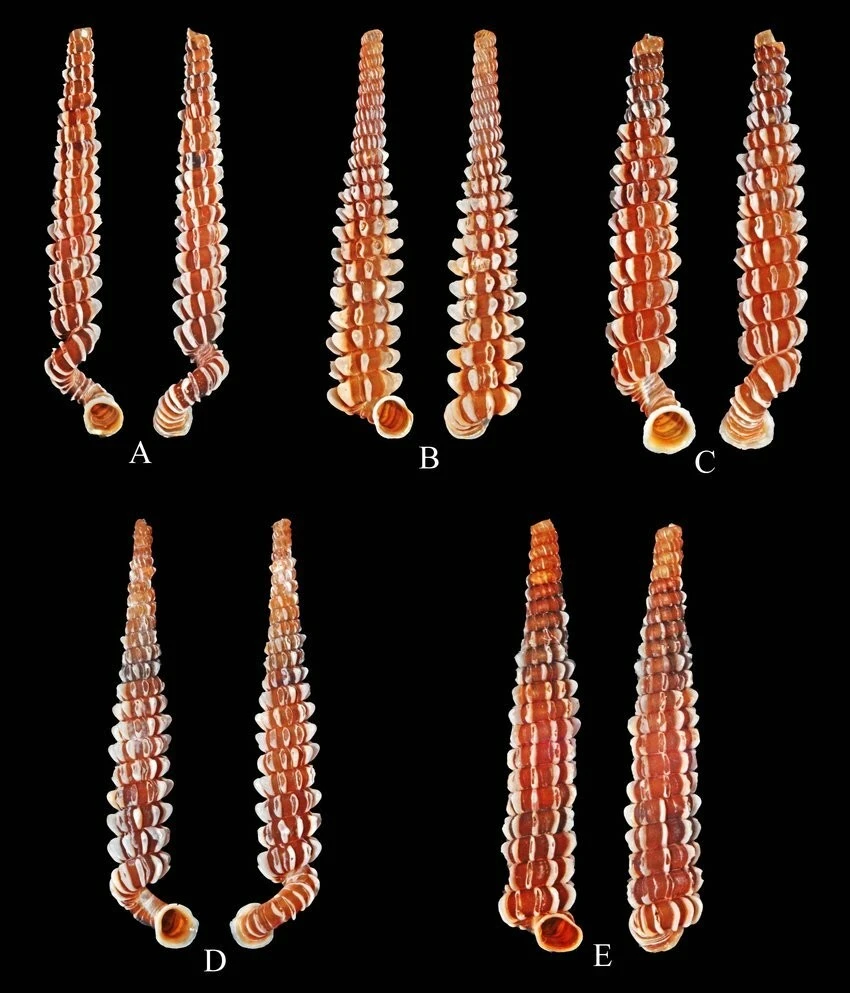
5 types of shellfish. After a little training, even a non-professional will be able to distinguish them from each other.
A good half of the day was spent trying to write something interesting. And when the clock showed 20:00, I still had no hint of the finished work. So I decided to do something a little unconventional. Moreover, such a steeply twisted snail is worthy of a non-trivial approach.
And now, the article is almost ready. All I can do is complain that we don’t know either about the reproduction or the life characteristics of callonia. And express hope. The snail genus is thriving and refuses to die out. This means that scientists will definitely study it in more detail.