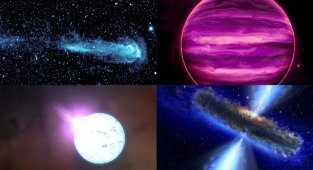
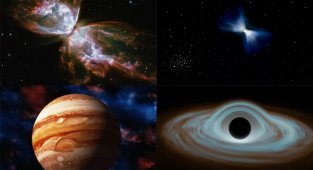
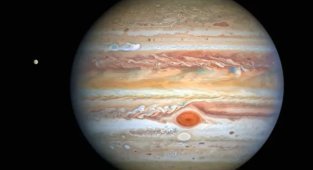
The universe is infinite. And it continues to expand. Here and there, scientists find unusual and even impossible space objects. We continue to talk about strange things from space. 
Last time we talked about the largest water reservoir and the strange red rectangle. And this time we’ll talk about something smaller, but still very interesting.
Space dumpling 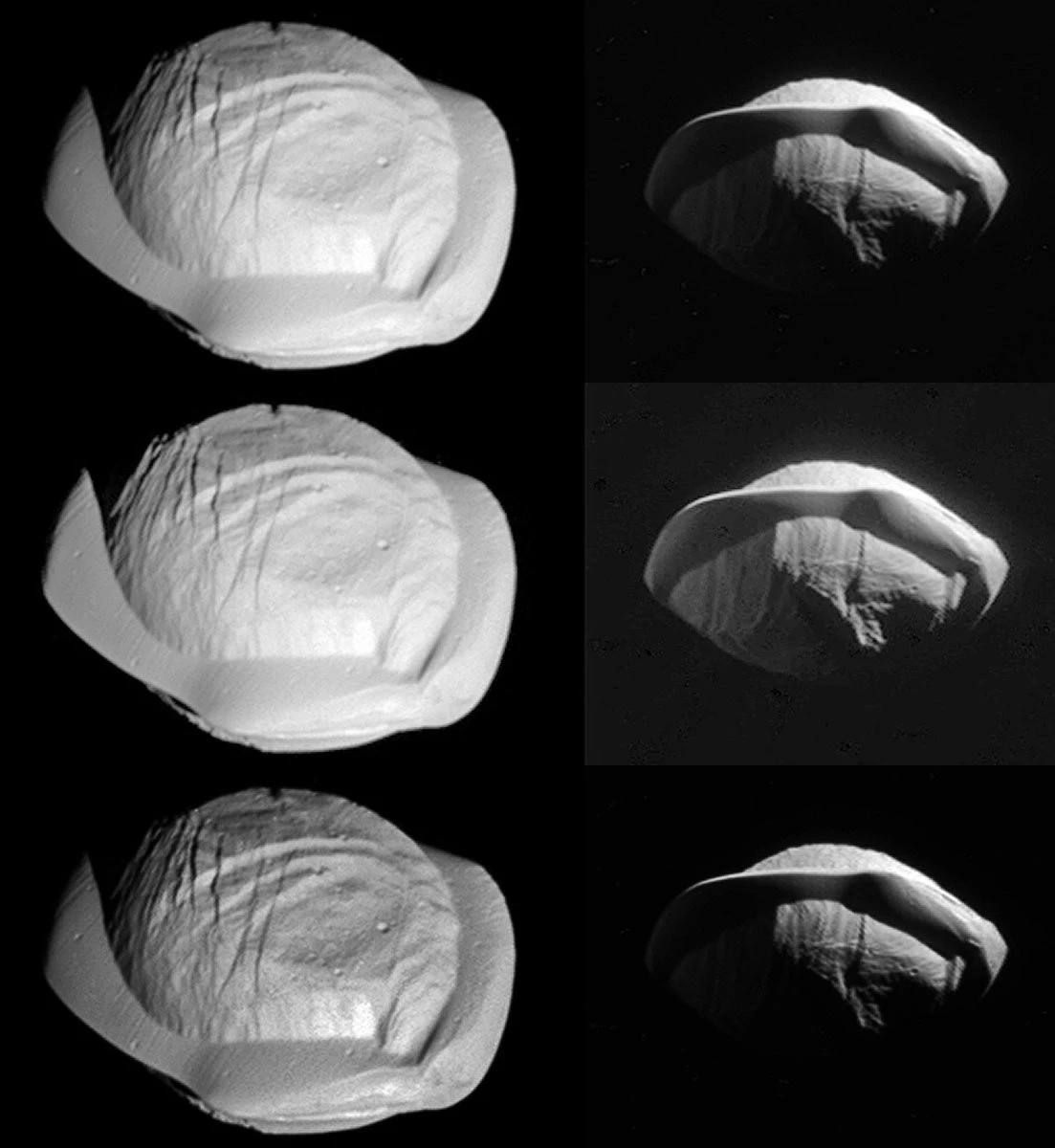
Saturn's moon Pan may attract the attention of dumpling lovers. Not long ago, scientists believed that one of the planet's many ringed moons was actually spherical, but things turned out to be much more interesting.
Void Bootes 
The Bootes Void is a void in space approximately 300 million light years wide. And it is located (get ready) in the constellation Bootes. Unexpected, right? But in fact, it is located at an impressive distance from the Earth. 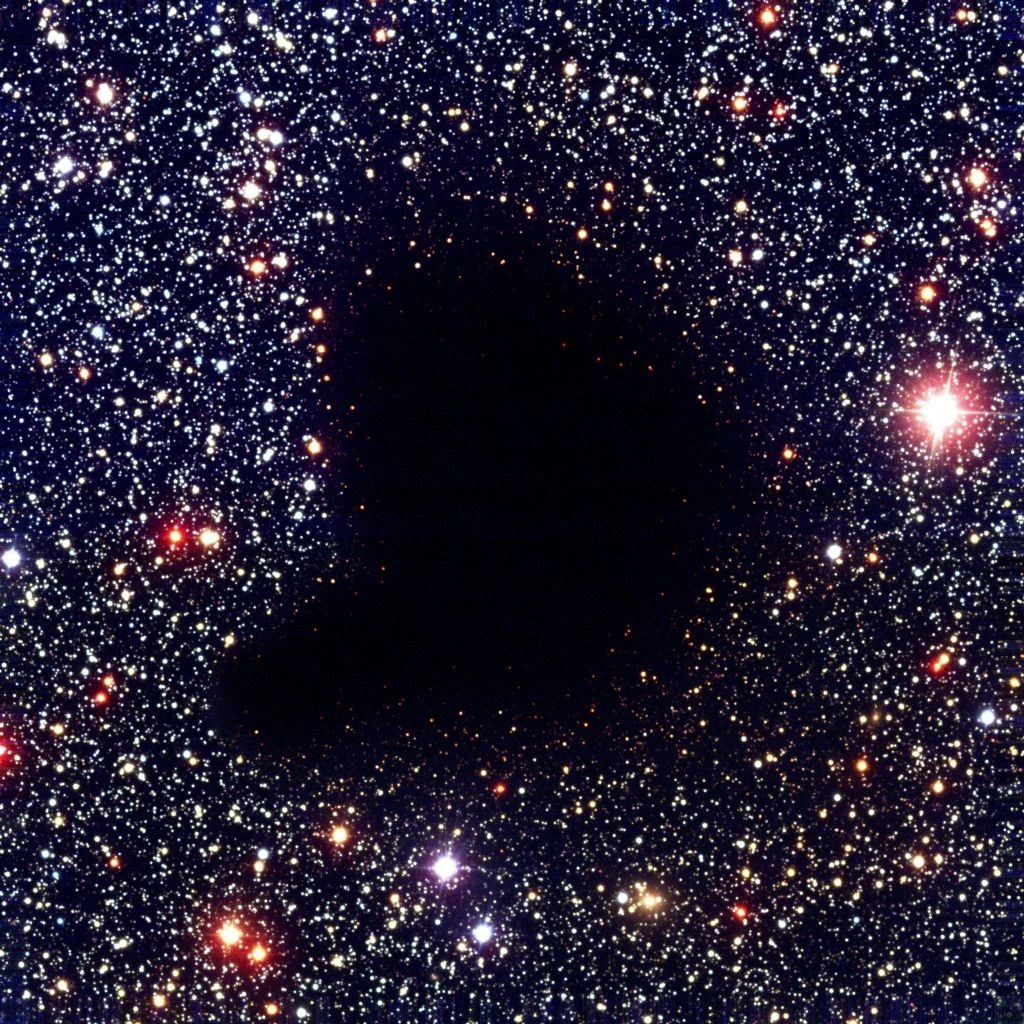
The void was found in 1981. And although we wrote that this is emptiness, there are still isolated galaxies in it. And although more than 60 clusters of stars in the Void are already known, for such a vast distance they are still suspiciously few. However, most of them are on the edge of the void.
The object fascinates many scientists from all over the world with its mystery. And it is still unknown what exactly is the reason why there are practically no stars and planets in this piece of the Universe.
Space potatoes 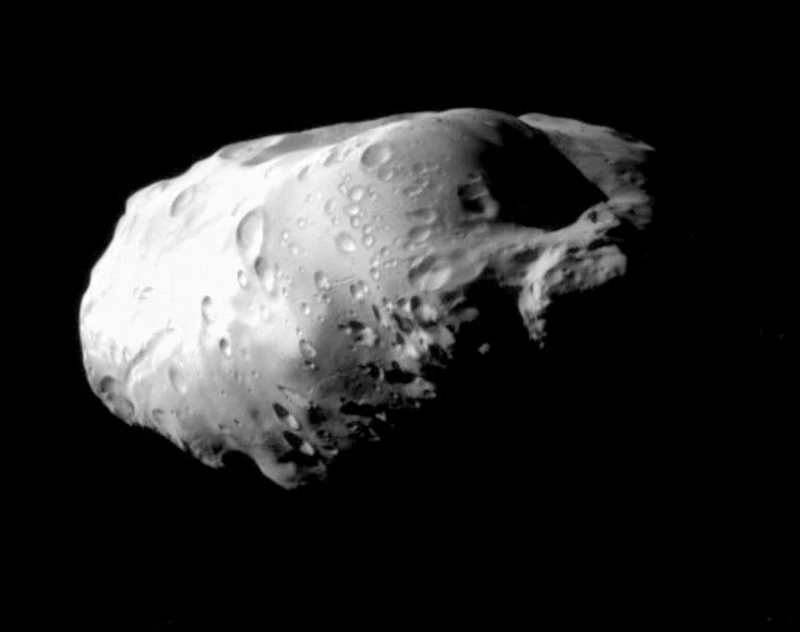
Another satellite of Saturn, Prometheus, as it turns out, is also very similar to food. It is heavily cratered and oblong in shape, making it look like a space potato. Moreover, it is also reddish-brown. What kind is this? 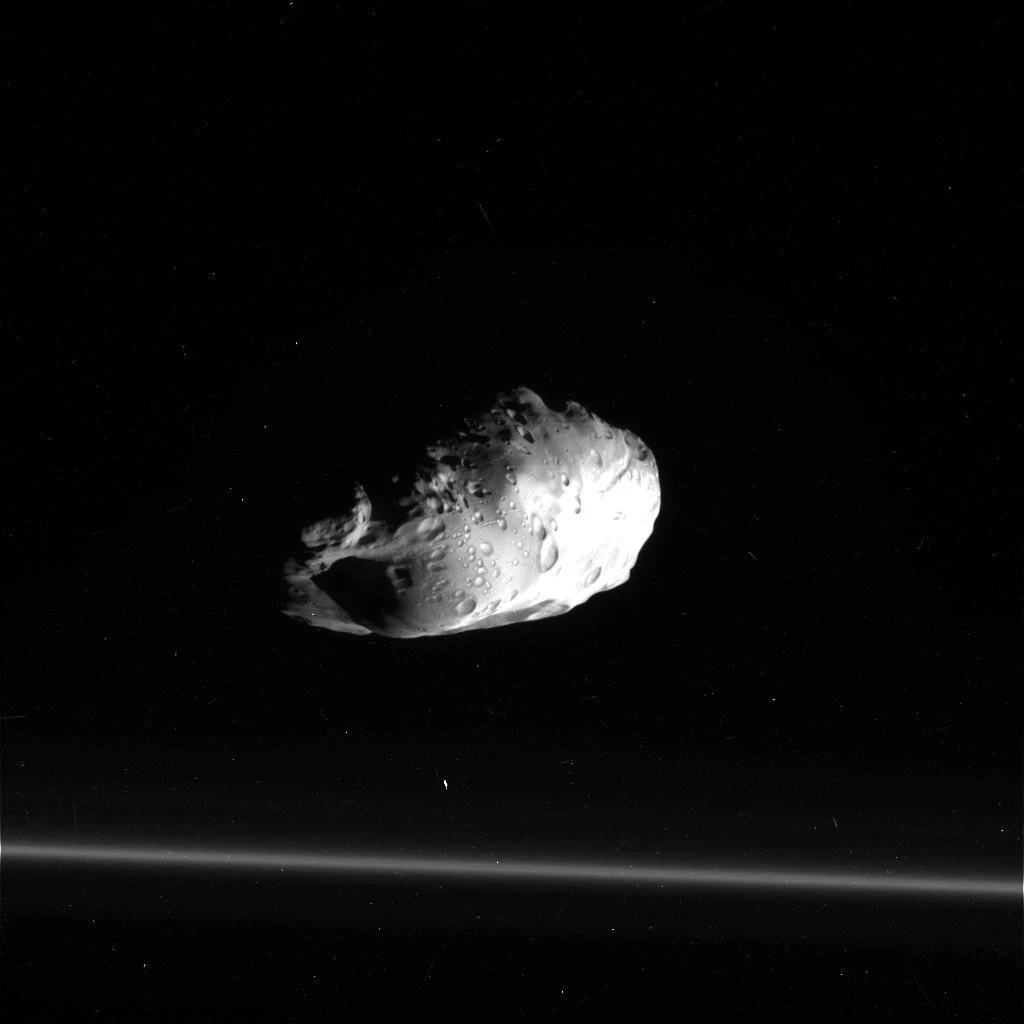
Potato flying in the void
Foam planet 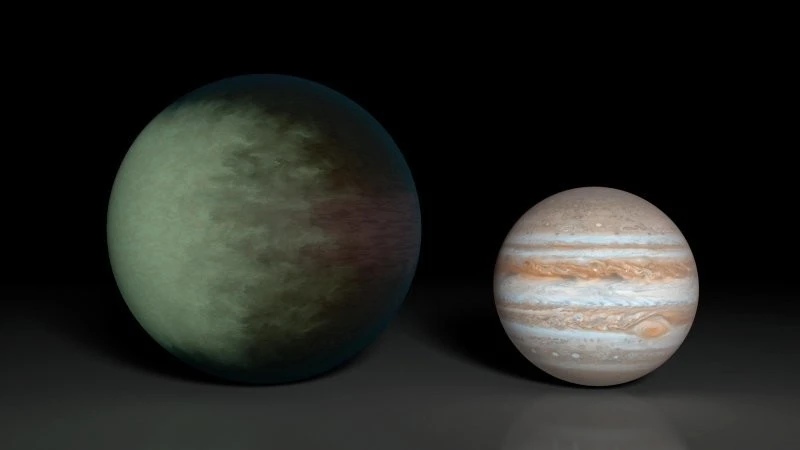
This planet is called Kepler-7b, and it is interesting for its abnormally low density. That is, if you want to walk along it, you will simply fall into the depths: the surface density is 30 times lower than that of earthly water.
A cubic meter of substance from this planet will weigh only 30 kilograms. Styrofoam weighs about the same. 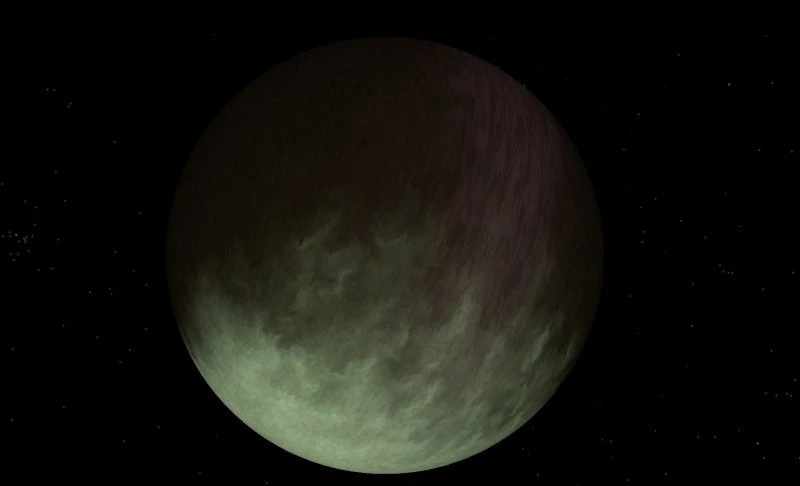
Soap bubble 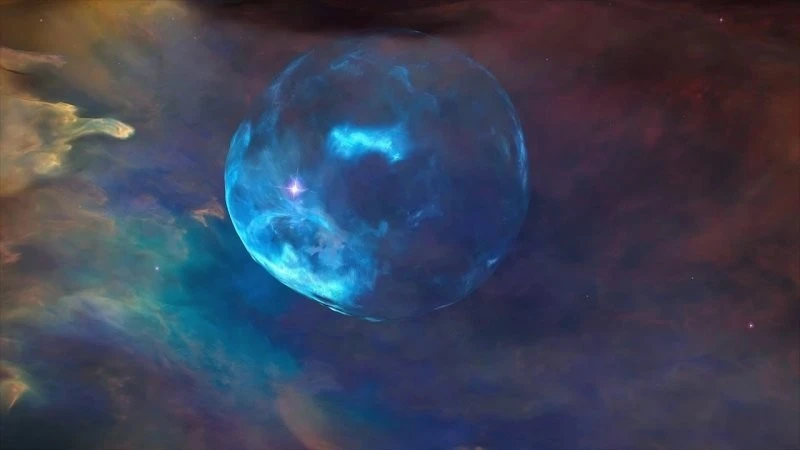
Don't be surprised, this is the name of a gas nebula located in the constellation Cygnus. In shape and appearance it really resembles a soap bubble. It is also notable for its regular shape, which is quite unusual for nebulae. 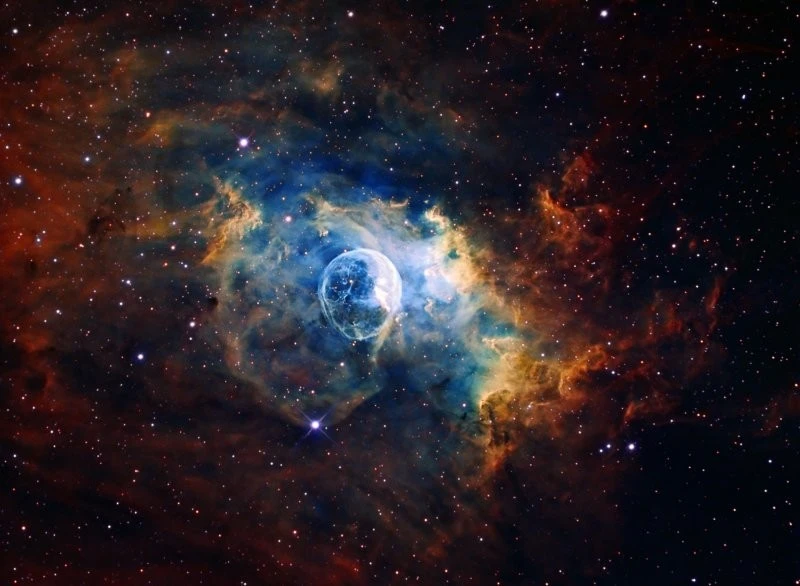
Space sliver 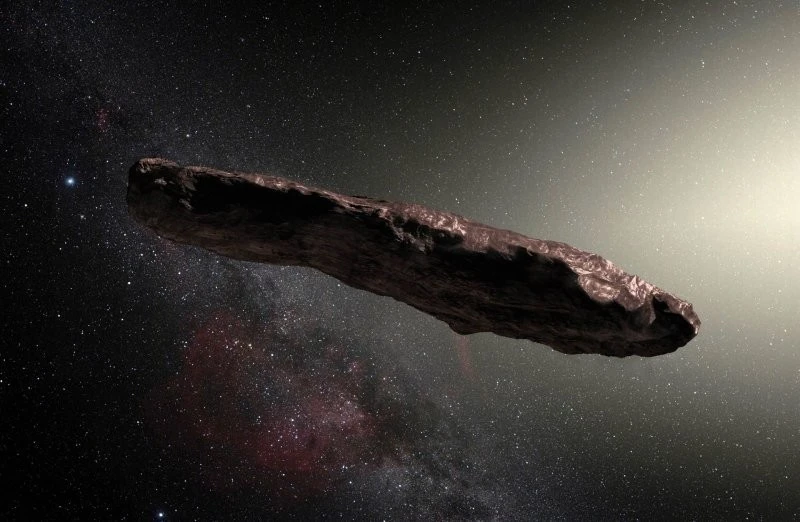
The first interstellar object in the Solar System, which came from outside, strongly resembles either the remains of some kind of interstellar ship, or a sliver. The asteroid O'umuamua gets its name from the Hawaiian language - the first messenger from afar. 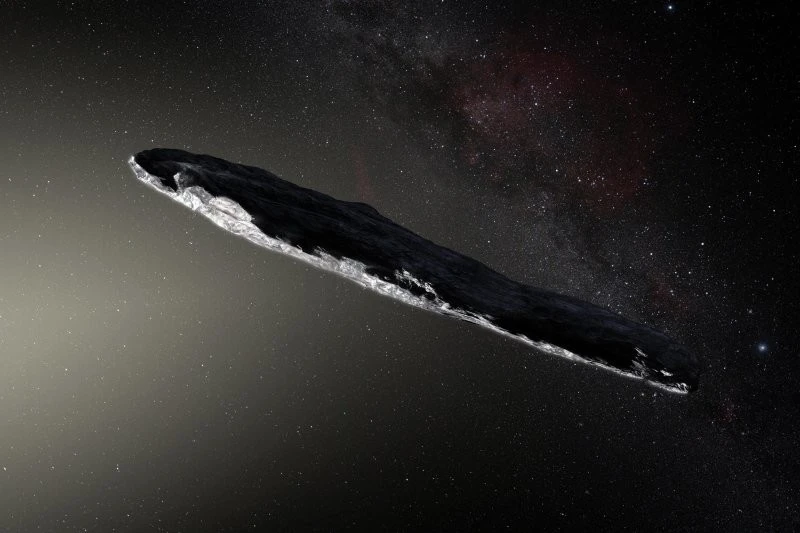
At first it was considered a comet, but its unusual behavior for a stellar body gave rise to a number of hypotheses. But now scientists are inclined to believe that this is a fragment of a certain planet, to which its star approached too close. True, there are other versions regarding the cosmic sliver: some scientists suggest that Oaumuamua is actually a pancake. Well, or pita, whichever is more convenient.
The biggest diamond 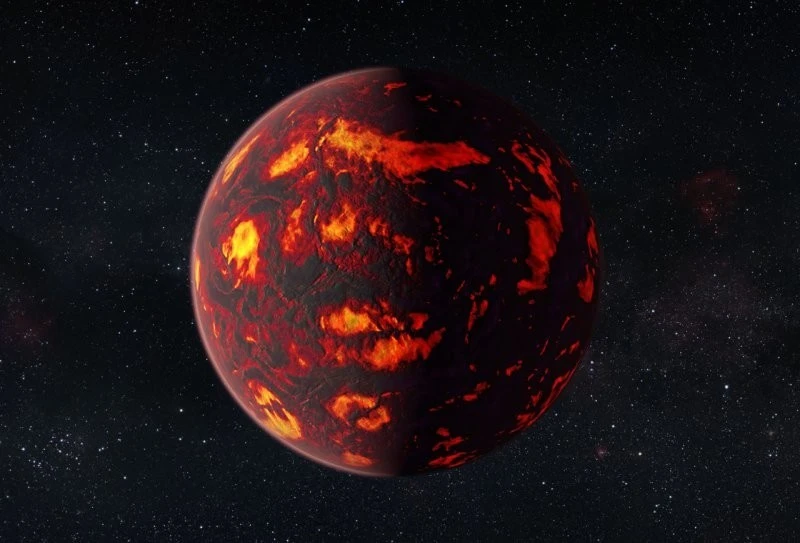
Yes, there is that too. Planet 55 Cancri e orbits its star in just 18 hours, and its surface temperature is 1648 degrees Celsius. It is twice the size of the Earth, and one third consists of diamond. 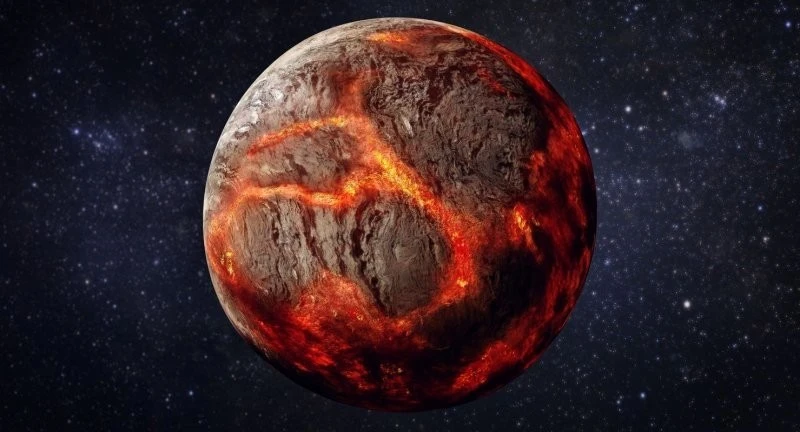
It is located in the constellation Cancer.
Fermi bubbles 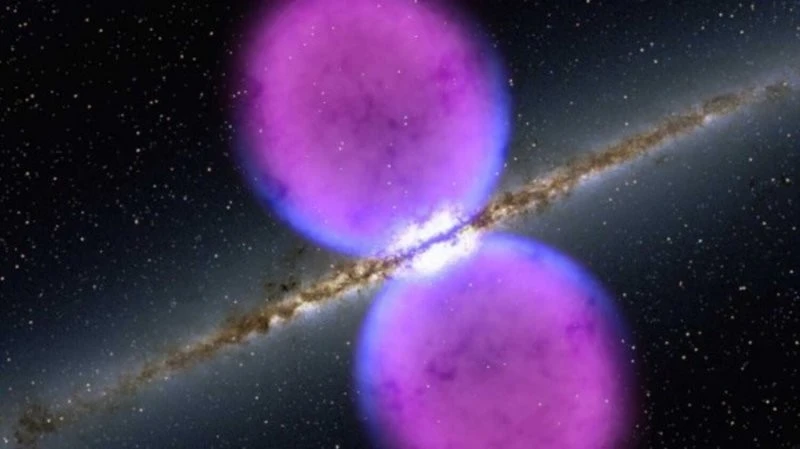
Most often we imagine our galaxy in a flat image, and it seems huge. And if you look from the side (use your imagination), it turns out that it becomes thin.
From this side in the real world, we have not yet been able to view our galaxy, but this is possible thanks to gamma radiation and X-rays. And it turned out that mysterious Fermi Bubbles are literally sticking out from our galaxy. Their length is about 50 thousand light years. That is, almost the radius of the entire Milky Way. 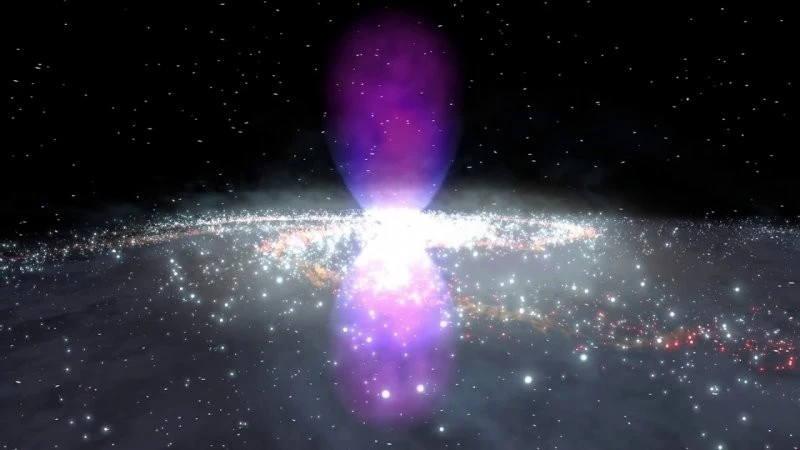
Now scientists are inclined to believe that this is most likely residual radiation from supermassive black holes in the center of the galaxy.
Space Witch 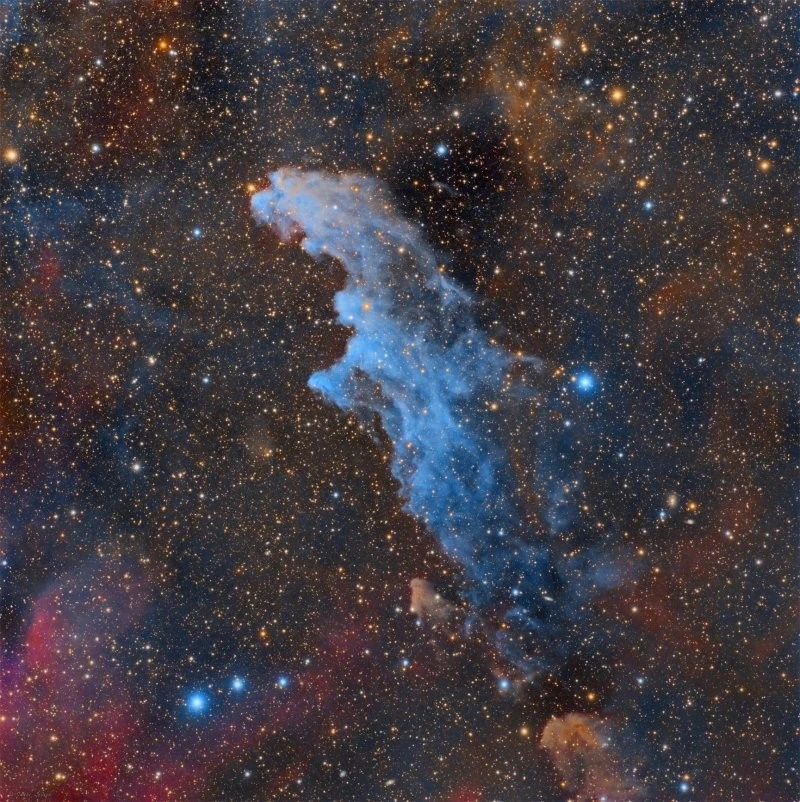
The IC 2118 nebula is located in the southern constellation Eridanus, thousands of light years from the sun. But this is not what is striking about her, but her shape: she very much resembles the profile of a witch’s head. 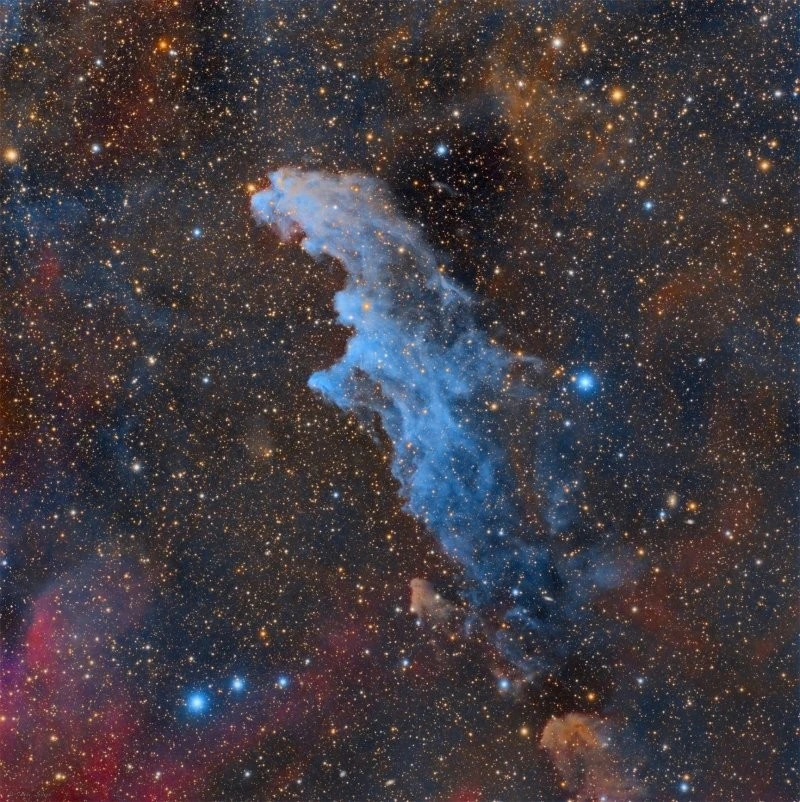
Galaxy Sombrero 
Remember those funny Mexican hats? So, 28 million light years away from us there is an entire galaxy that bears the name of these funny hats. In fact, these are two galaxies. At the common center is a supermassive black hole, the mass of which is approximately one billion times the mass of our Suns. 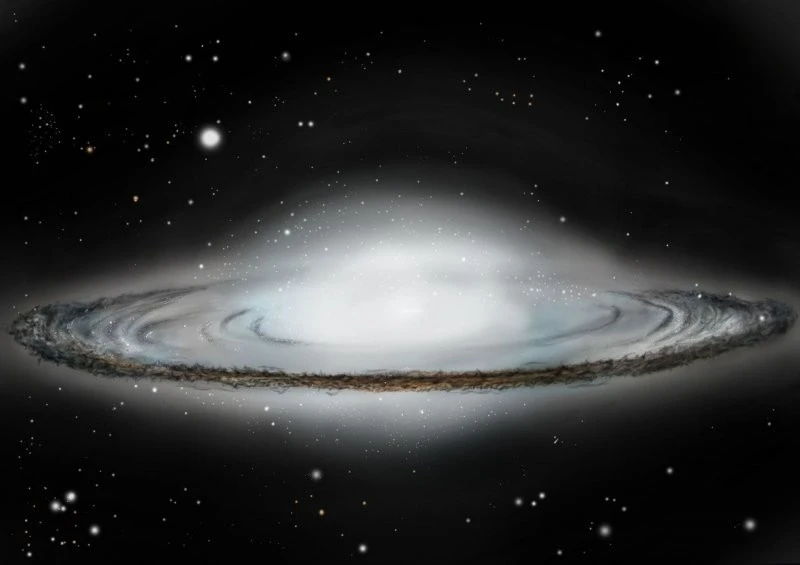
A Caribbean dream 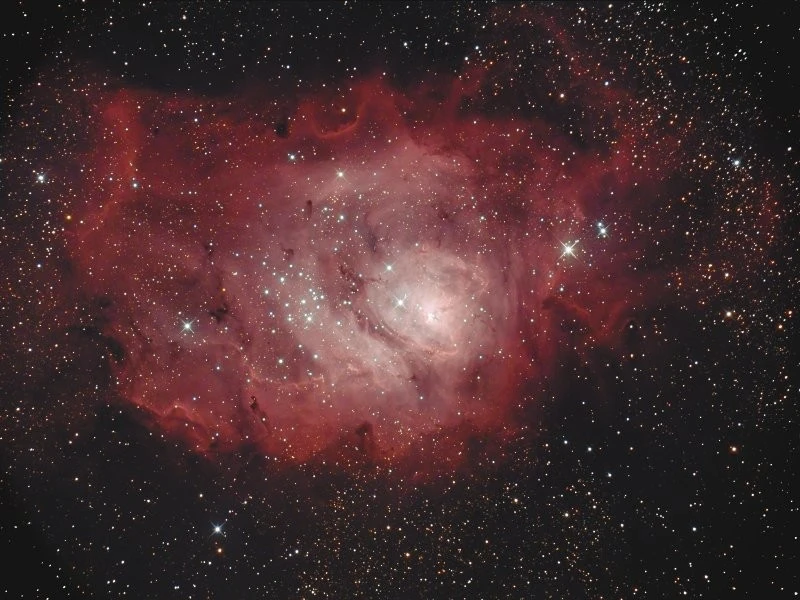
The cloud located in Sagittarius B2 was discovered relatively recently, and many media outlets began to insist that it should have the taste of raspberry rum.
Scientists say that the molecules in this cloud are indeed similar in structure to the molecules contained in rum. True, you will still be able to taste the cloud.
Huge cat paw 
This lovely nebula, NGC 6334, is located in the constellation Scorpio. In fact, this is a complex containing regions of formation of massive stars at different stages of stellar evolution.
It is an ideal target for studying the various phases of the formation of massive stars, and is therefore a well-studied astronomical object. 
A ring 500 billion light years in size 
The GRB ring was found by studying gamma radiation after the death of massive stars. Astronomers noted a series of nine bursts, each of which was at the same distance from Earth.
And these bursts formed a ring in the sky that is 70 times larger than the apparent diameter of the Moon.
Scientists agree that the gamma ring may be a projection of the sphere around which all the bursts of gamma rays occurred in a relatively short time - only 250 million years.
Scientists are still arguing about what could have created such a ball. Some of them believe that galaxies cluster around regions with high concentrations of dark matter. But the exact reason is, of course, unknown.
Tarantula Nebula 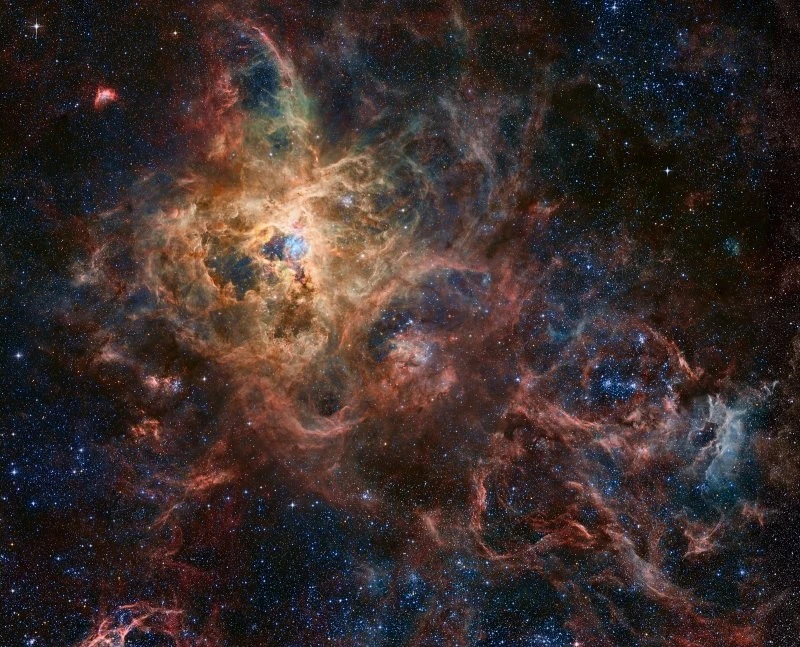
Nebula shaped like
hellish black creature with paws
a large spider is located in the constellation Golden Fish. It was first discovered in 1751, and it itself has a diameter of more than a thousand light years. 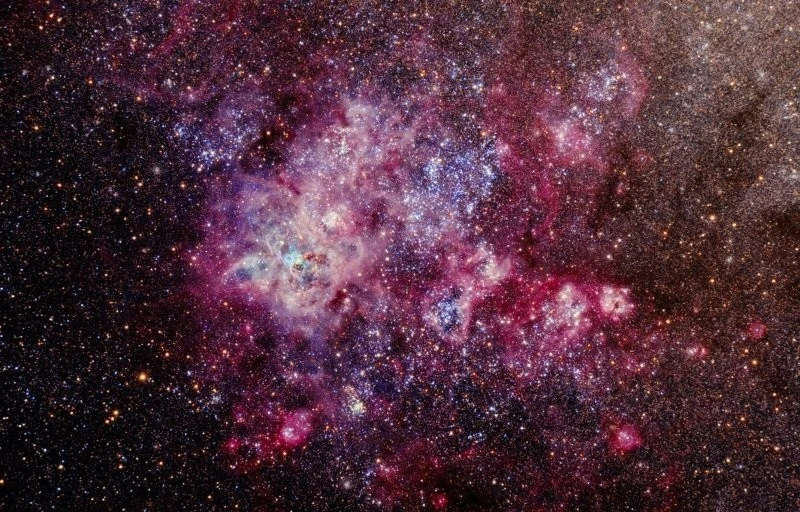
Even if you don't see the resemblance to a spider, believe me, it is there. Light elongated structures resemble spider legs. What is also unusual here is that the stars in it are located chaotically. True, only at first glance: the galaxy is constantly renewing itself, extinguishing old stars and giving birth to new ones.
Huge flaming ball 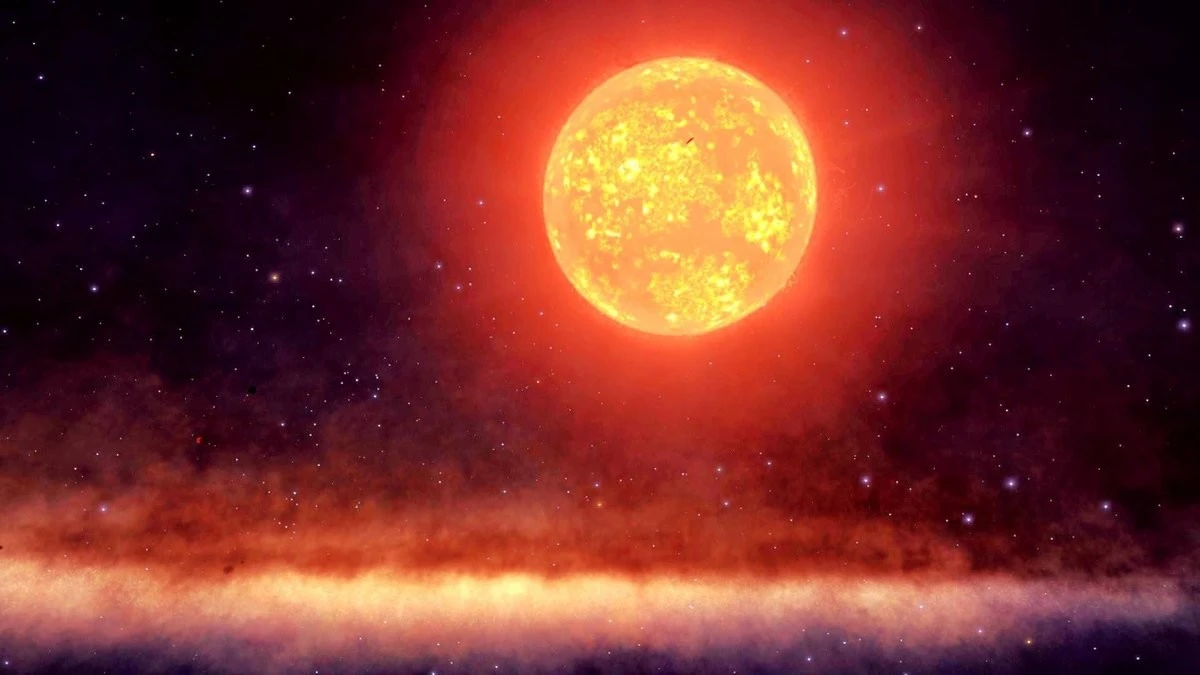
The largest known star in our Universe is called VY Canis Majoris. It is 1,500 times larger in diameter than the Sun. And even if our planet is very small compared to the Sun, then what can we say about the size of our planet compared to this star? 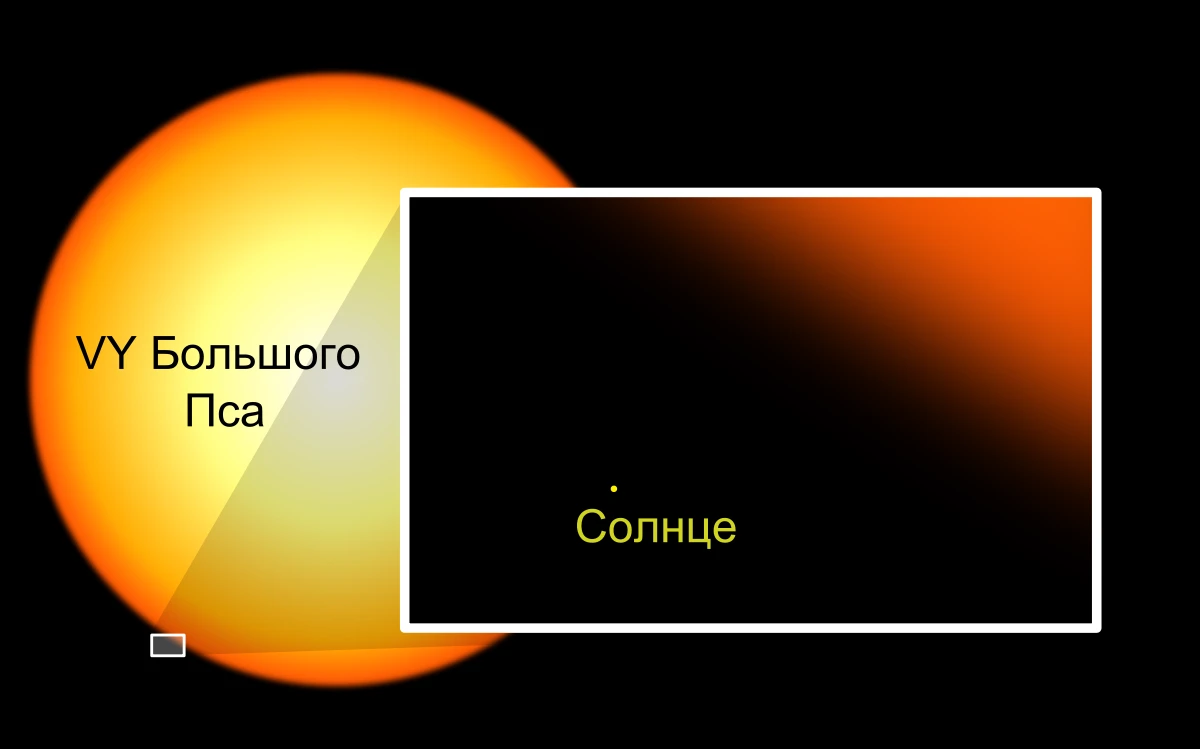
Hot Ice 
The planet Gliese 436 b is located 33 light years away. It consists of hot substances. 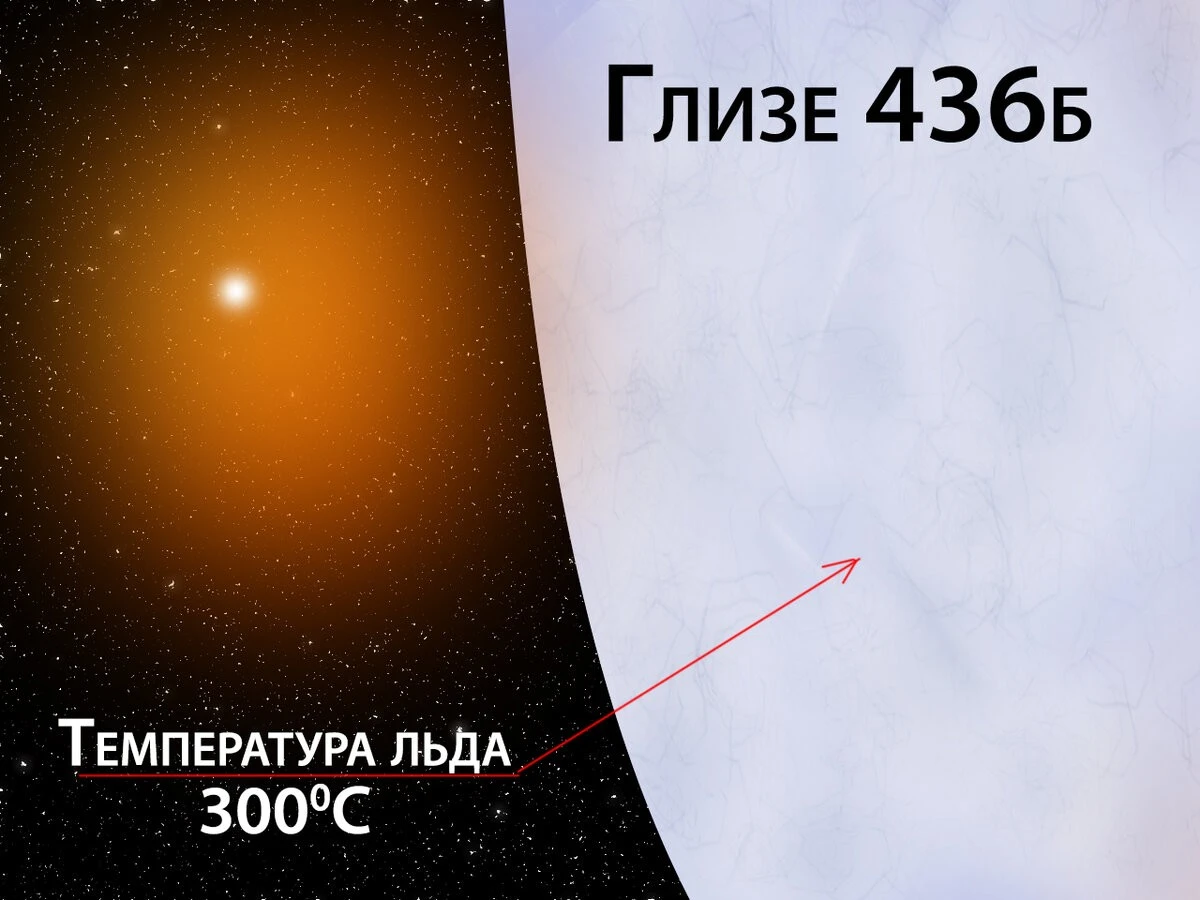
And scientists believe that it contains water molecules. But due to its large size (it is 4.5 times larger than the Earth), the liquid on it is in crystallized form even at 300 degrees. That is, the planet is full of hot ice.
Hell in the Universe 
There is a planet in the endless space that is very reminiscent of the Earth - HD 189733 b. It's blue and it's in space. But that's where the similarities end.
The wind here reaches 8700 km/h, and it also rains constantly here (and this is not St. Petersburg). But it is not made of water, but of molten glass.
Finger of God 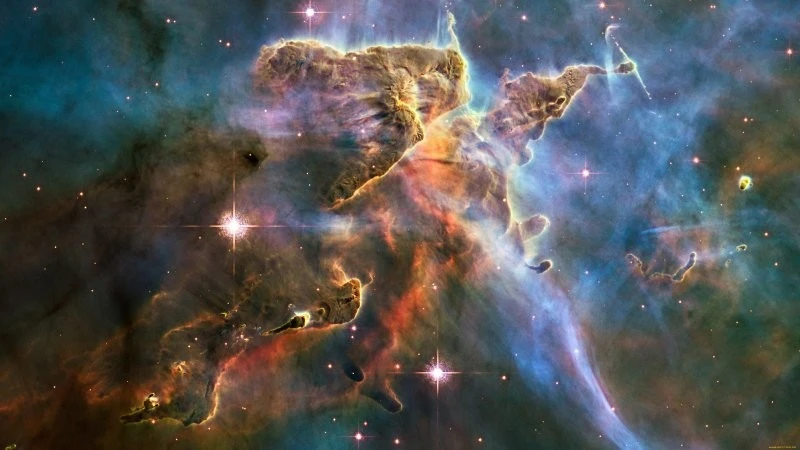
The Carina Nebula, which was once photographed by NASA, takes on various bizarre shapes. Some people see it as a hand with an outstretched finger, just like in the famous fresco. 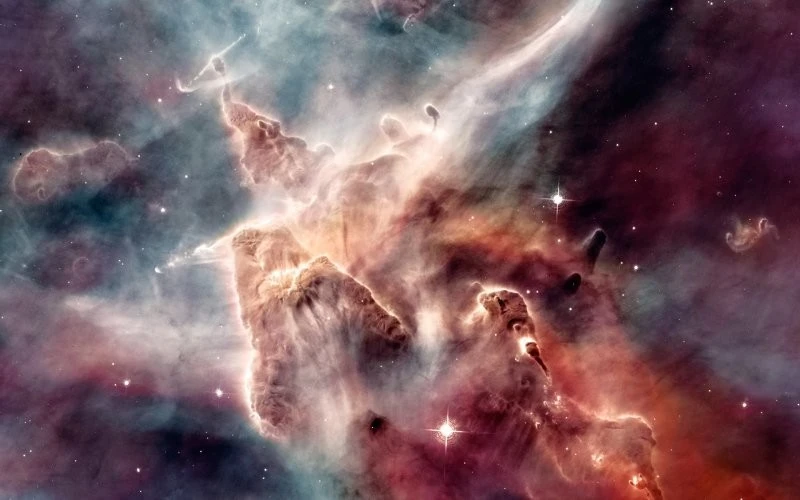
What unusual objects in the Universe do you know about?
0 comments