In Mexico, a whole lake of mercury was discovered under an ancient pyramid (11 photos)
Mexican archaeologists explored the pyramid of the Feathered Serpent (Quetzalcoatl) in the ancient city of Teotihuacan and discovered an impressive lake of mercury underneath it. Now archaeologists are trying to understand where this toxic reservoir came from under the ancient structure. 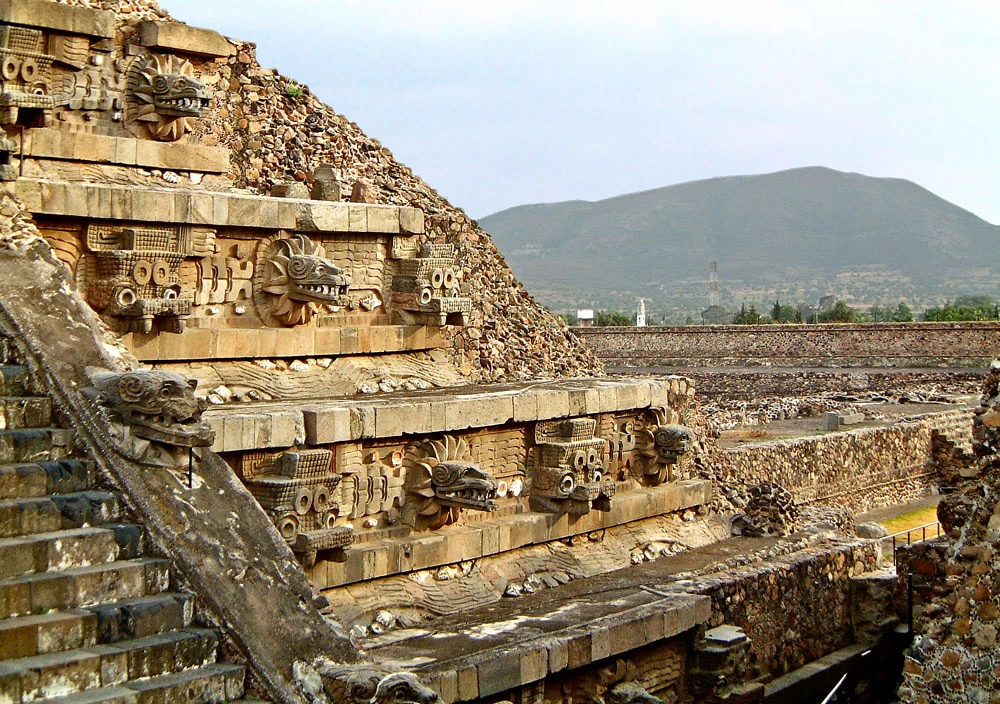
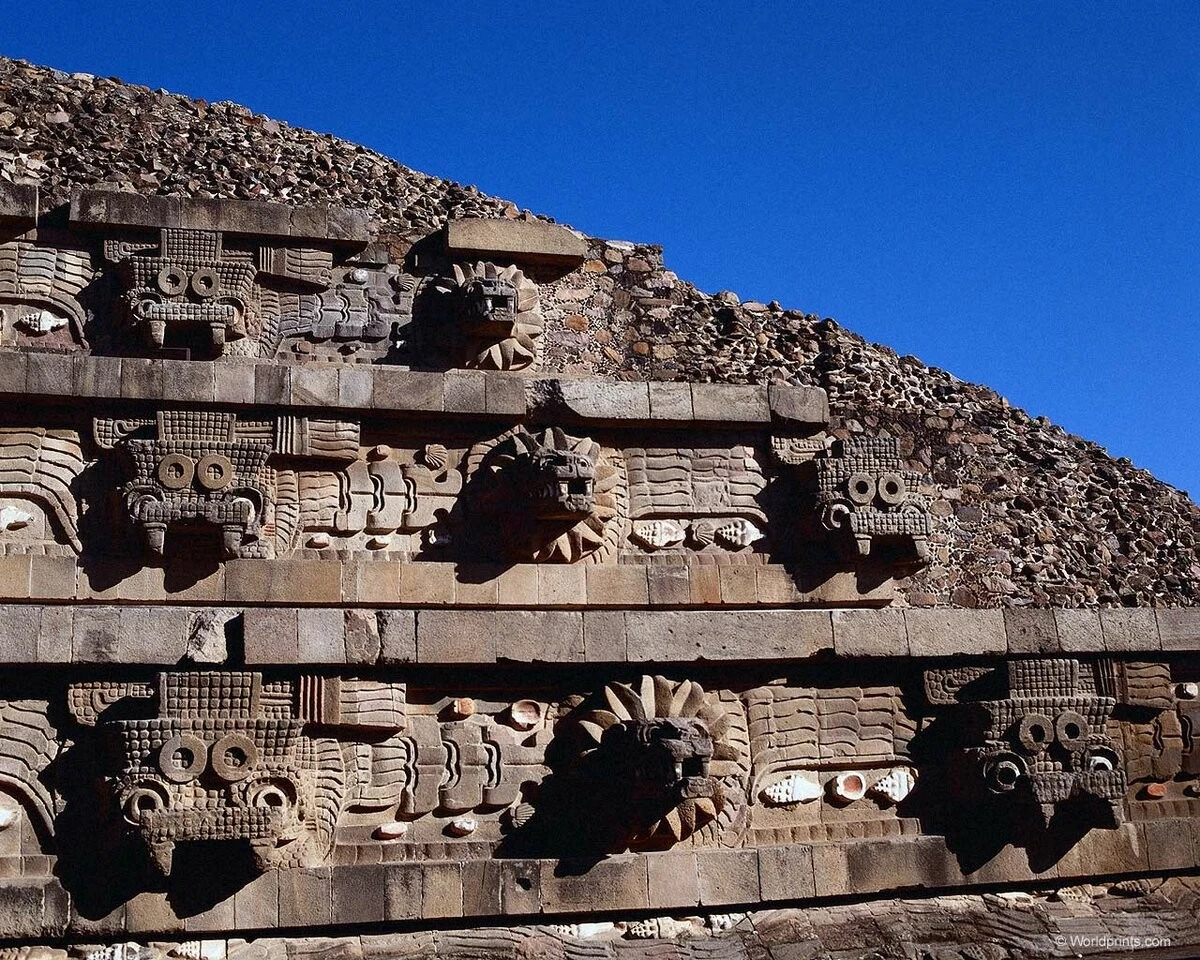
Information: Teotihuacan is one of the most mysterious ancient cities in the Western Hemisphere, which flourished in 250-600 AD. AD Located 50 km from Mexico City. It was (presumably) inhabited by Nahuas, Totonacs, Otomi and other peoples. 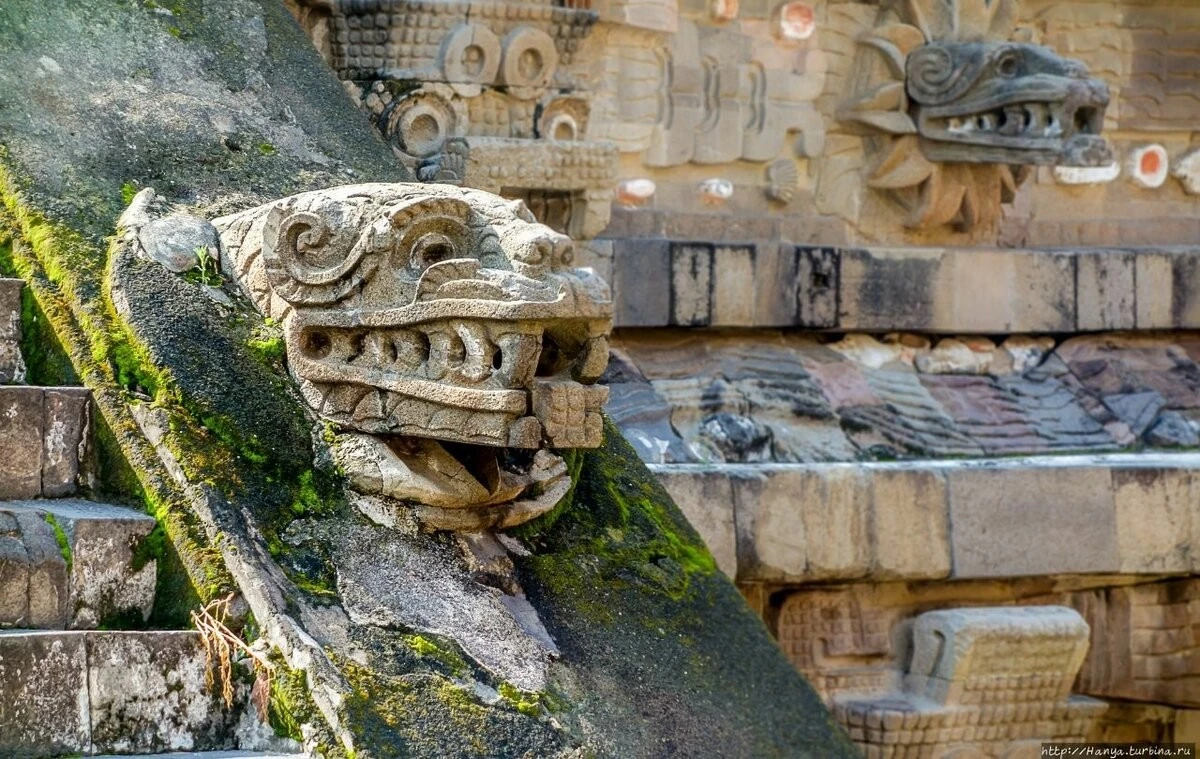
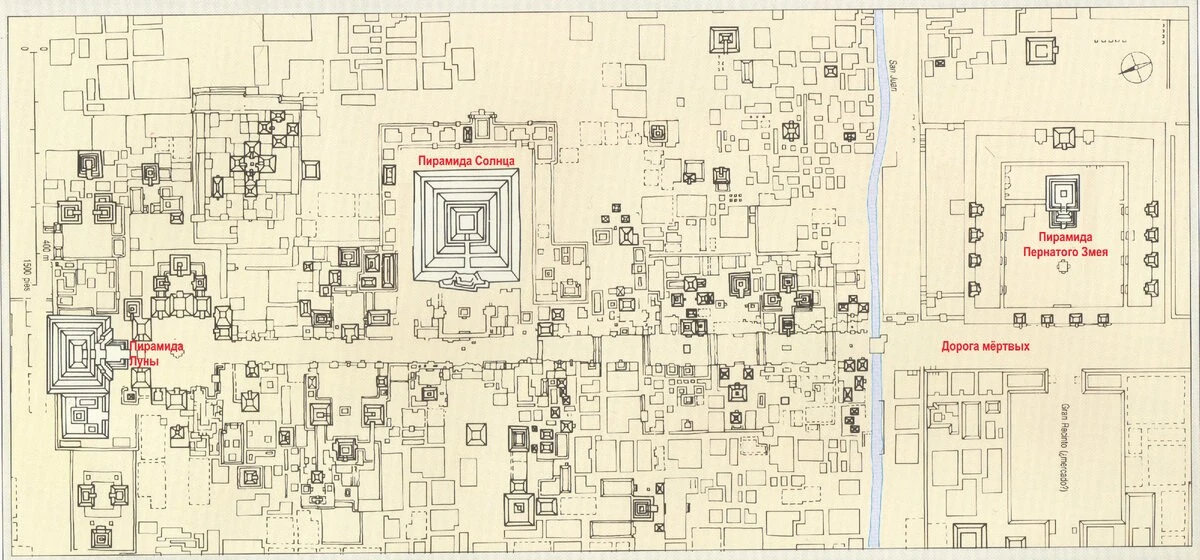
Schematic map of Teotihuacan showing the three largest pyramids
Entrance to the mysterious tunnel
In 2003, after a series of heavy rains in the ancient city of Teotihuacan, the soil collapsed and the entrance to an underground tunnel, carved by local residents about 1,800 years ago, opened at the site of the failure.
Excavations of the tunnel began in 2009. First, the remote-controlled robot Tláloc II-TC was lowered into it. The smart machine went 20 meters further than people could get through, and using an infrared camera and a laser scanner, it detected a cross-shaped cave ahead. 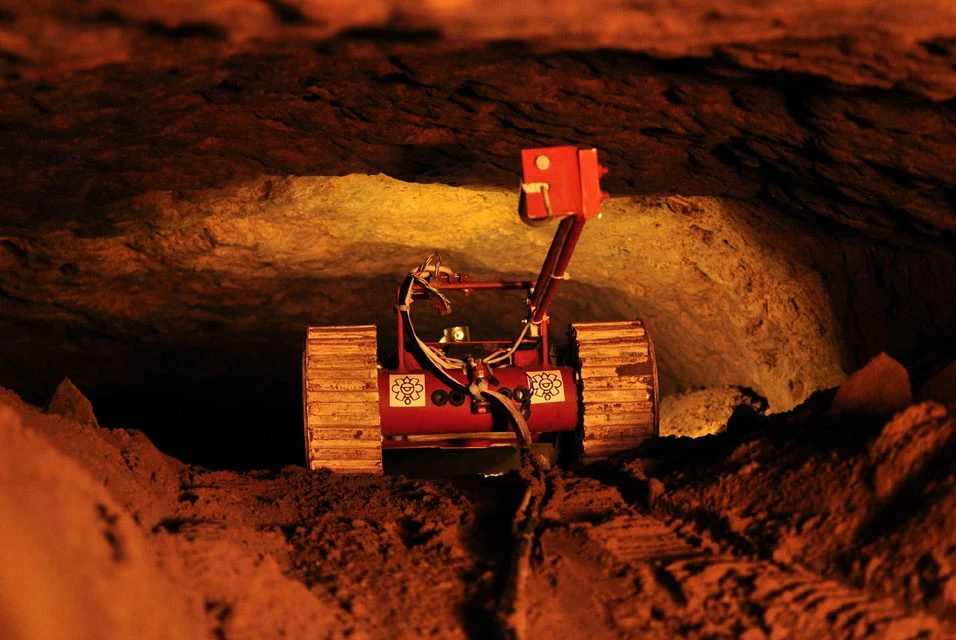
Tláloc II-TC robot explores the tunnel
Valuable finds under the pyramid
Further work was carried out manually. Archaeologists slowly, centimeter by centimeter, cleared 103 meters of the tunnel and finally reached the cave, which contained large sea shells, processed jaguar bones, rubber balls, small carved stone sculptures, obsidian arrows, shovels, jewelry and coins. 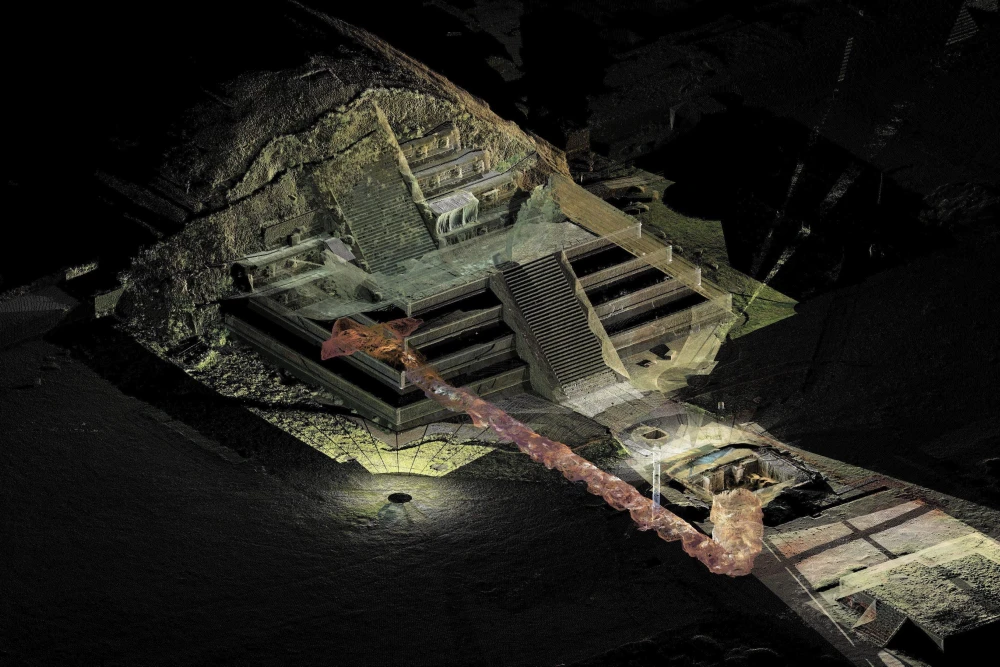
3D projection of the tunnel located under the pyramid
The floor of the cave was littered with hundreds of clay spheres ranging from 3.5 cm to 12 cm in diameter, coated with pyrite. It seemed that the balls were made of gold. The researchers suggested that these objects were used for ritual purposes. Perhaps priests or even rulers of the ancient city descended here to conduct sacred rites. 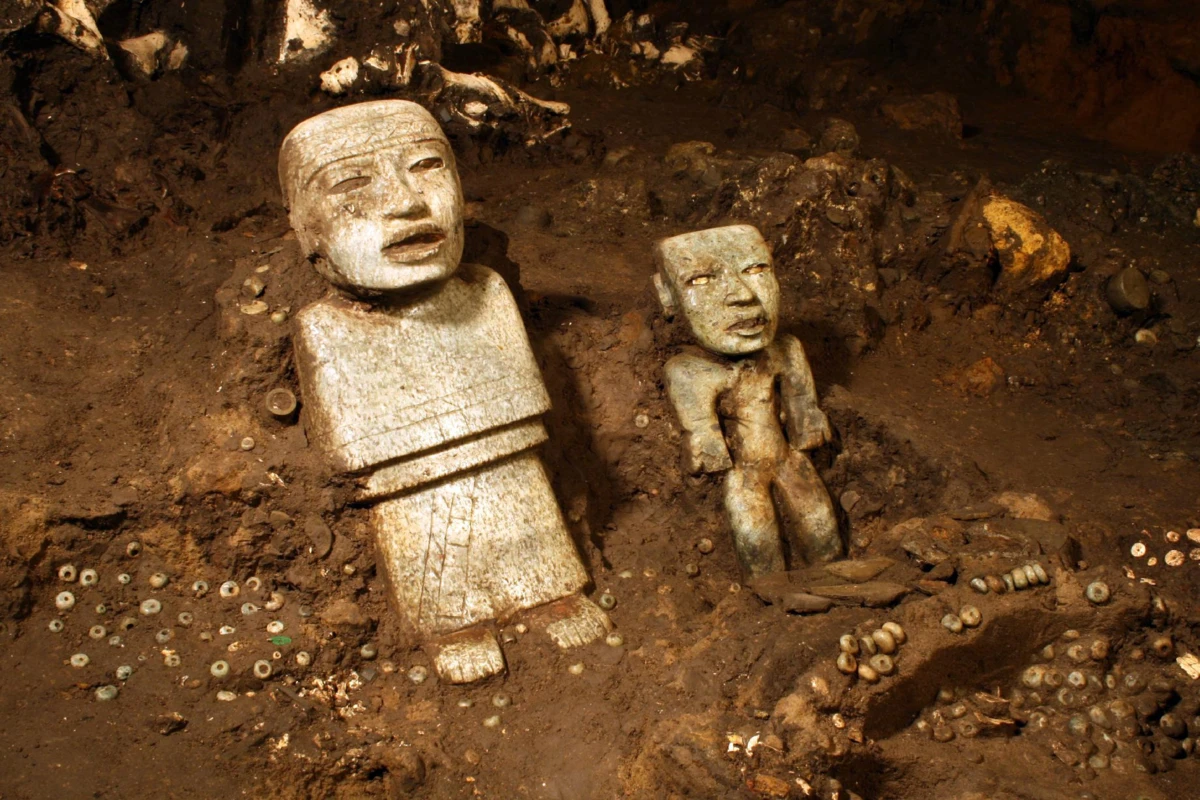
Small human figurines and hundreds of clay spheres
The Mystery of the Mercury Lake
Having made their way deep into the tunnel, scientists discovered a mercury lake. This find did not surprise or frighten archaeologists. On the contrary, she inspired them to further excavations. Here is what the head of the research group, Sergio Gomez, said about this:
“Archaeologists have previously found mercury reservoirs in the ancient cities of the Maya and Olmec, which served as a kind of palace between the worlds of the living and the dead. Perhaps with further excavations under the Pyramid of the Feathered Serpent, we will be lucky enough to find the crypt of one of the leaders of Teotihuacan.” 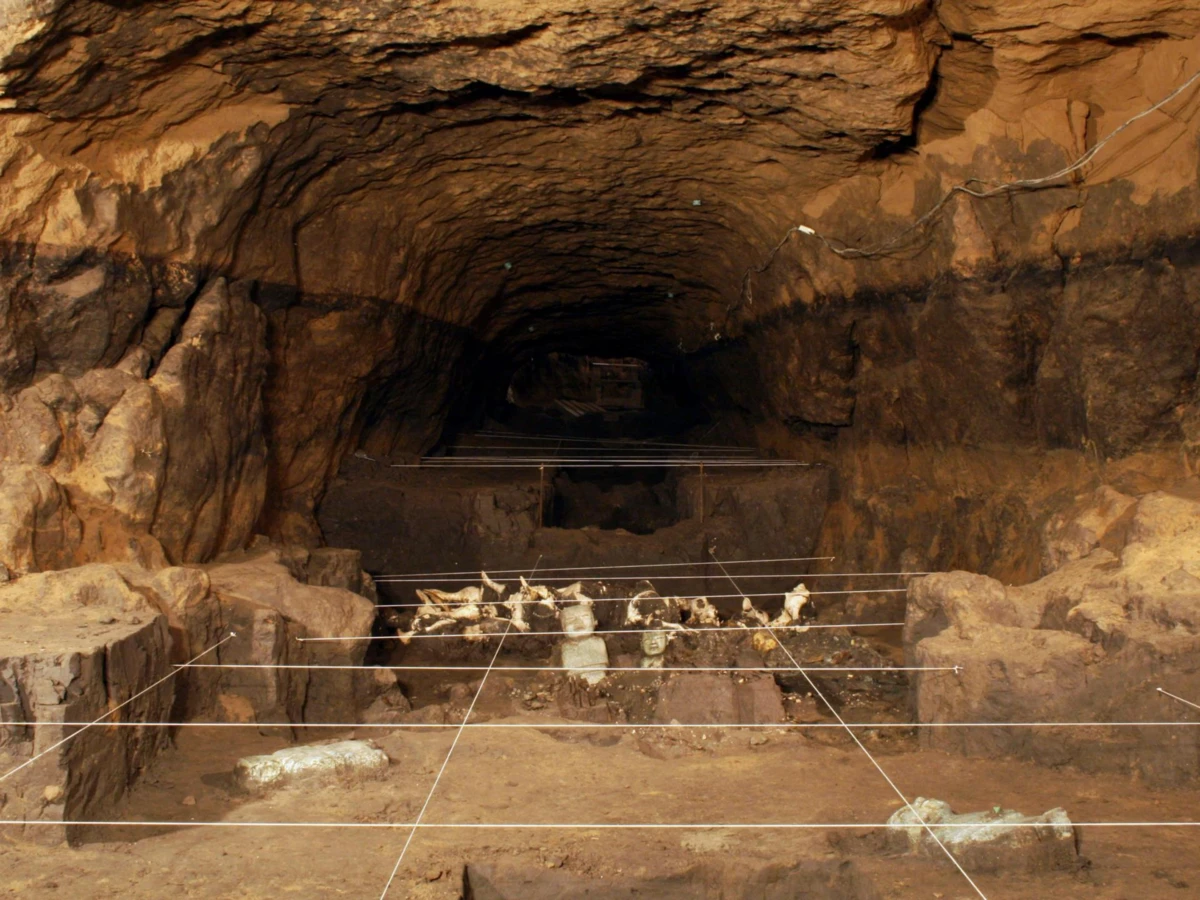
Cross-shaped cave at the end of the tunnel
However, during a long, painstaking examination of the tunnel and the cruciform cave, no burials were found here. It turned out that the pyramids were not tombs, as the Aztecs believed, who found the already abandoned Teotihuacan in the 14th century.
“Not a single sarcophagus was found in the complex,” said Annabeth Hedrek, a professor at the University of Denver. “For archaeologists, who are accustomed to classifying all incomprehensible objects as ritual, this has become a real puzzle.” 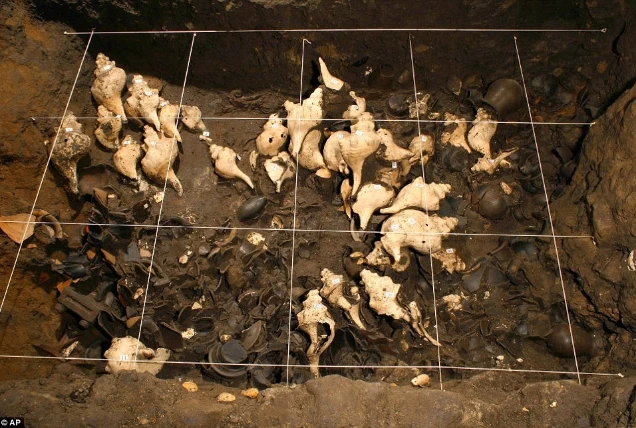
Artifacts from the cave
How city residents mined mercury
But how did the inhabitants of the ancient city mine the mercury found under the Pyramid of the Feathered Serpent? It turns out that they isolated it from cinnabar, the most common mercury mineral. When cinnabar was heated, mercury flowed into a previously prepared vessel in small drops. Filling the lake with mercury required a lot of time and effort. 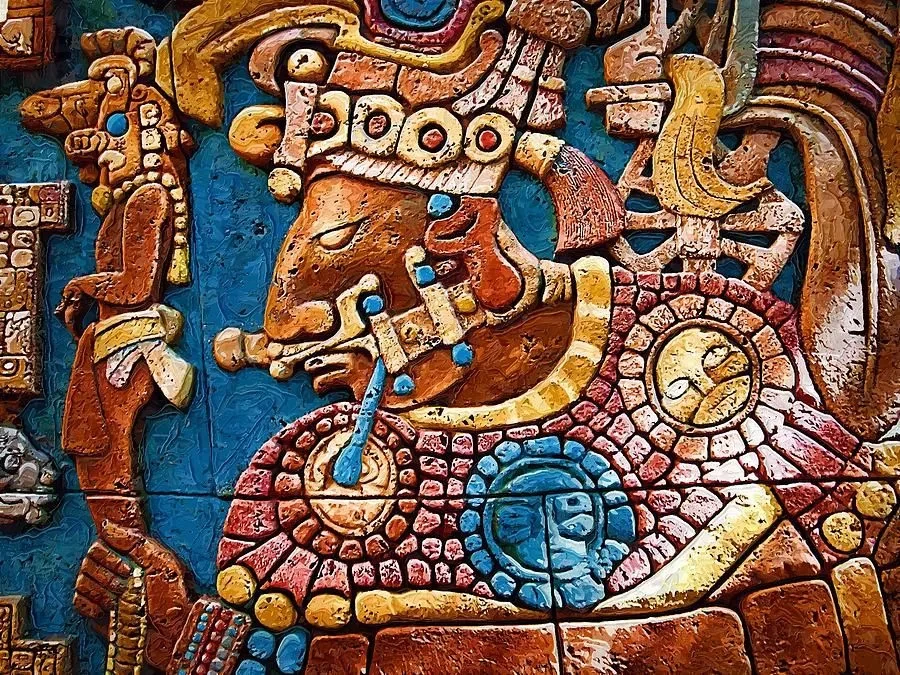
Mayan murals painted with red cinnabar dye
By the way, some Mesoamerican tribes used the same bright red cinnabar as a dye, which they used to decorate frescoes, temples and their own bodies. To obtain different shades of red, they mixed cinnabar powder with iron oxide.
Other facts about mercury
Scientists suggest that it was the large-scale use of mercury that caused the extinction of the inhabitants of the city of Tikal, which flourished in the 1st-9th centuries AD in the territory of modern Guatemala. During excavations in the central part of this city, two large reservoirs filled with water with a high content of mercury were discovered. It is likely that this toxic metal caused a local environmental disaster in the city. 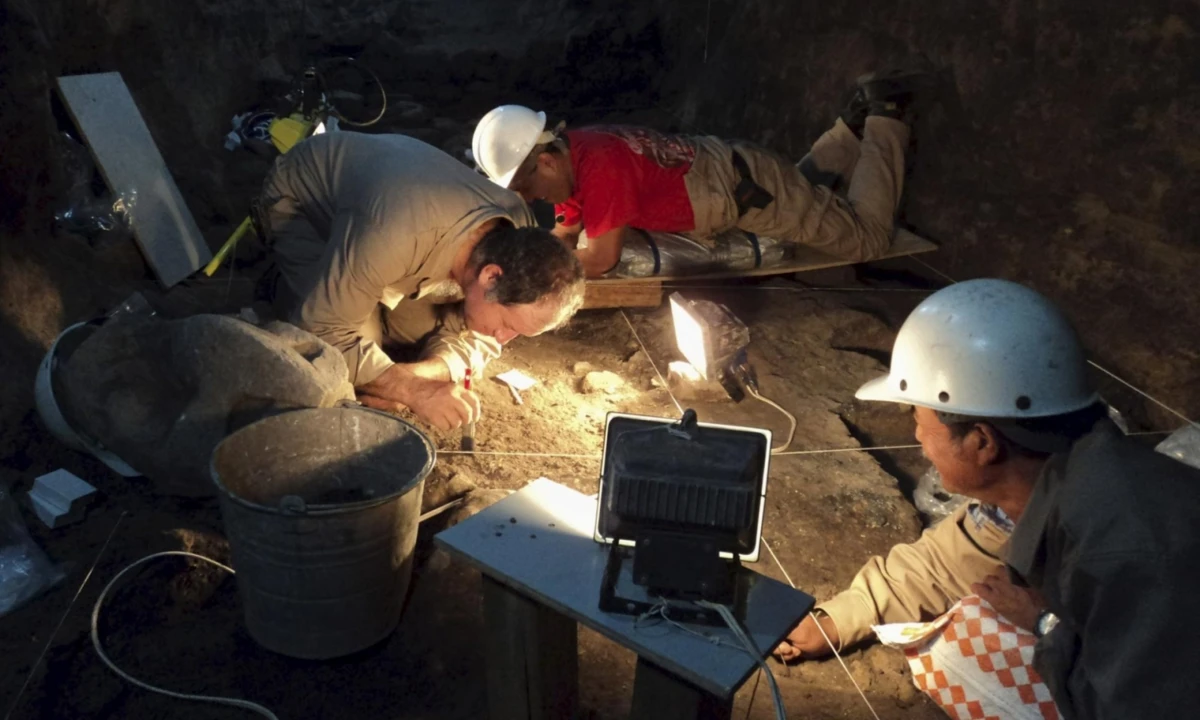
Archaeologists at work
In 1987, Teotihuacan was designated a UNESCO World Heritage Site. Today it is one of the most visited attractions in Mexico. When traveling through Mexico, about four million tourists visit it every year.
Scientists are still trying to unravel its secrets, but so far without success. After all, during the excavations they were unable to find a single tomb, not a single image of the rulers of this city. The daily life of Teotihuacan still raises many questions among scientists that have not yet been answered.