Man vs. polygraph: is it possible to fool a lie detector? (5 photos)
We have all seen so-called lie detectors in movies and on television. They are mysterious devices that are used to determine whether a person is telling the truth or not. 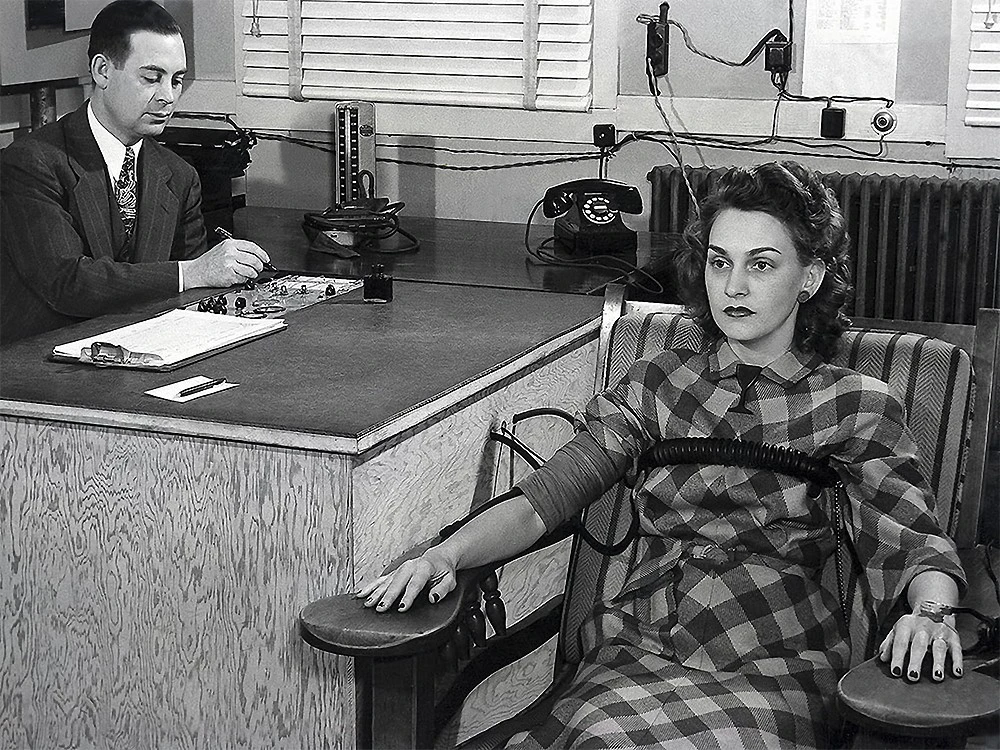
I'm sure many of you have wondered: is it possible to fool lie detectors to get the desired result? In this article I will try to answer this question and reveal some interesting facts about these curious devices.
How does a lie detector work?
The first lie detector was created in 1921 by William Marston, when he began writing his dissertation. He set out to prove the existence of a connection between a person’s emotions and the falsity of his statements.
Marston even took out a loan and set up a laboratory, where he worked with his wife. By the way, it was she who drew attention to the fact that at the moment when William told a lie, his blood pressure rose.
Interestingly, in addition to working as a psychologist and teacher, Marston also wrote comics. It was he who created the famous character for the DC universe - Wonder Woman. And it is no coincidence that her main weapon was the “lasso of truth,” the idea of which was inspired by the polygraph he created. 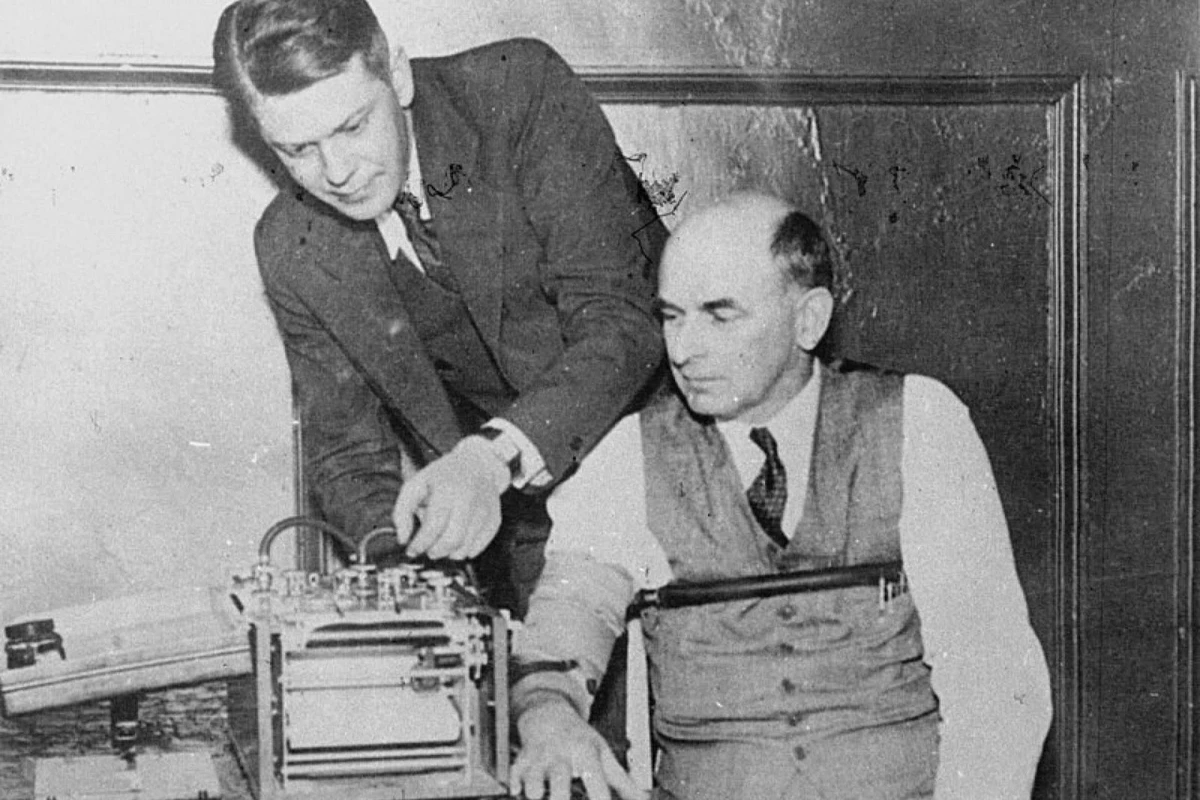
Testing one of the first polygraphs
At its core, a modern polygraph is a medical device, like an ECG machine. But if the electrocardiograph shows the work of the heart, then the polygraph measures several physiological reactions at once (up to 50), the main of which are:
Heart rate
Blood pressure
Breathing rate
Electrical activity of the skin (sweating and shaking)
Interpretation of results
The sensors take readings and transmit the result to a device that once recorded the data on paper. Now polygraph examiners work in special computer programs and see all the indicators at once in digital form.
Literally speaking, a lie is detected not by a polygraph, but by a polygraph examiner, on whose qualifications the result will depend. It is he who finds patterns in the readings of the device and the responses of the subject, after which he makes his verdict. 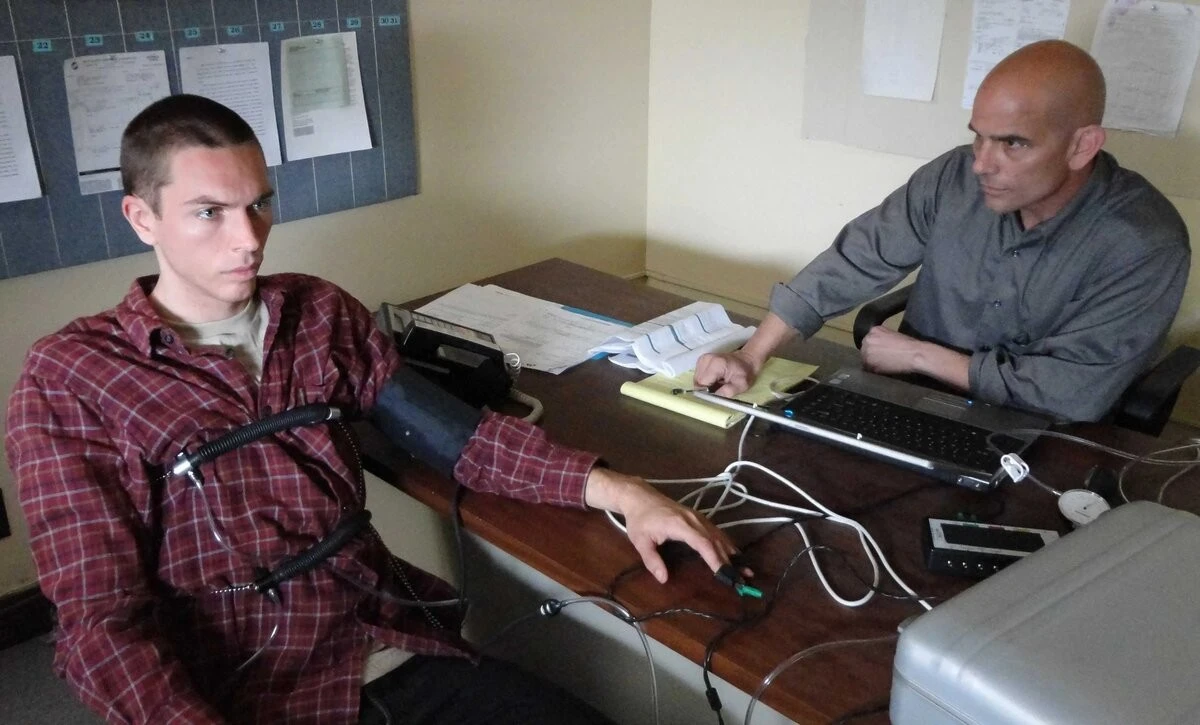
Testing a person with a polygraph
For example, to oversimplify: an increase in heart rate or breathing rate is a sign that a person is nervous, which could mean that they are lying. In other words, it is believed that each emotion causes a certain physiological reaction in our body, and it is this reaction that polygraph examiners try to measure and evaluate.
How accurate is a polygraph?
The scientific community has debated a lot about the lie detector and continues to do so to this day. Many experts say that the polygraph cannot be effective because it has not been scientifically proven that there is a direct connection between lying and the reactions occurring in our body.
Moreover, it has also not been scientifically proven that this relationship can be measured. As evidence, they cite experiments where, after many trainings, subjects deceived the polygraph (or rather, the polygraph examiner).
On the other hand, there are experts who claim that even though the polygraph is not 100% accurate, in most cases the results are correct. But they prioritize the professionalism of the polygraph examiner: his ability to ask questions and detect the smallest details in the characteristics of the person being interviewed. 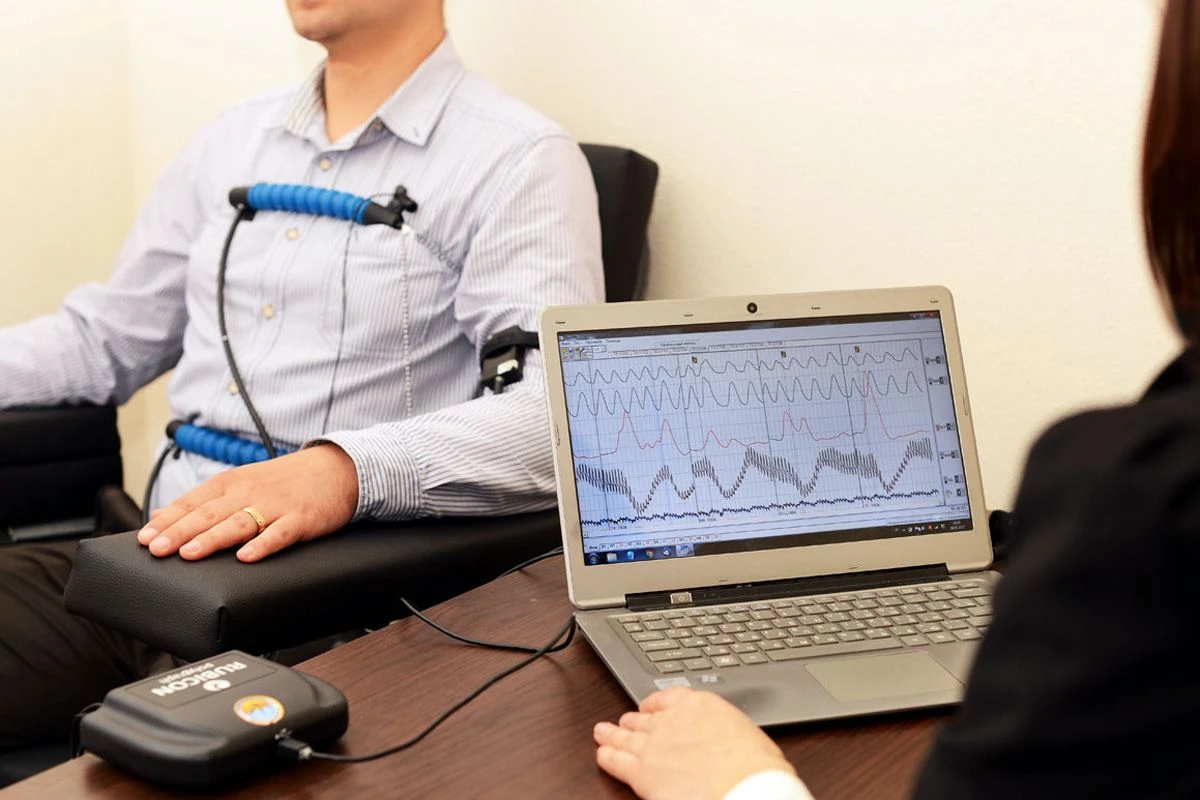
As you can see, the effectiveness of a lie detector is a rather controversial thing, so today the use of a polygraph is not widespread. Although even today there are countries that accept his testimony as valid evidence in court.
As in the United States of America, for example, the court takes into account the results of a polygraph test, but considers them only indirect evidence, on the basis of which a final court decision cannot be made.
How to fool a polygraph?
But if we assume that the polygraph is effective, and that it really reveals the truth with a high probability, then a person has a logical question: is it possible to fool a lie detector?
Let's hope you never have to take a polygraph test (unless it's for fun). But, as practice shows, in recent years many employers have begun to use this service, checking the reliability of a future employee. 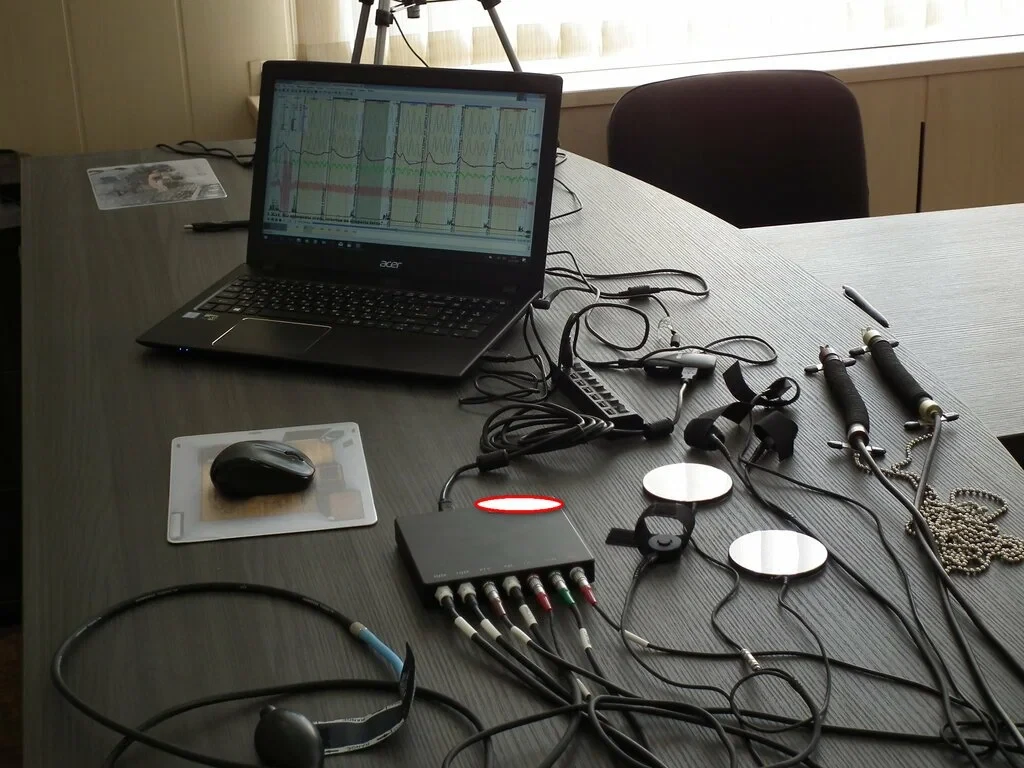
If you still have to go through such a check, and you have something to hide, you can take the advice of Aldrich Ames, a double agent who worked for more than 20 years for the CIA and 9 years for the KGB. Surprisingly, he managed to outsmart the polygraph twice.
Here are his tips:
- Get a good night's sleep the night before and go into the test rested and relaxed. Be polite to the examiner, cooperate and remain calm at all times. There is no magic trick to pass a polygraph, you have to be confident and connect with the examiner... you have to make him think you like him.
On the Internet you can find a lot of advice that supposedly allows you to deceive the polygraph: take a sedative or even alcohol, come to the survey very tired, think about strangers during questions. Some even recommend putting a button in your shoe or drinking a lot of water.
But, as practice shows, without many years of training, it is almost impossible to deceive an experienced polygraph examiner, unless you have the innate ability to control your entire body.
What do you think about the polygraph? Have you ever encountered a lie detector test?