7 men's clothing items that are exclusively of military origin (10 photos)
Every man on the planet owns at least one piece of military-style men's clothing. And no, we're not just talking about cargo pants and tactical vests. 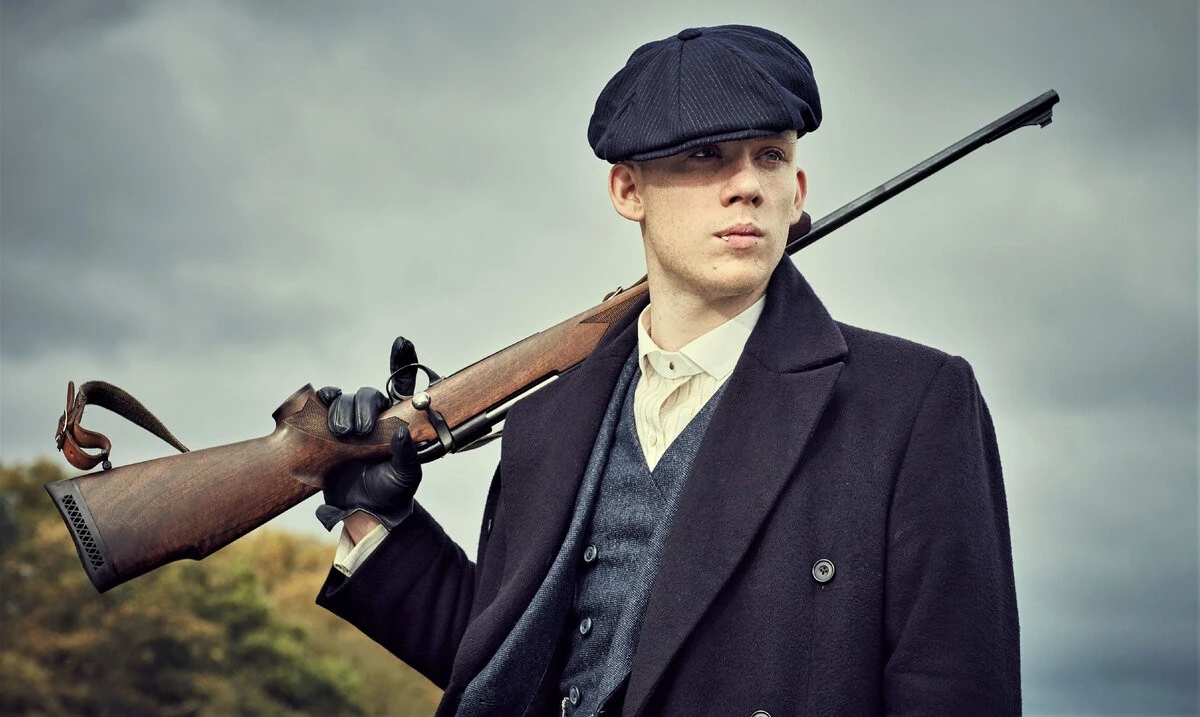
Few people know that many of the items of everyday civilian clothing we are familiar with actually have a long-forgotten military background.
1. Classic T-shirt 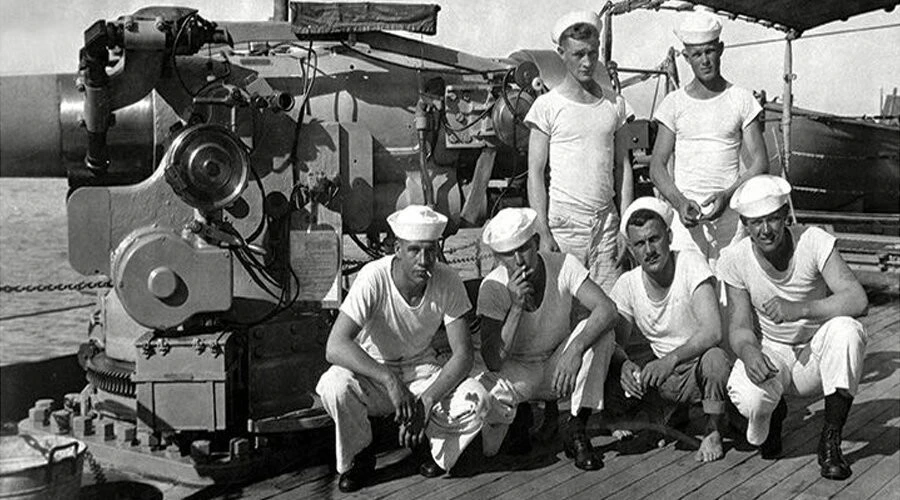
The classic T-shirt that we all know well today is a staple item for any man.
But few people know that the first short-sleeve cotton T-shirt evolved from the button-down nightgown and was (in fact) officially adopted by the US Navy as undergarment as a military wardrobe staple in 1913.
The First World War played a significant role in the popularization of T-shirts. Cotton dried faster than flannel and was more comfortable in hot weather (very important in the Navy). T-shirts proved to be comfortable, lightweight and durable enough that after the war they were more often seen as casual wear, and men continued to wear them in everyday life.
However, in society, a T-shirt was still considered an element of underwear, so it was indecent for a man to be on the street in just a T-shirt.
That all changed in the 1950s, when T-shirts became a symbol of rebellion and nonconformity. Major Hollywood movie stars of the 1950s like Marlon Brando and James Dean were among the first celebrities to be seen wearing the T-shirt on screen. Since then, the T-shirt has ceased to be considered an element of underwear, but has officially entered the men's wardrobe as a separate item of clothing that could be worn without outerwear. Later, something similar happened with the T-shirt.
2. Cardigan 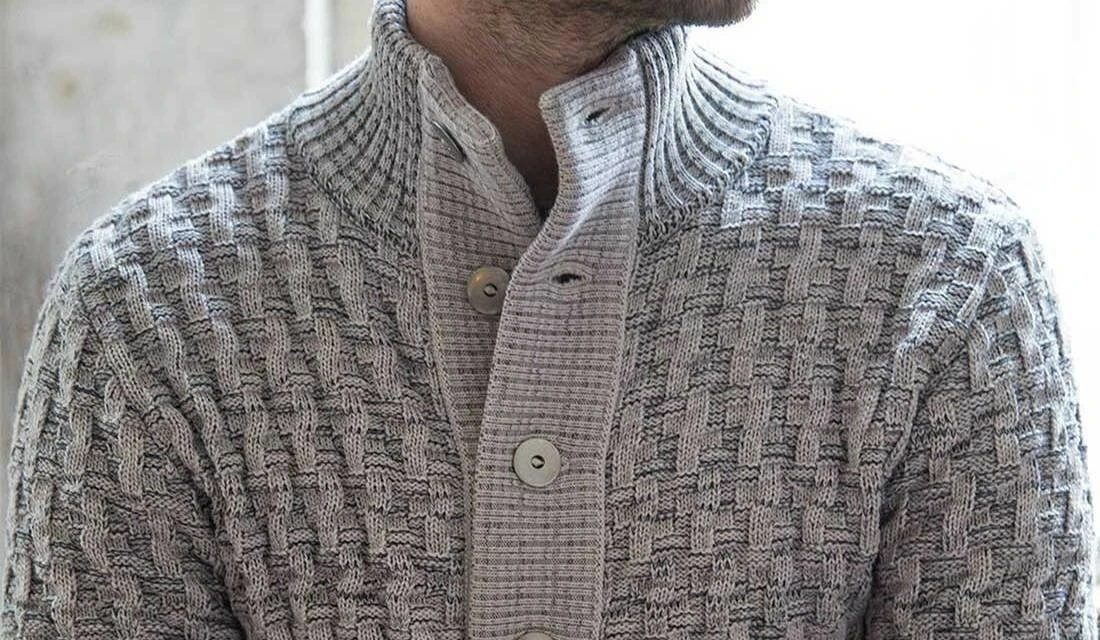
A cardigan is a knitted sweater with a button or zipper at the front, a V-neck or a round neckline, with or without a collar.
The creator of this sweater is James Thomas Brudnell, 7th Earl of Cardigan, who based his famous sweater on the fur or trimmed worsted wool vest worn by British Army officers during the Crimean War.
When James Thomas Brudnell became a Lieutenant General in the British Army, he spent a personal £10,000 a year improving and equipping his own regiment with cardigans to keep soldiers comfortable in cold weather.
The fame that Lord Cardigan gained after the war and during his meeting with the royal family led to the increase in popularity of his cardigans among respected Englishmen, and then among many ordinary men.
3. Coat 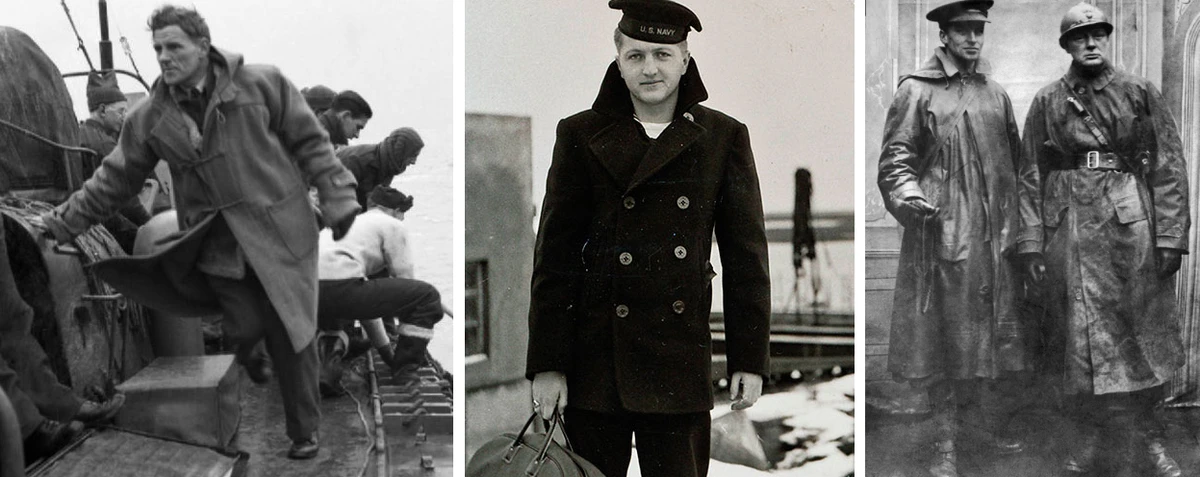
The coat itself is derived from medieval clothing from the 15th century with cutouts for the arms and sleeves - a doublet, which was used by men as underarmor or independent armor with pieces of chain mail sewn onto it.
Almost 90% of all possible models and styles of coats that you have in your wardrobe, one way or another, were connected with the military past. Here are just some examples:
The duffle coat is a single-breasted coat that appeared in the British Royal Navy during the First and Second World Wars. First of all, the duffle coat is known for its distinctive features; deep patch pockets with flaps and fastening with large wooden or bone buttons so that sailors could easily button and unbutton their coats while wearing thick gloves at sea.
A peacoat is a short, double-breasted coat used by the Dutch at the peak of their naval power in the 16th century. The peacoat has a double-breasted closure with large metal or plastic buttons, a wide neckline at the collar and lapel, and vertical or welt pockets.
The trench coat was a double-breasted coat created by Thomas Burberry for World War I soldiers as a lighter alternative to twill overcoats that could withstand moisture. The word “trench coat” itself is translated from English as “trench coat.” This coat features a double-breasted ten-front button closure, a wind flap, wide lapels and buttoned pockets. Trench coats were mainly worn by officers, who themselves bought them for the trenches as part of their uniform. In the 1940s, Hollywood began to romanticize the trench coat, replacing the image of the officer with that of the fast-talking journalist, the slick gangster, the secretive detective and the dashing spy. We can say that Hollywood helped the trench coat enter the everyday men's wardrobe.
4. Bomber (pilot jacket) 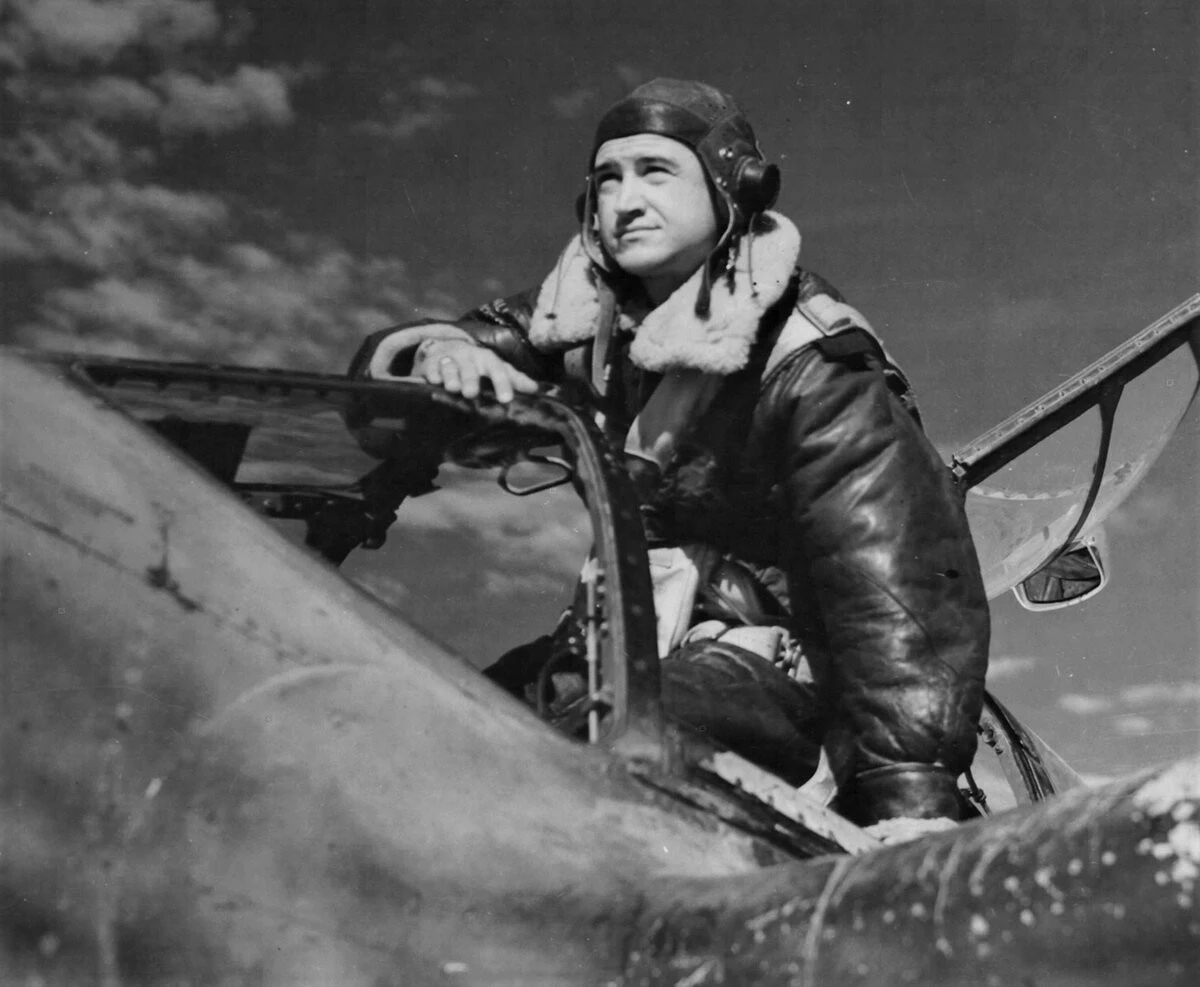
“Bomber jackets,” as we have come to call them today, were originally created by the U.S. Army Aeronautical Clothing Board in 1917 to keep pilots warm during World War I in the uninsulated open-air cockpits at the controls of early fighter planes.
Between the two world wars, flight jacket design evolved along with advances in aviation.
As cockpits became enclosed, bombers improved, first with the leather A-1 model in 1927. The A-1 laid the foundation for the modern bomber jacket we know today, with a knitted collar, cuffs and waistband.
The A-1 models were followed by the A-2 (with a zipper) and then the B-15 before the outbreak of World War II, which was already followed by the modernized MA-1 model and ultimately set a new standard as functional outerwear.
American military associations aside, the MA-1 bomber jacket had the added benefit of being able to withstand temperatures down to 14 Fahrenheit (-10C), making it an ideal lightweight jacket for fall and spring. Even today, the MA-1 bomber jacket is sold as a regular spring kurta and is considered one of the most famous pieces of military clothing, truly bridging the gap between military and civilian clothing.
5. Desert Boots 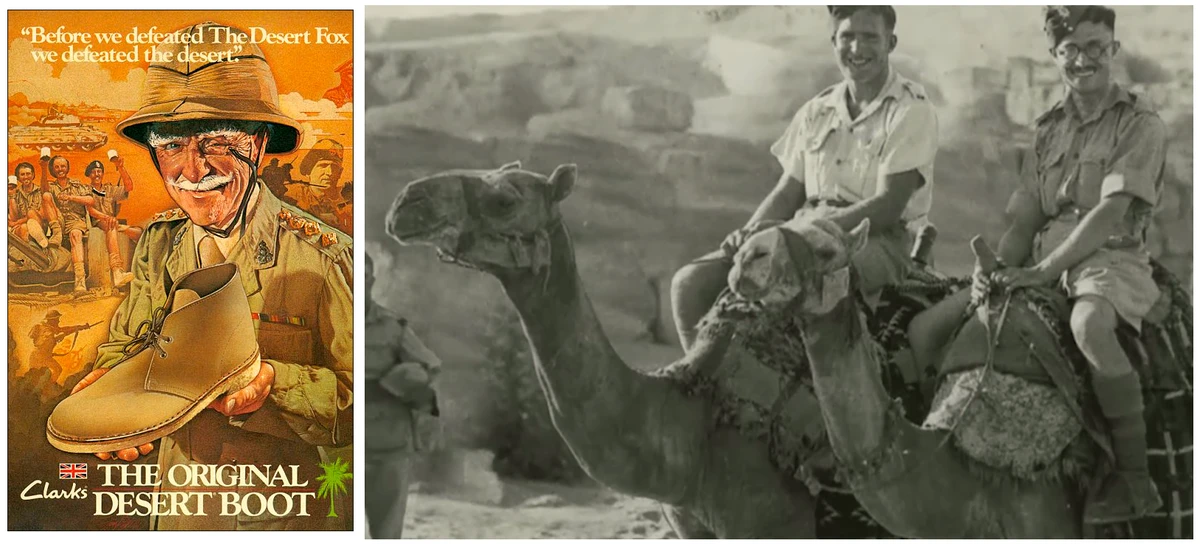
The story of male deserters begins with the story of Nathan Clark.
In 1941, while stationed in Burma as a member of the British Army, Clarke noticed that officers preferred to wear suede crepe-soled boots when off duty.
Clark also noted that these boots were ordered by officers of the British 8th Army from Cairo's Khan el-Khalili bazaar as replacements for the boots issued to them, as they could not withstand the harsh desert conditions.
Inspired by the simplicity and durability of the design, Clarke set to work creating his own shoes based on traditional South African veldskoens, which he called desert boots. Deserts very quickly gained popularity, first in Europe and then throughout the world.
6. Chinos 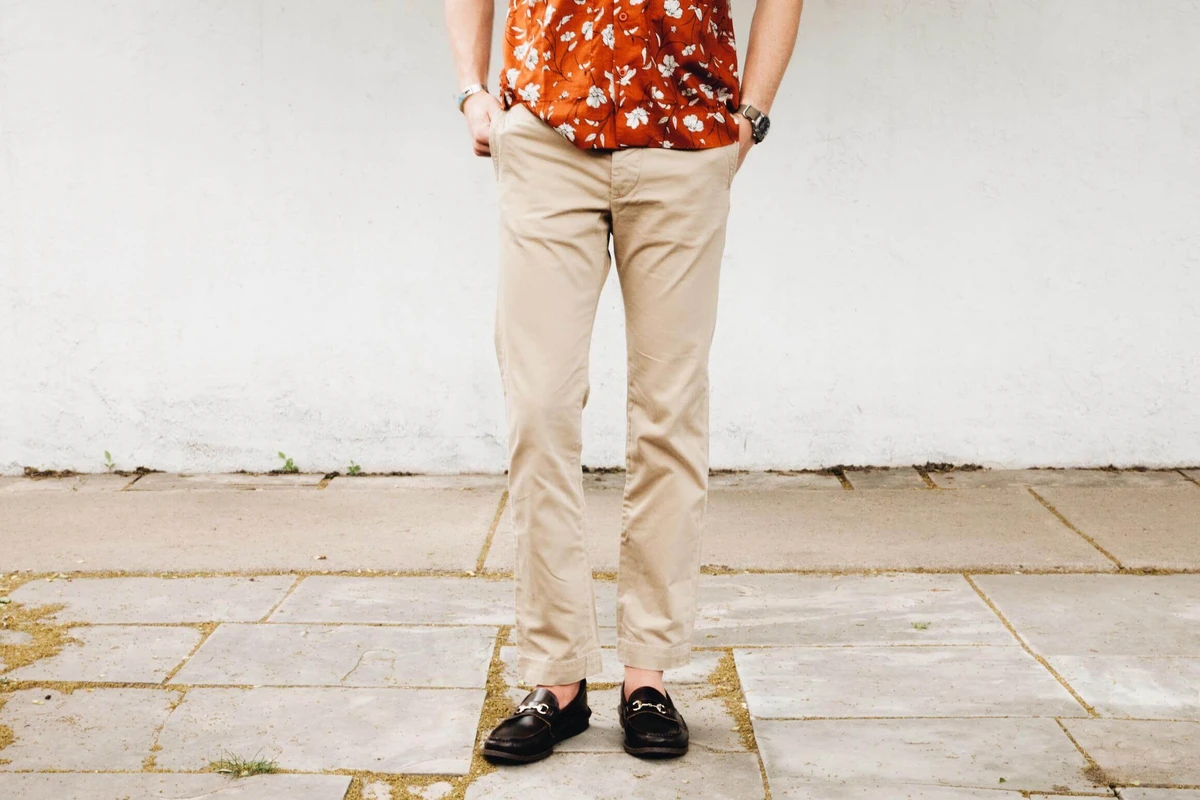
Chinos are a versatile trouser that has evolved from colonial military uniforms into classic preppy trousers, a fashion trend characterized by a neat, elitist look derived from the uniforms of students at prestigious private schools and universities.
British soldiers stationed in India wore khaki (Persian for "dust") uniforms. Modern chinos are a direct descendant of this uniform.
The US Army first used these Chinese-made fabric pants during the Spanish-American War in the 1890s. The soldiers used the Spanish word for "Chinese" (chino) to describe their military trousers, and the rest is history.
After the war, ex-servicemen returned to their education, resuming their studies at prestigious universities, and chinos became an integral part of their Ivy League fashion look.
7. Men's accessories
Scarf and tie 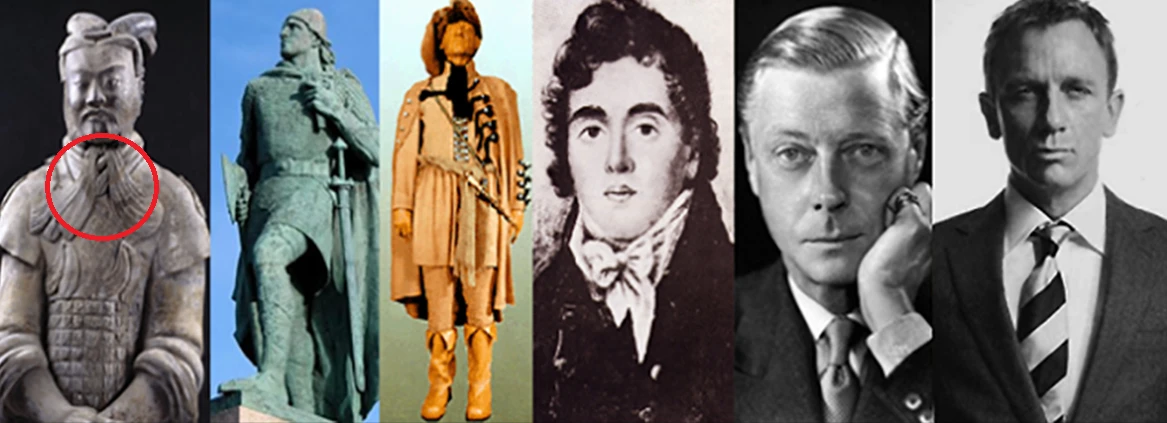
From the times of Ancient China and Rome, right up to modern desert military units, the history of scarves stretches through thousands of years of military history.
Croatian mercenaries who arrived in Paris during the Thirty Years' War (1618–1648) wore colorful scarves around their necks as part of their military equipment. The French king Louis IV fell in love with these scarves, calling them “La Cravate” and soon the fashion for them became widespread among respected citizens of France, which in fact made them the first ties.
It took another few hundred years for La Cravate to evolve into the thin strip of fabric we wear today with business suits, but it was undoubtedly the forerunner of the tie.
Aviator glasses 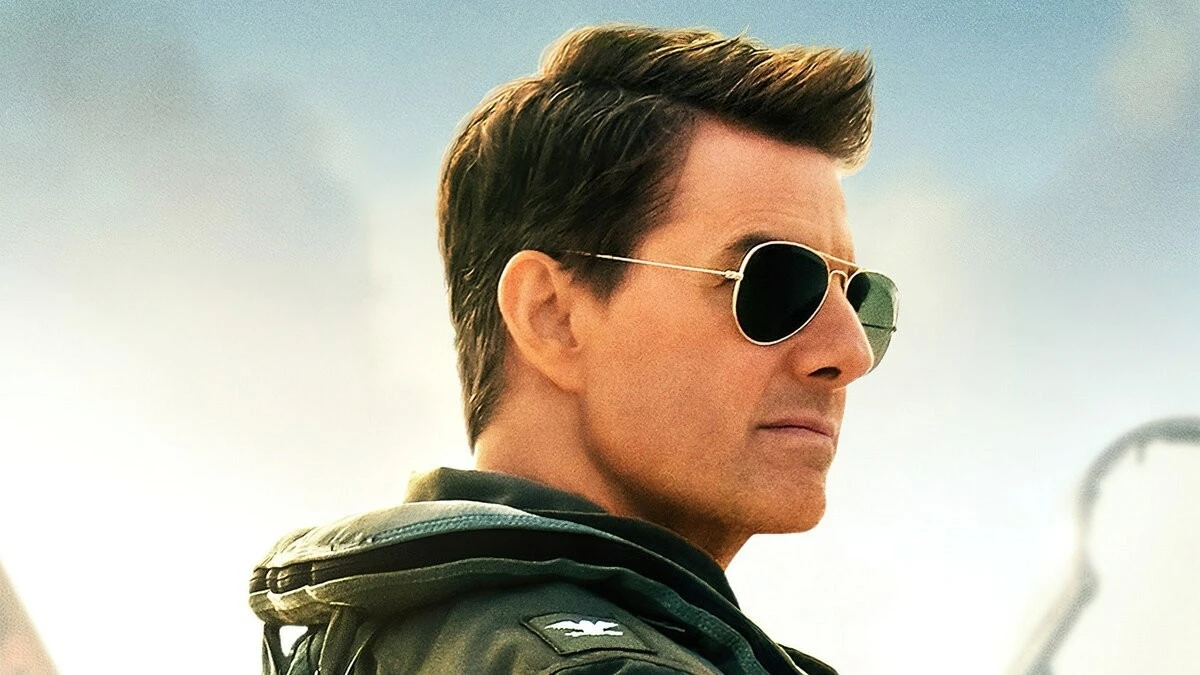
In 1936, Bausch & Lomb developed sunglasses for pilots to protect their eyes from the scorching sun while flying, hence the name "aviators." The classic teardrop shape of these sunglasses provides full eye coverage and provides protection for the entire eye socket.
Aviators have been a part of civilian life almost as long as they have been around. Although aviators have become one of the most popular styles of sunglasses among civilians, they remain a staple of military gear in the US military.
Wrist watch 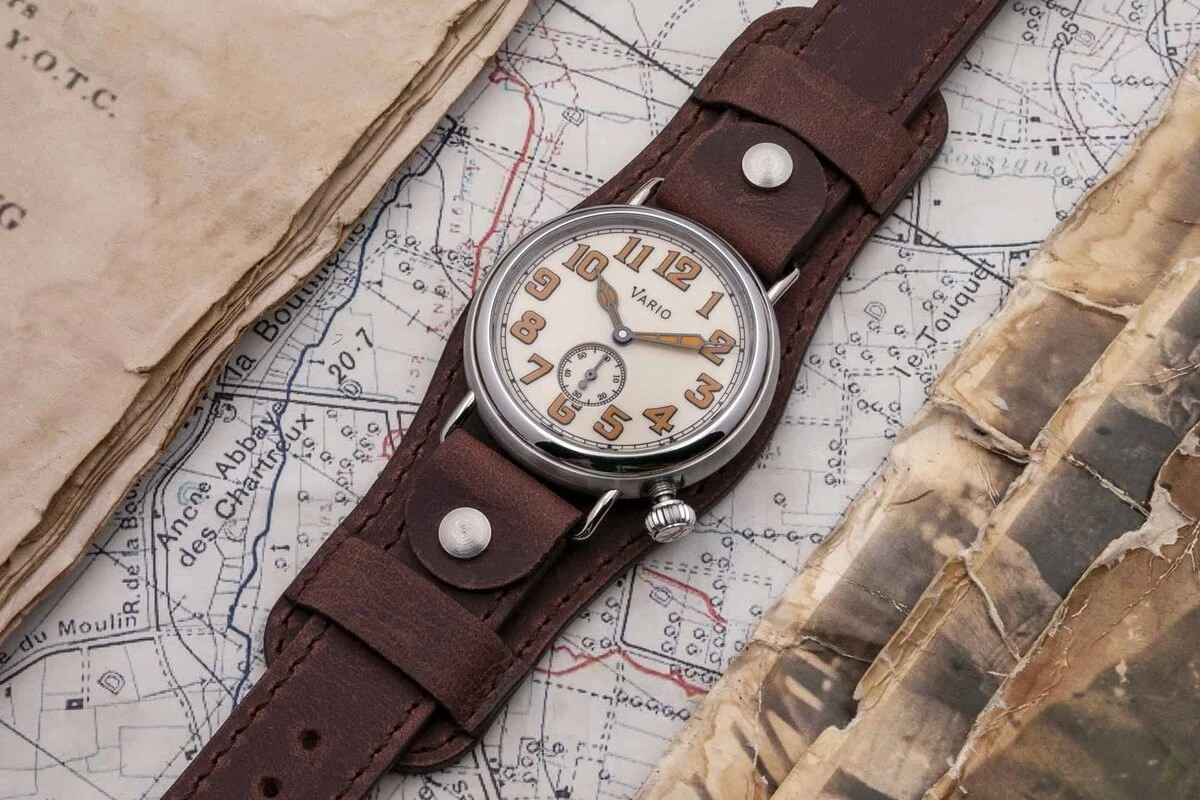
Until the 20th century, wristwatches were worn exclusively by women. Society viewed them as a feminine accessory, worn on the wrist as jewelry. Men wore pocket watches on chains tied to the vests of their suits.
Then aviation pioneer Alberto Santos-Dumont needed to use both hands at the controls and have access to time. His close friend, Louis Cartier, took note of this request and designed the Cartier Santos watch for Alberto (naming it after him) in 1904, which is still the centerpiece of the Cartier collection. Thus the first men's wristwatches were born, and with them the first pilot watches.
The situation changed dramatically during the First World War, when the gentleman's pocket watch became the ubiquitous trench watch. Wristwatches became a strategic tool during World War I, when troops needed constant access to time to synchronize their attack formations to predetermined times.