The Islamic Republic of Mauritania is one of the few states where slavery still plays an important role in the life of society. The state has banned slavery three times, but no one follows this law. How much does a slave cost in Mauritania, and why do local residents not strive to change centuries-old practices? 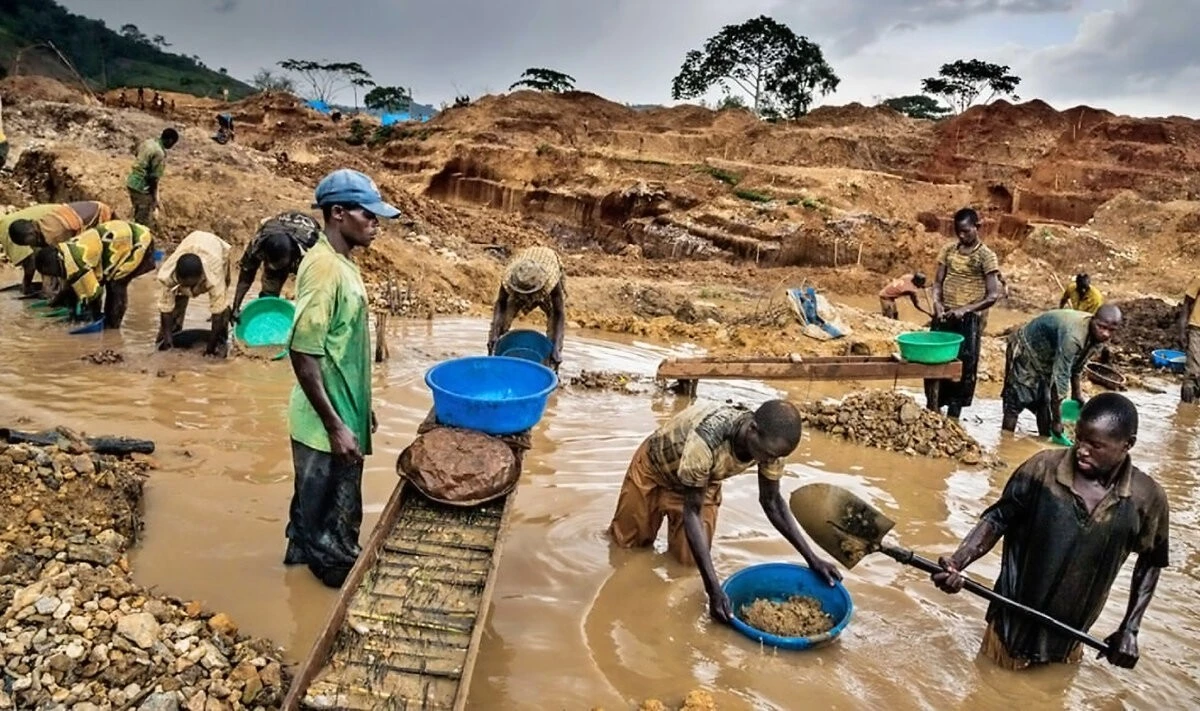
"Bear corner" of the planet
Mauritania is a fairly large state located in West Africa with access to the Atlantic Ocean. The territory area is more than 1 million km². This is 2 times more than the lands of Spain, France or Uzbekistan.
However, 60% of the country's territory is desert. There is very little arable land here, drought can persist for several years in a row and there is a serious problem with drinking water. Only 2/3 of residents have access to it.
Agricultural areas are limited to a narrow strip of land along the Senegal River and around oases. The Mauritanians have neither rich natural resources, nor developed industry, nor tourism, nor an offshore zone. 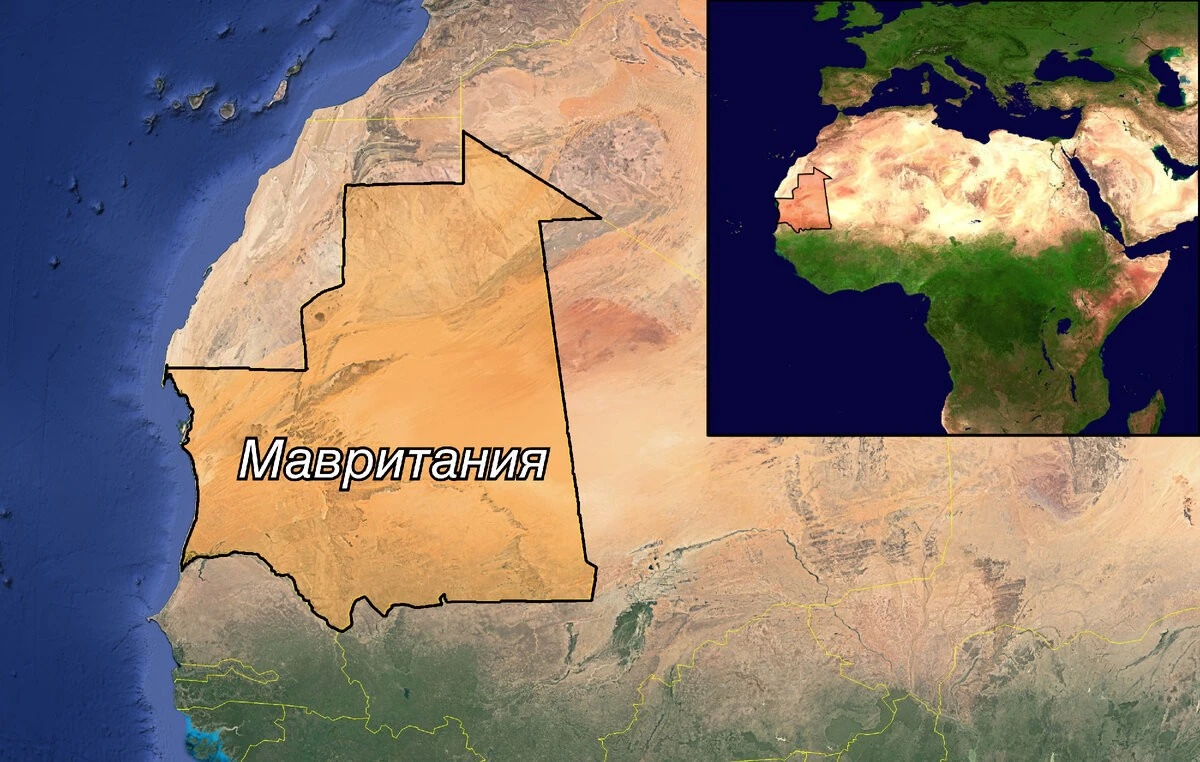
Mauritania on the map
Iron and copper ore deposits are developed by foreign companies and do not actually belong to local authorities. The country officially has the weakest manufacturing base in Africa, and if it weren't for its access to the ocean, Mauritania would be completely lost.
Poverty, illiteracy and the desert itself do not allow the Mauritanians to get out of poverty, cause the conservation of society and preserve the slave system. However, for many locals this is the only way to survive.
What was unique about Moorish slavery?
Slave-owning systems came to Mauritania along with Arab expansion. The Muslims subjugated the local Berbers and African tribes, taking personal ownership of all water sources and oases. 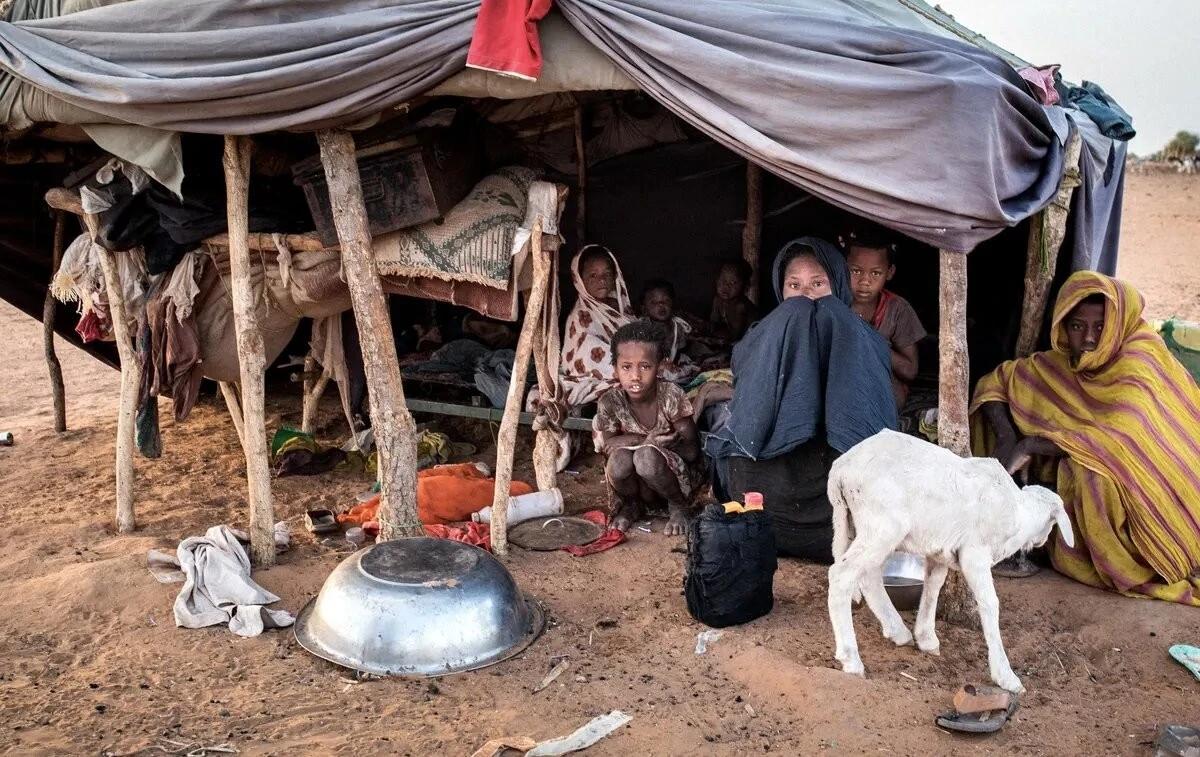
Those who knew how to fight, possessed crafts and converted to Islam occupied a privileged position and gained access to resources. People who didn't know how to do anything ended up being slaves. They had to work for the Muslims to be able to cultivate the land and get water.
Centuries have passed, and nothing has changed in Mauritania. Until now, 500 thousand residents (11% of the population), mostly black, do not have any rights and are in a dependent position on their owners.
Officially, the country banned slavery back in 1981. In big cities and coastal areas this prohibition is adhered to, but in the desert there is no one to enforce the law. 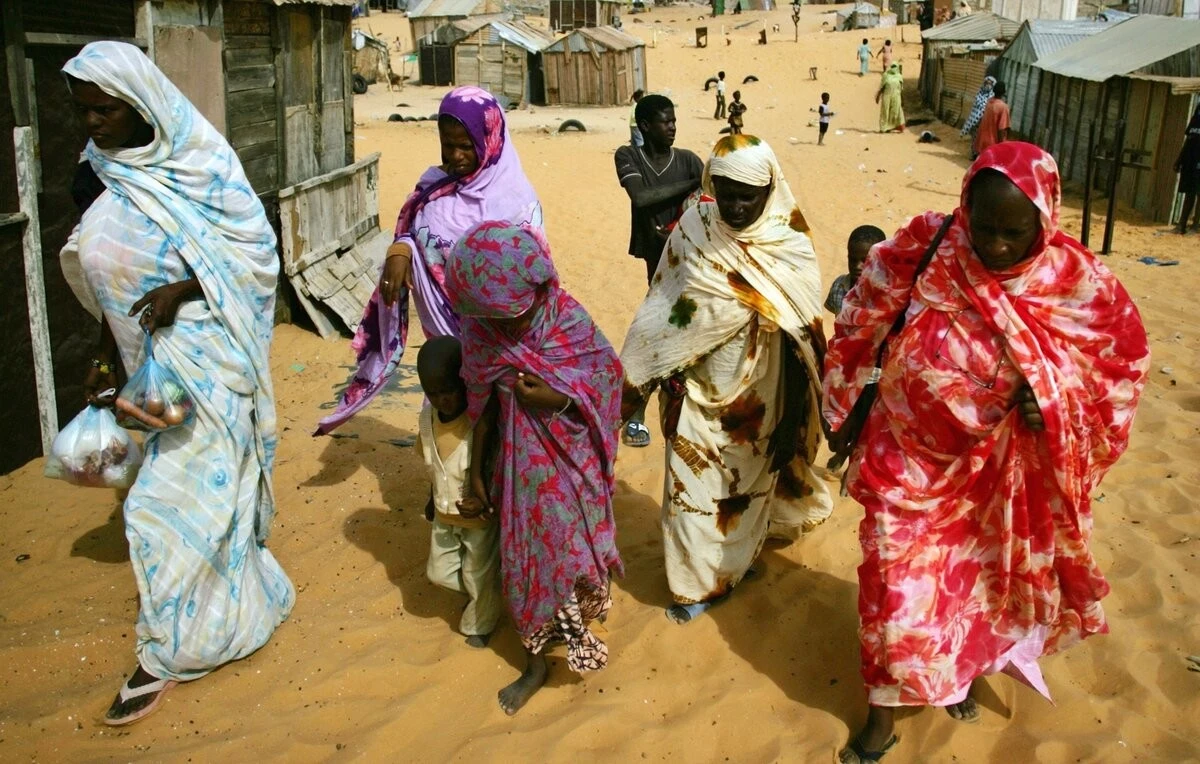
These are poor lands, where all the Berbers’ property is livestock and a well. Black families herd animals, sell water and farm on the land of their Berber owner, and in return receive shelter and food. Human rights organizations and the UN also note numerous cases of sexual slavery and violence against women.
Formally, no one keeps slaves: if you want, run away. But they have nowhere to run. It is almost impossible to get to major cities or travel outside of Mauritania without someone else's help. You can try to take the property from the owner. But since this is illegal, the police side with the Berbers.
How much does a slave cost in Mauritania and what are his living conditions?
Unlike other slave-holding regions, such as Sudan, in Mauritania a slave can only be sold on the domestic market. Mauritanians do not go abroad. The cost per person varies around $100... Although for a country where the majority of the population lives on less than $2 a day, this is a lot of money, the life of a slave here costs pennies.
In general, there are human rights organizations in Mauritania that help people gain freedom. The UN notes that over the past 10 years, at least 100 thousand people have been freed. They are exported to large cities or abroad, to neighboring African or European countries. 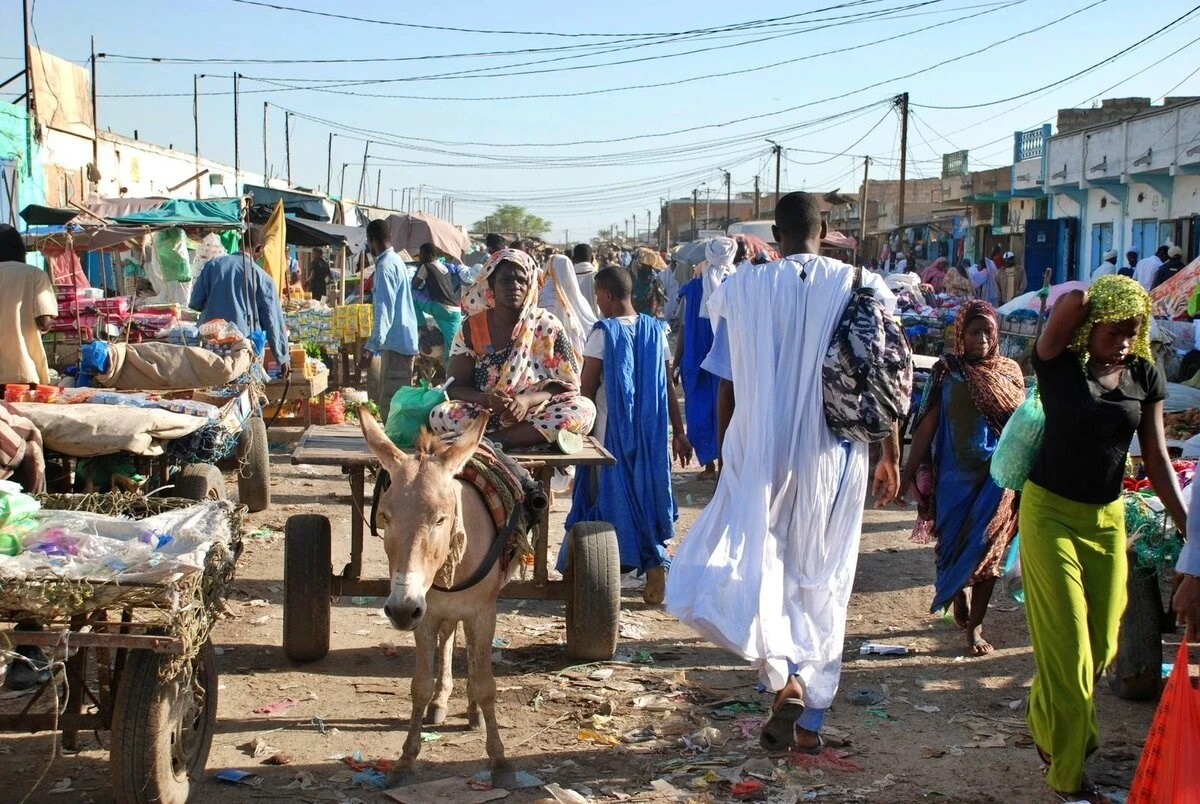
If it is not possible to take him abroad, then the fugitive is helped to find housing and work in the city so that he can feed himself and not return to his previous life.
However, in general, the fact of slavery is denied by the authorities, and therefore activists face opposition from the police. Politicians who advocate the abolition of slavery are arrested, and the authorities discredit them in every way.
Unfortunately, slavery for the Mauritanians became an integral part of their life. It is impossible to change the situation with a simple law. What is needed is economic progress, redistribution of resources, pressure from other countries, and the coming to power of politicians interested in the abolition of slavery. However, all this leads to upheaval in power, and no one wants to sacrifice political stability.
0 comments