These animals have their own cunning way to protect themselves from the clutches of an insidious predator (16 photos)
Today we decided to introduce you to only a small part of the representatives of the natural world who are ready to fight for their lives to the last. 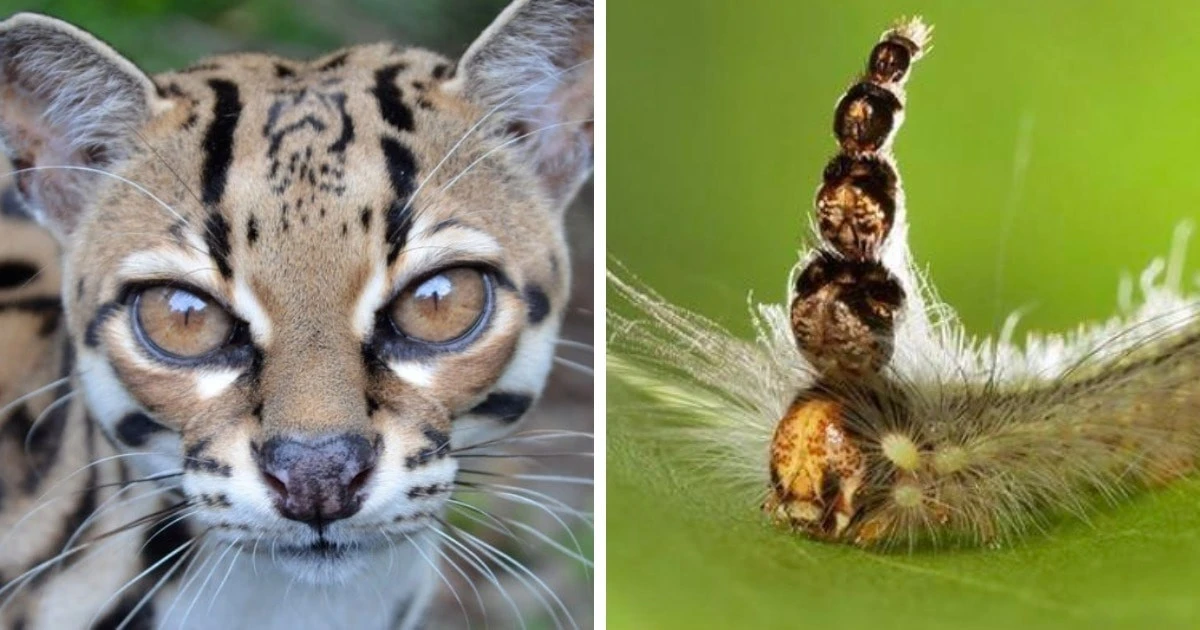
The way life works is that there is always someone weaker than others. And in such cases, weaklings have to use all their wits and come up with a cunning plan to defend their rights. For example, some animals are particularly good at finding self-defense techniques that help them avoid wily predators. Someone does this, pretending to be someone else, someone else builds entire high-rise buildings on their backs, and someone shouldn’t be touched at all, so as not to get a deadly bite.
In general, there are plenty of ways to protect yourself from the clutches of ill-wishers, and each of them is good in its own way.
Bagworm caterpillar 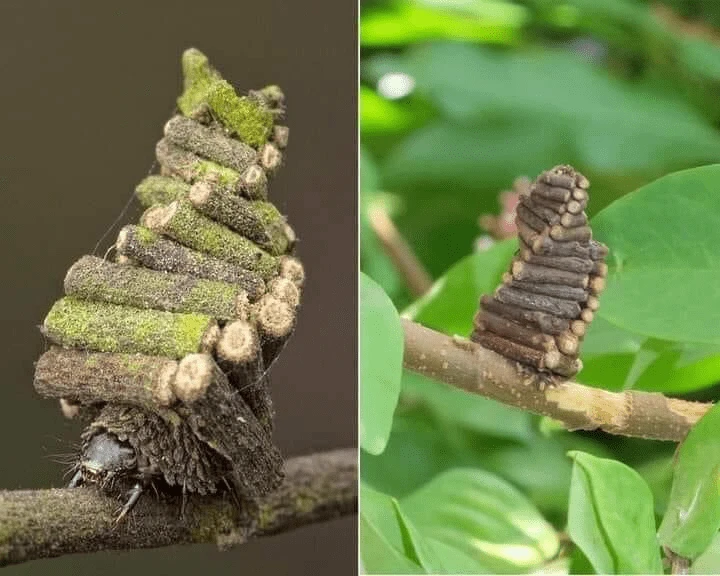
The bagworm caterpillar is distinguished by its unusual approach to self-defense. Only after being born, she begins to build her shelter from particles of leaves, bark, twigs and lumps of soil woven by mulberry. This house resembles the shape of a bag, hence the name of the butterfly family.
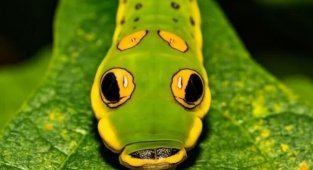
Caterpillar of butterflies of the genus Hemeroplanes 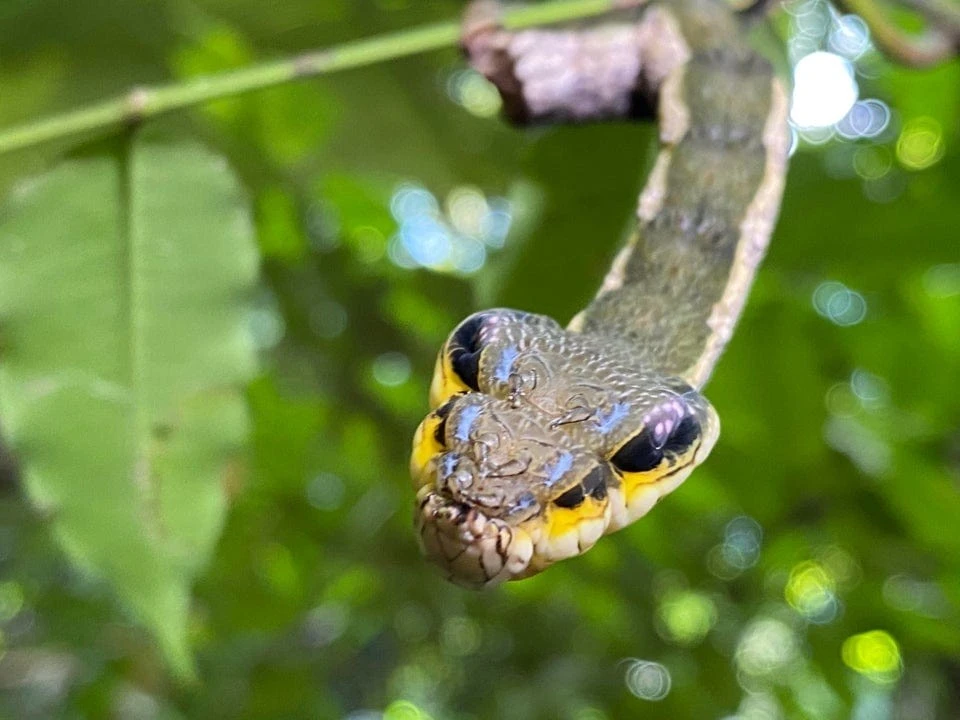
True masters of mimicry! These caterpillars know how to scare everyone around them - just pretend to be a snake!
Armadillo lizard 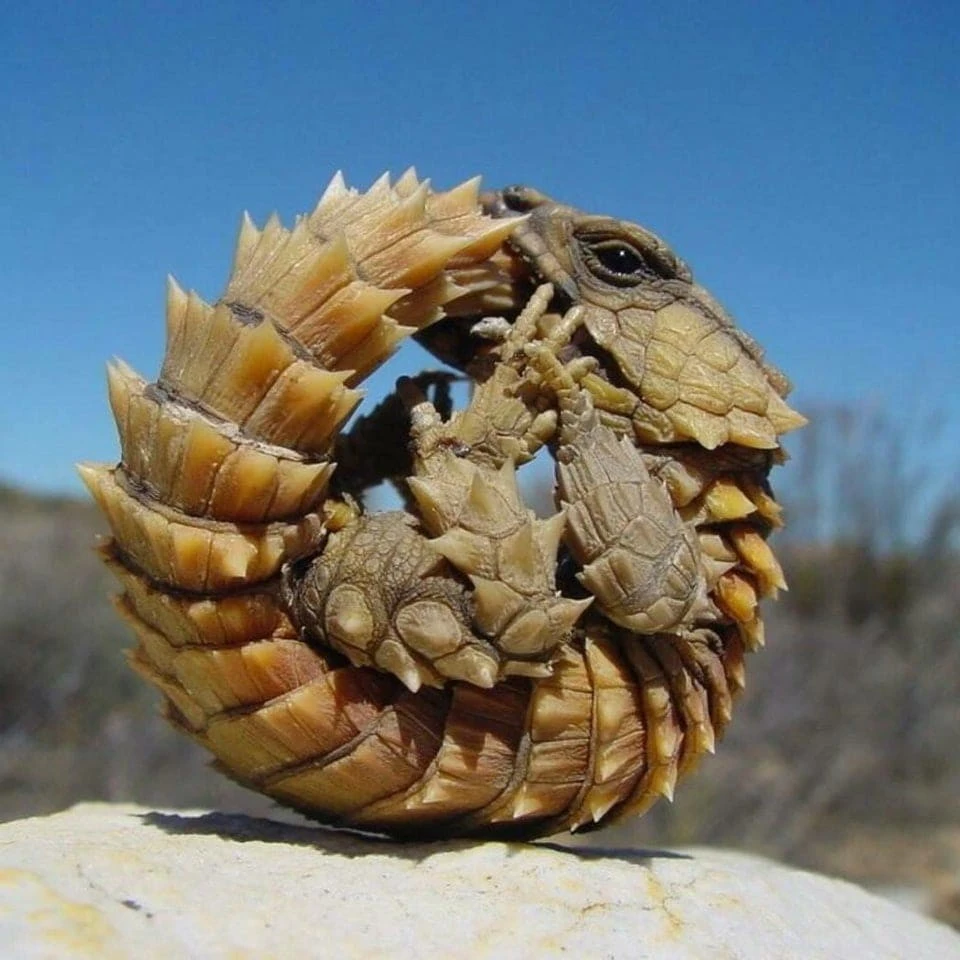
When a lizard is frightened, it takes its tail into its mouth and rolls into a ball. In this form, the armadillo lizard is protected from predators by thick, square scales along its back and spines on its tail.
spiny turtle 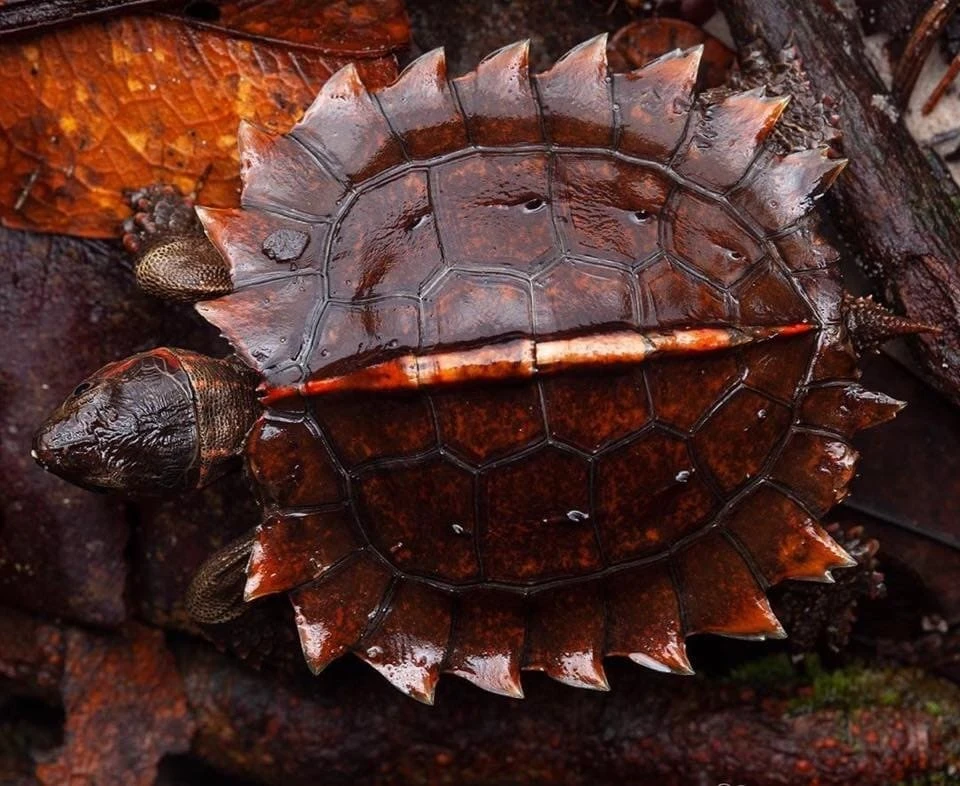
Spiny turtles are harmless animals, despite their sharp spines along the edges of their shells and jagged keels located on their spines. But it is these protrusions that help young individuals defend themselves from enemies. And their dark brown color often gives them the opportunity to blend in with fallen leaves.
Caterpillar nicknamed "Mad Hatter" 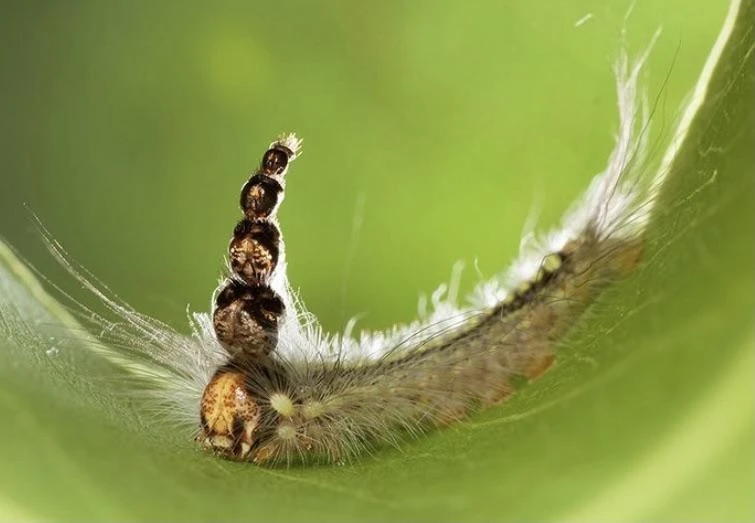
Why the mad hatter? It's simple. She builds a tall hat out of her own old heads to protect herself with.
Tarantula spider Celaenia excavata 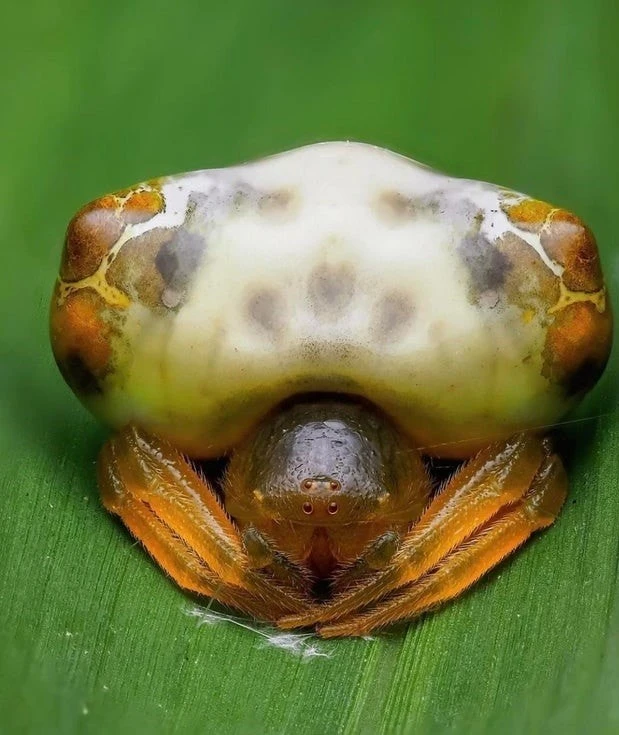
“Pretend to be feces and stay alive” is the slogan of this spider. Taking on the less than attractive appearance of feces, the spider is not considered by birds as a possible food source.
Vietnamese moss frog 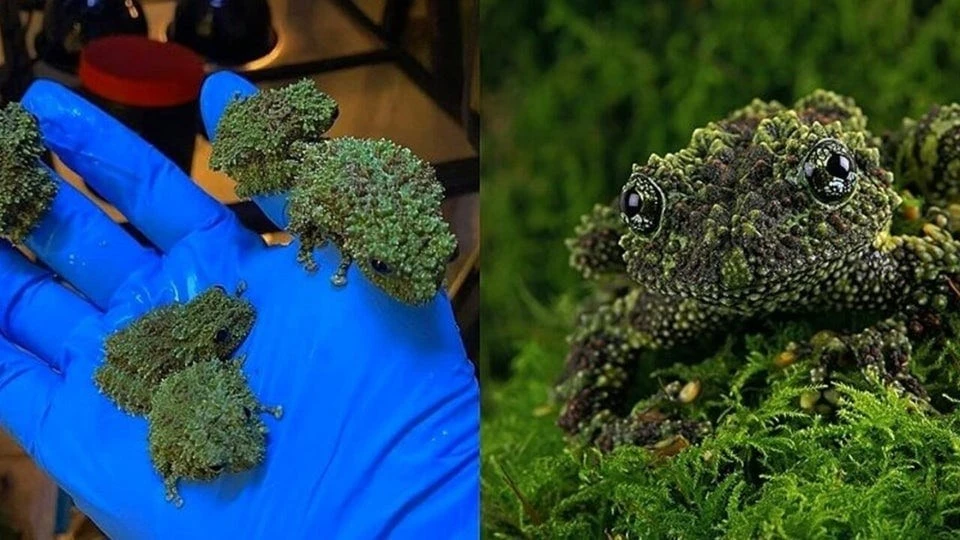
Blending in with one's surroundings is a frequent escape for many in the natural world. This also applies to the moss frog, which looks like moss.
Thorny Devil (Moloch) 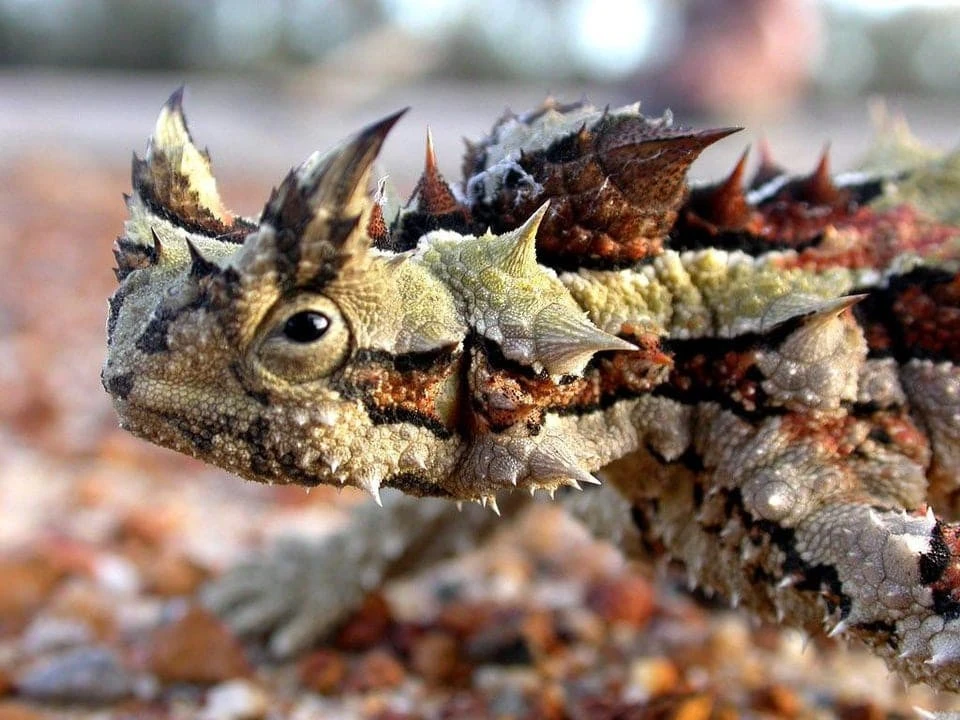
The thorny devil primarily feeds on ants. And its terrifying spines on its back and head help it scare away predators.
Cuiaba dwarf frog 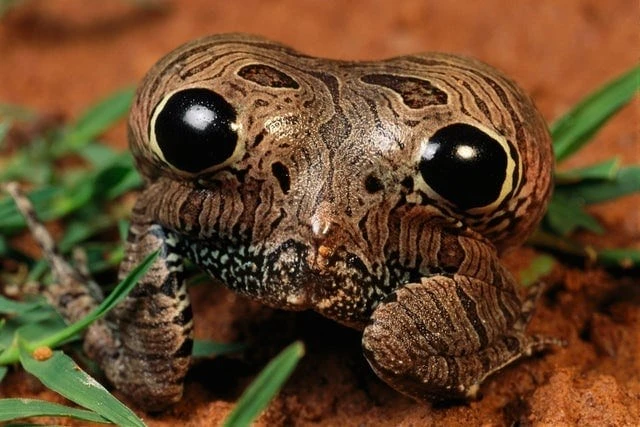
The cuiaba dwarf frog has two “false eyes” on the back of its body. She only lifts it when she is in danger. Thus, the frog scares away predators. But if the predator is not deceived by the eyes-spots, and he decides to approach, then the frog can take advantage of the unpleasant secretions that come from the glands located at the site of these spots.
Golden turtle beetle 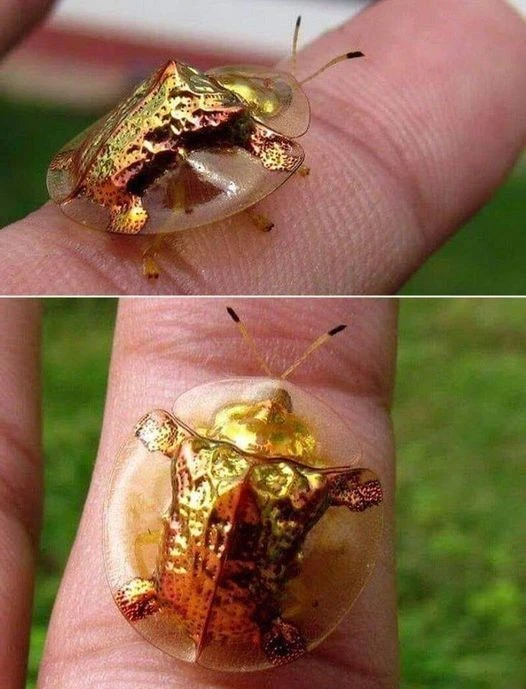
The shell in the form of a tortoise shell not only makes this beetle unique, but also protects it well from ill-wishers.
Gorilla 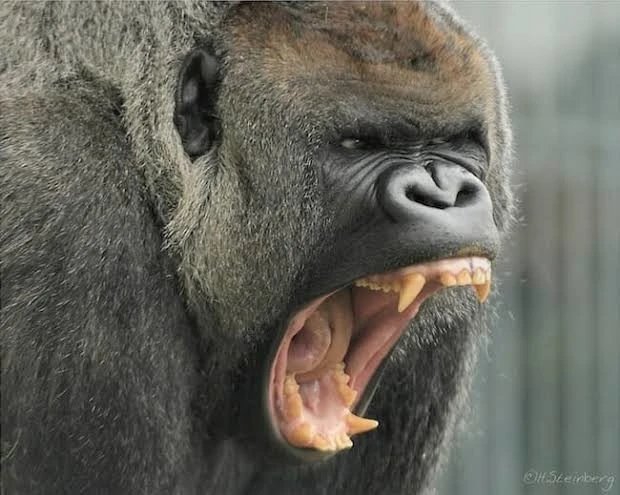
It is better not to anger this beast and not to engage in battle with it. In addition to superhuman strength, they have extremely dangerous bites. Their bite is twice as powerful as that of a lion.
Sperm whale 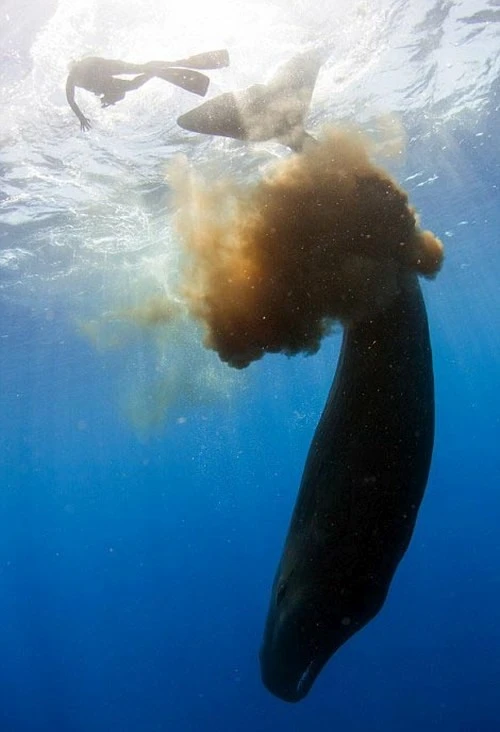
The self-defense of the sperm whale is very unusual. They often release a cloud of red-brown liquid, similar in color to blood, to escape from an attacking predator.
Sea cucumber 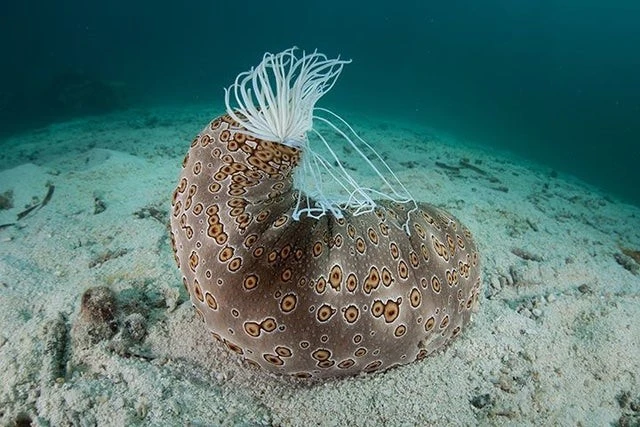
Sea cucumbers expel parts of their intestines to deter and protect themselves from potential predators such as crabs and fish. The organs are regenerated within a few days by the cells inside the sea cucumber.
Koala claws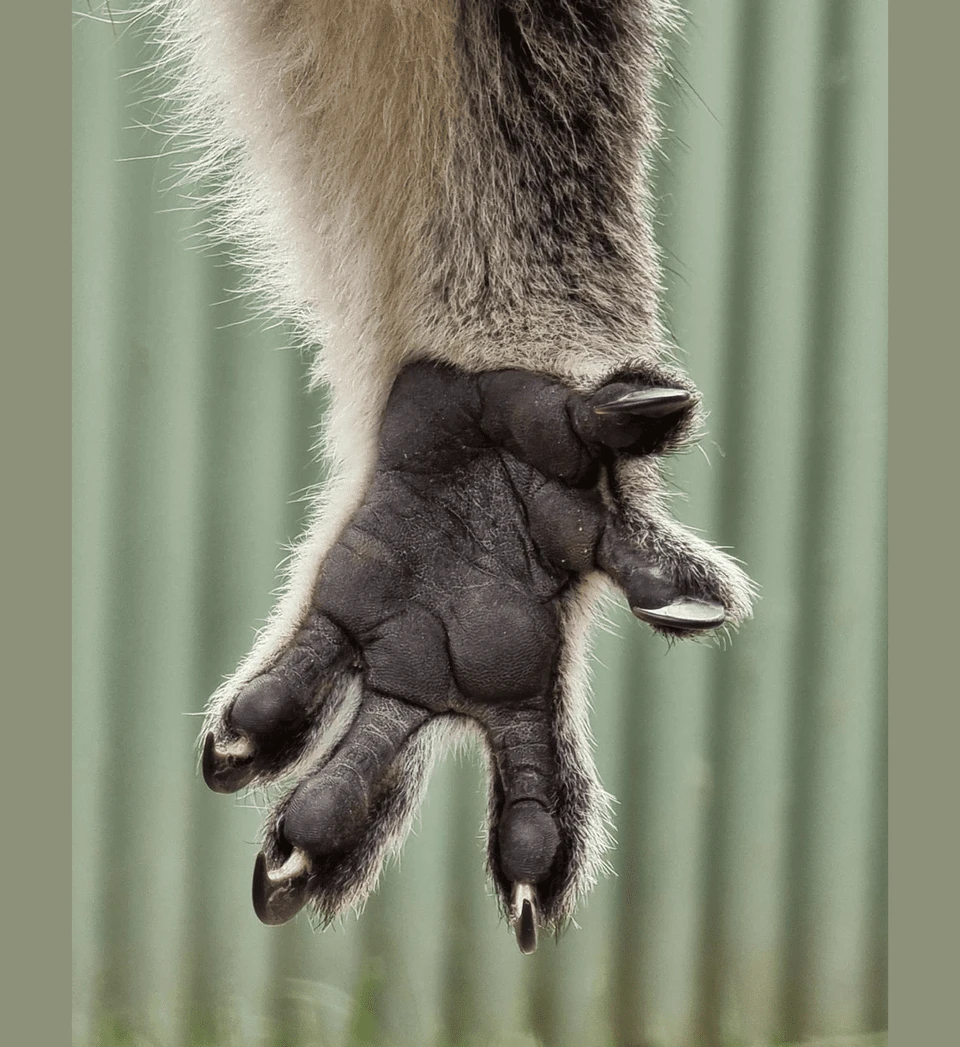
The koala and her cute appearance win the hearts of both adults and children. But you should be careful, an angry or frightened koala can not only leave unforgettable scratches with its sharp and long claws, but also bite very painfully.
Margay 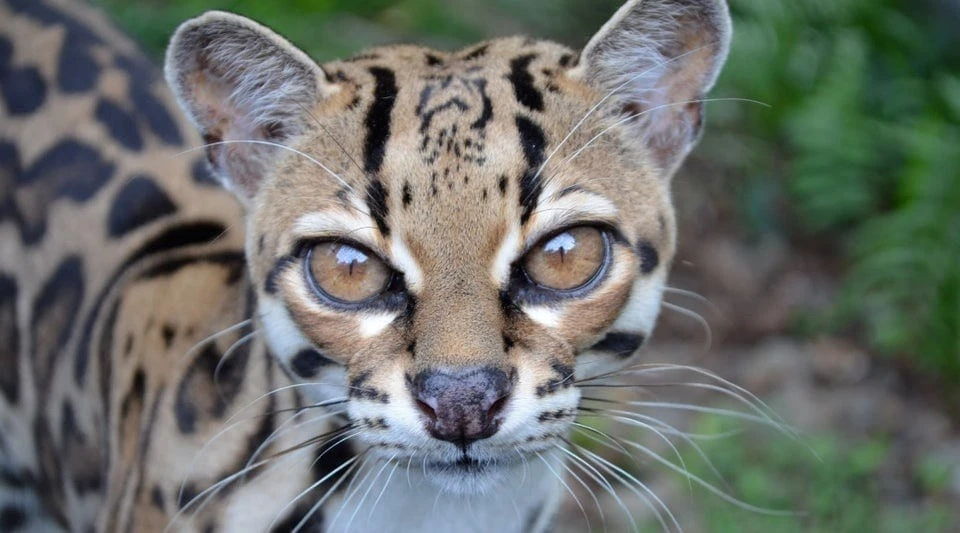
The margay is the best climber of all wild cat species. He has specially adapted claws and ankle joints that allow him to rotate his ankle 180 degrees. It can traverse the forest canopy almost like a monkey.