Treasures that were found by scientists in order to get at least one step closer to unraveling the world's mysteries (17 photos)
It just so happens that cinema has spread a lot of false stereotypes about archeology. Many are convinced that excavations and the search for new artifacts should always be accompanied by amazing adventures full of dangers and mysteries (let's remember the same Indiana Jones and Lara Croft). What kind of excavations can there be if enemies lie in wait at every step?
Real archaeologists are patient, meticulous and diligent people. In order to find objects from the past, thanks to which they can understand how people and animals lived in ancient times, they have to spend many years and even decades on excavations. Of course, at first glance it may seem that this activity is a bit boring. However, the few disadvantages are completely offset when truly valuable and interesting finds are discovered. Some of them are presented below.
Divers illuminate the head of Serapis, found in the sunken Egyptian city of Canopus. 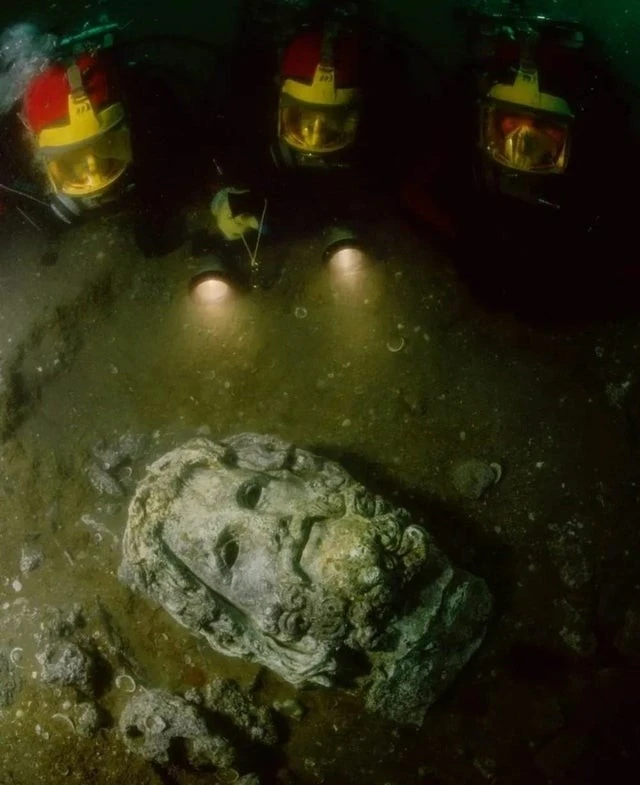
The entire statue once reached more than 4 meters in height. It was created around 200 BC.
Greek armbands from the 2nd century BC. 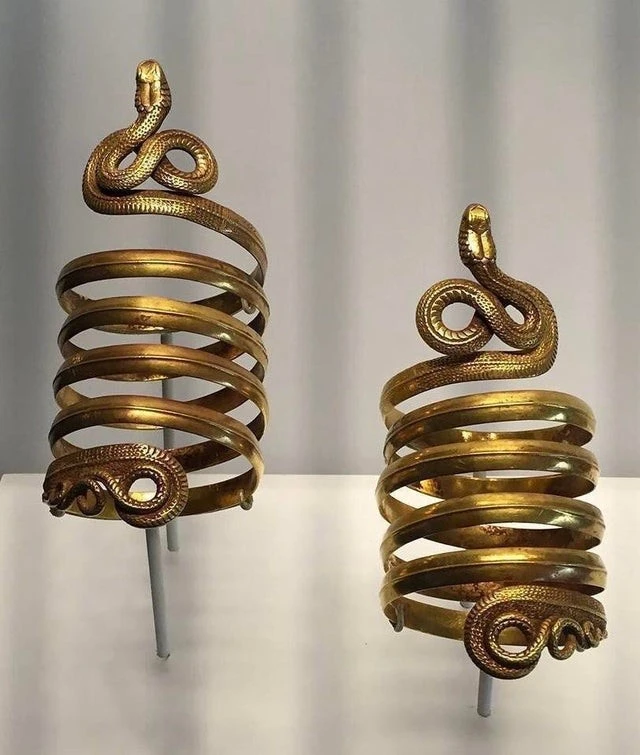
Egyptian tunic 4500 years old 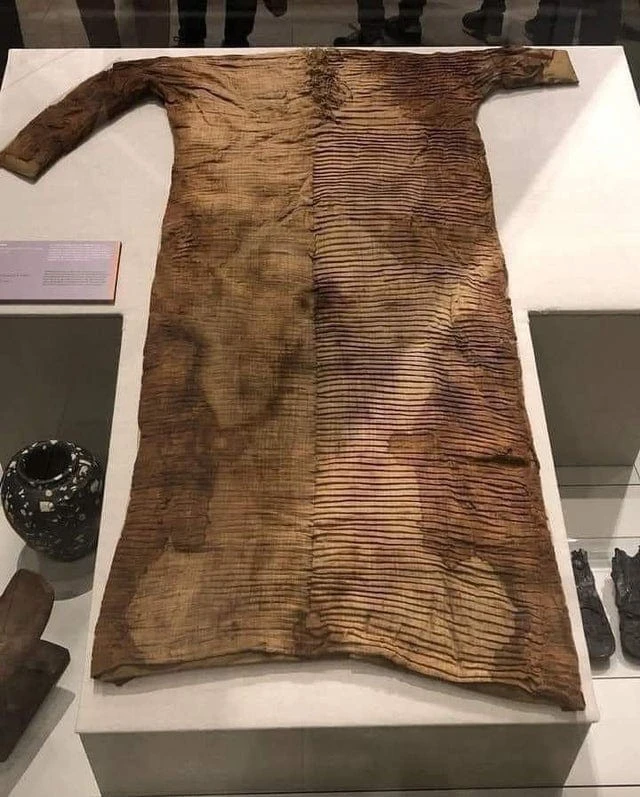
In Cambodia, archaeologists have found an ancient statue of a demon guard 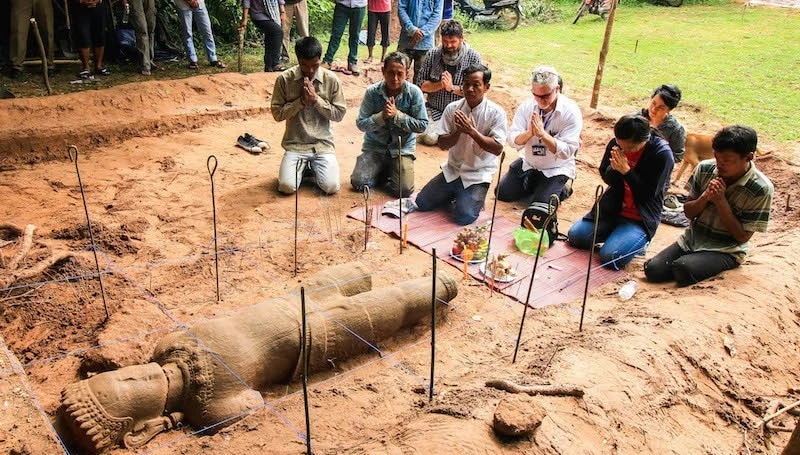
The found statue is 1.9 meters high and 58 centimeters wide. The artifact is of great historical value, even though the statue is missing parts of its legs and arms.
Bailly is an Italian city that went under water due to volcanic activity several hundred years ago. 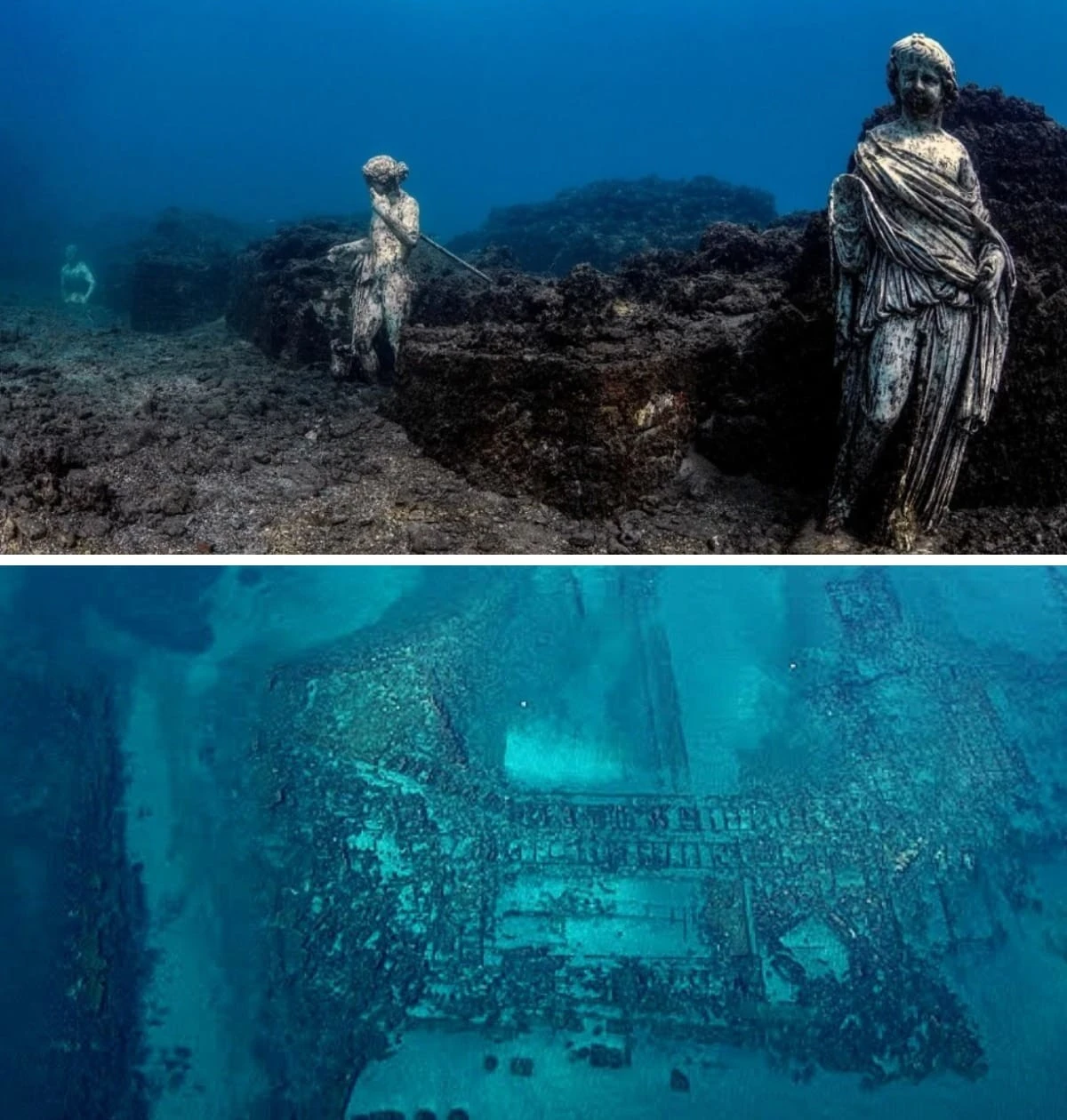
Excavations in the underwater city began only in 1959, since it was at that time that special equipment appeared that made it possible to do this. They continue to this day.
Glass ingots found on a sunken ship 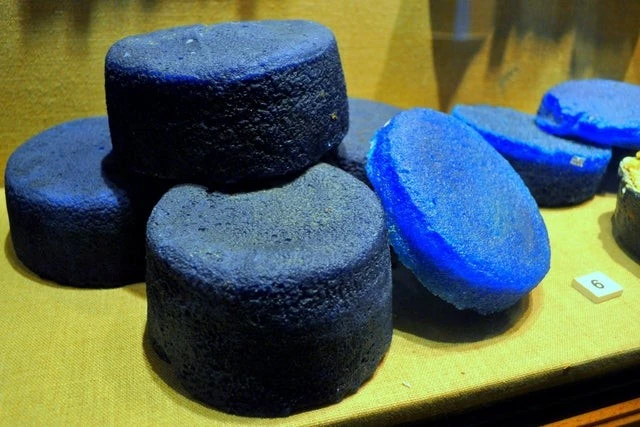
The earliest known intact glass ingots were found at the site of the Uluburun shipwreck, which sank off the coast of Turkey between 1330-1300 BC. A total of 175 disc-shaped ingots, colored blue, turquoise and lavender, were found and recovered.
Gold ring with the face of a cherub, carved from green stone. Made in the 19th century 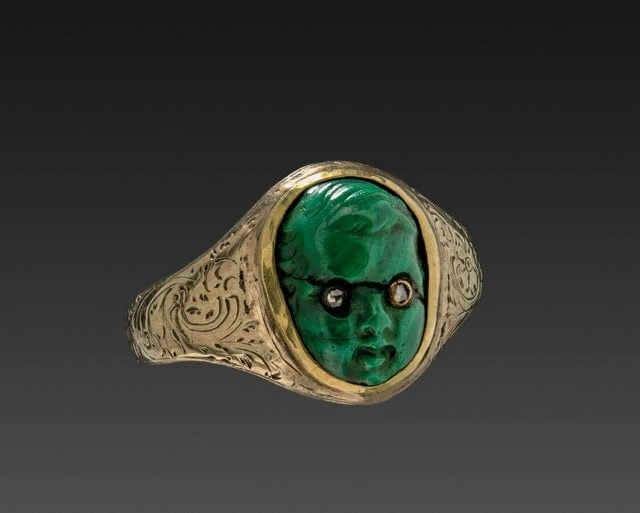
Calcite alabaster perfume bottle recovered from Tutankhamun's tomb 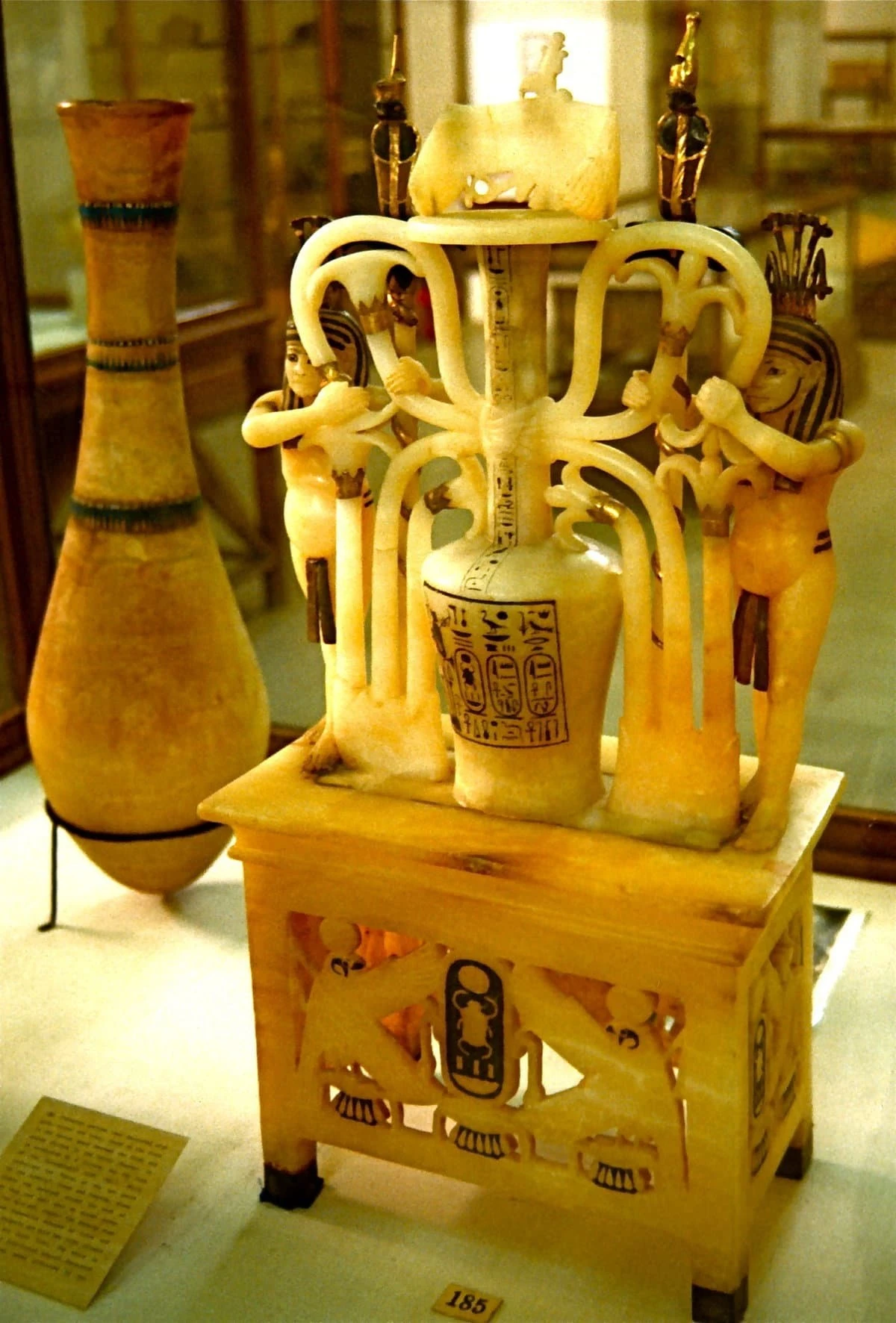
The bottle was made around 1323 BC.
Peruvian elongated skull with surgically implanted metal prosthesis 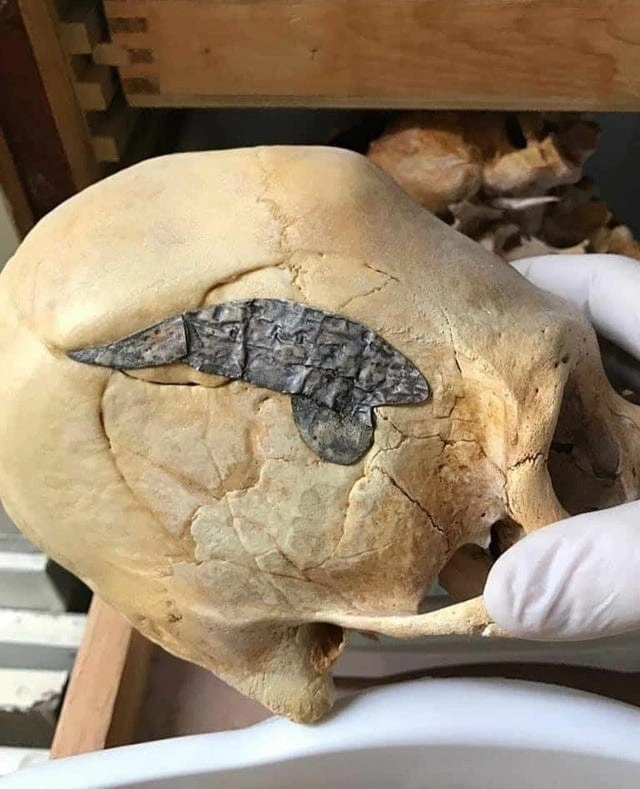
The age of the find is estimated at approximately 2000 years. Experts concluded that the patient successfully survived the surgical procedure and lived with the plate for some time.
Titanosaur egg: one of the largest species to ever live 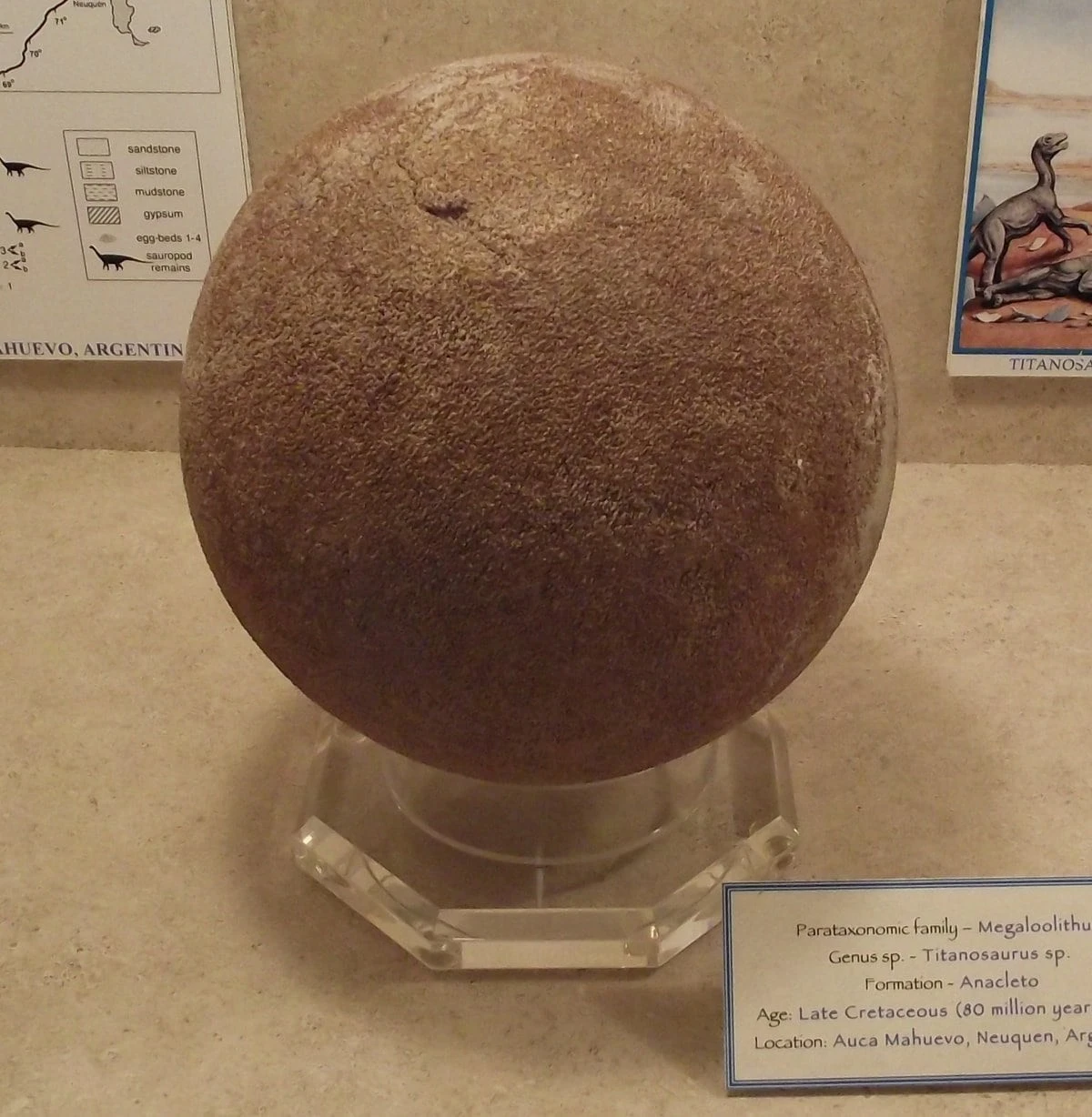
The Ring of Carvilius is an amazing artifact discovered by scientists in Rome in 2001 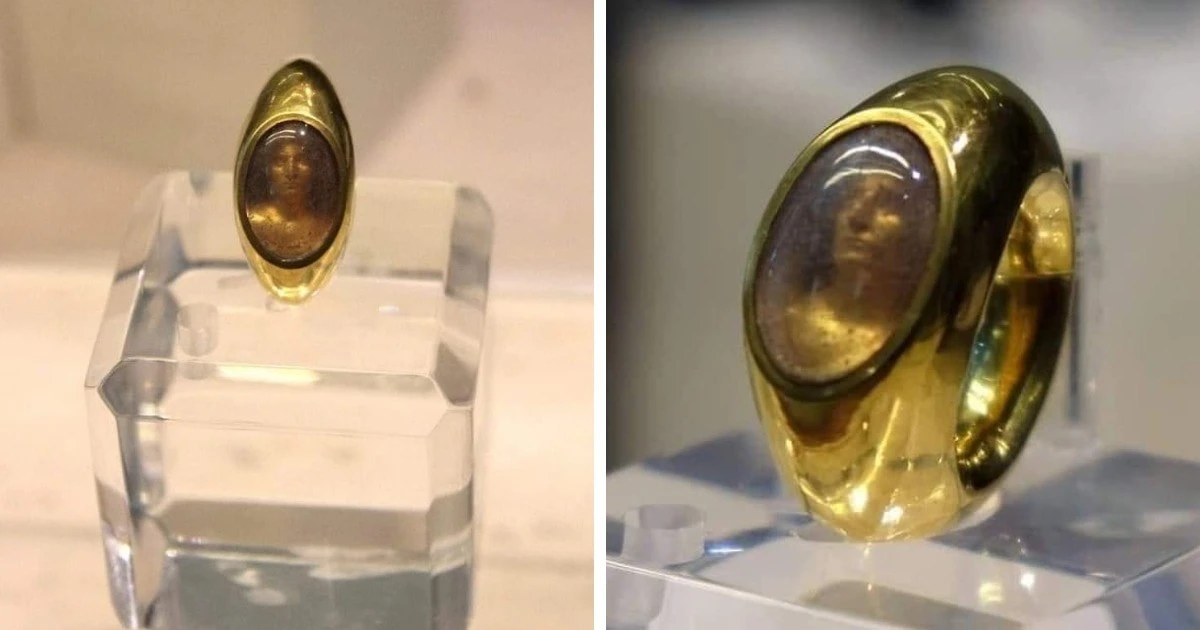
Back in 2001, archaeologists were lucky enough to discover an unlooted family tomb from the beginning of the 2nd century, which contained two marble sarcophagi. The 18-year-old Roman youth Titus Carvilius Gemellius and his mother, Ebucia Quarta from the Sergius family, were buried in them.
The most surprising discovery was a gold ring with a holographic portrait that belonged to the guy’s mother. Archaeologists found that the young man died first (as evidenced by the inscriptions on the sarcophagus). Apparently, it was after his death that his mother decided to order such an unusual ring for herself so that her son would always be nearby.
A praying mantis is preserved in a pristine piece of amber, which is about 30 million years old. 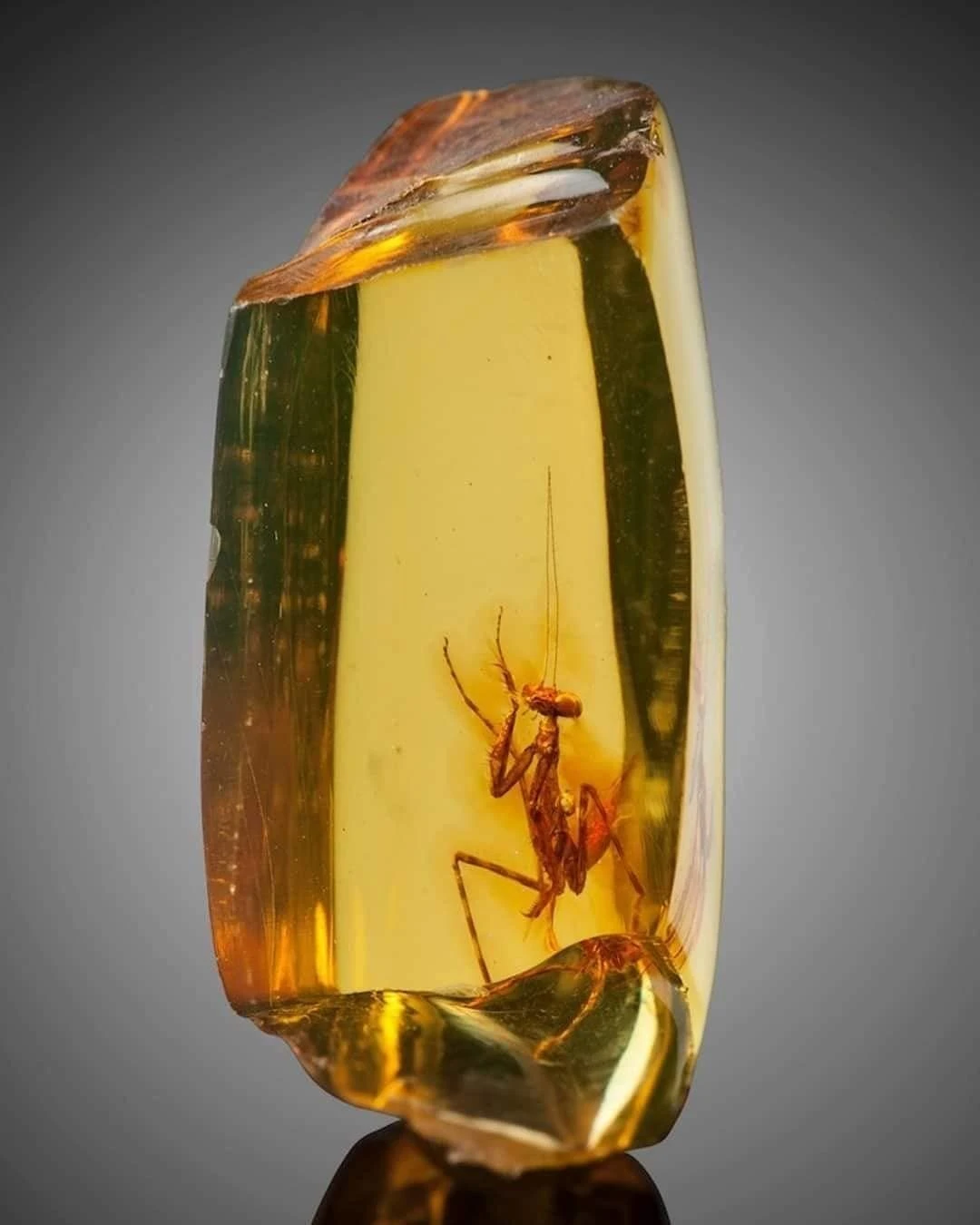
Göbekli Tepe is a temple complex that is approximately 12,000 years old. 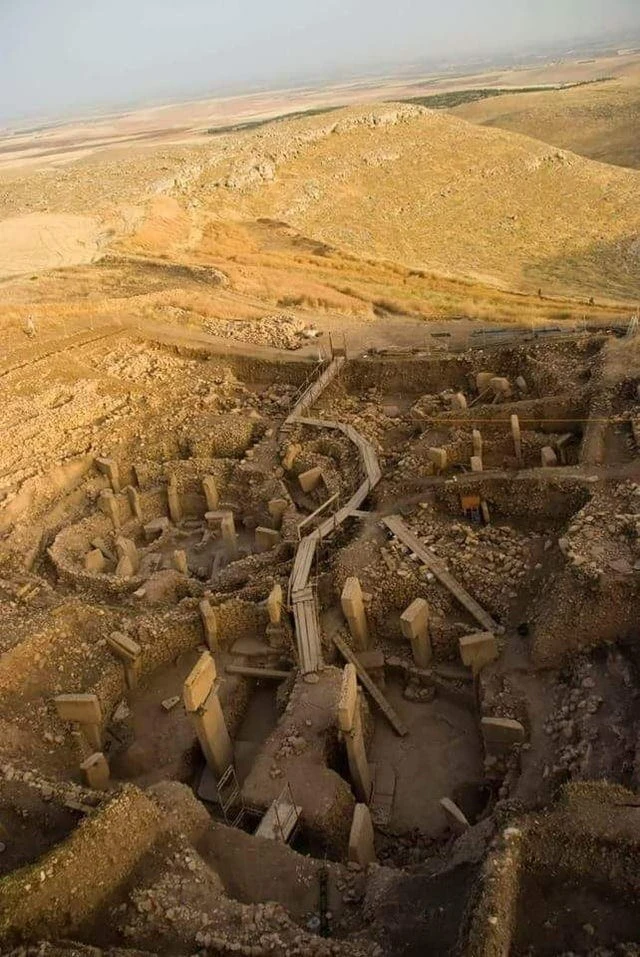
So far, about 5% of the site has been excavated.
Ancient stone balls are found in Costa Rica, the purpose of which scientists do not yet know 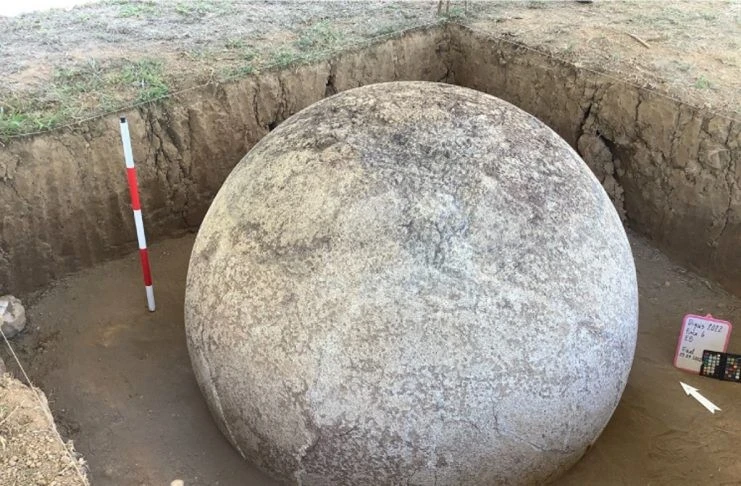
University of Michigan recovers woolly mammoth skull from farmer's field 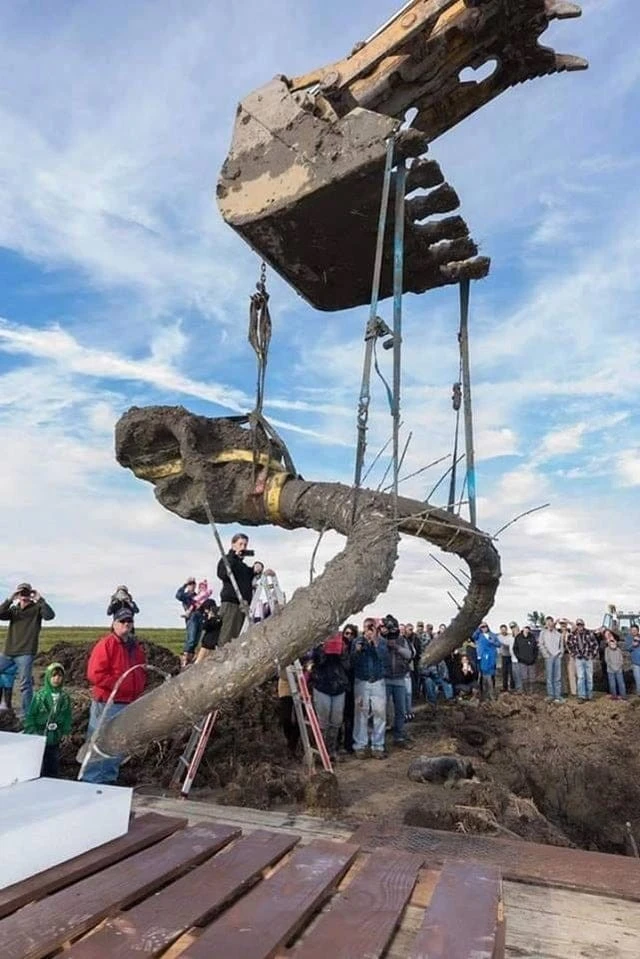
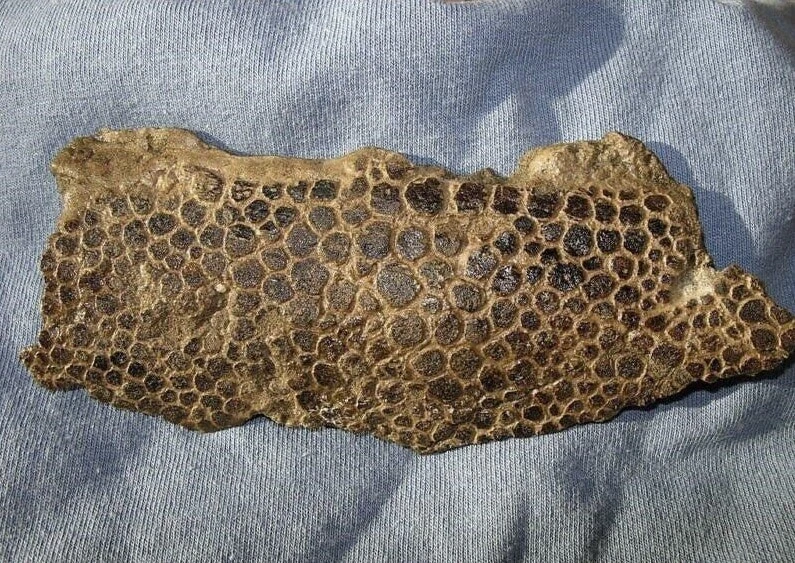
This is a piece of mummified Edmonosaurus skin excavated in Montana, USA.