Numbering of seats (5 photos)
Have you ever thought that someone once invented the numbering of places (like, in general, everything we use in our lives)? 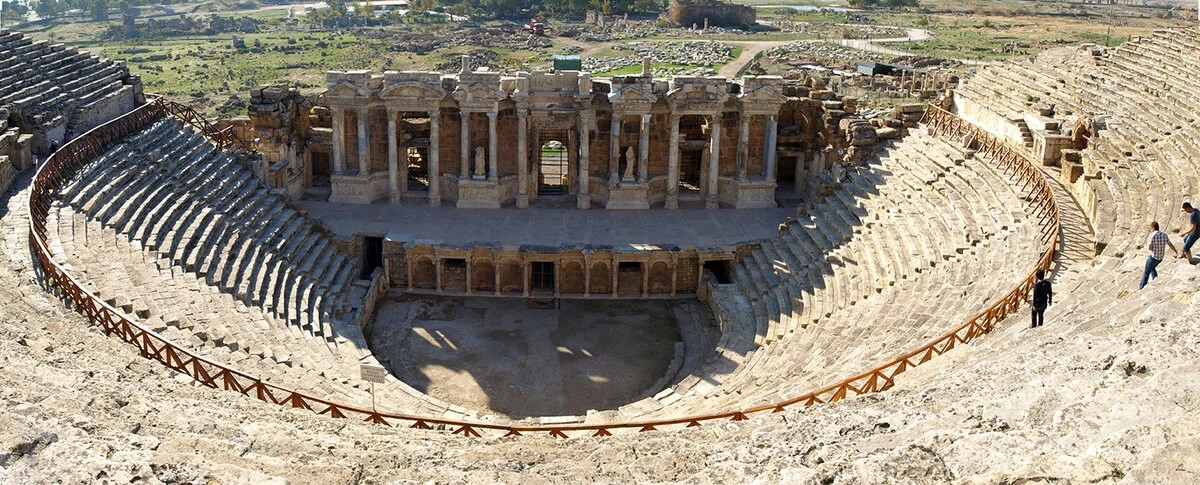
Ancient theater in Hieropolis (modern Türkiye)
For example, in the ancient theater there were no numbering of seats. Each city community had its own special section in the theater. Inside these sections there were special places for women, for boys and for men, and it’s up to you to figure out who will sit on what part of the bench inside these “specially designated places”. Each spectator received a special entrance token where he should sit, but the tokens indicated only sections and divisions within sections, but not the place. There were no seat numbers! 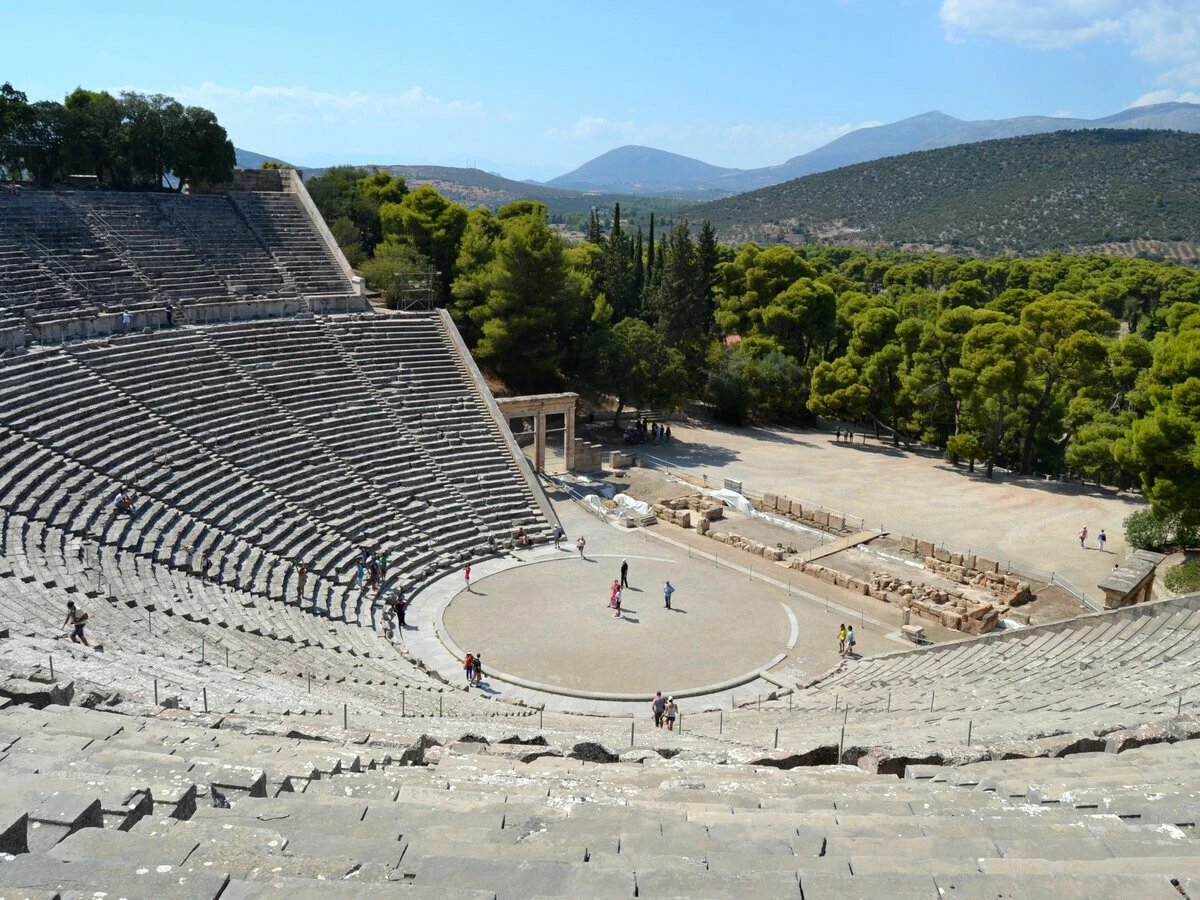
Ancient theater in Epidaurus (Greece)
And when did she appear?
The French in the 17th century also loved going to the theater. There were several of them in Paris. New performances were staged every month. The main “stars” of that time were playwrights and theater actors. The performances were always sold out, and the audience was nowhere more distinguished - solid dukes, counts and marquises (with their wives and children).
And at the same time, the only chair in the hall about which there was no controversy was the king’s seat. But as for the other chairs... there were even duels! Due to the showdown over “where to sit,” many noble Parisians were killed. 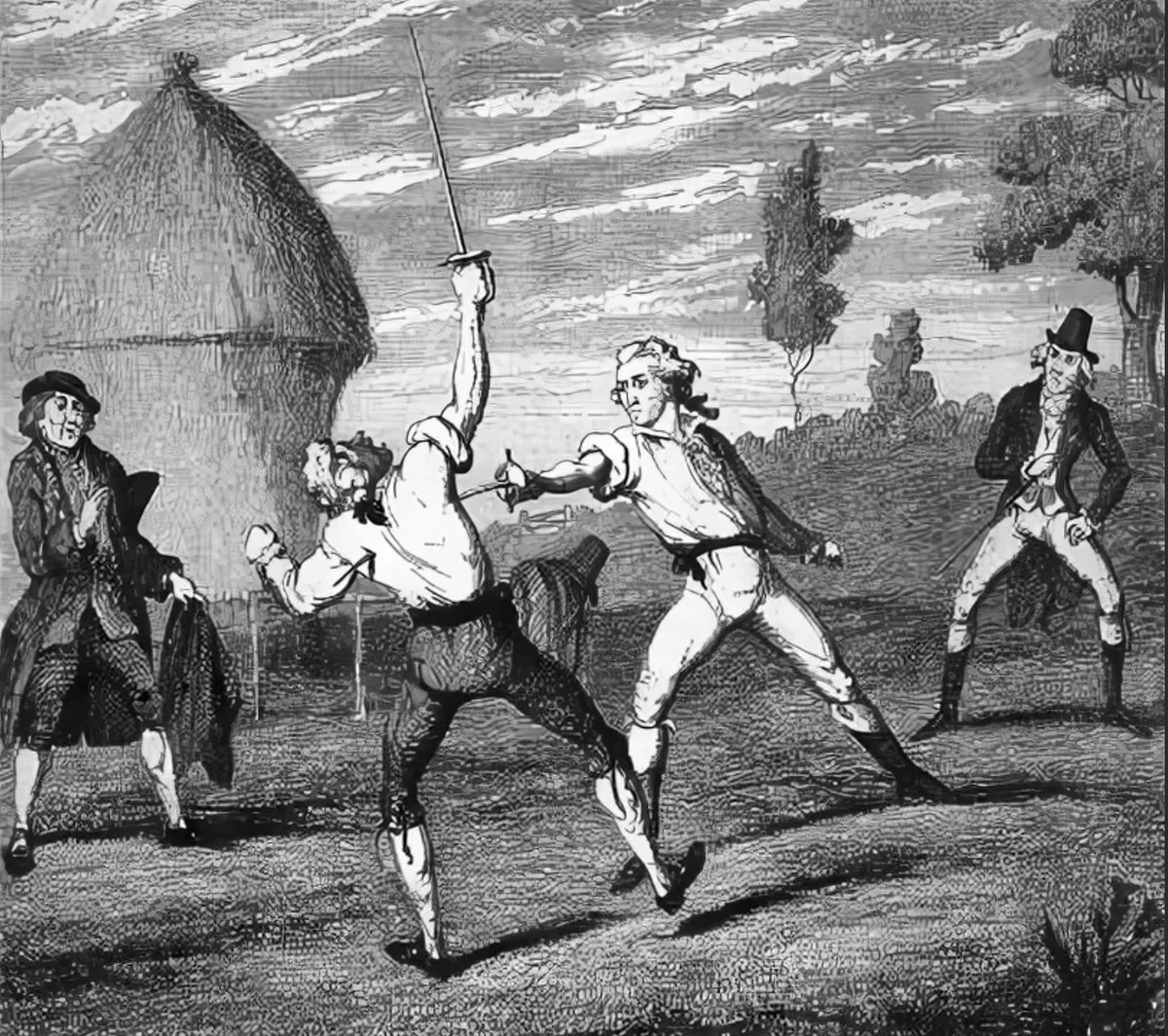
"You weren't sitting here!"
At that time, the great mathematician and philosopher Rene Descartes lived and worked in Paris. It was he who first suggested writing the row number and seat number on each ticket sold. Fights, quarrels and sword fights instantly disappeared. Grateful marquises and dukes even begged the king to award Descartes an order for such a wonderful invention! 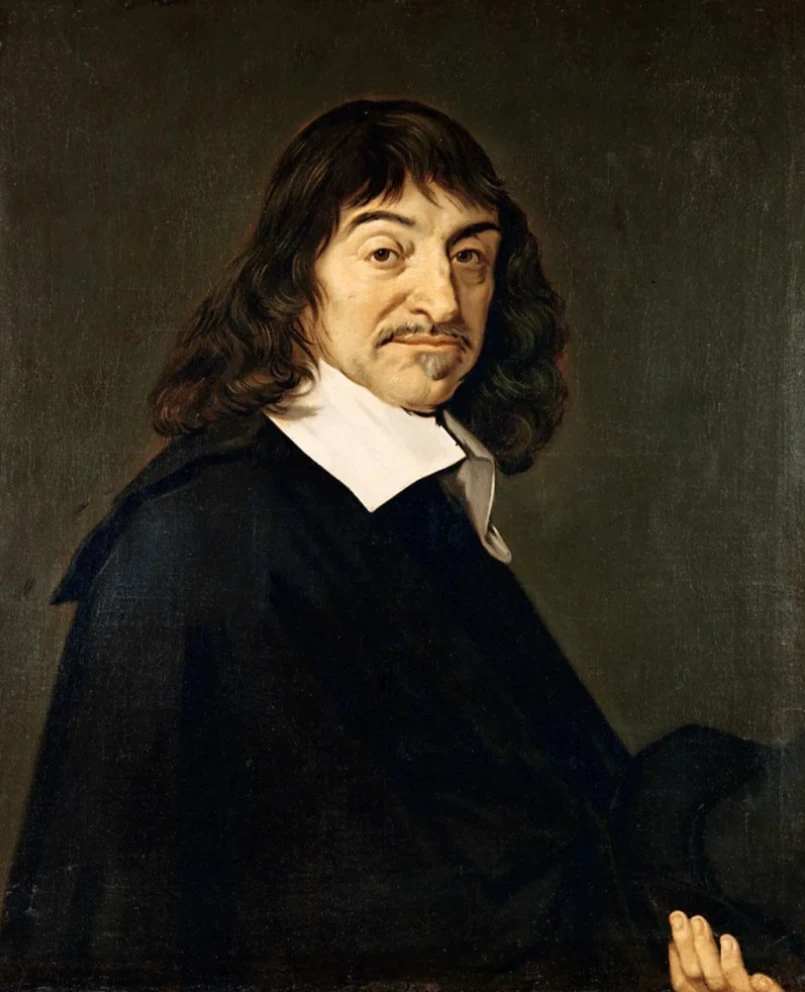
René Descartes (1596 - 1650)
And Descartes made his invention back in 1637 - when he realized that if you introduce two numbered perpendicular axes on a plane, then each point can be described by a pair of numbers - like X and Y coordinates. Then any geometric figures - straight and curved lines, polygons, etc. etc. – can be described using numbers and equations! 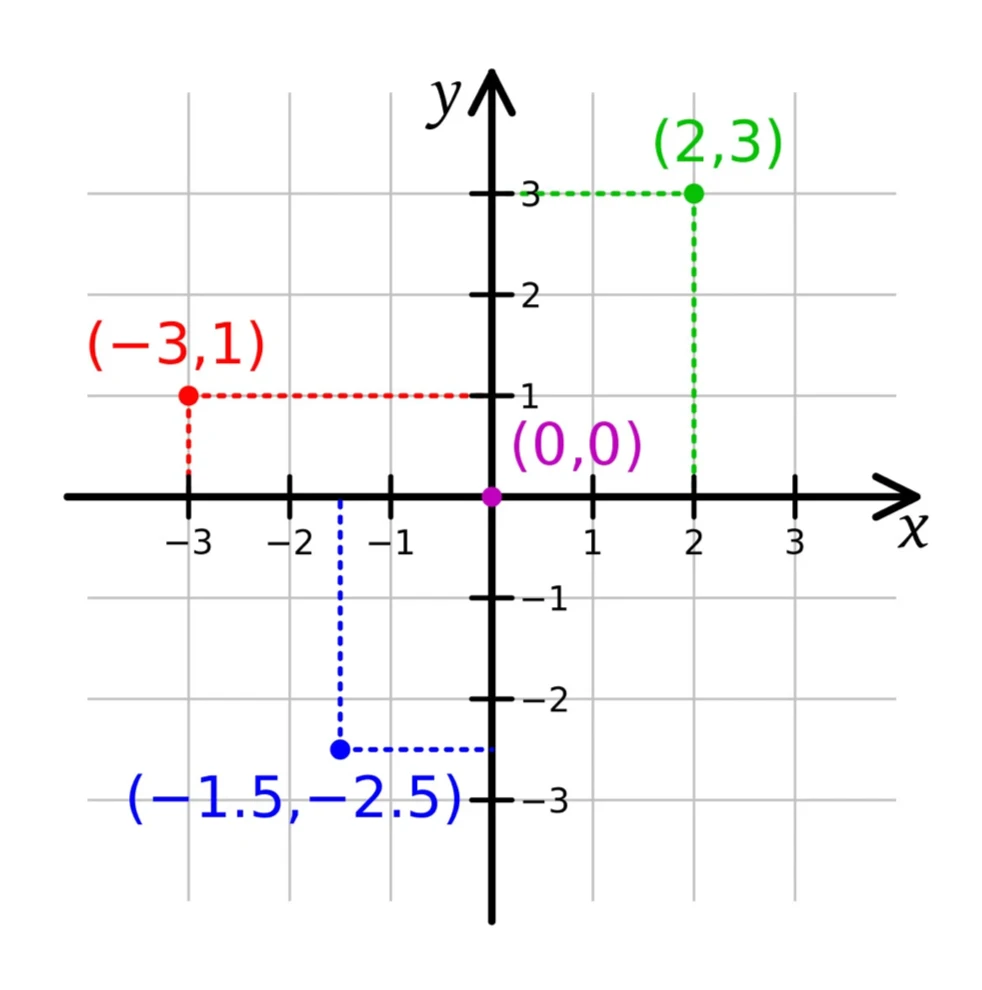
The Cartesian coordinate system produced a real revolution in mathematics. For the first time, scientists had the opportunity to combine algebra and geometry into a single whole - that is, solve numerical equations using drawings (graphs), or, conversely, represent geometric figures in the form of formulas.