Methods of raising children in different countries (9 photos)
There are different methods of education, but each country also has its own characteristics of treating children. Somewhere they are allowed everything, but somewhere, on the contrary, they are kept at bay. 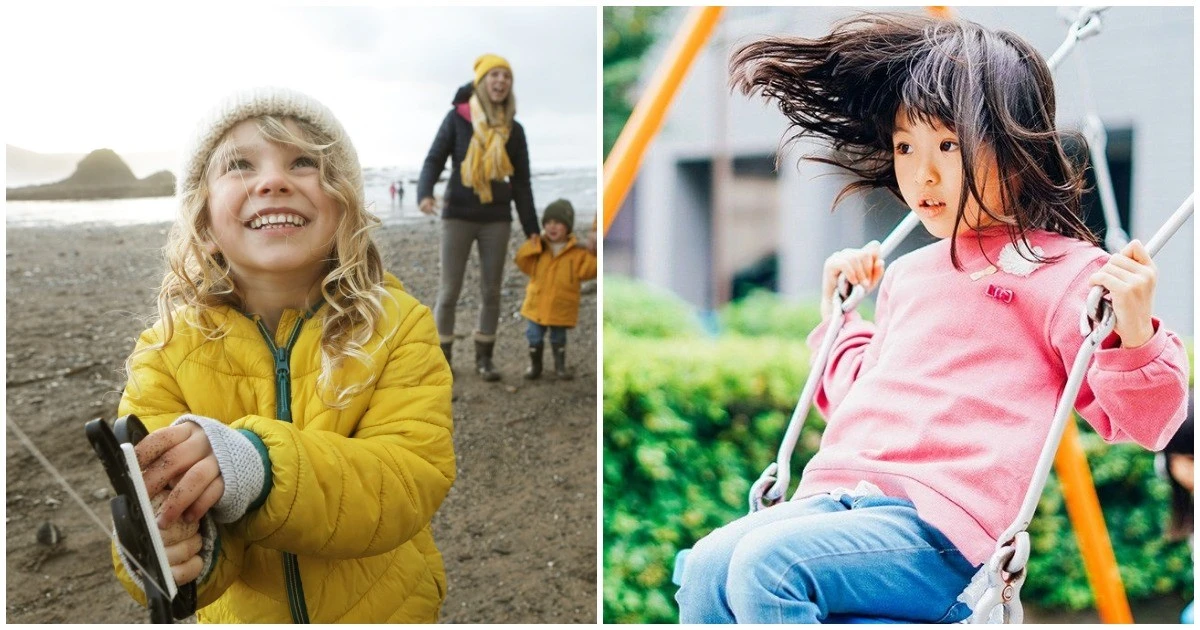
It's hard to say what's good and what's bad about raising children (except for the obvious that violence is prohibited), but perhaps every country has something interesting to learn.
China 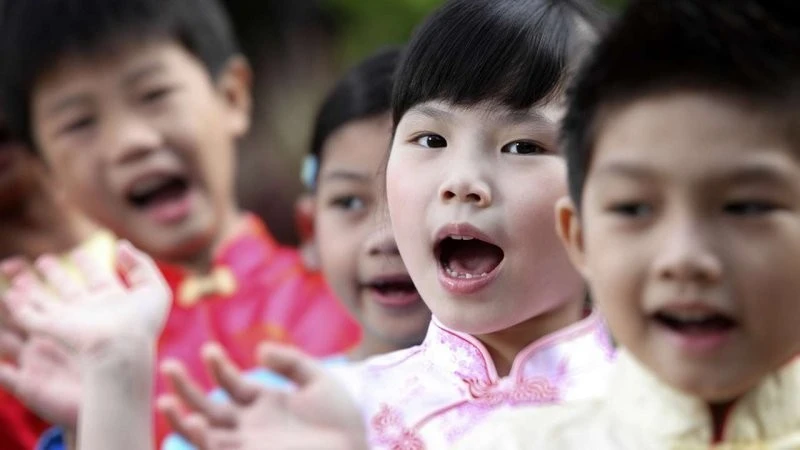
In China, children are raised equally regardless of gender, since there is no traditional division between male and female responsibilities in the family. Submission is considered an important aspect of parenting, and the child must follow the instructions of adults without question. Chinese children have a strict daily routine and are assigned household responsibilities while still in childhood. Parents choose additional activities and clubs for their children in accordance with their preferences, and they cannot be contradicted. The child is praised very rarely, on special occasions.
USA 
In the United States, children are rarely sent to day care; they are usually with their parents or a nanny. American families place great importance on family gatherings and are actively involved in their children's lives. Children are given freedom of choice and are rarely punished, usually by being deprived of toys or given time to think in the penalty chair. Parenting in the United States strives to develop independence and responsibility in children.
Japan 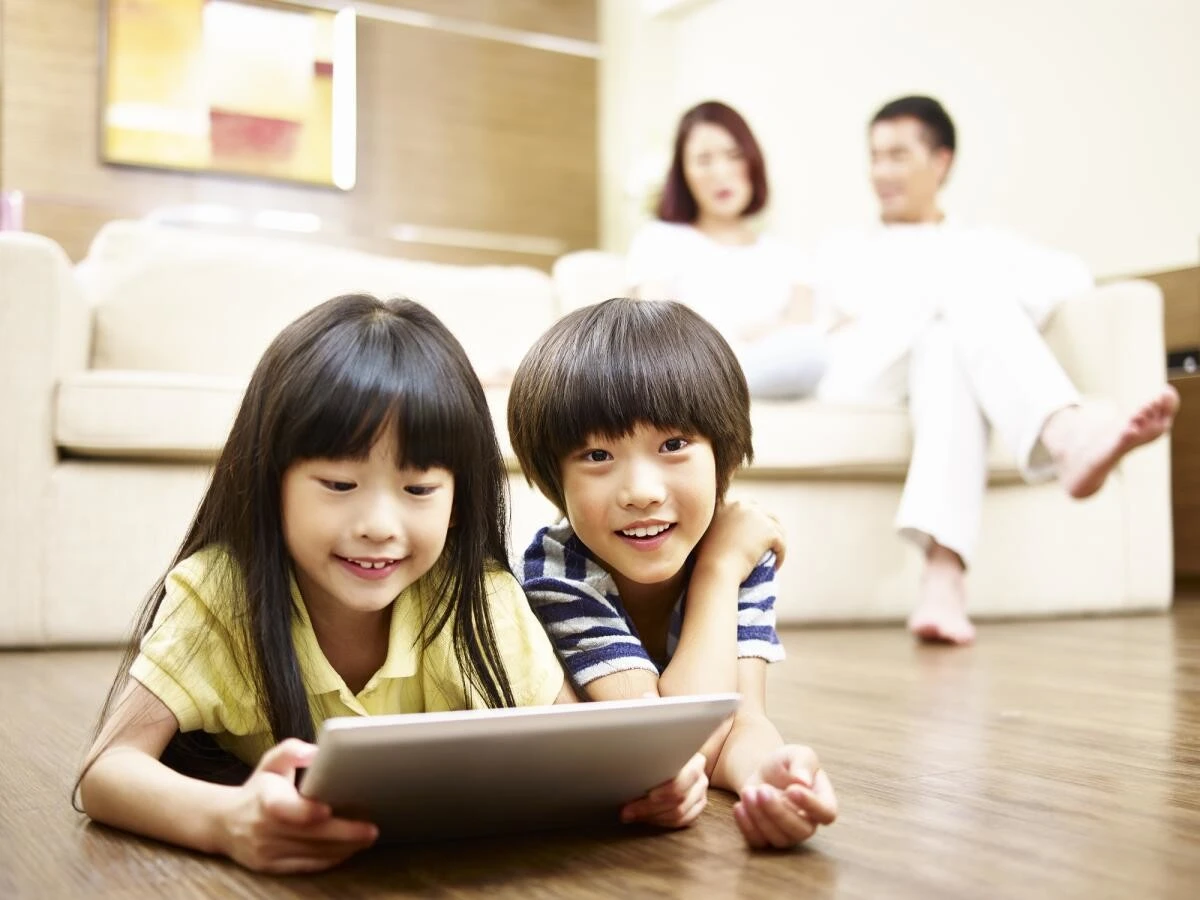
In Japan, up to the age of five, children can freely do different things: draw on wallpaper or play outside. However, from the age of 5-6 years, the child begins to be raised within the framework of strict rules and restrictions. Submission and belonging to a group are very important to the Japanese, so disobedience is considered unacceptable. Parents never raise their voices at their children; instead, they use silence and exclusion from the group as punishment. Children's development also begins very early, already from entering kindergarten, and parents strive to send them to elite kindergartens associated with prestigious universities to ensure a successful future for their children.
India 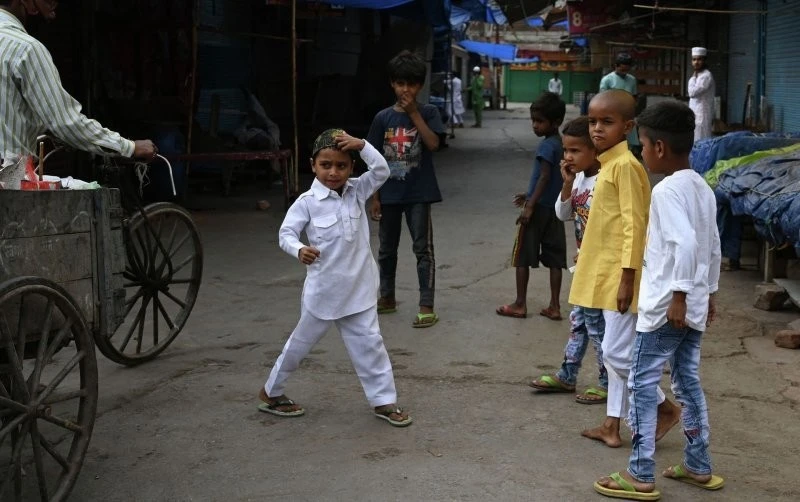
The main thing in raising children in India is the desire for kindness, patience and harmony. Children are taught to respect people and nature, so they do not destroy bird nests or harm animals. Self-control and control of emotions are also important in parenting. At school, children are taught yoga and meditation, and grades are not the main priority - the main thing is that the child is a good person. There is more informality in communicating with children in India; teachers may even hug or stroke the child as a sign of sympathy.
Italy 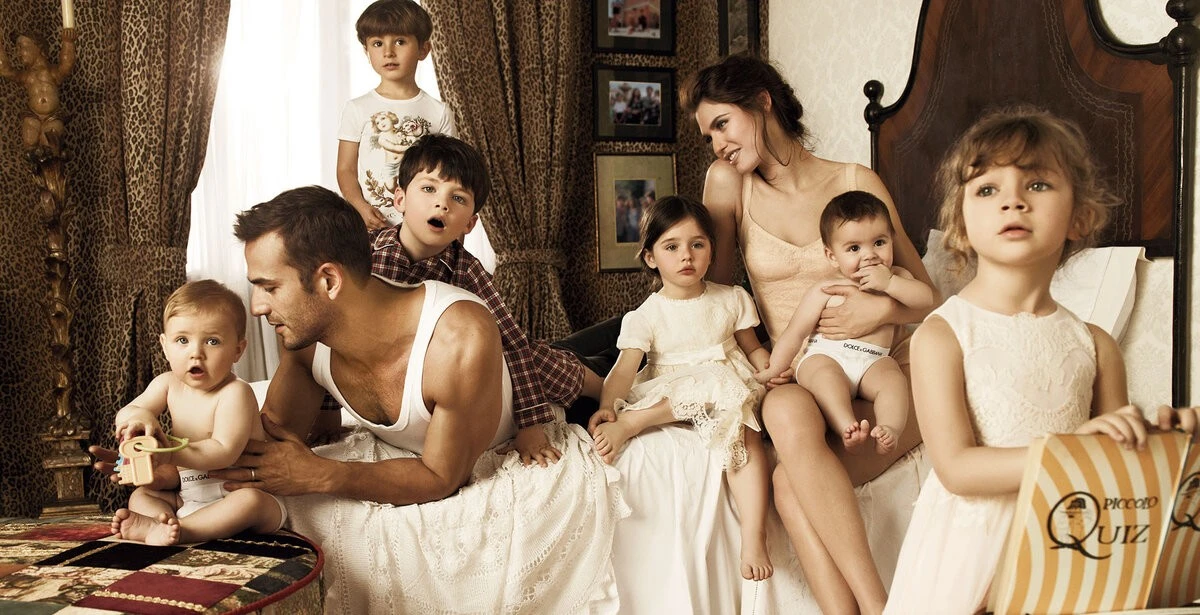
In Italy, as is known, there is a strong respect for family. Family ties remain strong, no matter how distant they may be. Having a child is seen as a gift, and during childhood children are often pampered, given gifts and given sweets. Raising a child is based on freedom, and he is allowed a lot, but his parents always monitor his every move. The word "don't" is rarely used, which often results in Italian children becoming capricious and undisciplined adults.
Sweden 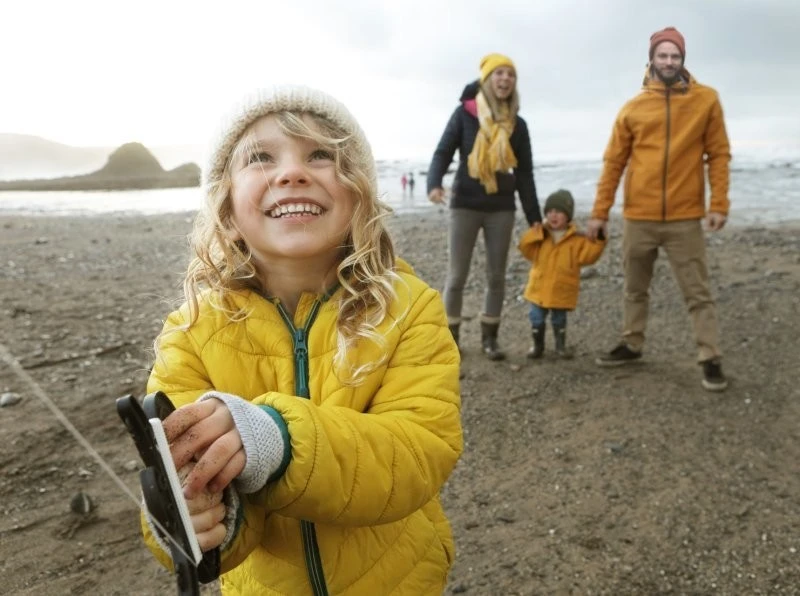
In Sweden, a child is considered a full person with rights and responsibilities, and his safety is a priority. Physical punishment of children has long been banned there, and upbringing occurs without stress. An important rule in Swedish education is “treat your child the way you would like to be treated.” Here children have the right to dialogue, explanations and free time provided by adults.
France 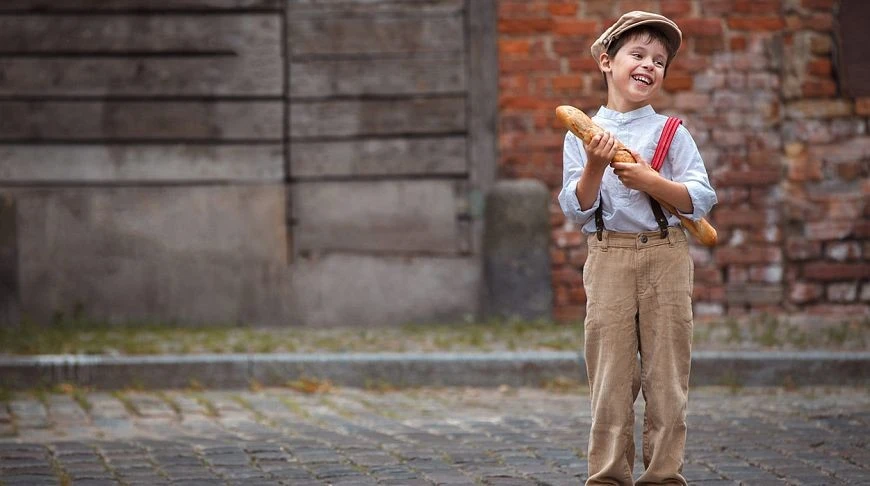
French families are usually strong, and children can live with their parents until they are 30 years old. However, the child becomes independent early as mothers return to work immediately after giving birth. French children often do housework and learn to be independent. From a young age, children sleep in a separate room, and parents allow them to experience small dangers themselves in order to gain experience.
England 
In England, self-confidence is instilled from childhood and children are constantly praised for their achievements to maintain their high self-esteem. Schools in England try to develop students as individuals by treating each child differently. Children can choose activities that interest them. English parents respect the personal space of their children, never invading their rooms without asking, but the demands placed on them are quite high.