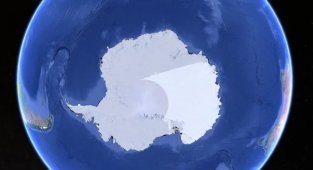
What is hidden under the ice of Antarctica and Antarctica - top interesting finds (21 photos)
Antarctica and Antarctica are some of the most mysterious places on Earth. These are the coldest areas, where the average temperature is -50 degrees and can drop to -89 degrees. It is also the most poorly explored continent. 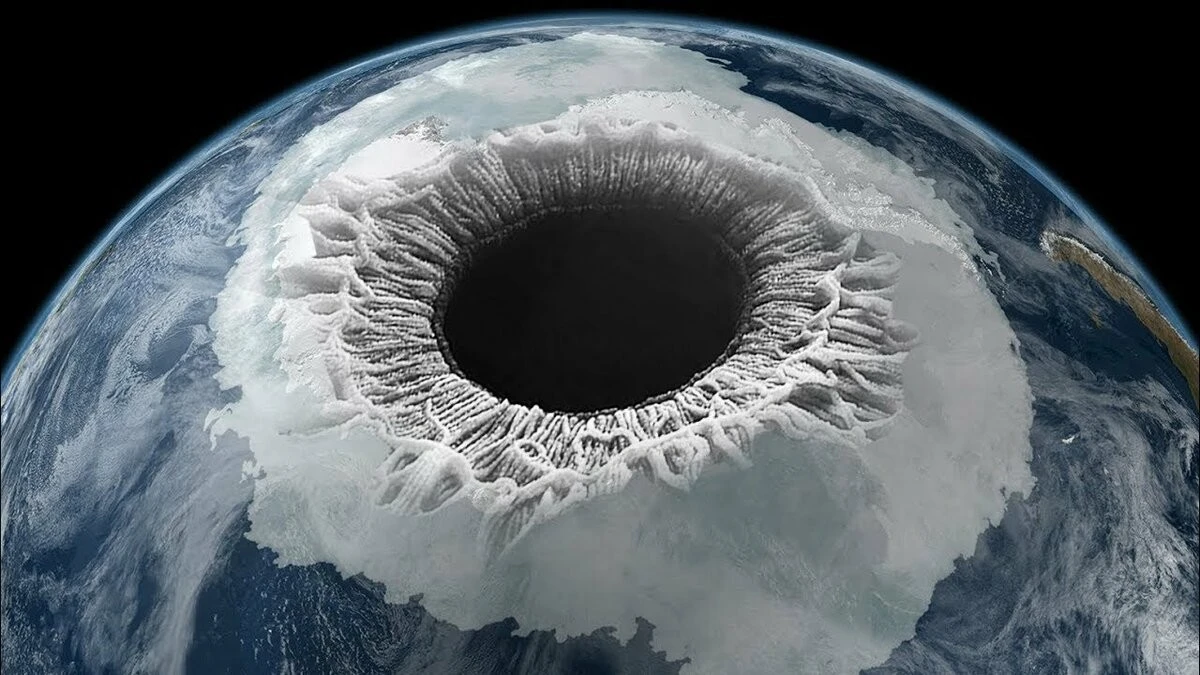
There are also more than 400 lakes under the Antarctic ice sheet, which do not freeze thanks to the heat from the Earth's core. There are no time zones in Antarctica, there are no countries located here and there are only 2 ATMs. Still think that this continent cannot be called mysterious? We will prove to you that this is not so. 
Antarctica was first discovered in 1820 by members of an expedition. Since then, it has attracted countless researchers and scientists. How can living things survive in eternal cold? What secrets does the ice covering the continent hide? Scientists are trying to find answers to these and many other questions. There are also a huge number of legends and myths associated with Antarctica. Some believe that alien ships are trapped in its ice, while others are sure that a secret base of the Third Reich is hidden in the depths of these barren lands. There is even one legend that says that the city is hidden from human view here under thick ice. It is confirmed by some scientists who claim that the lost city of Atlantis is located in Antarctica. According to myth, demigods lived in Atlantis. The first mention of it can be found in the Greek philosopher Plato, who in 360 BC. spoke about Atlantis in his works.
Today, researchers are still trying to find out the truth about this mysterious continent, but some of the discoveries they have made do not help in any way.
Elongated skulls 
In 2014, three elongated skulls were found in Antarctica. These were the first human remains discovered here. In a striking detail, these skulls looked like elongated skulls from Peru, Ancient Egypt and other places where similar finds had been made. 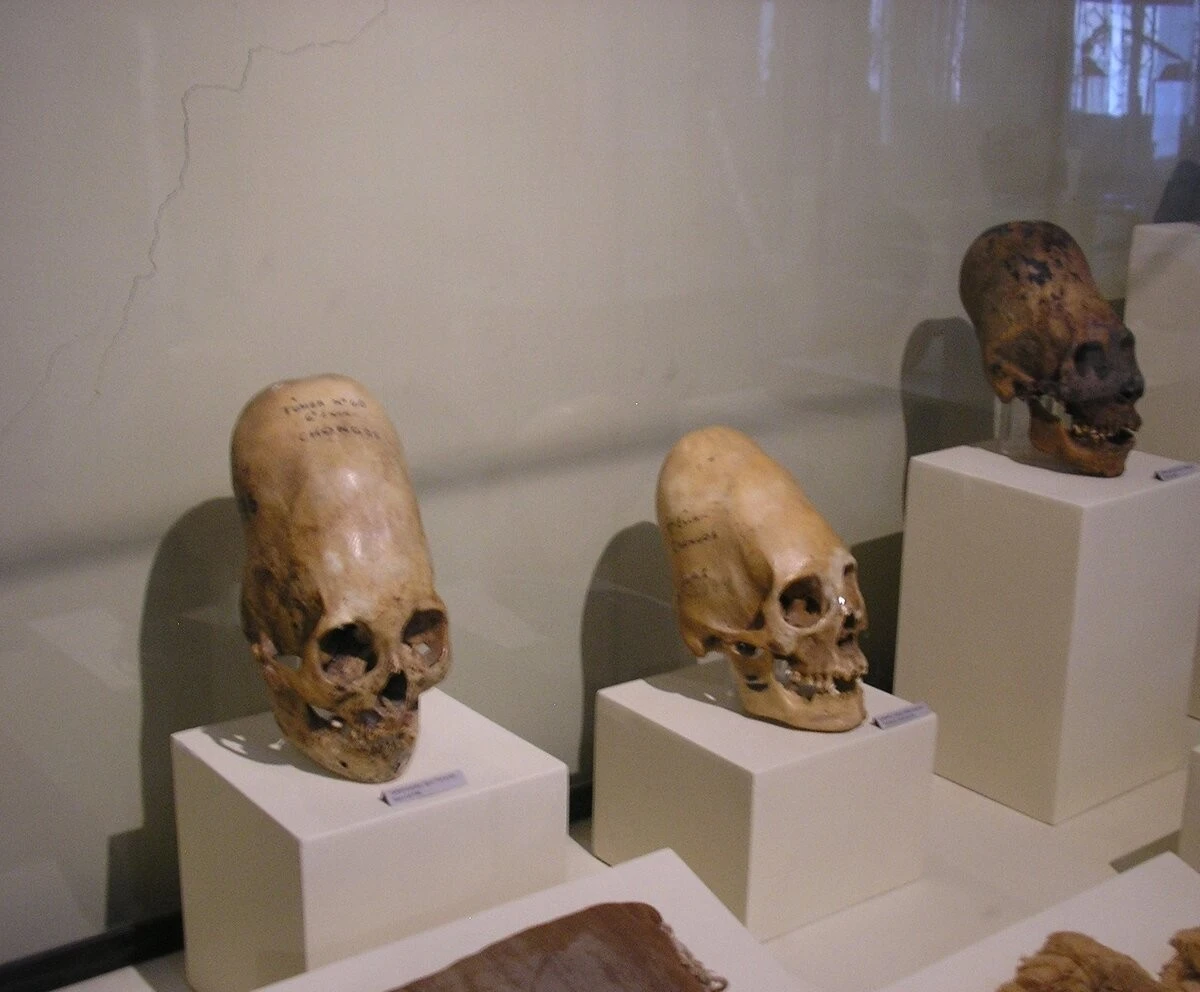
Skulls were given this shape using bandages, and such a creepy tradition was common among many ancient civilizations. This amazing discovery means that there was contact between ancient African, South American and Antarctic civilizations.
Burnt forest 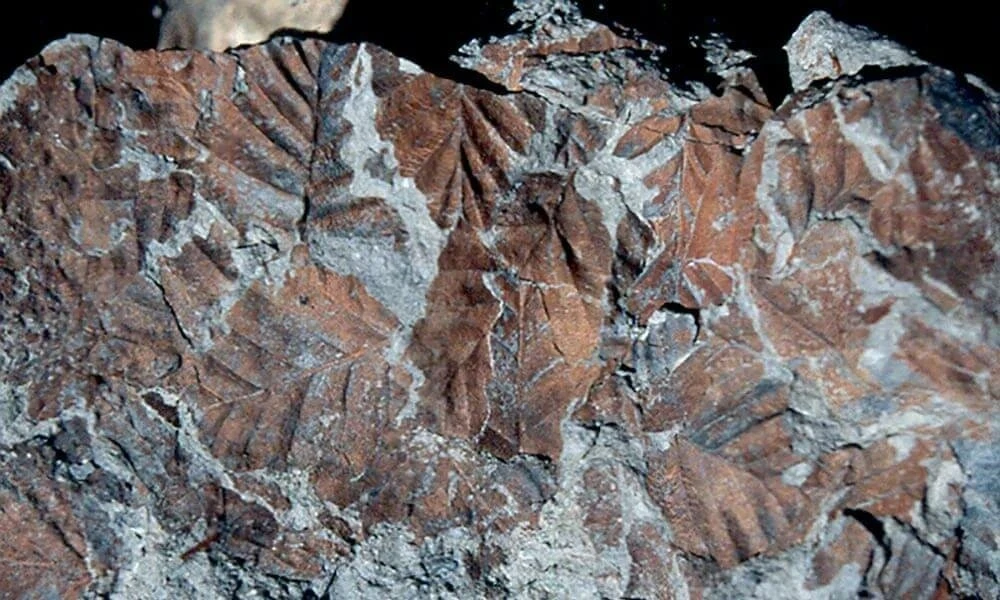
Scientific research shows that the Ice Age that occurred in the history of our planet, as well as the theory of pole reversal, are not fiction, but real events. And scientists know for sure that there were green forests in Antarctica, which currently remain only in the form of fossils. But it's interesting that all studies indicate that a gigantic fire could have occurred there, and scientists are trying to figure out what caused it. This may have been due to a meteorite impact or volcanic activity. However, we hope that sooner or later scientists will be able to solve this mystery.
Ancient meteorite 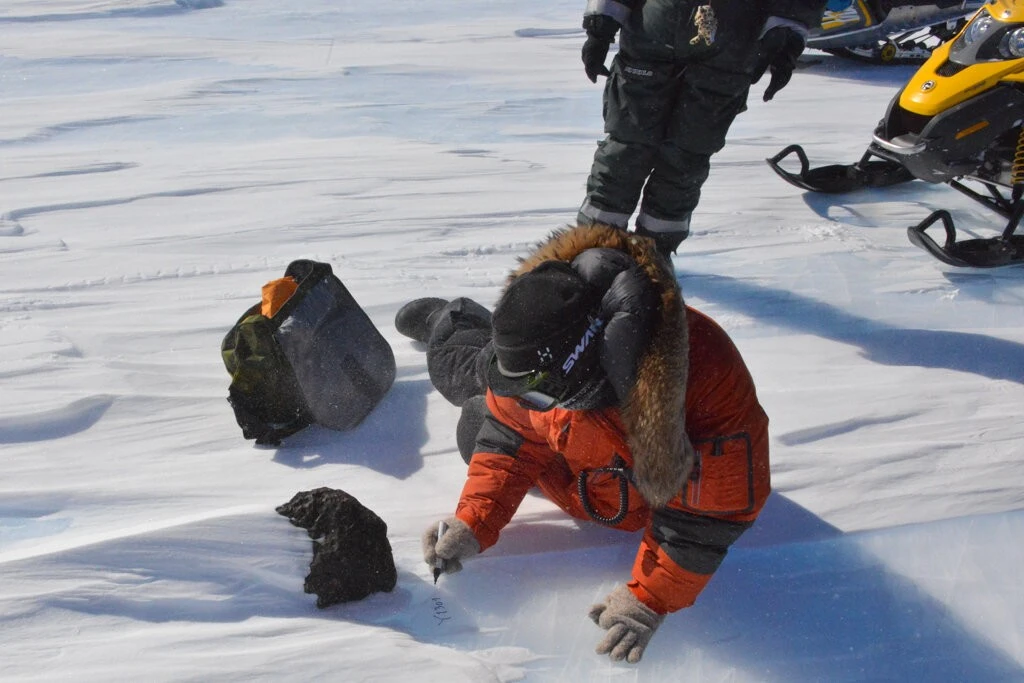
In the vast snowy expanses of Antarctica, meteorites immediately catch the eye. Perhaps this is why 90% of all meteorites discovered in the world are found here. Another reason why meteorites are most often found in Antarctica is that ice is good at preserving debris from these celestial bodies and protecting them from corrosion. Over the past 50 years, people have found more than 10 thousand meteorites on this continent. Some of them were more than 700 thousand years old. 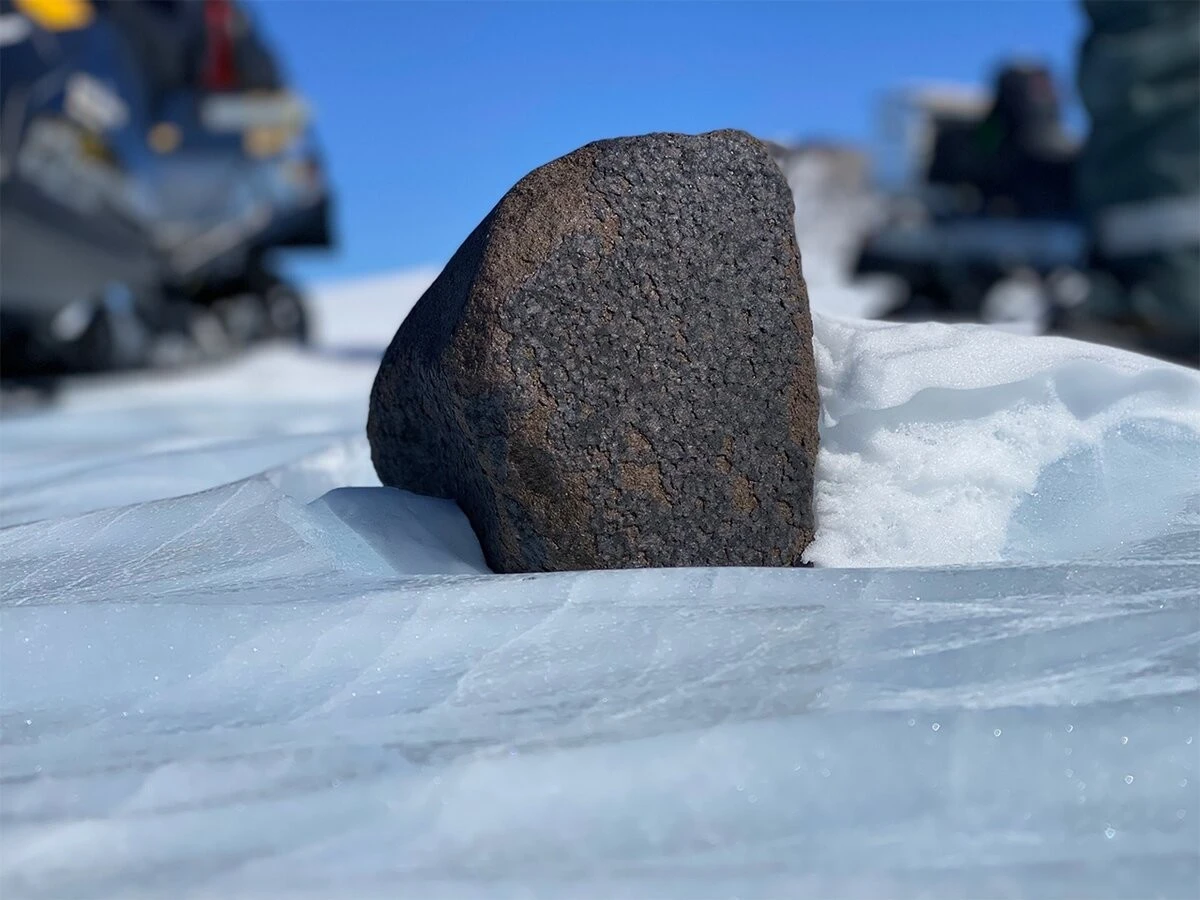
And one potato-sized meteorite, which fell to Earth in 2002 and was discovered in 2015, actually came from Mars. Scientists have even discovered that this extraterrestrial rock contains the fossilized remains of Martian microbes.
Ancient fossils 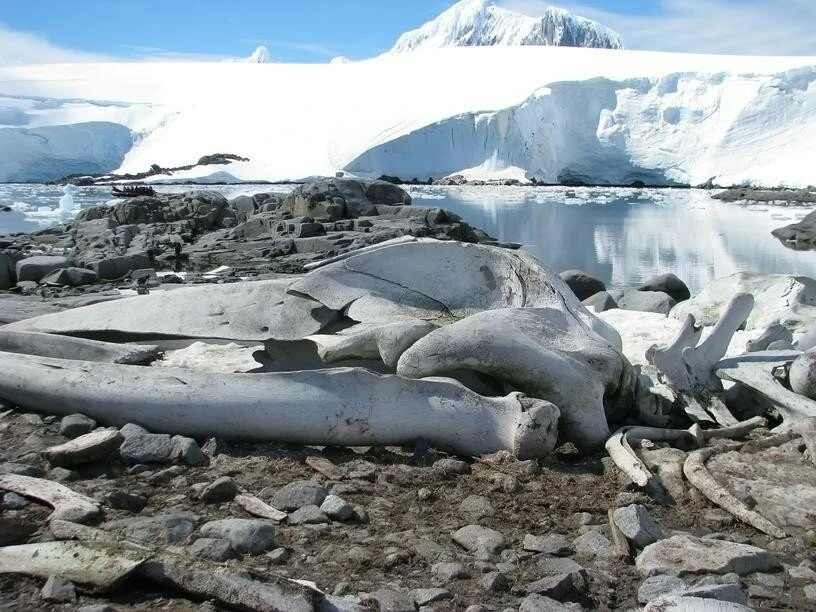
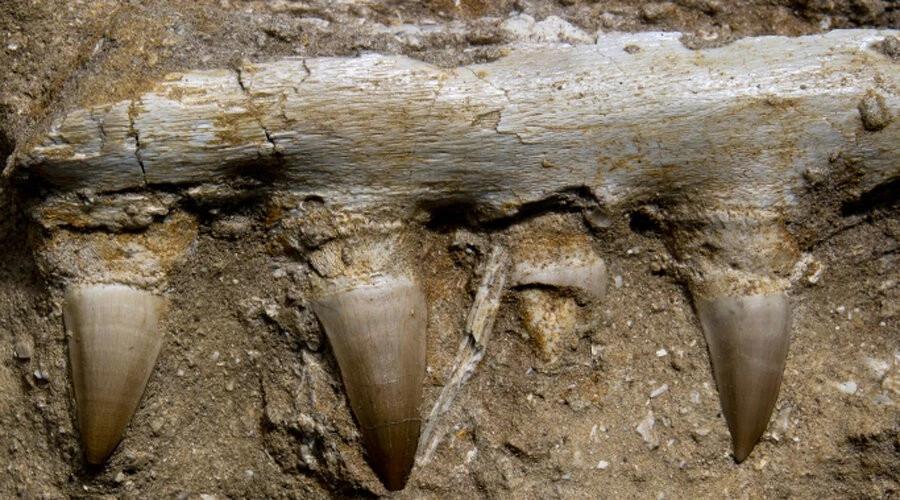
Since the 1980s, scientists have discovered a ton of dinosaur fossils in Antarctica. Most of them are more than 71 million years old. These remains belong to prehistoric birds and sea creatures, including plesiosaurs and mosasaurs. This means that dinosaurs lived on this continent 200-70 million years ago. Scientists say that this is very likely, because in those days the temperature was much higher than now. 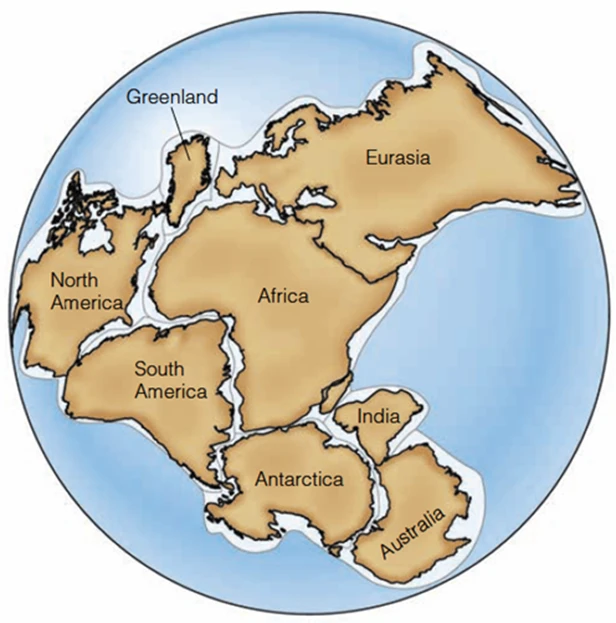
On top of that, during that period of time Antarctica was located in a different place - in the southwestern part of the Pacific Ocean.
underground lake 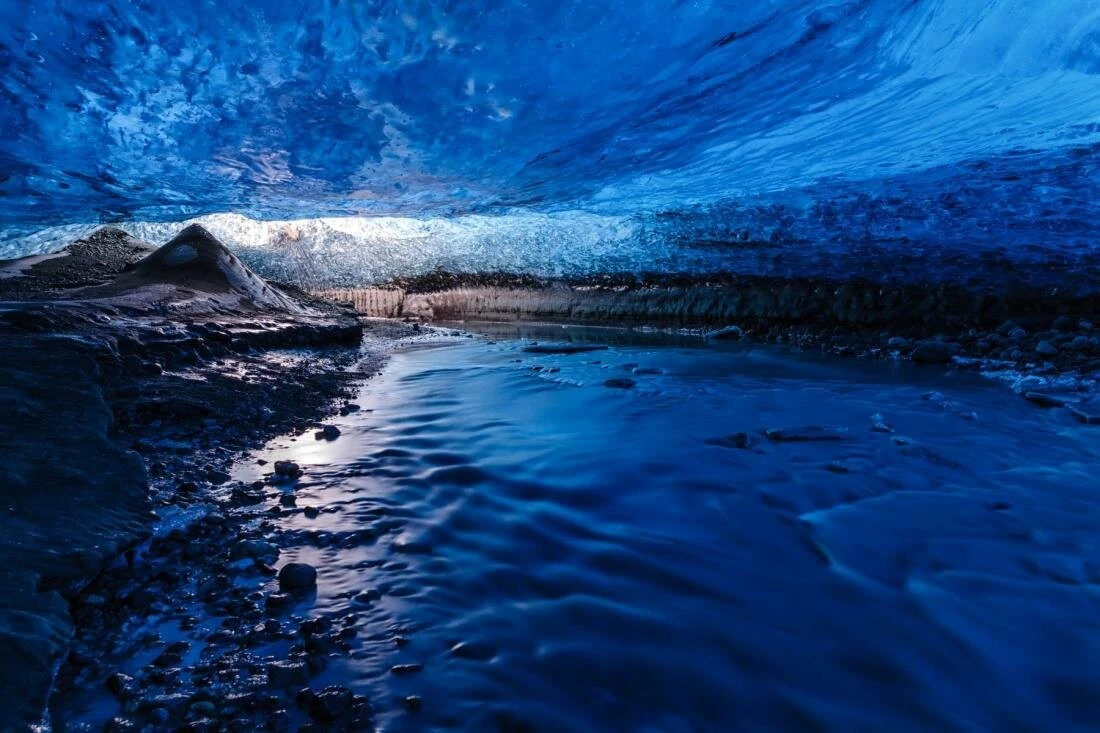
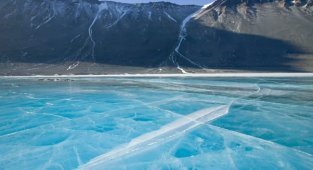
Scientists know about 400 lakes in Antarctica. In most of them the water does not freeze. This may seem like a miracle, but there is actually an explanation for this phenomenon. Because of the incredible pressure, water remains liquid even when temperatures are below the normal freezing point. On top of this, the Earth's core heats the water beneath the glaciers. And some of the lakes are “active”. This means that despite the harsh conditions, they are inhabited by microorganisms. 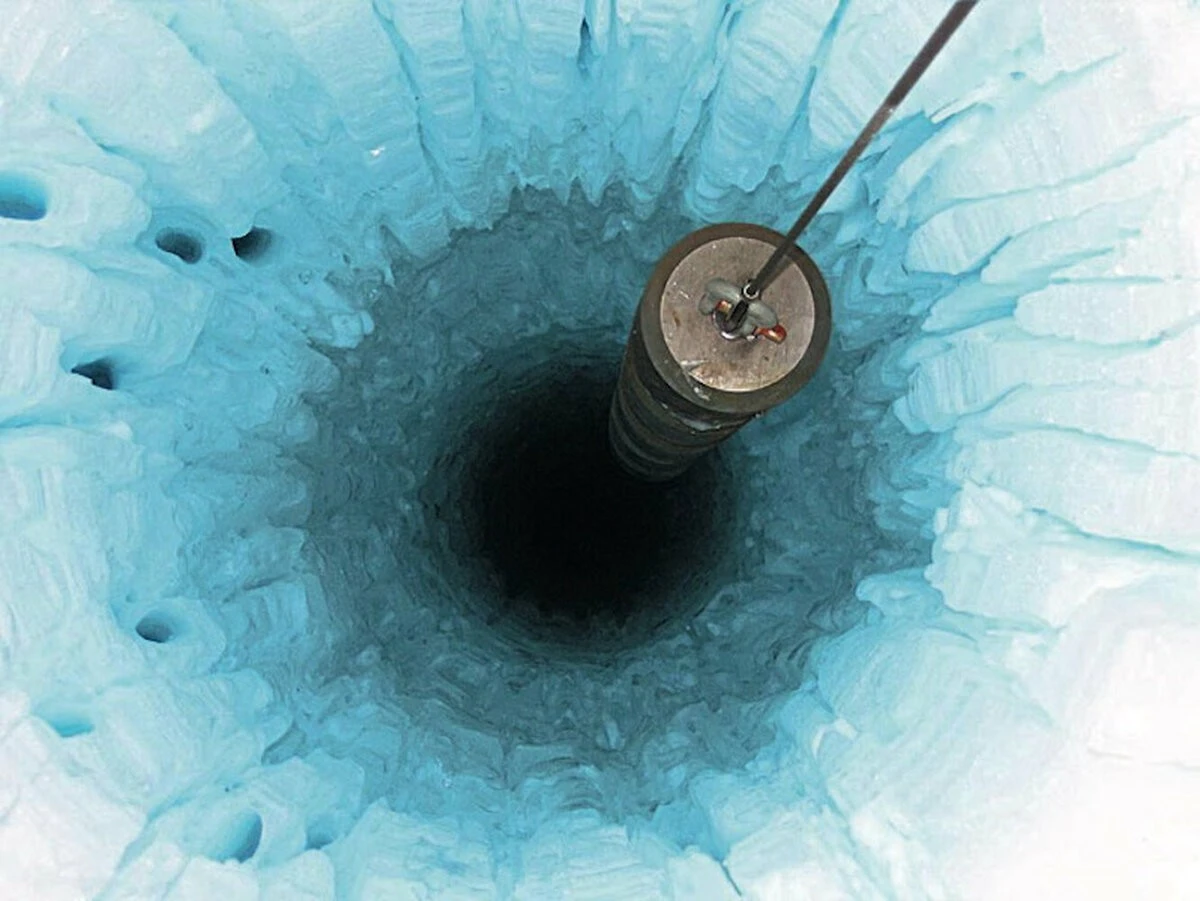
For example, when American researchers drilled to a depth of 701 m in the Ross Glacier in 2013, they discovered an underground lake from which they were able to extract water samples. It turned out that under the thickness of the ice, where light did not penetrate, frost-resistant bacteria previously unknown to science lived.
The fossilized remains of an unusual animal 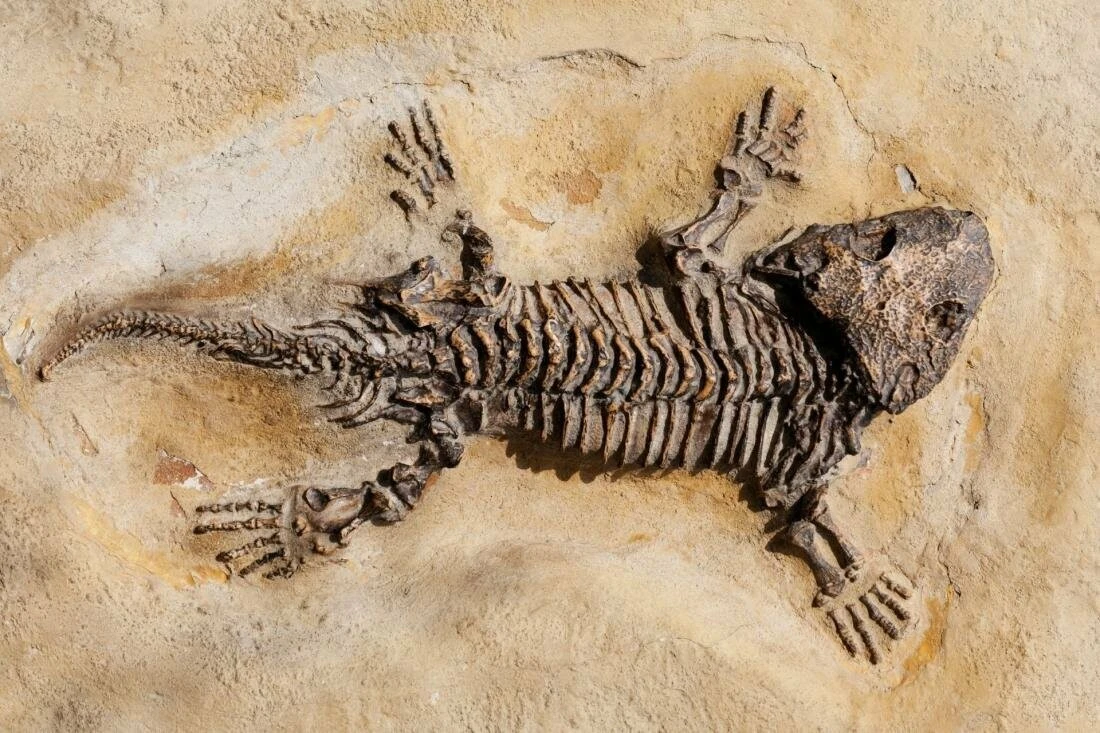
In 2009, archaeologists made another amazing discovery. In the ice of Antarctica they found the remains of an unusual animal. It was the size of a regular cat, but unlike it, it laid eggs. This creature lived more than 250 million. years ago and was a distant ancestor of mammals. Scientists believe it migrated from Antarctica to South Africa during a period of global warming. Such a trip was completely commonplace in those days, because Antarctica was then part of the super continent Pangea.
Bloody Falls 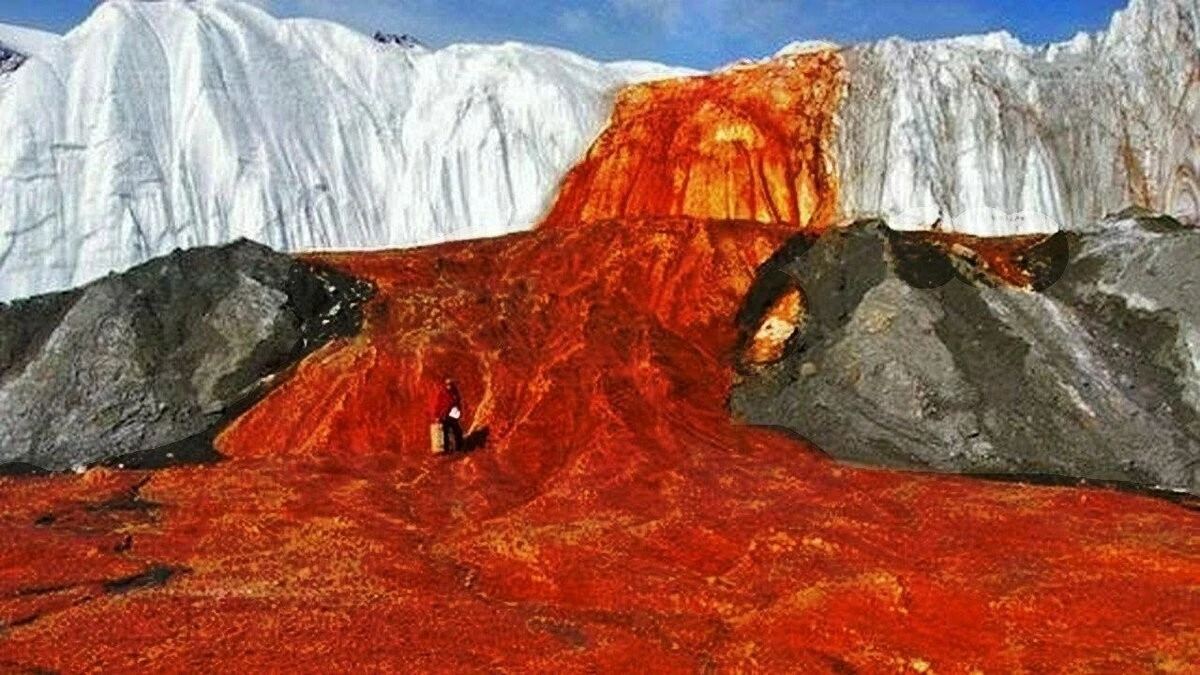
At first glance, the Taylor Glacier may appear to be bleeding. Look at him. A frightening blood-red liquid escapes from the ice and ends up in the sea. But it's not actually blood. The fact is that this unusual waterfall contains so much iron oxide that it causes the water to take on a red tint. The waterfall simply originates in an ice-covered lake located a couple of kilometers away, where the salt content is 4 times higher than the salt content in the sea. This is why both the lake and the waterfall freeze only at temperatures below -10 degrees.
Dry valleys 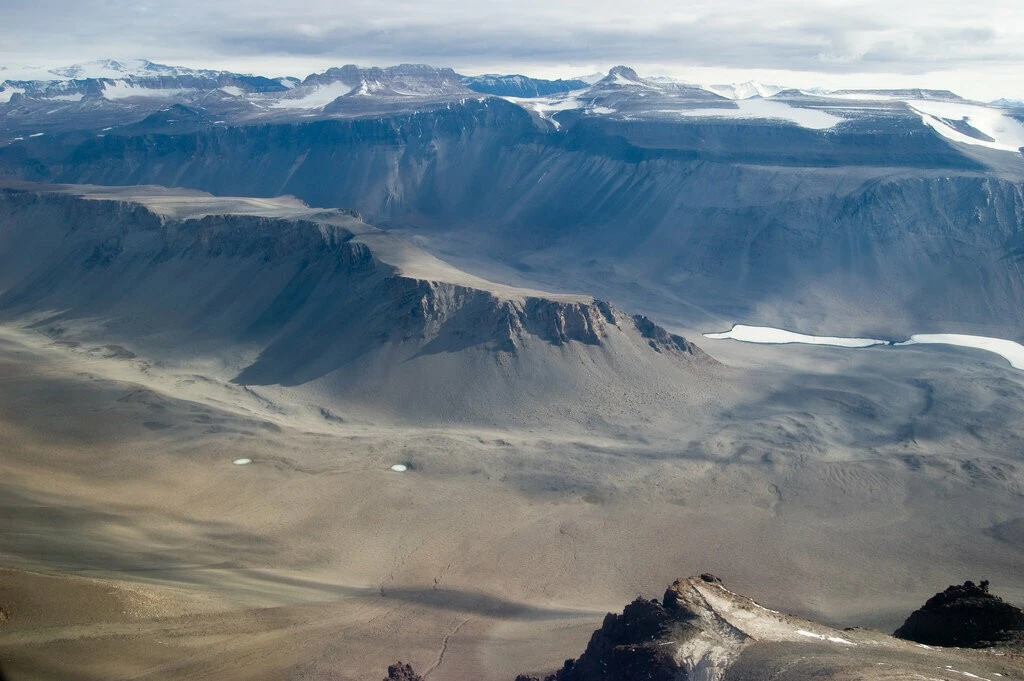
Although we don't associate snow-covered Antarctica with drought, it is home to the driest place on Earth - the Dry Valleys. These badlands were discovered in 1903. They have incredibly low humidity levels and almost no ice or snow. It hasn't rained here for over 2 million. years. The reason for this is the very strong winds blowing here. Their speed often reaches 322 km/h. When they begin to blow in the valleys, the snow and ice begin to melt and evaporate. By the way, among all the environmental conditions on Earth, the conditions in this place most closely resemble the conditions on Mars. That is why NASA tested the Viking spacecraft in the Valleys, designed to explore the “red planet.”
100 year old whiskey 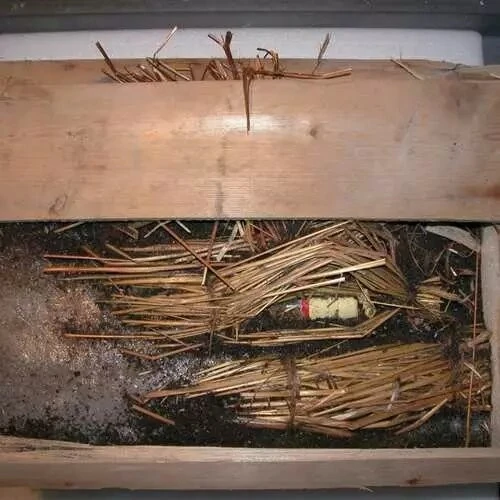
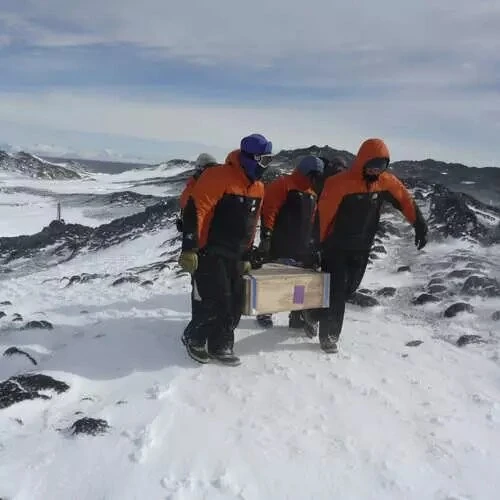
Two cases of excellent Scotch whiskey were hidden in the Antarctic ice for more than 100 years. When archaeologists discovered this valuable find, they did not immediately rescue it from its icy captivity because they were afraid of damaging it. Therefore, scientists began to wait for all the necessary instruments to be brought to them. It took several years. And only when all the guns were delivered, only then did they begin to carefully remove the boxes. The whiskey was then thawed. It took 2 weeks. It turned out that 10 bottles of whiskey safely survived the century-long ice captivity.
Unknown creature 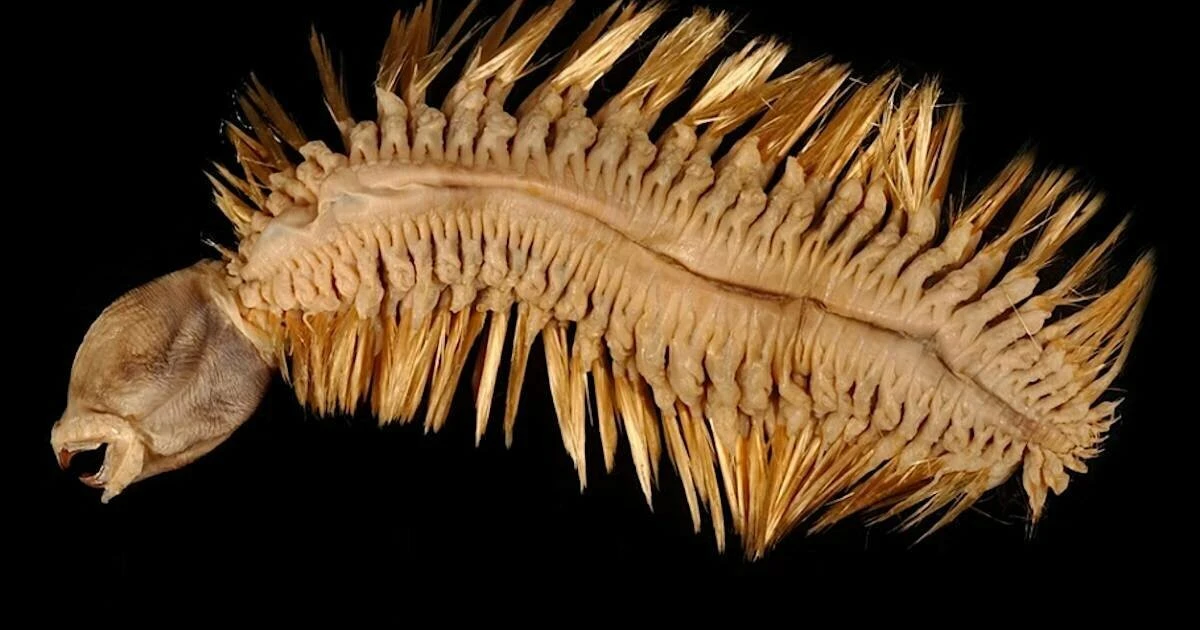
At a depth of 335 meters, American archaeologists made a truly interesting discovery. They stumbled upon an unknown creature that was unlike any living creature known to people. This creature reached a length of 20 cm, its body was covered with protruding bones, and its jaw moved forward. This body structure amazed scientists immensely. Today they are trying to establish the origin of this creature, what it ate and classify it.
frozen ship 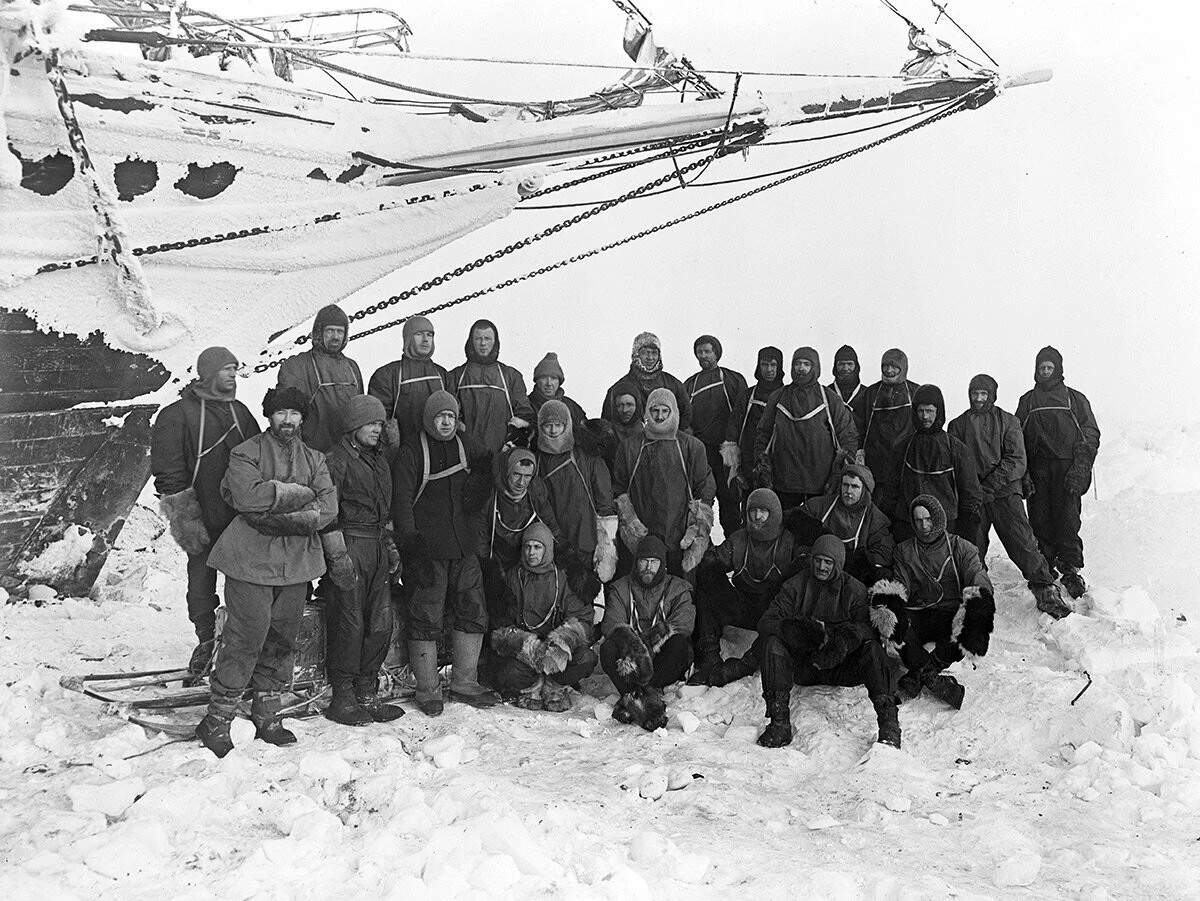
In 1914, the Imperial Trans-Antarctic Expedition began, the second expedition under the command of Sir Ernest Shackleton, the purpose of which was to cross the entire Antarctic continent. It was not possible to achieve the set goal, but in the annals of history this expedition has become an example of the professionalism and endurance of polar explorers who managed to survive in extreme conditions. The expedition is considered the last great voyage of the "Golden Age of Polar Exploration", using 19th century technology when the resource-strapped crew was completely cut off from the outside world. Further, fundamentally different technologies and means of communication were used in Antarctic expeditions. The expedition included two detachments on the ships Endurance and Aurora. Shackleton's group on the Endurance was supposed to approach the coast of the Weddell Sea, spend the winter in Fasel Bay and proceed to the South Pole the following Antarctic summer. The second detachment, based on Ross Island in McMurdo Sound, was supposed to lay down warehouses for the successful return of Shackleton's detachment. 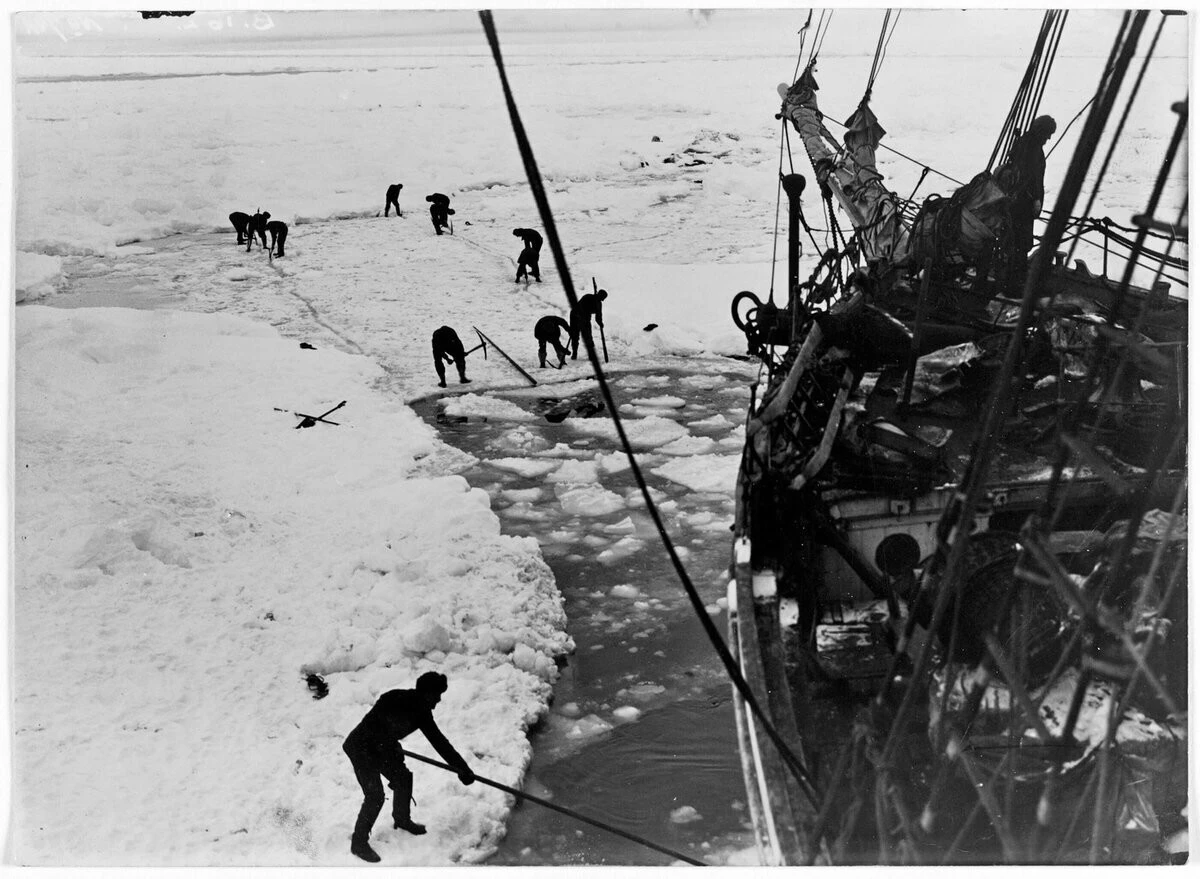
As a result, the Endurance was trapped in pack ice and began an unplanned drift, during which it was crushed by the ice and sank, and the Aurora, which was torn from its anchorage in McMurdo Sound, barely returned to New Zealand after a protracted drift. Shackleton's team managed to escape without loss, relying only on their own strength. Of the 10 people remaining on the island. Ross, three died. Since the expedition took place during the First World War, it went virtually unnoticed by contemporaries.
Pyramid 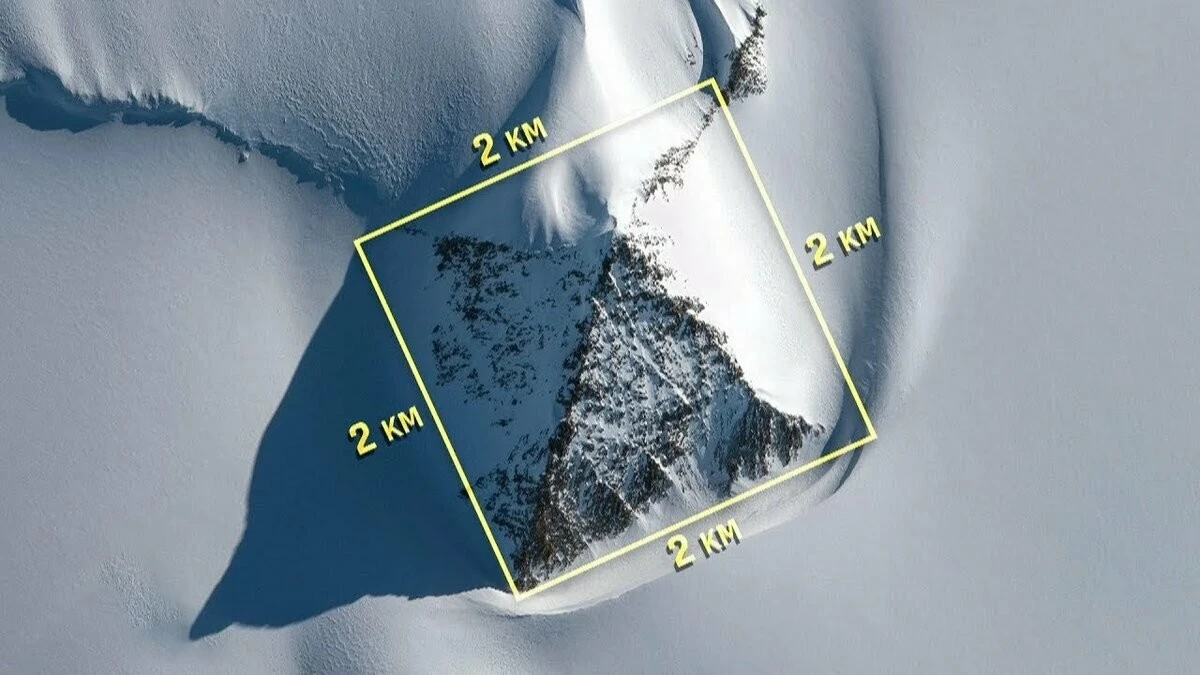
Recently, information has appeared on the Internet that pyramids similar to those that can be seen in Egypt have been discovered in Antarctica. But it soon became clear that these reports were not true. Apparently, the pyramidal formations at the south pole are associated with the Vinson mountain range, which is affected by strong winds reaching speeds of up to 300 km/h. These air currents shape the rocks and create the illusion of a pyramidal shape.