Fantastic Beasts: Cute animals can harm entire continents. Why are people to blame for this? (8 photos)
Science fiction novels are full of stories about the invasion of merciless aliens. However, similar events happened many times in reality, and the most ordinary animals became their antiheroes. And very often they are not even bloodthirsty predators, but creatures whose place is more likely in children's fairy tales. 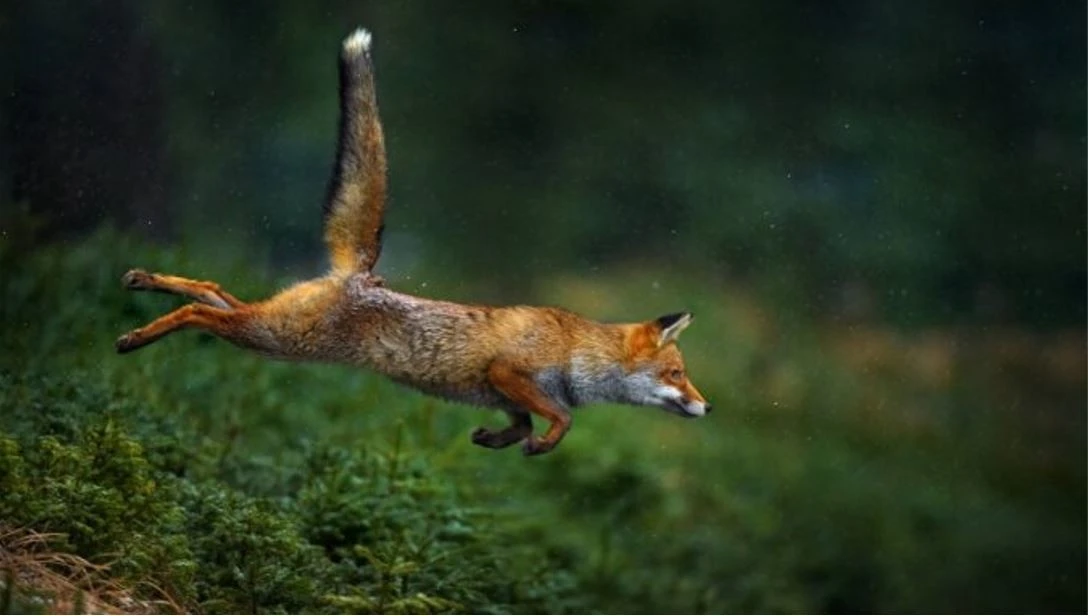
Australia and the world's most famous rabbits.
Rabbits appeared en masse in Australia at the end of the 18th century, along with the first English colonists, but until the end of the 1850s they did not threaten the ecosystem of the continent. Everything changed in October 1859, when a certain Thomas Austin released 24 rabbits sent to him from home on his estate near Melbourne. He loved hunting these animals in Britain and decided not to give up his hobby in the New World.
Then the nightmare began. Rabbits proliferated so much that by 1870, the destruction of two to three million eared rabbits a year did not cause noticeable damage to their population. The fuzzies devoured everything in their path like locusts, leaving literally dead earth behind them: the soil, deprived of a protective layer, was subjected to even greater erosion under the hot sun. 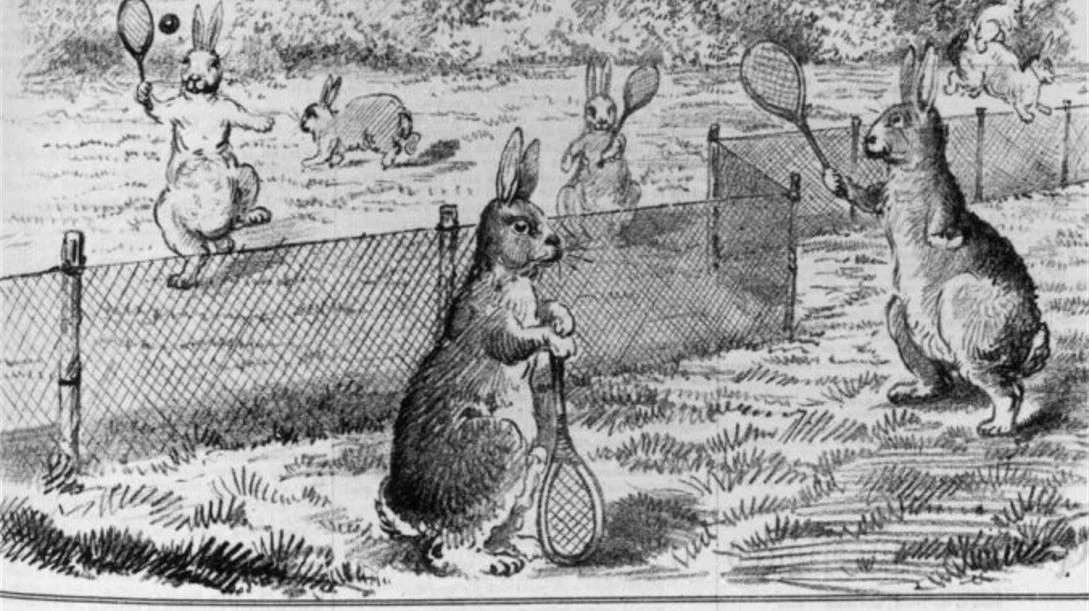
Having dealt with the vegetation, the rabbits took up the bark of the trees, leaving them to dry out. The destruction of plants has led to the loss of food and habitat for many native species of small animals, birds and insects. The number of species that died due to the invasion of rabbits in Australia has not yet been calculated - scientists simply did not have time to describe many of them.
No one knows why the invasion began in 1859. The rabbits already lived on the continent, but they behaved decently. According to one version, among the rabbits delivered to Austin from his homeland there were not only ordinary wild ones, but also decorative animals; the two species mixed and created a particularly active and tenacious breed.
Brother Fox and Brother Rabbit.
In order to fight the army of invaders, foxes began to be brought to Australia, which had previously been brought to the continent only for hunting. But instead of hunting old acquaintances, the foxes began to chase local wildlife with much greater excitement. The Red Troopers are believed to be responsible for the disappearance of the bare-breasted kangaroo, which was last seen in the 1930s, and several other Australian species.
Recently, biologists filmed Australian foxes that have learned to climb trees and attack koalas. So now this symbol of Australia is under threat.
They tried to protect themselves from the rabbit invasion with fences, but nothing helped. At one point, the rabbit population in Australia exceeded 600 million. In the 1950s, biologists got down to business, armed with the myxomatosis virus. At first, the effect was encouraging: Australia's rabbit population was reduced to 100 million individuals. 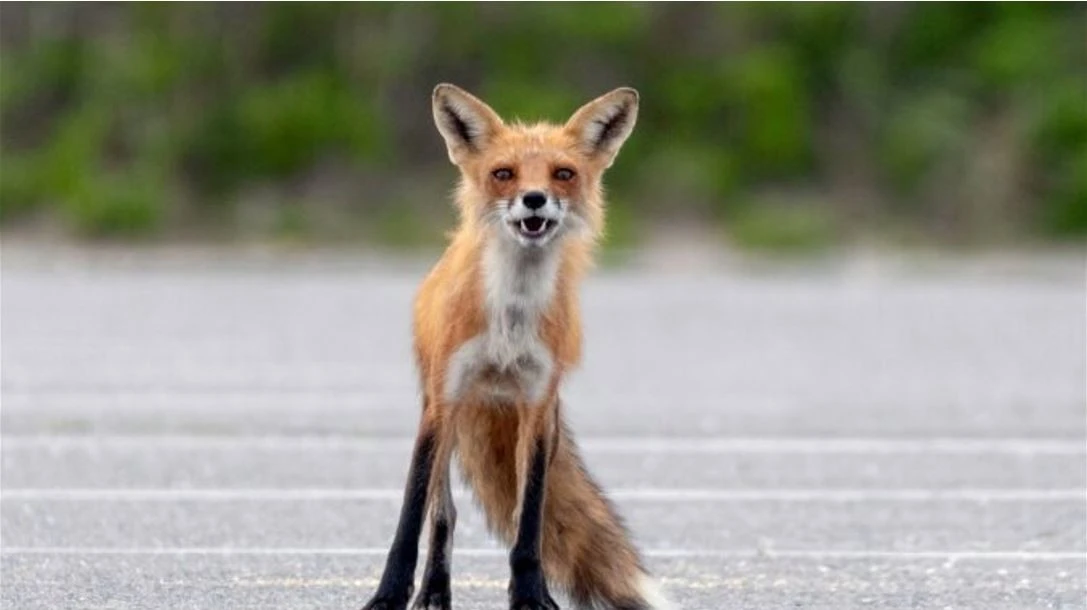
However, the surviving long-eared ones mixed with particularly resistant relatives and created a new population that did not care about the virus. By 1990, there were conservative estimates of between 200 and 300 million rabbits in Australia, and they remain one of the most serious threats to agriculture today. In general, because of the desire of one English gentleman to relax at his leisure, Australians suffer to this day.
Squirrels against squirrels.
Another confrontation between the Old and New Worlds unfolded in Great Britain, and squirrels became its participants. American gray squirrels, or rather their Carolina variety, and ordinary European ones came together in a fight.
At first glance, these animals do not differ in anything other than the color of their fur coat. But it turned out that the difference between them is much more serious than a purely aesthetic one: the invasion of the UK by American squirrels turned into a real disaster for the local population.
The fact is that Carolina squirrels, like real Americans, are much more active and enterprising creatures. Having arrived in the Old World, American squirrels first of all began to eat their European relatives: they are much better adapted to the cold, better remember where they hid their supplies, have an excellent sense of other people’s property and are not shy about expropriating it. 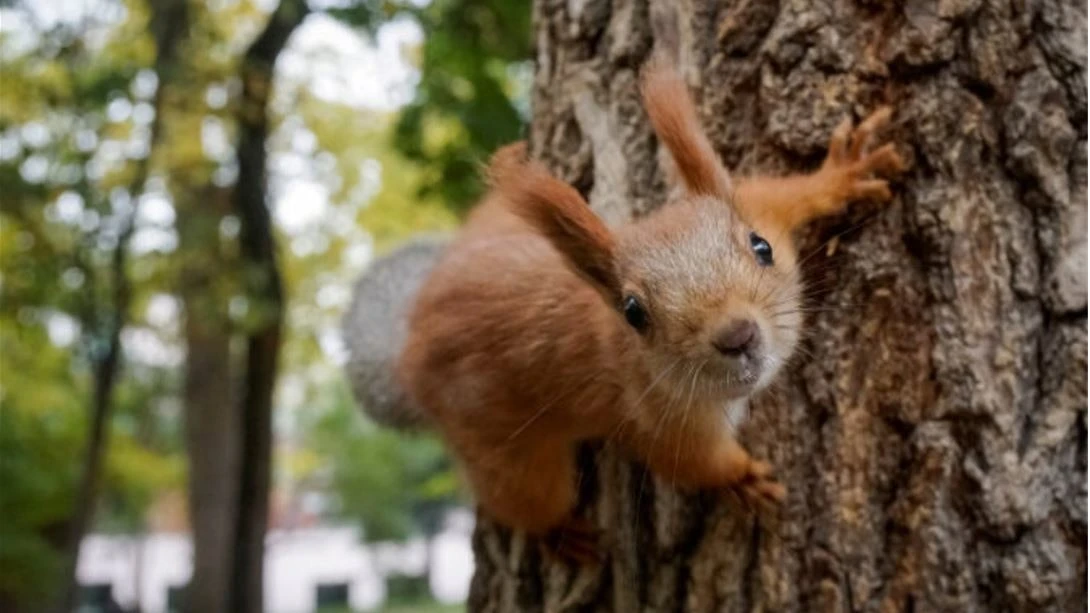
The most terrible feature of American squirrels is that they carry squirrel pox, which mercilessly kills their European relatives. The real catastrophe happened in England, Ireland and Scotland.
It is believed that since the late 19th century, when Caroline squirrels arrived in the British Isles, the population of native common squirrels has more than halved. Some researchers believe that the indigenous squirrel population survived only in Scotland, and England and Ireland can be considered completely conquered.
Even Prince Charles, who turned out to be a big fan of these animals, noticed the disappearance of the usual red squirrels. In January 2021, the British government approved a project to medically sterilize American invaders.
It involves installing special feeders in the forests, into which only gray squirrels can penetrate, with treats containing contraceptives. What will come of this and whether these measures will help cope with the three million army of Carolina squirrels - time will tell.
Have mercy, lady fish!
There is hardly a single home aquarium in the world that does not contain a goldfish. These cute little creatures are the fruit of human selection. The first mention of wild representatives of this species (Chinese crucian carp, or Carassius auratus) dates back to the 3rd century - then they were noticed in one lake of the Lushan mountain complex in China. And the familiar fish with reddish iridescent scales began to be bred in the East in the Middle Ages.
Actually, the fish lived in aquariums and didn’t bother anyone, but then the tireless Australians entered the arena again. It is believed that the history of goldfish as a terrible invasive species began on the southern continent. At least, it was Australian scientists who were the first to sound the alarm.
How goldfish got into the Australian ecosystem is unknown. But, most likely, they were simply released into the wild by one of the aquarists around the 1980-1990s. 
Once in the wild, yesterday's domestic crucian carp do not get lost, do not fall into depression, but begin at a monstrous speed to absorb everything they can reach, starting with algae and ending with snails, insects, fry and eggs of other fish. In addition, goldfish, in search of food, dig at the bottom and pollute water bodies with silt, which reduces water clarity and affects the growth of algae, and also carry carp pox (or Koi herpes), a disease fatal to many species of fish.
Goldfish are also long-lived - their average lifespan is 15-20 years, and in the wild they can, according to some sources, live more than 40 years. At the same time, they are constantly growing. If in aquariums this process is restrained by special nutrition, then in the vastness of rivers and lakes, yesterday’s fairy-tale characters have access to an almost unlimited amount of high-calorie food such as the caviar of other fish
In 2016, Australians reported that they had caught many oversized fish in the Vasse River in the southwest of the country, the largest of which weighed almost two kilograms and was about half a meter in length.
However, Australia did not remain the only one affected for long. Already in 2018, Washington state authorities spent $150,000 to clean up goldfish from a lake near Spokane, where the former pets had almost completely wiped out the local trout population.
In 2021, giant goldfish were caught in Virginia and Minnesota, and in the latter case, an entire lake was again captured, and local environmentalists issued an appeal to their compatriots not to release aquarium goldfish into natural bodies of water under any circumstances.
The slowest monster.
The American state of Florida once had to endure a battle with yet another invader, whom it is very difficult to suspect of being particularly bloodthirsty. Moreover, the culprit of the invasion was the most harmless couple imaginable: a little boy and his grandmother.
The giant African snail, or Achatina, does not seem to be a serious threat, and it is often kept as a pet - there are many videos on YouTube with the charming big-eyed molluscs. But appearances can be deceiving: Since the 1960s, these slow-moving creatures with a house on their backs have caused millions of dollars in damage to Florida.
As the name suggests, these snails originally lived in Africa. With the development of navigation, Achatina came to India, and then to the tropical islands of the Caribbean and California. However, their most striking performance in the New World happened in Florida. 
In 1966, a little boy from this American state went to visit his family in Hawaii and brought back three snails, which he placed in an aquarium in his room in Miami. Over time, the snails began to grow and multiply. The boy's grandmother decided to release several shellfish to give her garden a flair of island exoticism. This is where the story of the capture began.
Giant Achatina, for all their slowness and external harmlessness, are terribly gluttonous. They can eat more than 500 types of plants, and they especially love the same ones as humans: vegetables, fruits and flowers. In addition, these creatures are hermaphrodites and, what is even more interesting, are capable of fertilizing themselves if they remain without a mate for a long time.
After seven years of leisurely, free life in Florida, the Achatina multiplied and began to threaten the fields. According to ecologists, in the early 1970s there were about 18 thousand giant snails in Florida, and these are only those that somehow managed to be counted. The fight against the invasion took more than ten years and cost the state authorities one million dollars (about 9-10 million dollars at modern exchange rates). In the crisis conditions of the 70s, the amount was huge, considering that it was spent on only one pest.
A new invasion of Achatina began in Florida in 2011, and in 2018, authorities reported the destruction of at least 168 thousand snails, and the damage they could theoretically cause to the state's agriculture was estimated at at least $120 million.
However, given the ability of these mollusks to reproduce, they are likely to remain a constant threat to Florida farmers, like rabbits in Australia. And it all started with an inquisitive little boy.
Best friends?
The status of man's best friends, companions and assistants has long kept cats and dogs off the list of dangerous invasive animals. However, feline antics in the field of genocide of other species have been known since at least the 19th century - perhaps their most famous victim was the Stephens Island bush wren, which was tormented by cats introduced by Europeans. And cats had a hand in the disappearance of the legendary dodo bird.
But until recent decades, the dog was considered an extremely useful and practically infallible animal. However, in 2016, an article appeared in the authoritative American journal Proceedings of the National Academy of Sciences, the authors of which proved that dogs are responsible for the extinction of at least 11 species of mammals and occupy third place in the ranking of the most bloodthirsty invasive species. 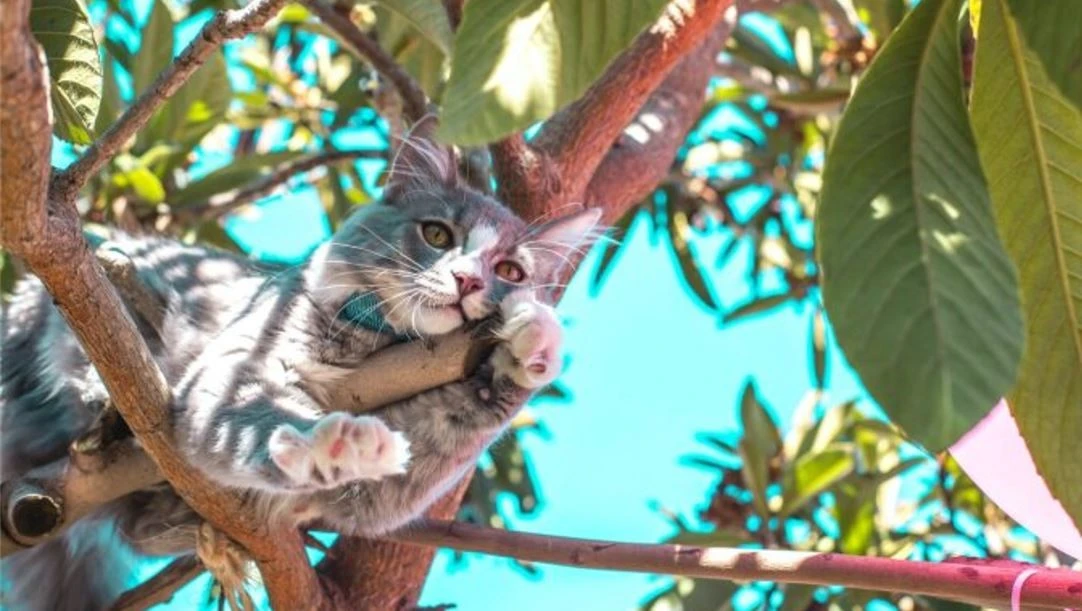
It would seem that 75 species destroyed by rodents and 63 that were reached by cats leave dogs far behind, but scientists are sure that the problem is not their peacefulness, but rather a lack of data. For example, in 1993, in a nature reserve in New Caledonia, dogs killed at least 19 of the rare local birds, Kagu, of which there were only about 500 individuals, in just over three months.
In fact, dogs pose a danger to any ecosystem they enter. In Chile, for example, feral dogs attack mammals like pudús, small artiodactyls from the deer family. According to local animal protection organizations, 70 percent of pudus seen in veterinary clinics are victims of feral dog attacks.
The dogs are responsible for the disappearance of the tachygia lizard from the Tonga Islands and the Hawaiian crake, a small flightless bird. And these are only those crimes against other species in which dogs were caught red-handed.
In Brazil, 37 species of animals and birds suffer from attacks by feral and free-roaming domestic dogs, and a similar situation occurs in Asian countries. Dogs not only attack animals, but take food from them or become competitors in the hunt for the same prey. In addition, dogs carry diseases such as distemper and rabies, against which many wild animals have no immunity. 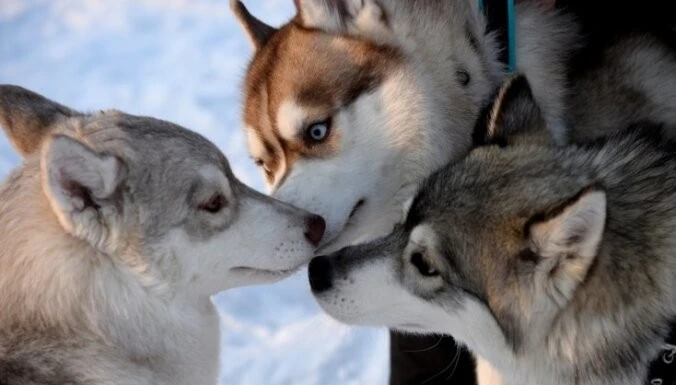
But the main danger remains that the number of dogs is steadily increasing with the growth of the human population of the planet. In 2009, it was believed that there were about 500 million dogs in the world. Ten years later, in 2019, their number was already estimated at a billion, and we are talking only about those animals that live with humans or in close proximity to them.
In the same Australia that dingoes settled thousands of years ago, the arrival of Europeans and their dogs has led to the emergence of particularly aggressive hybrids that raid pastures, killing and maiming tens of thousands of livestock a year. In the UK, dogs killed about 15 thousand sheep in 2016 alone.
In Australia, Great Britain and, for example, Germany, stray dogs are occasionally shot and poisoned en masse, which naturally causes violent protests among animal rights activists and the dog-loving public. It seems that this conflict will last until the last day of human existence.
With my own hands.
However, the main thing that all these stories have in common is that the main reason for the appearance of invasive species that cause enormous harm to the ecosystem and agriculture is precisely man and his carelessness. Many people think that a fluffy rabbit or goldfish cannot harm an entire continent.
But practice shows that seemingly harmless species transferred by humans from one ecosystem to another can turn into real monsters and are capable of causing enormous damage to native flora, fauna, and even humans themselves. And a cute face will not save you from this.