When geranium leaves become covered with yellow spots, dry out and curl, this can be either a minor problem or a serious one that can even cause the death of the plant.
Causes of yellowing geranium leaves 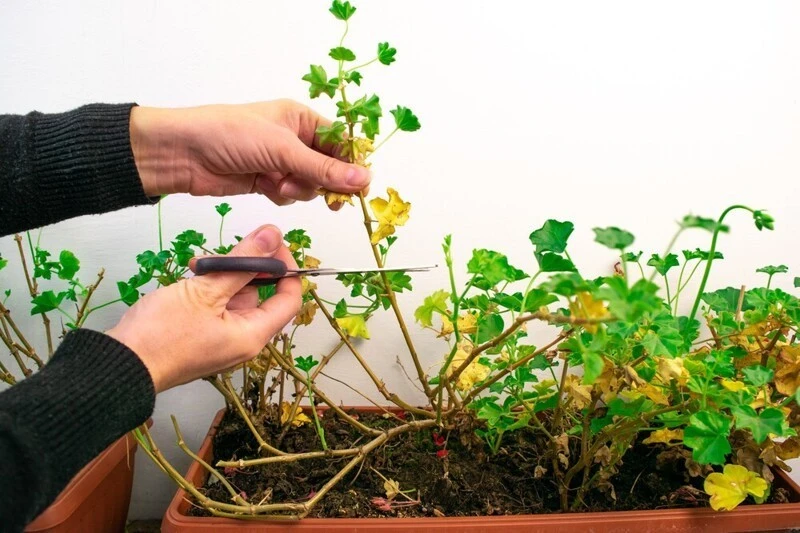
1. Inappropriate potty. The container may be too tight, which causes problems with the nutrition of the root system, causing the plant to shed foliage as ballast. A very large pot provokes flooding, and the roots begin to rot in the constantly wet soil. The optimal pot size is 10-15 cm with a similar diameter.
2. Lack of nutrition. Feeding this indoor flower must be done every 2 weeks during the flowering period, since it spends all its resources on it. Nitrogen, potassium, phosphorus - these elements must be replenished. This can be done using complex fertilizer.
3. Chlorosis. This is a metabolic disorder, most often caused by a lack of iron. The disease is characterized by yellowing only of the leaf blade itself, while the veins remain green. The solution and prevention of yellowing in this case is feeding with iron chelate.
4. Excess of nutrients. Once every two weeks is the optimal frequency of feeding. After transplantation and during growth, the emphasis should be on nitrogen fertilizers, and after the appearance of buds - on potassium and phosphorus.
5. Failure to comply with care rules. This plant is light-loving, but the rays of the sun should not be direct, but diffused. Do not place the pot near the radiator or heating appliances. Water only when the top layer of soil dries. The optimal temperature is +15-+17 degrees with a humidity level of about 50%.
6. Diseases and pests. Like other houseplants, geraniums can be attacked by aphids, spider mites, mealybugs and other pests. Diseases can also affect the color of leaves, such as rust, in which the leaf becomes covered with brown spots, and then completely dries out and falls off, and dropsy, which causes bubbles to appear on the inside of the leaf, followed by darkening and falling off.
Preventive measures 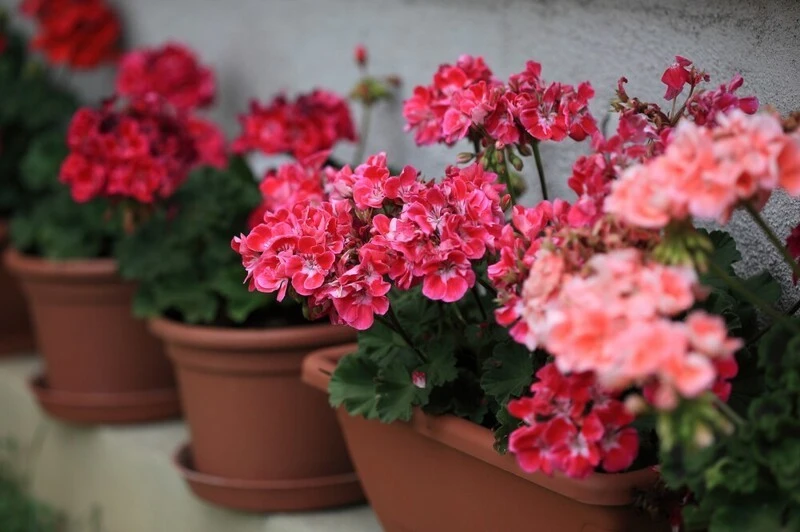
Of course, not a single plant is immune from diseases and pests. But the impact of all other factors can be prevented using simple preventive measures:
- use a pot of suitable size;
- do not flood the soil;
- do not place the plant near thermal appliances and equipment;
- regularly fertilize and inspect for parasites or disease;
- spray twice a year with a special solution (sold in stores or made independently from ash, laundry soap and water).
Following these simple recommendations will help you avoid problems, and geranium will always delight the eye with lush green foliage and abundant flowering.
0 comments